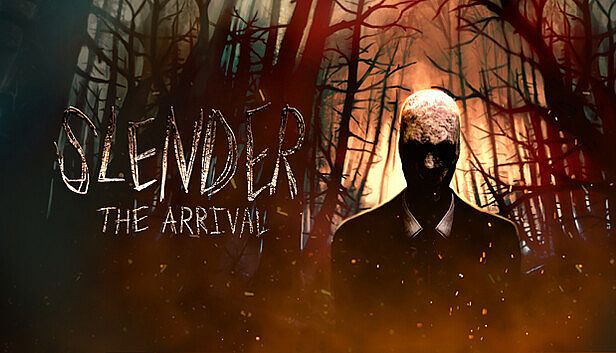














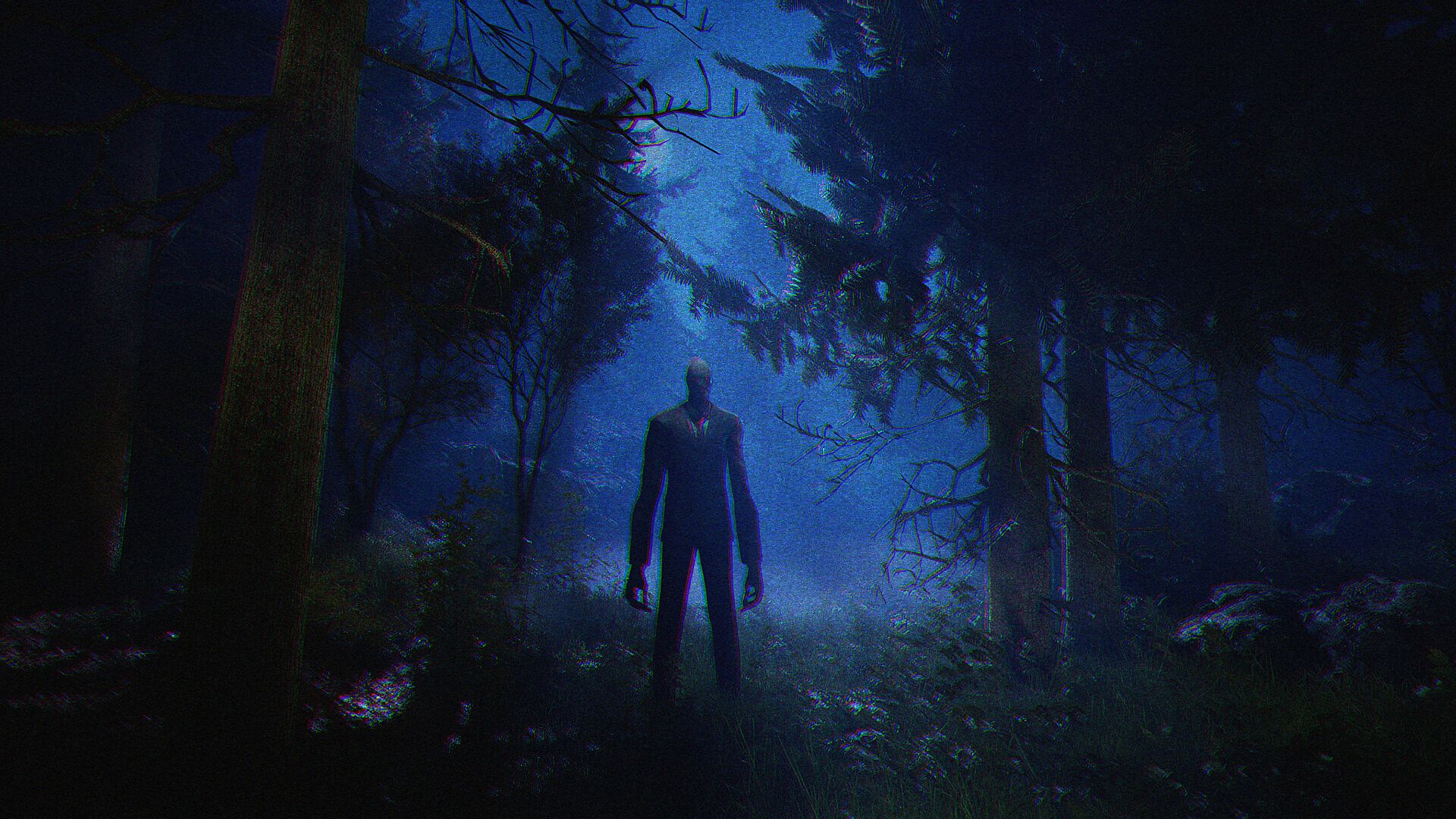
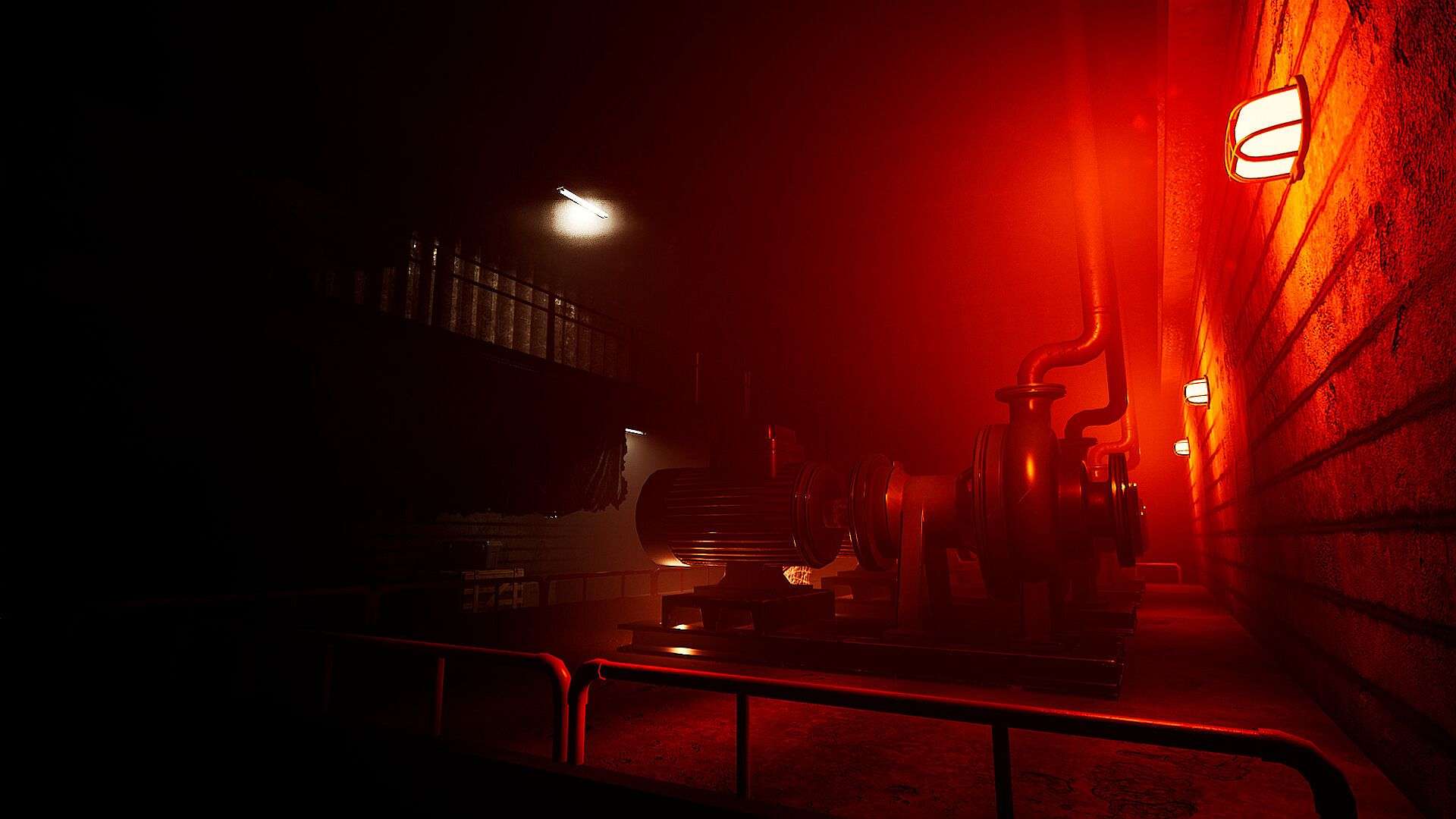
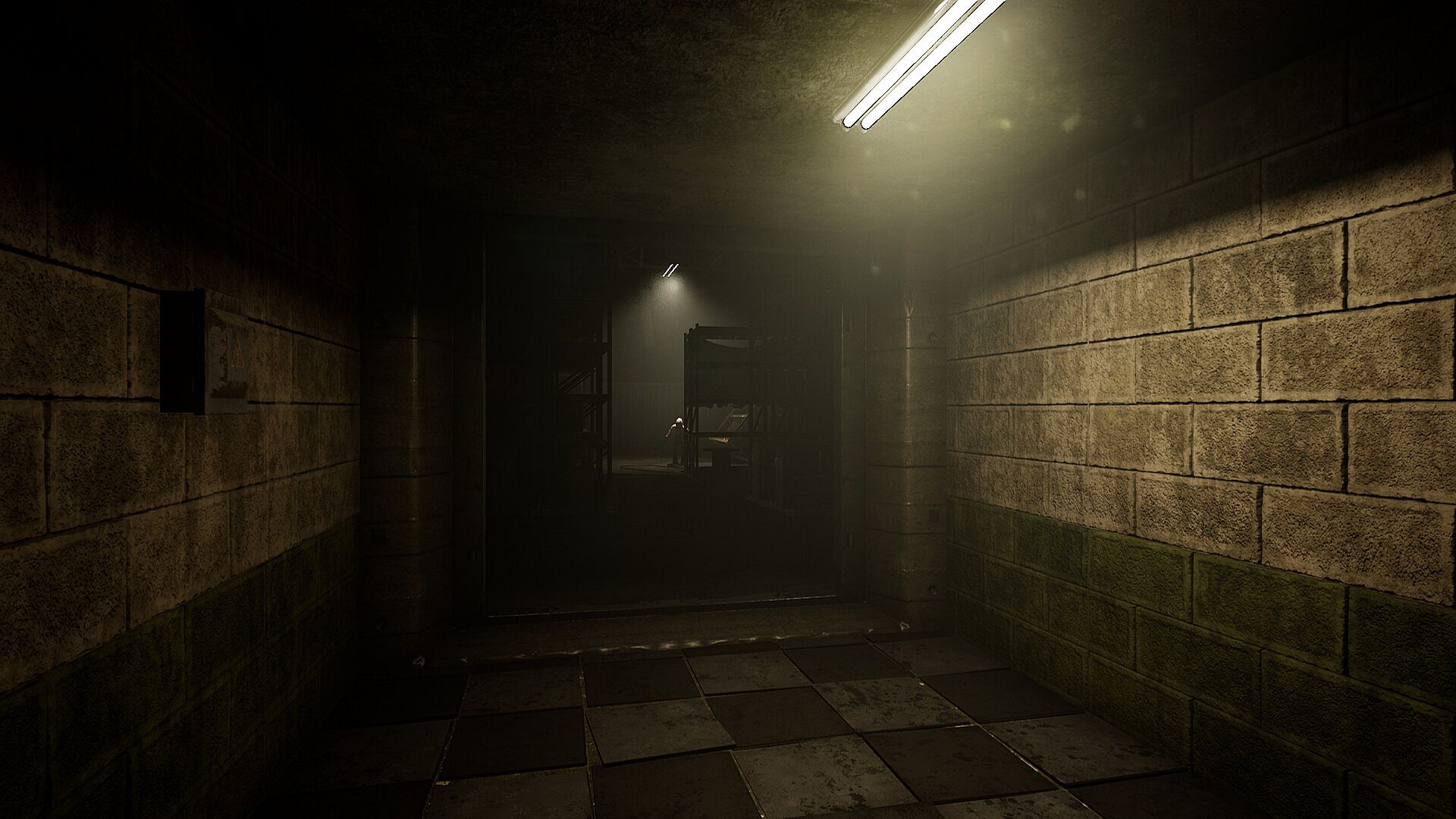
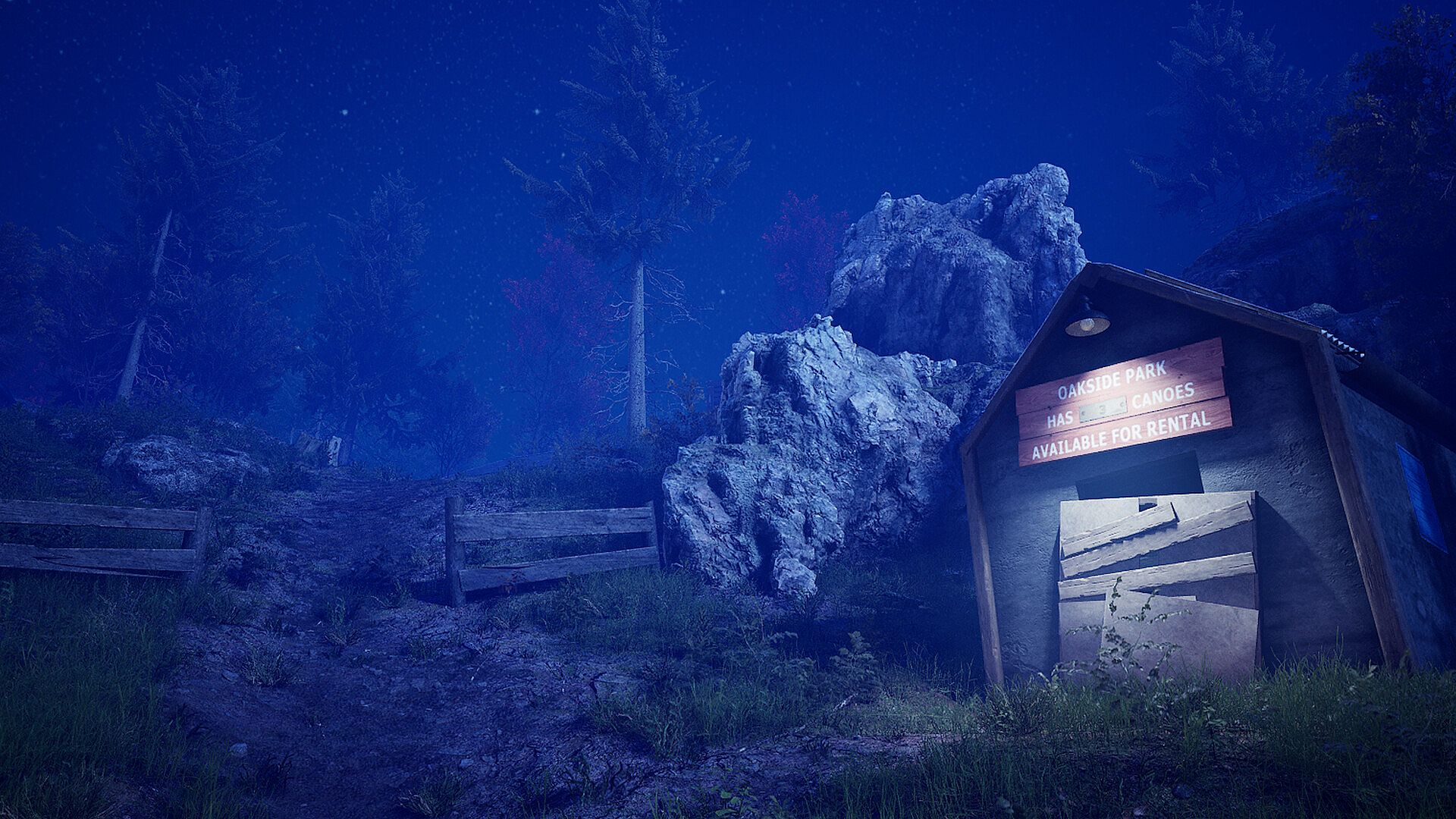
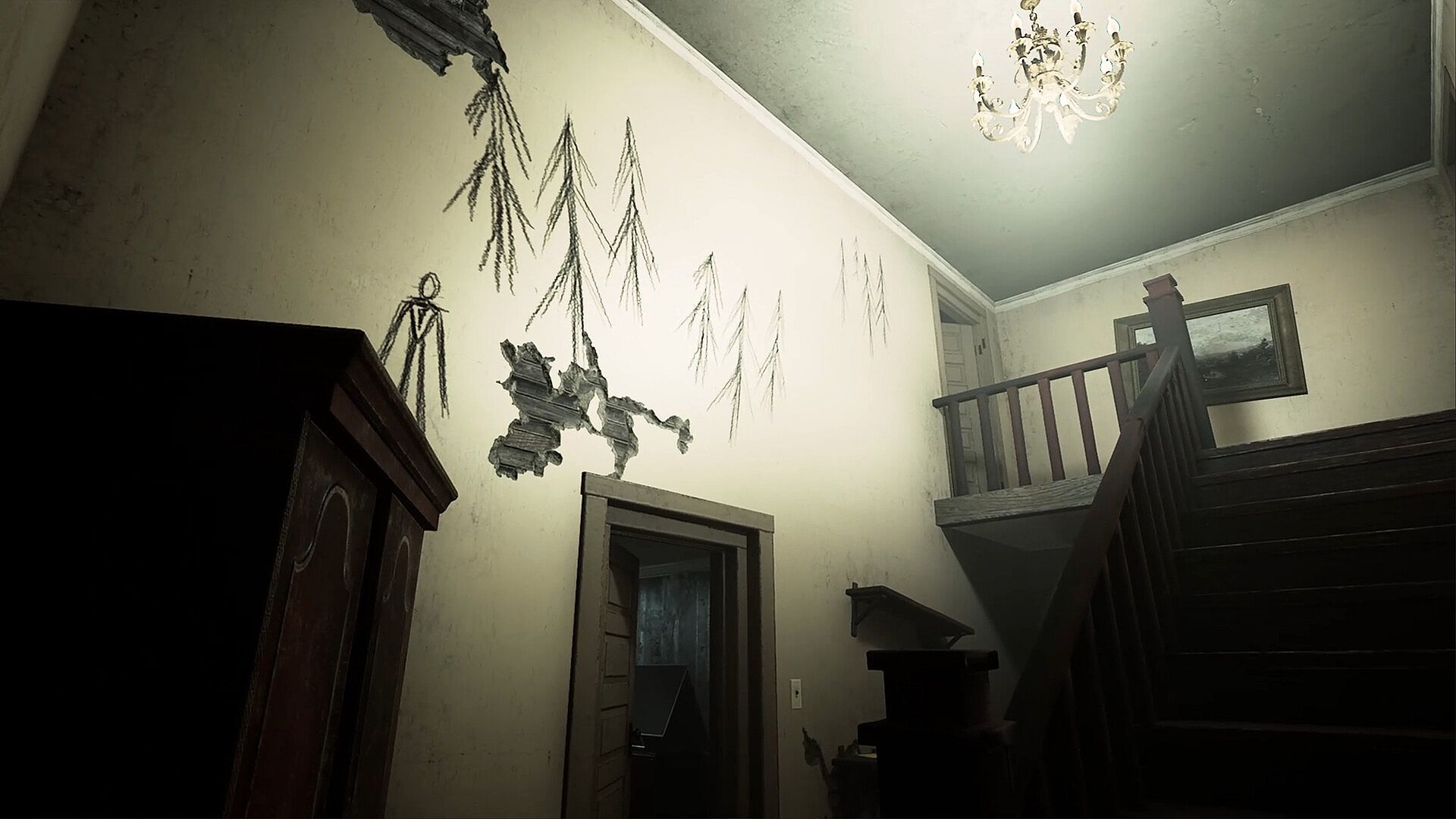
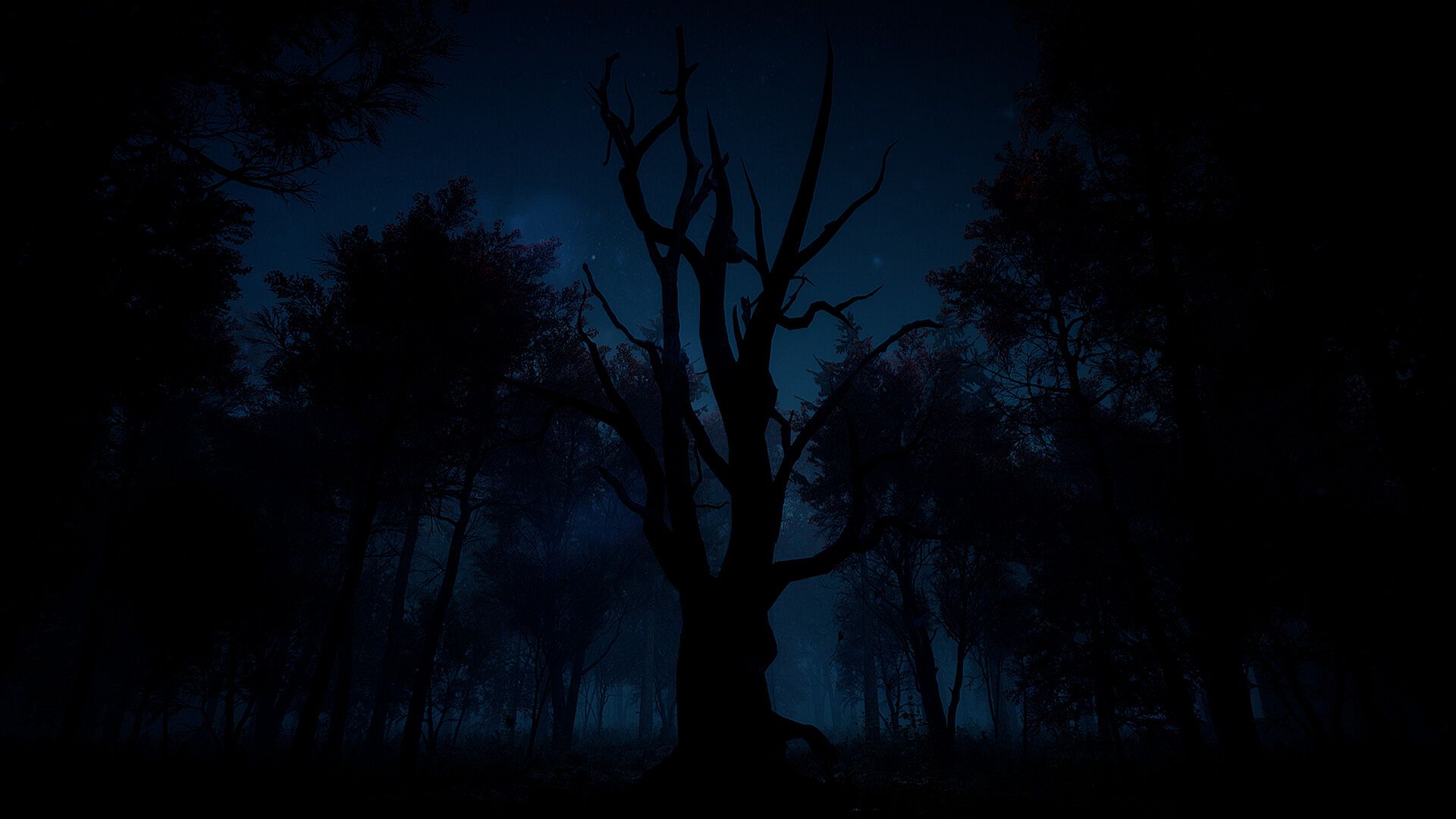
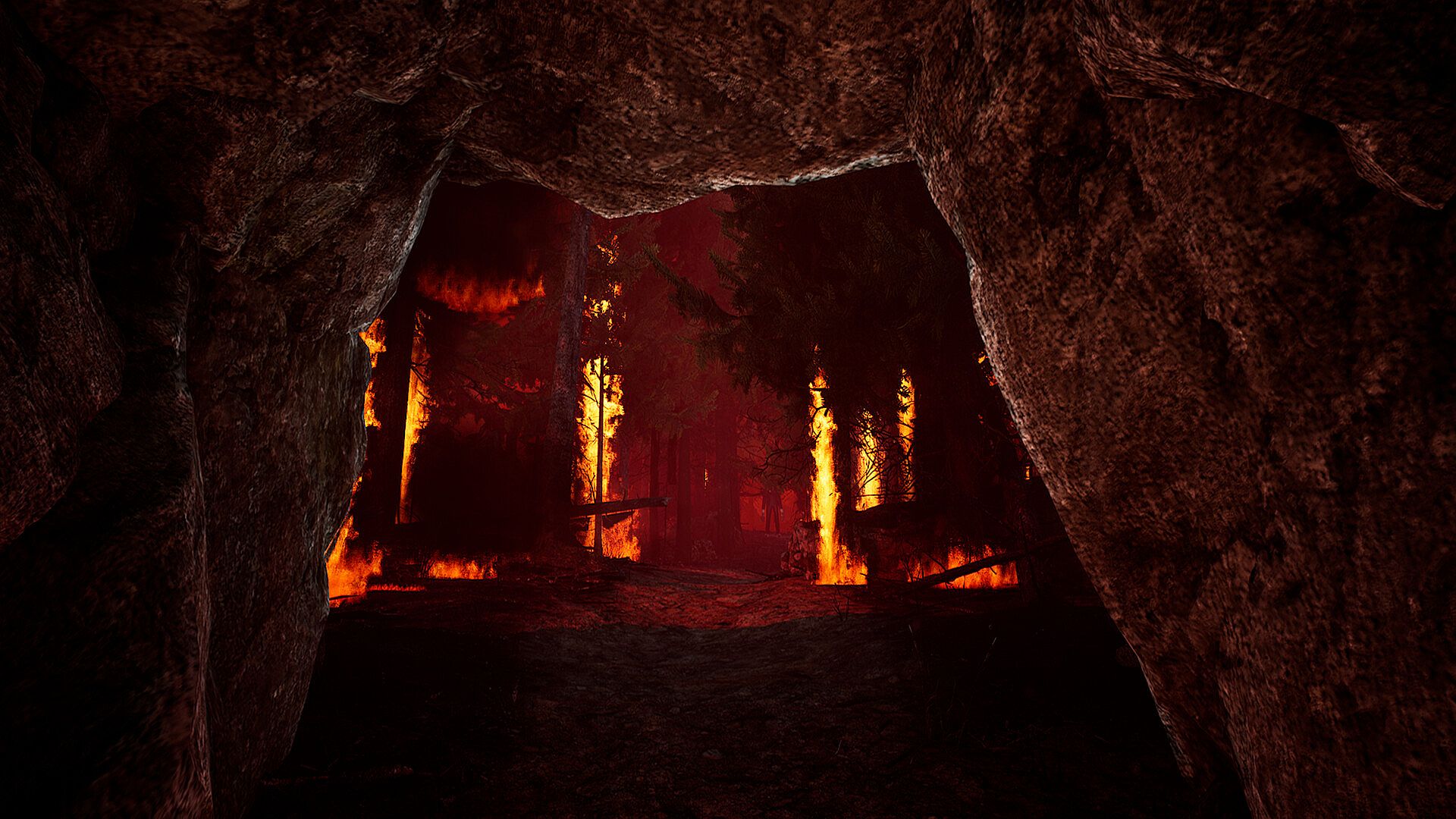
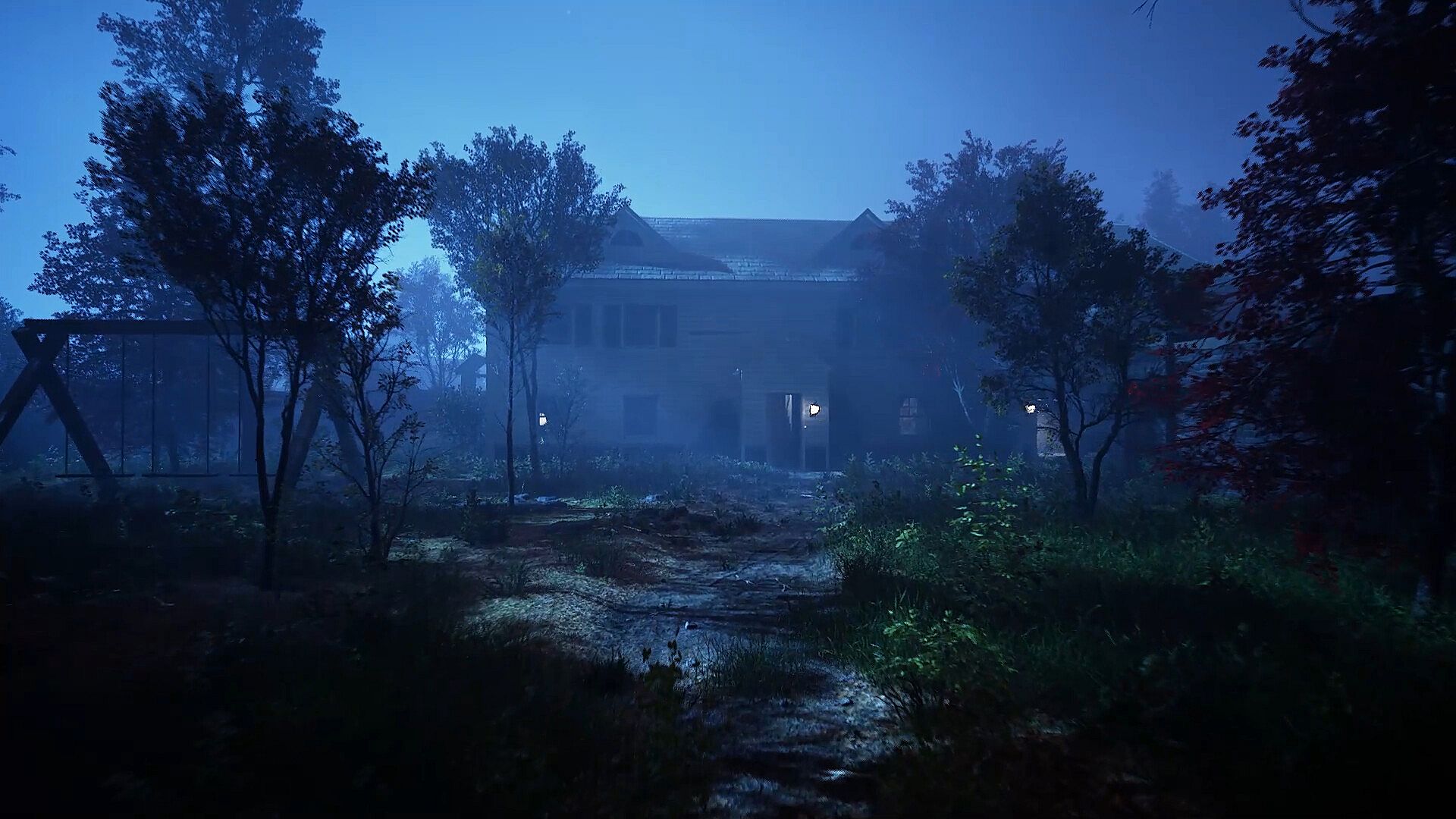
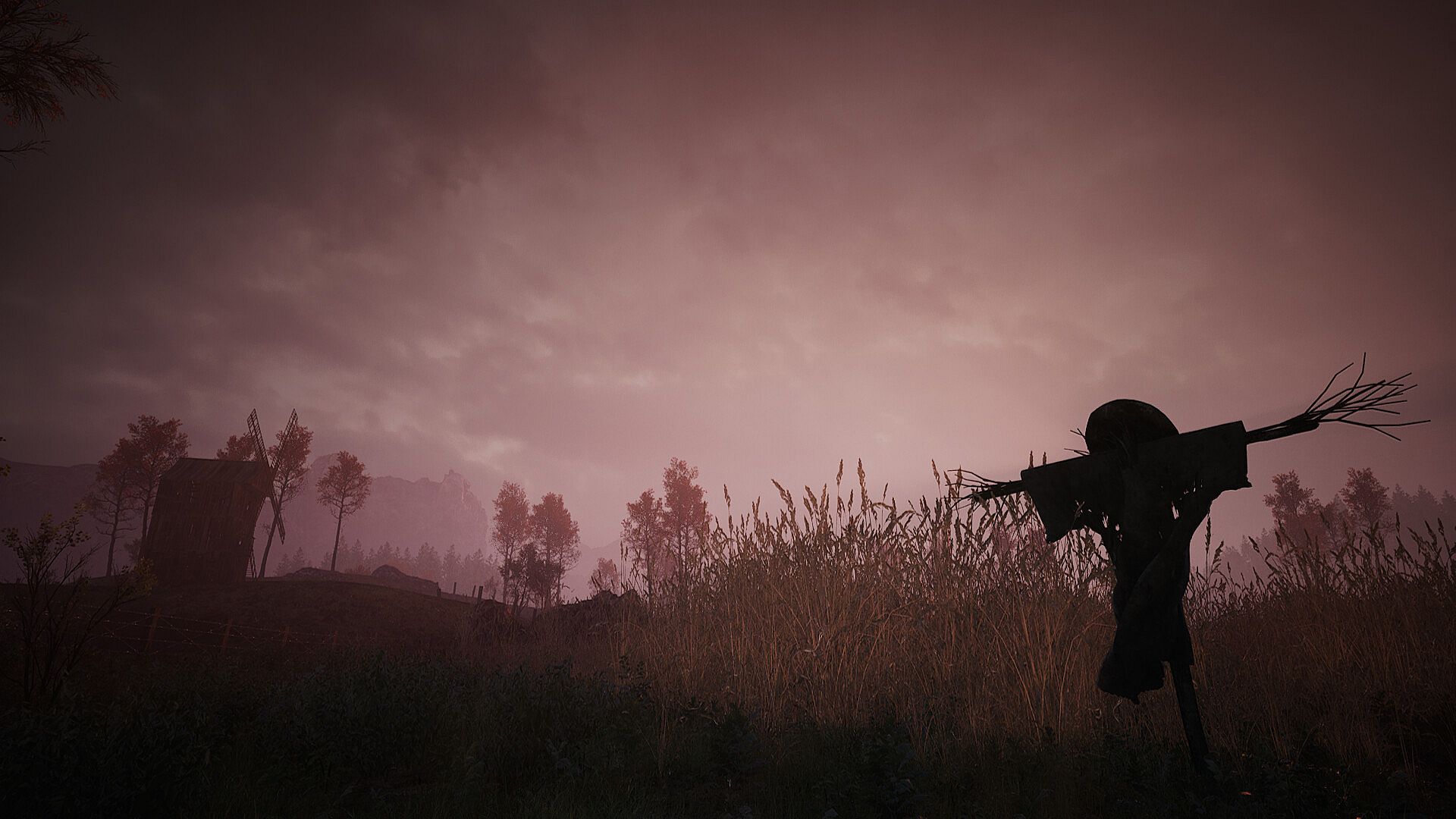
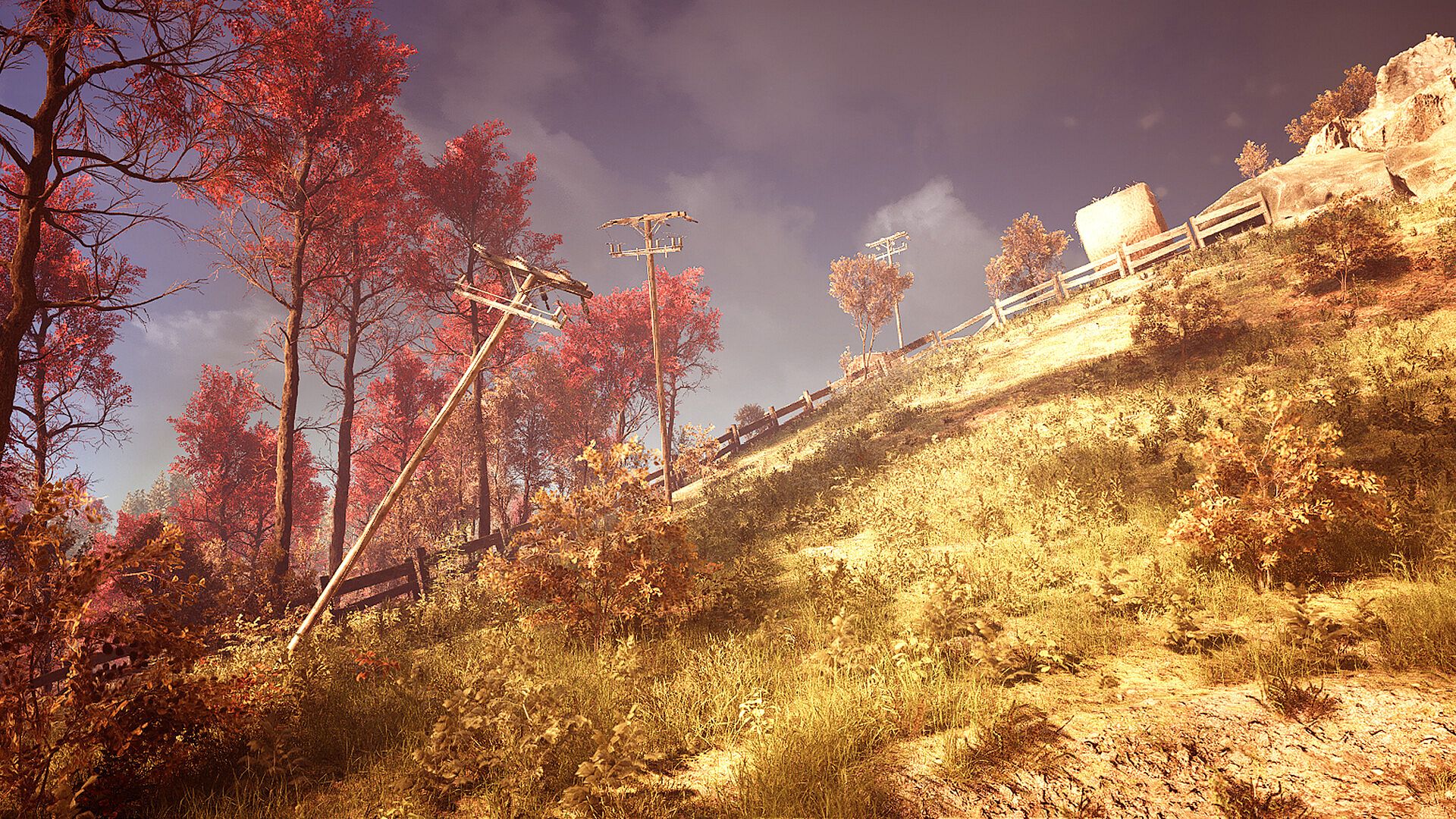
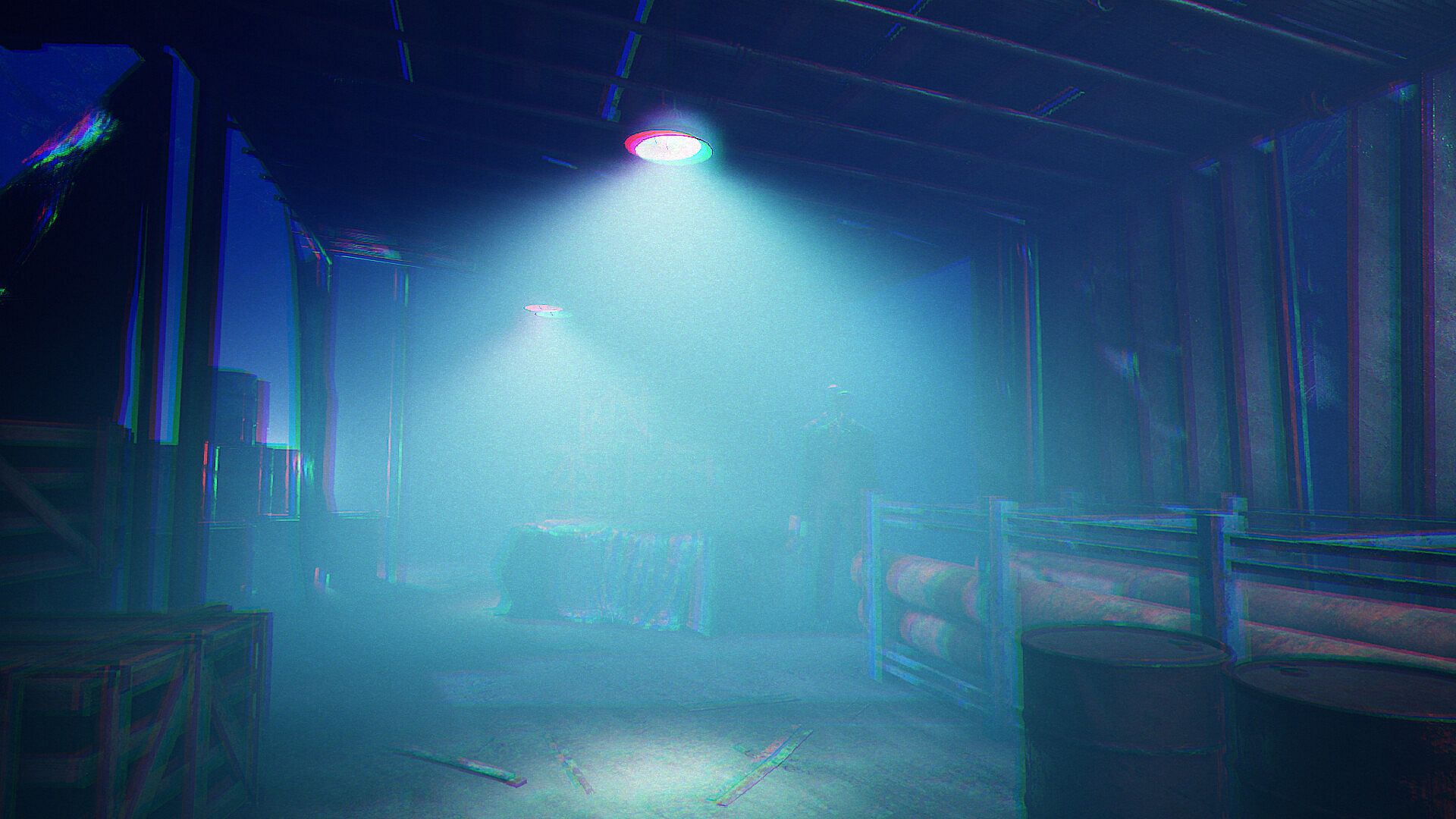

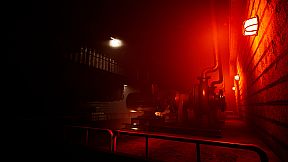
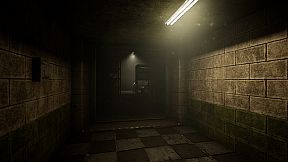
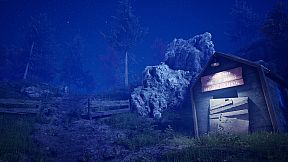
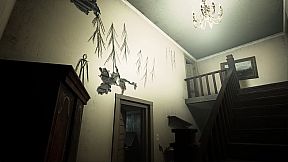

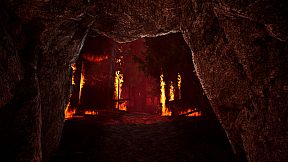
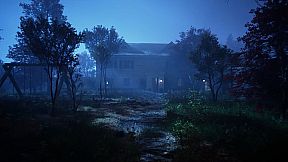

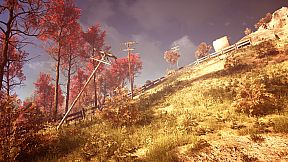
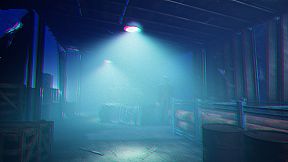
Slender: The Arrival is a single-player survival horror game that places players in a first-person perspective as they navigate eerie abandoned locations while evading the Slender Man and his proxies. The core experience revolves around exploration, objective completion, and tense evasion in environments such as forests, derelict buildings, a mining facility, and a radio tower. Players control characters including Lauren, who searches for her missing friend Kate, and must manage limited resources to survive encounters that build dread through proximity and line of sight.
Gameplay
The gameplay loop centers on moving through levels to fulfill tasks like collecting scattered pages or notes and activating generators, all while avoiding detection. The only tool available is a flashlight, which players toggle on and off or focus to create distance from threats. Sprinting consumes stamina that regenerates over time, encouraging careful pacing rather than constant running. Looking directly at the Slender Man triggers visual and audio distortions that impair visibility, forcing players to turn away or flee. Proxies, such as the Chaser, pursue aggressively and require the flashlight beam directed at their face to stun them temporarily. In certain sections, players must manage multiple objectives under increasing pressure as enemies grow more persistent with each collected item.
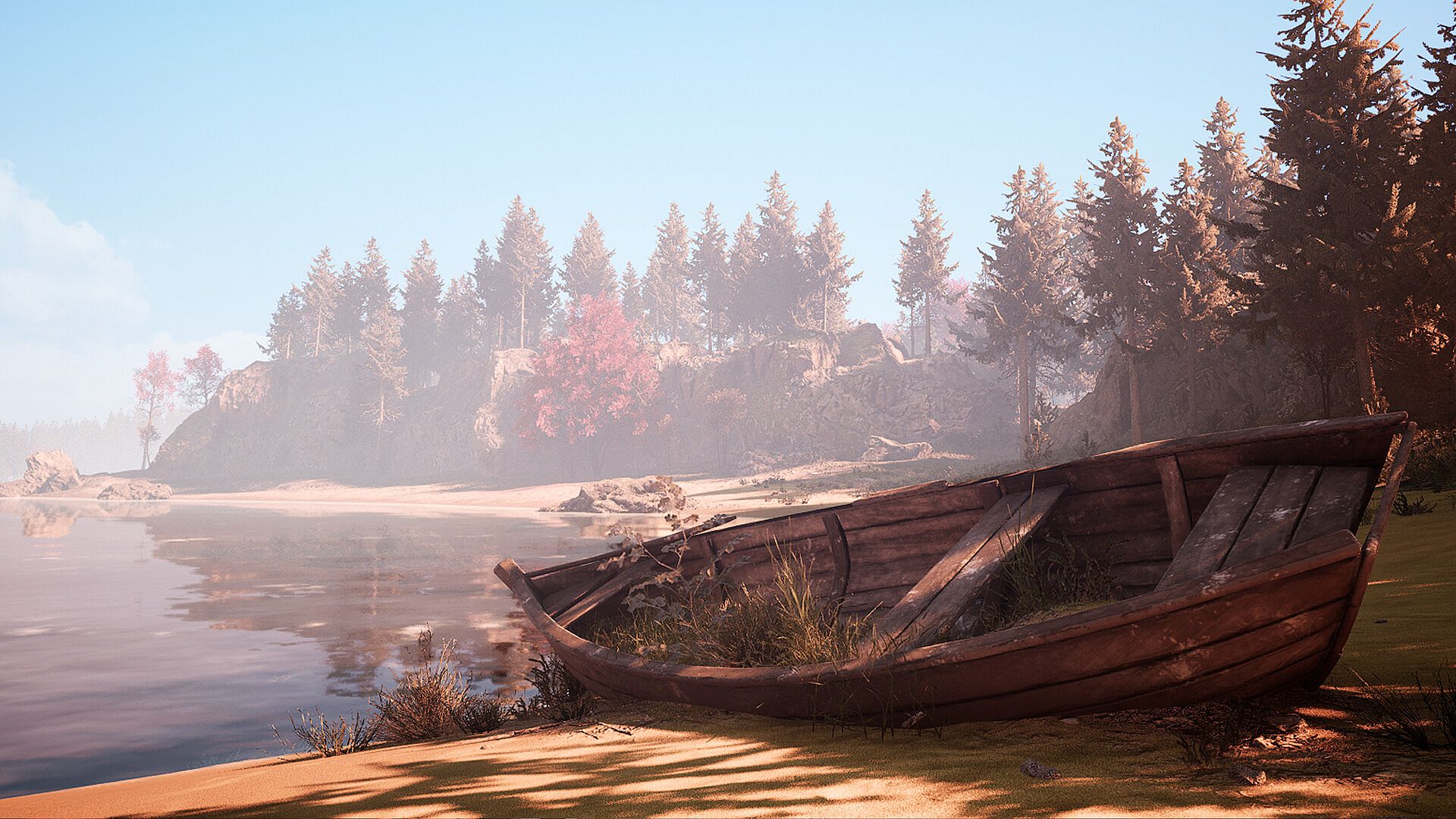
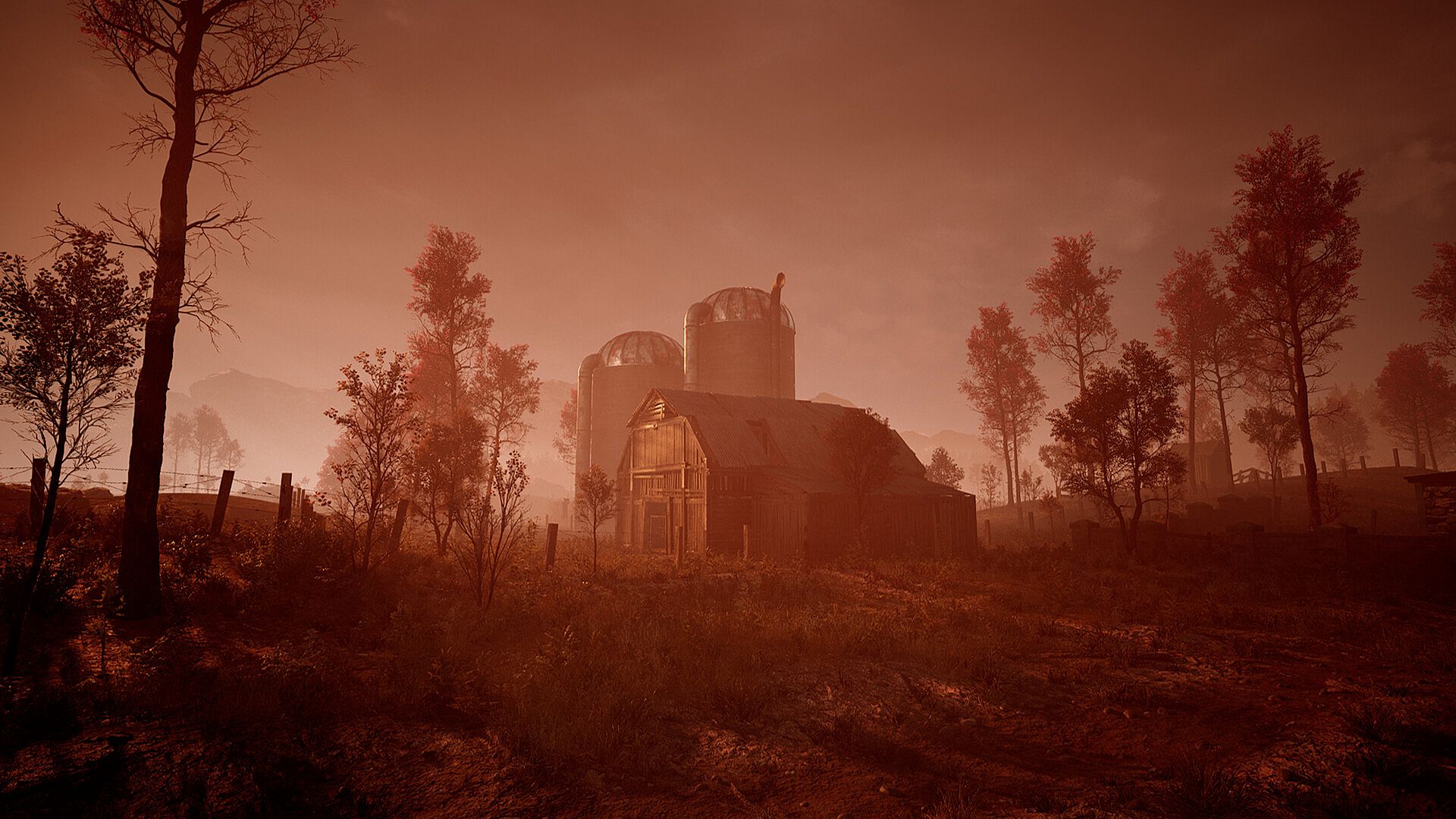
Difficulty settings influence these systems. Easy mode provides generous stamina and an infinite flashlight battery. Normal balances the challenge. Hardcore mode, unlocked after an initial completion, introduces a depleting flashlight battery, faster stamina drain, and heightened enemy aggression. These options allow repeated playthroughs with adjusted tension levels. The 10th Anniversary Update added a complete visual overhaul, refreshing every model, material, shadow, and encounter with higher detail while preserving the original mechanics.
Game Modes
Slender: The Arrival operates exclusively as a single-player experience with no multiplayer components. The structure consists of five primary parts or levels, each featuring distinct objectives and safe zones before the main challenges begin. A prologue introduces basic controls and the atmosphere. Subsequent sections include tasks such as gathering items in a homestead area, navigating a stormy escape sequence, and descending into an abyss-like mining site where generators must be powered on amid pursuit.
Hardcore difficulty modifies several of these levels by restricting flashlight use and increasing the number of required items, such as collecting all gas canisters before activation. The 10th Anniversary Update introduced a brand new chapter focused on Charlie Matheson's father facing his worst nightmare, expanding the narrative without altering the single-player format. Players can switch between the updated version and the original release through Steam client branches to compare graphics and pacing.
Story and Atmosphere
The narrative follows Lauren's investigation into her friend Kate's disappearance, uncovering connections to the Slender Man through found documents and flashbacks. Additional layers appear in the new chapter, where Charlie Matheson's father endures a personal horror. Multiple language support, including redesigned pickups, readables, and subtitles, broadens accessibility for first-time players. The atmosphere relies on isolation in dimly lit or outdoor settings, with sound design amplifying footsteps, static interference, and distant threats to maintain constant unease.
Is It Worth Playing?
Slender: The Arrival suits players who enjoy deliberate survival horror centered on resource management and evasion rather than combat. The single-player structure and level-based progression deliver replay value through difficulty variations and the option to experience the original or updated visuals. The 10th Anniversary Update ensures modern presentation with the new chapter providing additional content for those who have completed the base game. Those seeking atmospheric tension in a focused horror package will find the mechanics and structure align well with that preference, particularly when played in a dark environment with headphones.