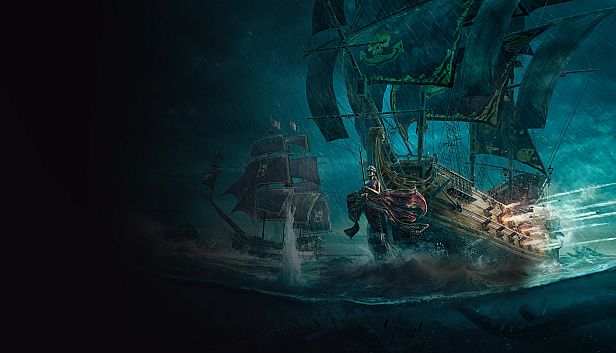






Skull and Bones is an open world naval action RPG set during the Golden Age of Piracy. Players take command of customizable ships to sail the Indian Ocean, engage in ship-to-ship combat, and pursue a pirate legend through a mix of solo progression and group activities. The game emphasizes tactical naval battles, resource management, and exploration across a shared world that supports up to 20 players at once.
Gameplay
Core gameplay centers on controlling a pirate ship from a third-person view. Movement relies on wind, positioning, and a stamina system that limits sustained high speeds. Combat involves aiming weapons, managing reload times, and executing maneuvers to gain advantage over opponents. Loadouts allow players to equip different cannons, mortars, and special abilities that suit aggressive or defensive styles.
Ship customization forms a major progression loop. Players select from various ship classes, each offering unique handling, durability, and role-specific perks. Upgrades and builds focus on balancing speed, firepower, and cargo capacity to handle different encounters. Exploration rewards players with resources and blueprints that further refine these builds.
Environmental interactions and mythical sea creatures add variety to voyages. Encounters with these beasts require coordinated attacks and awareness of their attack patterns. The open world encourages repeated trips between ports for trading, questing, and outfitting ships for longer expeditions.
Game Modes
The single-player campaign lets players advance through story-driven objectives and world activities without requiring other participants. This path focuses on building infamy, completing contracts, and unlocking new ship options at a personal pace.
Multiplayer elements include cooperative play against AI-controlled threats and rival ships. In Disputed Waters, players can form groups of up to six to engage in player-versus-player encounters, though participation requires a treasure map. The shared ocean supports mixed sessions where solo players and groups interact naturally.
Overall progression ties into an infamy system that influences matchmaking and available content. Players match with others of similar standing, allowing both competitive and collaborative experiences within the same persistent world.
Setting and Progression
The game takes place in a detailed representation of the Indian Ocean region, drawing from historical piracy hotspots in East Africa and Southeast Asia. Ports serve as hubs for trading goods, accepting contracts, and socializing with other captains. Progression involves increasing infamy through successful raids and deliveries, which in turn unlocks higher-tier ships and equipment.
Resource gathering and economy management play key roles. Players collect materials from the sea and defeated vessels to craft or purchase upgrades. This loop supports both short sessions focused on combat and longer voyages aimed at amassing wealth and reputation.
Is It Worth Playing?
Skull and Bones delivers focused naval combat and ship-building systems that appeal to players interested in tactical action and pirate themes. The mix of solo campaign content and optional multiplayer sessions provides flexibility for different play styles. Persistent online connectivity and a Ubisoft account are required to access all features.
Reception has been mixed among critics, with praise for the combat feel and ship variety alongside criticism of repetitive elements and limited depth in some systems. The game continues to receive updates that expand available content and refine existing mechanics. It suits those who enjoy methodical ship handling and group naval encounters more than fast-paced land-based action or single-player narrative focus.
Availability on PC includes support for high resolutions and frame rates, making it accessible to a range of hardware setups. Players who value customization and repeated combat loops will find the most engagement here, while those seeking extensive story branches or offline play may want to consider the requirements first.