




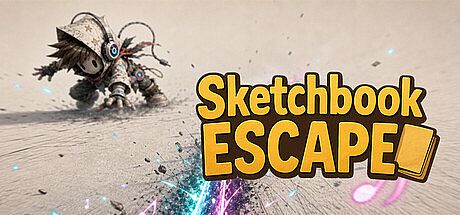


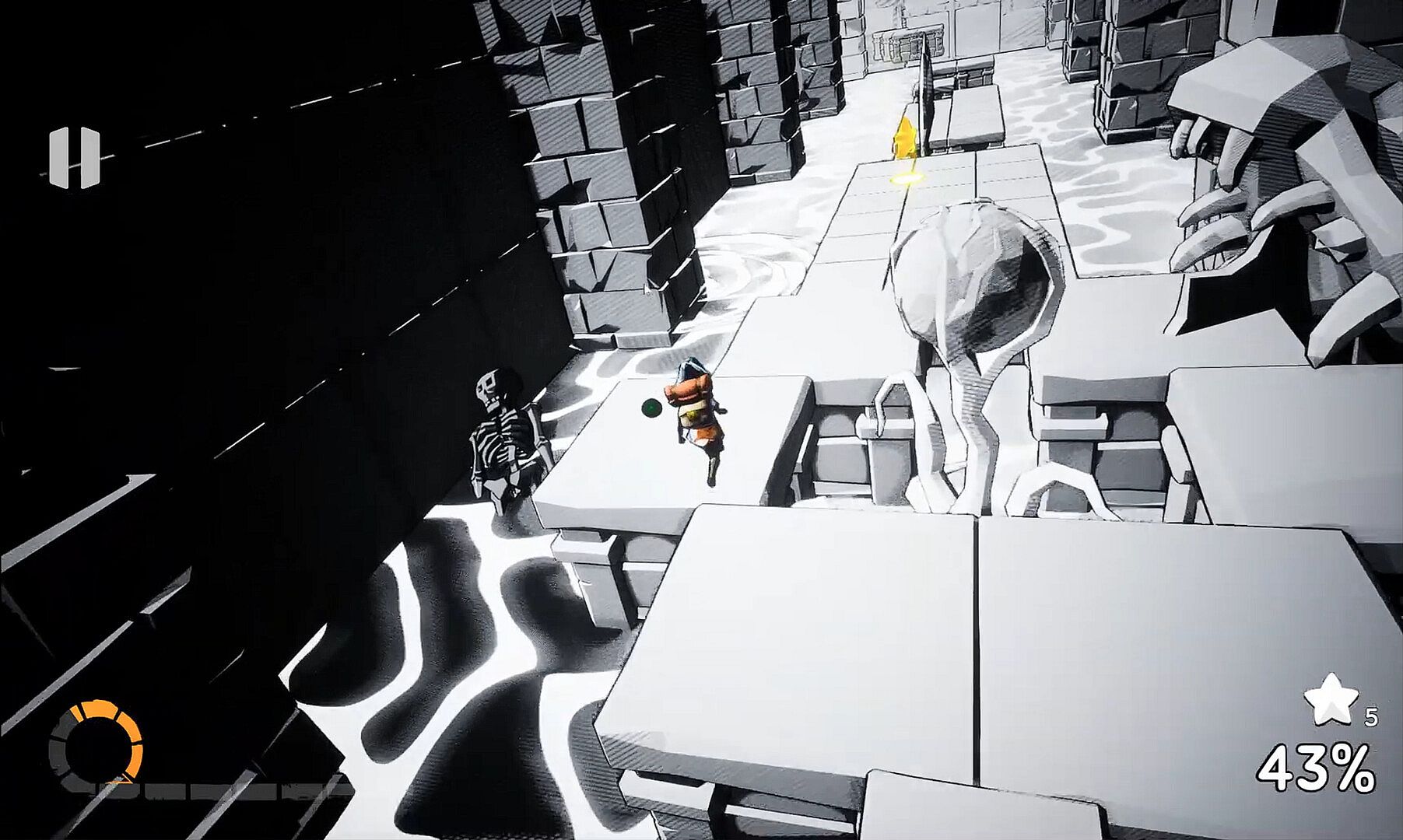
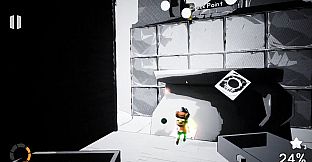
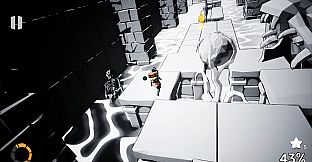
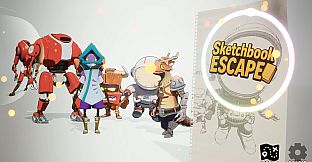
SketchBook Escape is a single-player music action runner that blends rhythm gameplay with gesture-driven movement in an indie racing package for PC. Players sprint through environments that unfold like pages in a sketchbook, where the beat dictates the appearance of paths, obstacles, and shifting hazards. The experience centers on syncing actions to music rather than following preset routes, creating a fluid loop of timing and improvisation.
Gameplay
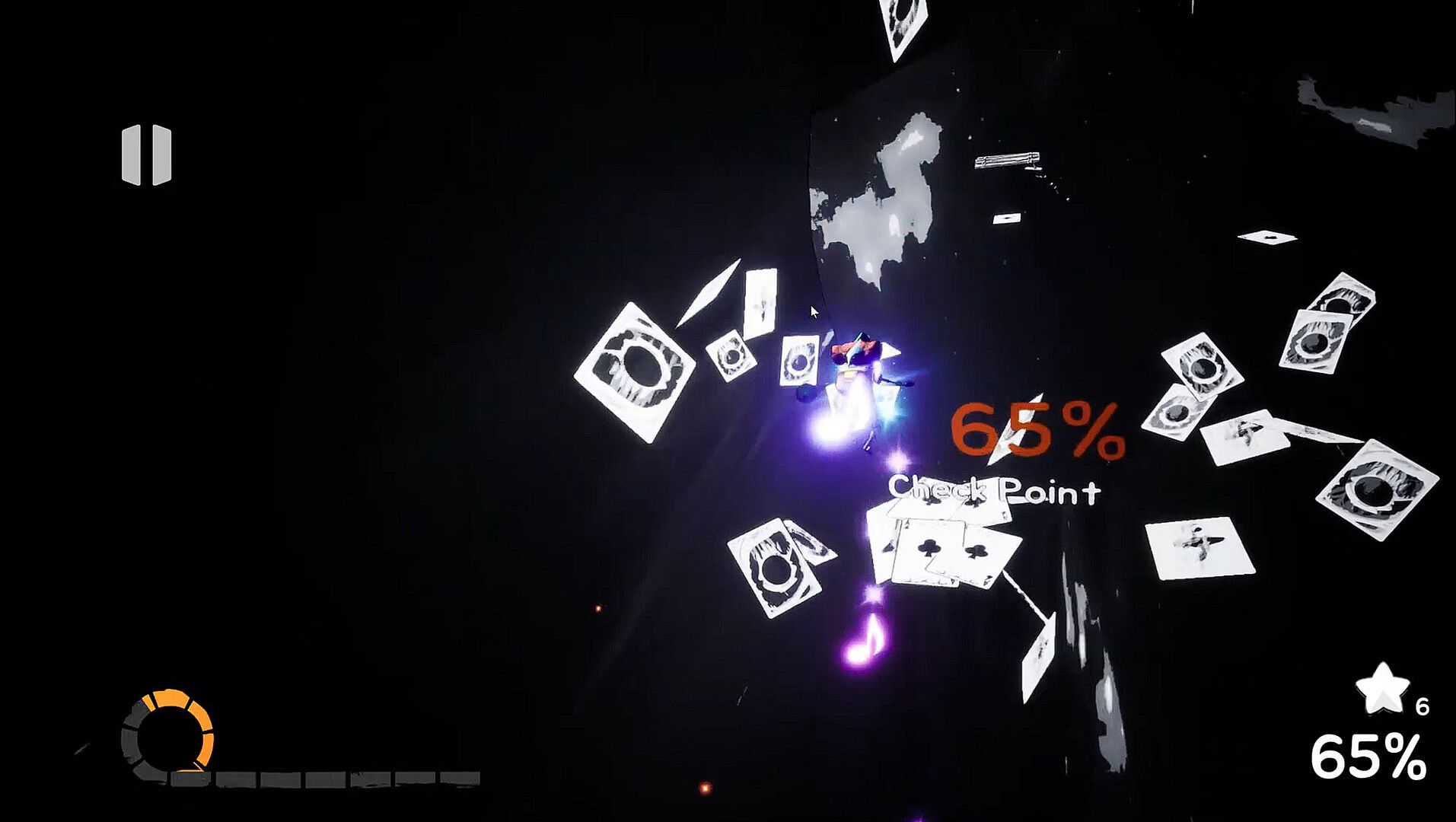
The core loop involves running forward while the world reacts in real time to the soundtrack. Paths form and change with each beat, turning what looks like safe ground into sudden threats or opening fresh routes without warning. Dynamic Gestures let players shape their movement style directly, turning simple sprints into personalized rhythms that influence how the stage unfolds. These gestures build momentum that feeds into Mix Jumps, allowing chains of movement that open alternative paths and maintain flow across the level.
Because the environment is never static, each run feels distinct even on repeated tracks. Tiles that appear stable can flip to deadly states, sections can rise or collapse, and transitions can shift the entire rhythmic space mid-stage. The focus stays on maintaining momentum and reading the music to stay ahead of changes rather than memorizing fixed layouts. A level editor is included, giving players tools to create and share custom stages that integrate with the same rhythm and gesture systems.
Leaderboards track performance across the available content, encouraging repeated attempts to refine timing and gesture choices. The single-player structure keeps the emphasis on personal mastery of the rhythm mechanics without external competition during play.
Game Modes
The game operates entirely in single-player. The main experience consists of progressing through a set of tracks where the goal is to complete each stage while syncing movement to the music. There are nine tracks in total, and the dynamic nature of the world means no two runs follow identical patterns.
Progression centers on mastering the gesture and jump systems to handle the shifting hazards and discover new routes. The level editor functions as an additional creative mode, allowing players to build and test their own stages that follow the same rhythm-responsive rules. Leaderboards provide a way to compare completion times and scores on both official and custom content.
Visual and Audio Design
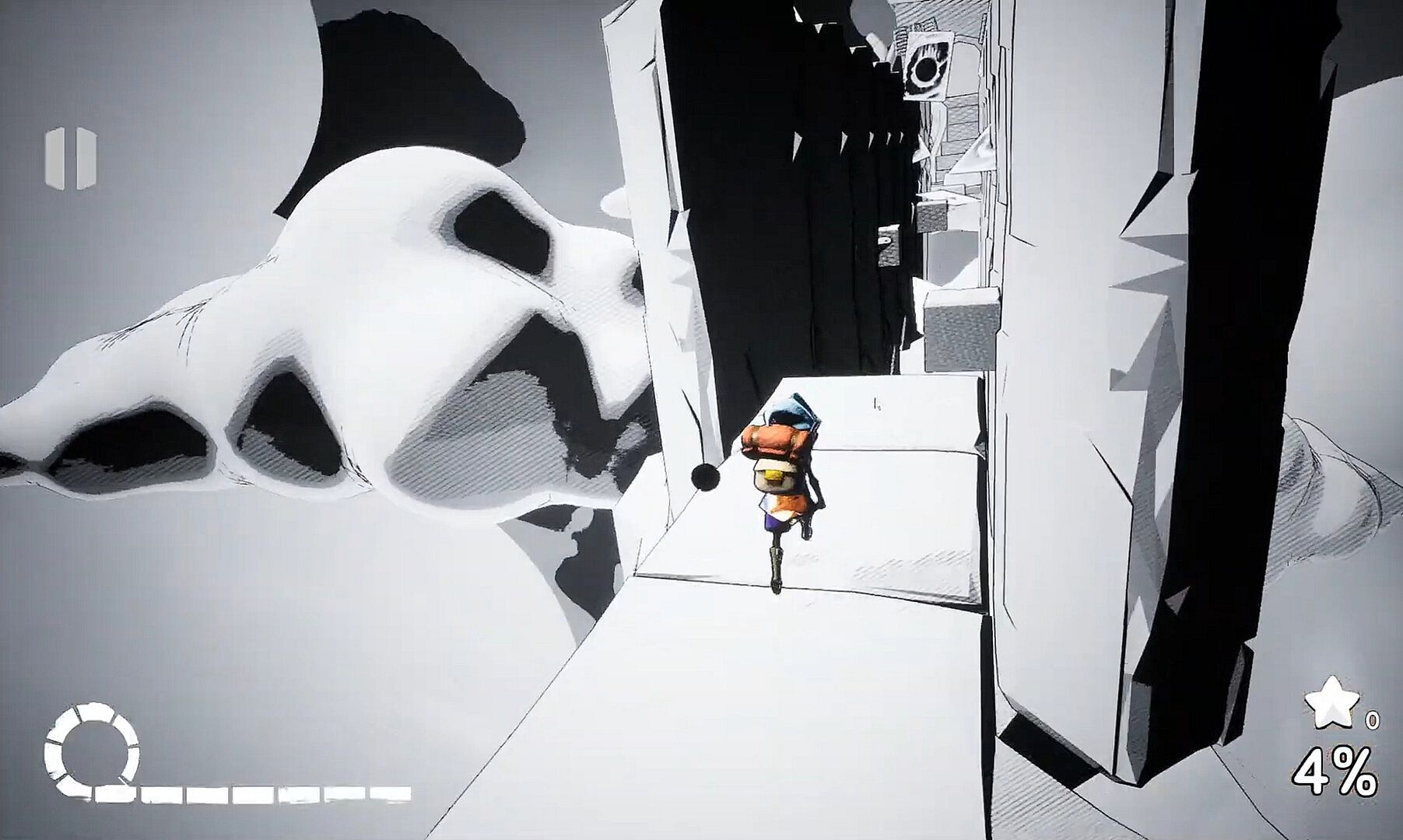
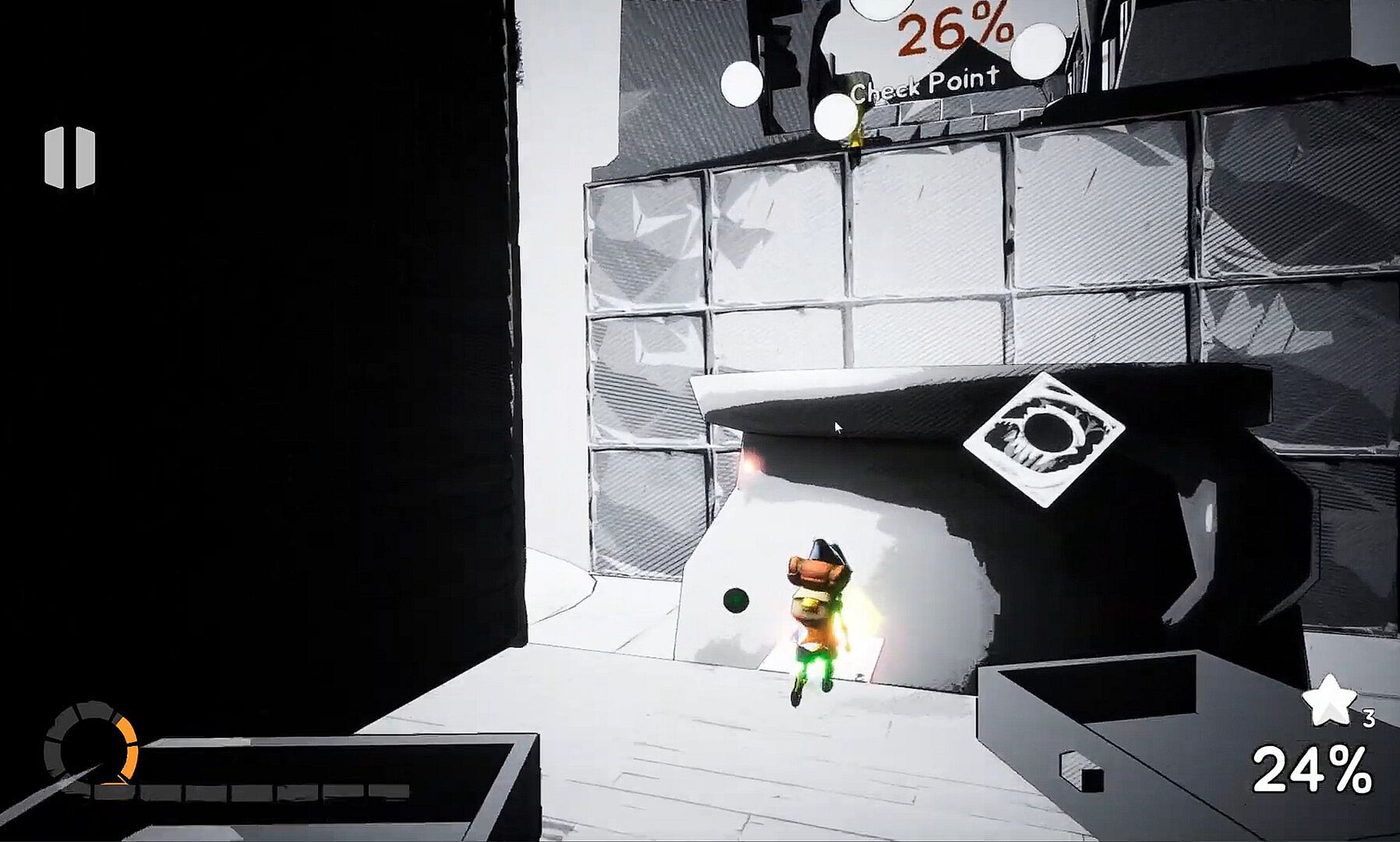
The presentation uses a hand-drawn sketchbook aesthetic where lines and shapes appear and evolve in sync with the audio. This style reinforces the theme of a world being drawn live rather than pre-rendered. Audio drives every element, from path generation to hazard timing, so the soundtrack functions as both background and core gameplay input. The result is a cohesive loop where visual changes and sound cues guide player decisions without relying on traditional UI indicators.
Is It Worth Playing?
SketchBook Escape targets players who enjoy rhythm action games and endless runners that reward precise timing and creative movement over standard platforming. The gesture and mix jump systems add layers of expression that set it apart from more rigid runners, while the constantly changing environments keep sessions fresh. With a level editor and leaderboards built in, there is room for ongoing engagement through custom content and score chasing even after the initial tracks are cleared.
The game remains in development with a release date still to be announced, so interested players can follow updates from the developer. Those drawn to music-synced movement and single-player focus on flow and improvisation will find the verified mechanics align closely with that preference. No player reviews or ratings are available yet, which means the best way to evaluate fit is to watch for launch and try the core loop directly.











