




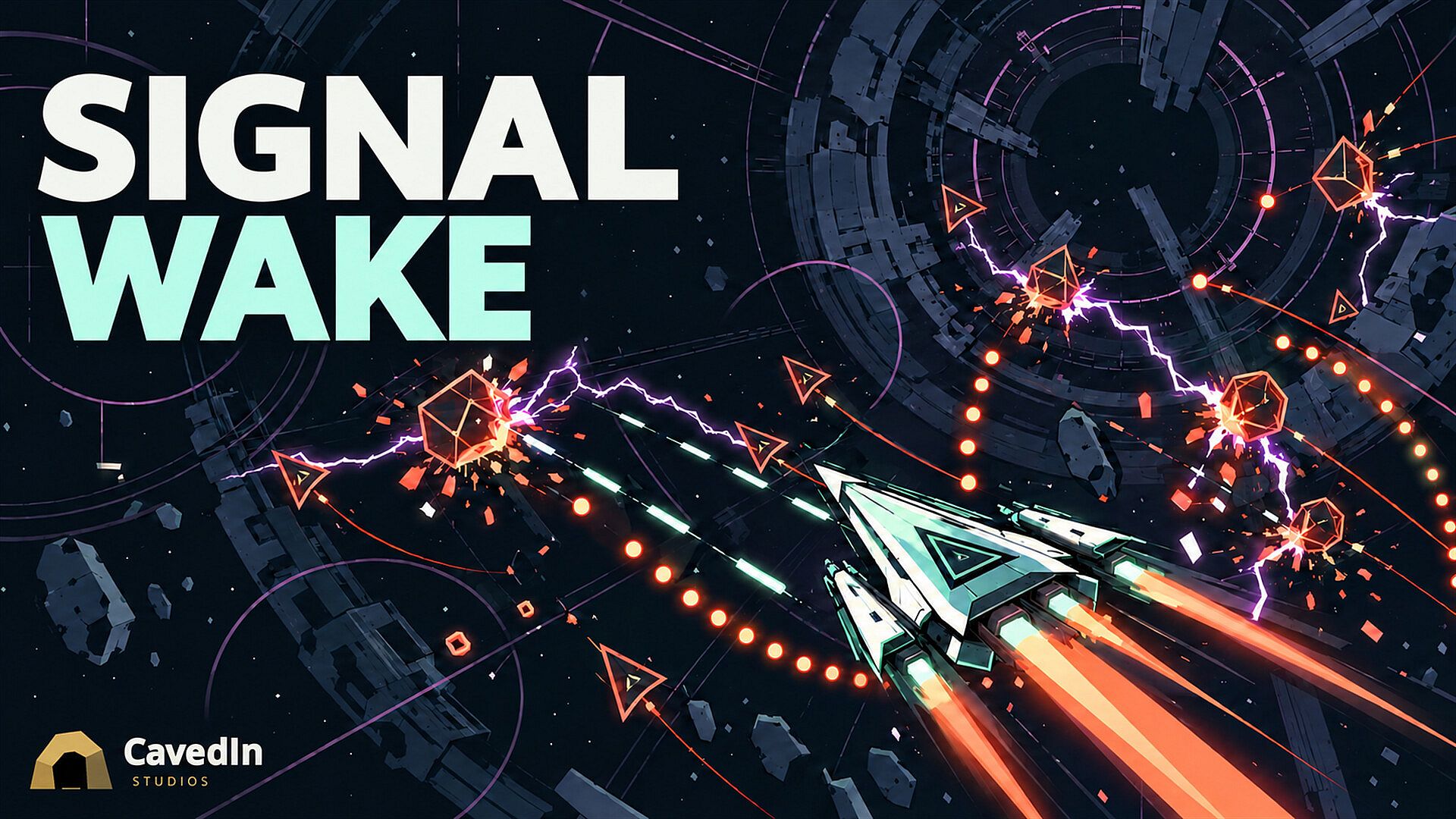
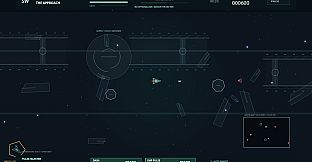
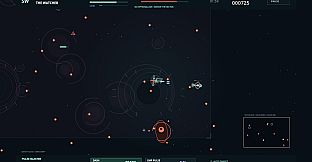
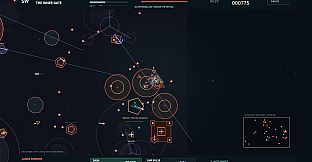
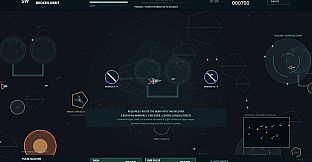
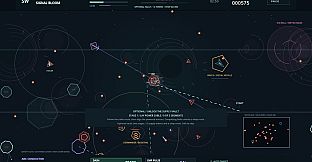
Signal Wake is a single-player sci-fi survival shooter set aboard the abandoned Kepler Array space station. Players arrive following a distress signal in search of a missing crew, only to encounter active station defenses that treat the intruder as a threat. The core loop combines ship combat, resource scavenging, and incremental ship customization across ten distinct sectors.
Gameplay
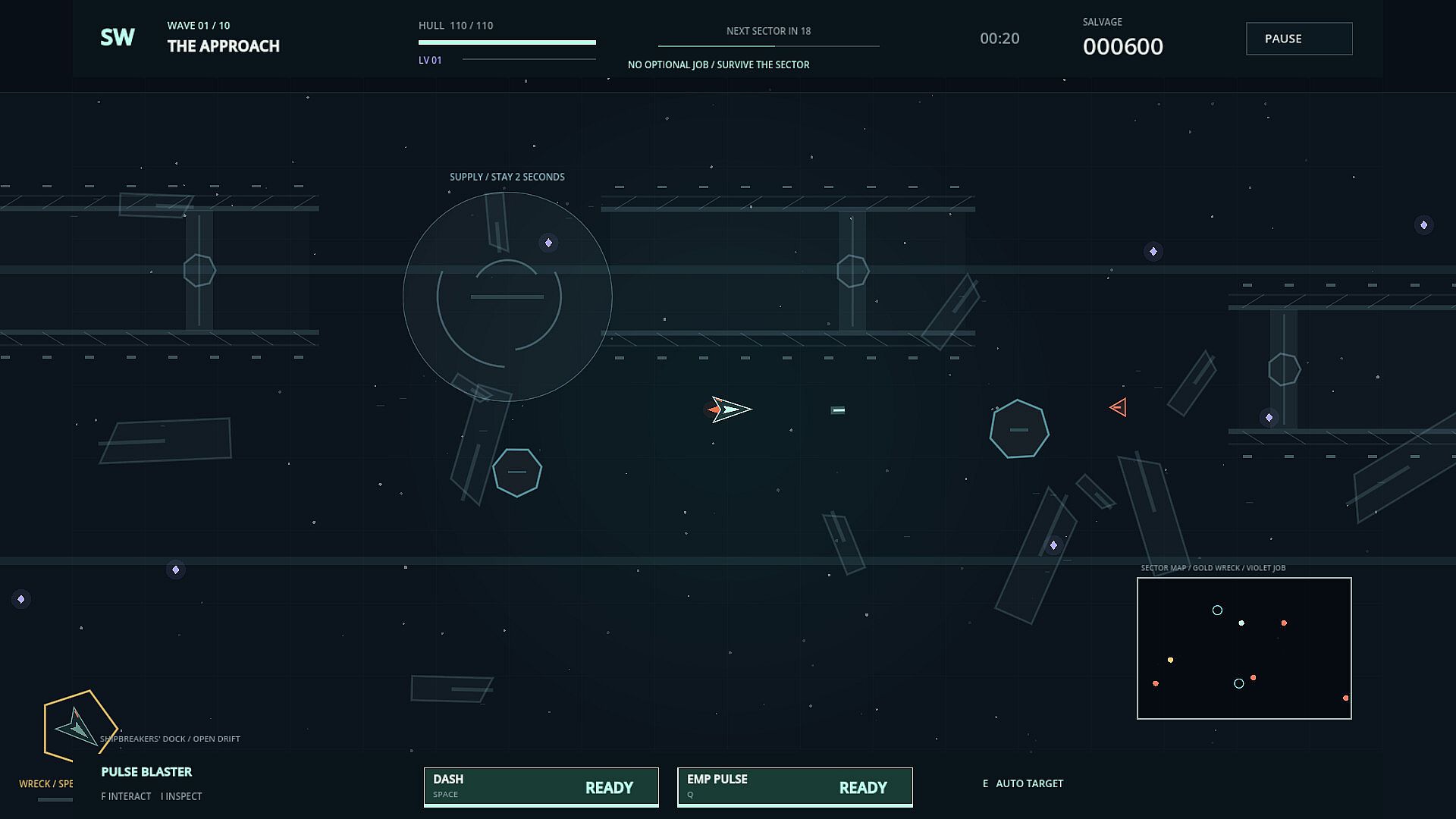
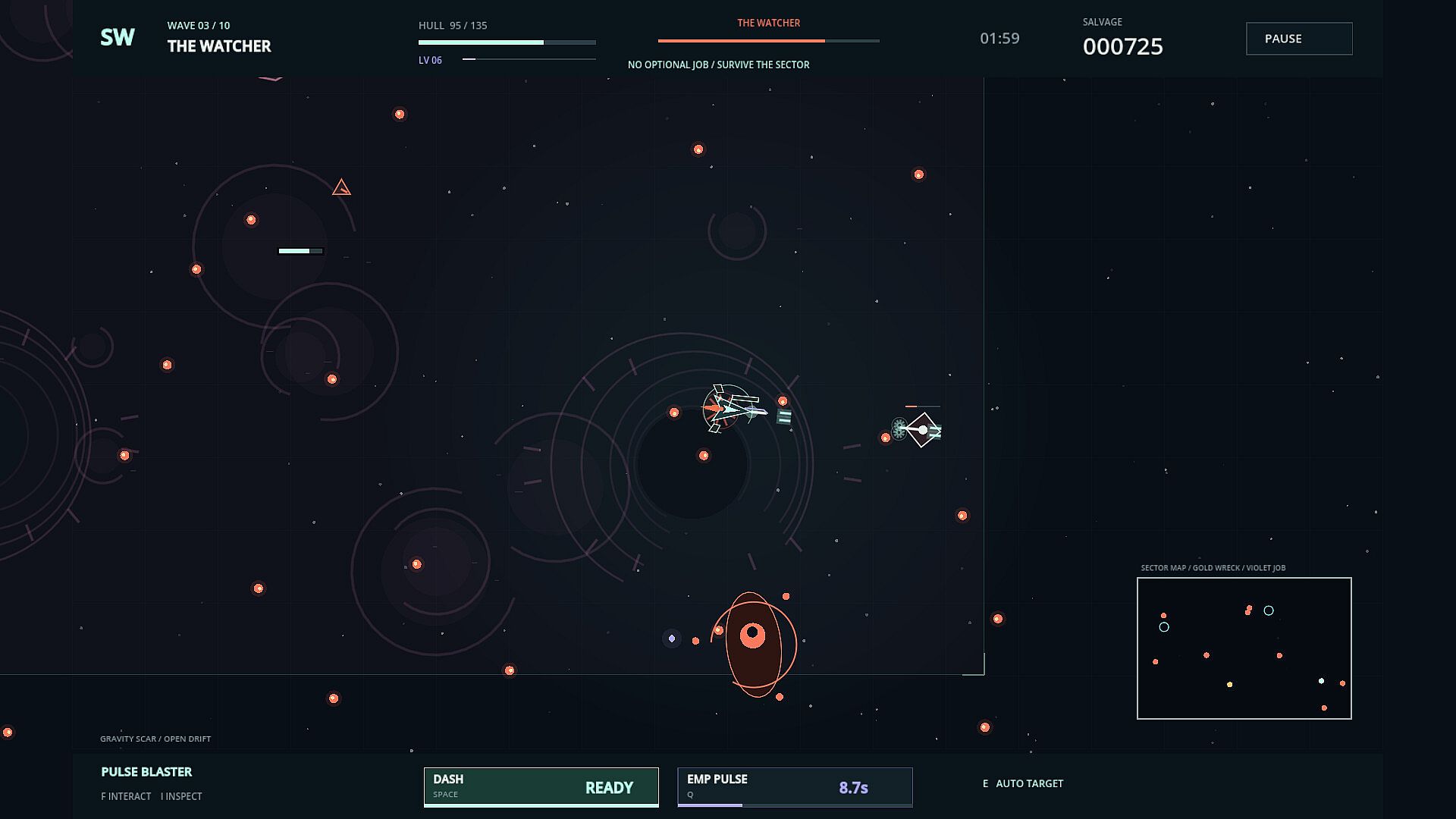
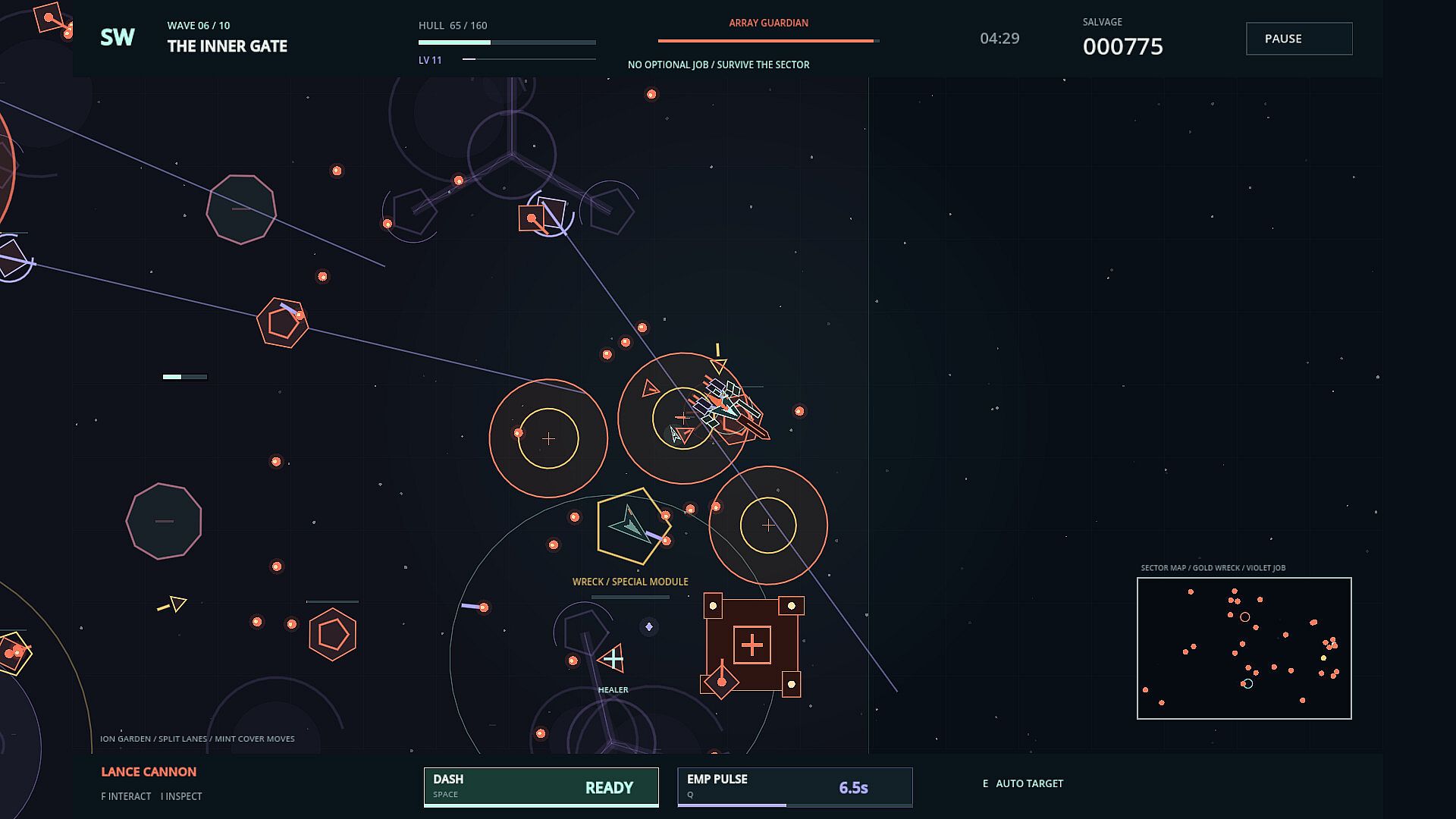
Combat emphasizes movement and positioning over precise aiming. Weapons fire automatically once targets enter range, while players select between automatic or manual aiming modes. This setup frees attention for dodging incoming fire, executing dashes, and timing an EMP blast that stuns groups and clears projectiles. Enemy compositions shift between runs, with healers reviving fallen threats and shielded units forcing tactical adjustments. Boss encounters introduce unique attack patterns that reward observation and mobility rather than static positioning.
Salvage collected from wrecks and cleared areas fuels ship progression. Players attach upgrades that visibly alter the vessel, including additional guns, armor plating, engines, and support modules. Rare weapon conversions found in wrecks encourage experimentation with builds that might produce effects such as arcing lightning or piercing shots. Different ship hulls offer variations in handling and passive traits, allowing players to test combinations before committing to tougher sectors.
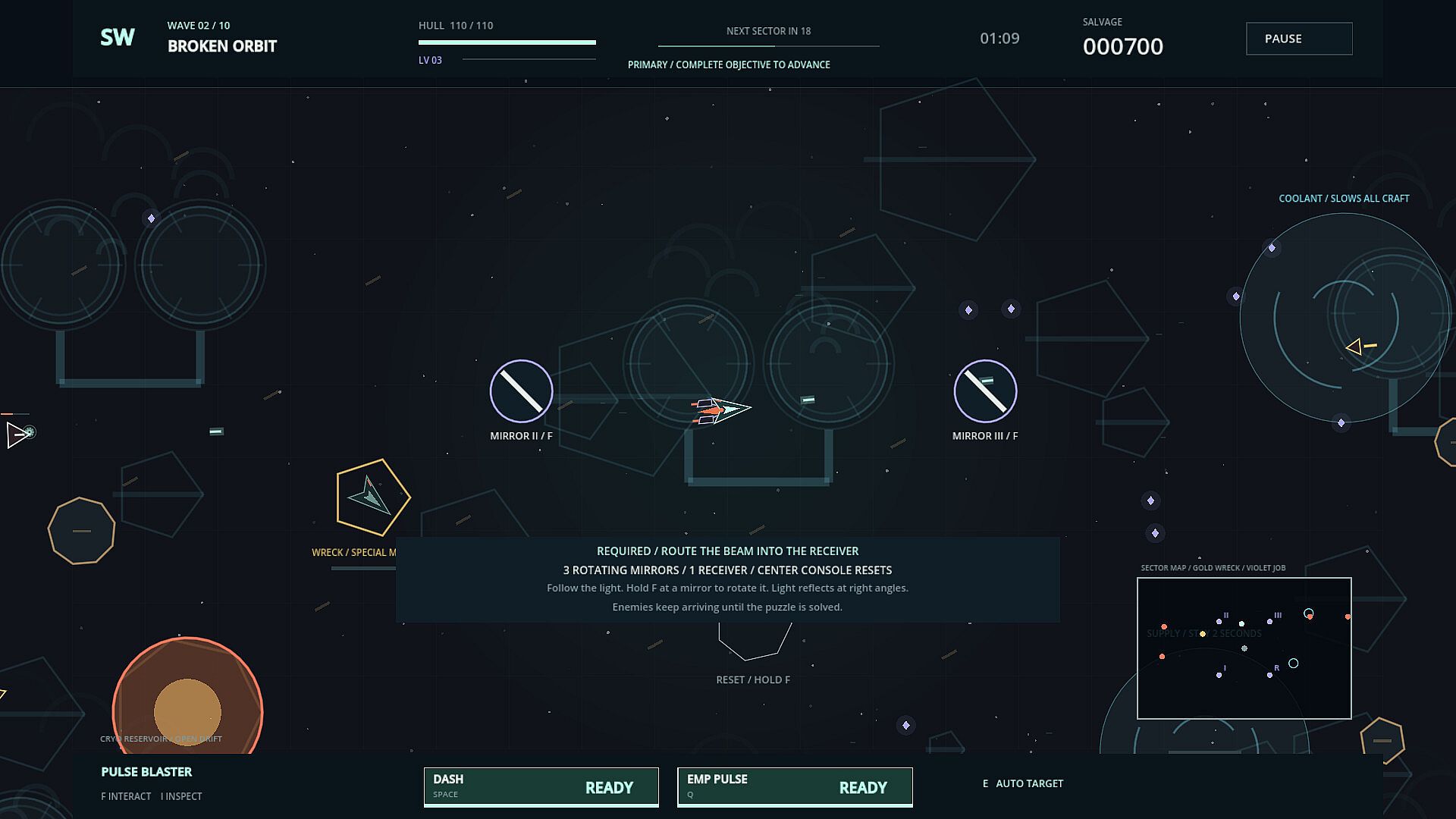
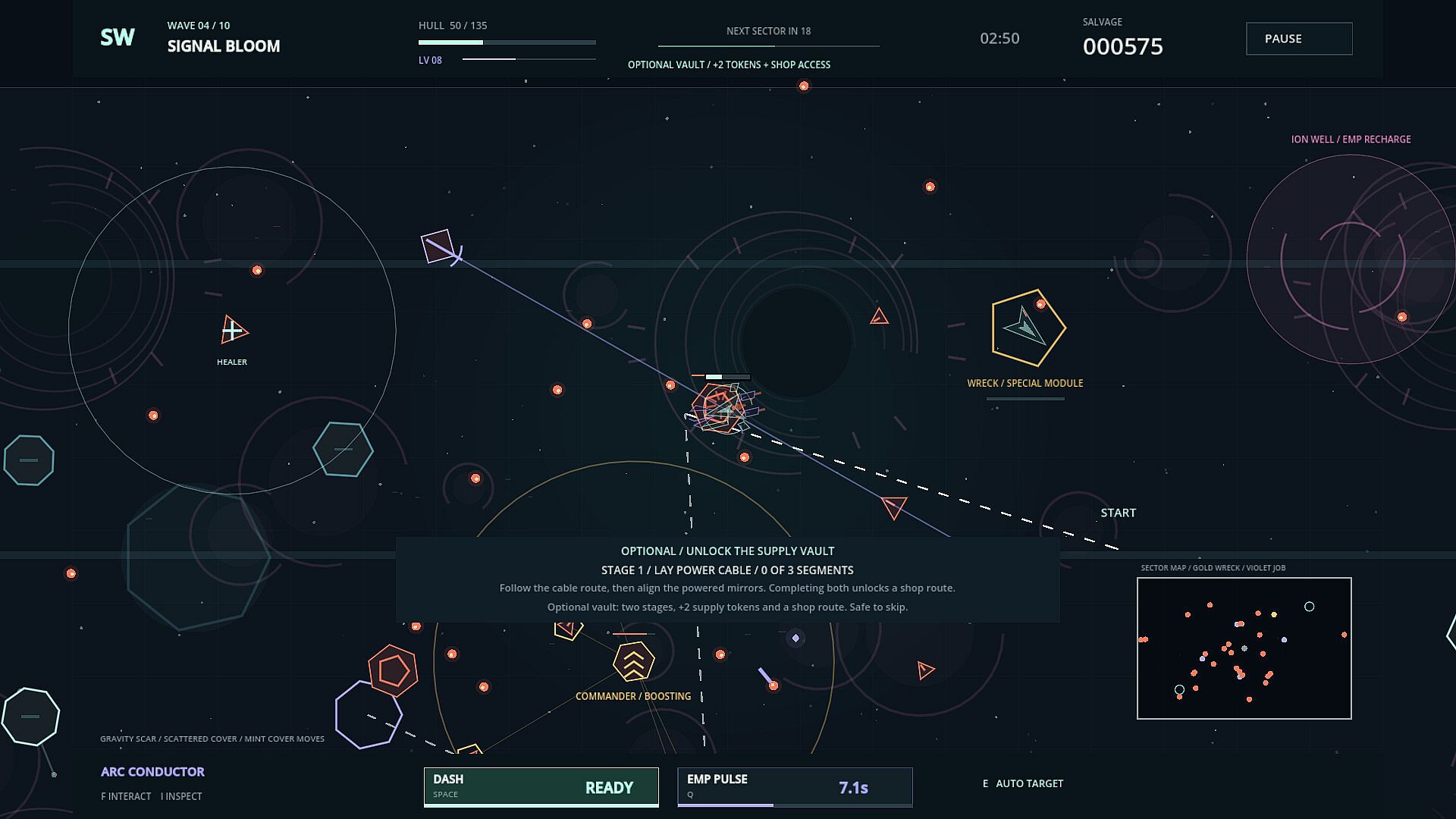
Some sectors incorporate light puzzle elements alongside combat. Players redirect energy beams, reposition cargo containers, and navigate flight-based challenges while fending off hostiles. Optional side objectives provide extra rewards, and completing a more demanding vault puzzle grants access to a shop with exclusive equipment. Cleared sectors can be revisited to finish missed tasks before advancing.
Game Modes
The primary campaign takes the form of the Expedition, a structured run through all ten sectors that remains fully playable in the current Early Access build. Completing the Expedition unlocks Endless mode, where the same build continues into an open-ended survival challenge. Boss Rush mode places successive boss encounters alongside regular enemy swarms in each sector, testing build resilience under sustained pressure.
Between runs, currency earned from successful expeditions purchases permanent ship attachments, visual trails, and auras. Boss defeats also award trophies that attach to the ship for display. Difficulty settings and optional challenge modifiers allow players to adjust the experience, while an enemy glossary populates automatically as new threats are encountered. Both mouse-and-keyboard and controller inputs are supported.
Progression and Customization
Ship building forms the central long-term hook. Each run yields salvage that funds new modules, and successful combinations can produce powerful synergies that change how encounters play out. The visible changes to the ship reinforce the sense of ownership, encouraging players to refine a favorite loadout even when it feels risky to bring into the next sector. Support modules and rare conversions add layers of variety without requiring complex menus or hidden systems.
Exploration rewards curiosity. Wrecks scattered through sectors contain the weapon conversions that shape builds, while optional jobs and vault puzzles offer targeted upgrades. This structure keeps runs distinct, as layout variations and enemy placements interact with the player's current ship configuration.
Is It Worth Playing?
Signal Wake suits players who enjoy single-player shooters that blend automatic combat with deliberate movement and build experimentation. The Early Access version delivers a complete Expedition campaign alongside the two additional modes, with ongoing work focused on balance, polish, and further content guided by player input. Those drawn to sci-fi survival shooters that emphasize ship customization and sector-by-sector progression will find a focused experience that rewards trying different upgrade paths. The absence of multiplayer keeps the emphasis on personal runs and iterative improvement rather than competitive or cooperative elements.












