


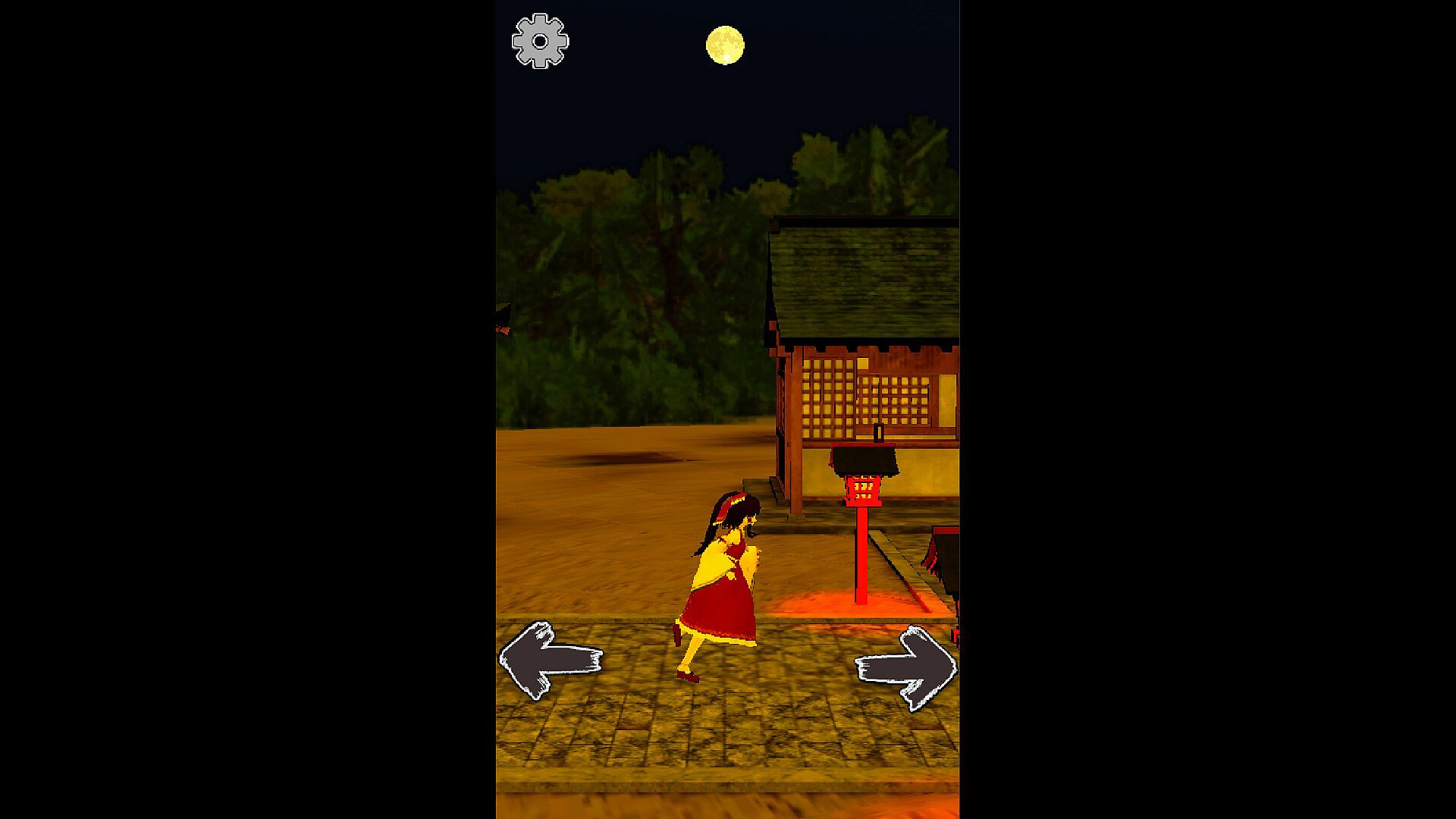
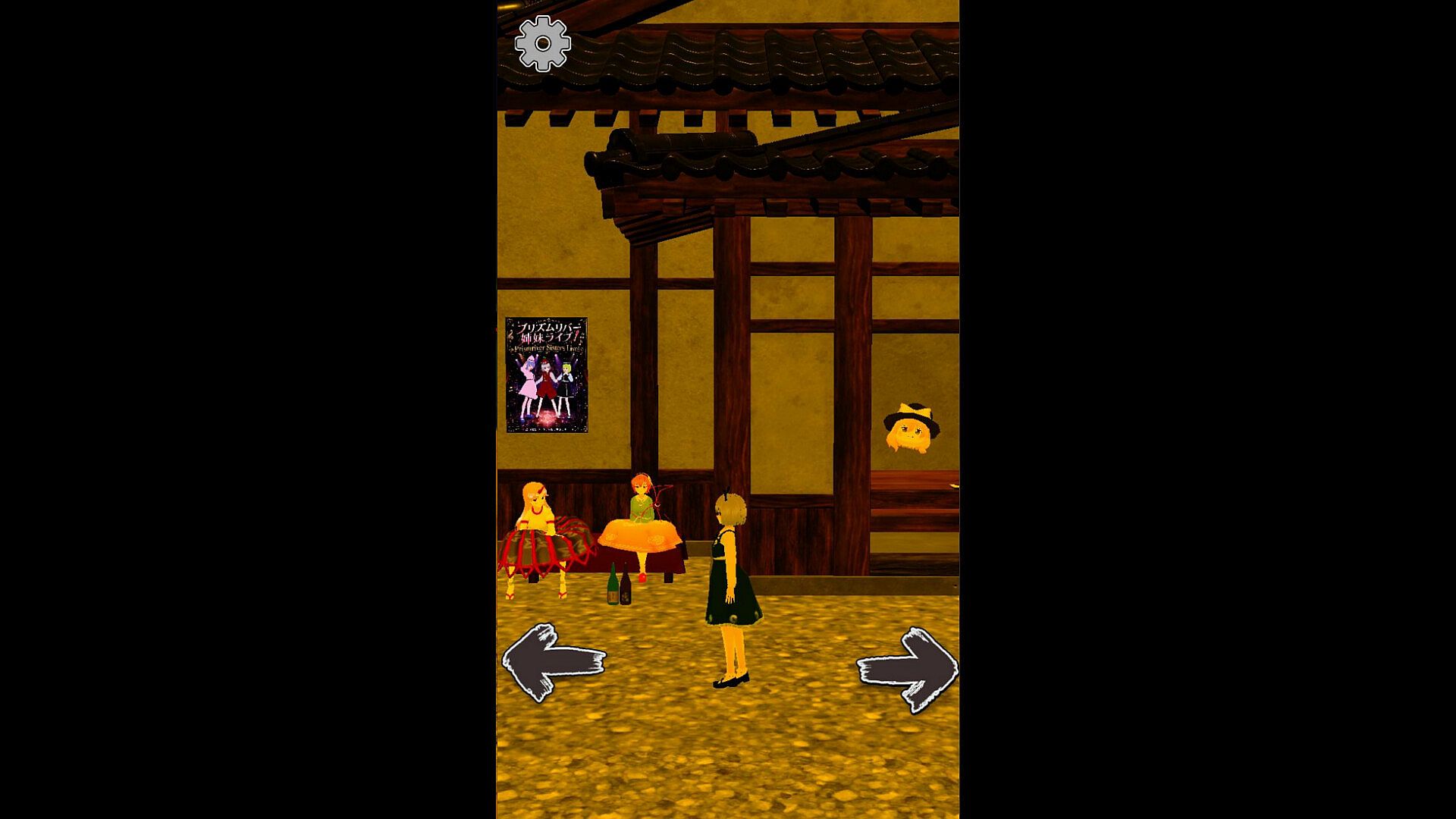
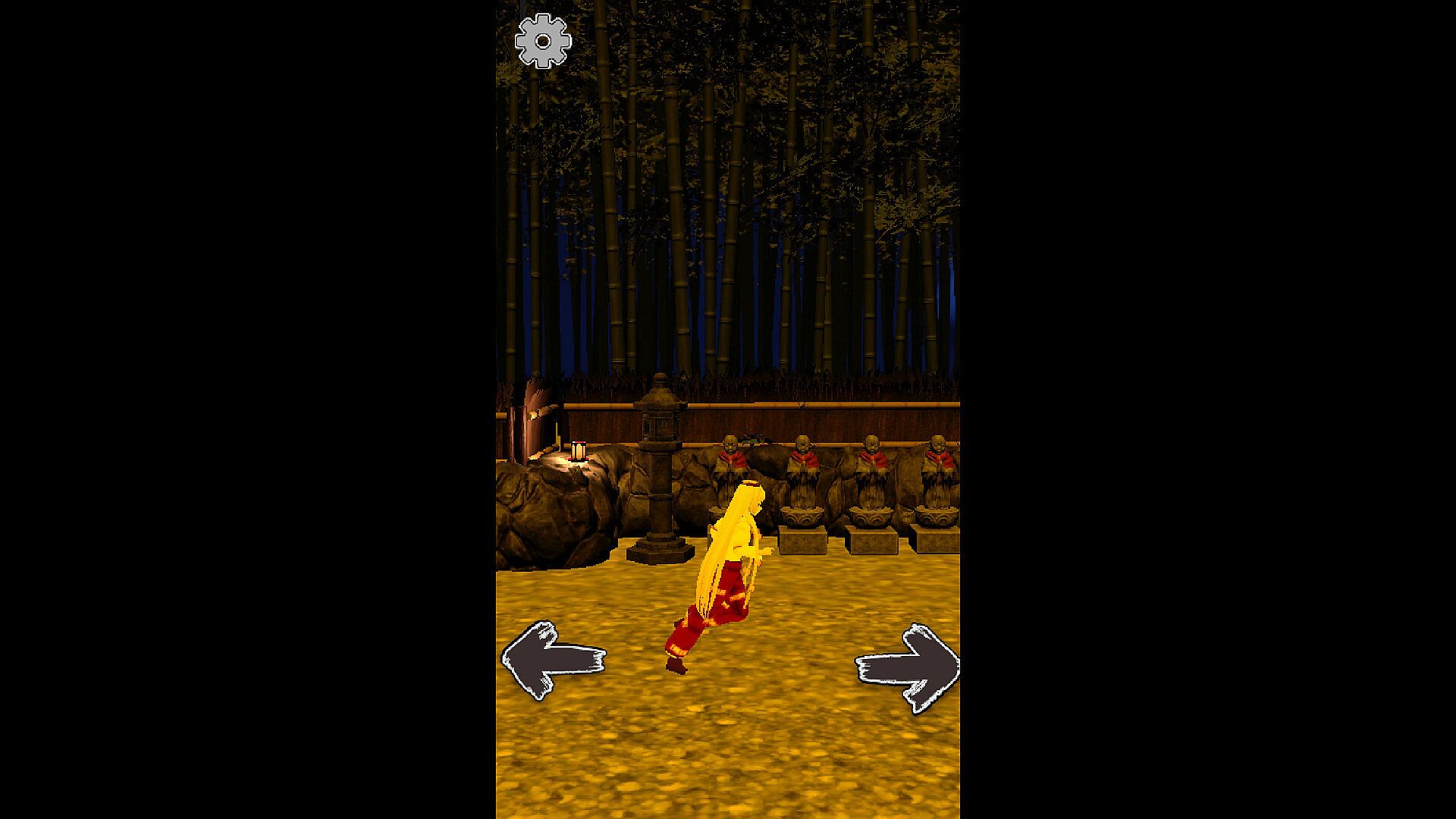
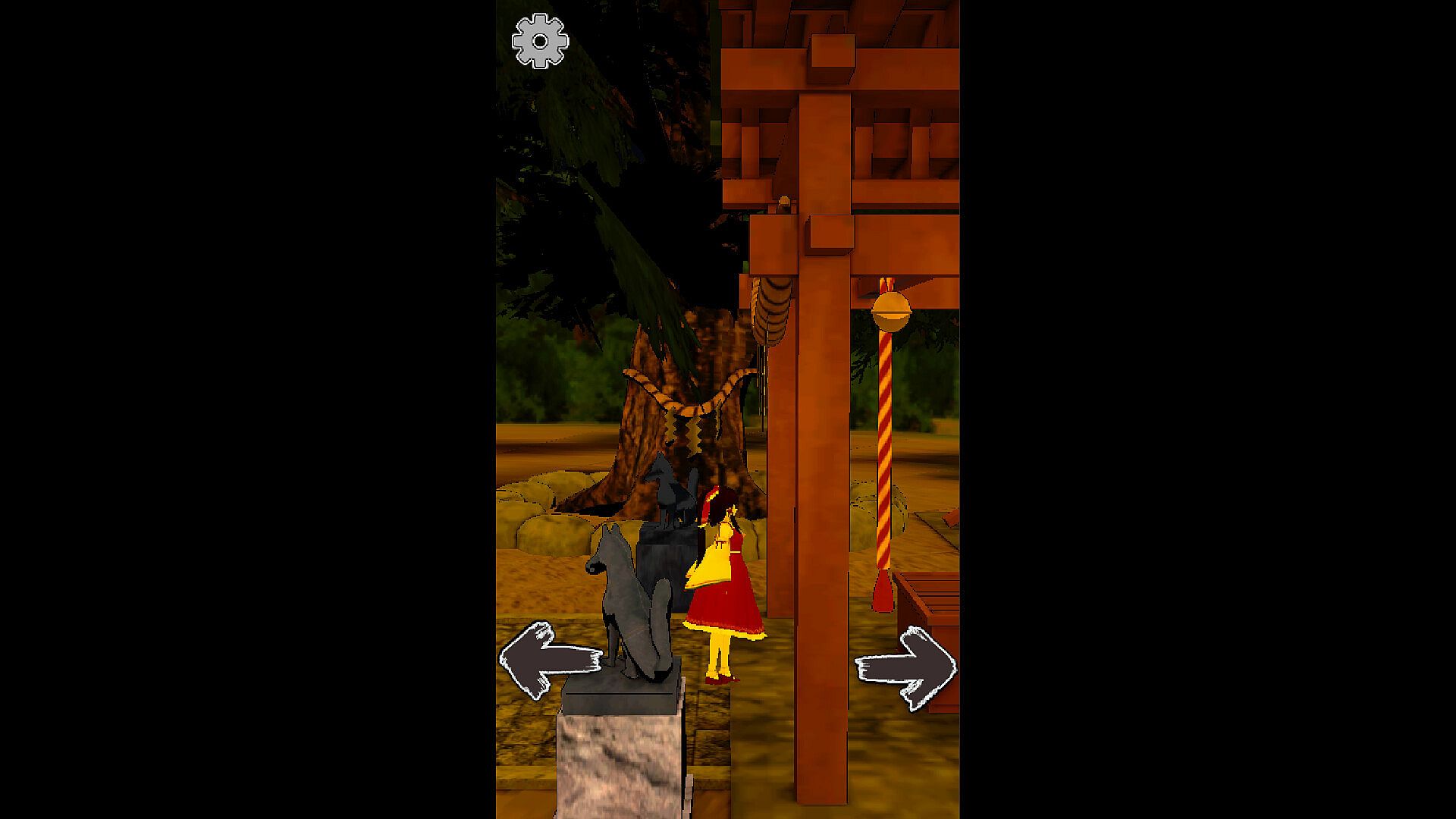
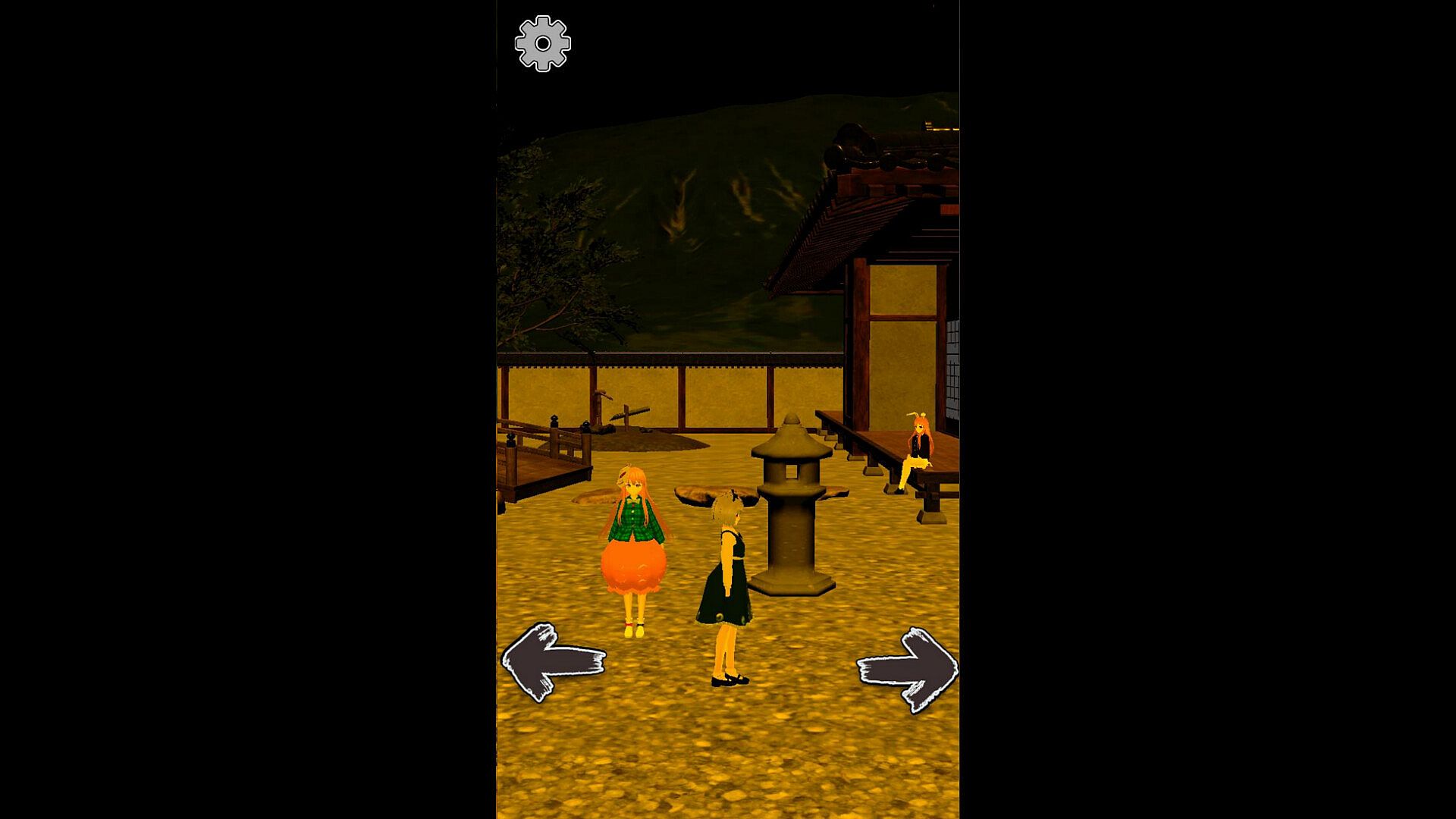
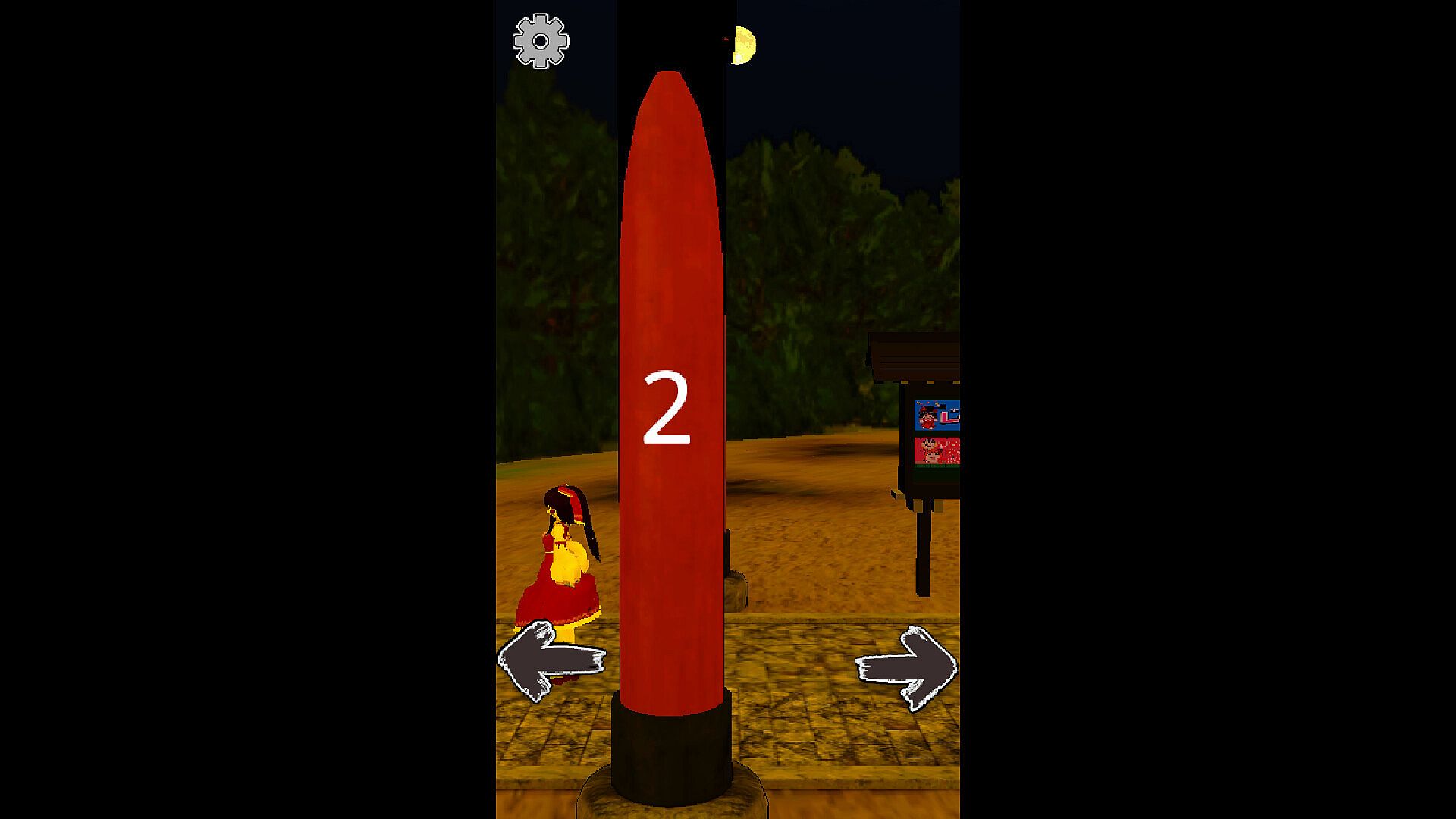
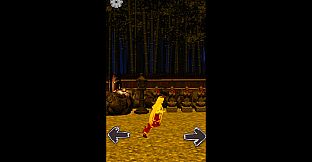
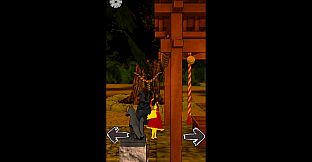
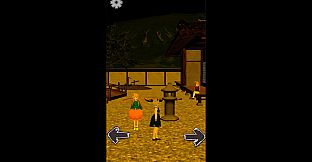
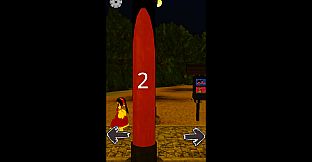
Shrine Full of Anomalies is a single-player observation adventure game and Touhou Project fangame set on PC. Players examine repeating environments across four distinct locations, identify subtle changes known as anomalies, and make precise decisions to progress or reset. The core experience revolves around memory, attention to detail, and careful judgment rather than action or combat.
Gameplay
The central loop requires players to study each scene thoroughly before choosing an action. In every stage, the environment loops in a repeating pattern. On each pass, details such as objects, signs, characters, lighting, or background elements may shift. A correct choice advances the player forward, while an incorrect one returns them to the start of that stage. This structure encourages repeated observation and note-taking of the baseline appearance of each area.
Zoom functionality allows closer inspection of distant or small elements, yet over-reliance on magnification risks missing larger, more obvious alterations elsewhere in the frame. Anomalies appear randomly across play sessions, so success depends on recognizing what belongs in the normal state of a location rather than memorizing fixed sequences. Discovered anomalies populate an in-game encyclopedia, providing a secondary collection goal beyond simply reaching the end of each stage.
Each protagonist brings a unique narrative framing to their respective stage, but the observational mechanics remain consistent. The game runs at a deliberate pace that rewards patience and methodical scanning over speed.
Game Modes
Shrine Full of Anomalies offers a single-player campaign structured around four sequential stages. Progress occurs only through accurate anomaly detection in each location, with no branching paths or alternate routes. The stages function as self-contained challenges that increase in observational complexity due to differing environmental layouts and visual density.
Stage one places Reimu Hakurei in a looping shrine setting focused on buildings, signs, and nearby objects. Stage two shifts to Youmu Konpaku in a Japanese garden where structural and character-based changes require close scrutiny. Stage three features Fujiwara no Mokou navigating an endless bamboo forest with minimal landmarks, emphasizing subtle differences among similar elements. Stage four casts Marisa Kirisame inside a library filled with bookshelves, furnishings, and magical effects that demand examination of every corner.
Random anomaly placement ensures replay value within the same stage, while the encyclopedia tracks cumulative discoveries across multiple attempts. No additional modes such as time trials, multiplayer, or endless variants exist.
Locations and Protagonists
Four distinct environments provide variety in visual style and observational demands. The shrine offers structured architecture and signage. The garden presents organic scenery and quiet pathways. The bamboo forest limits reference points, forcing attention to minor inconsistencies in foliage or path details. The library contains dense shelves, varied lighting, and occasional magical phenomena that stand out against the enclosed space.
Each stage pairs with a specific Touhou character whose story context frames the situation. Reimu, Youmu, Mokou, and Marisa each appear only in their assigned location, delivering a focused narrative segment without crossover. This separation keeps the emphasis on environmental puzzles rather than character interaction or combat systems.
Is It Worth Playing?
Shrine Full of Anomalies suits players who enjoy deliberate observation puzzles and memory-based decision making. The single-player structure and four-stage format deliver a contained experience centered on spotting differences in looping scenes. Those familiar with similar anomaly-detection titles will recognize the core loop of comparing current views against remembered normals.
The random nature of anomalies and the encyclopedia collection element extend playtime for completionists. Availability on PC with planned release in 2026 positions it as a niche title for Touhou fans and puzzle enthusiasts seeking a focused, non-action alternative. If the described mechanics align with your preferences for careful examination over fast-paced gameplay, the game provides a straightforward test of attention and recall. Players less inclined toward repeated visual scanning may find the pace too measured.