

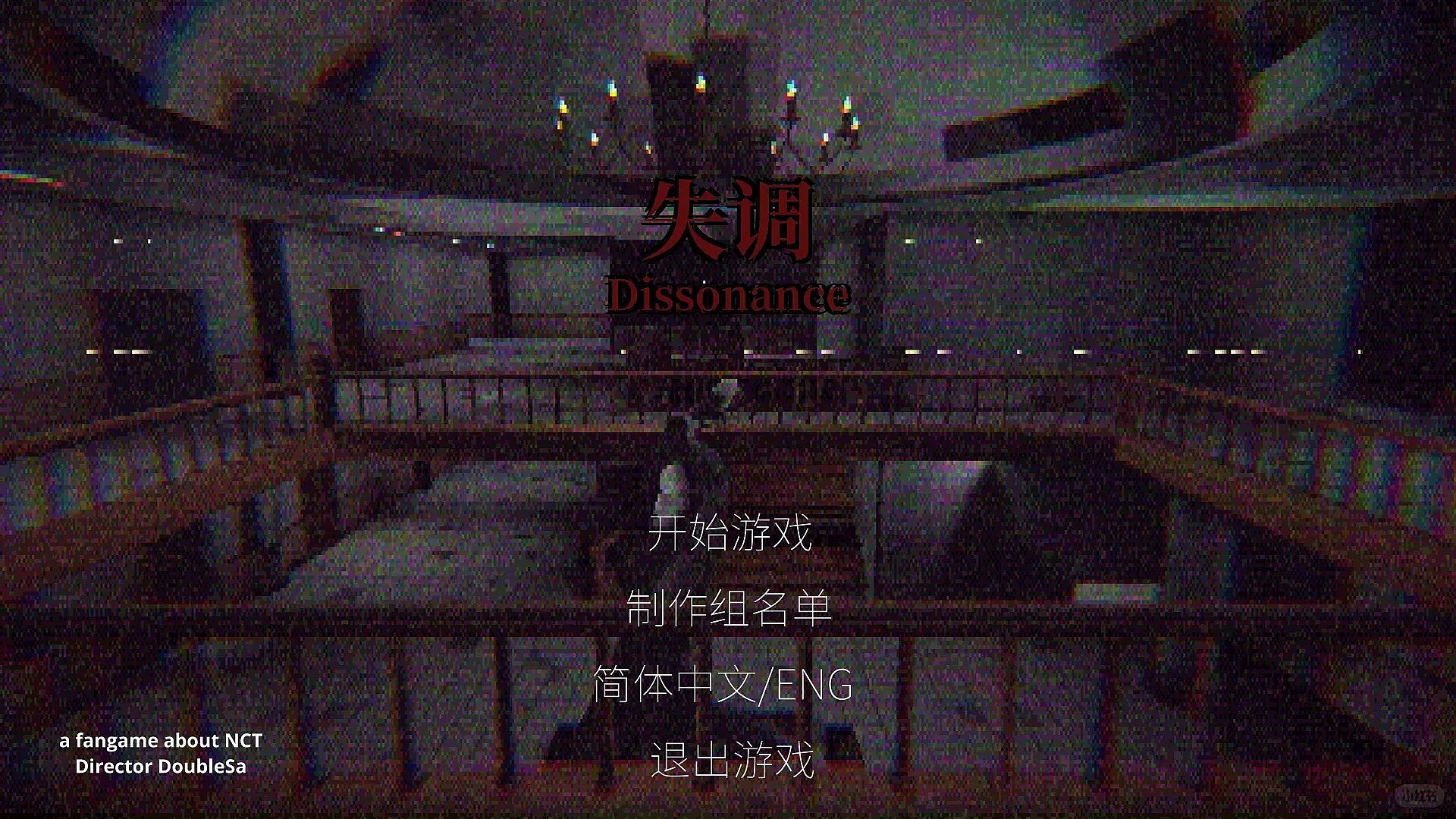
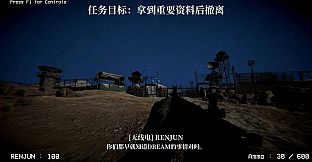
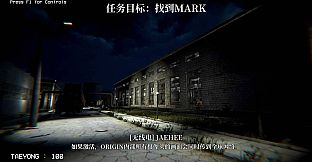
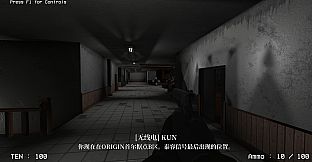
《失调~Dissonance》 is a first-person psychological thriller narrative adventure game set on PC. Players step into the roles of several characters tied to the K-pop group NCT as they navigate a story of implanted memories, identity questions, and a shadowy project that blurs the line between rescue and self-interrogation.
Gameplay
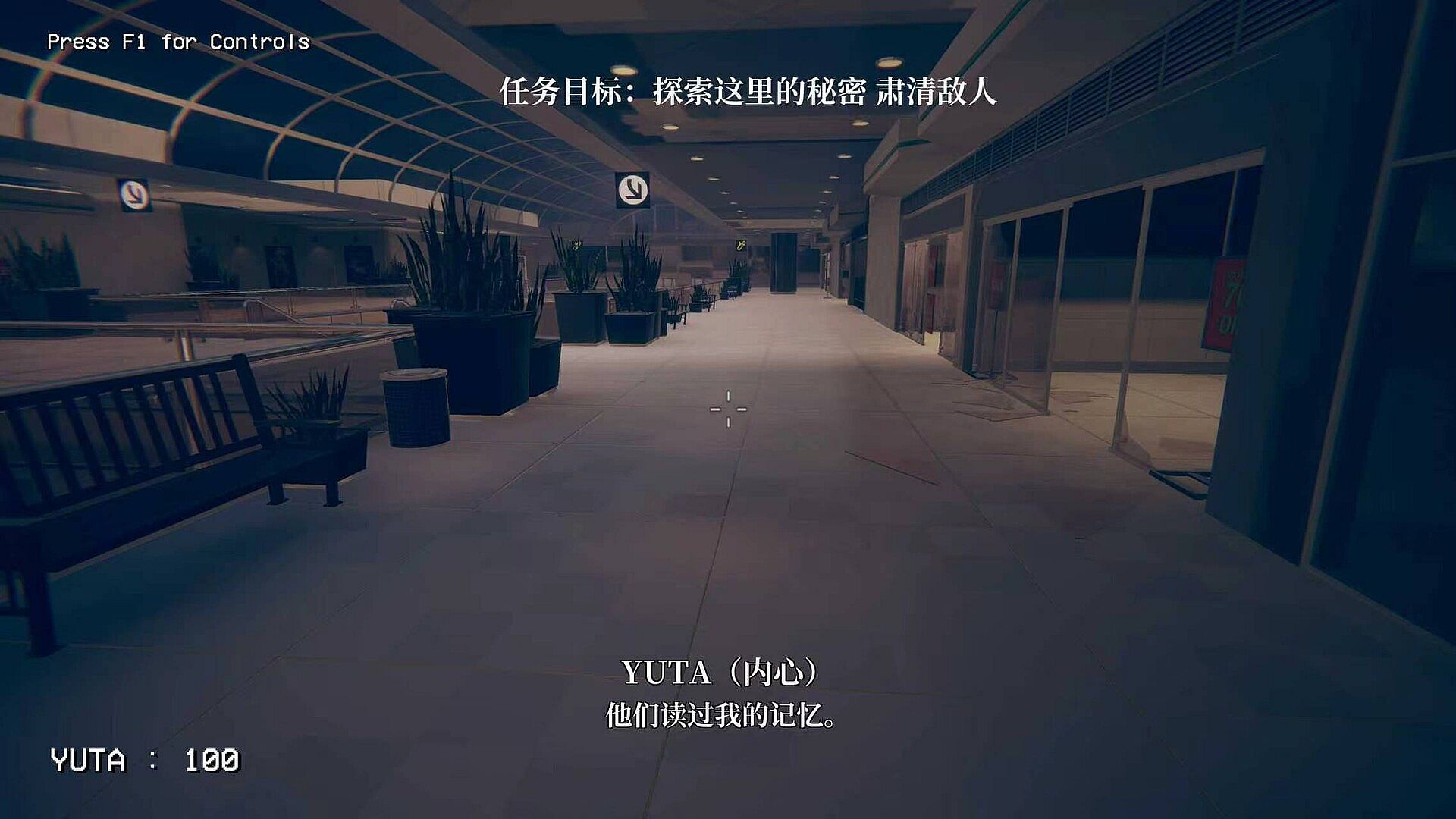
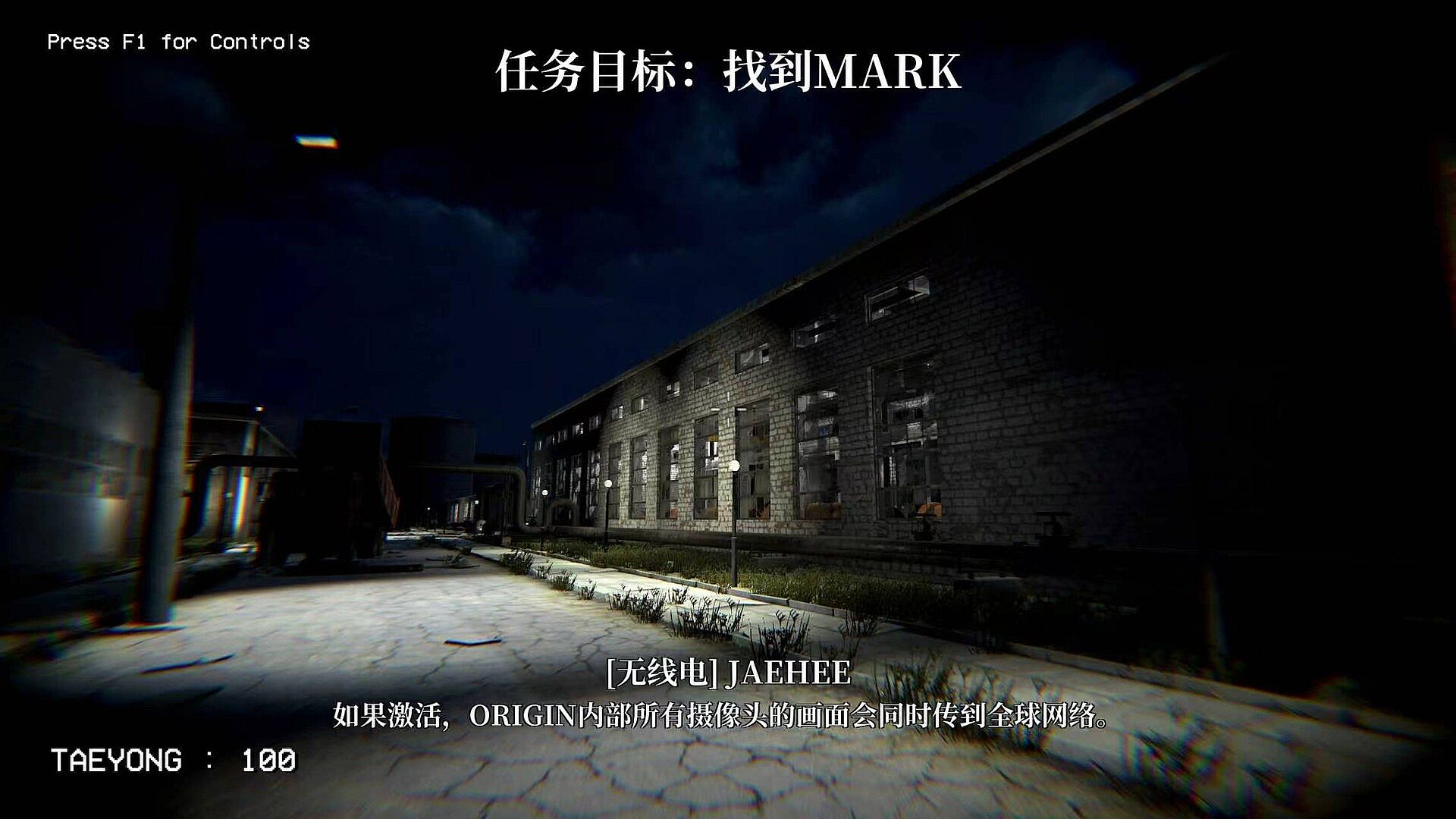
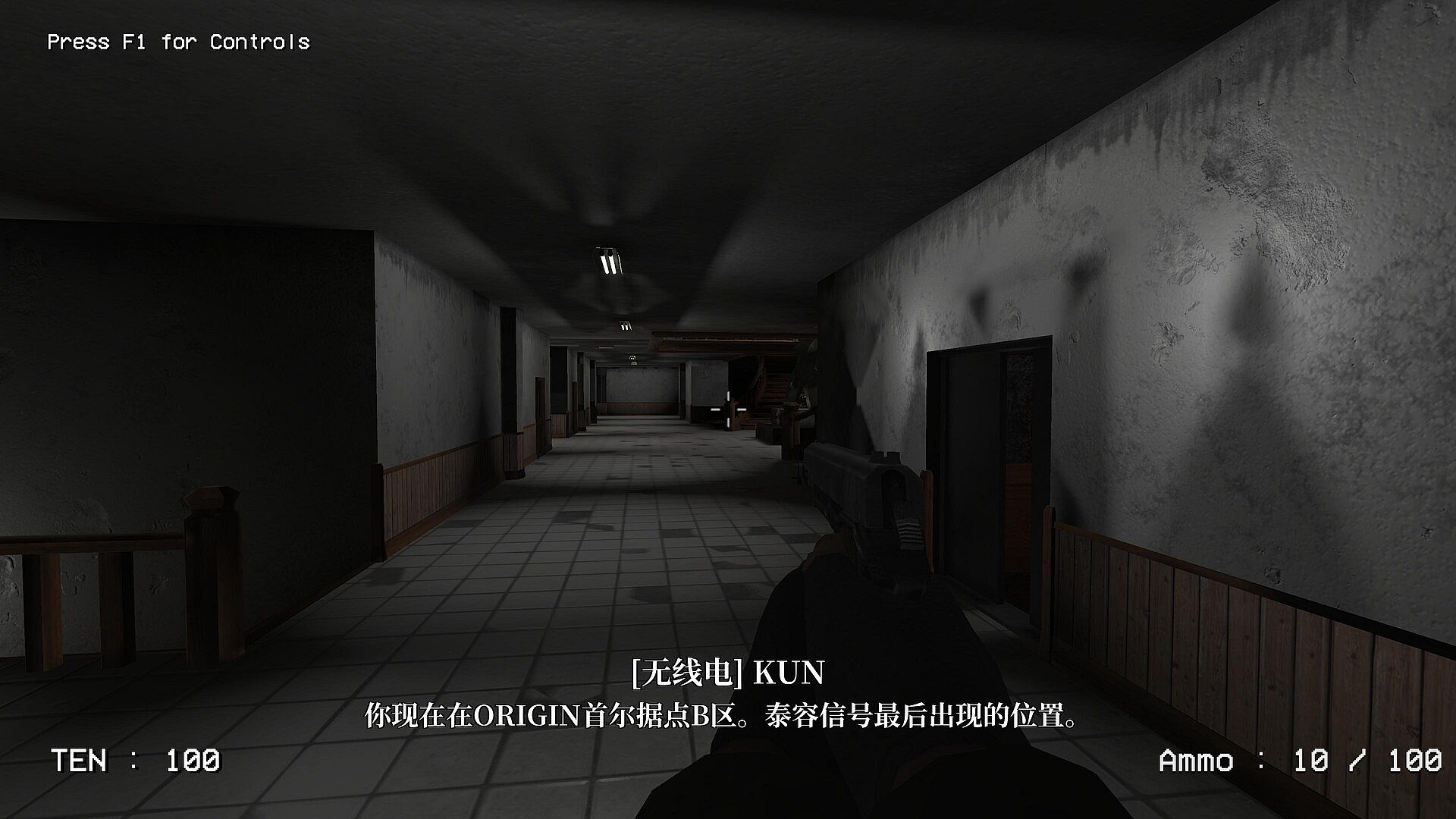
The core loop centers on exploration through decaying environments where visual elements stay minimal. Flickering lights, experiment logs, and empty spaces create pressure without relying on character portraits or elaborate animations. Movement and observation form the main actions, with attention directed toward details in the surroundings that reveal fragments of the larger plot.
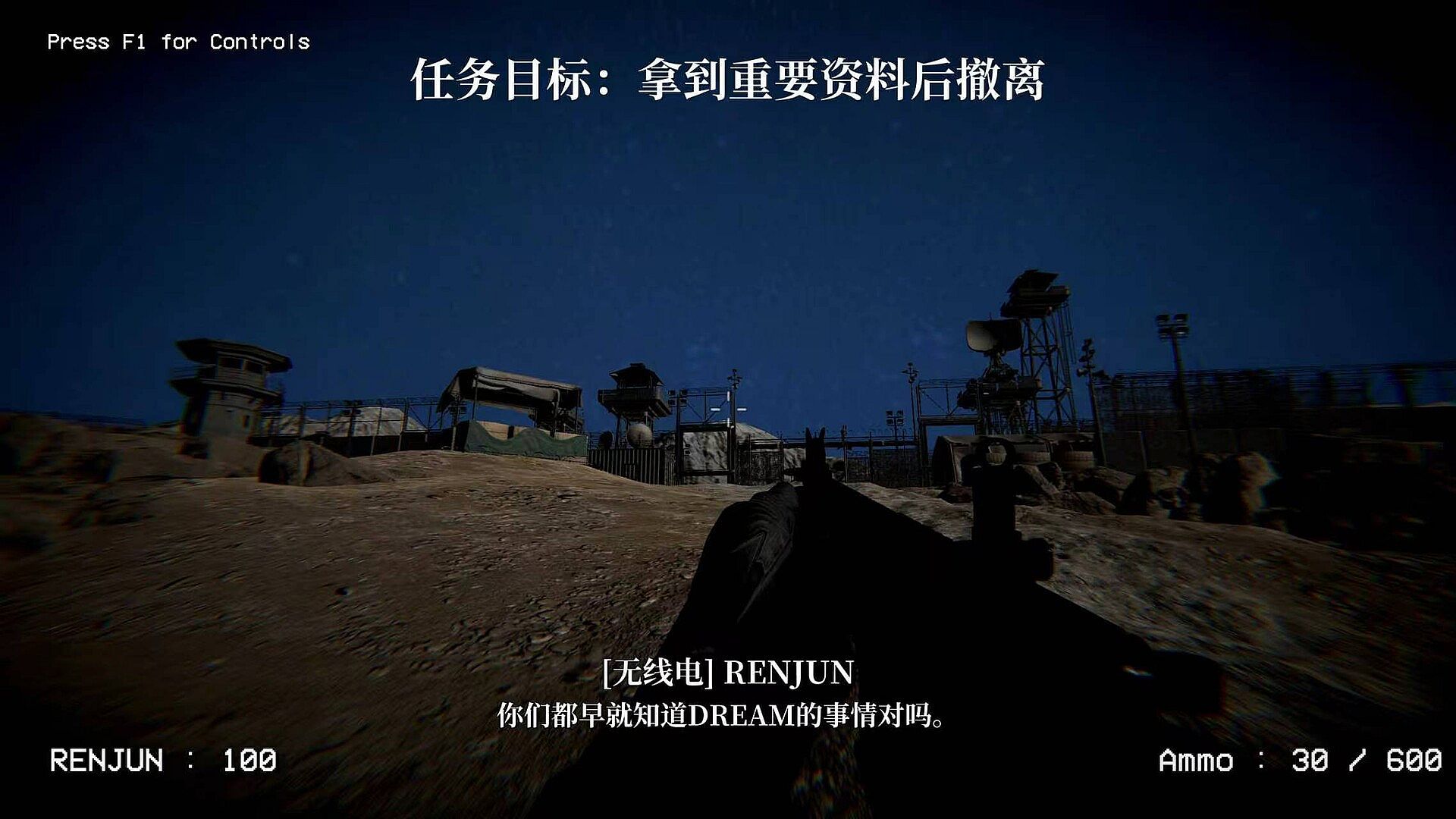
Radio communication serves as the primary interaction tool. Players receive information and issue responses through this channel, and each choice influences how events unfold for the team. Decisions made during these exchanges can shift mission outcomes and determine whether individuals encountered are treated as allies or threats. The system ties directly into the narrative, making every transmission a point of tension.
Memory-related mechanics emerge as the story progresses. Players encounter situations where personal recollections come under scrutiny, leading to moments that question what is real and what has been altered. These elements integrate into the exploration and communication loop, requiring careful consideration of what to trust at each step.
Game Modes
The experience unfolds through a single-player narrative structure that switches between multiple first-person viewpoints. Each perspective belongs to one of the four central characters and presents a distinct slice of the same events, allowing the full picture to form gradually across play sessions.
Progression relies on completing missions in varied locations while managing radio exchanges. There are no separate competitive or cooperative modes; instead, the structure emphasizes sequential narrative advancement driven by choices in communication and exploration. The focus remains on piecing together the truth behind the Neural Resonance Project without additional layered systems such as combat arenas or resource management loops.
Narrative and Atmosphere
The story begins three years prior with the emergence of ORIGIN, an organization promising trauma relief through memory extraction. Disappearances follow, drawing the characters into overlapping investigations. Some return changed, others vanish entirely, and the player must sort through conflicting accounts to understand the extent of manipulation involved.
Atmosphere builds from restraint. Sparse visuals and reliance on audio cues heighten unease, while the radio mechanic places the player in direct contact with uncertainty. Voices on the line may mislead, and environments offer little reassurance, reinforcing the theme that nothing observed can be taken at face value.
Is It Worth Playing?
The game suits players who value narrative-driven experiences centered on psychological tension and identity themes. Its structure rewards attention to dialogue choices and environmental details rather than fast reflexes or complex systems. Those interested in stories that question memory and reality will find the multiple perspectives and communication mechanics align with that interest.
Availability is limited to the PC platform, and the title remains in a state where further updates could expand on the existing framework. Reception centers on its atmospheric delivery and the way decisions affect team outcomes, though the absence of broader mechanical variety means it appeals most to fans of focused thriller narratives. If the premise of memory manipulation and self-doubt resonates, the game delivers a contained experience built around those ideas.