


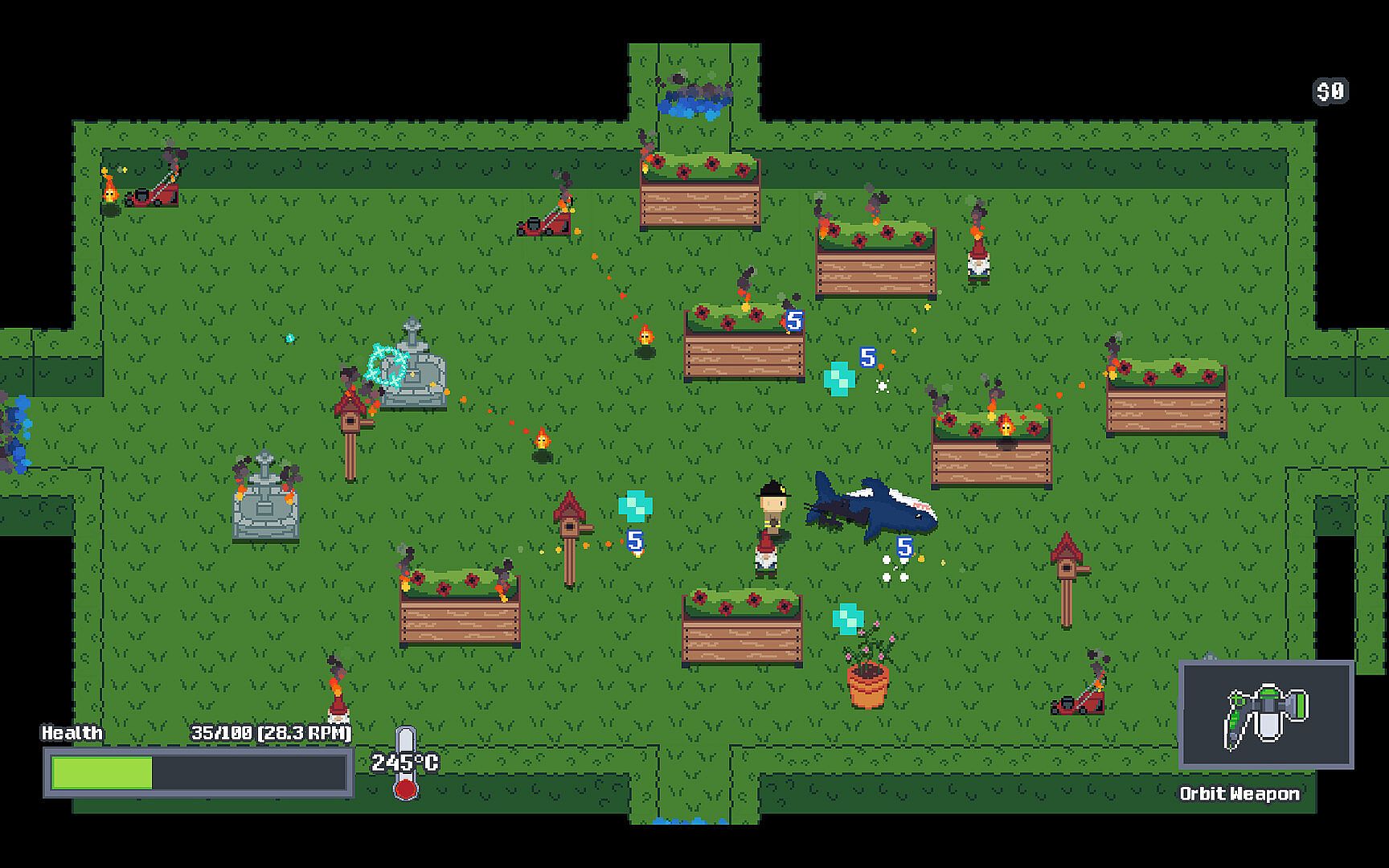
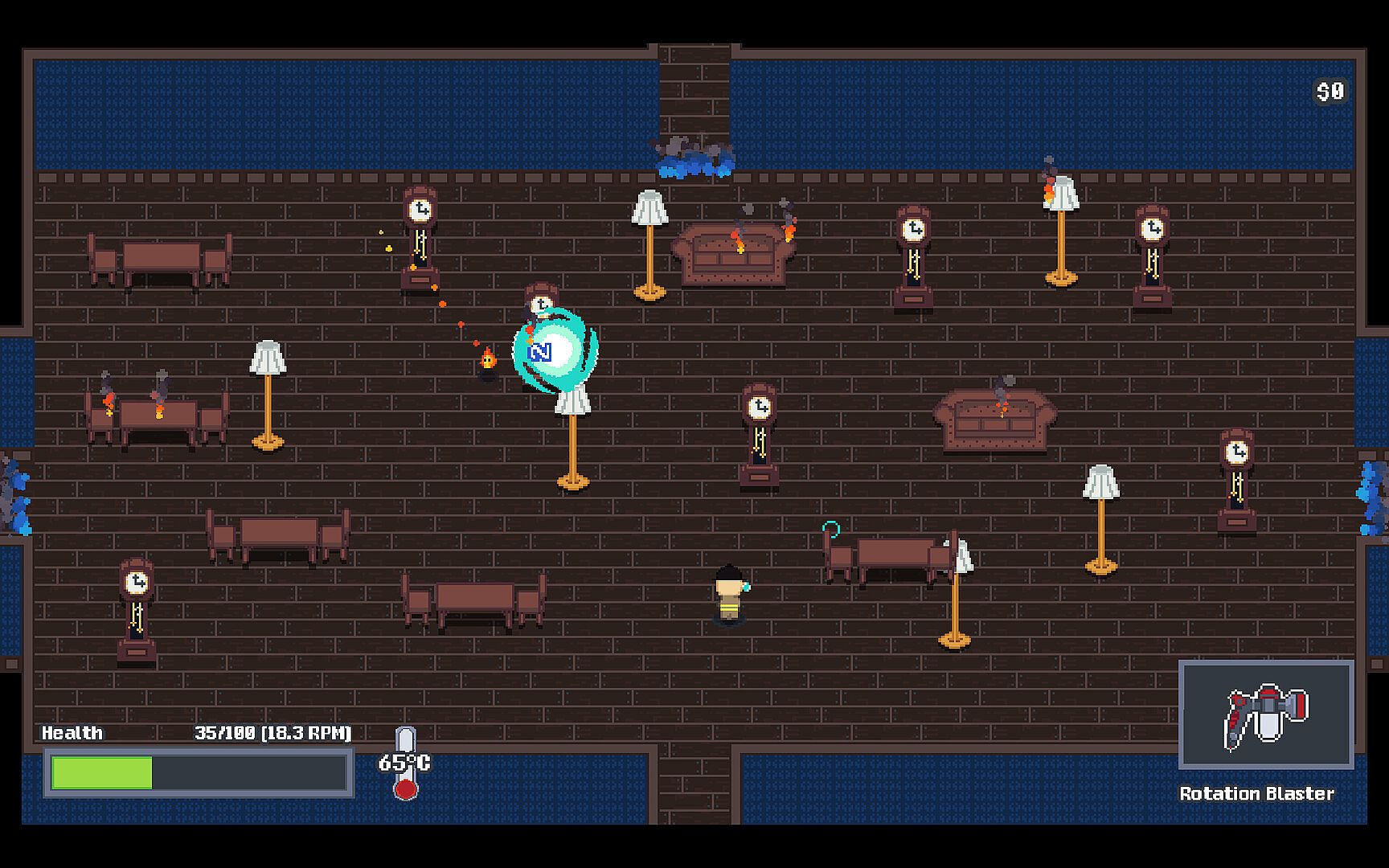
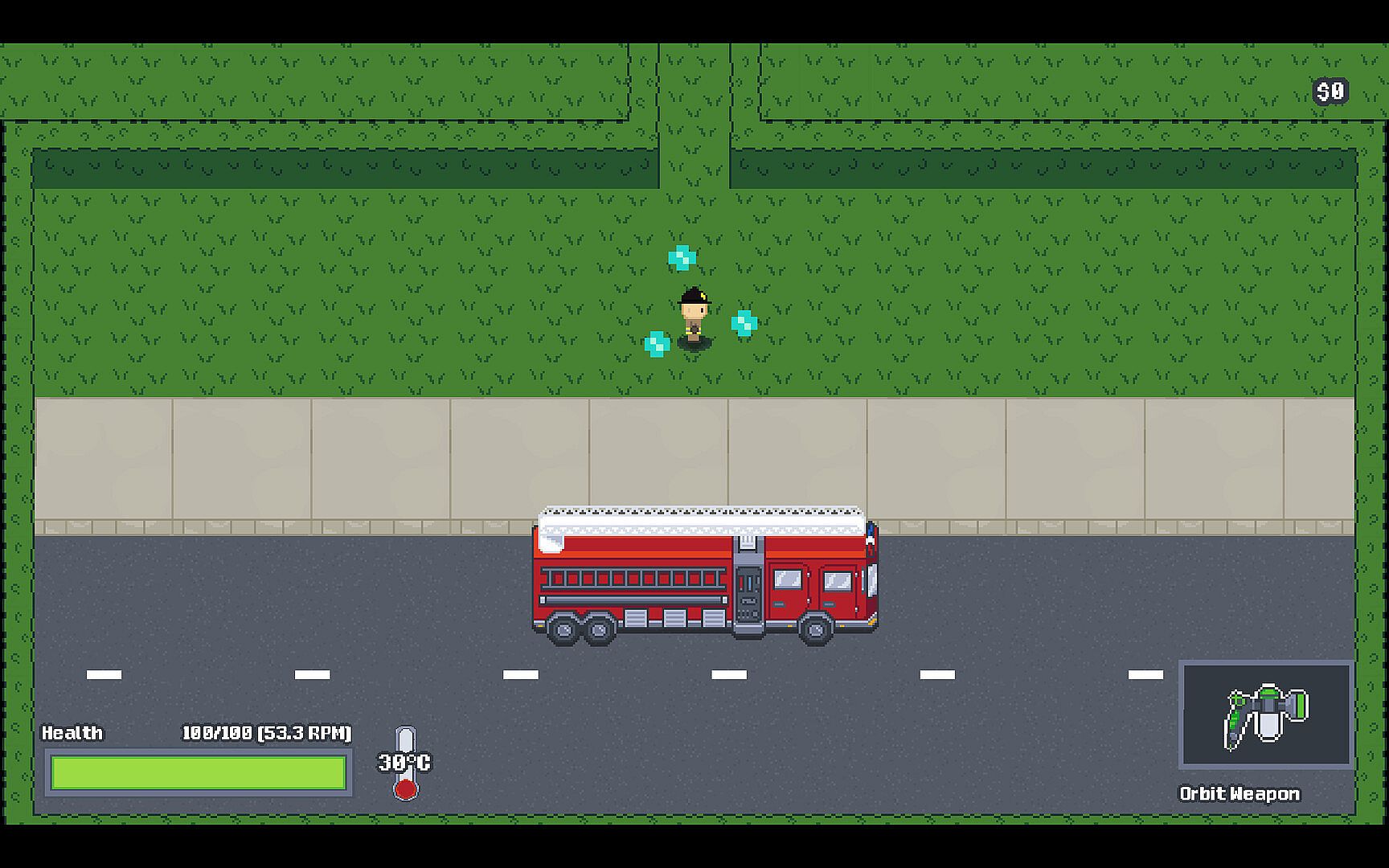
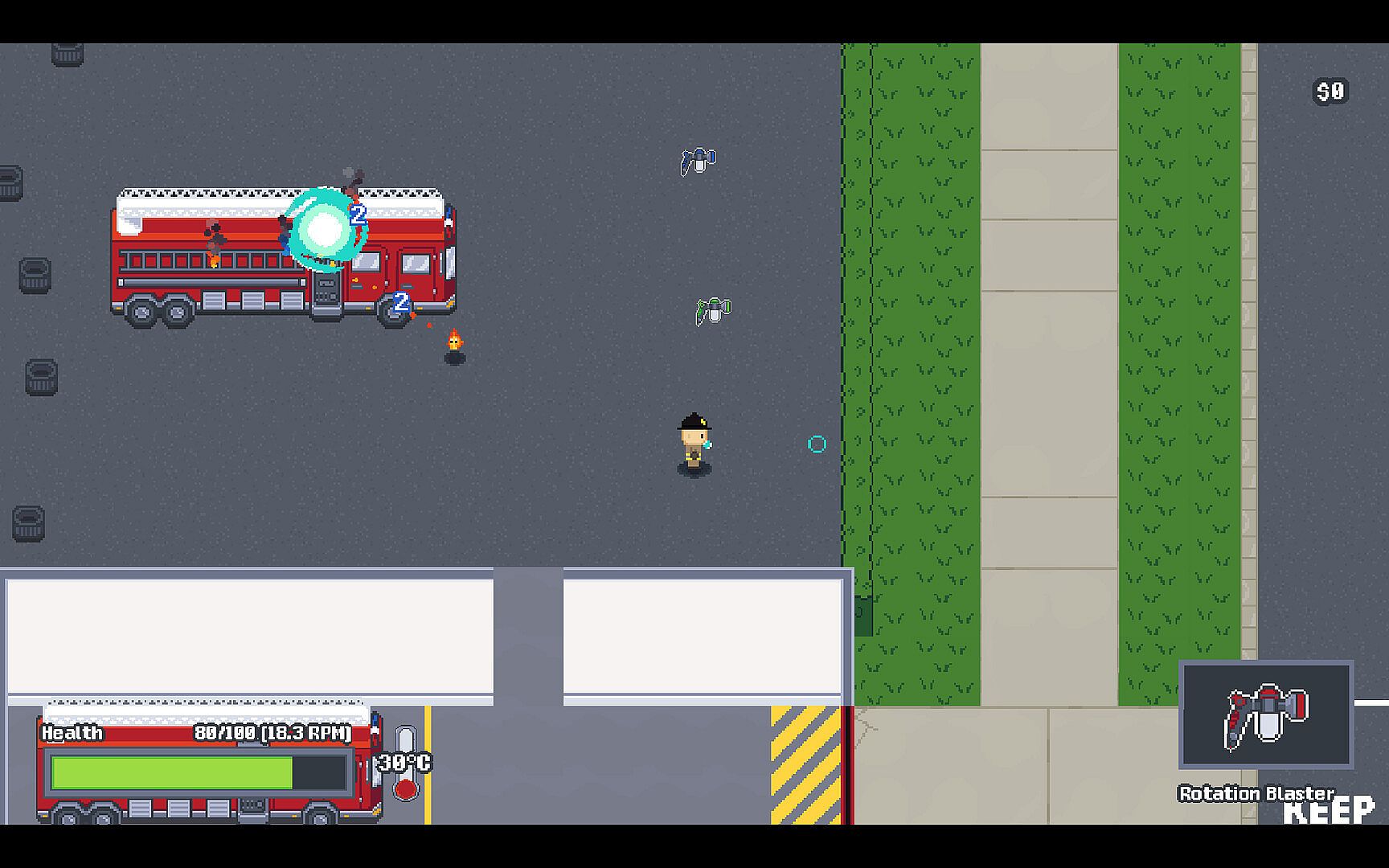
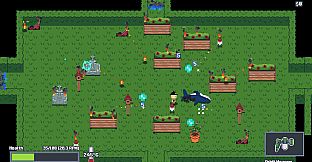
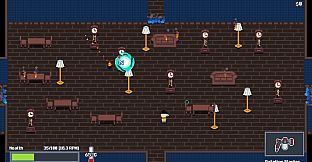
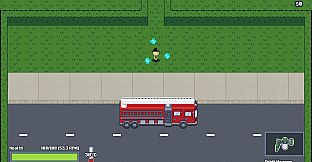
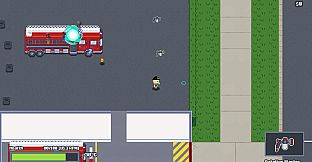
Sergeant Roe Tate is a singleplayer dungeon crawler that blends action, indie sensibilities, RPG progression, and simulation elements on PC. Players navigate a burning manor owned by Count E.R. Roe Tate, relying on rotation-powered weapons to survive escalating heat and make critical choices at every turn.
Gameplay
The core loop centers on exploration through the manor's hallways, where rotation mechanics define combat and utility. Weapons respond directly to player spinning input, allowing charged attacks such as massive projectiles from the Surgecoil or flame-clearing slashes with the Vortexblade. This system encourages constant movement and timing to build power while managing positioning in tight spaces.
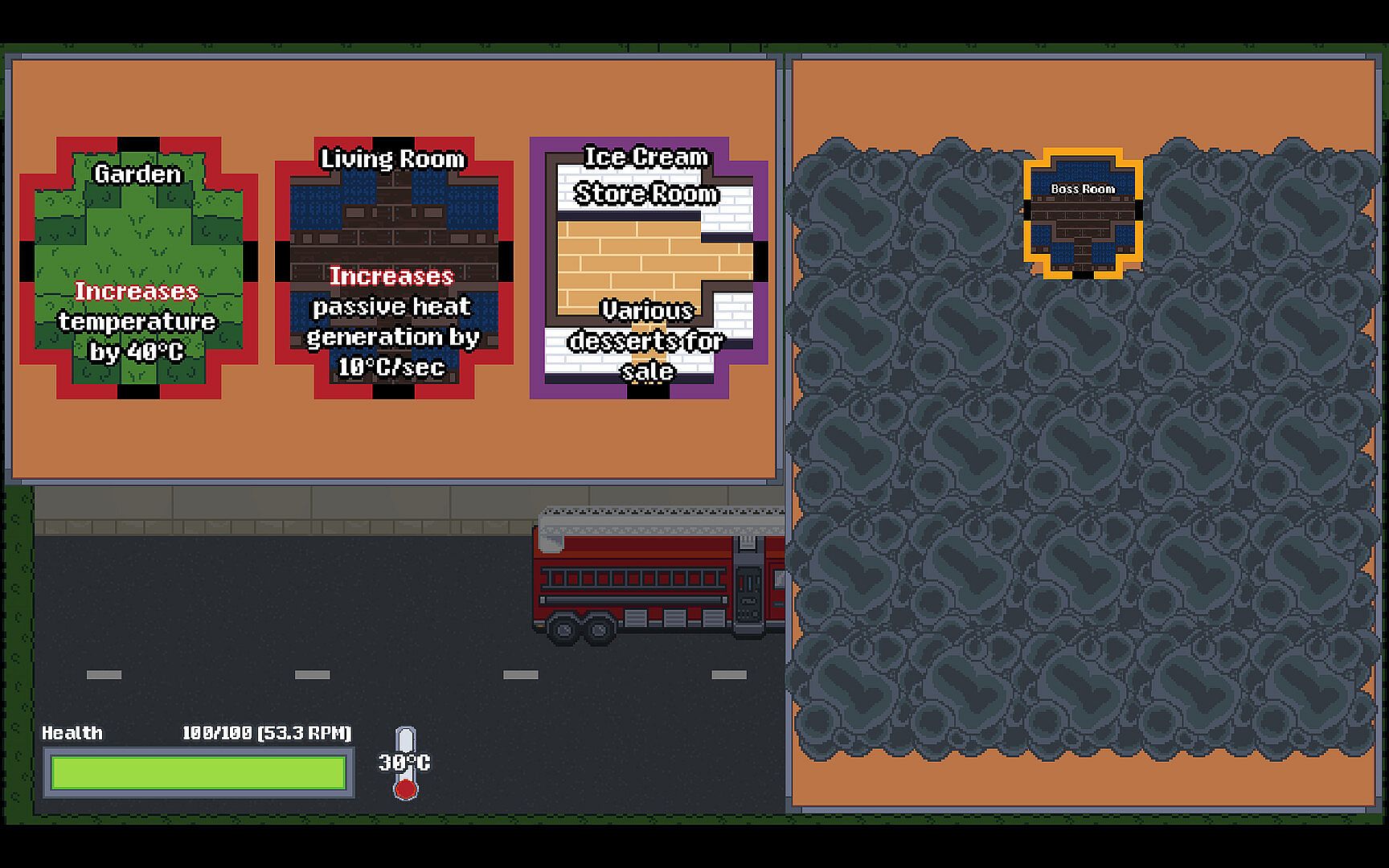
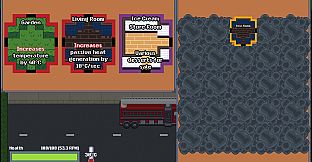
Room selection adds layers of decision-making. At each hallway junction, three distinct rooms appear, each carrying effects that can aid survival through buffs or introduce obstacles that complicate the run. Players must weigh short-term gains against long-term risks as they push deeper into the structure.
Resource management ties into the environment. Valuable items scattered throughout the manor provide cash for upgrades or tools, while the unrelenting fires steadily raise temperatures. Maintaining cool conditions becomes essential, as failure leads to direct failure states. Salvaging and extinguishing elements integrate with the rotation system to keep momentum alive during longer expeditions.
Game Modes
Sergeant Roe Tate operates as a focused singleplayer experience without separate multiplayer or competitive modes. The entire session revolves around repeated runs through the manor, building familiarity with weapon rotations and room effects while accumulating resources across attempts.
Progression emerges from item collection and cash earnings that support continued exploration. Each run emphasizes survival through heat management and strategic room choices rather than branching campaigns or team-based objectives. The structure rewards experimentation with different rotation techniques and loadout adjustments derived from salvaged goods.
Exploration and Survival Systems
The manor itself functions as the primary arena, with fires creating persistent environmental pressure that influences movement and combat pacing. Players must actively counter rising heat while using rotation to clear paths and engage threats. This simulation layer interacts with RPG-style item use and action-oriented weapon handling to create a cohesive loop of risk assessment and mechanical execution.
Item salvage supports both immediate survival and longer-term goals by funding purchases that enhance rotation capabilities or provide cooling options. The absence of external factions or seasonal content keeps attention on mastering the manor's internal systems through repeated, self-contained expeditions.
Is It Worth Playing?
Sergeant Roe Tate suits players who enjoy singleplayer dungeon crawlers that emphasize mechanical precision and environmental management over story-driven campaigns or large-scale multiplayer. The rotation-based combat and room-choice system offer a distinctive twist on exploration, while heat management adds tension that rewards careful planning.
With the game still listed as upcoming and no user reviews available yet, reception remains untested in practice. Those drawn to indie action-RPG hybrids with simulation depth may find the core loop compelling once released, particularly if they appreciate games built around a single, tightly integrated set of mechanics rather than expansive feature lists.
The title targets audiences comfortable with procedural-feeling runs and iterative improvement through cash and item accumulation. It stands as a niche option for PC players seeking focused, rotation-driven action without additional modes or external support structures.