

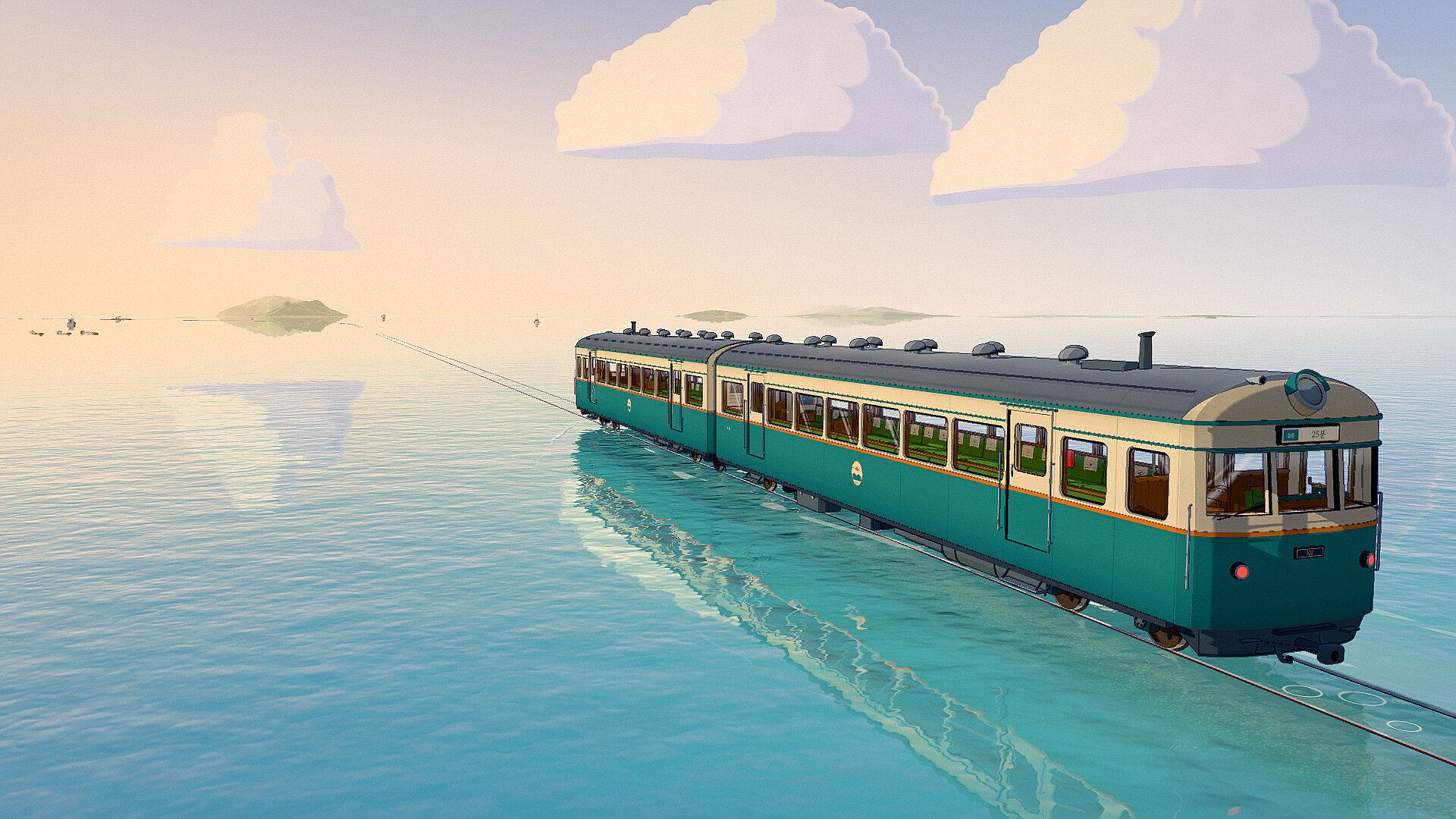

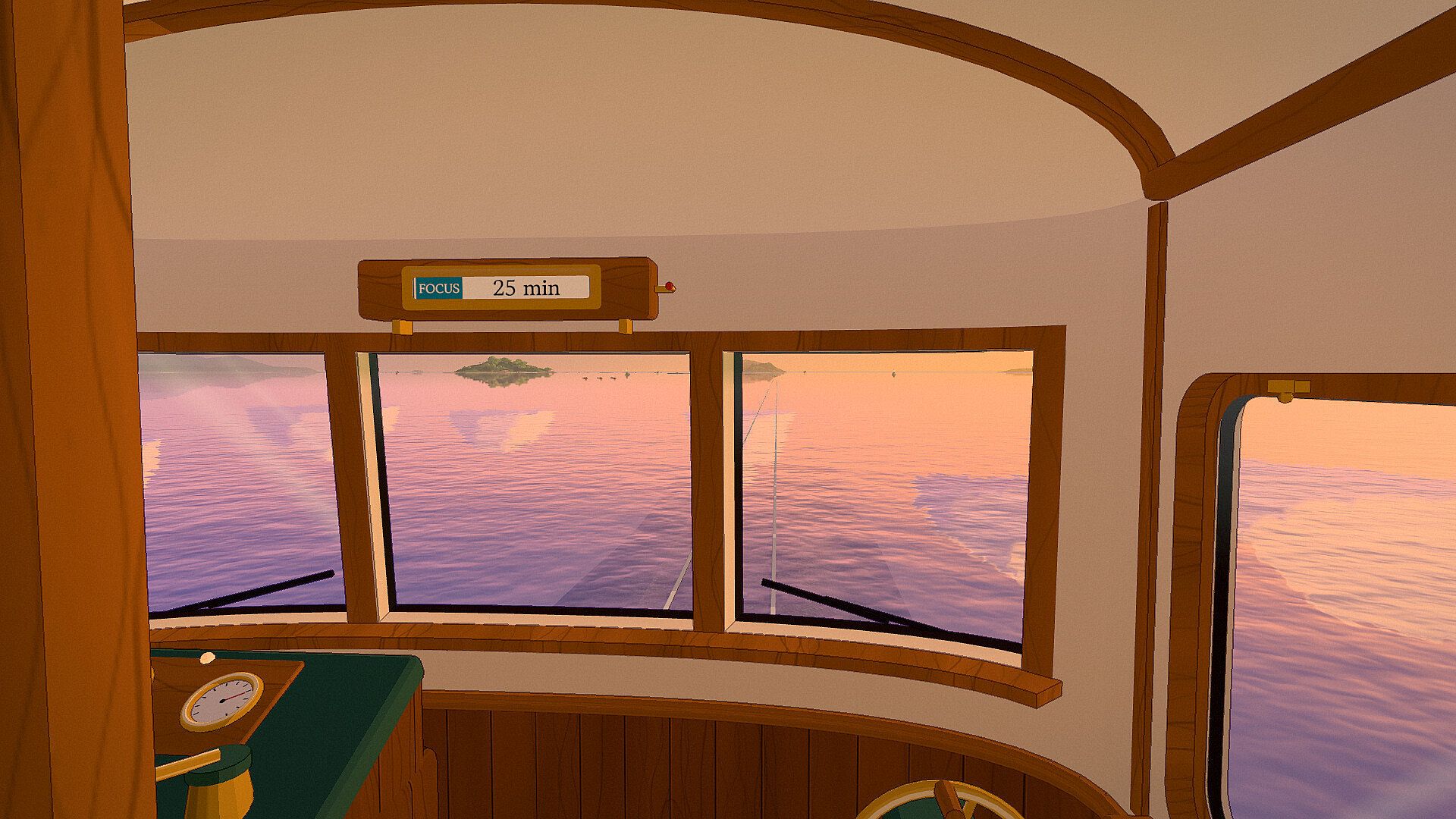
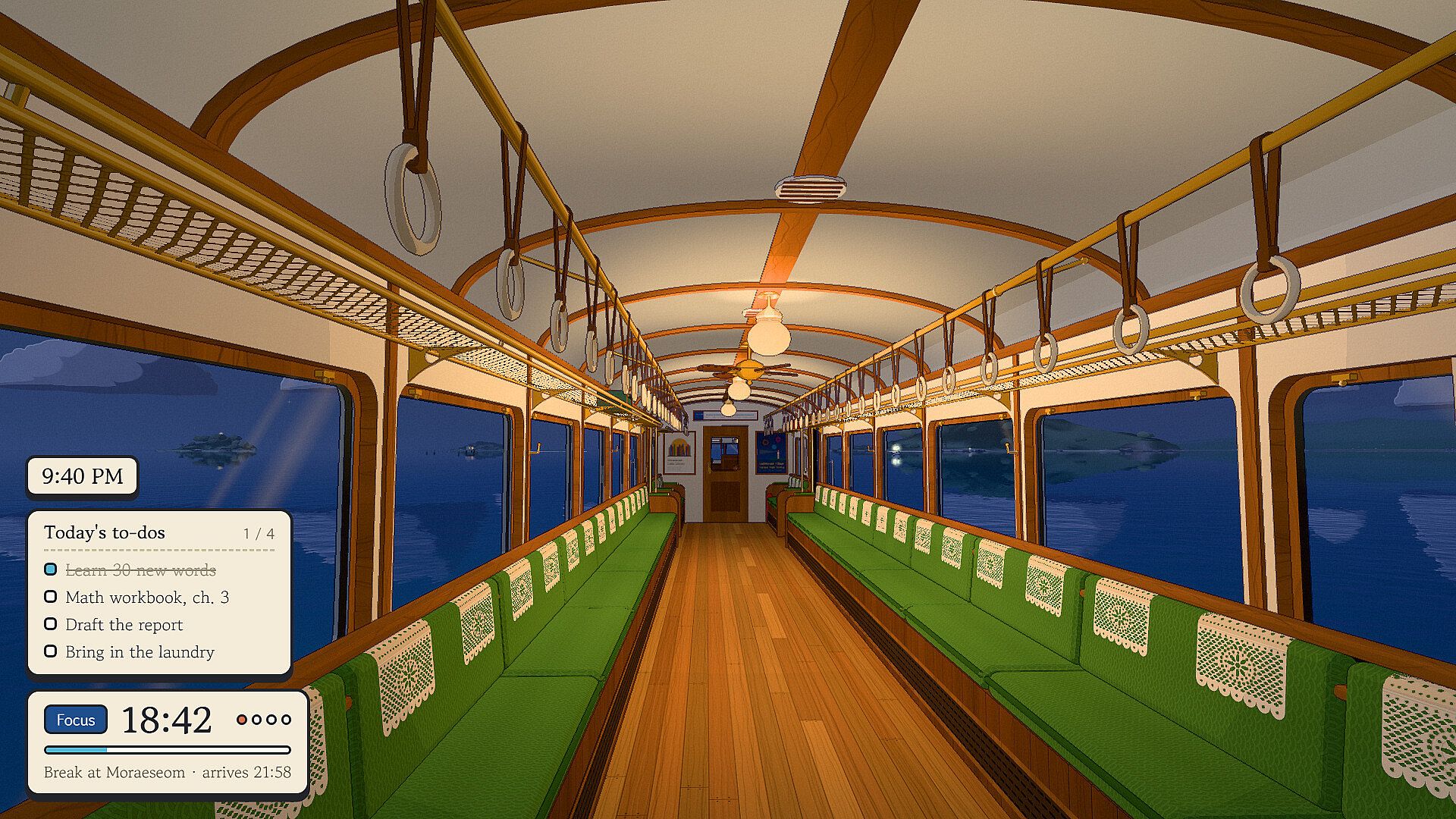
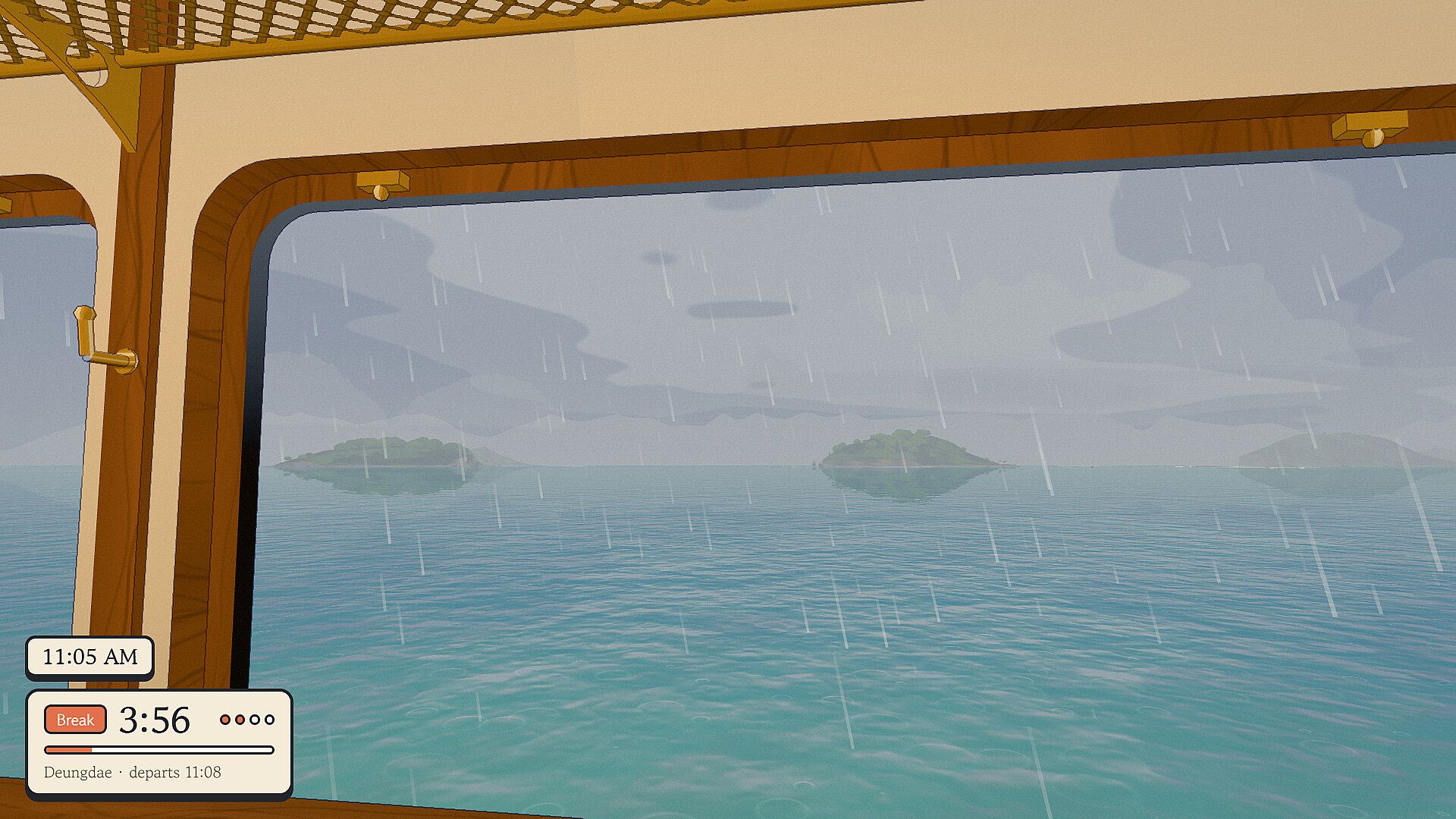
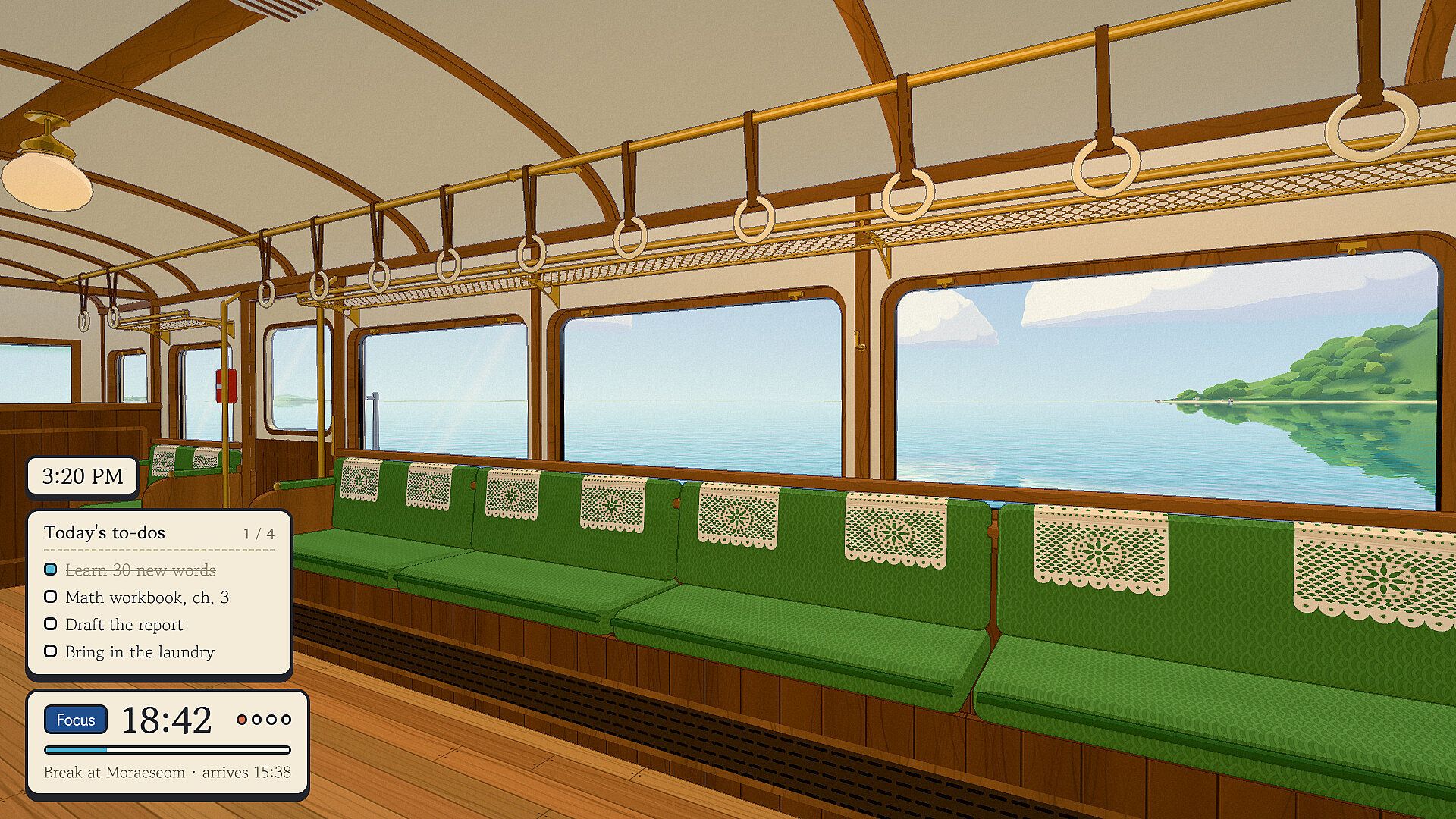
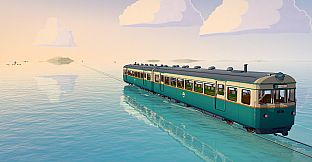

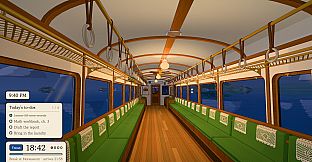
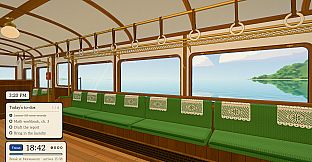
Sea Train is a singleplayer indie casual simulation game set on a small two-car railcar traveling across a shallow sea. The experience centers on quiet observation and personal pacing rather than objectives or competition. Players ride along submerged tracks where islands pass in the distance and isolated halts offer brief stops. The game emphasizes a relaxed atmosphere with customizable time of day, weather conditions, and simple onboard activities that support focus or rest without any pressure to perform.
Gameplay
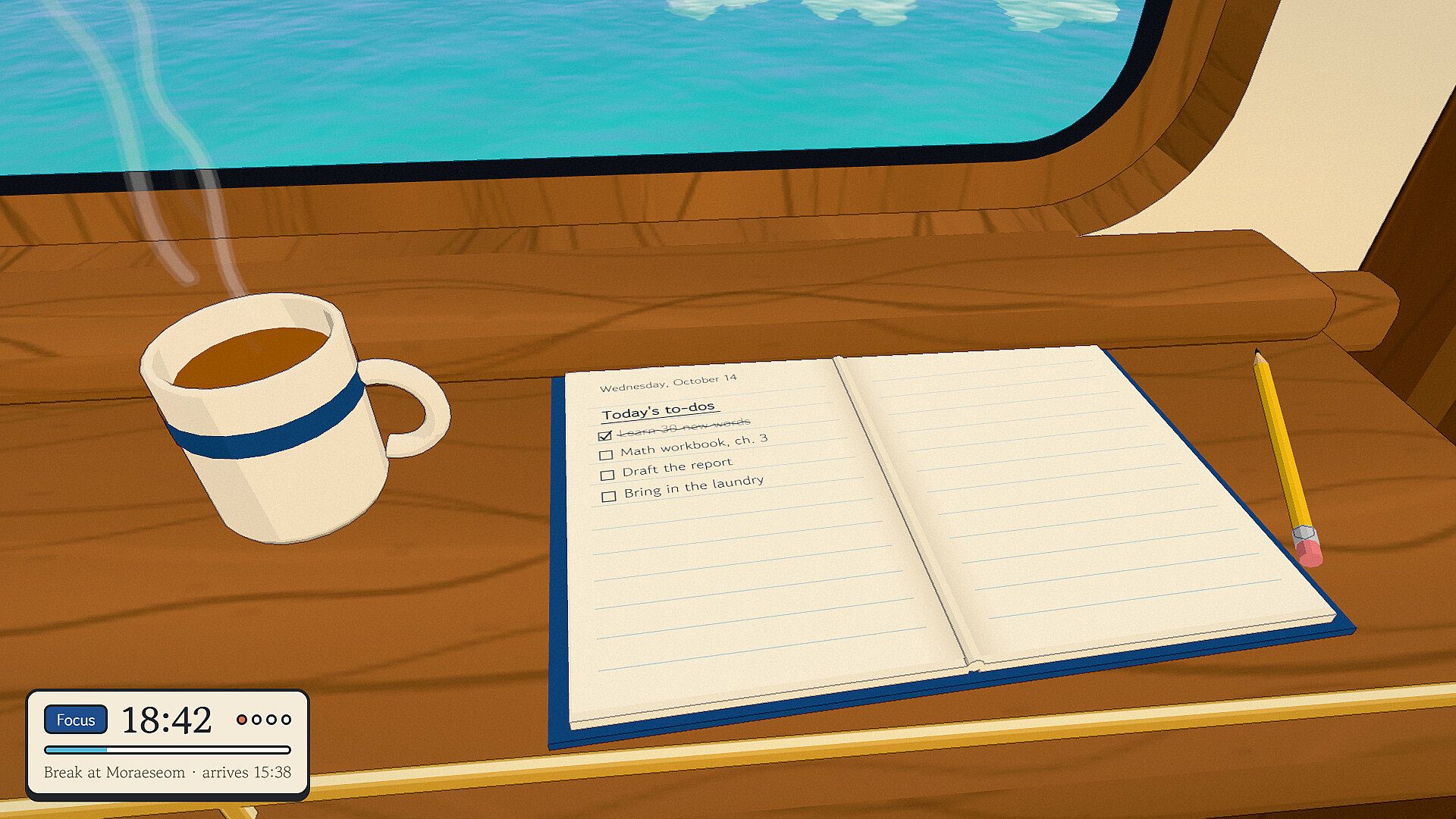
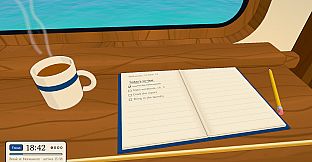
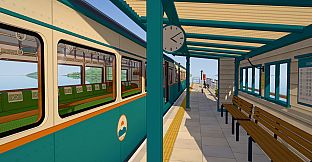
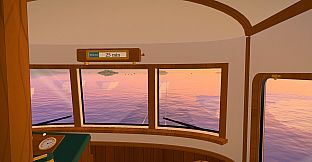
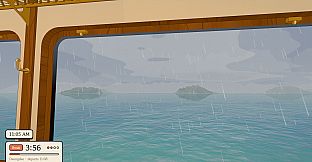
The core loop involves boarding the railcar and selecting a destination that sets a focus period of either 25 or 50 minutes. Between halts the journey serves as uninterrupted time for concentration, while each arrival opens the doors for a break on the platform. The train remains stationary until the player chooses to continue. Onboard options include sitting at different windows or the counter seat that faces the water. A notebook at the counter allows writing and checking off daily tasks, with those notes appearing as an optional on-screen card. The radio offers three audio choices: ambient sea sounds, piano, or lo-fi beats. Tea from a vending machine at any halt fills a mug that steams visibly for twenty minutes. External camera views let players observe the railcar from trackside, alongside the route, or overhead. Weather shifts between clear, cloudy, and rainy conditions, with wipers activating on the cab glass during precipitation. Time of day cycles through morning, midday, sunset, and night, or syncs with the player's real-world clock. All interface elements can be toggled individually or hidden together with a single key press, keeping the view uncluttered.
Game Modes
Sea Train offers a single continuous experience built around the focus timer system. Sessions revolve around choosing focus durations that align with personal work or reflection periods, then using the halts as natural pauses. There are no separate competitive, story-driven, or challenge modes. The design remains consistent across play sessions, with variations coming only from weather, time of day, and the player's choice of onboard activities. The ride log records each completed halt where rest occurred, providing a simple record of sessions without scores or rankings.
Atmosphere and Accessibility
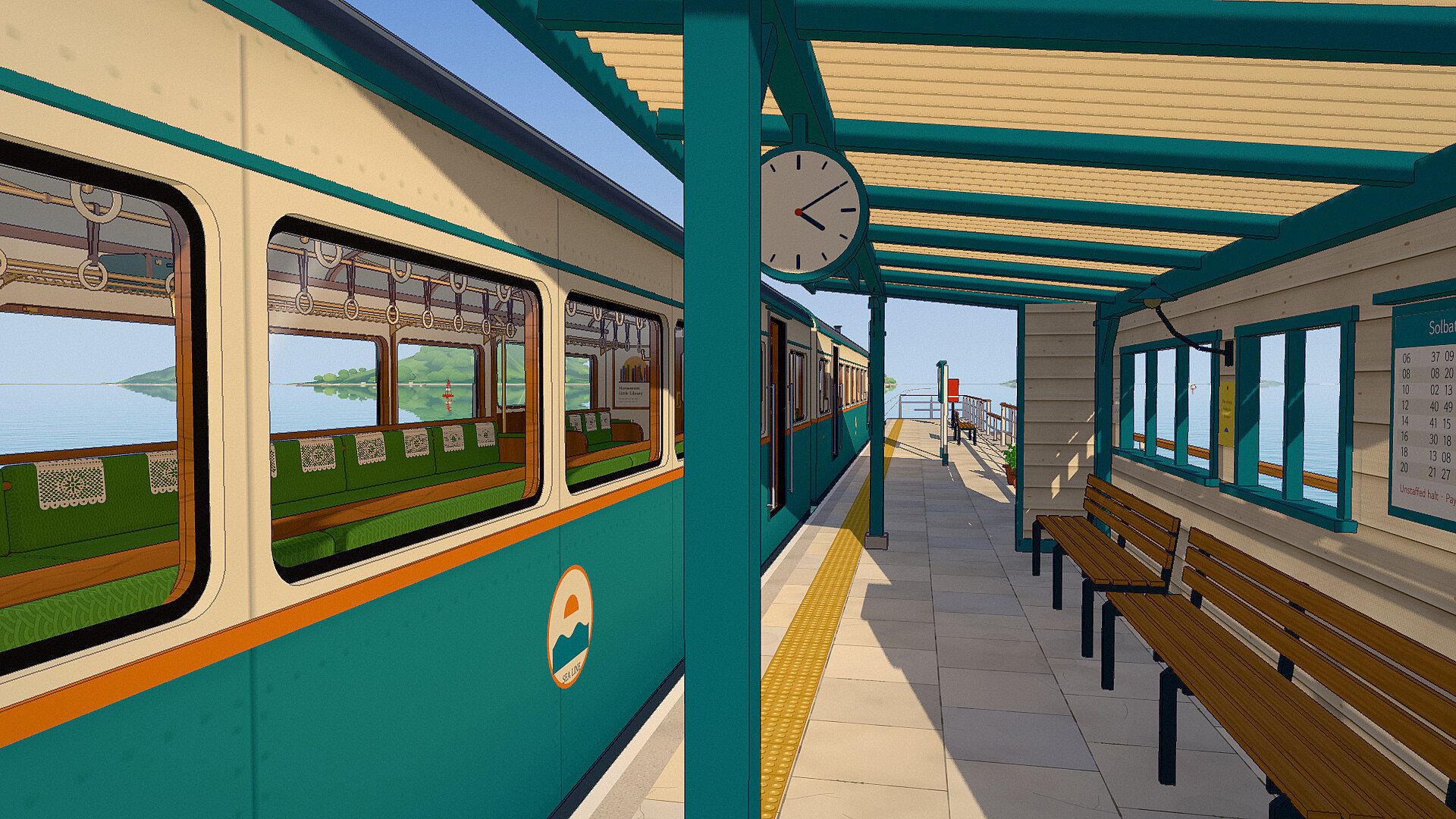
Visuals focus on a calm, glassy sea with drifting islands and modest platform structures that include basic shelters, benches, and vending machines. The railcar interior features simple seating and a counter area suited for quiet tasks. Sound design supports the mood through the radio options and environmental audio. The game supports English, Japanese, Korean, and Simplified Chinese, with localized text appearing on signs and posters within the world. System requirements remain modest, making the title accessible on a wide range of PCs. No fail states exist, and the absence of goals allows players to end sessions at any halt without penalty.
Is It Worth Playing?
Sea Train suits players seeking a low-pressure singleplayer simulation that functions as a personal focus or relaxation tool. The station-based timer provides a gentle structure for work intervals or mindful breaks, while onboard elements like the notebook and radio add light interactivity without distraction. Those who enjoy ambient experiences with customizable pacing and no competitive elements will find the design consistent with its gentle intent. The game remains in a pre-release state with no user reviews available yet, so expectations should center on the described mechanics rather than community feedback. Availability is limited to PC through standard digital storefronts once it launches.