




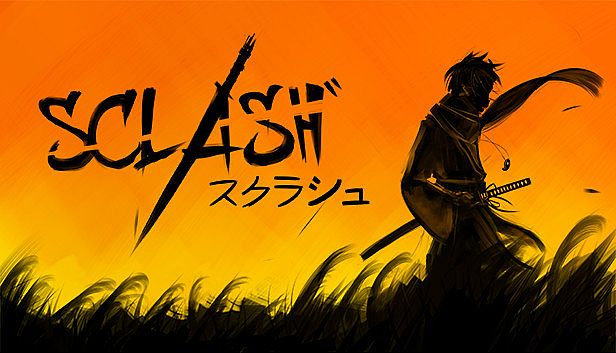




















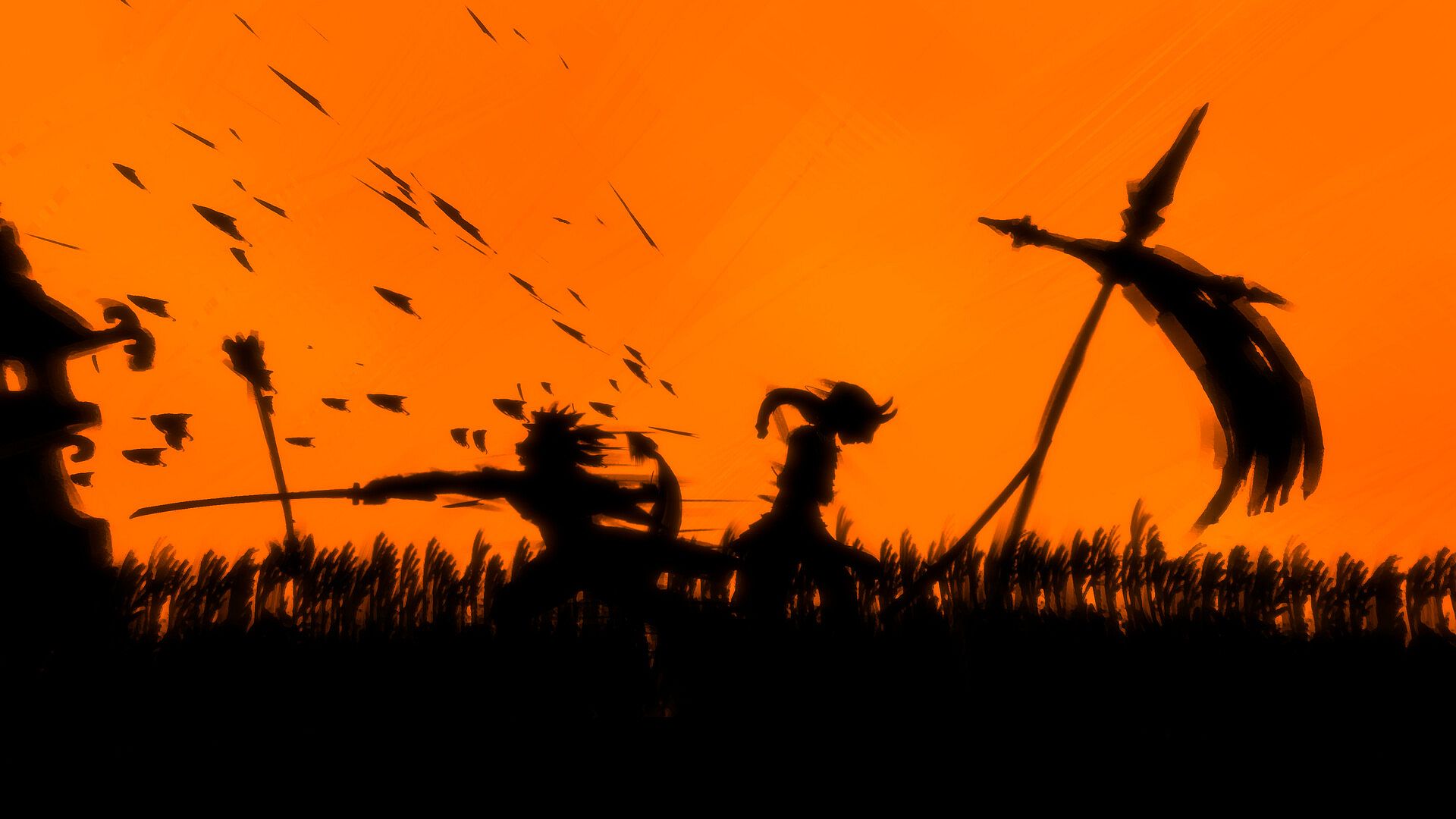
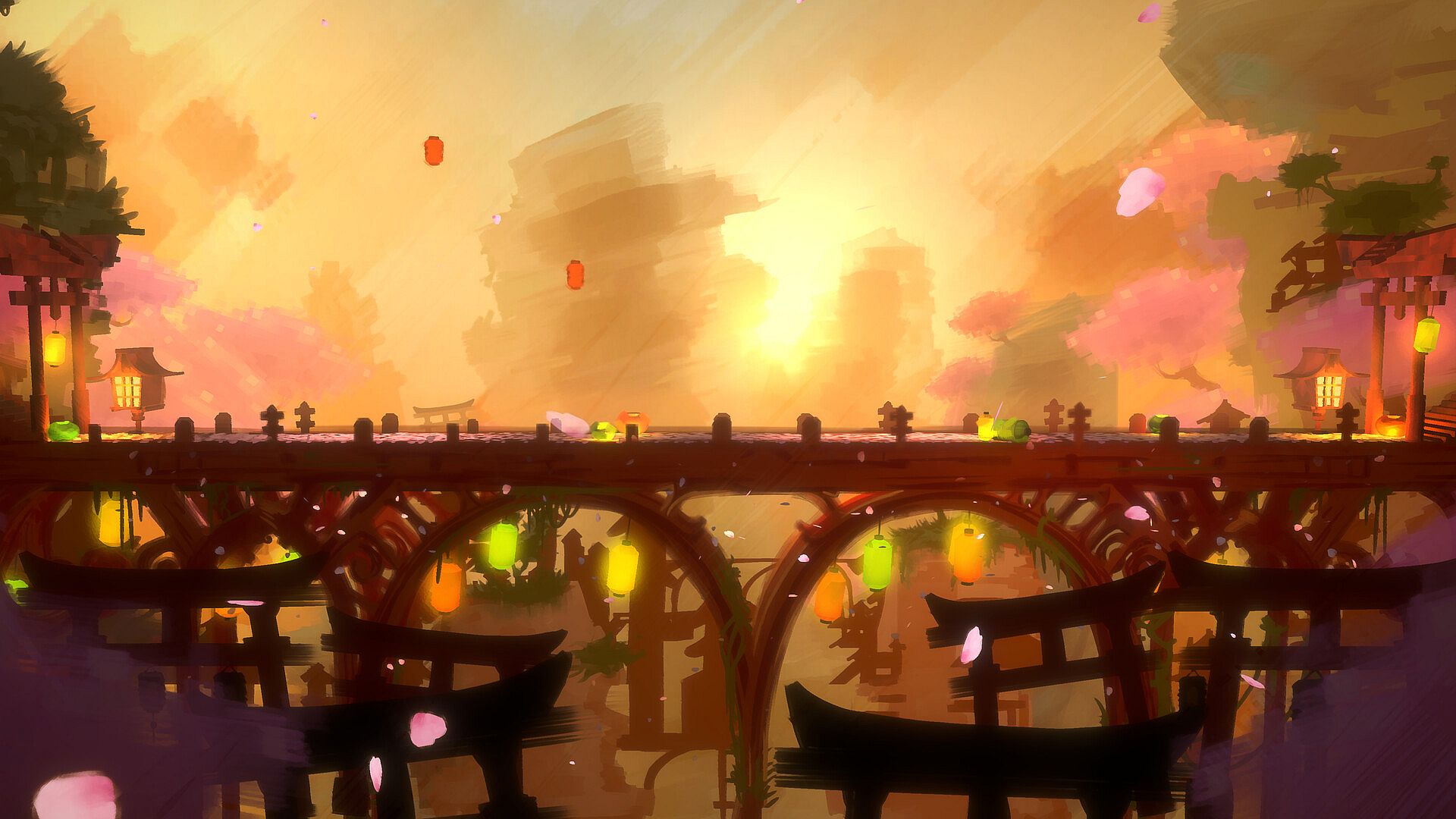
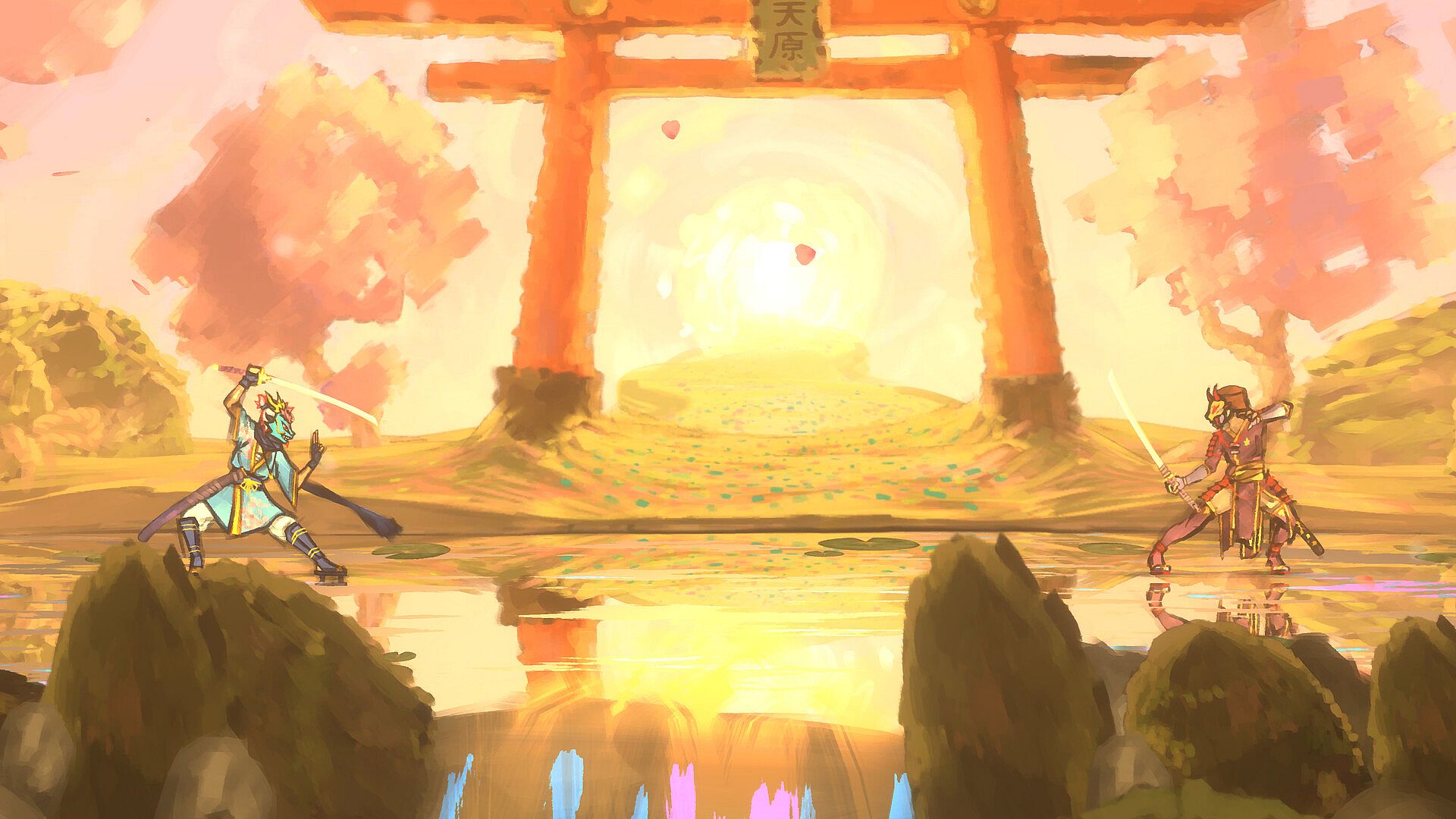
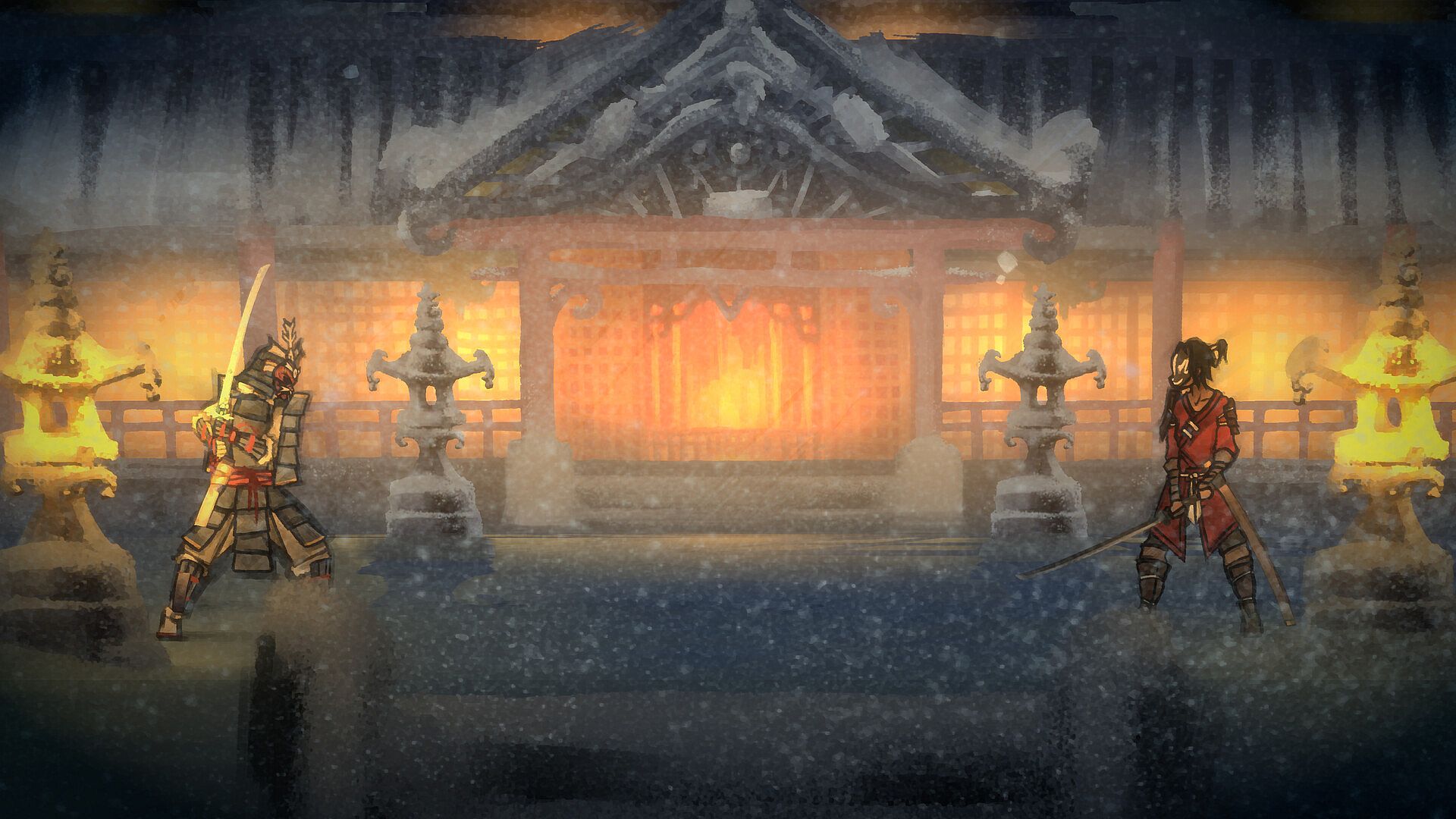
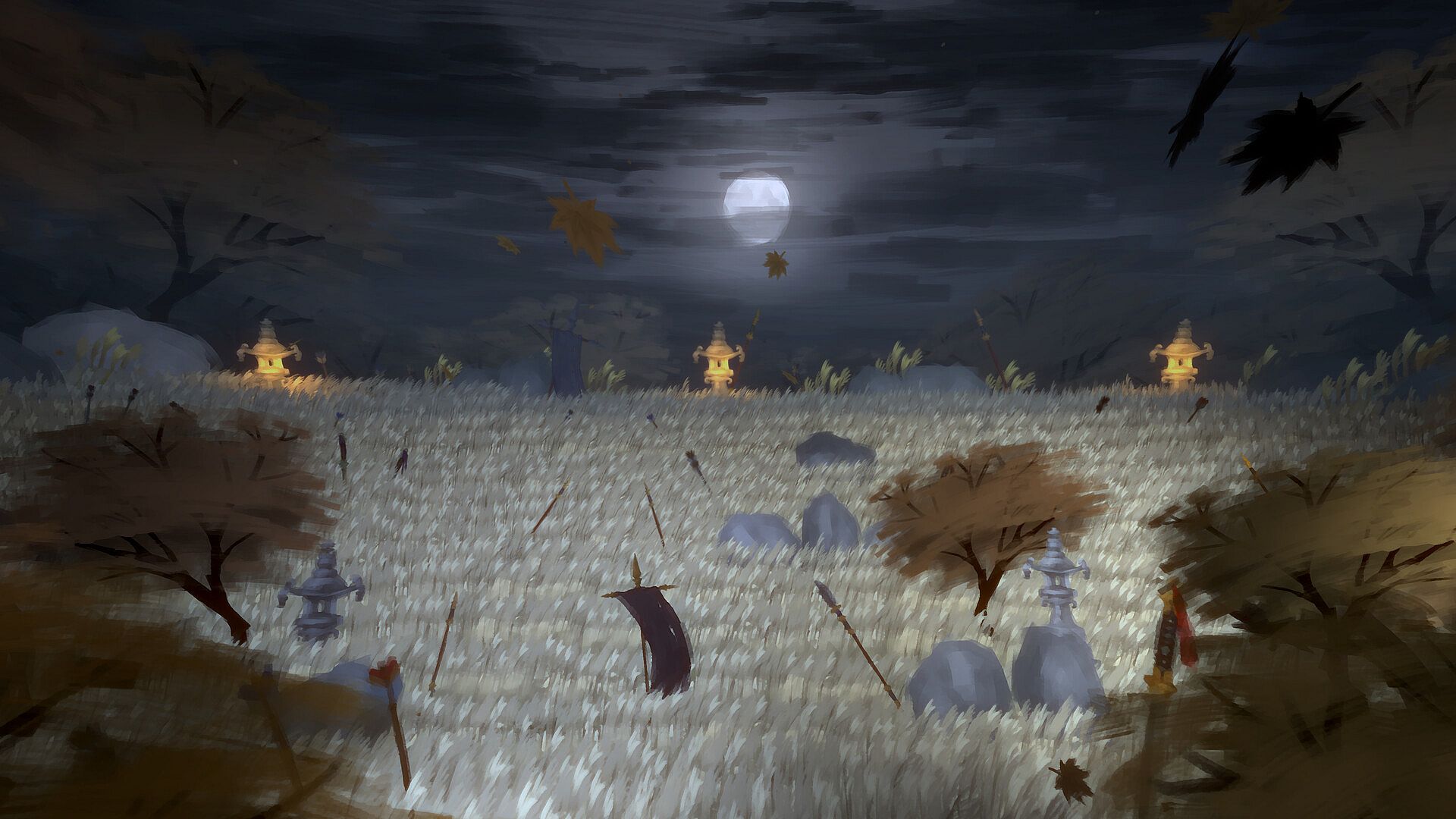
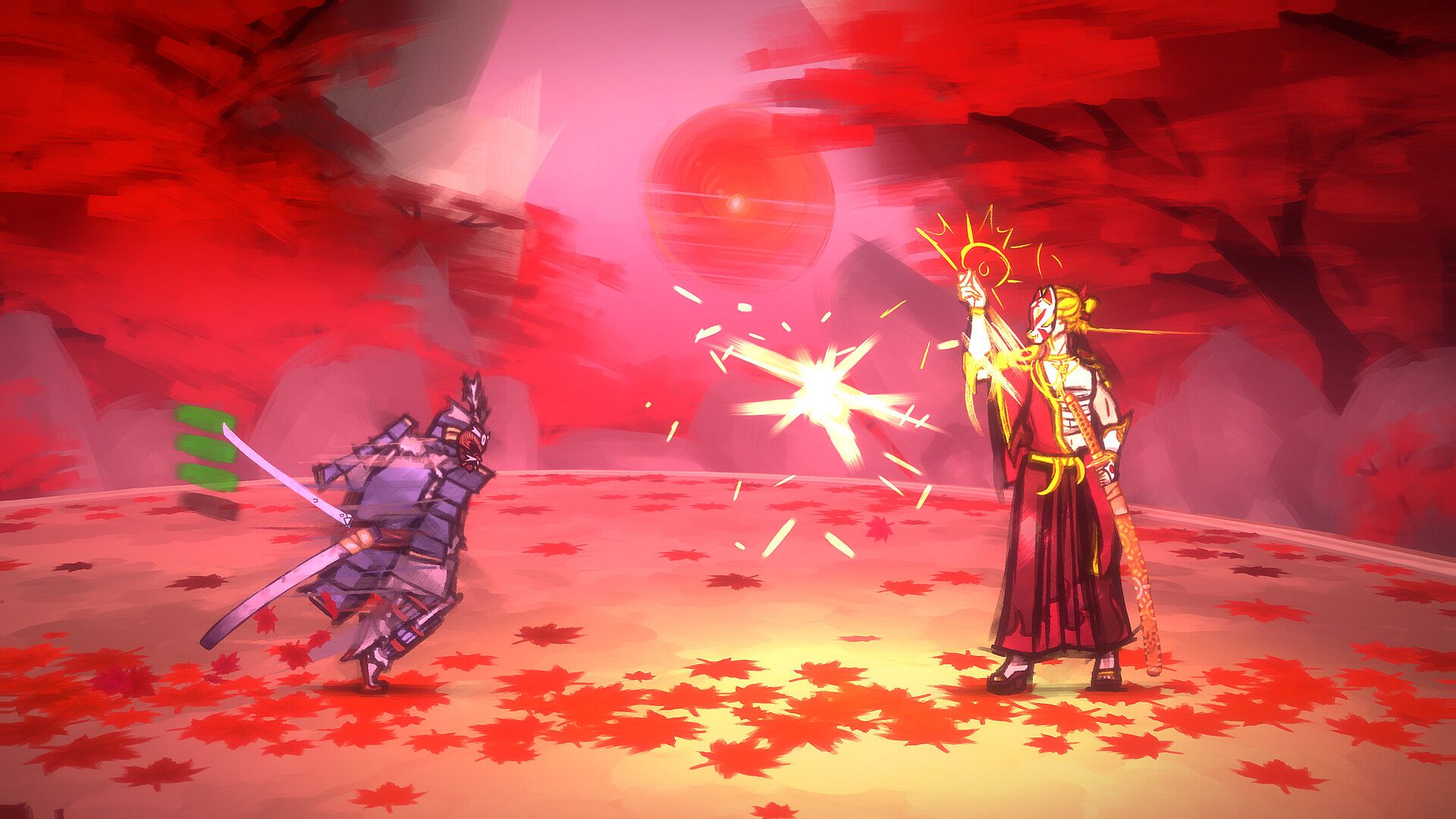
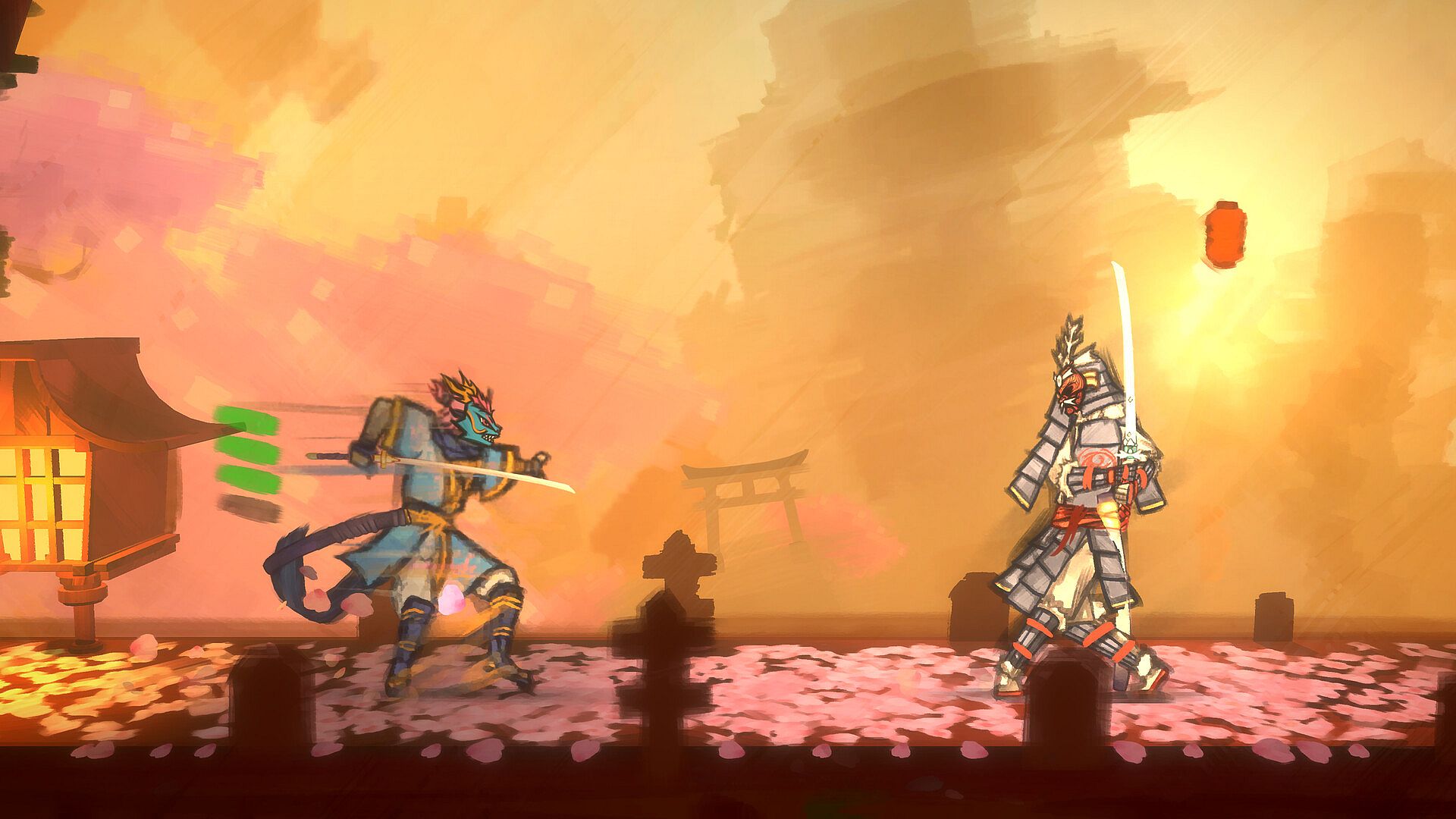
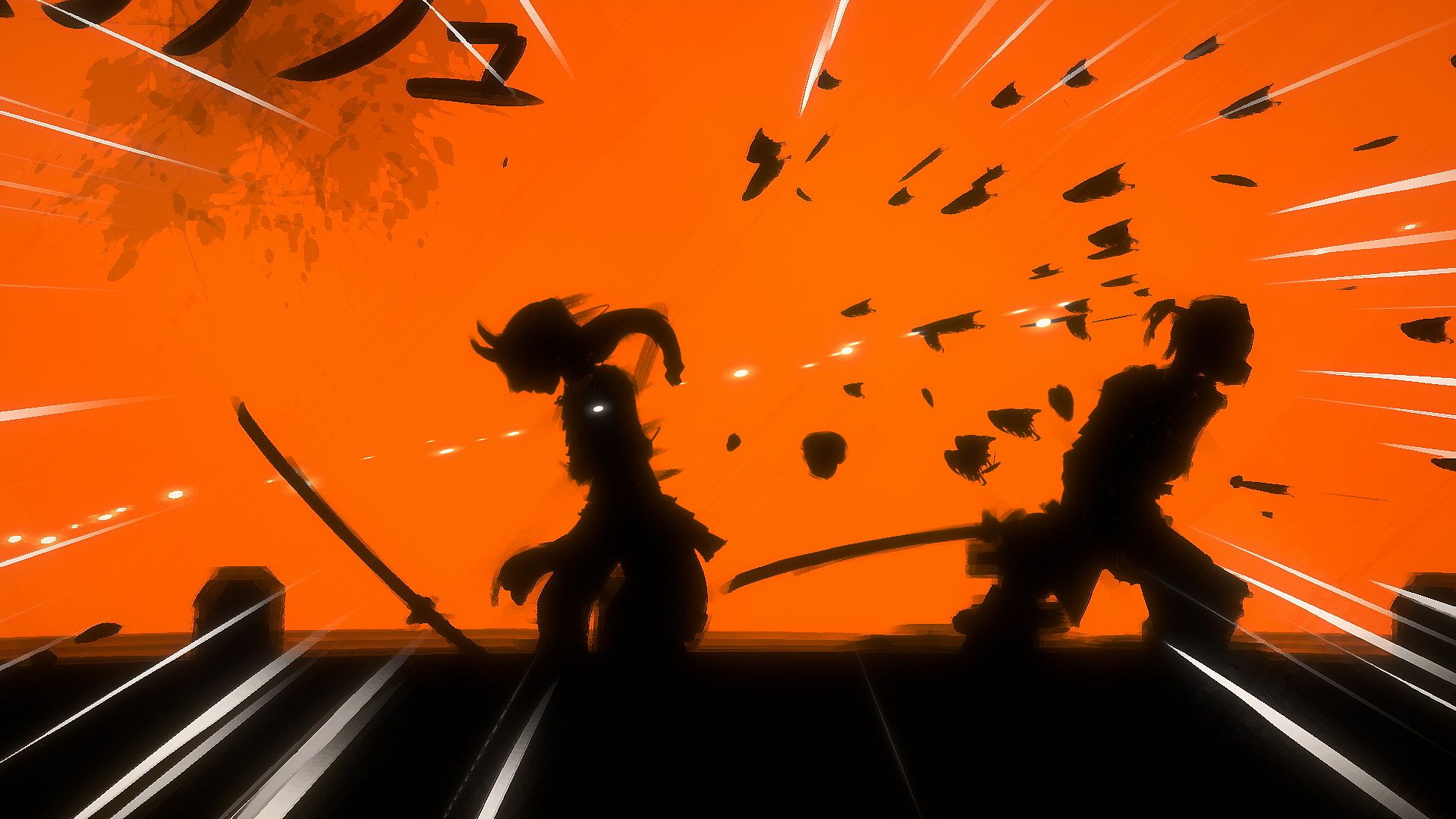
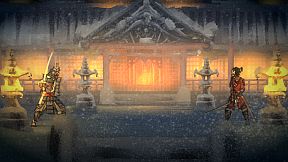
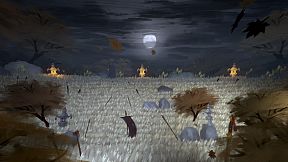
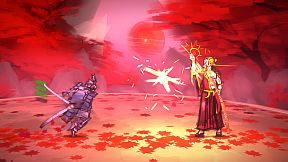
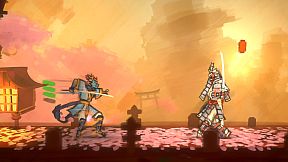
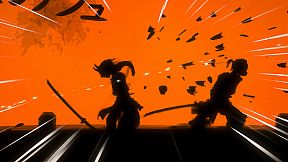
Sclash stands out as a 2D samurai action fighting game focused on tense, decisive duels. Players step into the role of hand-drawn warriors who settle conflicts with precise swordplay in painted backdrops. The core appeal lies in its stripped-down approach that emphasizes timing and decision-making over complex sequences.
Gameplay
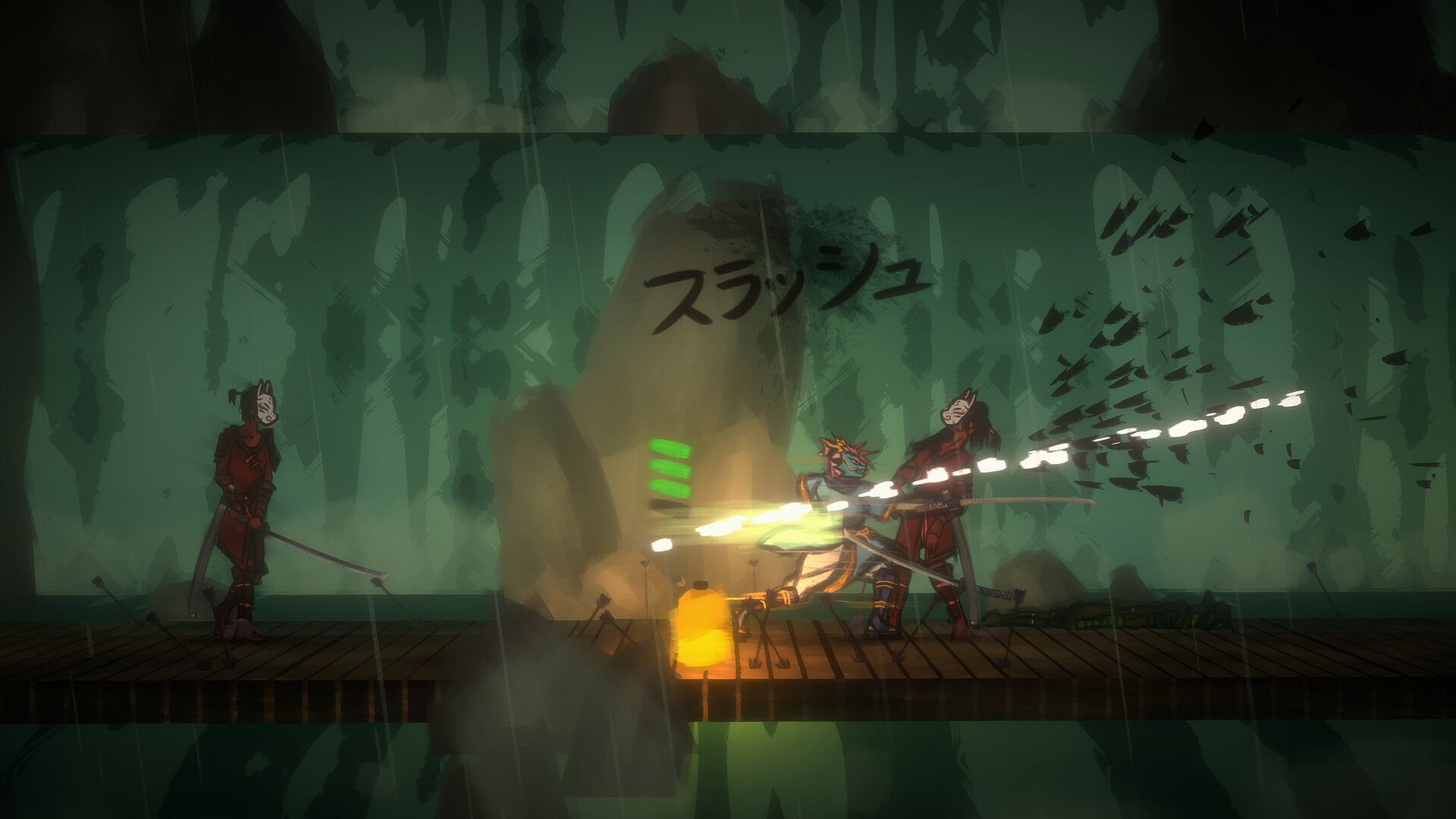
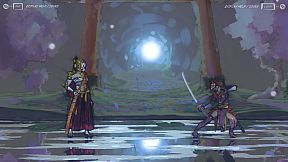
The combat system revolves around a small set of actions that anyone can pick up quickly. A single slash delivers a lethal blow in most encounters, which forces participants to read opponents carefully and manage their resources. Stamina plays a central role by limiting aggressive moves and creating natural pauses where fighters can reposition or prepare the next strike. Additional tools include a parry to deflect attacks, a dodge to evade incoming threats, and a pommel strike that interrupts an adversary mid-action. These elements combine into short, high-stakes exchanges that reward patience rather than button mashing.
Because the game avoids lengthy combo strings, matches unfold like measured samurai confrontations. Each decision carries weight since a single mistake often ends the round. The stamina meter encourages thoughtful pacing, giving players space to observe patterns and choose when to commit. This structure keeps sessions focused and intense without requiring hours of practice to feel competent.
Game Modes
Sclash offers several distinct ways to engage with its systems. The primary single-player experience takes the form of a story mode that guides players through a series of encounters lasting roughly one to two hours. In this mode the rules shift slightly so that enemies require multiple hits to defeat while the player still falls to one clean strike.
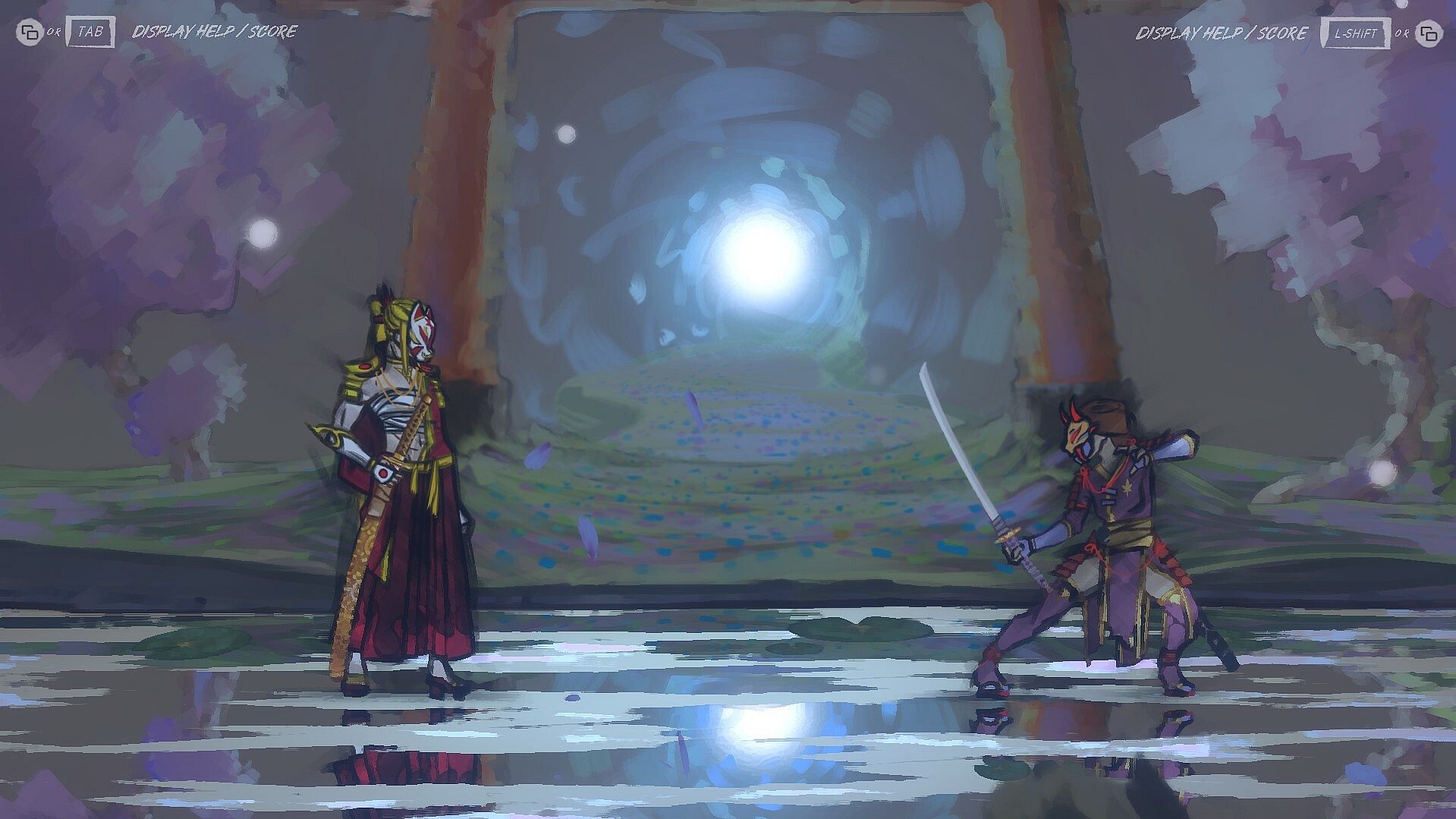
Finishing the story unlocks further challenges. One Life Challenge requires completing the entire sequence without taking damage. Time Attack tasks players with clearing the content as quickly as possible under a set limit. Multiplayer duels provide the purest expression of the one-hit mechanics, allowing direct competition against others in straightforward matches. These options together support both solo progression and head-to-head testing of skill.
Visuals and Learning Curve
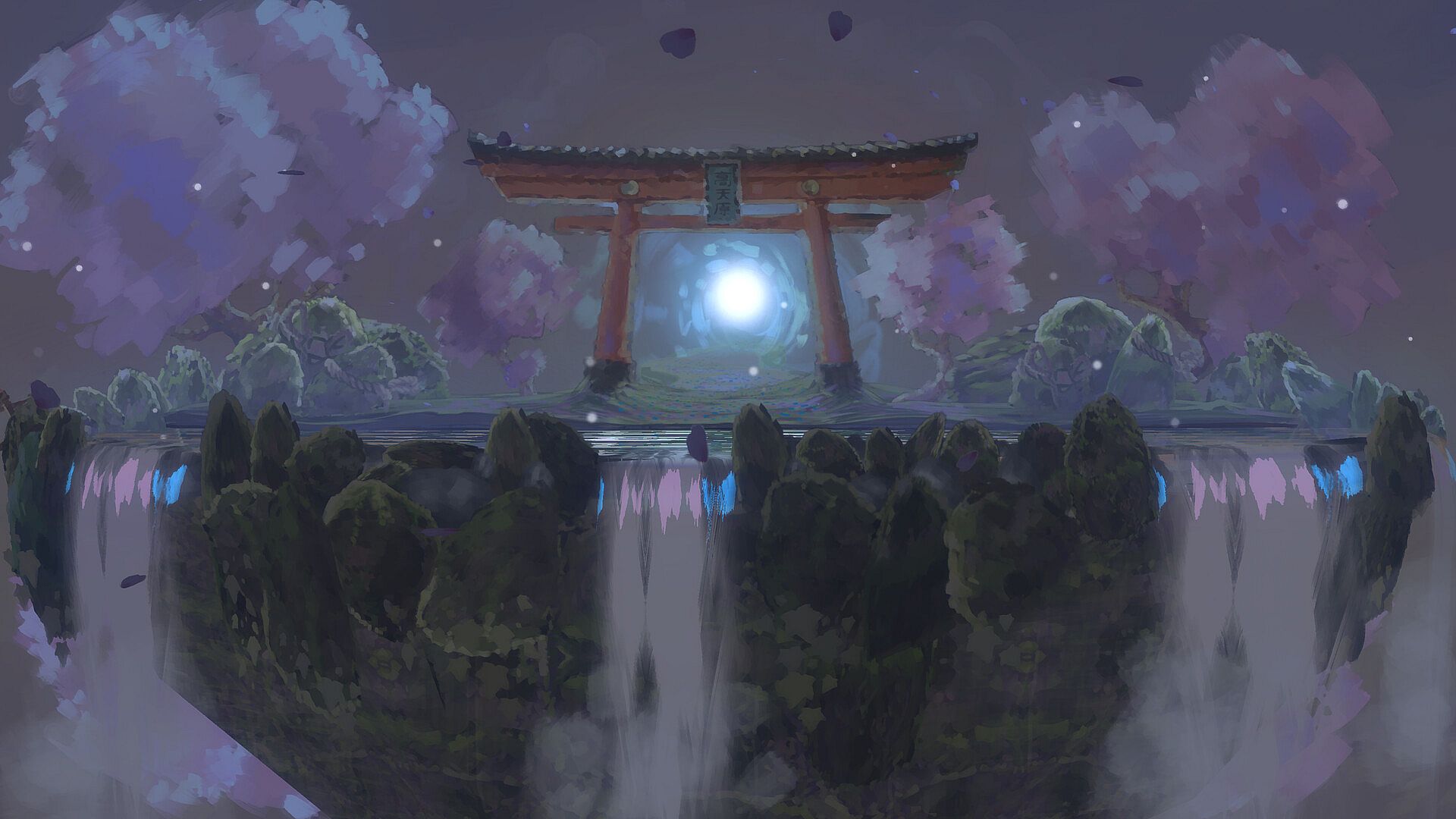
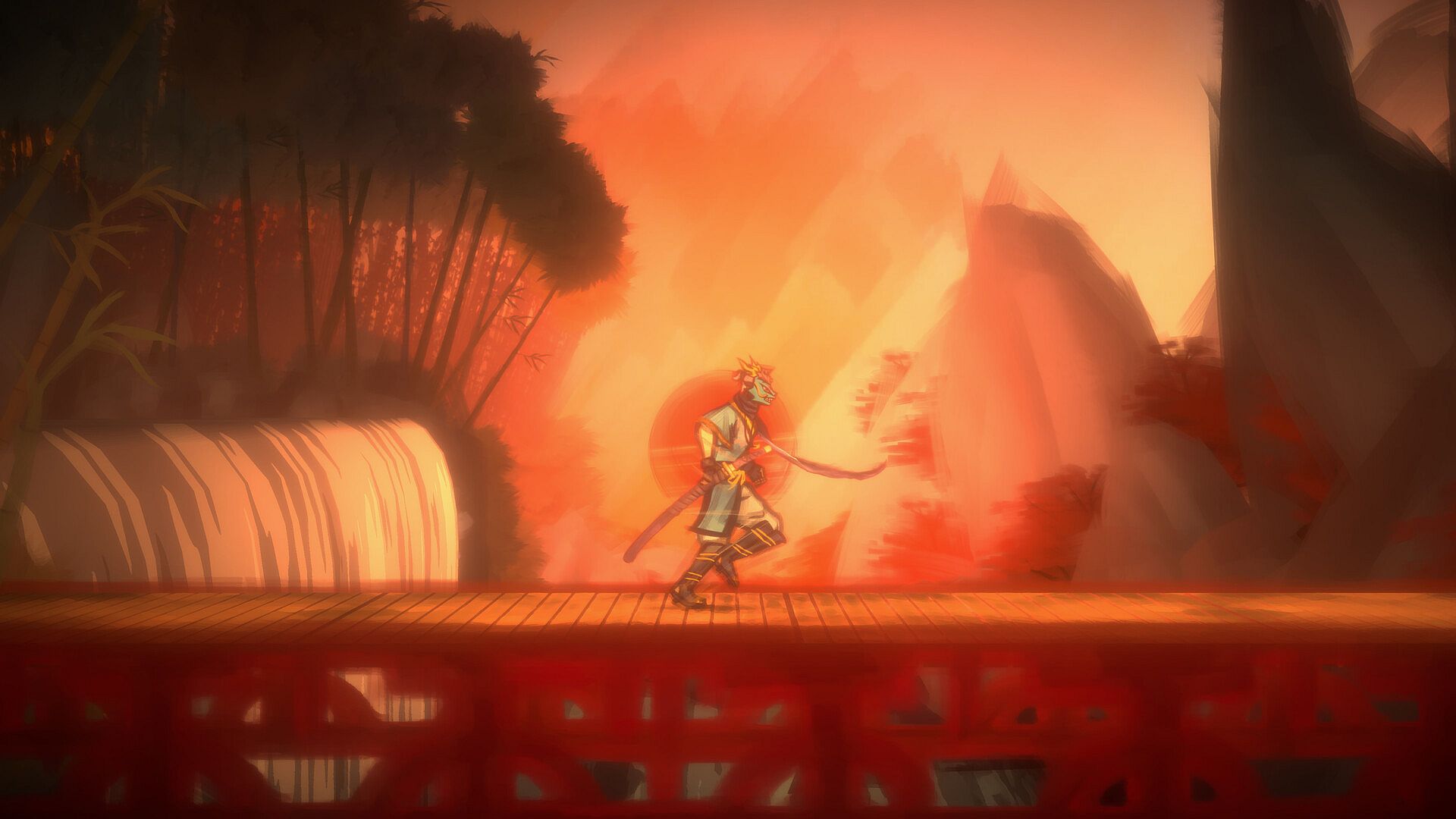
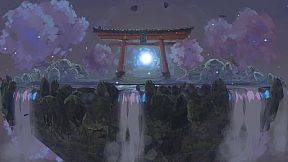
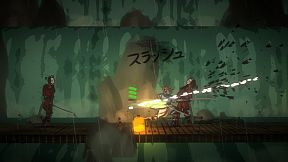
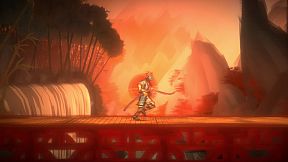
The hand-drawn art style creates distinctive environments that feel hand-painted and atmospheric. Backgrounds and character sprites emphasize clean lines and muted colors that highlight the action without distraction. This presentation supports the deliberate pace of combat by keeping attention on the fighters themselves.
Controls remain accessible from the first session. With only a handful of buttons mapped to essential functions, newcomers can grasp the basics within minutes. The absence of intricate move lists lowers the barrier for those new to fighting games while still offering depth through timing and stamina awareness. Veterans of similar one-hit titles will recognize the emphasis on reads and positioning that emerges once fundamentals are in place.
Is It Worth Playing?
Player feedback on Steam rates the game Very Positive based on hundreds of reviews, highlighting the satisfying tension of its duels and the straightforward controls. The experience suits anyone seeking short, focused sessions rather than long campaigns or extensive customization. Those who enjoy deliberate pacing and high-stakes decisions will find repeated value in mastering the timing of parries and interrupts.
Support continues through community channels where players arrange matches and discuss strategies. The game remains available on PC with its core features intact since launch. For individuals drawn to minimalist fighting games that prioritize one decisive moment over flashy sequences, Sclash delivers a consistent and distinctive alternative. It rewards careful play and offers clear progression through its single-player challenges alongside direct multiplayer confrontation.














