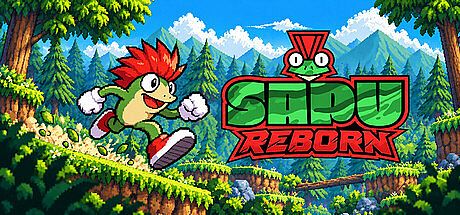


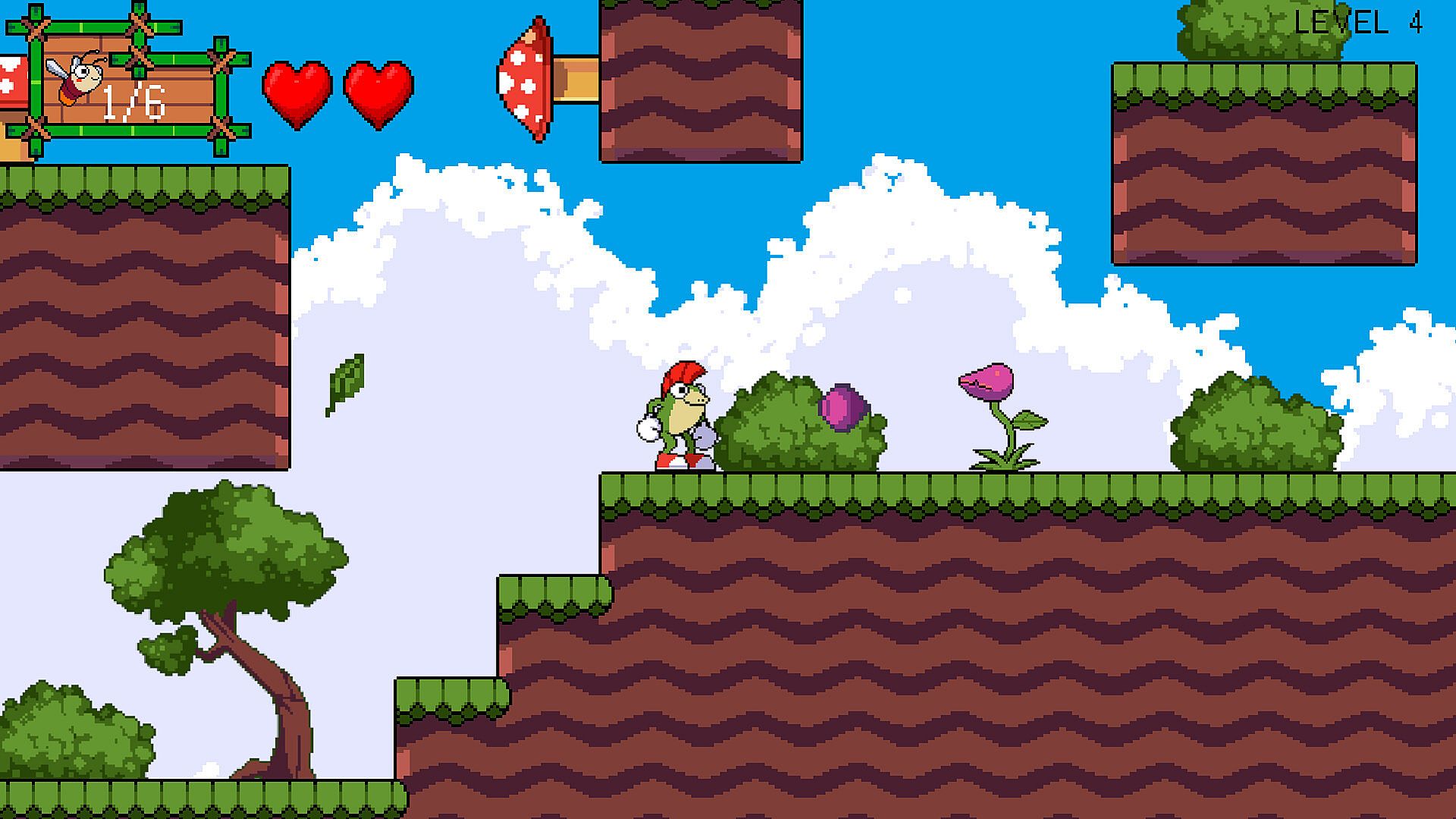
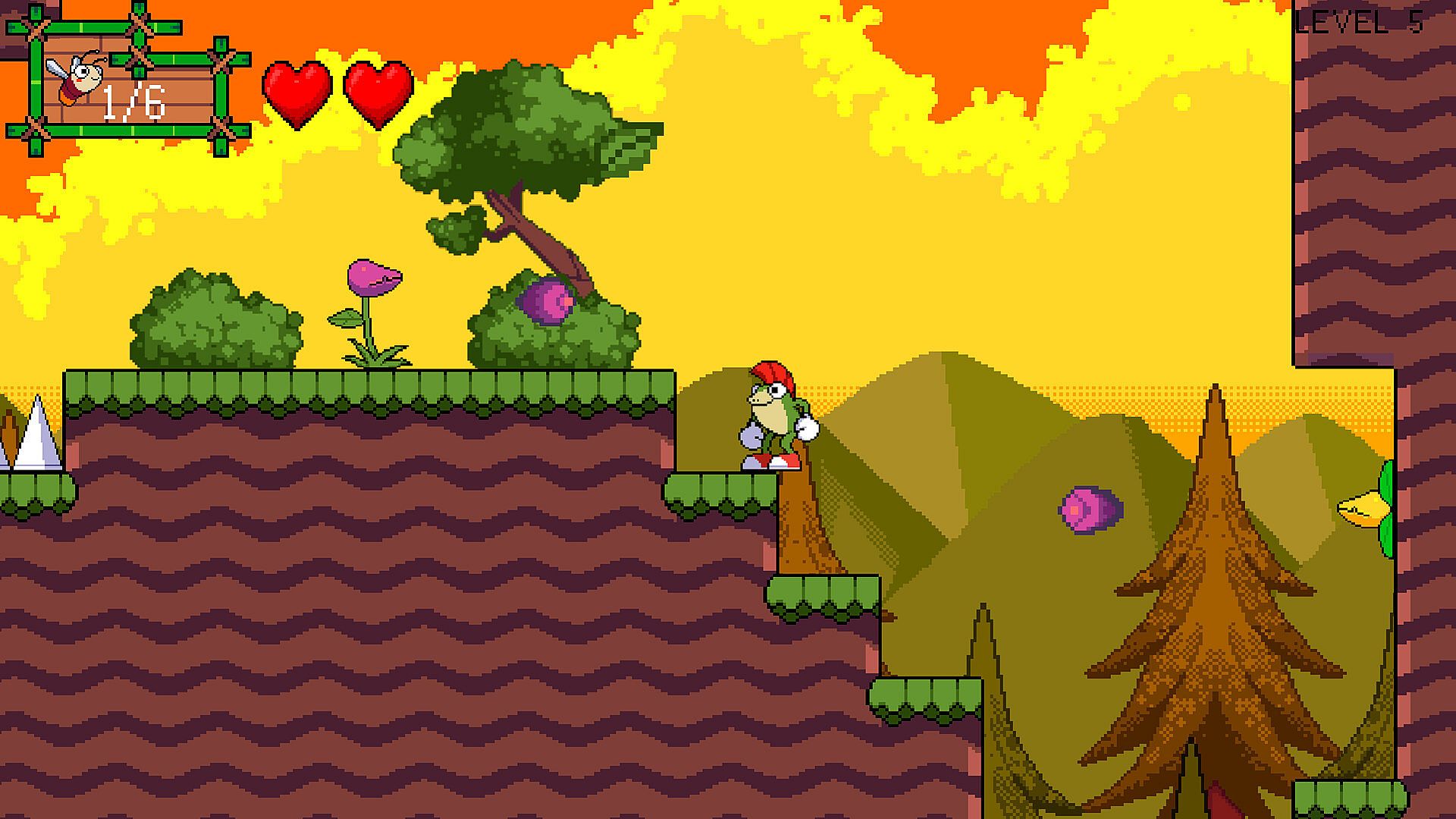
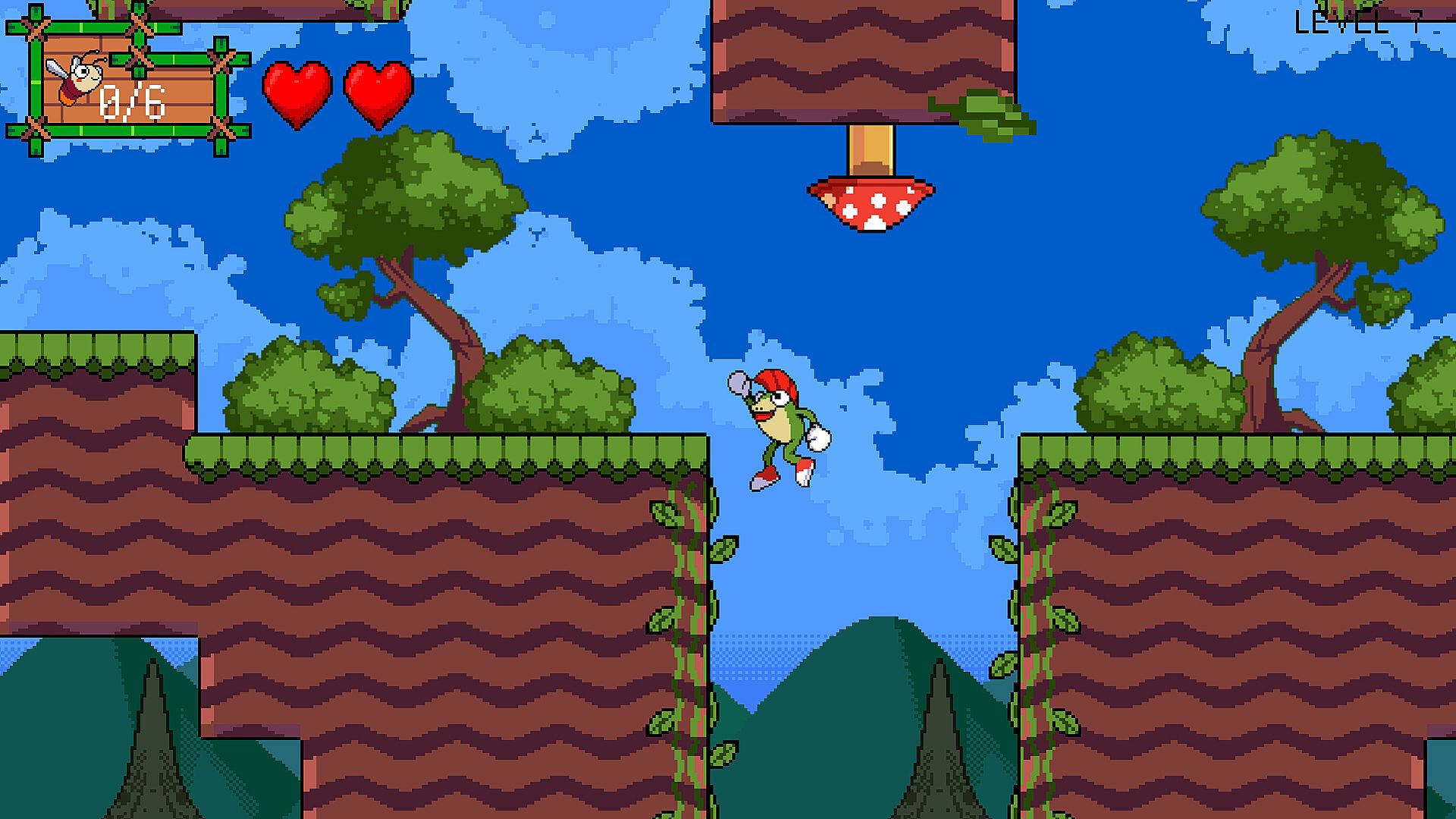
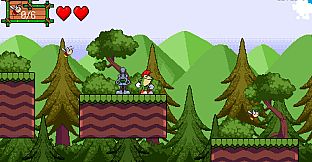
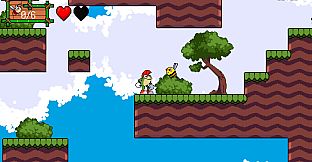
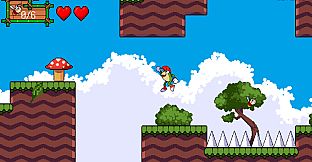
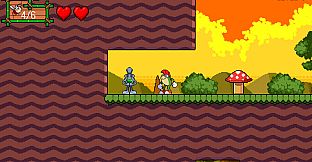
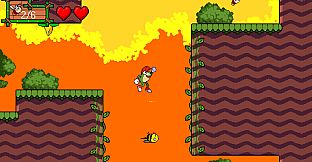
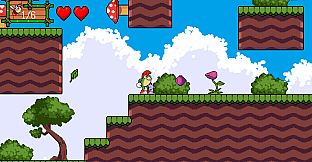
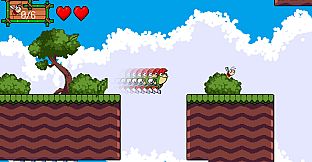
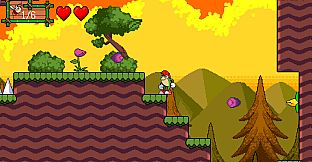
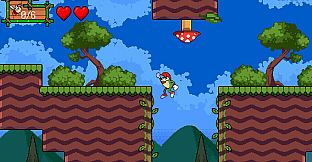
SAPU: Reborn is a 2D pixel-art platformer that emphasizes tight controls and deliberate navigation through handcrafted stages. Players guide the protagonist across dangerous forest environments filled with enemies, projectiles, moving hazards, and traps, using a core set of movement tools to progress.
Gameplay
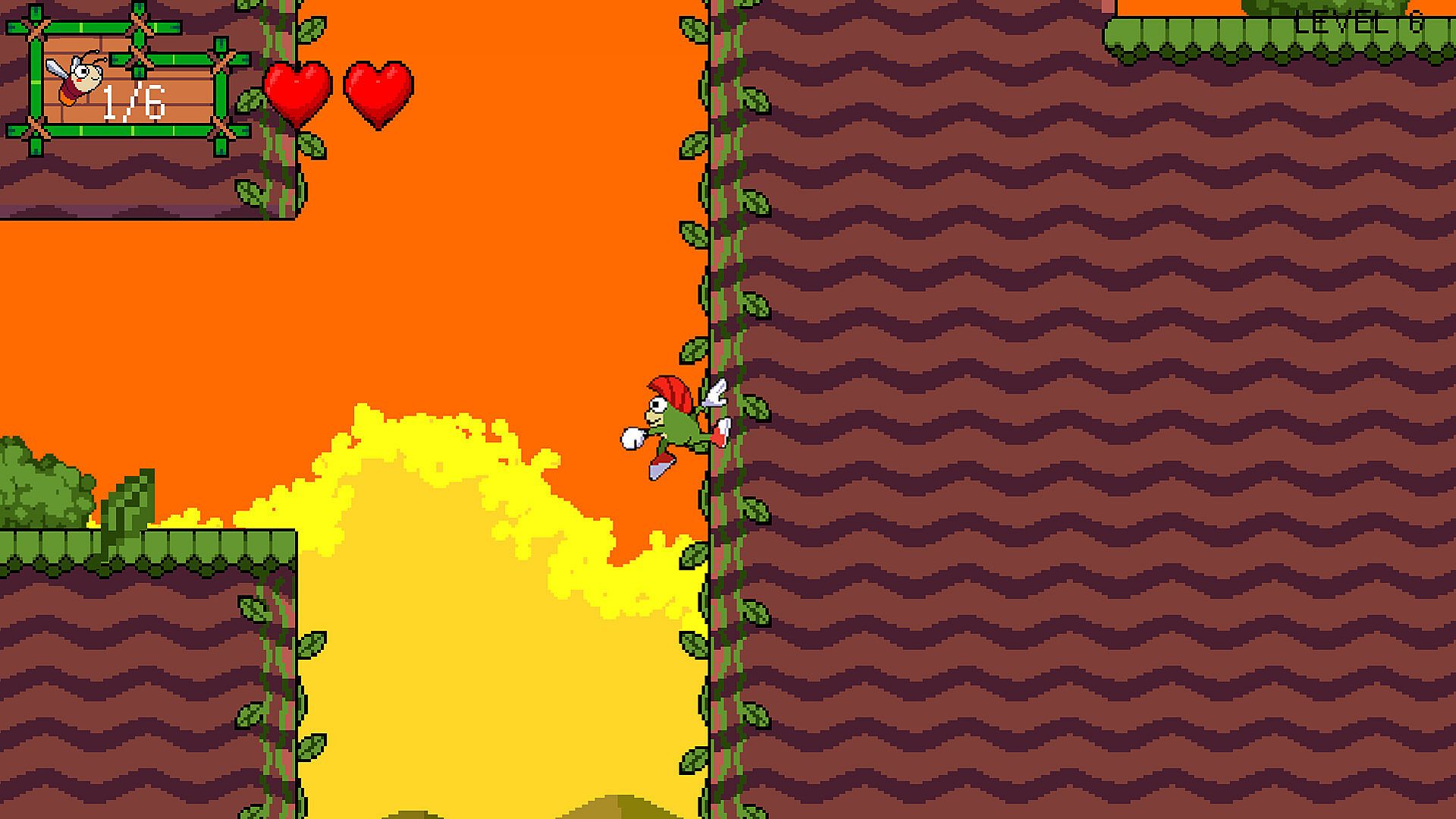
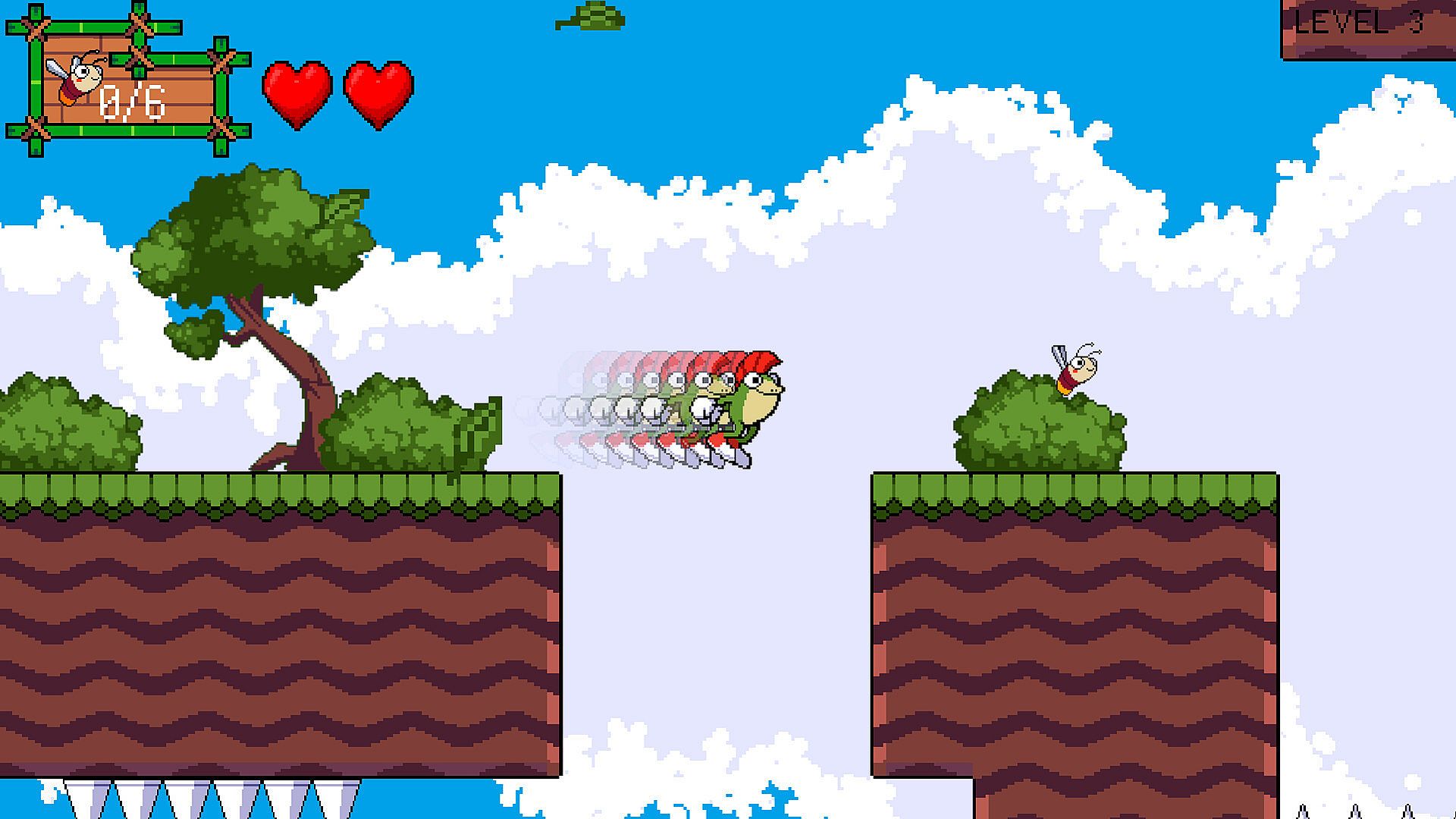
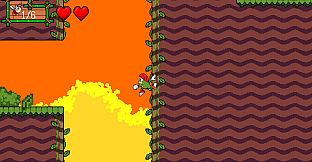
The core loop centers on responsive platforming that rewards precision and timing. Basic movement includes running and jumping, with double jumps, dashes, and wall jumps added as players advance. These abilities allow traversal of vertical and horizontal challenges while avoiding or overcoming obstacles. Levels introduce new mechanics gradually, building complexity without overwhelming newcomers to the genre.
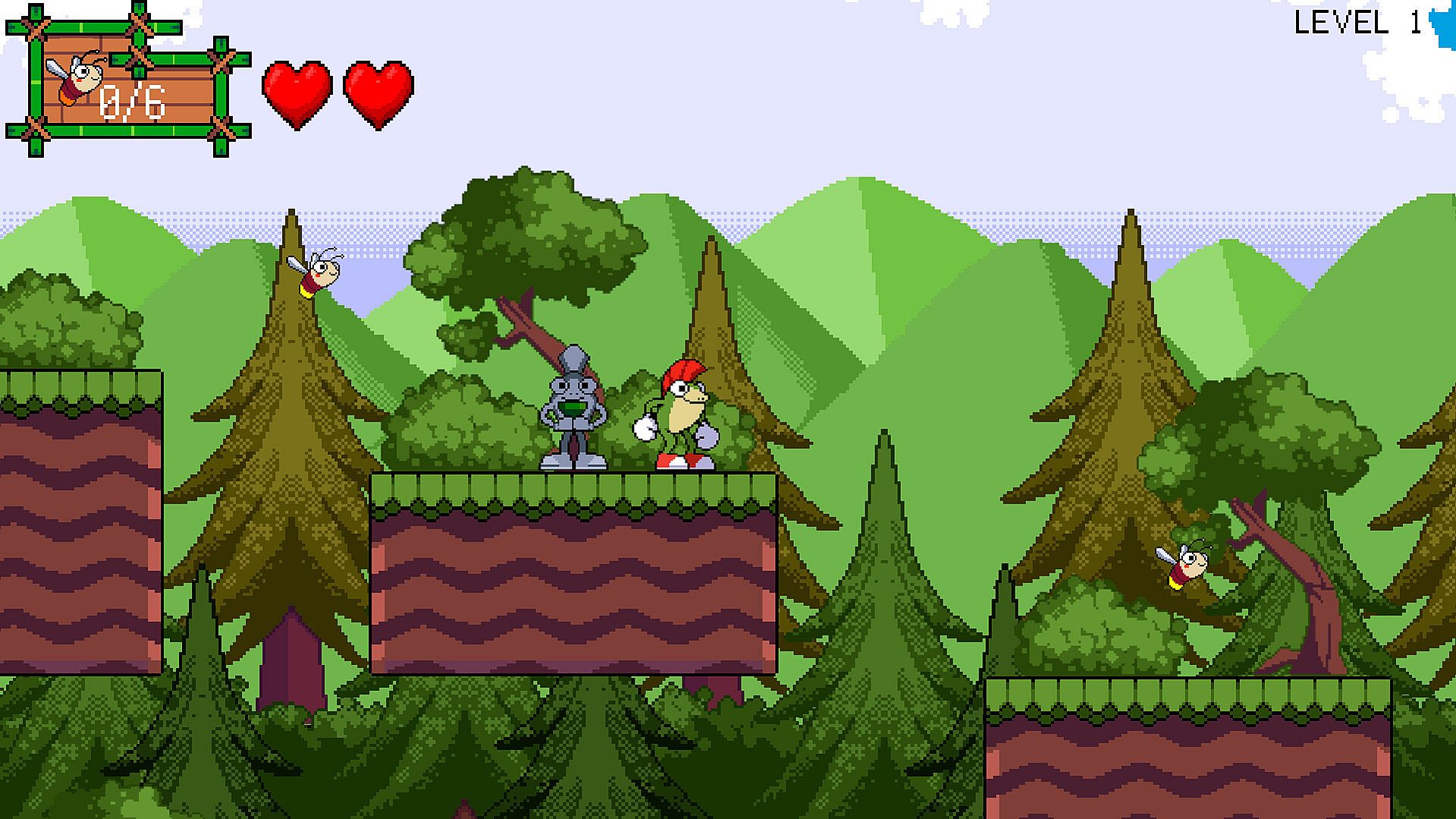
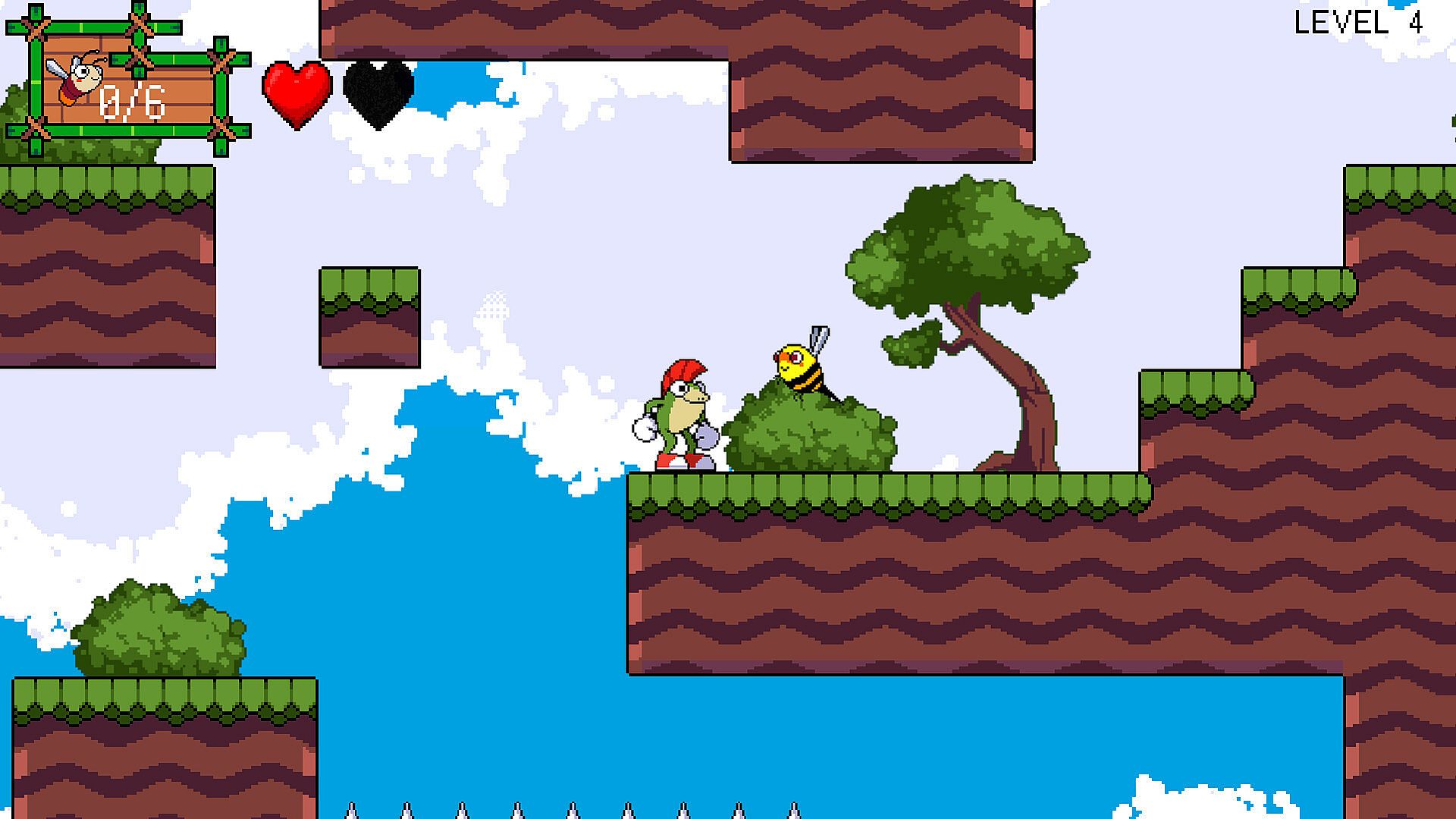
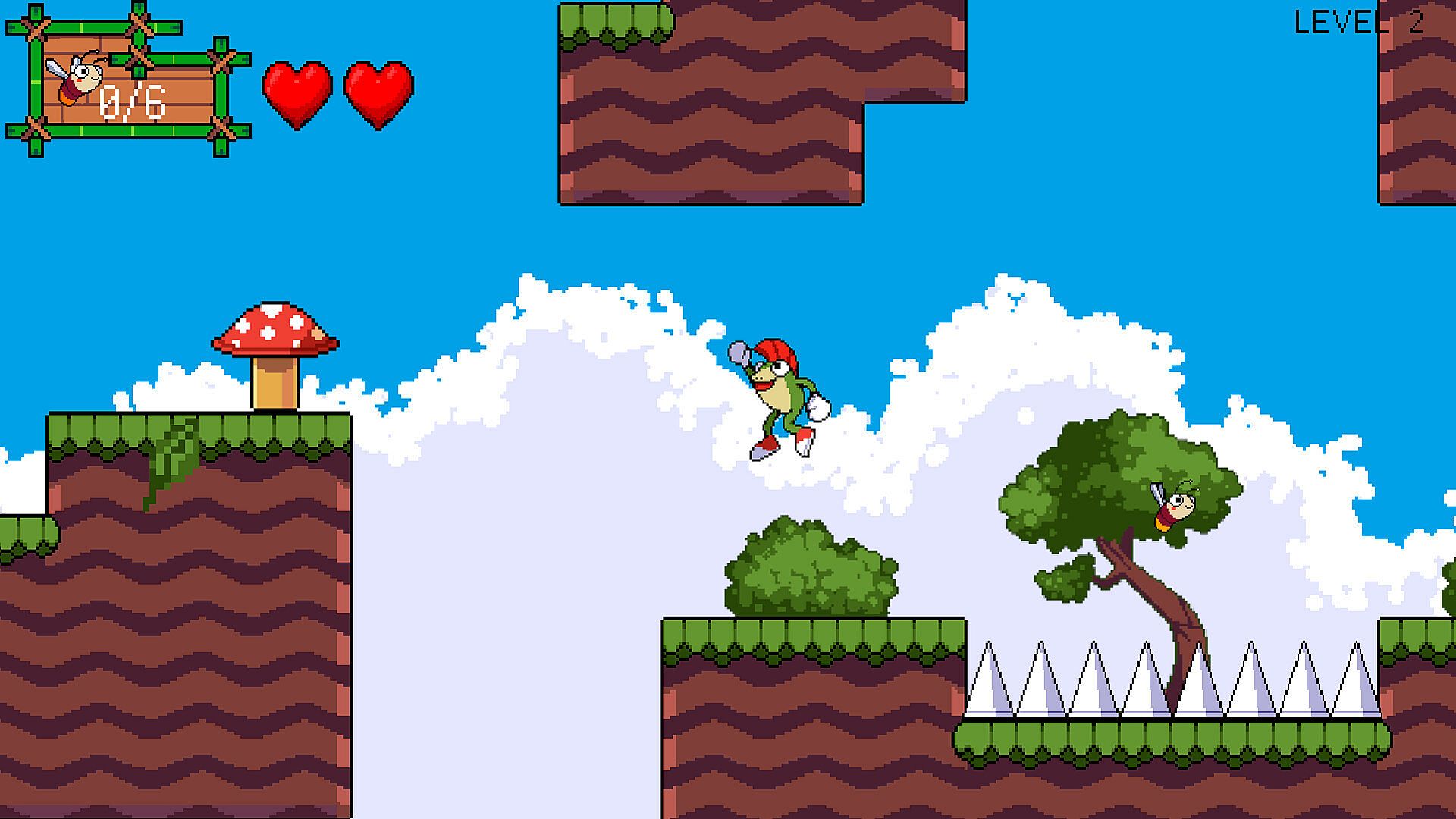
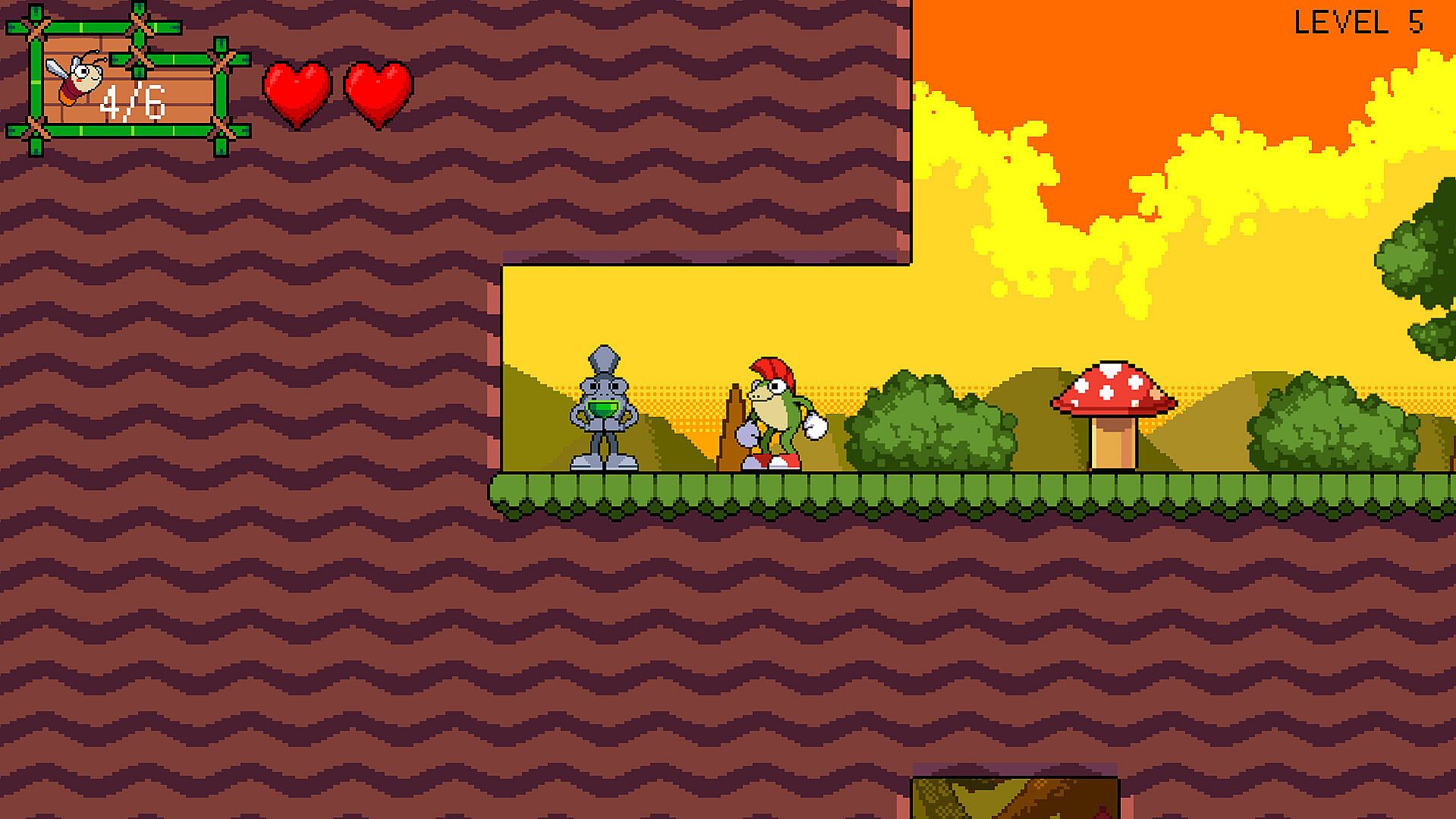
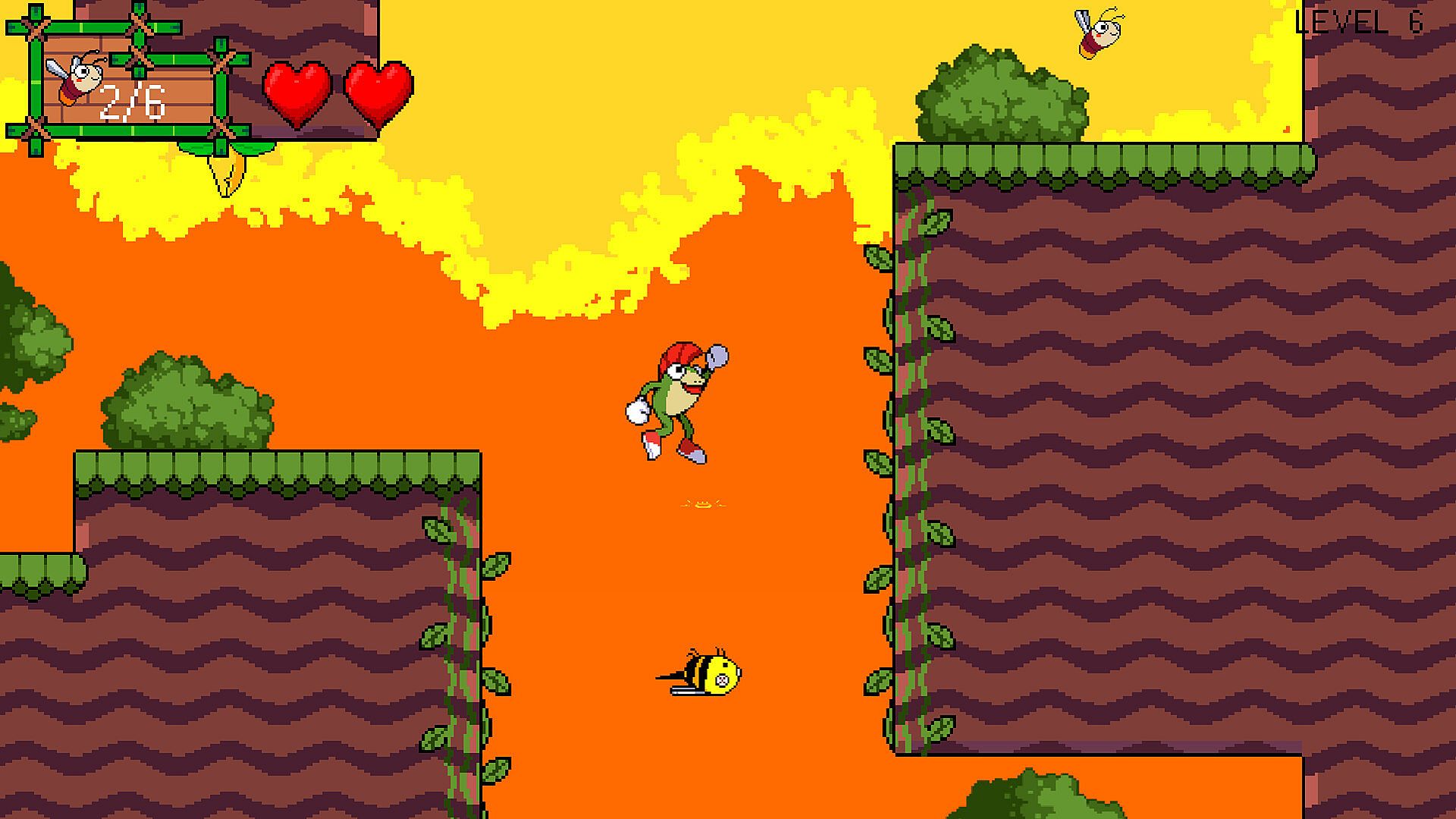
Exploration plays a supporting role through collectible fireflies scattered across each stage. Activating checkpoints helps maintain progress during repeated attempts on tougher sections. Star-based completion tracks performance beyond simply reaching the end, encouraging mastery of routes and timing. Environmental hazards and enemy patterns demand careful observation and adaptation rather than raw speed.
Full controller support ensures consistent input across keyboard and gamepad setups, with the pixel-art style keeping focus on clear visual feedback for jumps and dashes. The single-player structure keeps attention on personal skill improvement across the full set of stages.
Game Modes
The game operates entirely in a single-player format centered on a linear campaign of 25 distinct levels. Progression follows a straightforward path through increasingly demanding environments, with each stage serving as its own self-contained challenge.
Players work through the levels sequentially, using checkpoints to manage retries on difficult sections. Star ratings and firefly collection provide optional goals within the same stages, adding replay incentive without separate modes. No cooperative, competitive, or alternate gameplay variants exist beyond this core level-based experience.
Key Features and Progression
Handcrafted level design forms the backbone of the experience, with each stage incorporating unique combinations of platforms, traps, and enemy placements. New movement options and hazards appear at a measured pace, allowing players to build familiarity before facing combined threats.
Steam achievements recognize specific accomplishments such as perfect runs or thorough collection efforts. Multiple language support broadens accessibility for a wider audience interested in precise 2D action platformers.
Is It Worth Playing?
Player feedback on Steam has been largely positive, with the majority of reviews highlighting the responsive controls and satisfying sense of mastery once the movement system clicks. The game suits individuals who enjoy methodical platformers that prioritize accuracy over spectacle.
Those seeking a compact, focused single-player challenge with clear progression and collectible-driven replay value will find the structure rewarding. Reviewers note the emphasis on practice and refinement across the 25 stages as a strength for fans of the genre. Availability on PC with controller compatibility makes it straightforward to try for anyone drawn to pixel-art action indie titles.