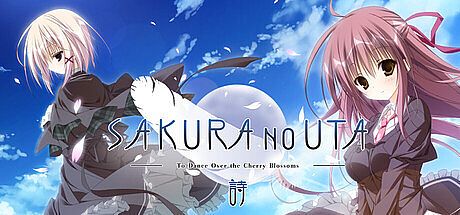


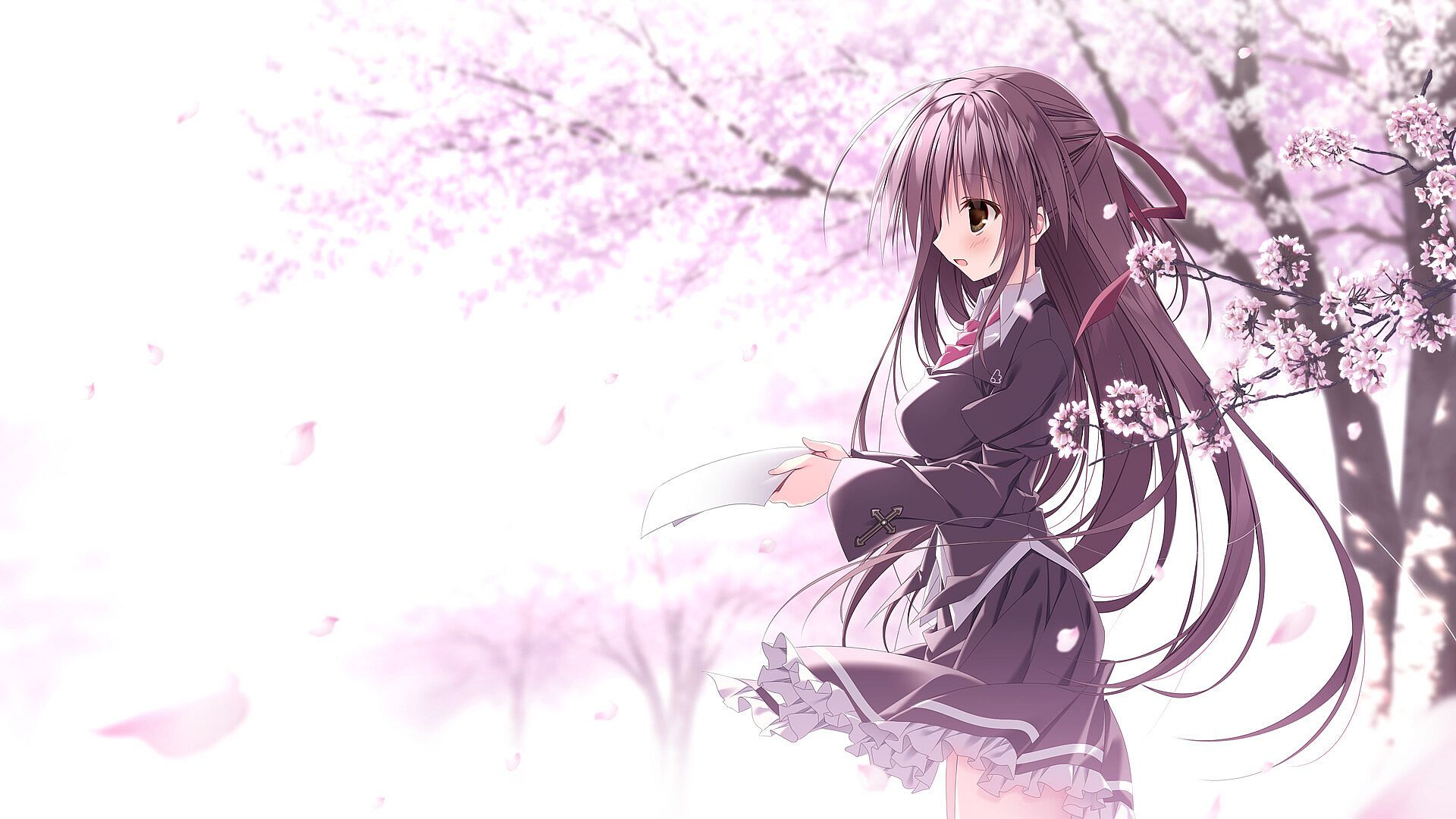
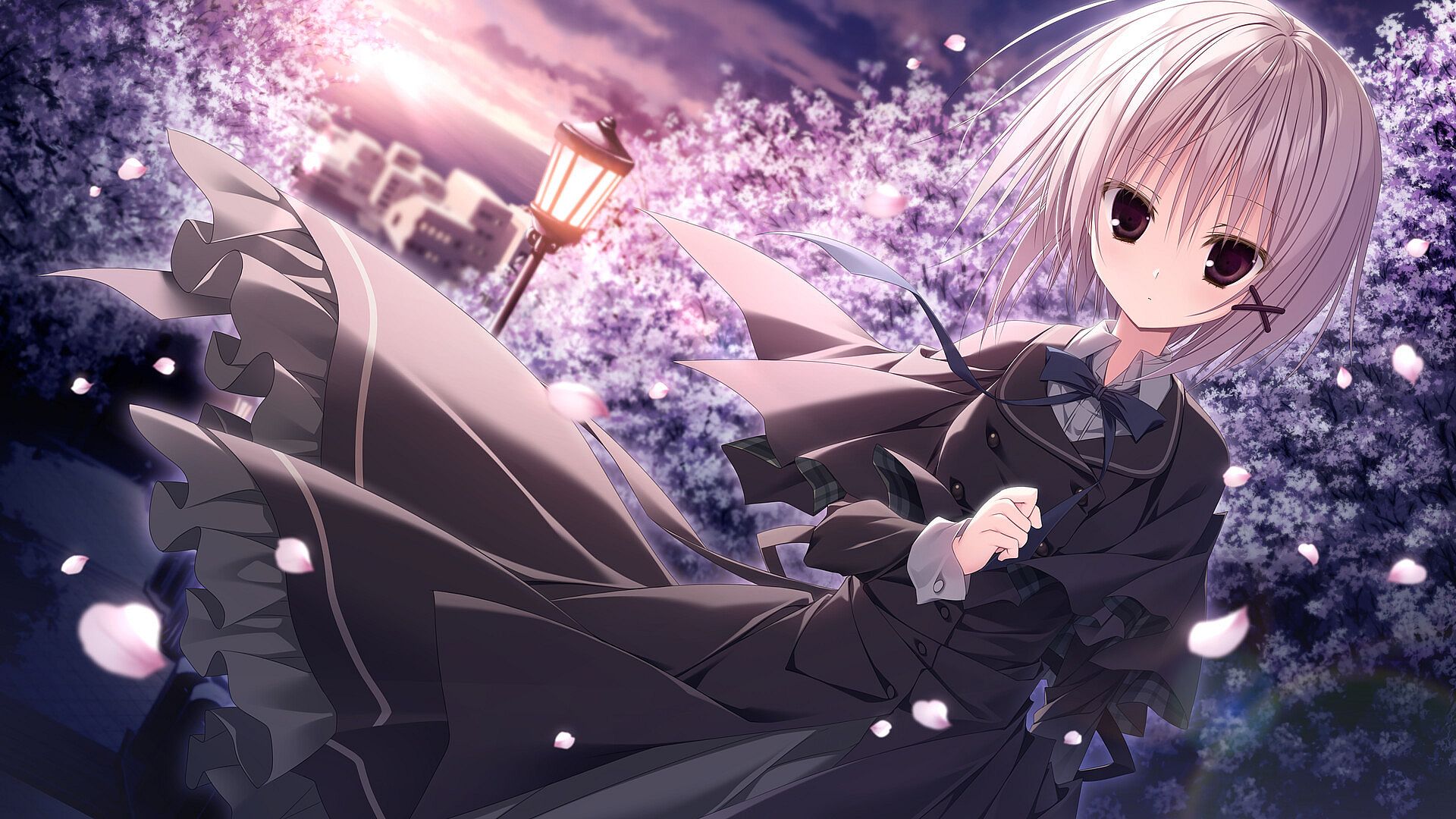
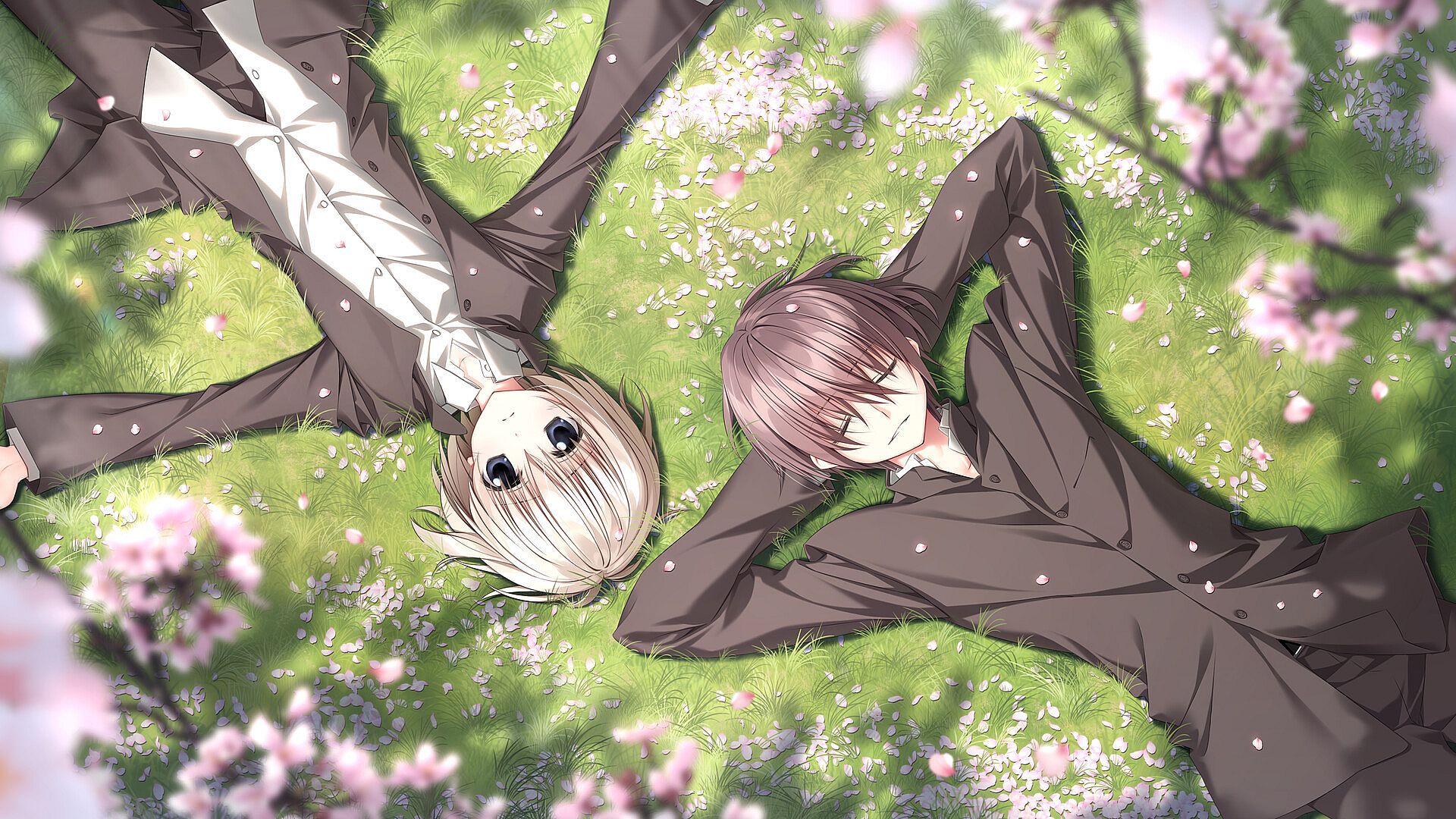
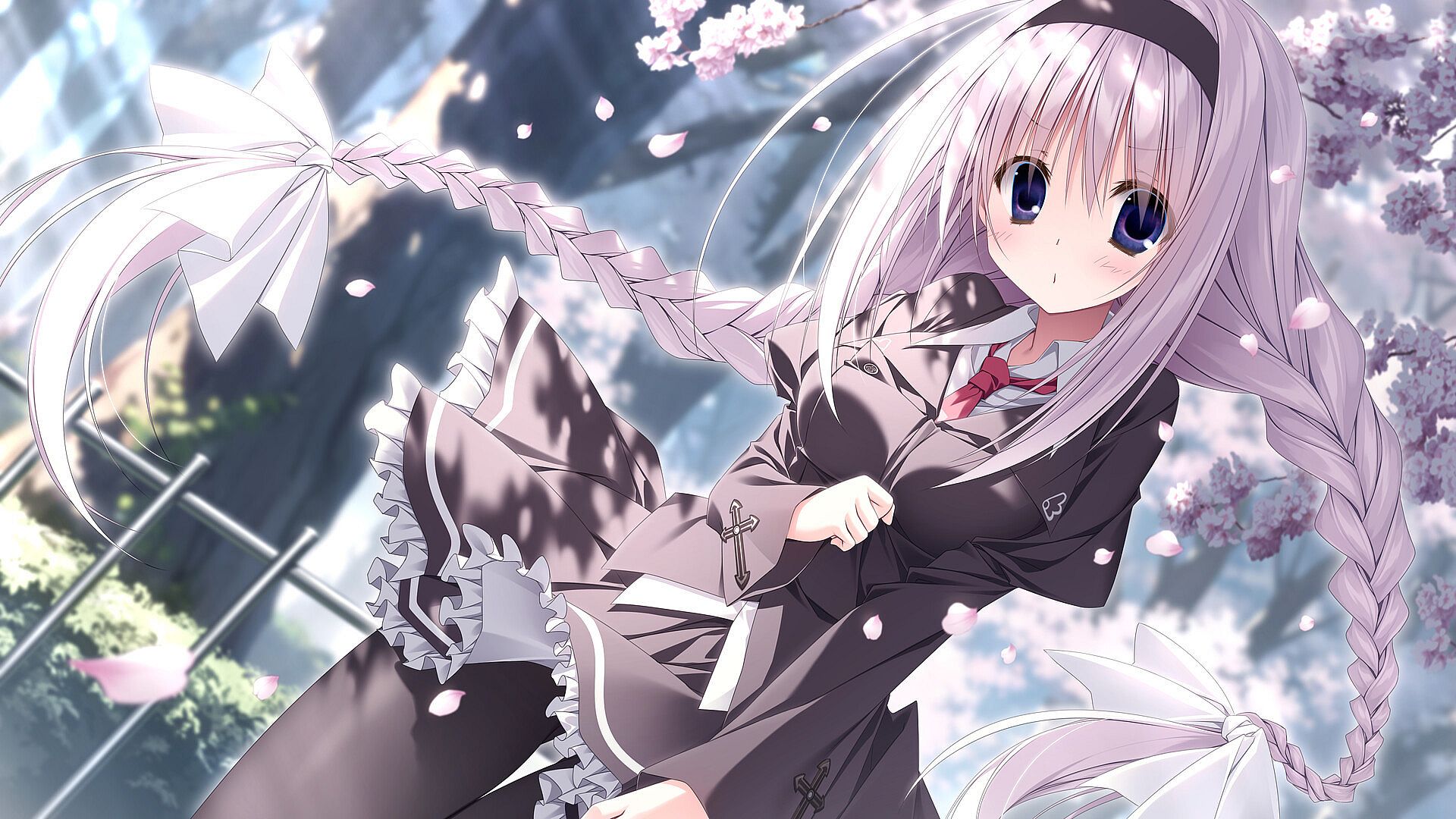
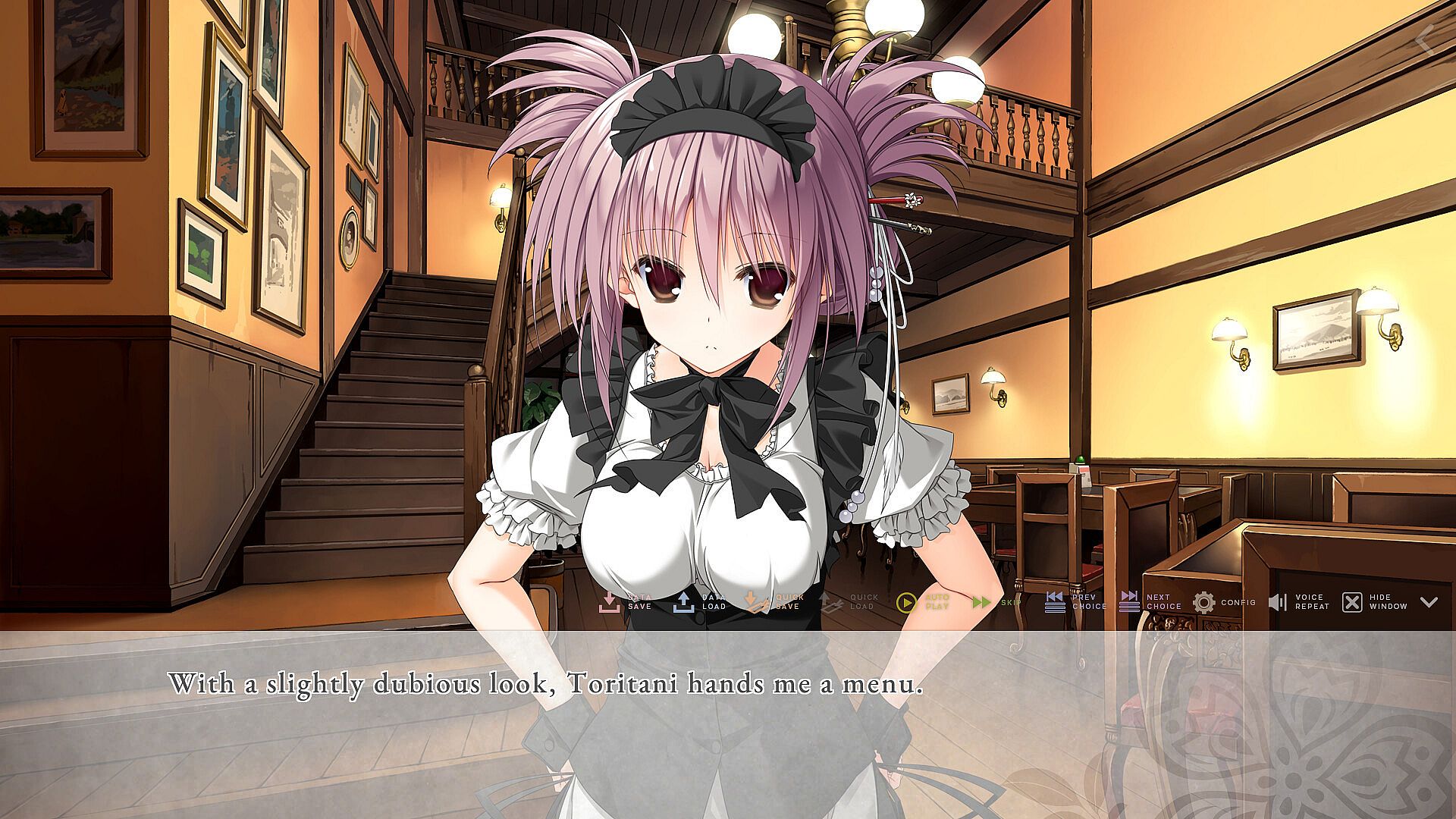
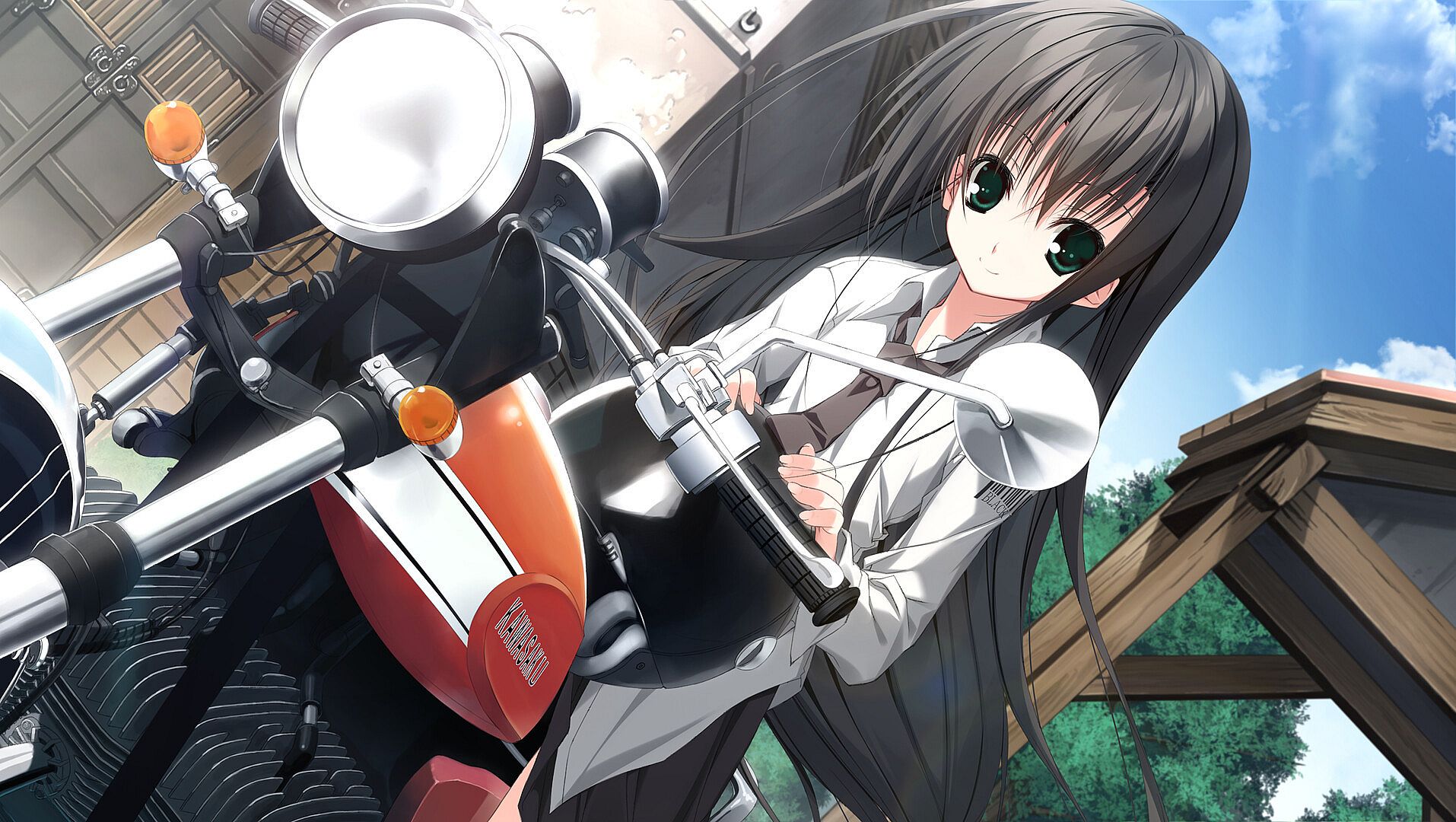
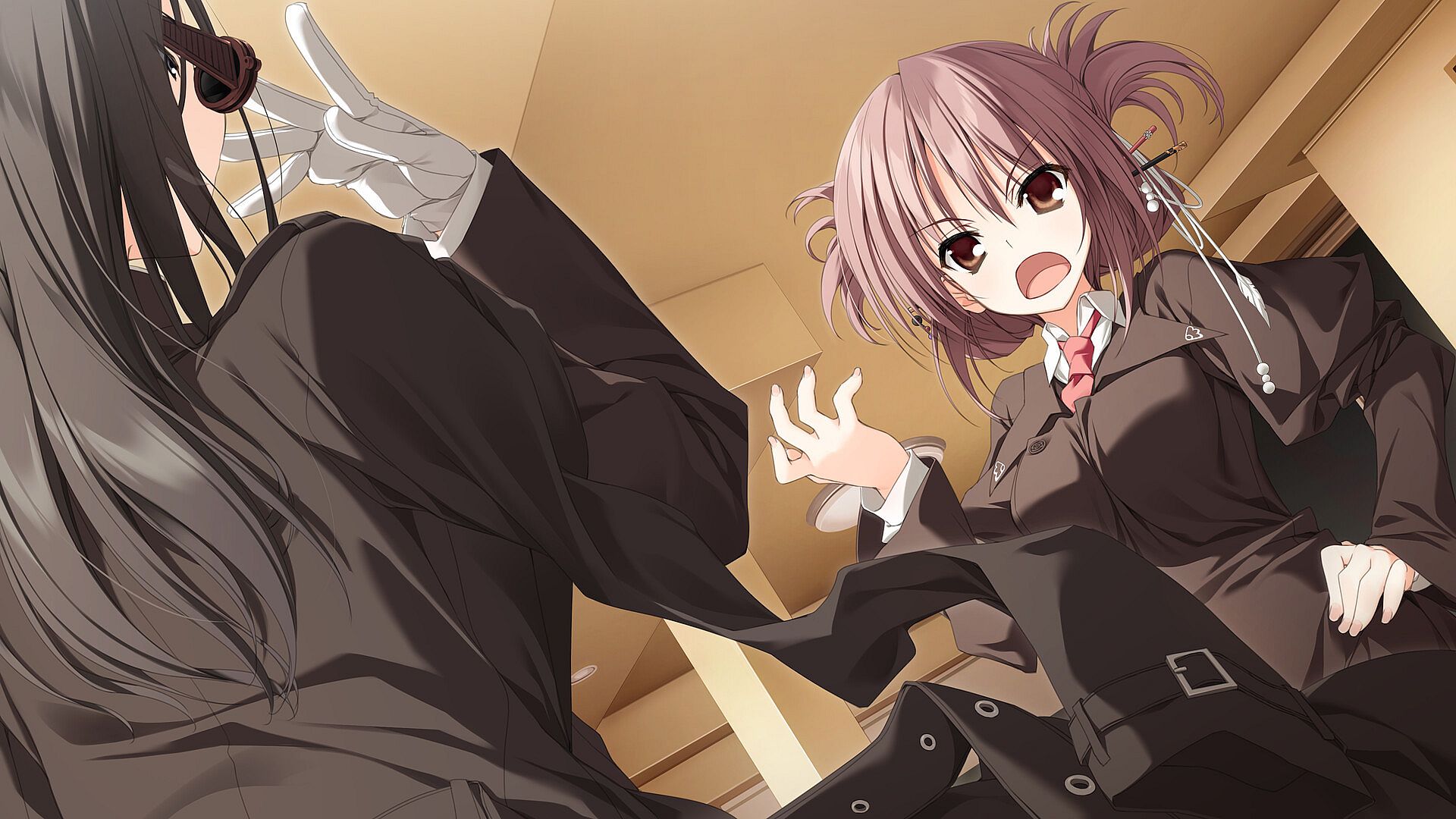
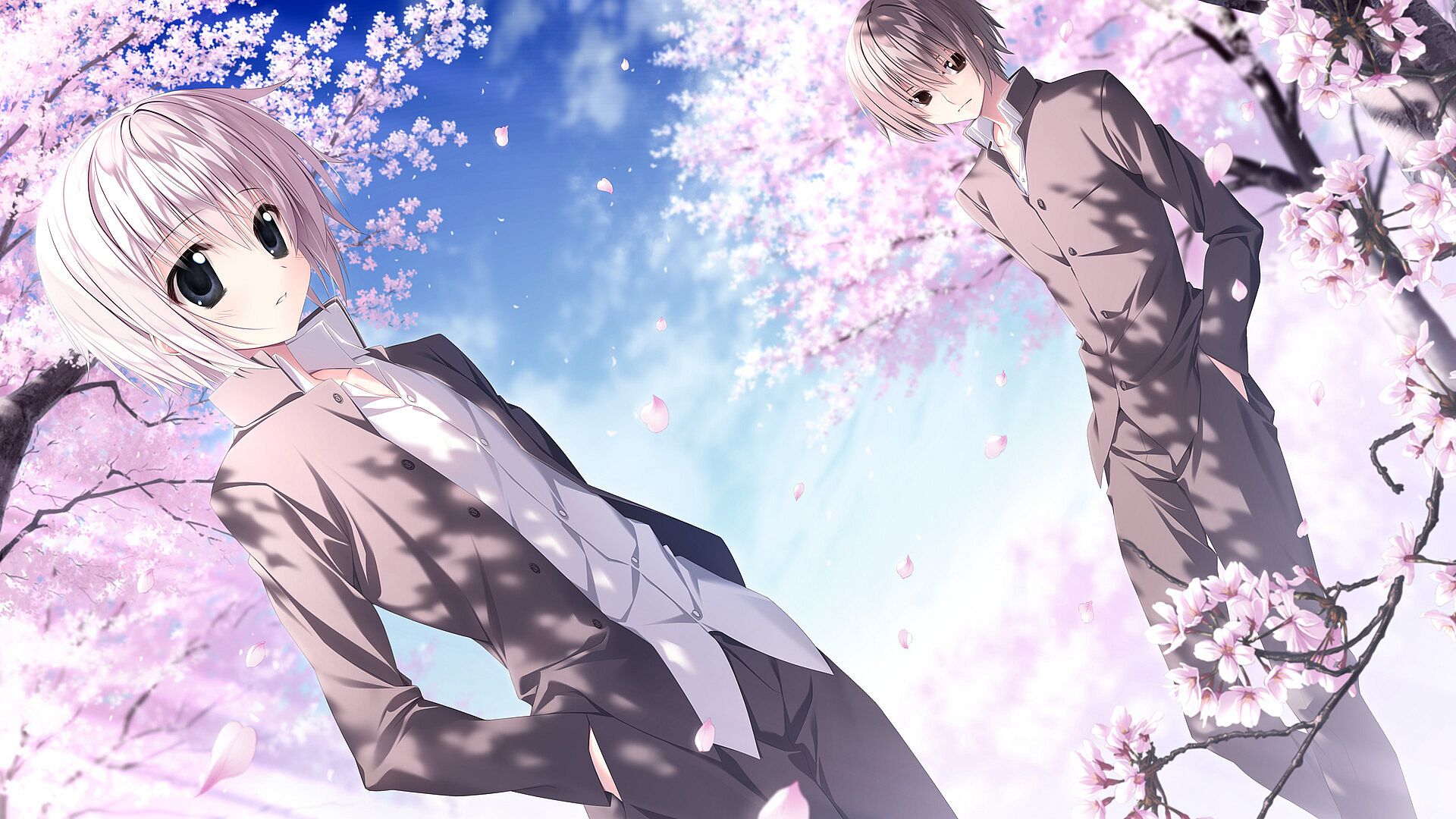
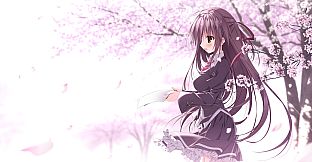
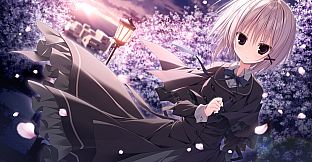
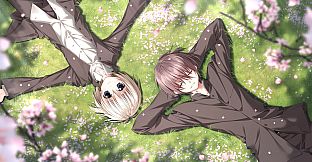
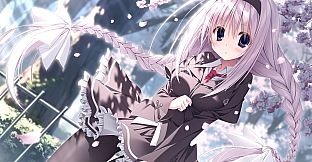
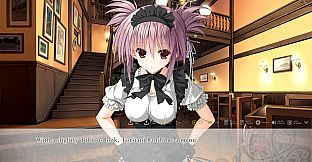
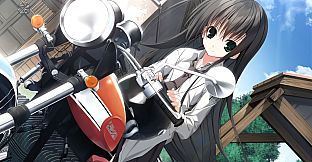
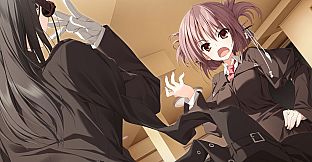
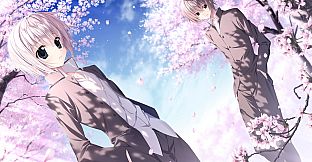
Sakura no Uta -To Dance Over the Cherry Blossoms- is a singleplayer adventure visual novel developed by Makura and written by SCA-DI. The story centers on themes of syllables and melodies alongside the pursuit of living happily, following protagonist Naoya Kusanagi after he loses his father and relocates to live with his best friend Kei's family. There he forms connections with his homeroom teacher Ai, Kei's younger sister Shizuku Natsume who works as an actress, and his returning childhood friend Rin Misakura. The narrative explores how relationships evolve over time amid cherry blossom imagery and personal loss.
Gameplay
The core loop involves reading extensive dialogue and internal monologues that advance the plot with minimal player input beyond occasional selections. Artwork from Inukila, Kagome, and Motoyon appears in full HD with recolored and renewed visuals throughout the experience. Full Japanese voice acting supports all characters except the protagonist, enhancing immersion during key scenes. The total story length exceeds twenty hours, with branching developments that require multiple playthroughs to explore fully.
Players follow Naoya through daily life and emotional developments as spring arrives and new semester events unfold. The writing emphasizes philosophical reflections on art, family dynamics, and personal growth, drawing from the author's prior work on Wonderful Everyday. Choices remain sparse, with one primary decision point shaping the direction toward different heroines and their individual arcs.
Game Modes
The structure consists of a shared common route followed by six distinct heroine routes that branch based on the single key choice. Each route delivers a focused narrative arc centered on one of the main female characters. Completion of all routes unlocks access to a true ending that ties together the broader themes.
Replay value comes from revisiting the game to select alternate paths at the decision point, revealing varied emotional resolutions and character developments. No additional modes such as competitive elements or side activities exist beyond the linear reading and route selection system.
Story and Themes
The narrative begins in spring with Naoya's arrival at his new home and traces the gradual deepening of bonds with those around him. It examines what follows moments of apparent happiness, incorporating elements of reunion, artistic legacy from his painter father, and the passage of time marked by falling sakura petals. Supporting characters include a journalist heroine and others tied to school and family settings.
Flashbacks and slice-of-life sequences build toward dramatic turns, including family conflicts and personal revelations. The story balances lighter daily interactions with heavier explorations of loss, identity, and artistic expression, culminating in multiple endings that reflect different paths forward.
Is It Worth Playing?
This visual novel suits players who enjoy lengthy, text-heavy experiences focused on character-driven drama and philosophical undertones rather than action or quick resolutions. Its extended playtime and requirement for multiple completions reward those prepared for slow-burn pacing and detailed emotional storytelling.
Reception among visual novel enthusiasts highlights strong writing and thematic depth, with many praising the routes for their individual strengths and the overall craftsmanship. The English release brings renewed high-definition visuals and voice work to a wider audience. Those seeking concise adventures or varied mechanics may find the format demanding, while fans of the genre and the writer's style often regard it as a standout title worth the investment in time.