


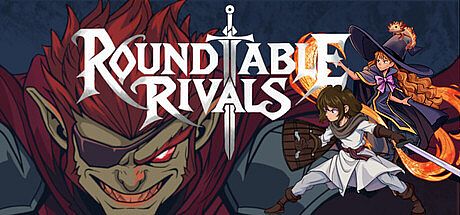


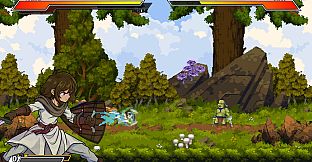
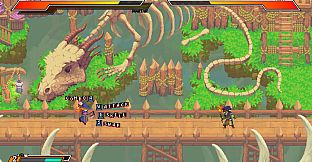
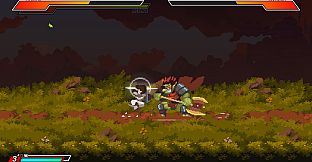
Round Table Rivals is a turn-based action and strategy game that blends precise timing mechanics with team-based combat decisions. Players select two heroes to form a tag team and engage in battles that reward careful planning alongside accurate execution of attacks and defenses. The game emphasizes chaining moves into longer sequences while managing openings created by opponents, all within a single-player campaign against bosses and competitive head-to-head matches.
Gameplay
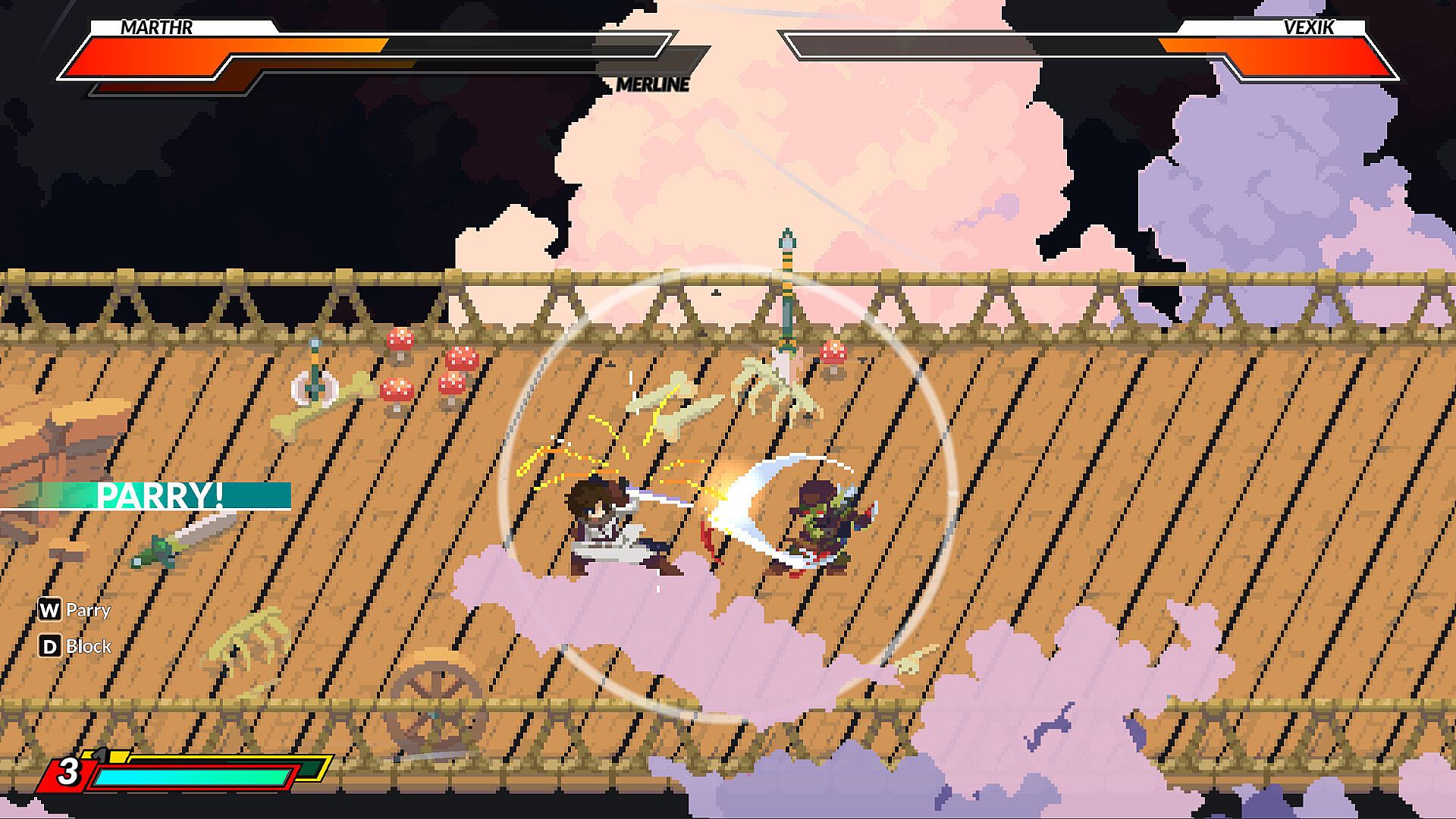
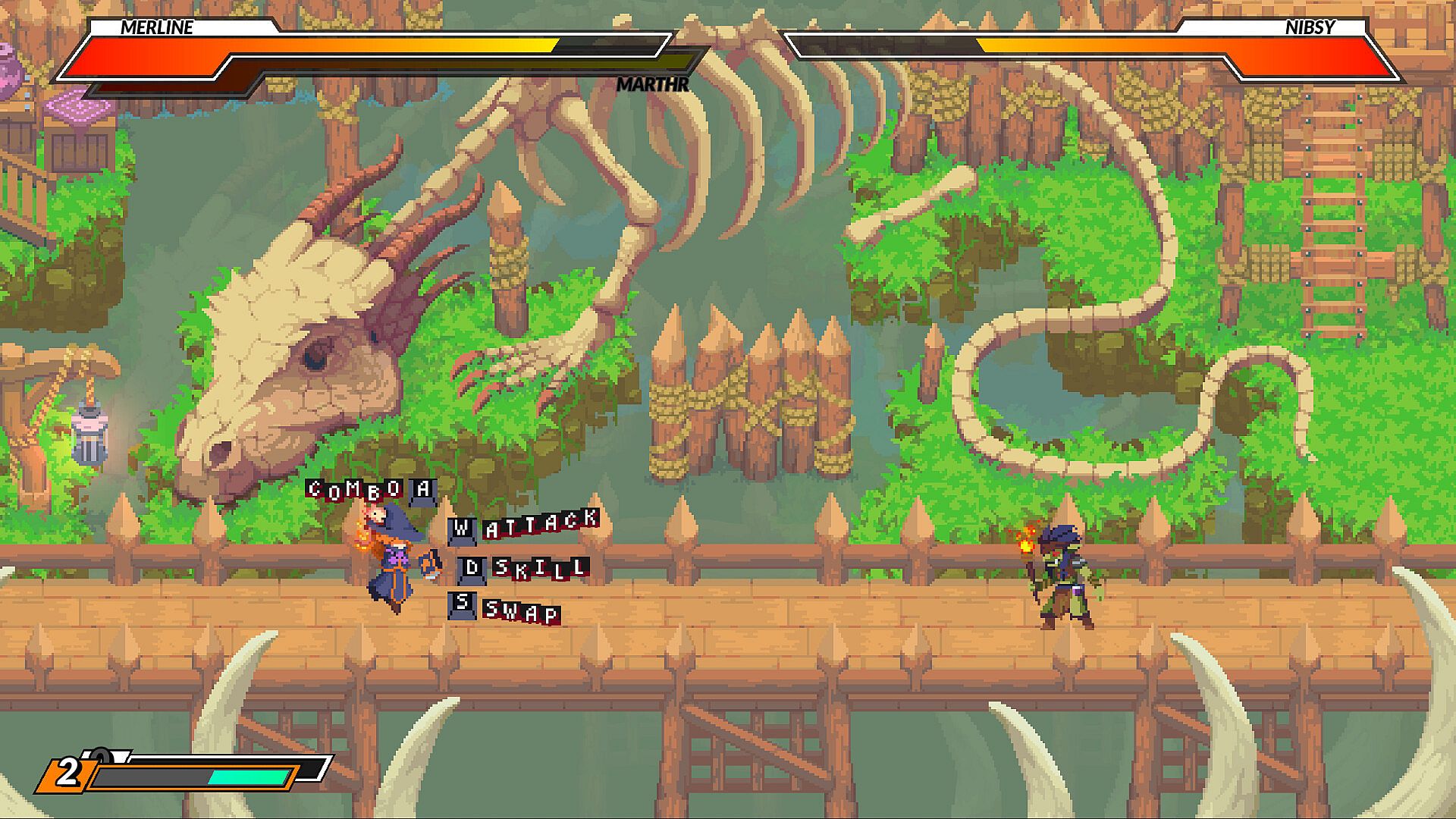
The core loop centers on selecting actions each turn and then executing them with timing precision. Players choose attacks or defensive options, anticipate enemy patterns, and then perform the moves at the right moment to extend damage output or create counter opportunities. Blocking absorbs incoming pressure, while successful parries open windows for immediate retaliation. This system turns every round into a mix of strategic choice and rhythmic input, where missing the window reduces effectiveness even if the plan was sound.
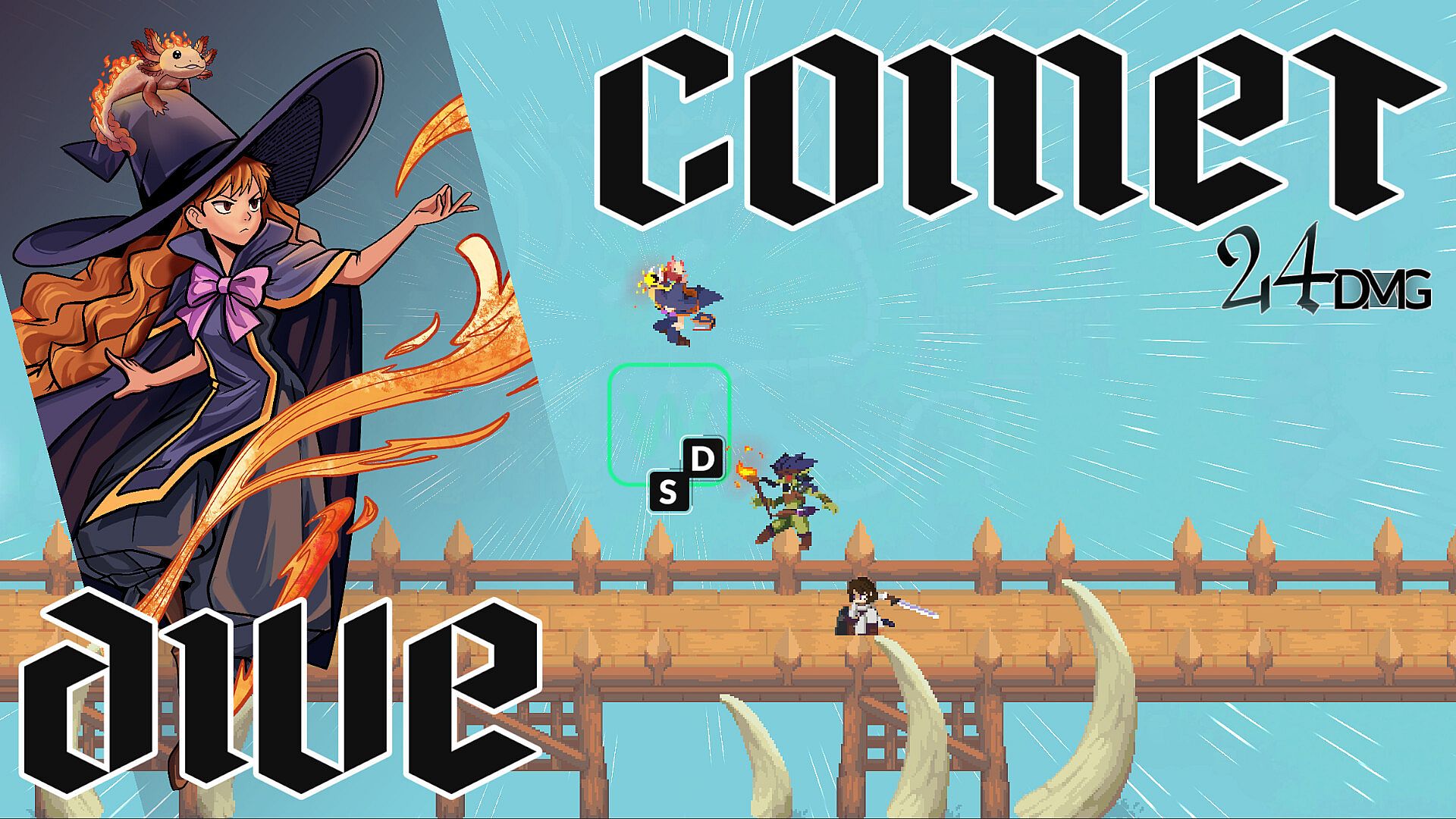
Tag team management adds another layer. Each hero brings distinct abilities that interact when switched mid-battle. A player might start with an aggressive fighter to build momentum, then swap to a defensive counterpart when the opponent shifts tactics. Abilities that complement each other allow combinations impossible with a single character, encouraging experimentation across different pairings to discover synergistic effects.
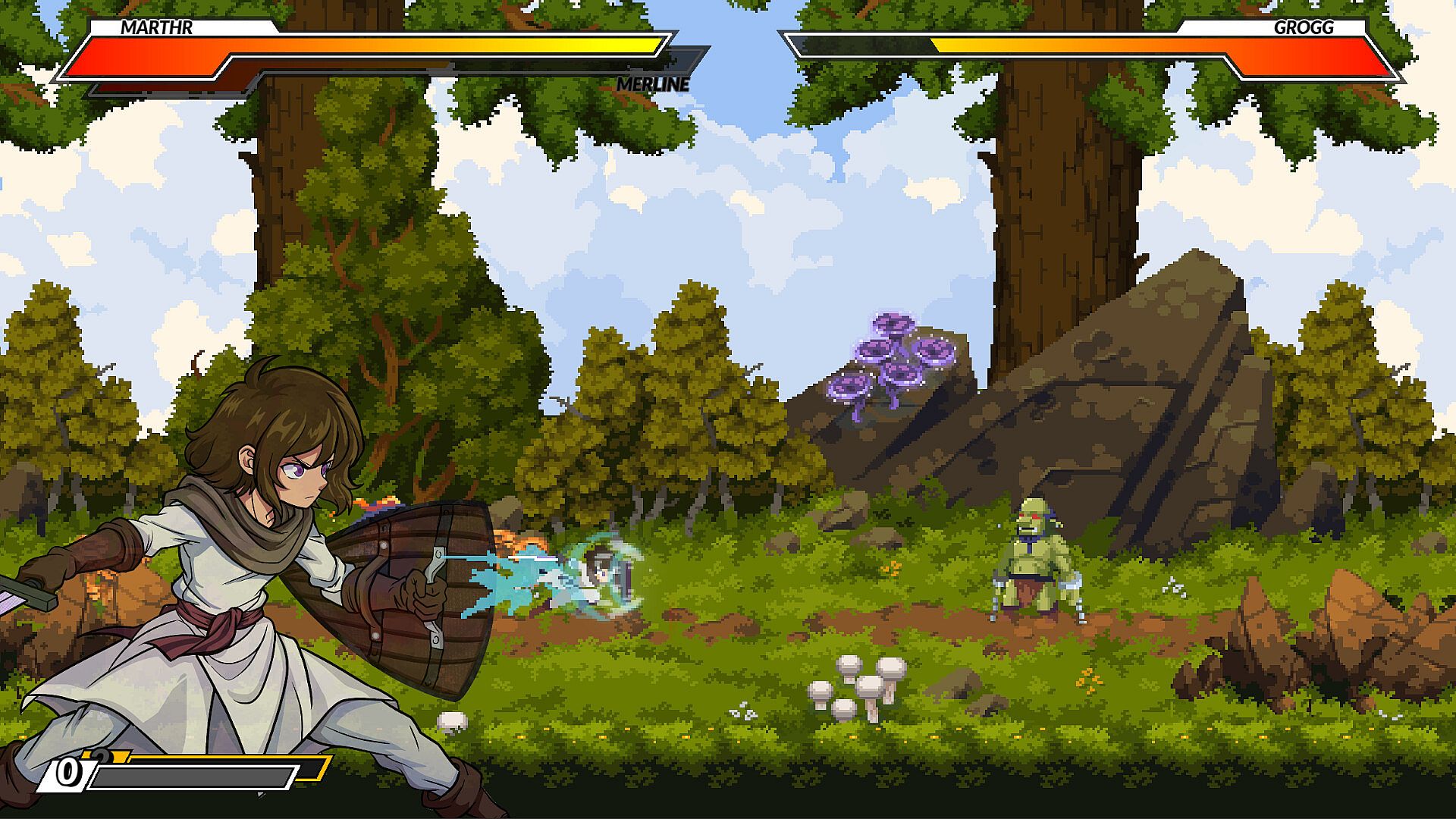
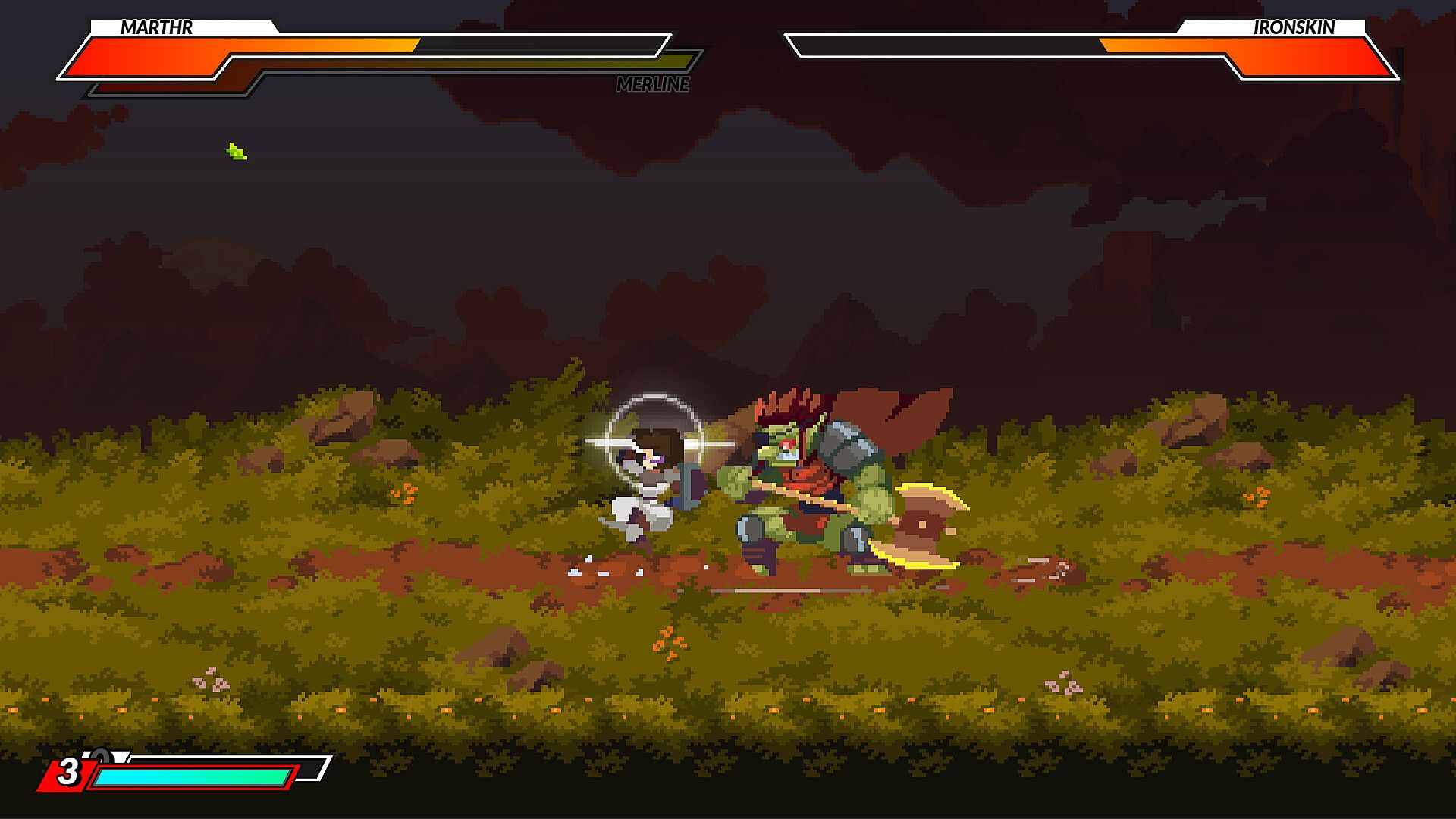
Boss encounters test these systems against patterned threats. Learning attack sequences, identifying safe windows, and deciding whether to press forward or hold back becomes essential. The same timing and team-switching tools apply, but bosses demand adaptation to larger health pools and more punishing moves.
Game Modes
Single-player content focuses on boss fights that serve as skill checks for strategy and timing. These encounters scale in complexity, requiring players to refine hero pairings and execution to overcome stronger patterns. Progress comes from mastering individual fights and carrying lessons into new matchups.
Multiplayer consists of direct head-to-head battles against other players. Each participant brings a pre-chosen duo and competes in matches that mirror the single-player systems. Opponents adapt in real time, forcing constant adjustments to both team composition and in-fight decisions. The format rewards those who have practiced timing across multiple hero combinations.
Hero Selection and Strategy
Experimentation forms a major part of long-term engagement. Different hero pairs support aggressive rush-down approaches, patient defensive play, or balanced styles that shift between the two. No single duo dominates every situation, so players test combinations to find ones that match their preferred decision-making speed and risk tolerance. Refining tactics happens through repeated battles, where small improvements in timing or switch timing compound into larger advantages.
The emphasis on two fighters rather than one creates meaningful trade-offs. Switching costs a turn or leaves a brief vulnerability, so timing the change correctly matters as much as the abilities themselves. Strong teams unlock options like follow-up attacks that chain across both characters or defensive setups that cover each other's weaknesses.
Is It Worth Playing?
Round Table Rivals appeals most to players who enjoy hybrid experiences that combine turn-based strategy with fighting-game execution. Those interested in building and refining tag teams while practicing precise inputs will find depth in the timing layer that standard turn-based titles often lack. The upcoming release in Q2 2027 means the game remains in development, with no player reviews available yet to gauge balance or polish. Individuals drawn to indie action-strategy titles that reward both planning and mechanical skill may find the core systems engaging once it launches, particularly if they value experimentation with hero pairings over large-scale multiplayer modes. Those seeking immediate release content or established communities should monitor updates closer to the scheduled date.












