










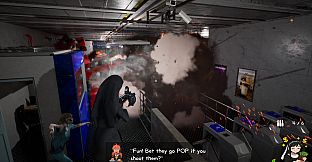

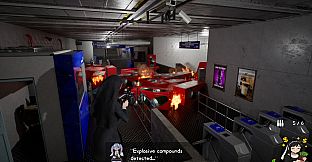
Rich PaPa is a third-person action shooter built around a distinctive resource system in which cash serves as both ammunition and a limited survival resource. Players control a character who fires literal money at waves of zombies across a series of stages, forcing constant decisions about how much to spend on each encounter. The indie title blends fast-paced shooting with economic tension, creating a loop where every trigger pull reduces the player's remaining funds and brings bankruptcy closer if spending is not managed carefully.
Gameplay
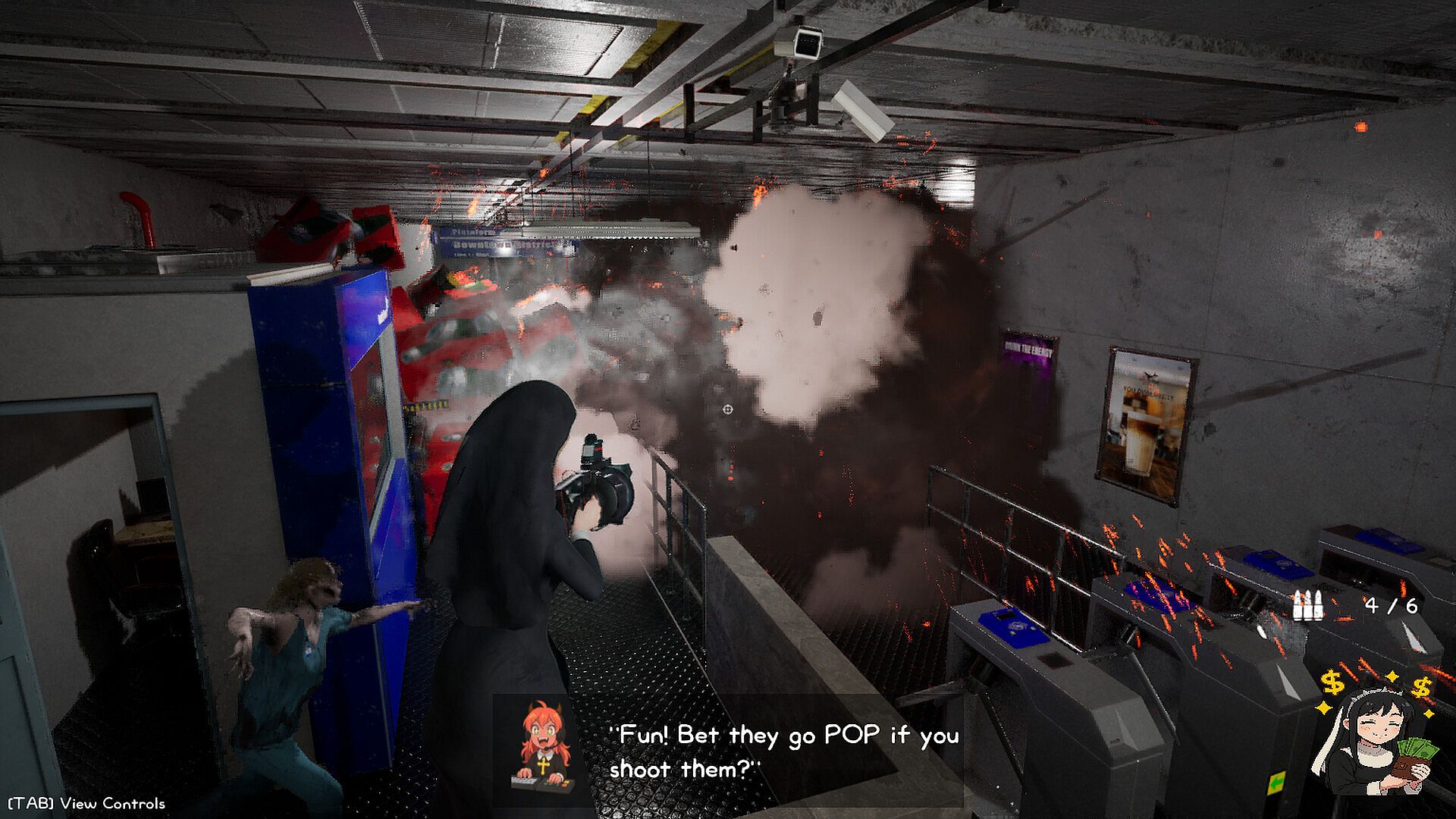
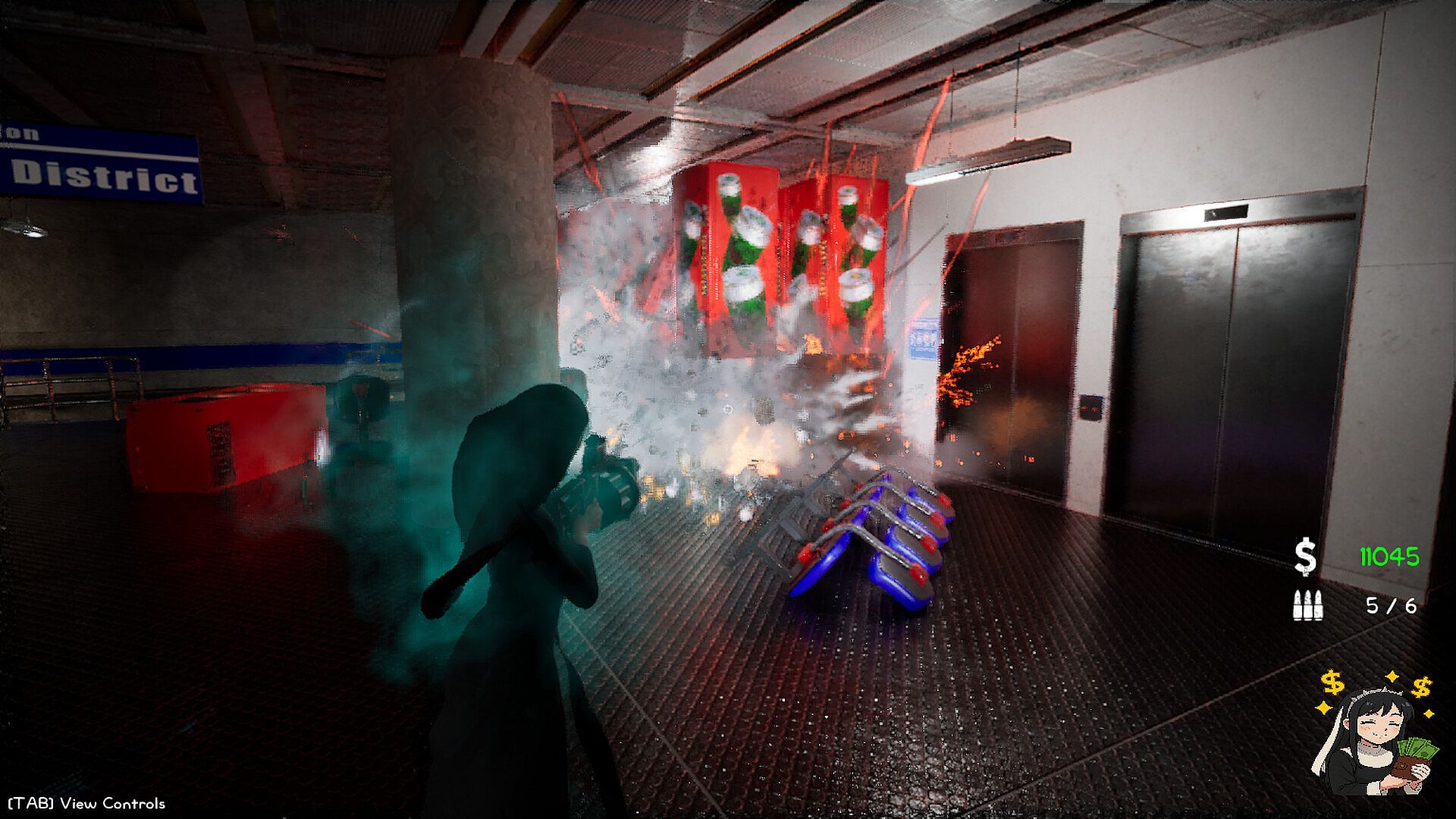
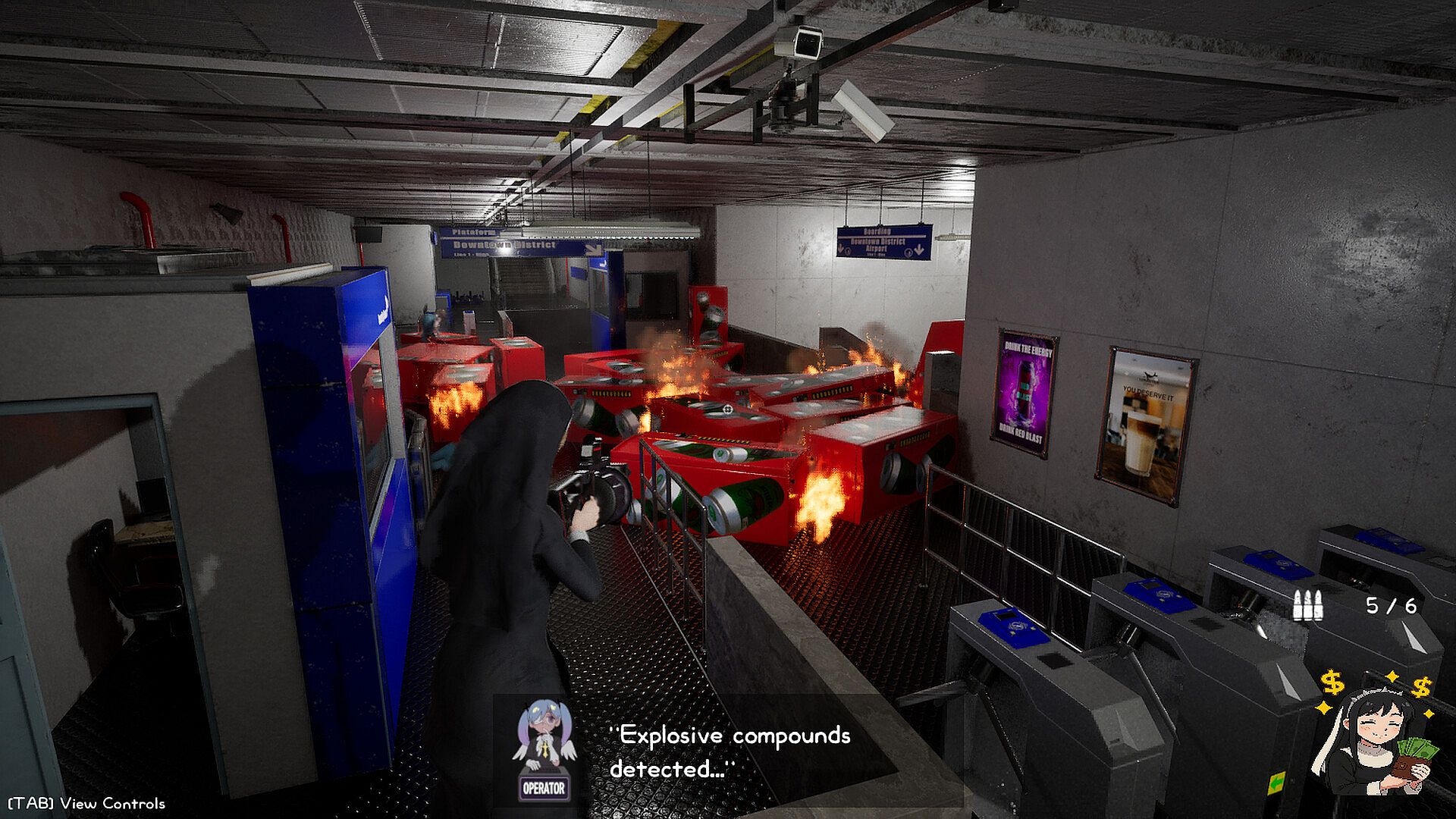
The core loop centers on third-person combat where shots consume cash directly from the player's reserves. Each bullet fired carries a monetary cost, so players must weigh the immediate need for firepower against the risk of running out of funds before the stage ends. This mechanic turns standard zombie encounters into calculated risks, as overusing the weapon can leave the player vulnerable in later waves.
Ricochet shots add a layer of skill and efficiency. By aiming at walls and environmental surfaces, players can bounce projectiles toward enemies, conserving ammunition and money on well-executed plays. A single ricochet chain can eliminate multiple threats without additional direct fire, rewarding precise positioning and environmental awareness during horde fights.
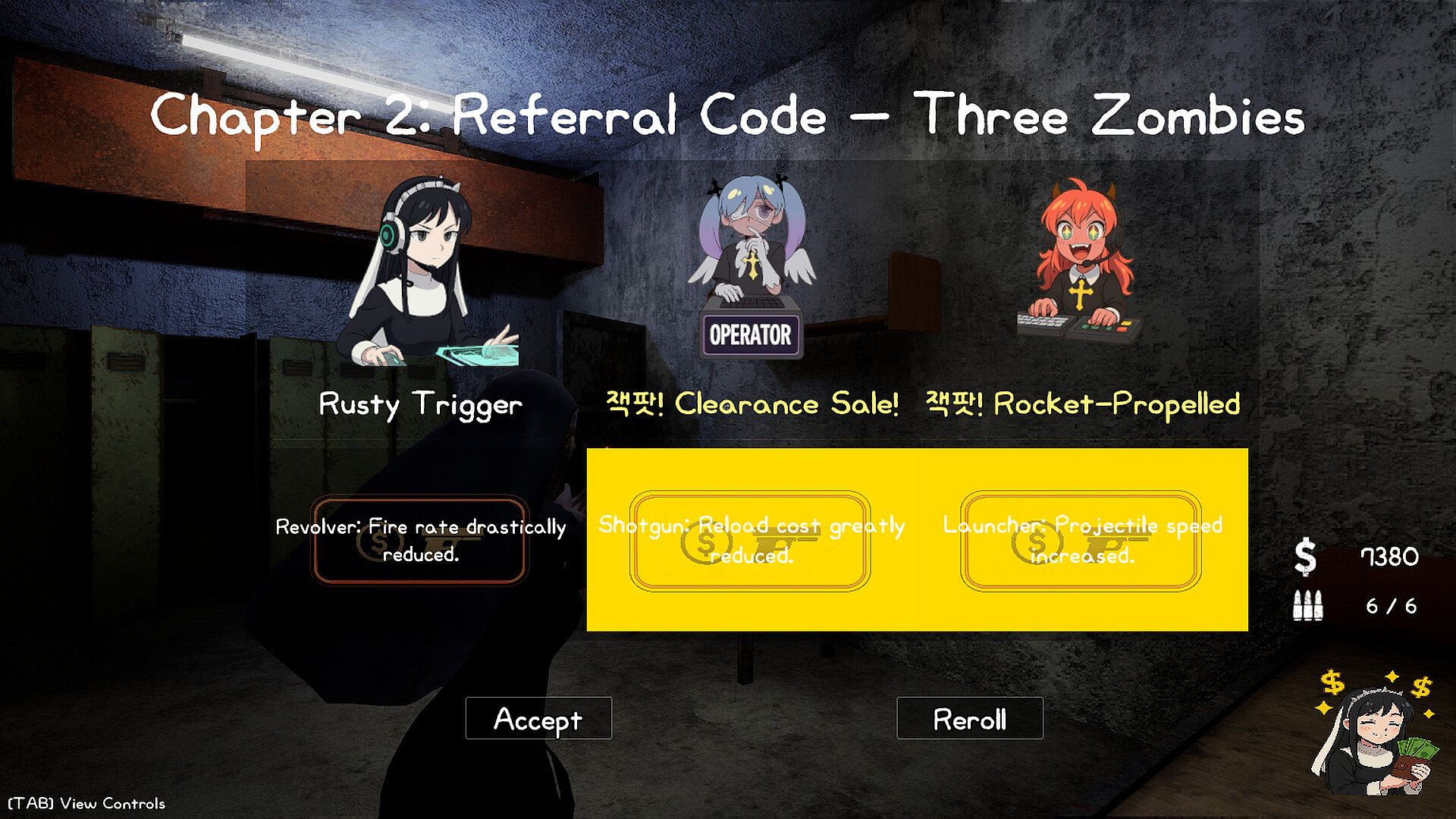
Upgrades come through a roulette system that introduces variability between stages. Spinning for enhancements can yield powerful temporary effects that shift the balance of an encounter, though the random nature means outcomes depend on chance as much as strategy. Players integrate these results into their cash-management approach while progressing through escalating zombie threats.
Game Modes
Rich PaPa structures its experience around stage-based survival encounters against zombie hordes. Each stage presents increasing numbers of enemies and new challenges that test the balance between spending and conservation. Progression requires completing these sequential battles while keeping enough cash to avoid bankruptcy at the conclusion of a run.
The format emphasizes single-player endurance rather than separate competitive or cooperative modes. Players advance through the stages by adapting their shooting style, ricochet tactics, and upgrade choices to the specific threats that appear, with the overall goal of reaching the end of the sequence intact.
Core Mechanics and Progression
Cash functions as both weapon and health equivalent, creating a unified resource that players must monitor at all times. Firing too aggressively clears enemies faster but risks insolvency, while conservative play can lead to being overwhelmed by later waves. This dual role encourages experimentation with different spending thresholds across multiple attempts at the same stage.
Environmental interaction through ricochets rewards map knowledge and timing. Stages include surfaces that allow shots to rebound effectively, turning tight spaces or clustered enemy groups into opportunities for efficient clears. Mastering these angles reduces overall cash expenditure and improves survival odds in prolonged fights.
The roulette upgrades serve as the main source of variety. Each spin offers a selection of effects that can amplify damage, alter shot behavior, or provide temporary advantages, though the random selection means no two runs feel identical. Players learn to incorporate whatever results appear into their existing cash and ricochet strategies.
Is It Worth Playing?
Rich PaPa suits players who enjoy resource-management shooters that tie combat effectiveness directly to limited supplies. The combination of money-as-ammo, ricochet opportunities, and roulette upgrades creates a focused loop centered on risk assessment during zombie waves. Those who appreciate deliberate pacing and the tension of running low on a critical resource will find the stage-based structure engaging.
The game offers a clear single-player experience without additional modes or ongoing seasonal content. Its appeal lies in repeated attempts to optimize spending and shot efficiency across the same stages, with the roulette element providing replay variety. Players drawn to indie action titles that emphasize mechanical precision over expansive narratives or multiplayer features are the primary audience.











