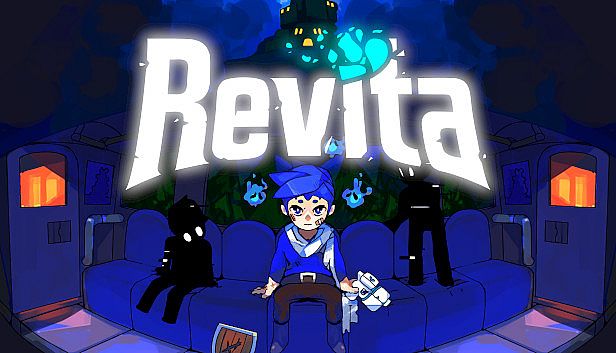


















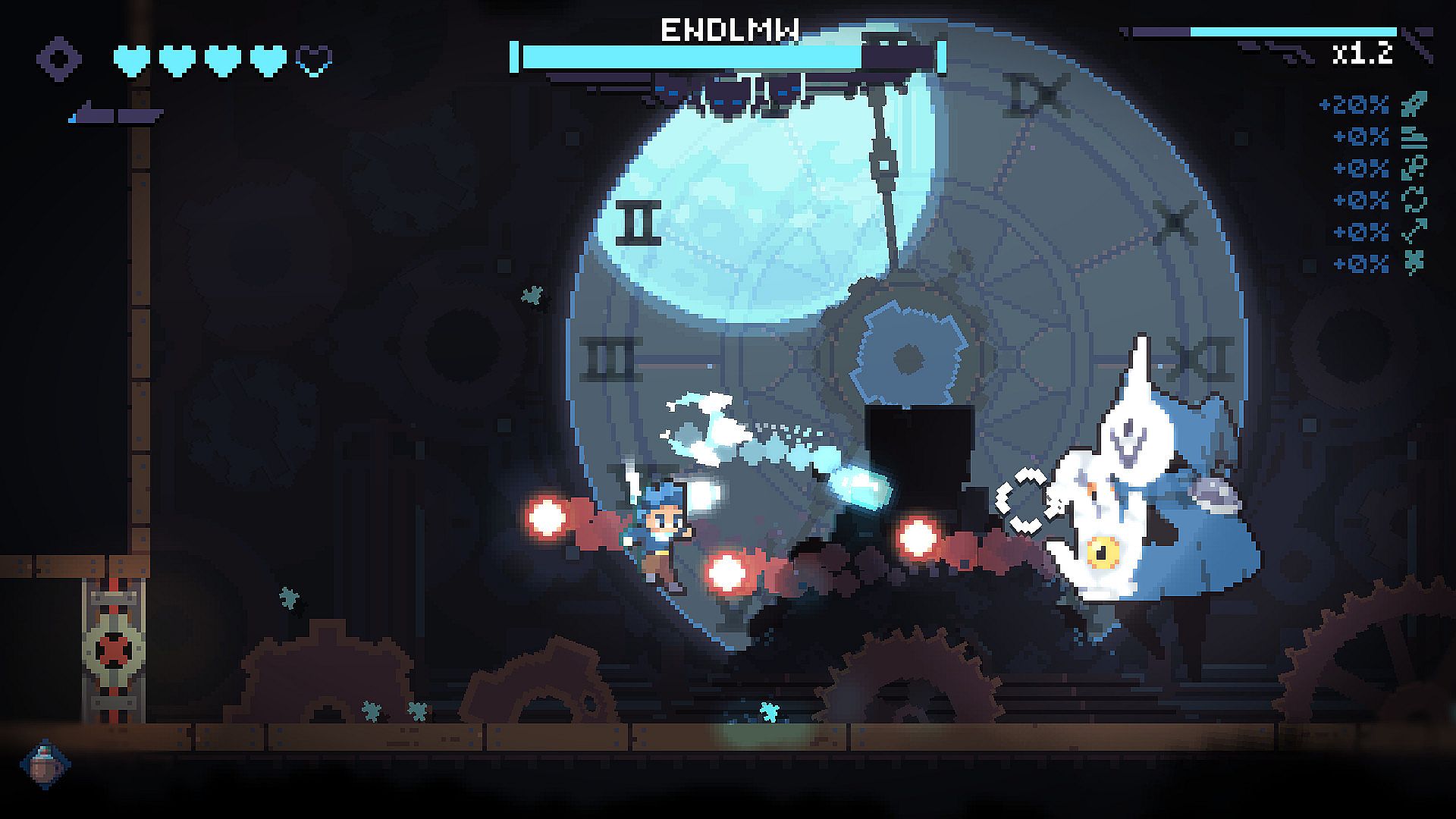
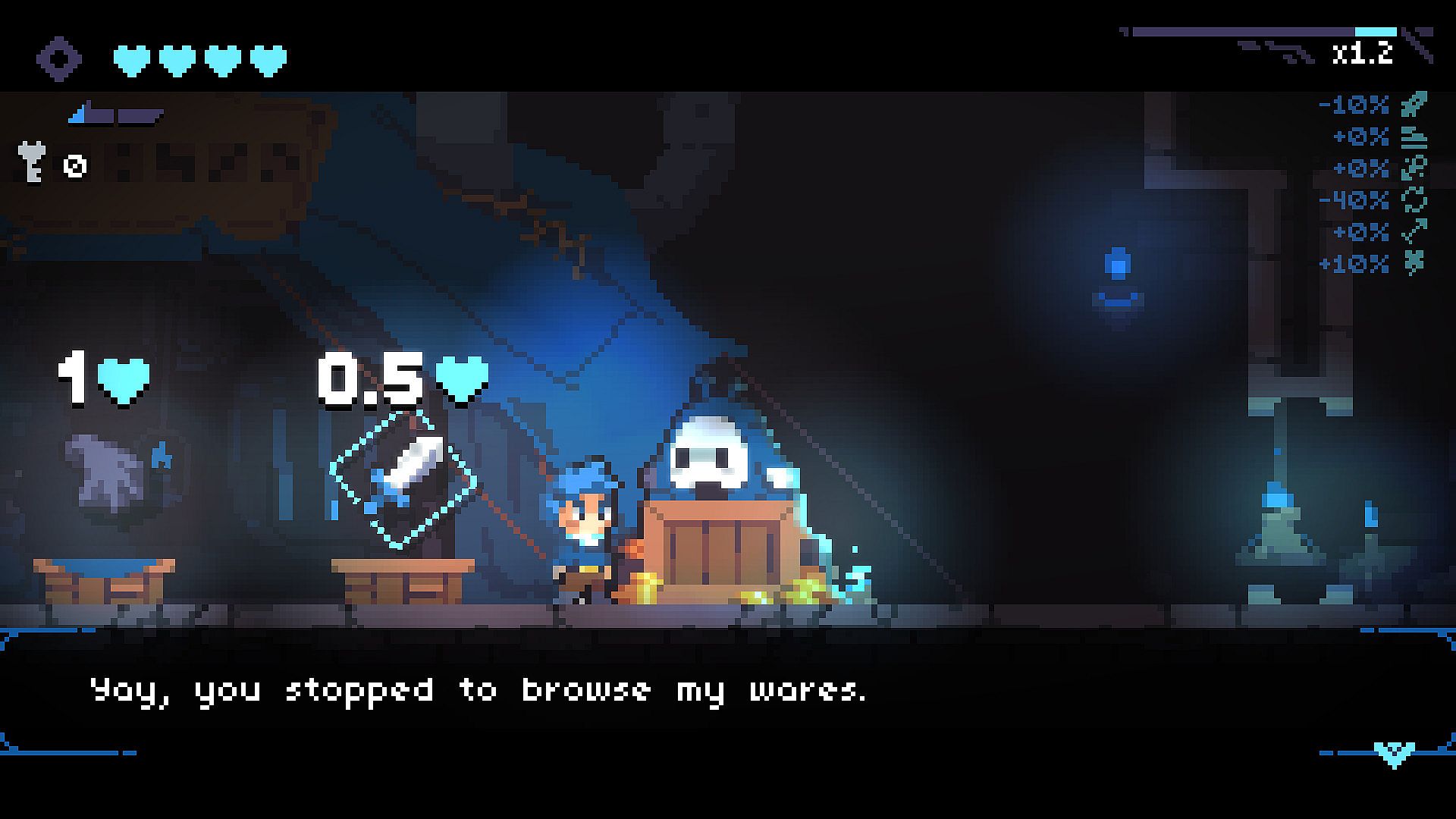
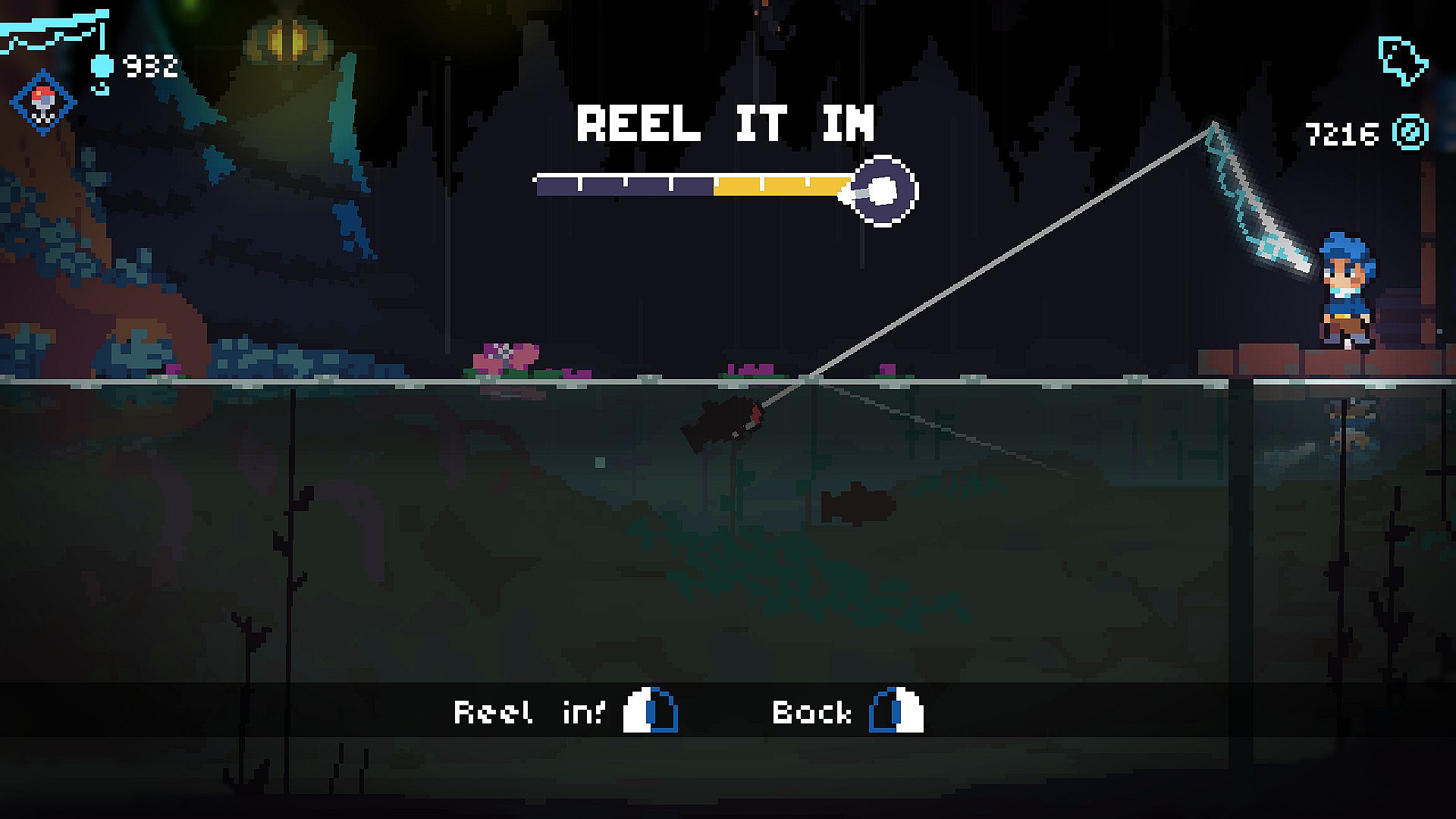
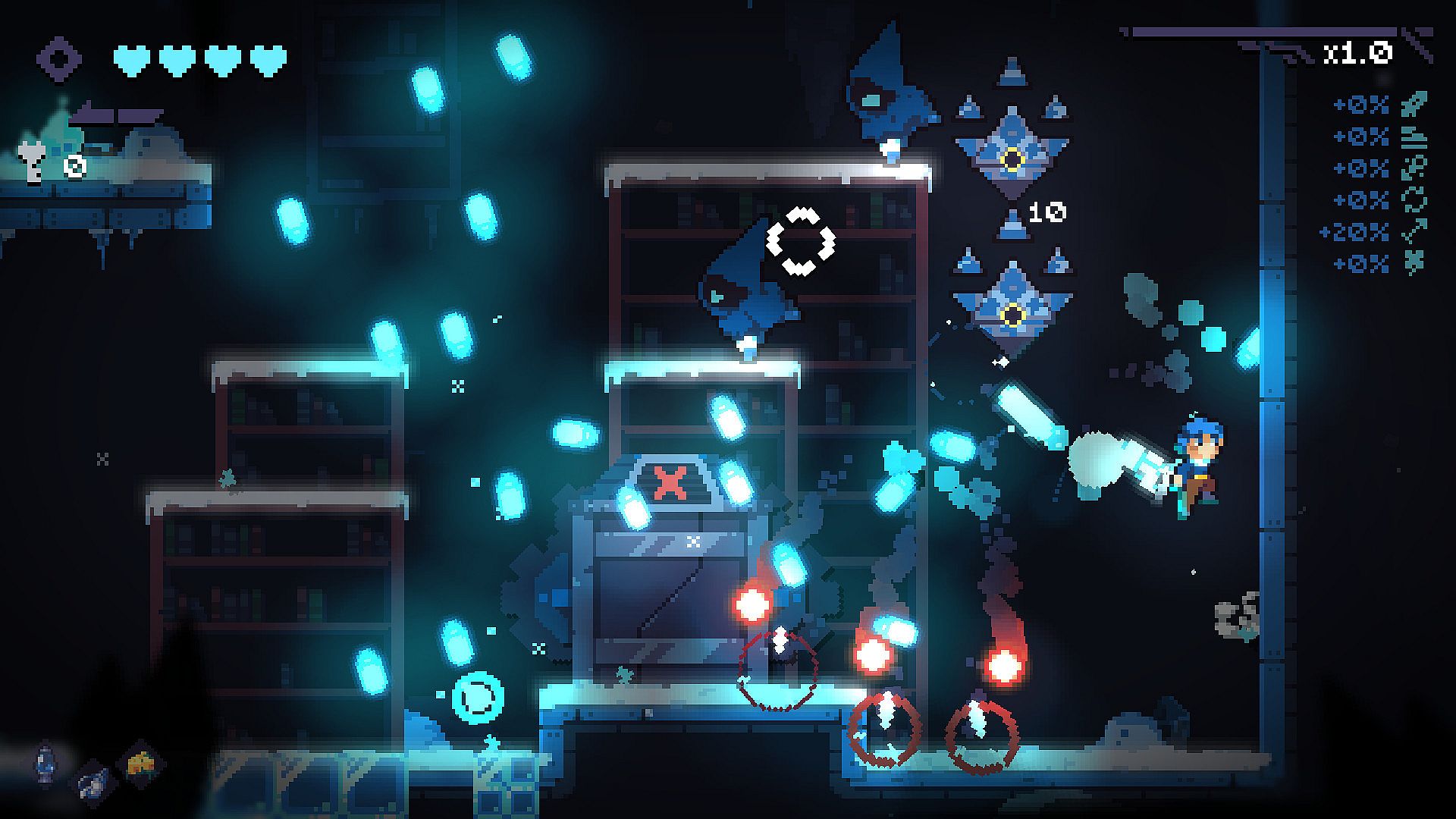
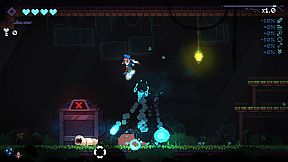
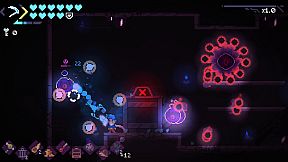
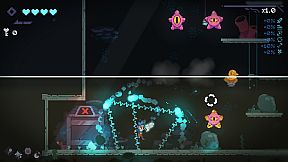
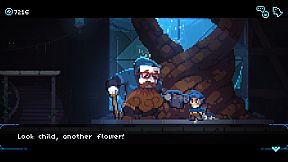
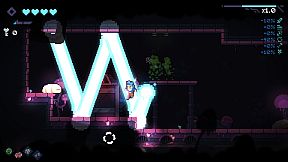
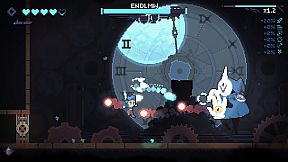
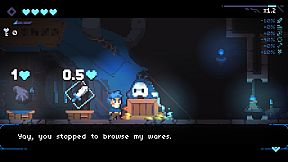
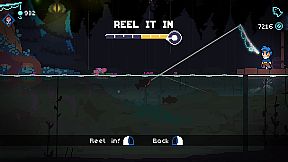
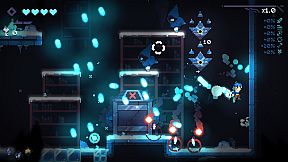
Revita is a single-player twin-stick roguelite platformer that blends fast action with procedural challenges and a distinctive health-for-power system. Players control a nameless child navigating an underground metro system before ascending an ominous clock tower in search of lost memories. The experience draws from action, indie, RPG, and adventure genres through its emphasis on combat encounters, item upgrades, and atmospheric exploration across runs that emphasize trial and error.
Gameplay
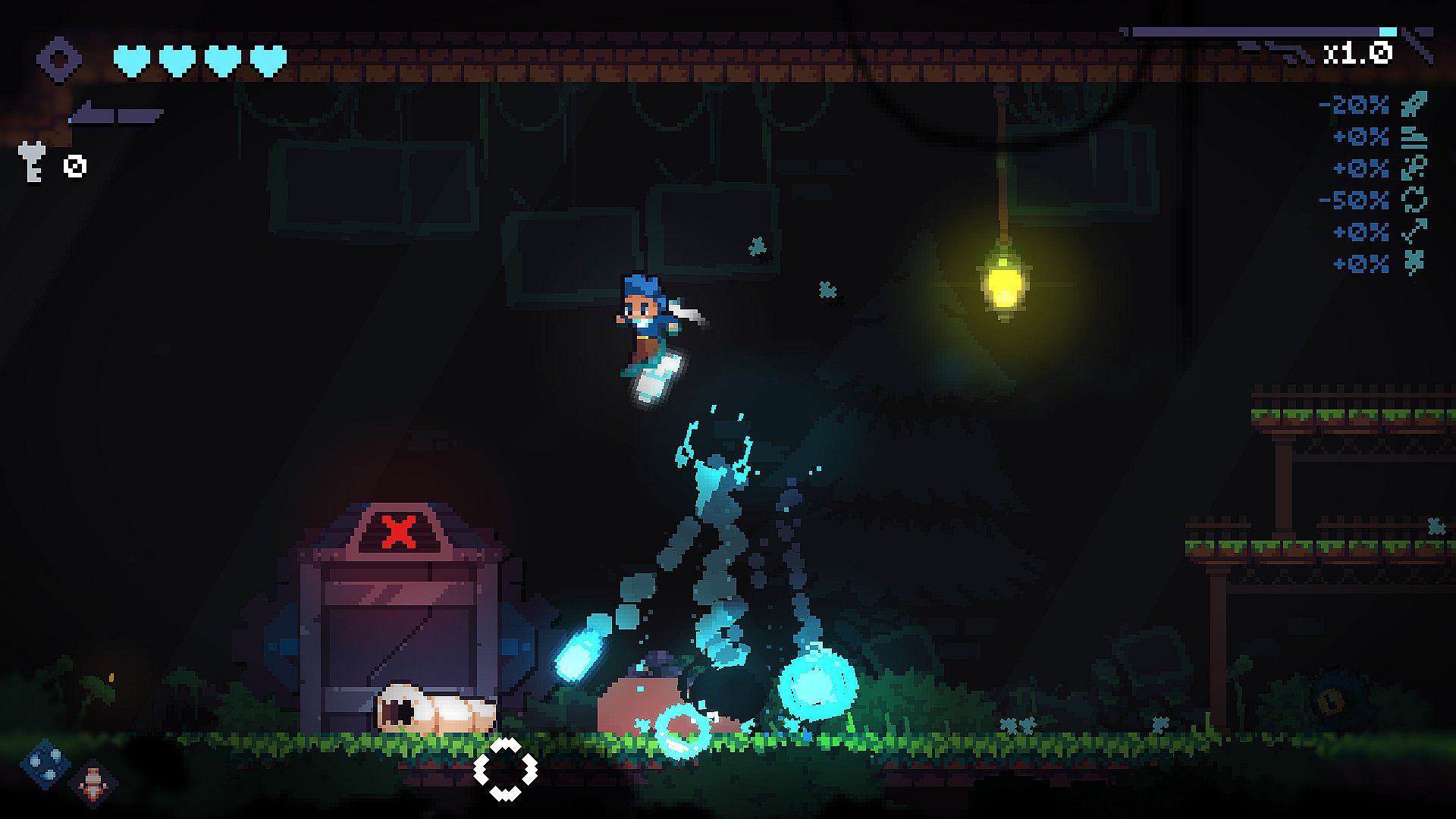
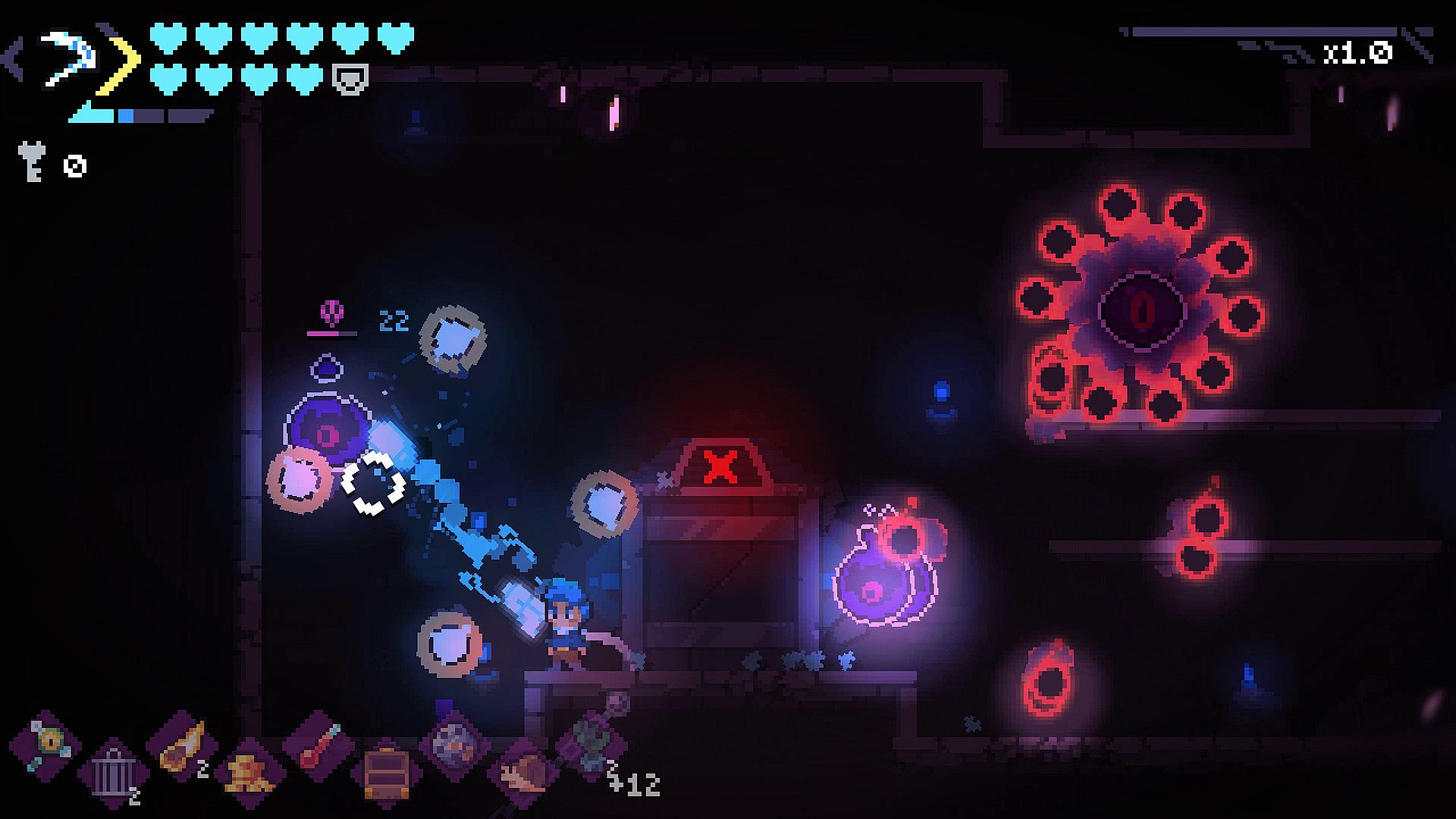
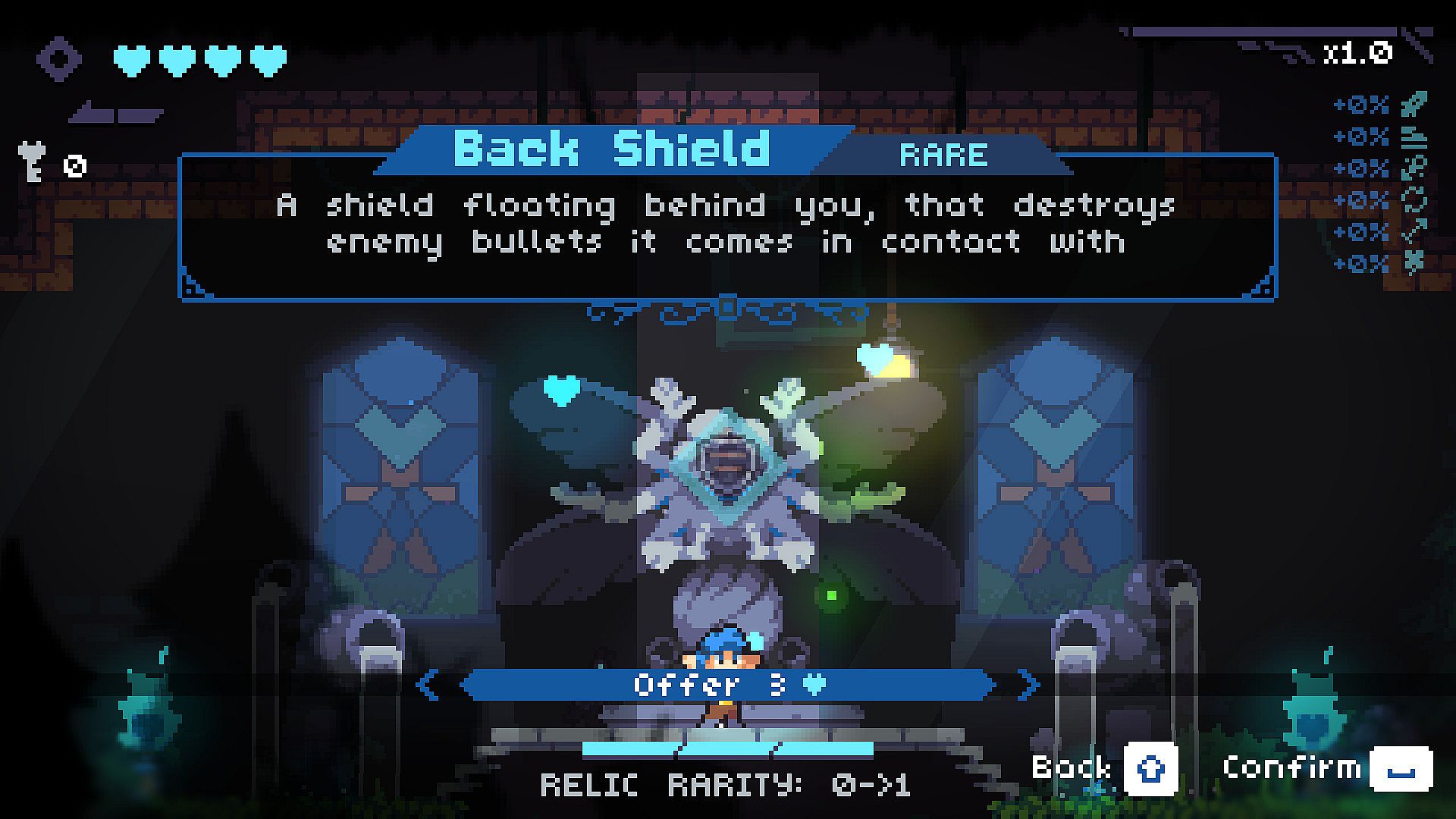
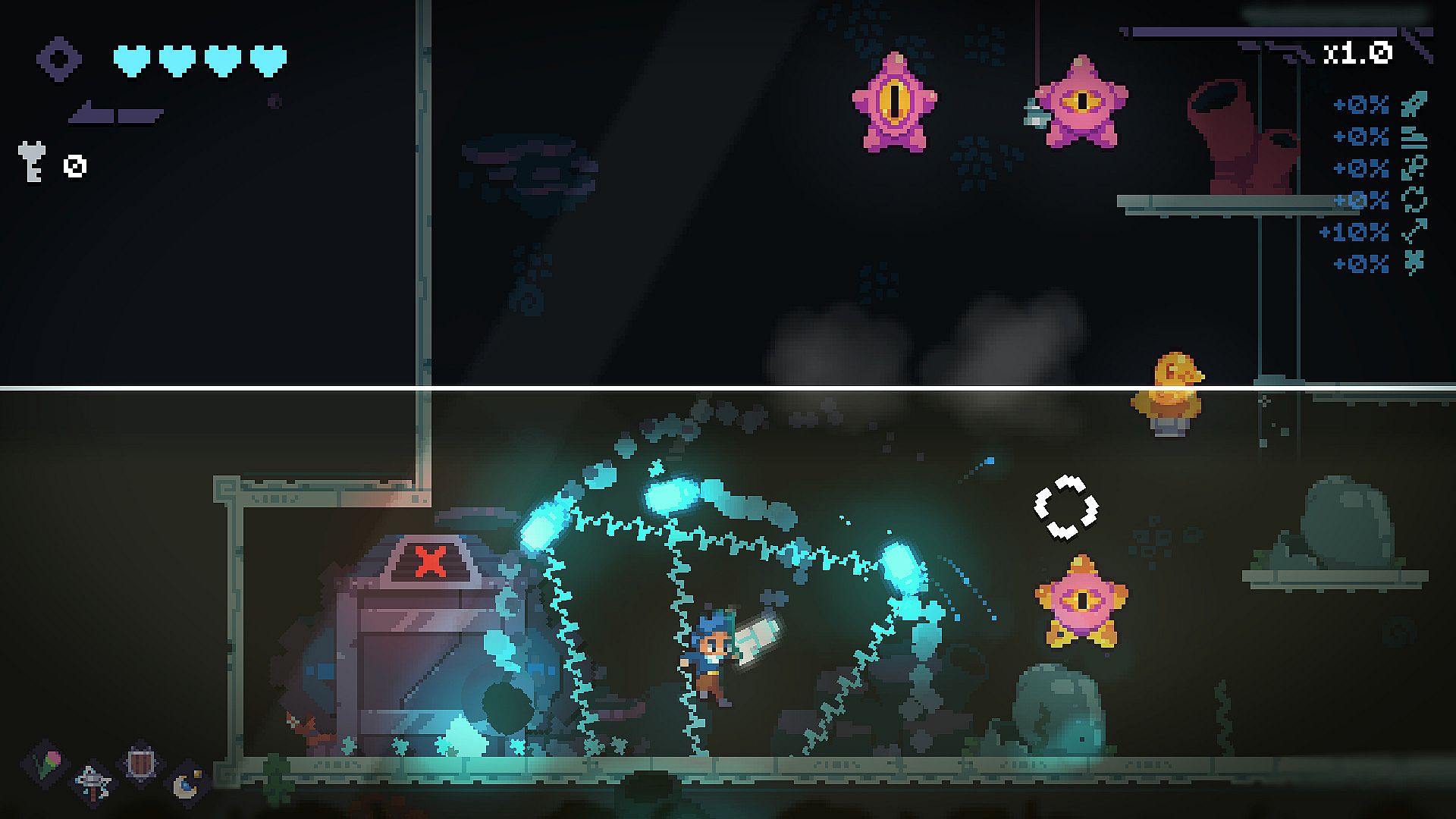
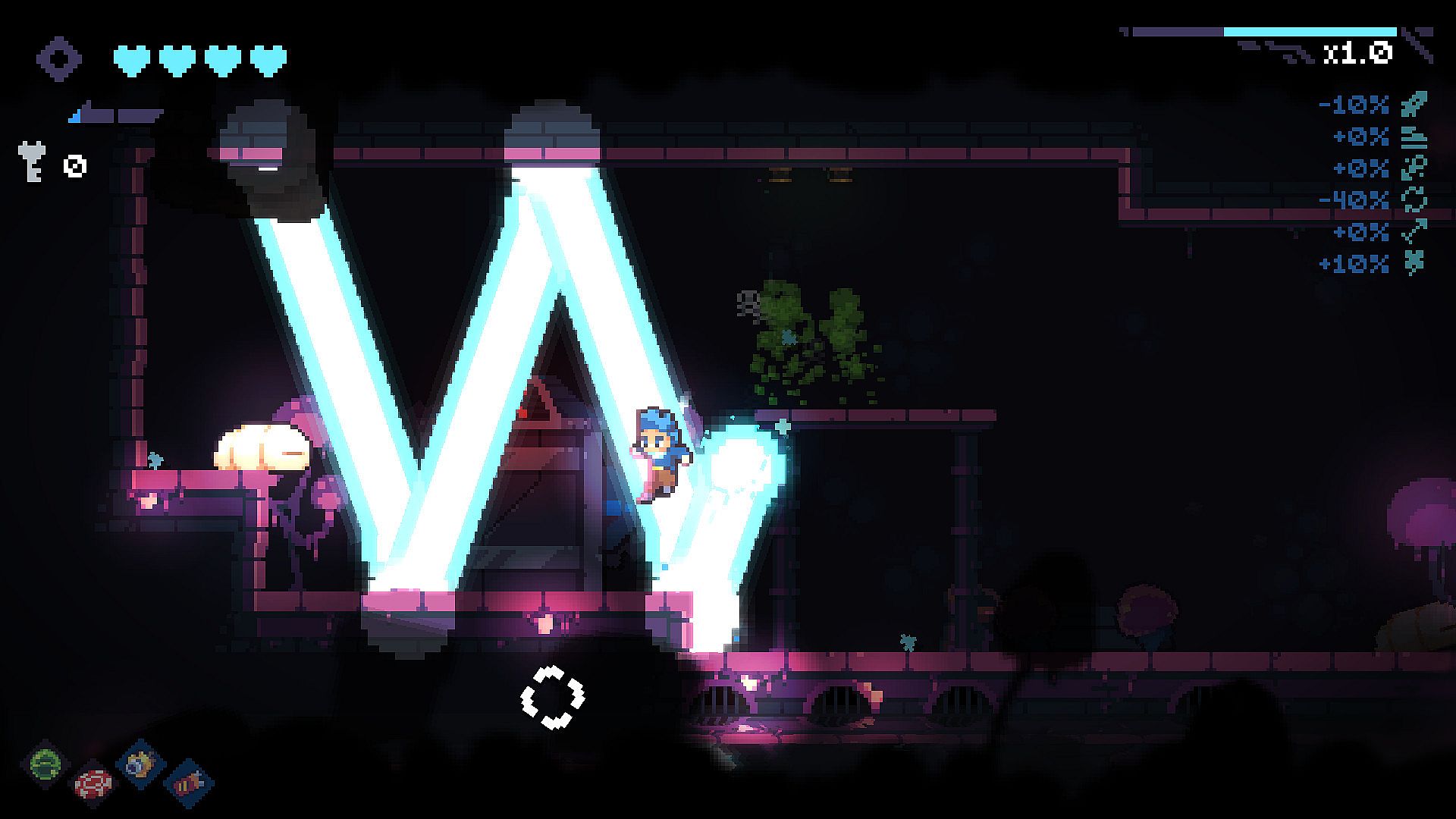
The core loop centers on twin-stick controls for shooting, dashing, and wall sliding through procedurally generated rooms filled with enemies. Each run involves clearing combat encounters before facing bosses, with movement and aiming feeling responsive from the start. Health serves dual purposes as both a resource for survival and a currency that can be traded for increased damage or other bonuses, creating a glass-cannon risk-reward dynamic where aggressive play often leads to quicker clears at the cost of durability.
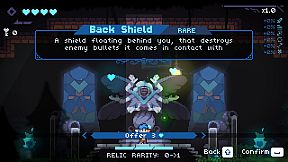
Power-ups and items appear during runs to expand the arsenal, allowing different combinations of weapons and abilities that change how encounters play out. Wall sliding and dashing add platforming depth to the side-scrolling levels, while enemy patterns introduce bullet-hell elements that reward precise positioning. Procedural generation ensures variety in room layouts and enemy placements across attempts, keeping the ascent through the tower fresh even after multiple failures.
Accessibility options include adjustable time slowdown, customizable enemy outlines for better visibility, and tunable aim assist levels. These tools help tailor the experience without altering the fundamental challenge of balancing offense and defense during each climb.
Game Modes
Revita operates as a single-player roguelite with no separate multiplayer or co-op options. The primary structure revolves around repeated runs that start in an infested underground subway line populated by monsters and occasional helpful characters. Elevators connect stations and lead upward into the ever-changing clock tower, where procedural rooms and boss encounters form the main progression path.
Each attempt follows a consistent flow of room clearing, item collection, and health management, with death resetting progress but carrying forward knowledge of patterns and effective builds. The absence of distinct named modes keeps focus on the core loop of trying, dying, and refining strategies to reach higher floors and uncover more of the story.
Story and Atmosphere
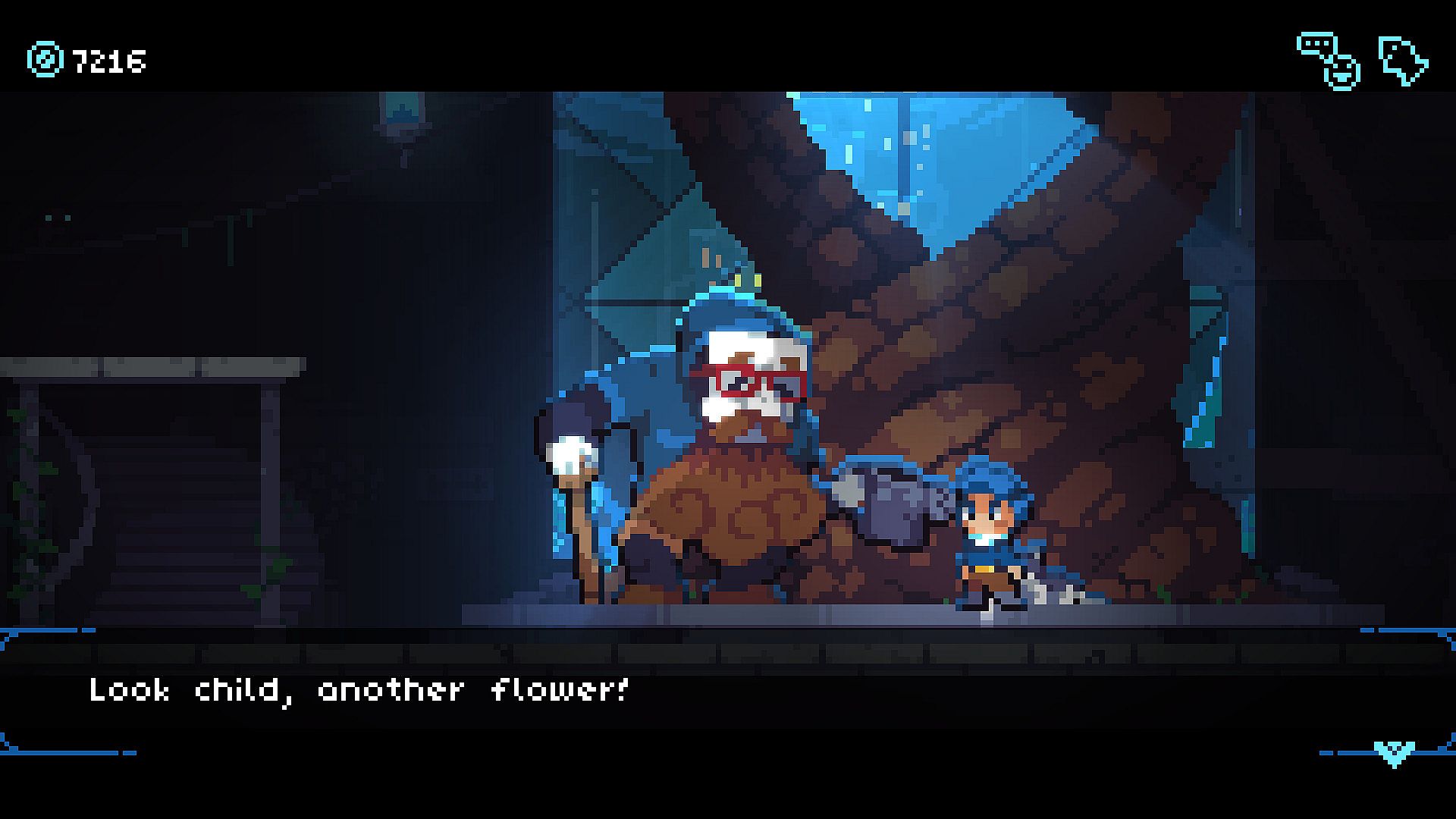
The narrative follows an amnesiac child awakening in the metro with a drive to reach the clock tower for answers. Masked characters and melancholic environments provide context along the way, blending exploration with combat in a world that feels both eerie and colorful. Procedural elements extend to the tower itself, creating a sense of an evolving structure that mirrors the protagonist's fragmented memories.
Atmosphere builds through pixel art visuals and a focus on isolation amid strange inhabitants. The journey emphasizes personal discovery over traditional RPG progression systems, with upgrades tied directly to run-specific choices rather than permanent unlocks outside of accessibility tweaks.
Is It Worth Playing?
Revita suits players who enjoy challenging single-player roguelites with a strong emphasis on risk-reward mechanics and precise twin-stick controls. Its health exchange system sets it apart from similar titles by making every decision about aggression versus survival feel meaningful during runs. The procedural rooms and boss fights deliver consistent variety, while options for customization address different skill levels or preferences for visibility and pacing.
Reception has been positive among those drawn to indie action platformers, with the game maintaining a dedicated following since its 2022 release. The experience remains unchanged following the halt of planned updates, preserving the original vision of short, intense climbs that reward persistence and experimentation. Fans of roguelites seeking a focused, single-player package with memorable movement and combat will find it aligns well with that style.