










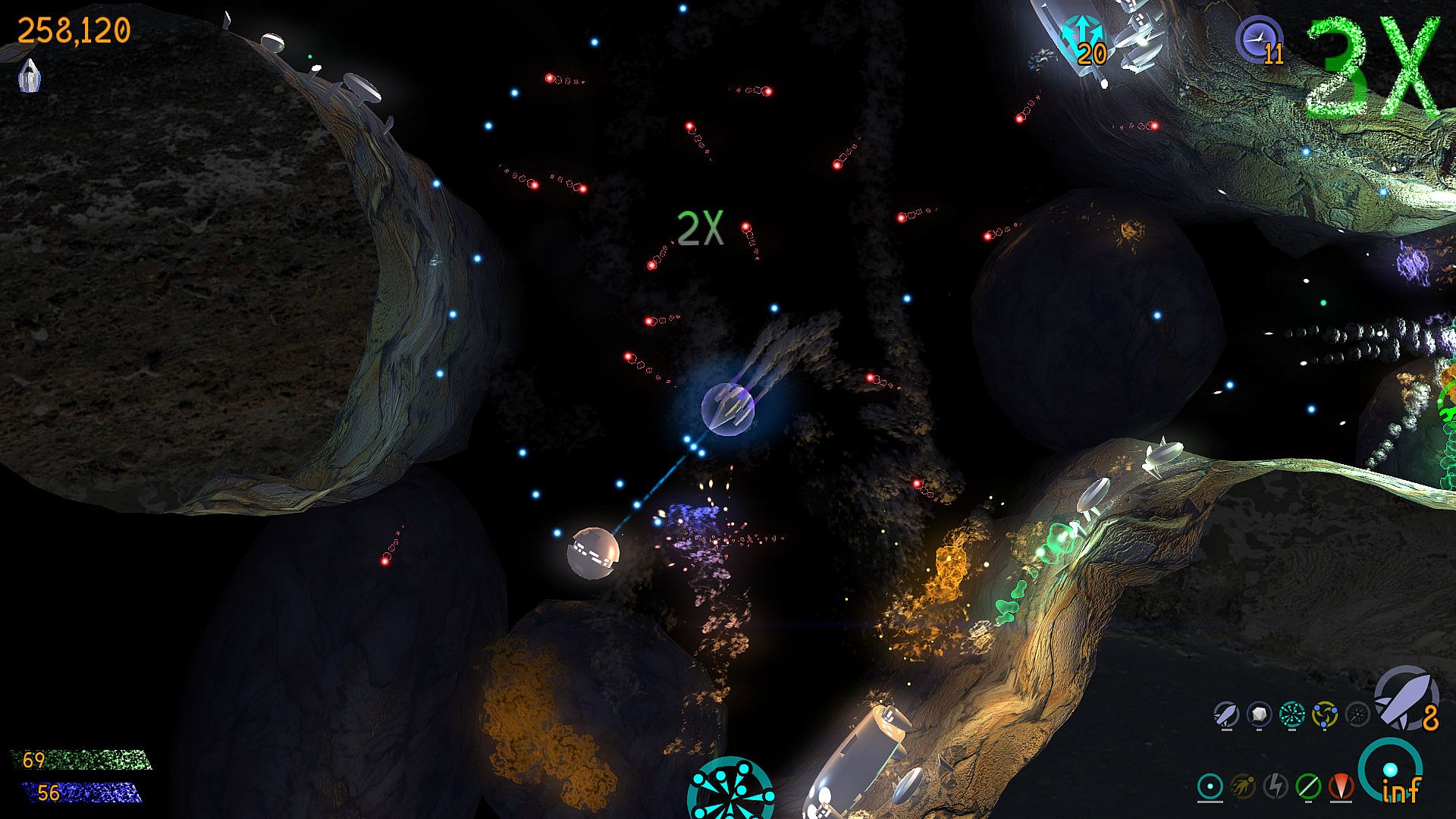
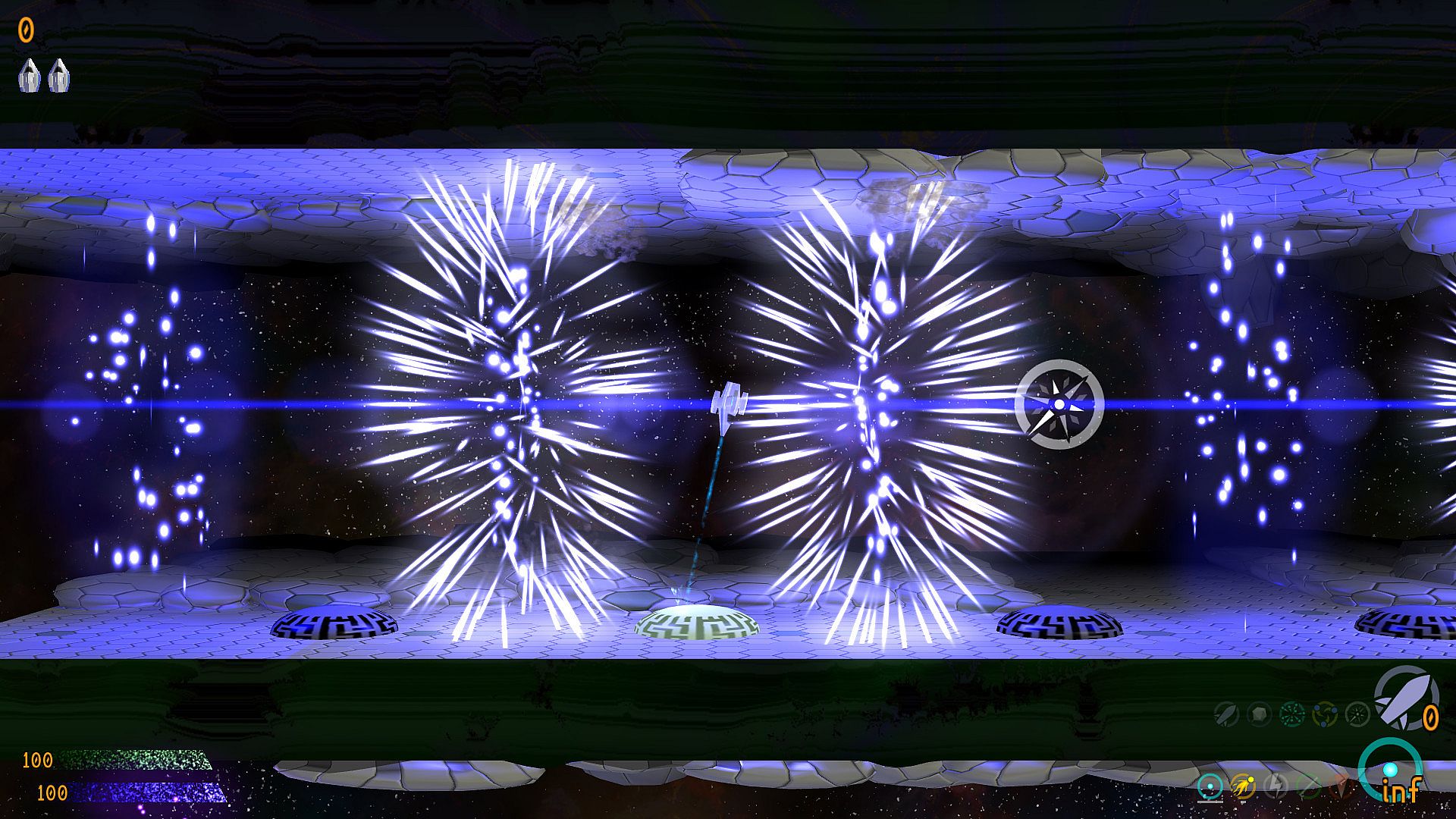
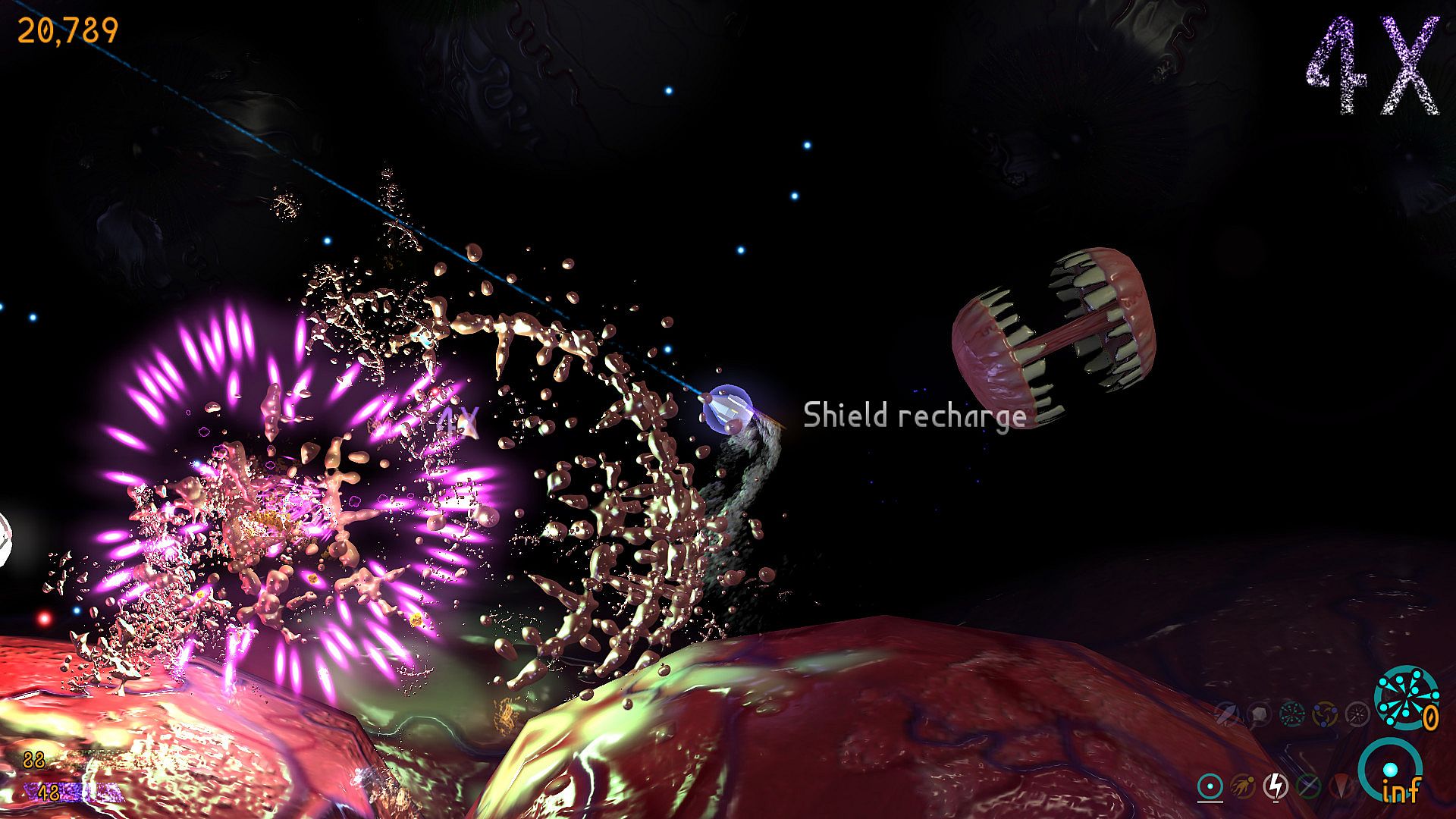
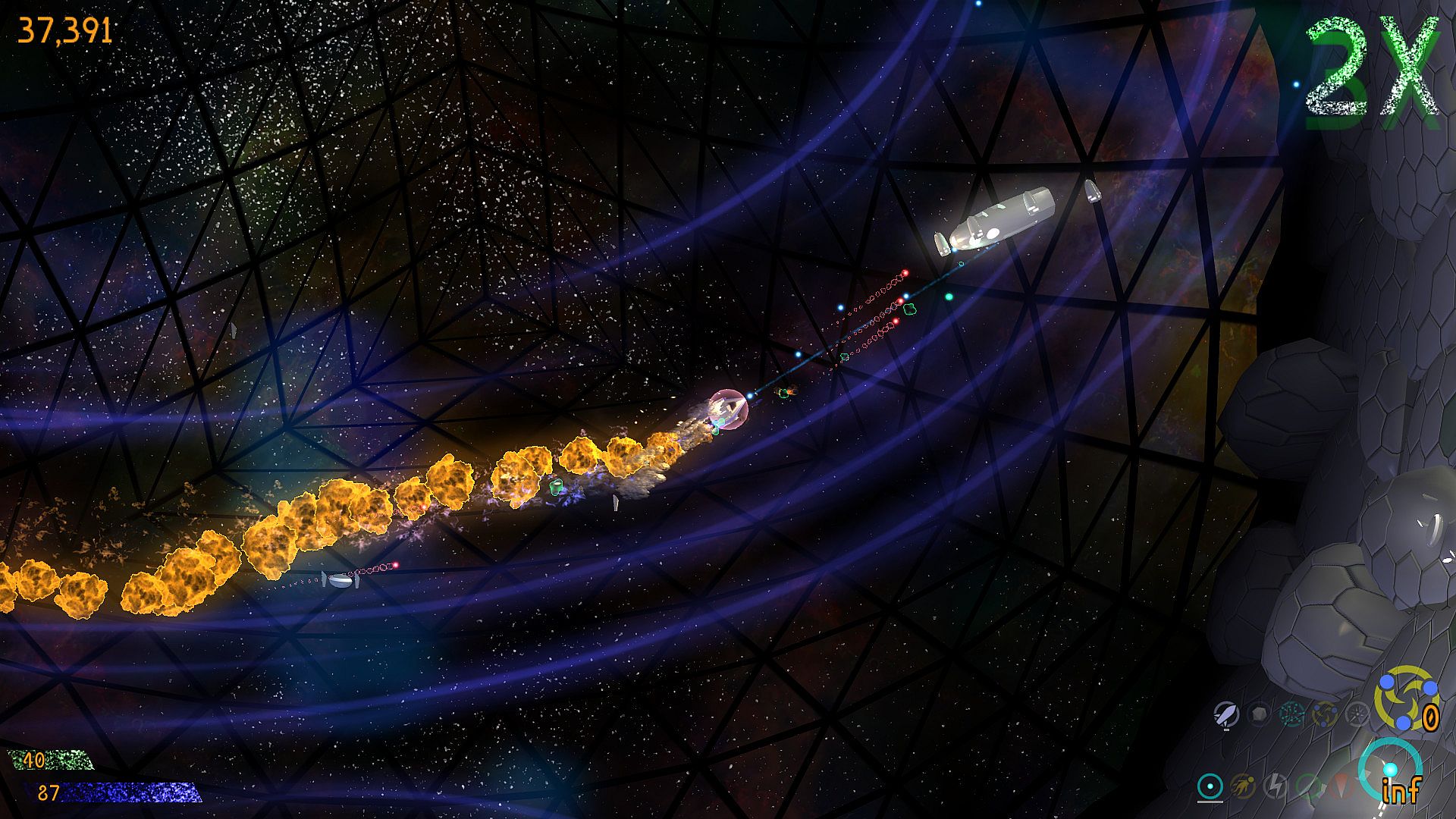
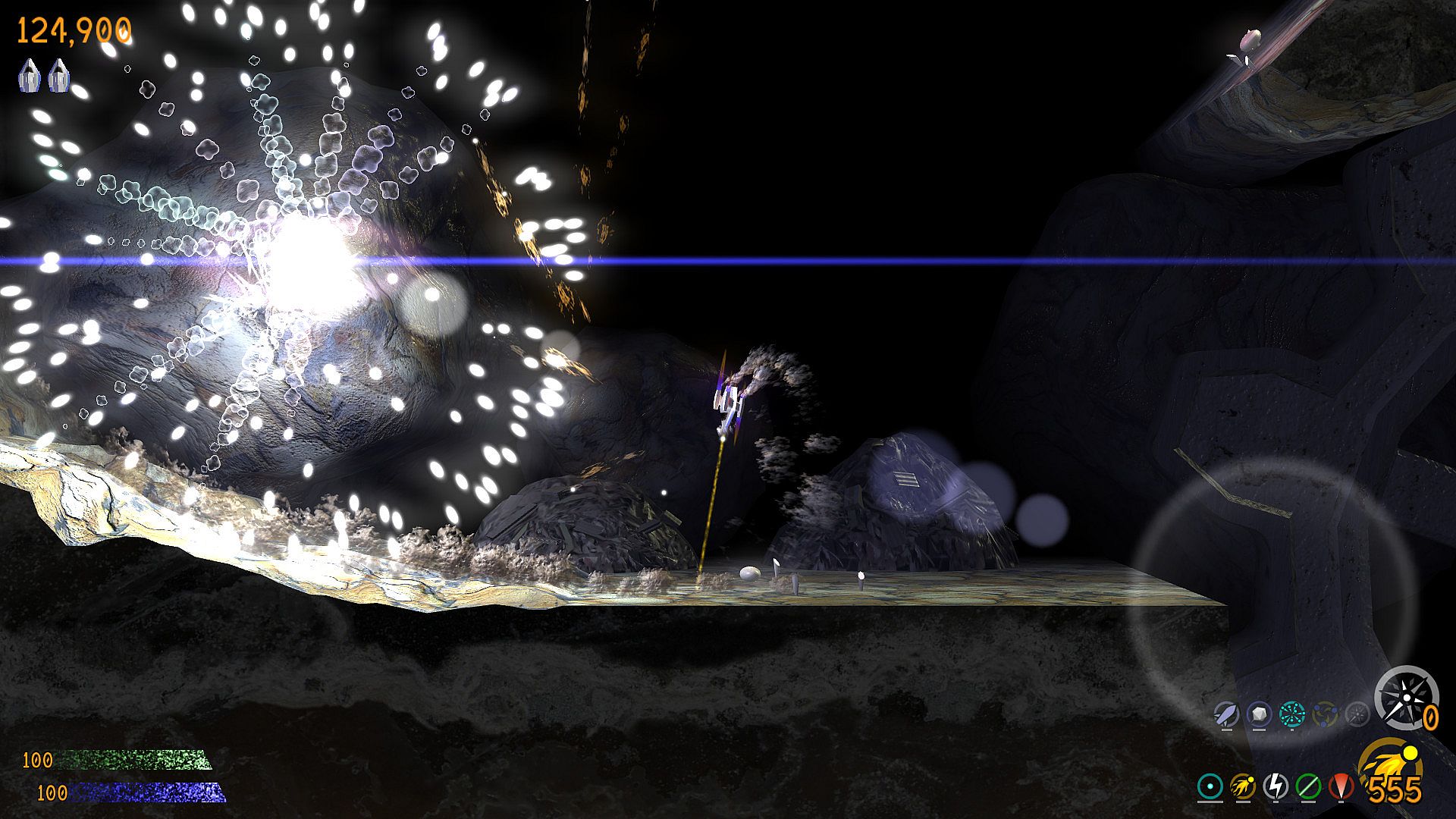
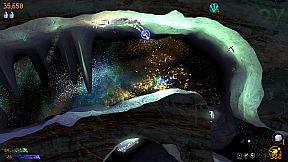
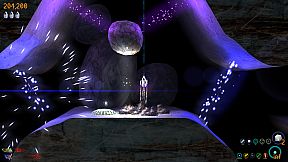
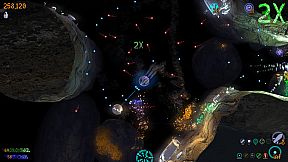
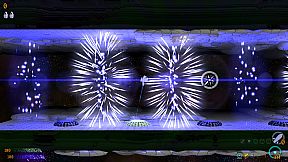
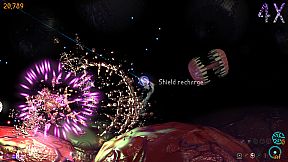
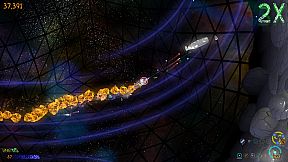
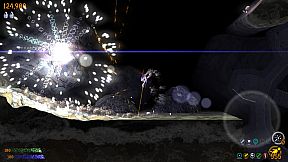
Retrobooster stands out as a demanding 2.5D action indie shooter built around precise thrust ship piloting and relentless enemy encounters. Players guide a nimble vessel through hazardous cave-like environments filled with traps, projectiles, and aggressive foes, where survival hinges on mastering momentum and quick reactions rather than raw firepower. The game emphasizes skill over power-ups, pushing pilots to navigate tight spaces while blasting threats in a style that blends classic arcade flying with modern bullet hell intensity.
Gameplay
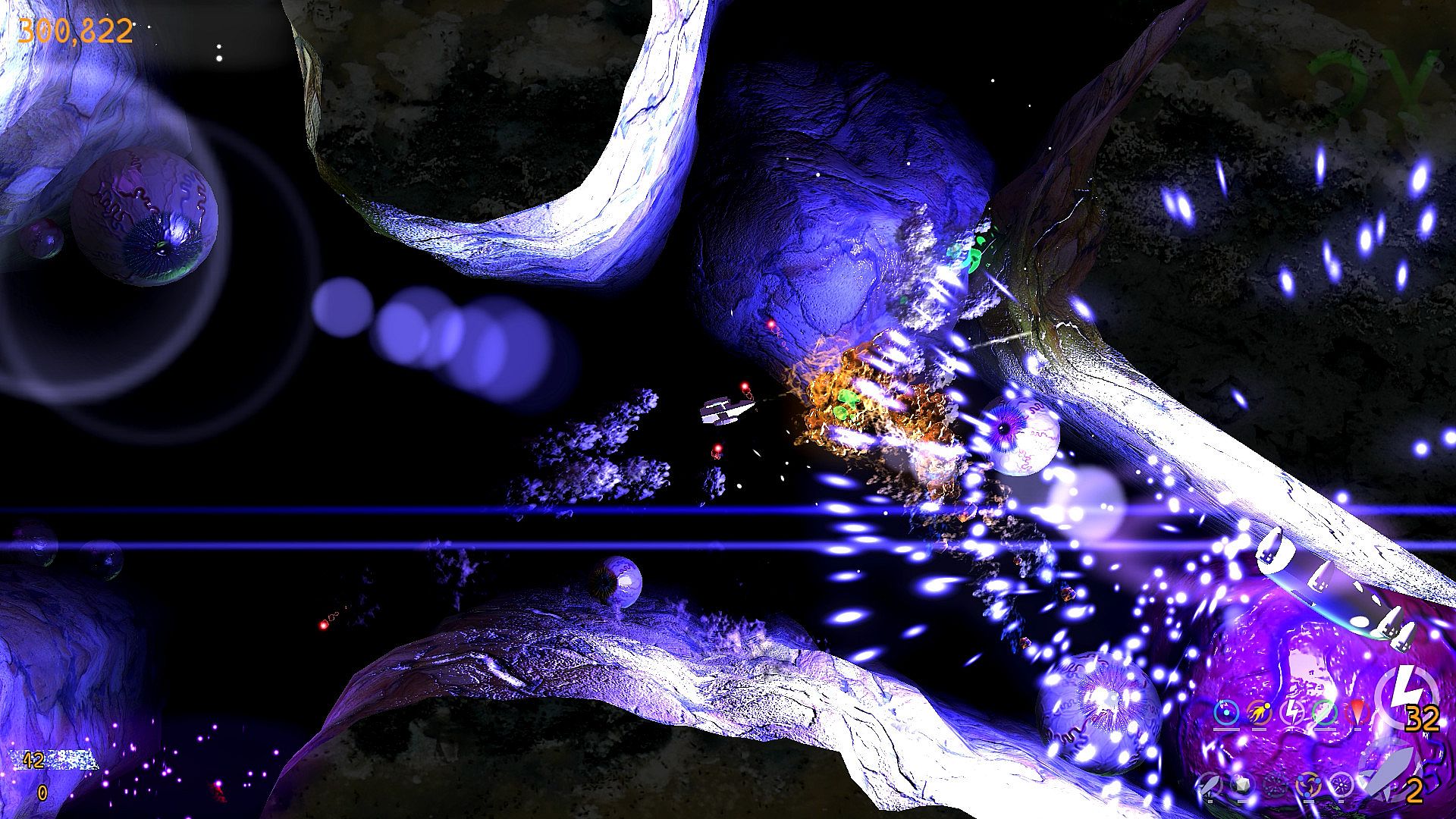
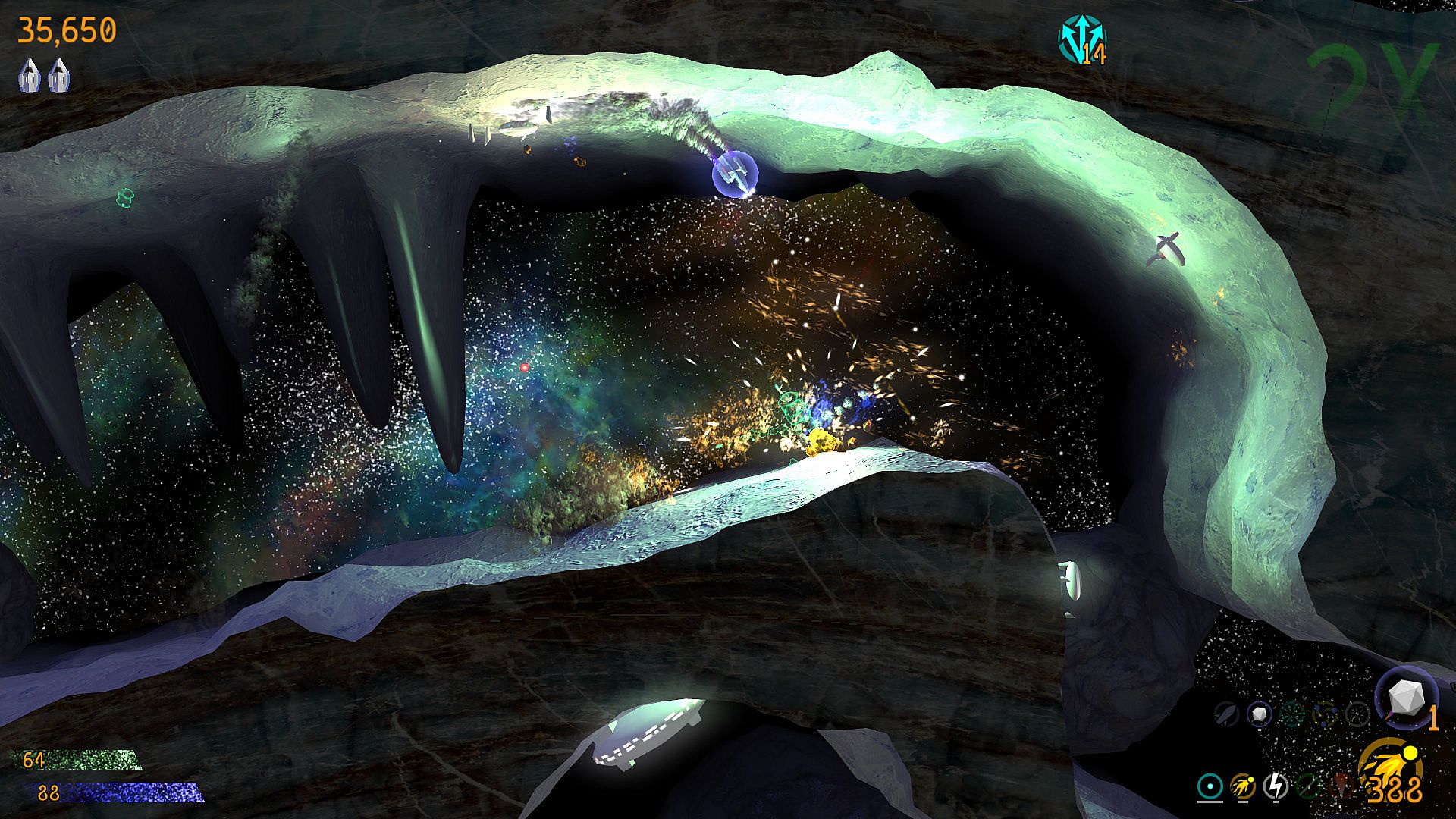
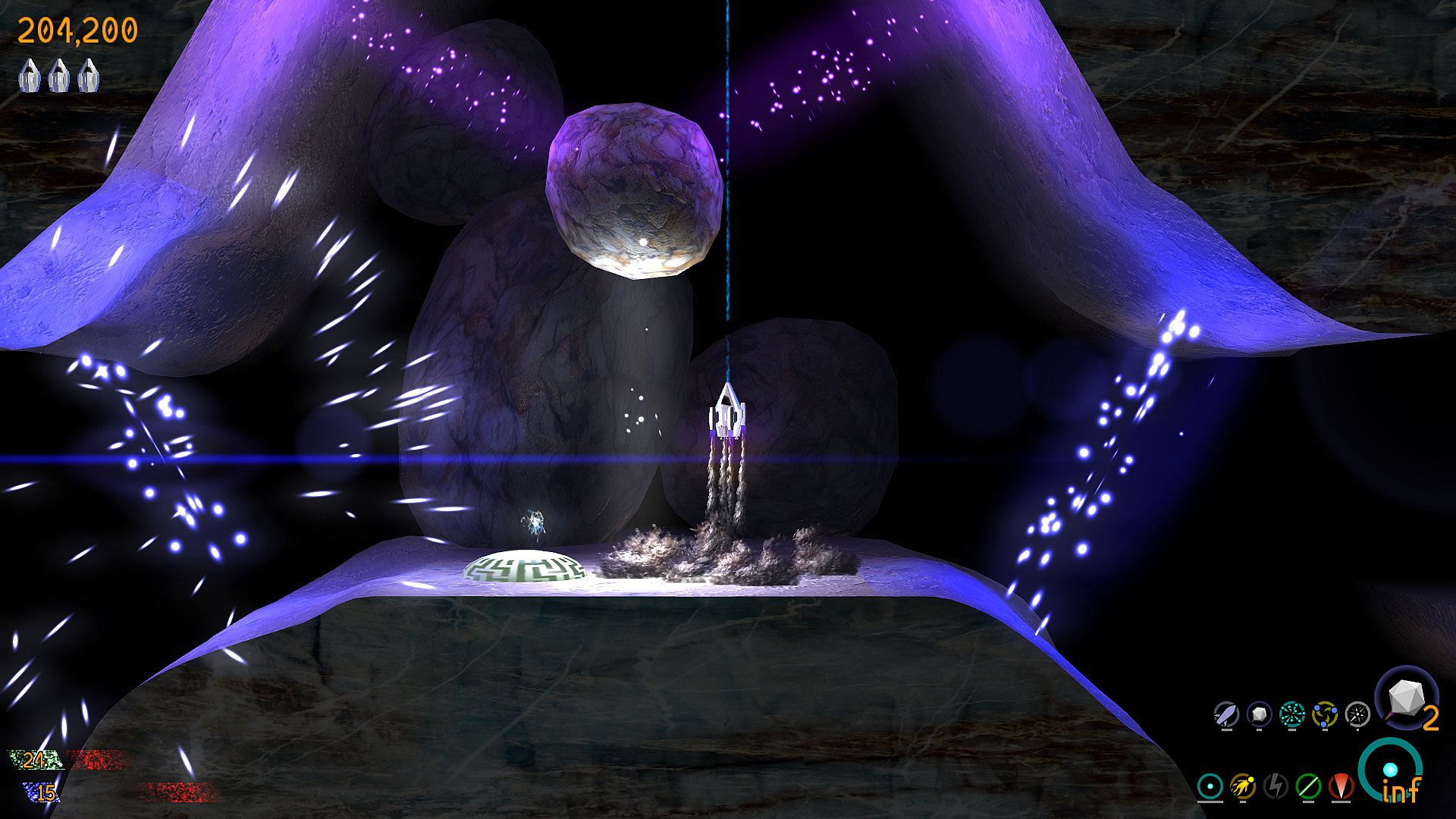
The core loop revolves around piloting a thrust-based ship through over thirty increasingly complex levels set across bizarre alien worlds. Each stage demands careful control of forward thrust and reverse thrust to avoid walls, crushing hazards, and waves of enemies. Physics play a central role, with momentum carrying the ship into dangerous situations if players misjudge turns or speed. Combat focuses on ten distinct weapons that players unlock and deploy against varied monster designs, rewarding accurate shooting amid chaotic projectile patterns.
Progression moves from relatively contained early levels to the most punishing reaches of the galaxy, where enemy density and environmental hazards ramp up sharply. Speed-flying challenges appear alongside standard runs, encouraging players to complete sections faster for better performance. Puzzle elements require creative use of thrust and weapons to open paths or disable obstacles without direct confrontation. Four difficulty settings allow adjustment of enemy aggression and environmental threats, while customizable controls support keyboard, mouse and keyboard combinations, or supported gamepads for optimal handling.
Game Modes
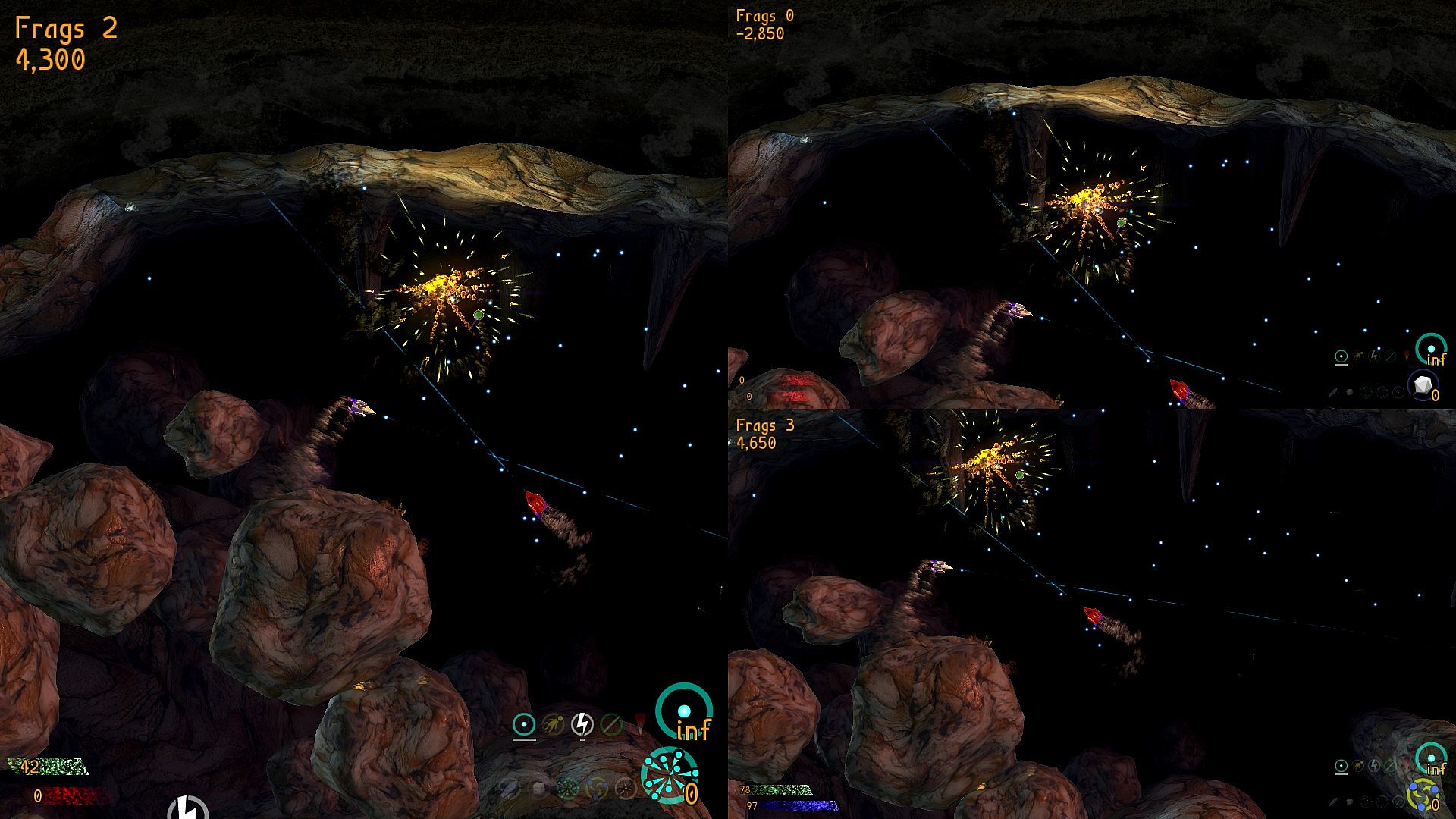
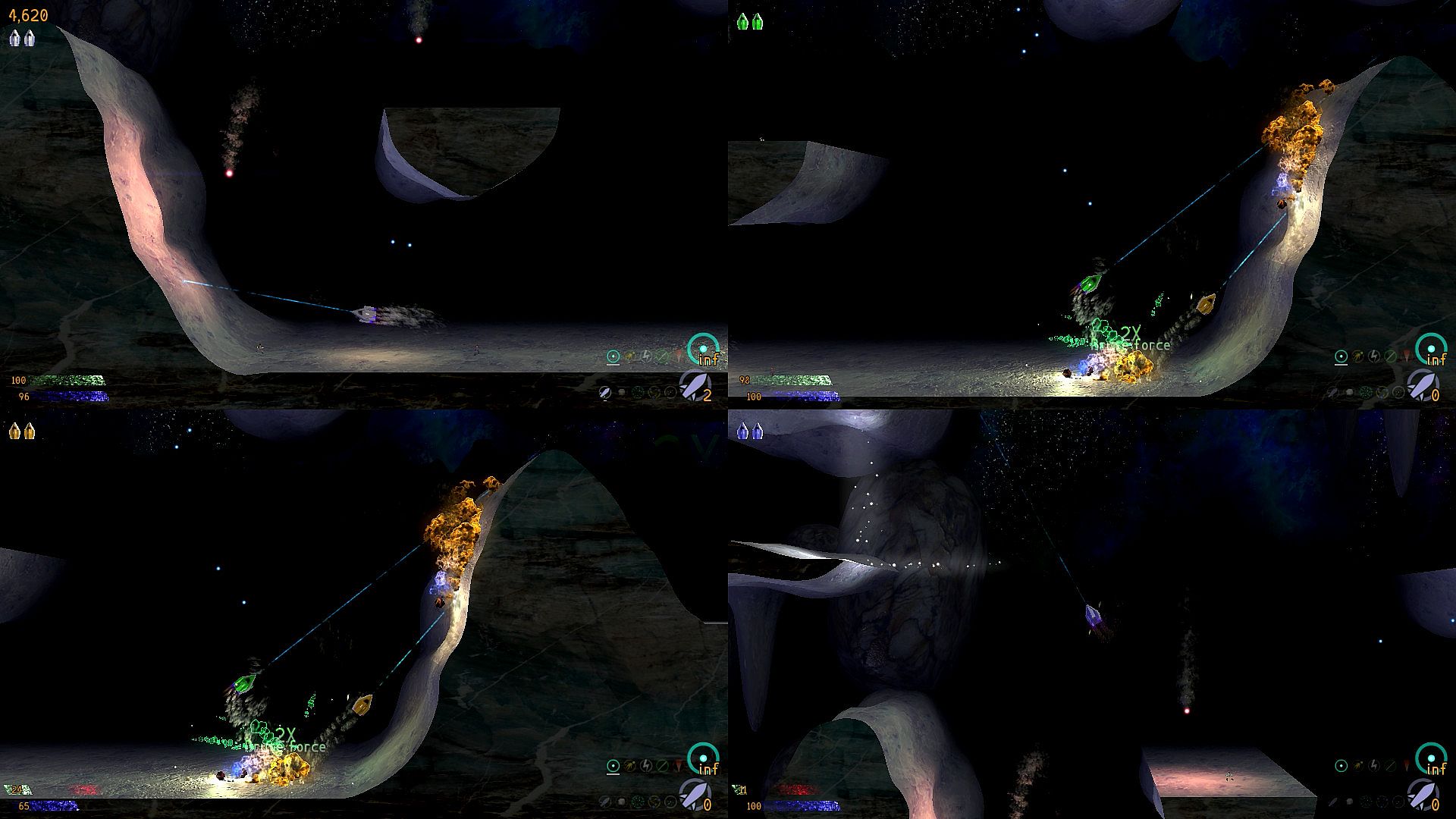
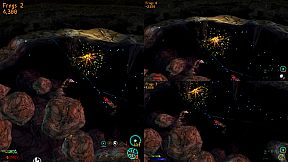
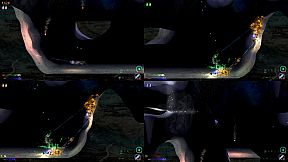
Single-player campaign forms the main experience, with levels unlocked progressively and available for repeated attempts at higher scores or faster times. Local split-screen multiplayer supports up to four players on the same screen, enabling cooperative runs through the campaign levels or competitive deathmatch sessions. In co-op, teammates share the same challenging environments and must coordinate thrust maneuvers to survive together. Deathmatch shifts focus to direct player-versus-player combat within the same physics-driven arenas, where positioning and weapon choice determine outcomes.
No online connectivity exists, keeping all multiplayer strictly local. This setup suits couch sessions where participants can watch each other's ships react in real time to the detailed physics and enemy patterns. Levels remain the same across modes, allowing groups to tackle the full campaign cooperatively before switching to versus play.
Level Design and Challenges
Worlds grow more hostile with each new area, introducing tighter corridors, moving obstacles, and denser enemy formations that test both flying precision and combat timing. The warped humor surfaces through enemy designs and environmental details that contrast the high-stakes action. Bullet hell sequences emerge in later stages, requiring players to thread ships through dense projectile fields while maintaining offensive pressure. Replays reward experimentation with different weapons and thrust techniques, as high-score chasing encourages mastery of the physics system across all thirty-plus stages.
Is It Worth Playing?
Retrobooster appeals directly to players seeking a pure test of flying skill and reflexes in a compact package. Its emphasis on responsive controls, crushing physics deaths, and escalating difficulty creates a satisfying loop for those who enjoy overcoming tough challenges through practice. Local co-op and deathmatch add replay value for groups, while the single-player campaign stands alone as a complete test of endurance. The electronic soundtrack supports the intense pace without overpowering the action. Reception highlights the polished feel and rewarding mastery curve, making it a strong choice for fans of demanding indie action games on PC who prefer focused mechanics over expansive narratives or frequent updates. Those frustrated by instant failure or seeking lighter experiences may find the steep learning curve less appealing.