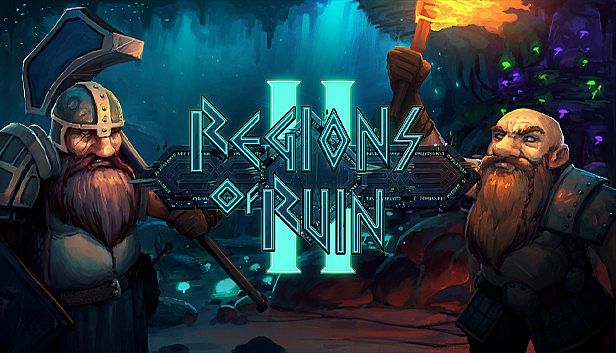














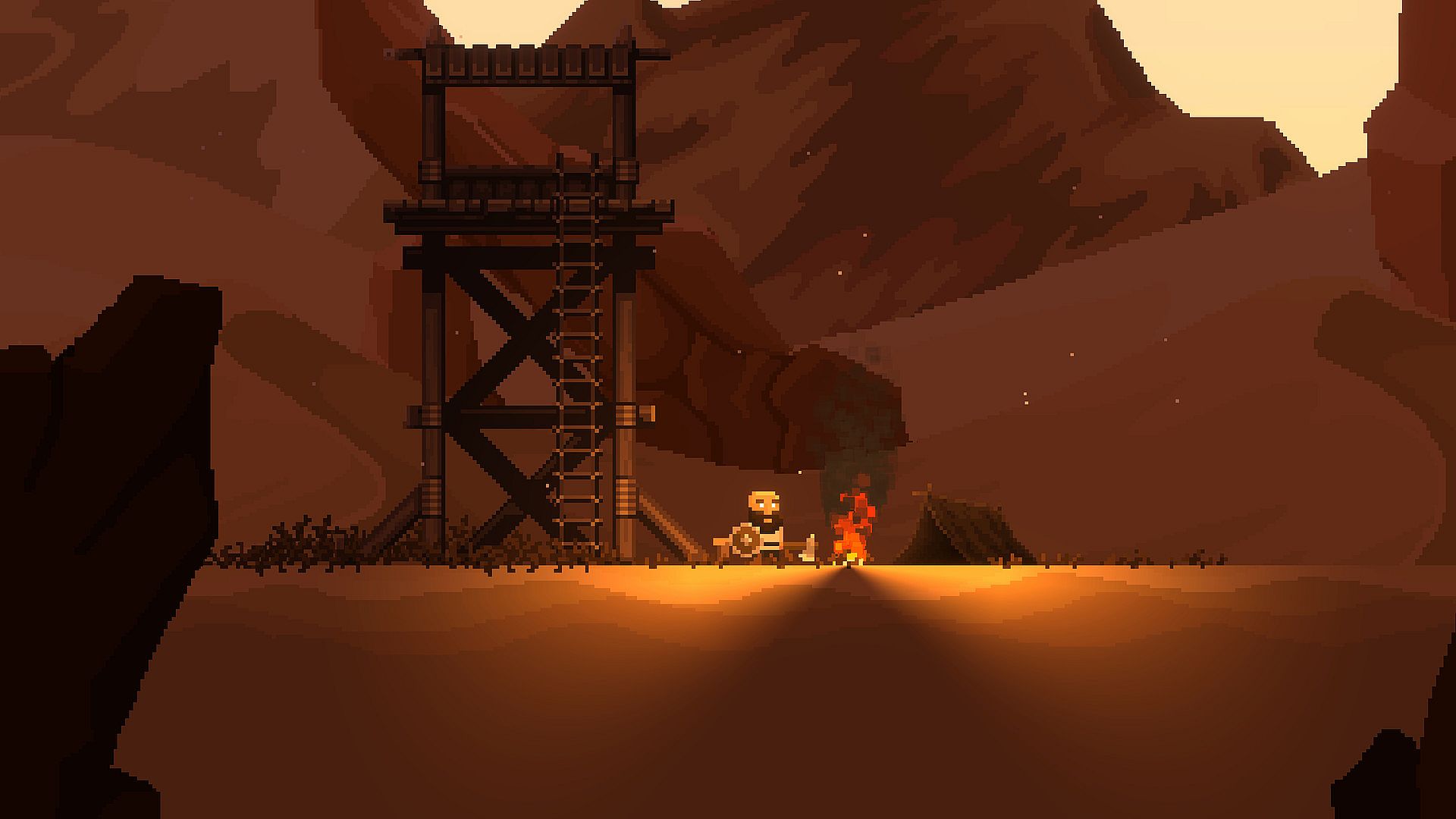
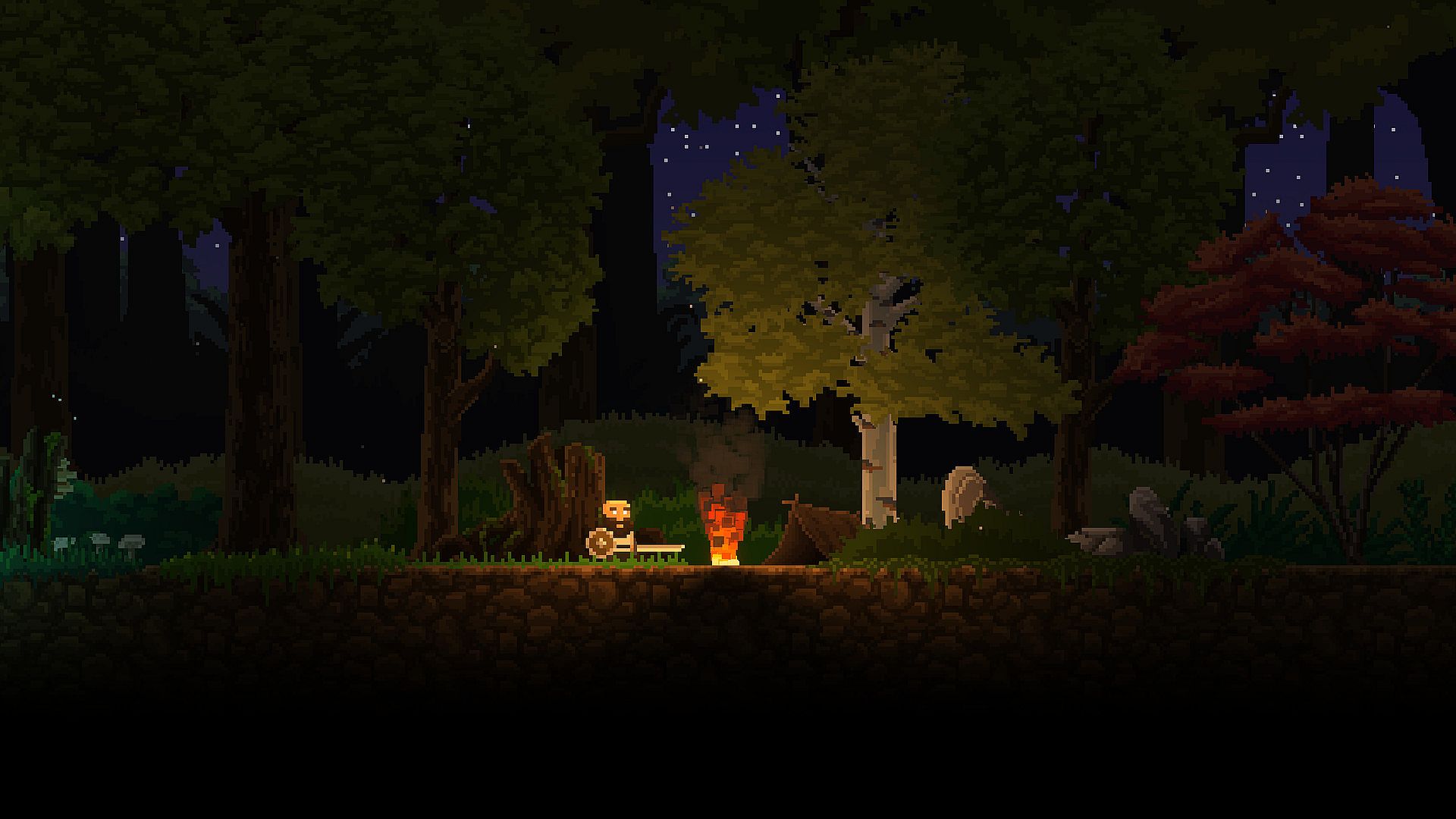
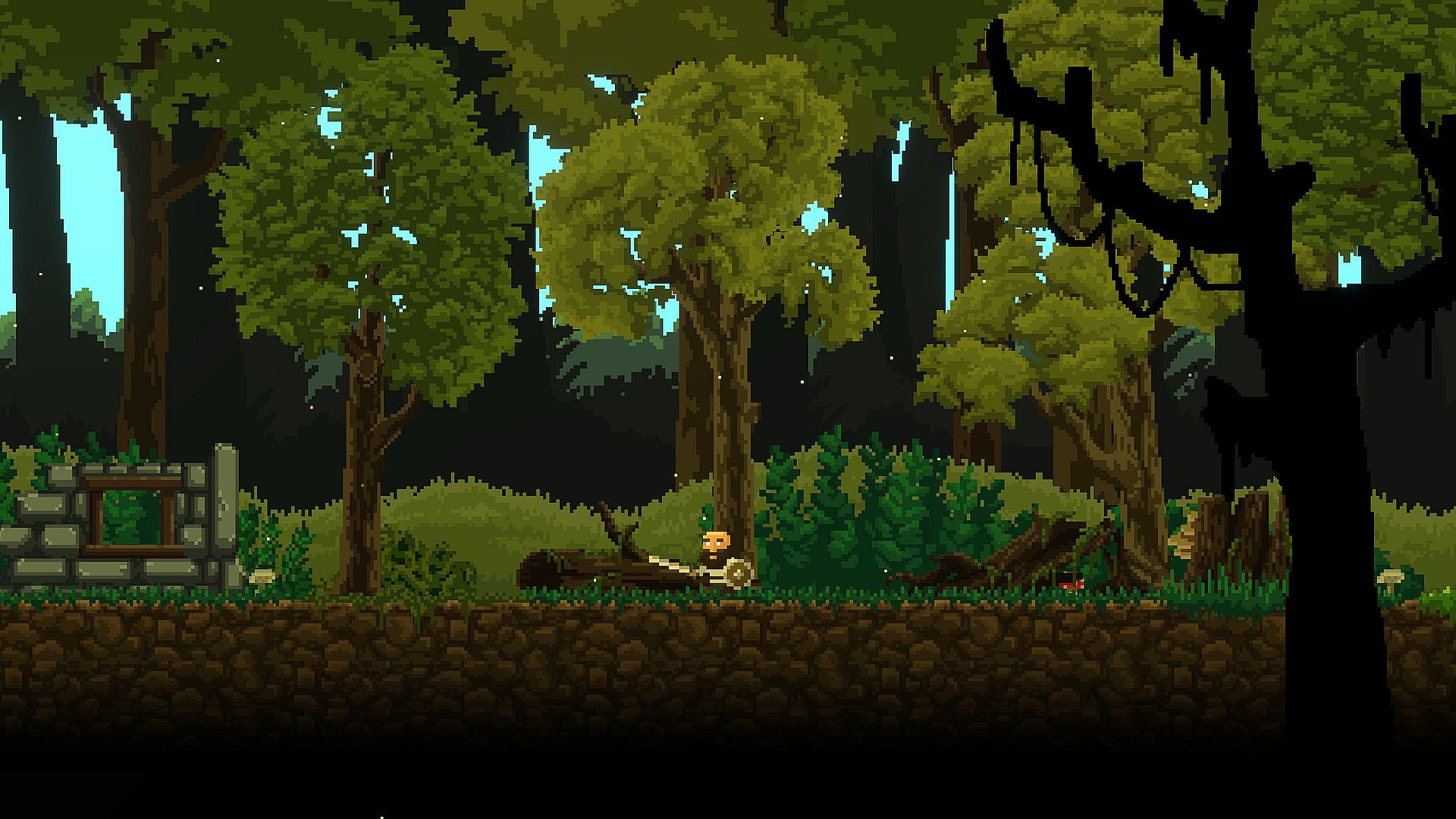
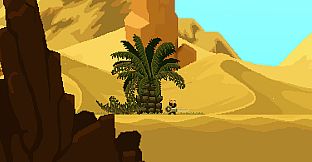
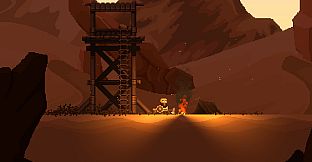
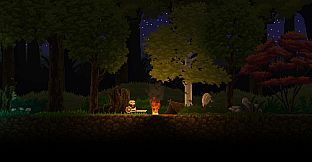
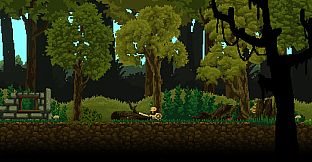
Regions of Ruin: Runegate is a single-player action RPG that blends hack-and-slash combat with exploration and settlement building. Players take on the role of a dwarf seeking to restore a shattered civilization in a world filled with ruins, resources, and hostile creatures. The experience centers on traveling across varied landscapes, engaging in melee and ranged fights, and gradually expanding a safe haven through gathered materials and recruited allies.
Gameplay
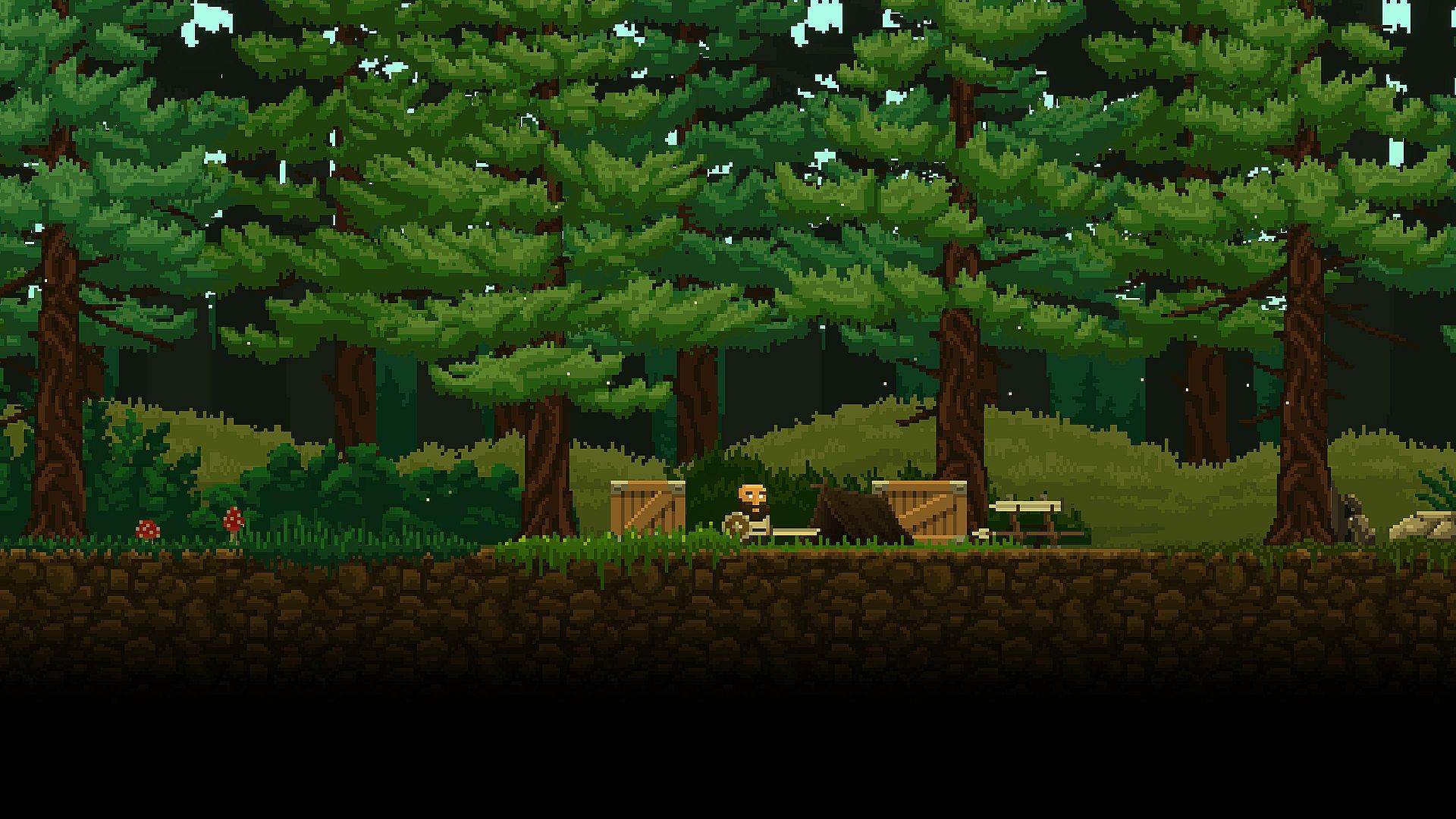
Core play involves moving through side-scrolling environments that range from forests and mountains to underground crystal caverns. Combat requires choosing weapons and gear while adapting to enemy behavior that shifts based on player tactics. Skill trees allow customization of fighting styles, supporting direct assaults or more cautious approaches such as positioning for back attacks.
Resource collection drives progress. Players mine veins, complete tasks for scattered dwarven survivors, and bring in new facilities that unlock further options for defense and production. Character appearance and equipment choices influence both visual style and combat effectiveness, encouraging experimentation across multiple play sessions.
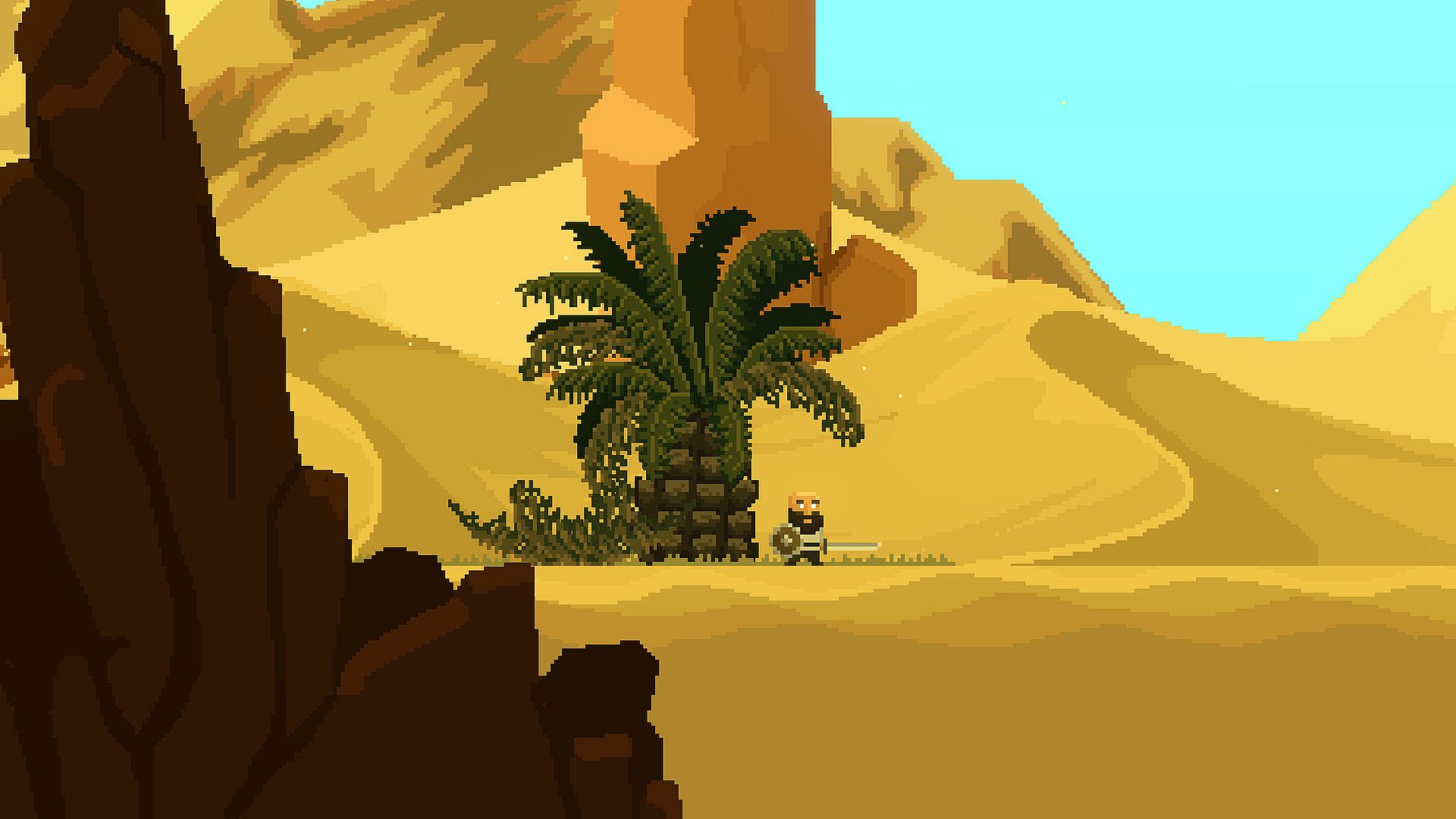
Weather and terrain add practical challenges during travel, while the open layout rewards thorough searching for hidden paths and materials. Enemies range from basic goblins to larger threats that demand attention to positioning and timing.
Game Modes
The game operates as a continuous single-player campaign without separate multiplayer or competitive modes. All activities occur within one persistent world where exploration, combat encounters, and base expansion happen in sequence. Progress ties directly to story advancement and settlement growth, with no distinct arenas, survival variants, or co-op options confirmed in available information.
Activities within this structure include main quests for rebuilding efforts, side tasks that introduce new allies or technologies, and free-form roaming to locate resources. The absence of mode switching keeps focus on the integrated loop of fighting, gathering, and constructing.
World and Progression
The setting depicts remnants of a former dwarven domain now occupied by monsters and exiles. Diverse biomes provide distinct visual and navigational differences, from open surface areas to confined cave networks. Progression systems link combat improvements to settlement upgrades, creating a feedback loop where stronger equipment supports deeper exploration and more ambitious construction projects.
Allies encountered during travels contribute specialized skills or labor once brought into the growing community. This recruitment expands available facilities and technologies without requiring separate management screens beyond the core building interface.
Is It Worth Playing?
Recent player feedback on Steam shows Very Positive ratings overall, with recent reviews maintaining that level. Critics have noted the satisfying combination of combat and incremental base growth, though some mention the main story concludes relatively quickly. The game suits those who enjoy methodical exploration paired with straightforward action and settlement management in a compact package.
Availability on PC makes it accessible for players interested in indie RPG titles that emphasize personal progression over large-scale multiplayer features. Those seeking a focused dwarven reclamation story with adaptive enemies and resource-driven expansion will find the verified mechanics align closely with that preference. Individuals preferring extensive endgame content or multiple distinct modes may want to review playtime estimates before purchase.