








Red Johnson's Chronicles - 1+2 combines two connected point-and-click action adventure games centered on private detective Red Johnson navigating the corrupt streets of Metropolis. Players investigate crimes through clue gathering, logical deduction, witness questioning, and occasional physical confrontations in a noir-inspired setting filled with moral ambiguity and danger.
Gameplay
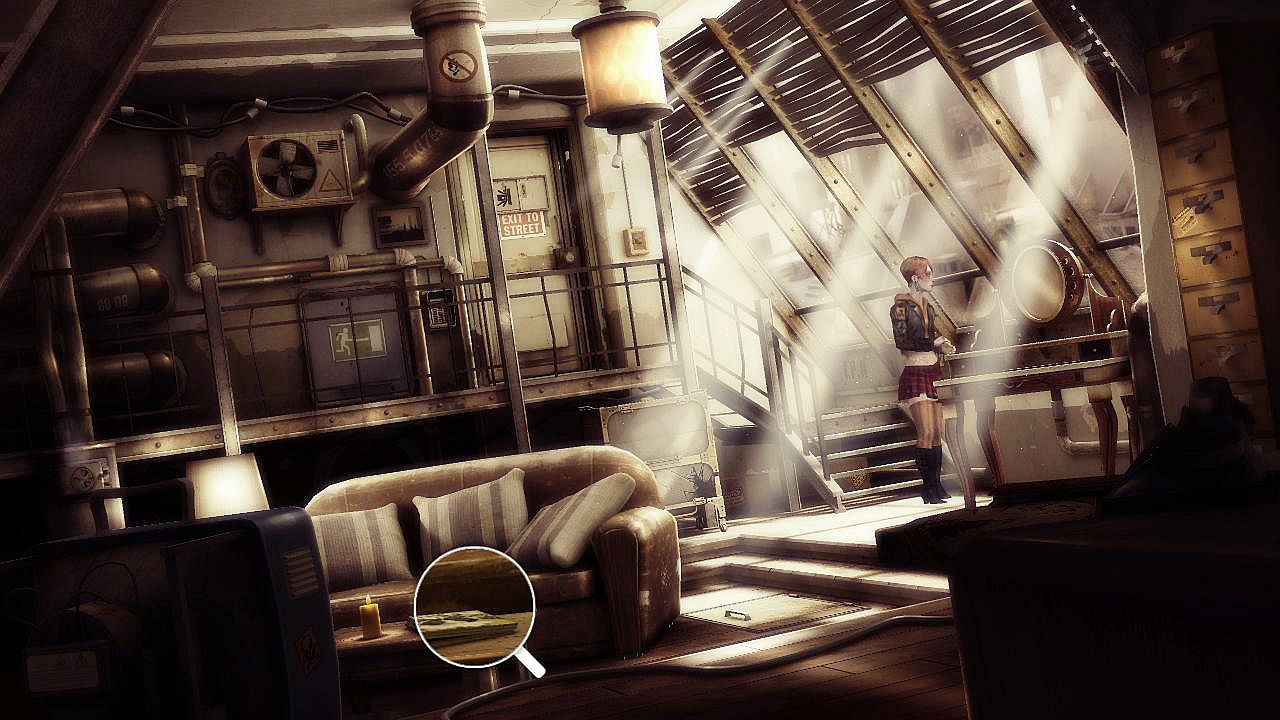
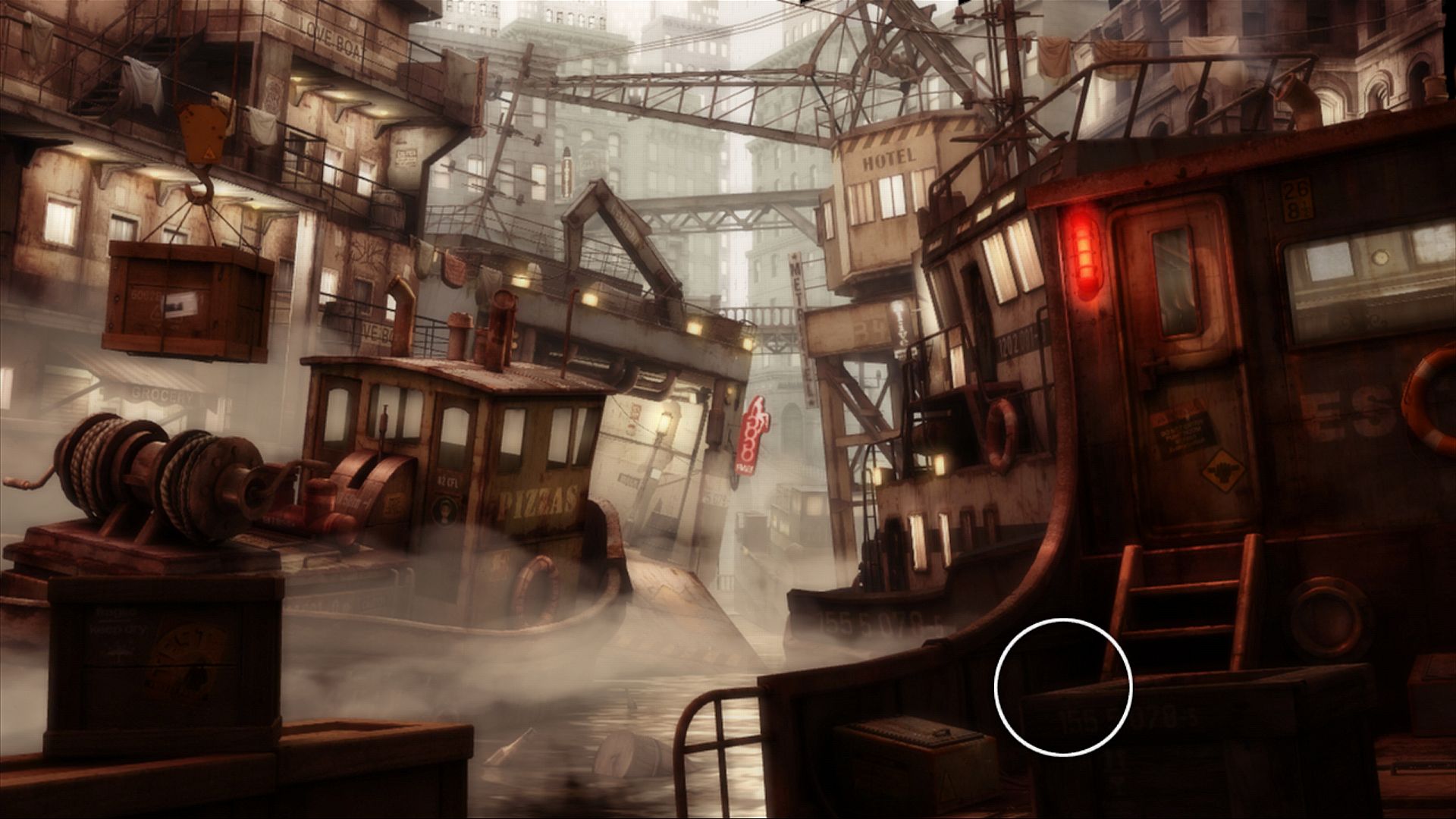
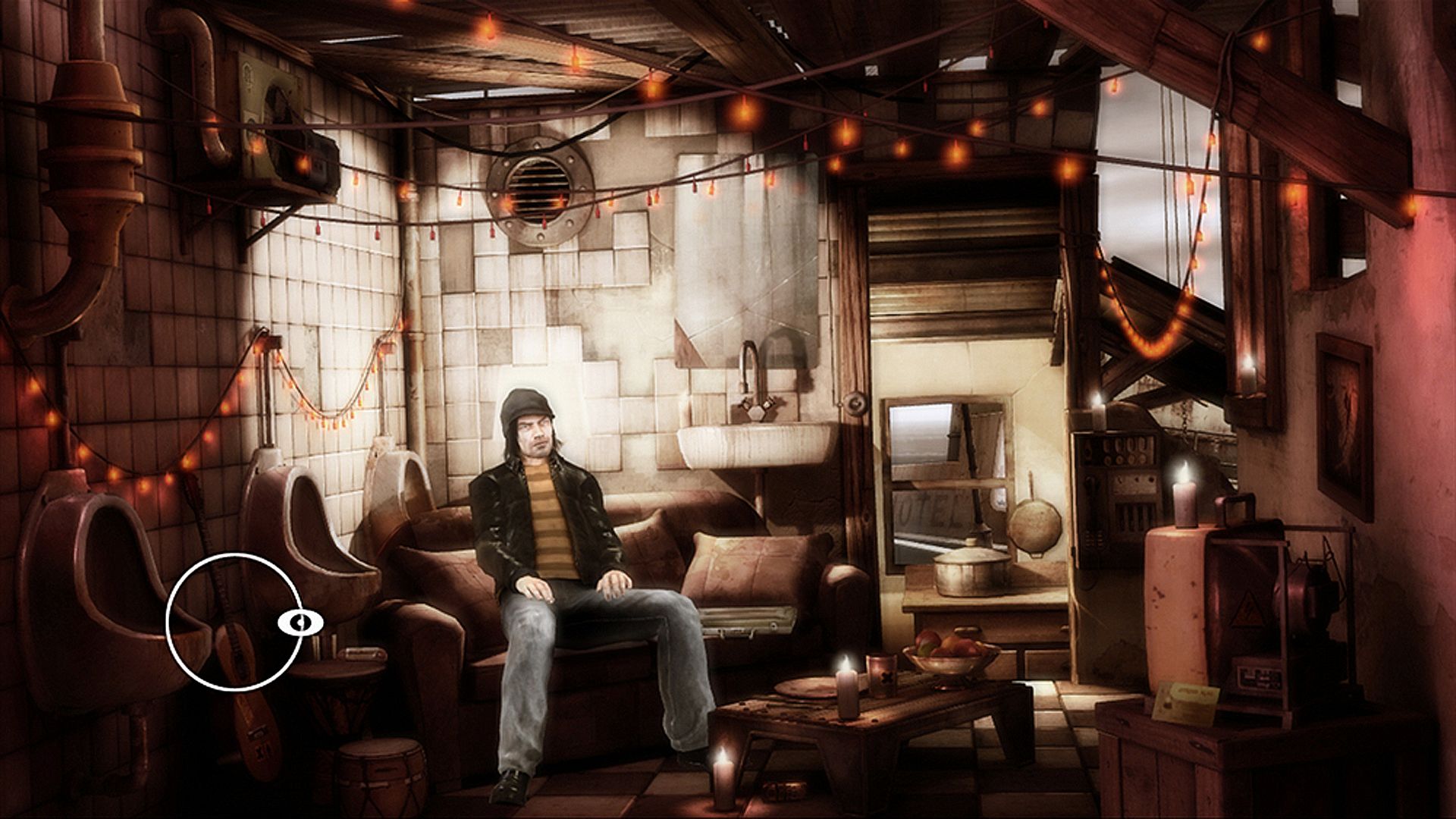
The core loop revolves around scanning detailed environments for interactive objects and evidence. A cursor or on-screen tool highlights items of interest, allowing players to examine them closely, often zooming in to manipulate objects in three dimensions or apply specialized tools such as a magnifying glass or ultraviolet light to reveal hidden details like fingerprints or codes.
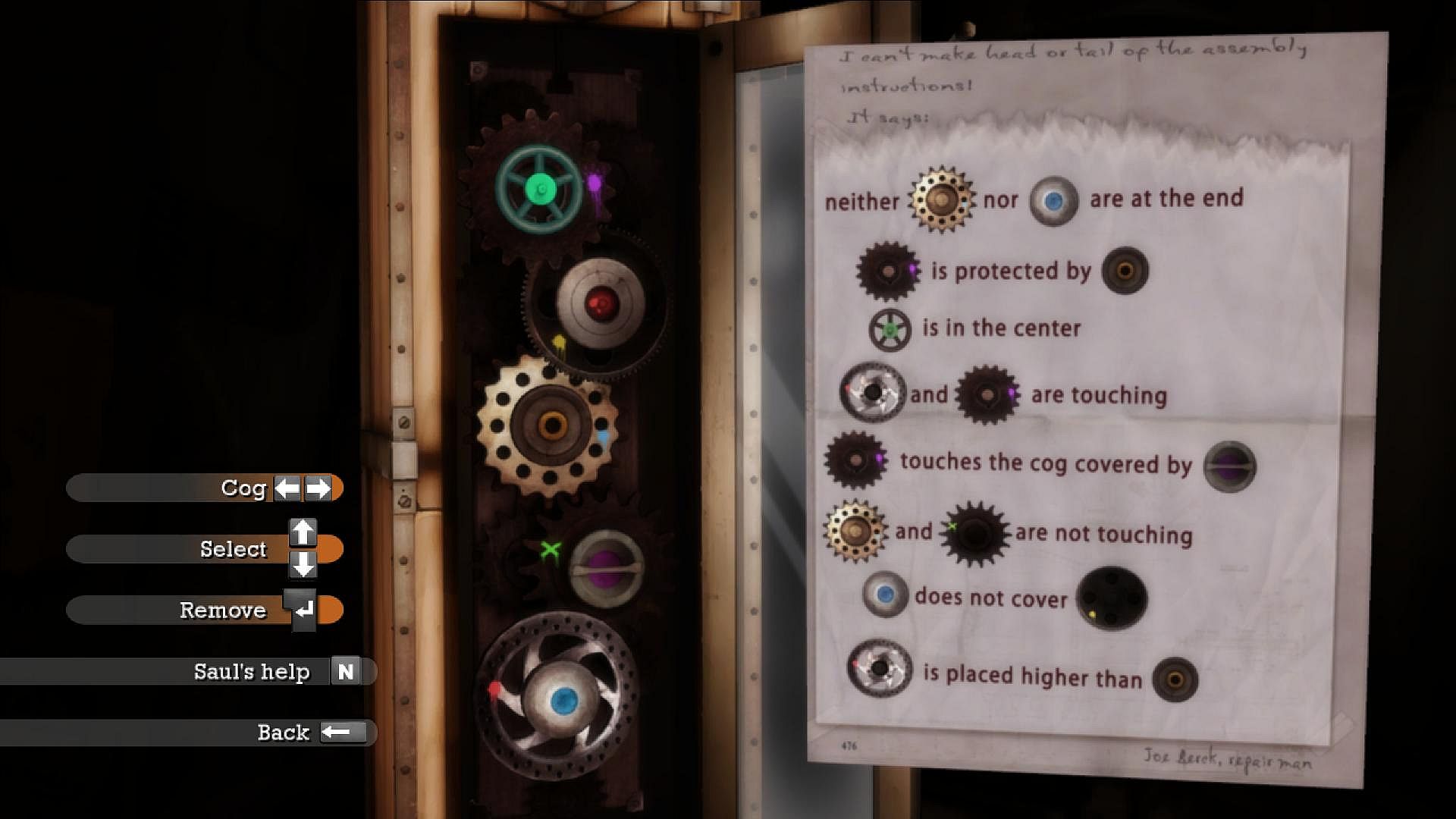
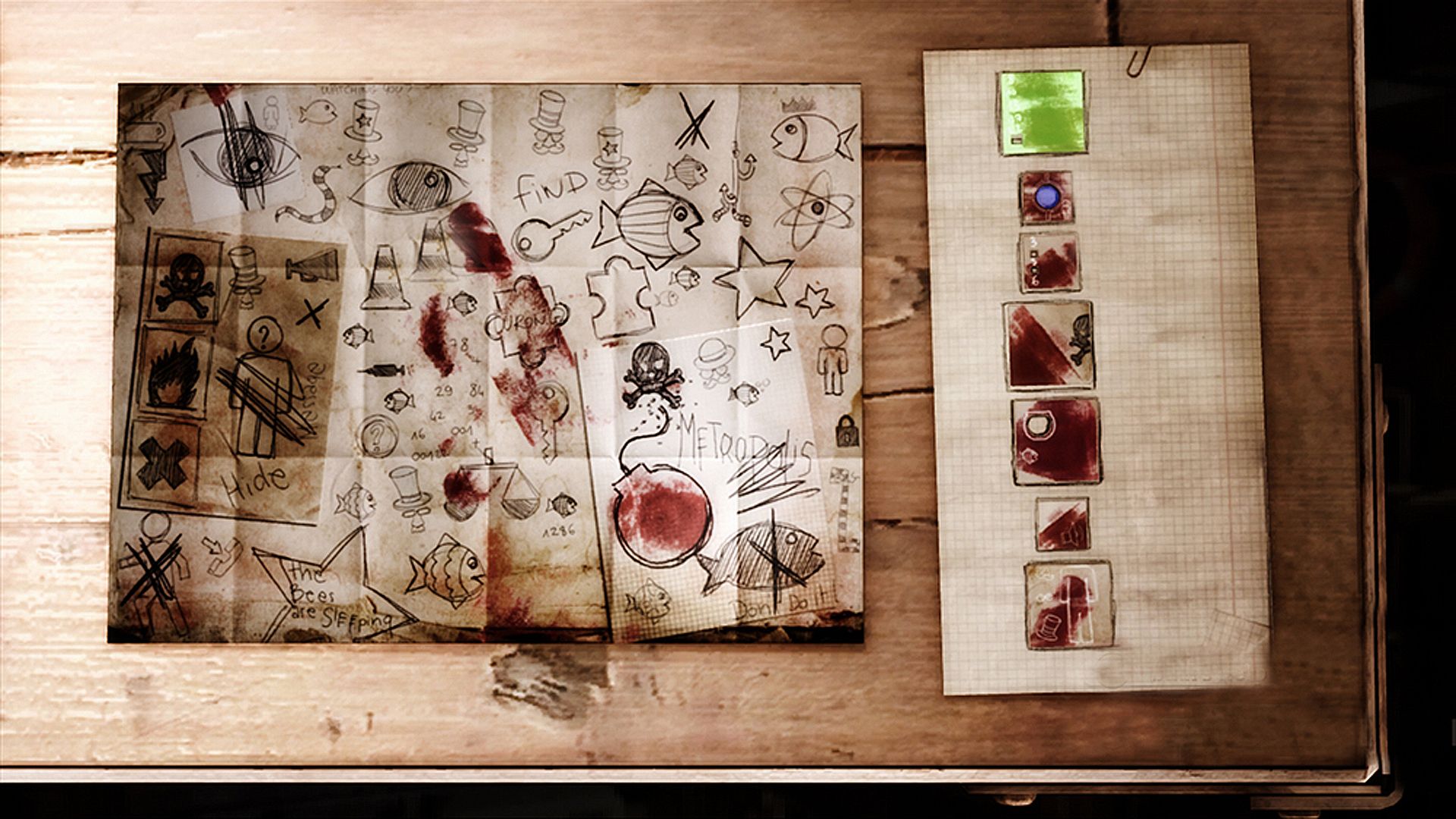
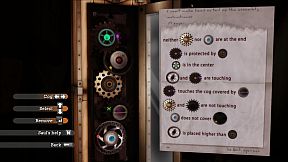
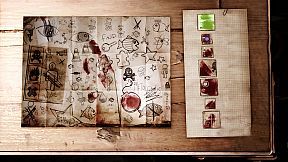
Puzzles form the backbone of progression and vary widely in type. Common challenges include rearranging circuits or blocks, decoding messages through patterns or symbols, assembling mechanical devices, and solving logic-based sequences that require careful observation of the surroundings. Many puzzles integrate directly into the story, such as unlocking containers or restoring power to access new areas, and each typically stands alone once started.
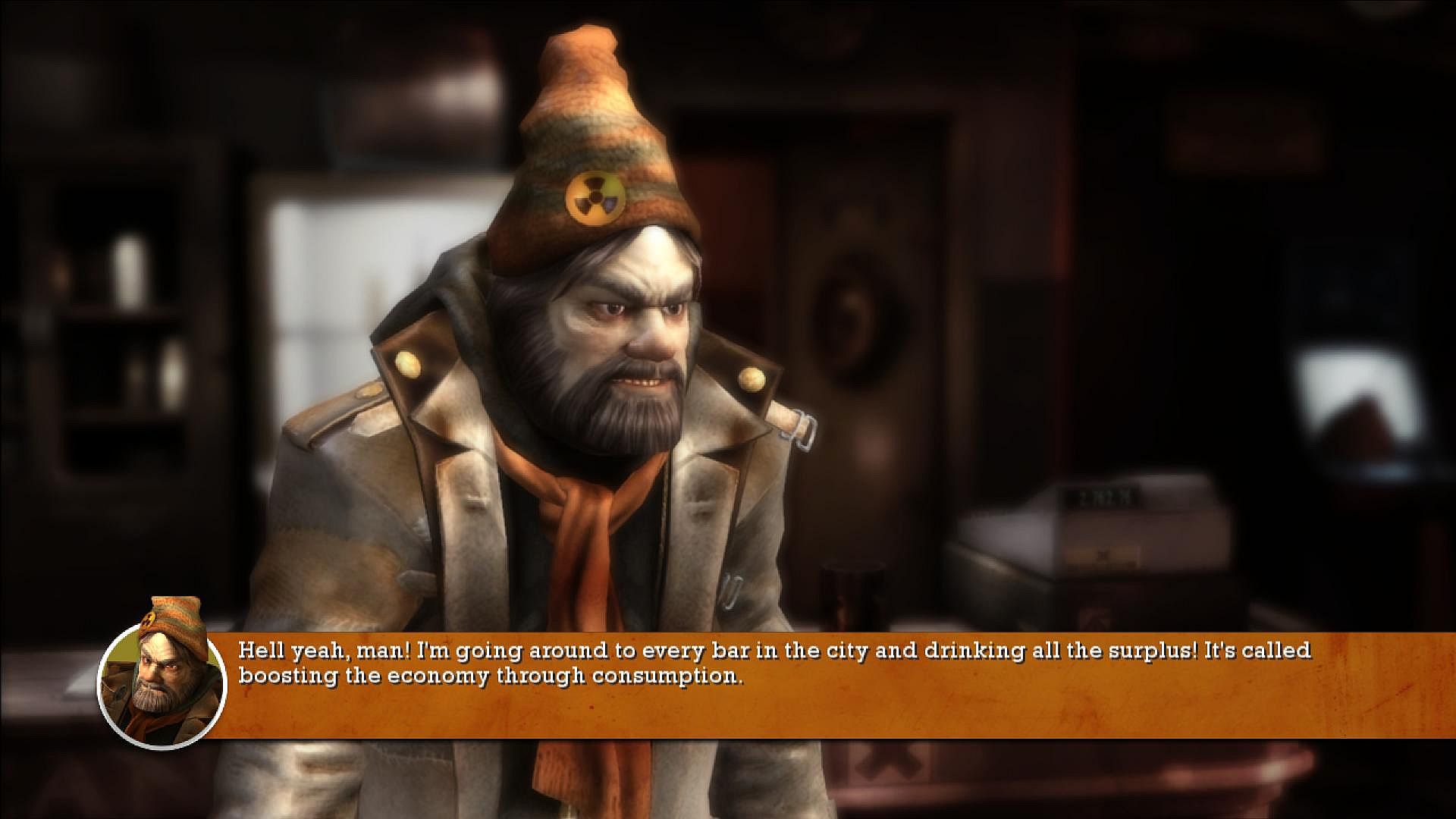
Interrogation sequences require players to listen to statements from witnesses and select responses that separate facts from fabrications. These exchanges often present true-or-false style questions based on collected evidence, testing memory and logical consistency. Mistakes here can limit available information or force restarts of the conversation.
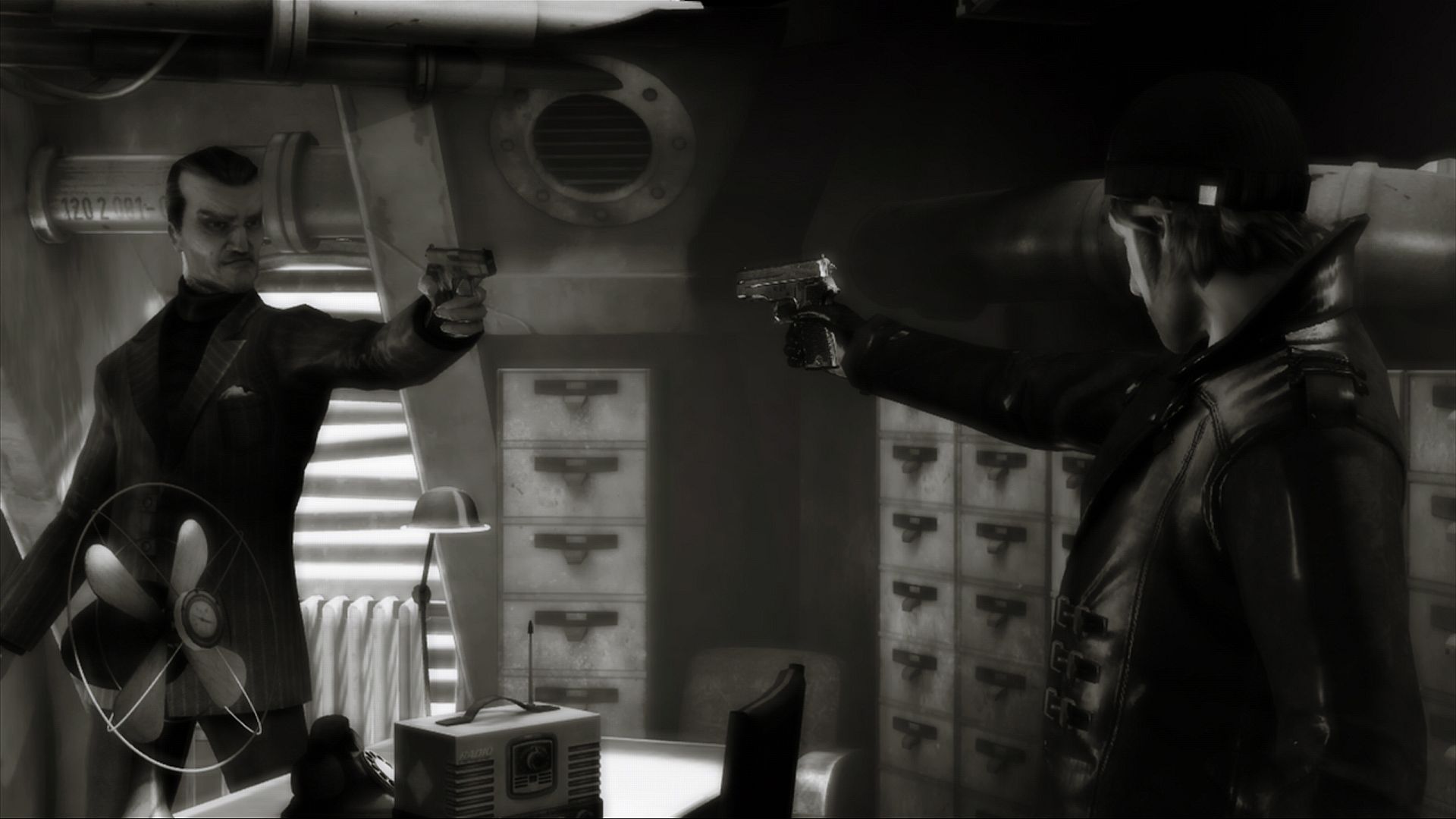
Action elements appear through quick-time sequences during confrontations or tense escapes. These require timed button presses or stick movements, rendered in a stylized black-and-white format that emphasizes the brutal nature of the world. Success advances the narrative, while failure leads to failure states that players must retry.
A hint system allows purchase of progressively detailed clues from a recurring contact using in-game currency earned from puzzle completions. This mechanic provides optional assistance without removing the satisfaction of independent solutions, though relying on it affects overall performance tracking in some playthroughs.
Game Modes
The experience consists entirely of a linear single-player campaign split across two sequential stories. No separate multiplayer options, competitive modes, or branching gameplay variants exist. Progression follows a fixed path of exploration, puzzle resolution, and narrative advancement in each installment, with the second story building directly on events from the first.
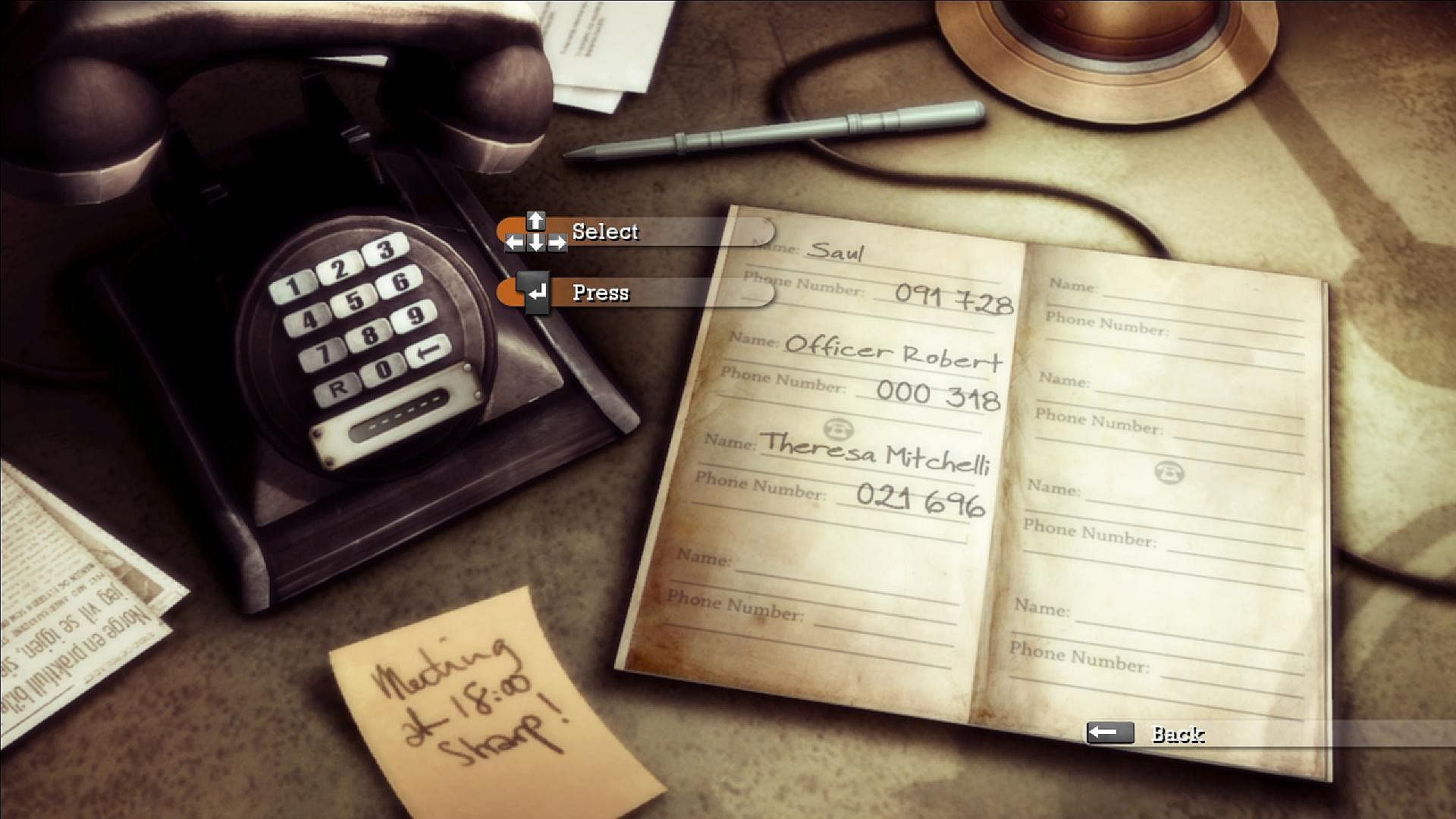
Players move between locations in Metropolis, returning to key hubs such as a personal hideout for evidence analysis and clue organization. Notebook or analysis interfaces help track gathered information and connect disparate leads, maintaining focus on detective work rather than free-form exploration or side activities.
Story and Setting
The first story places Red Johnson in the middle of a murder investigation lacking a body, forcing him to navigate police expectations and street-level threats while piecing together evidence in a city governed by its own harsh rules. The sequel shifts to a more personal stakes scenario involving family danger and organized crime retaliation, expanding the scope with additional layers of deception and urgency.
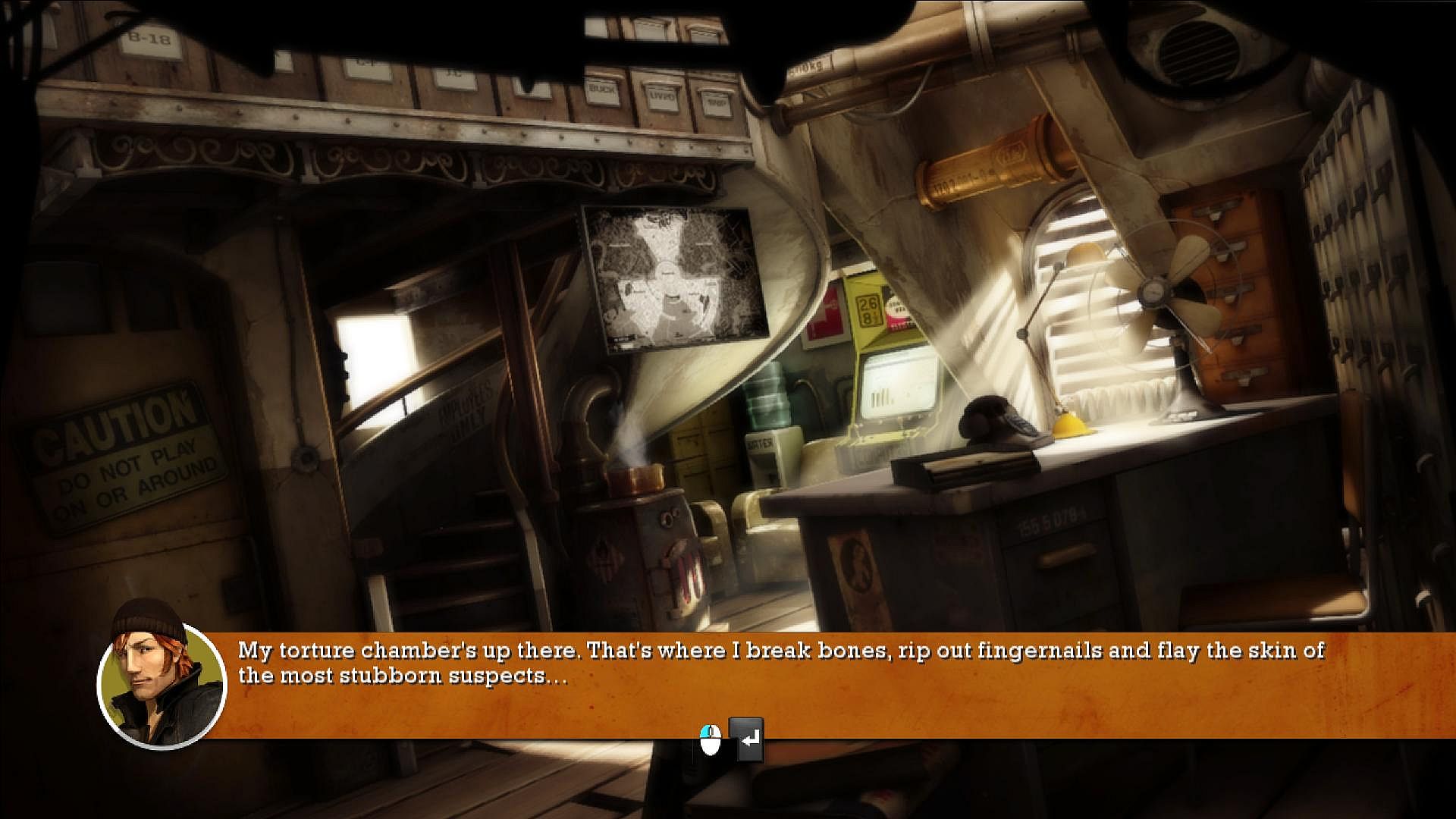
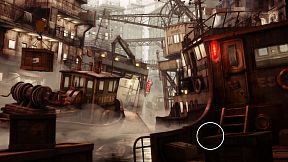
Metropolis itself serves as a constant backdrop of rain-slicked streets, crowded districts, and shadowy figures. The visual style blends detailed 2D artwork for environments with occasional motion-captured sequences, creating a distinctive atmosphere that mixes classic detective tropes with stylized presentation.
Is It Worth Playing?
This bundle suits players who enjoy methodical puzzle-solving and old-school adventure structures where observation and logic drive progress. The combination of varied enigmas, interrogation mechanics, and occasional action sequences provides a focused detective fantasy that rewards patience and attention to detail.
Reception highlights the strength of the puzzle design and atmospheric presentation alongside criticisms of occasional pixel-hunting demands and uneven pacing in dialogue sections. Those tolerant of deliberate, sometimes frustrating challenge will find satisfaction in unraveling the cases, while players seeking faster action or modern conveniences may find the mechanics dated.
The two stories together deliver a complete narrative arc without requiring additional content. Availability on PC makes it accessible for those interested in revisiting or discovering this style of investigation-driven gameplay from the early 2010s.