











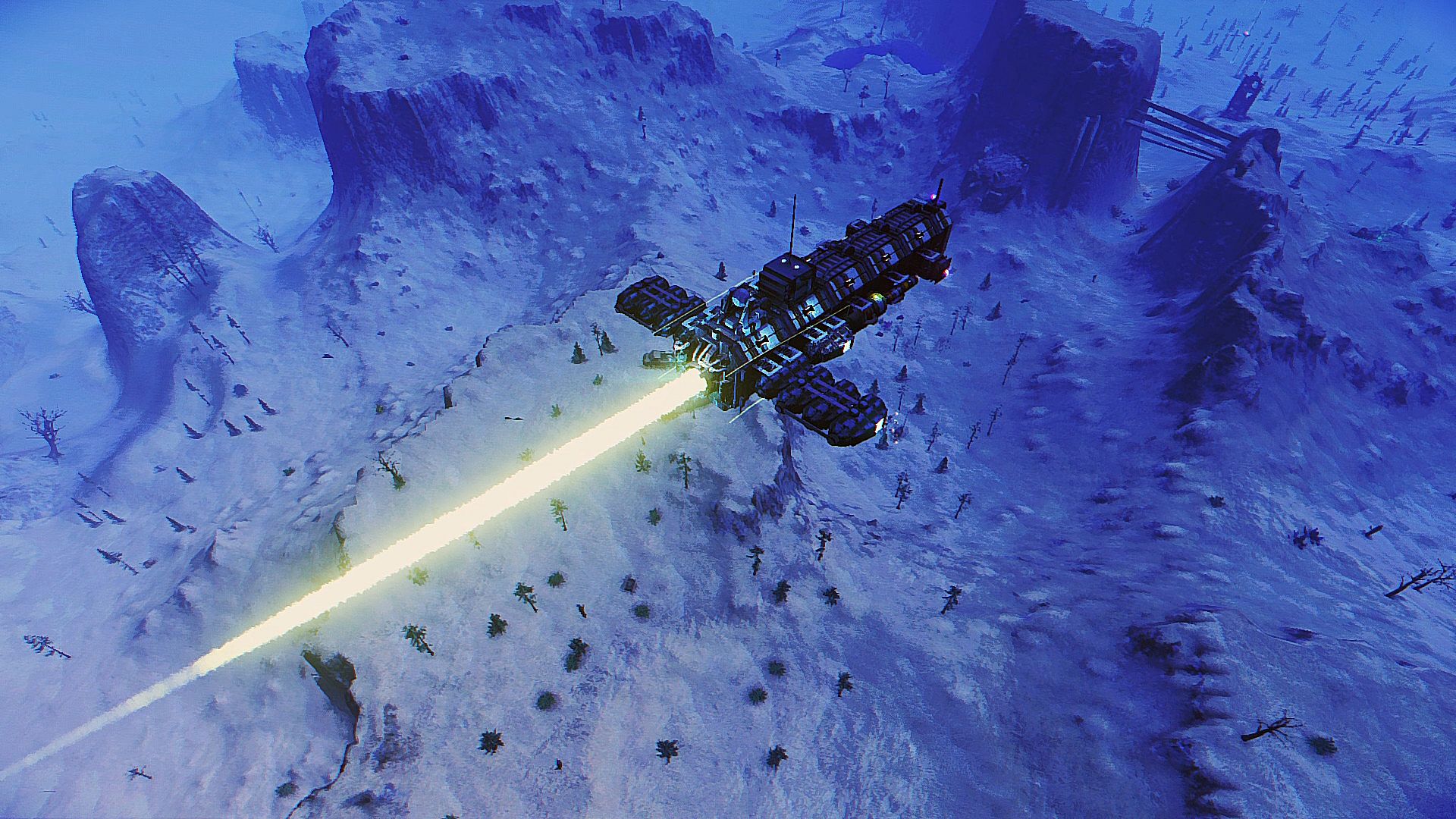
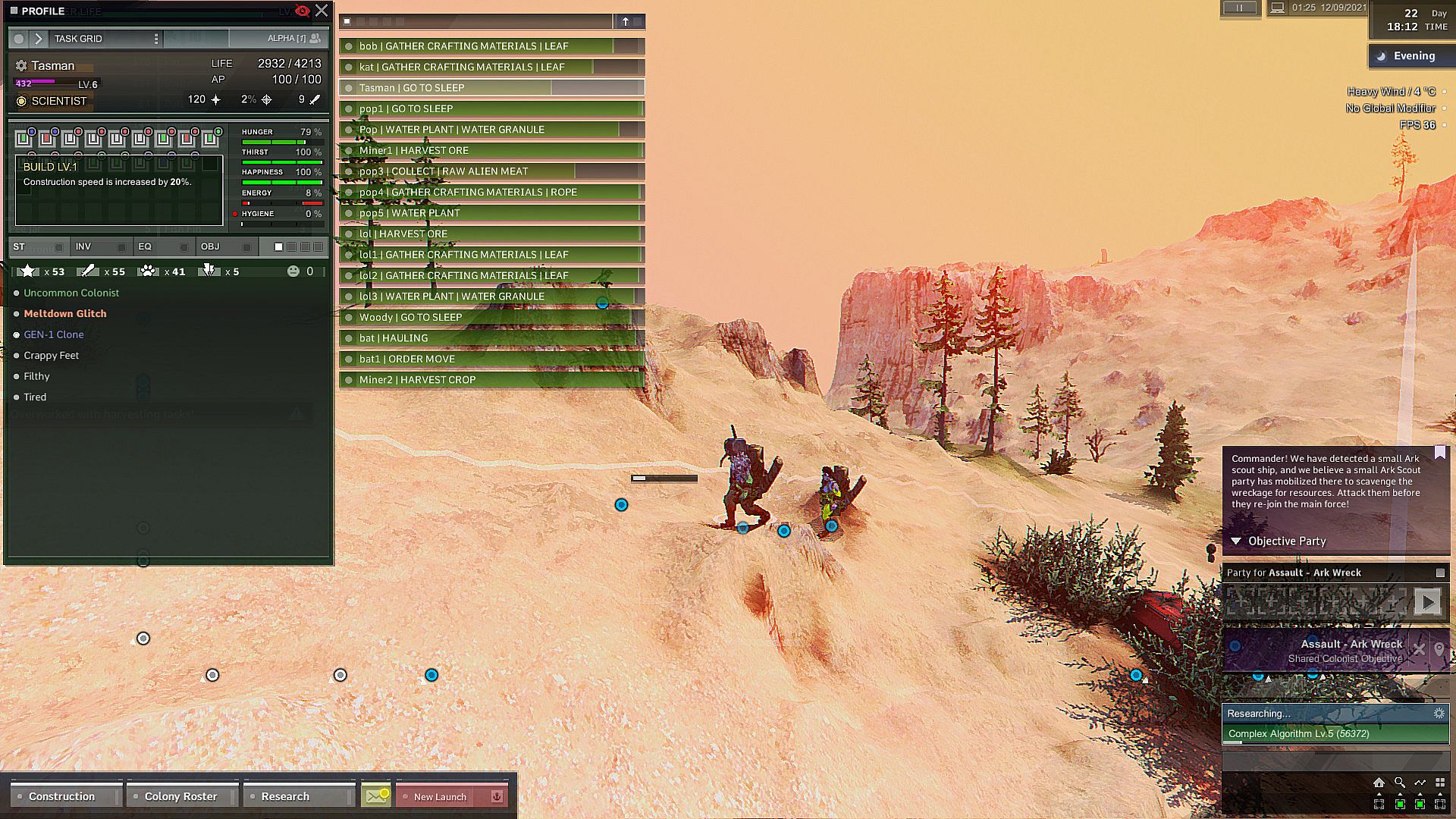
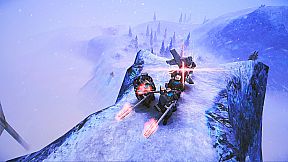
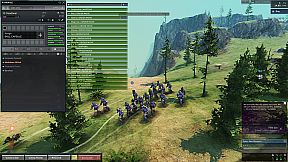
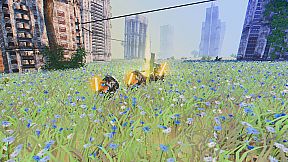
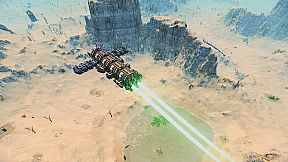
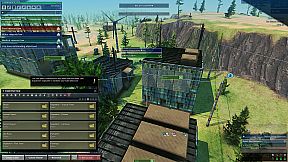
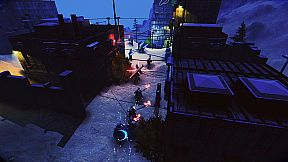
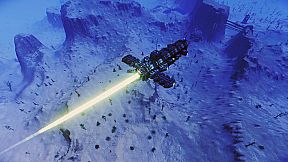
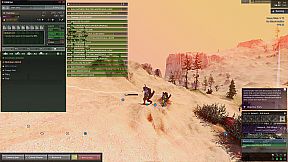
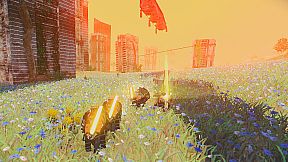

Ragnorium places players in charge of a fledgling colony on hostile alien worlds. The game blends action, strategy, and simulation elements as players manufacture clone colonists of varying rarity, equip them with cargo and supplies, and guide the settlement from primitive beginnings toward advanced technological stages. A central threat comes from an impending Holy Crusade orchestrated by a Sentient Machine, forcing constant adaptation and defense planning across procedurally influenced maps.
Gameplay
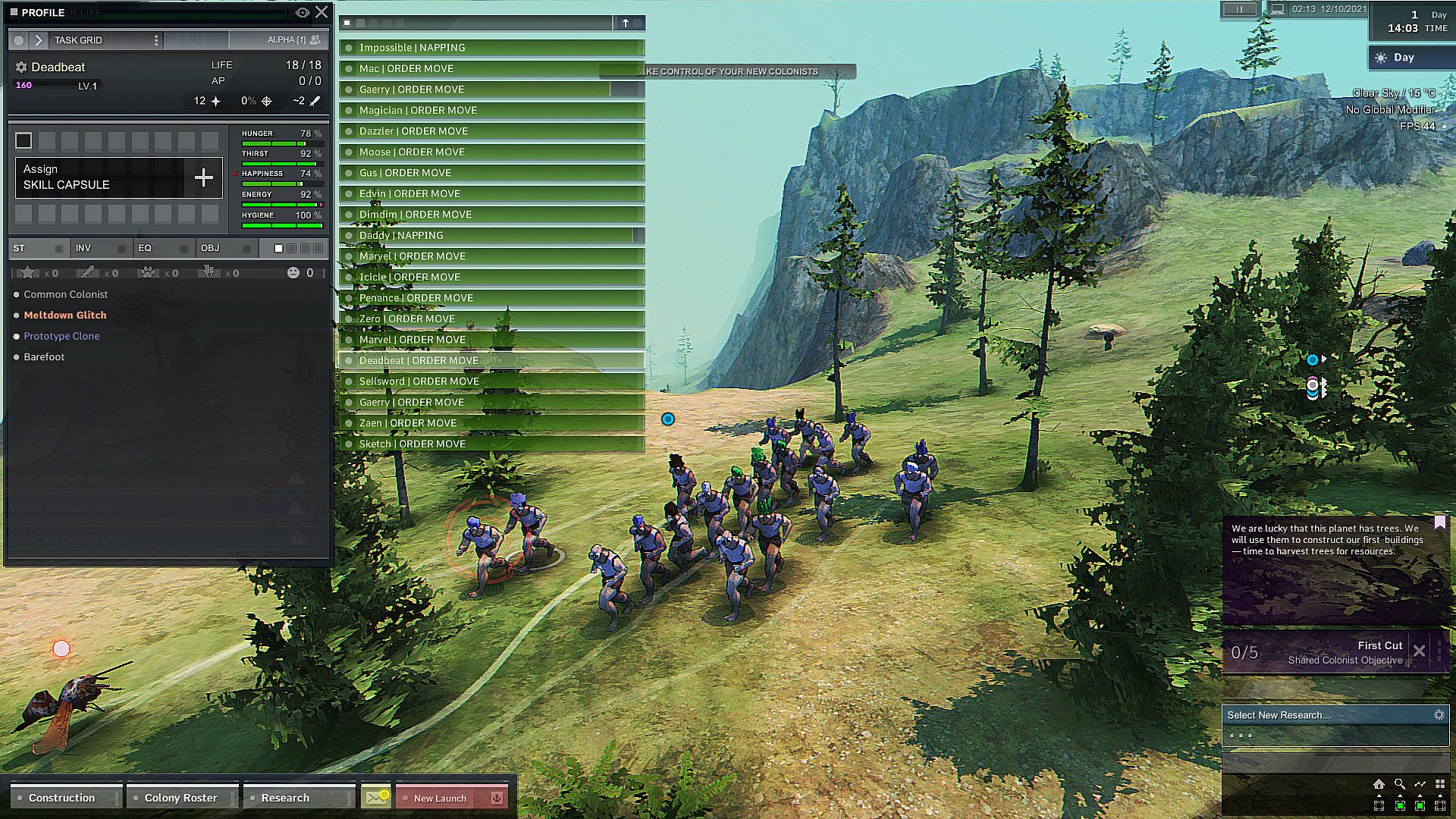
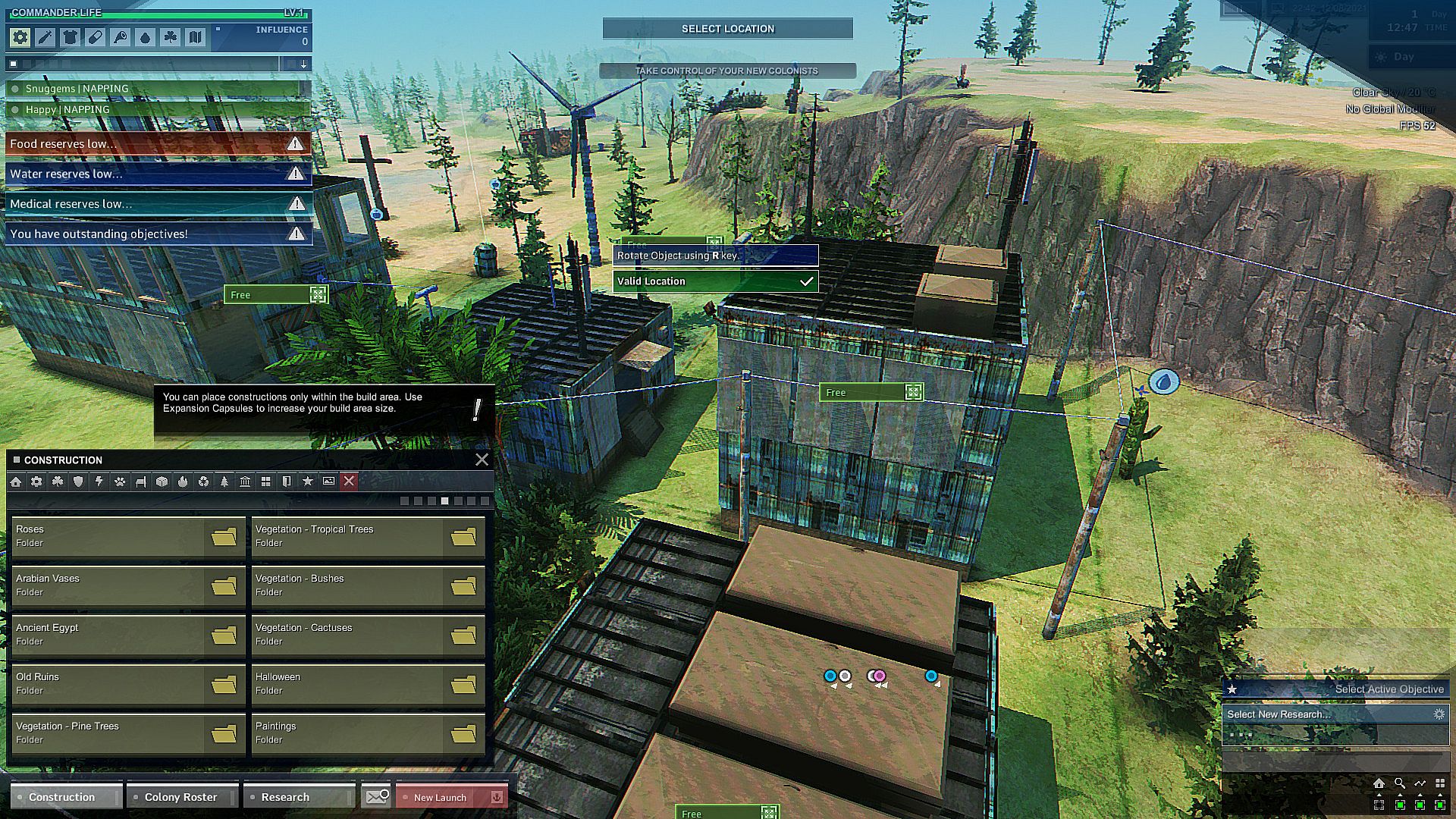
Core play revolves around resource management and incremental colony expansion. Players begin in the Stone Age equivalent, constructing basic shelters, securing food through hunting, and fending off environmental threats. Technological progress unlocks mechanical improvements earned via dispatch missions and milestone achievements. Each advancement opens new construction options and defensive capabilities.
Colonists function as individual units with RPG-style progression. Experience gained from tasks, scavenged equipment, and crafted items allows skill customization. Different rarity levels influence starting attributes, encouraging careful selection when launching new arrivals from orbit. Maps introduce distinct challenges through unique enemy types, soundscapes, and environmental backstories that shape survival priorities.
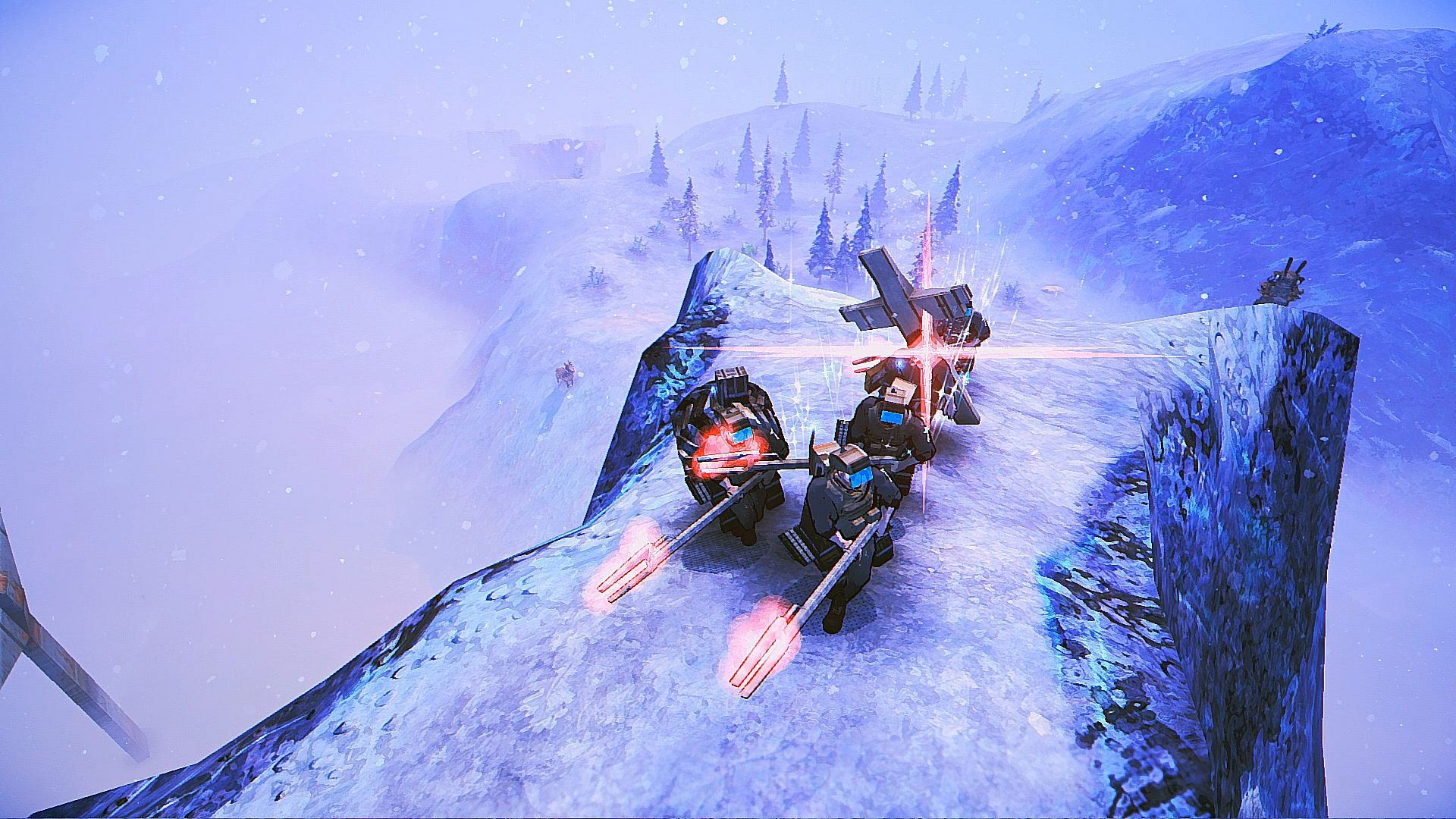
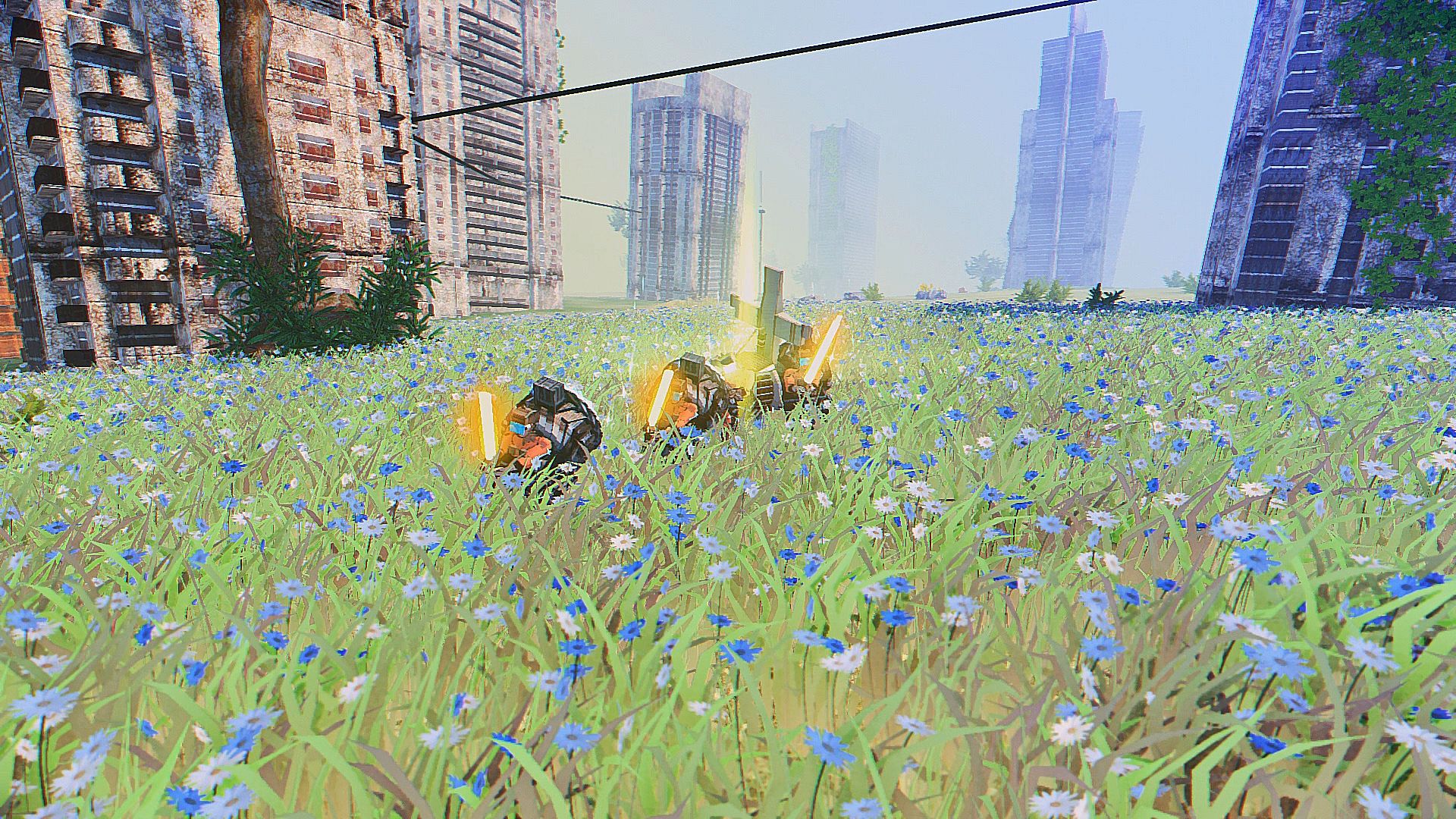
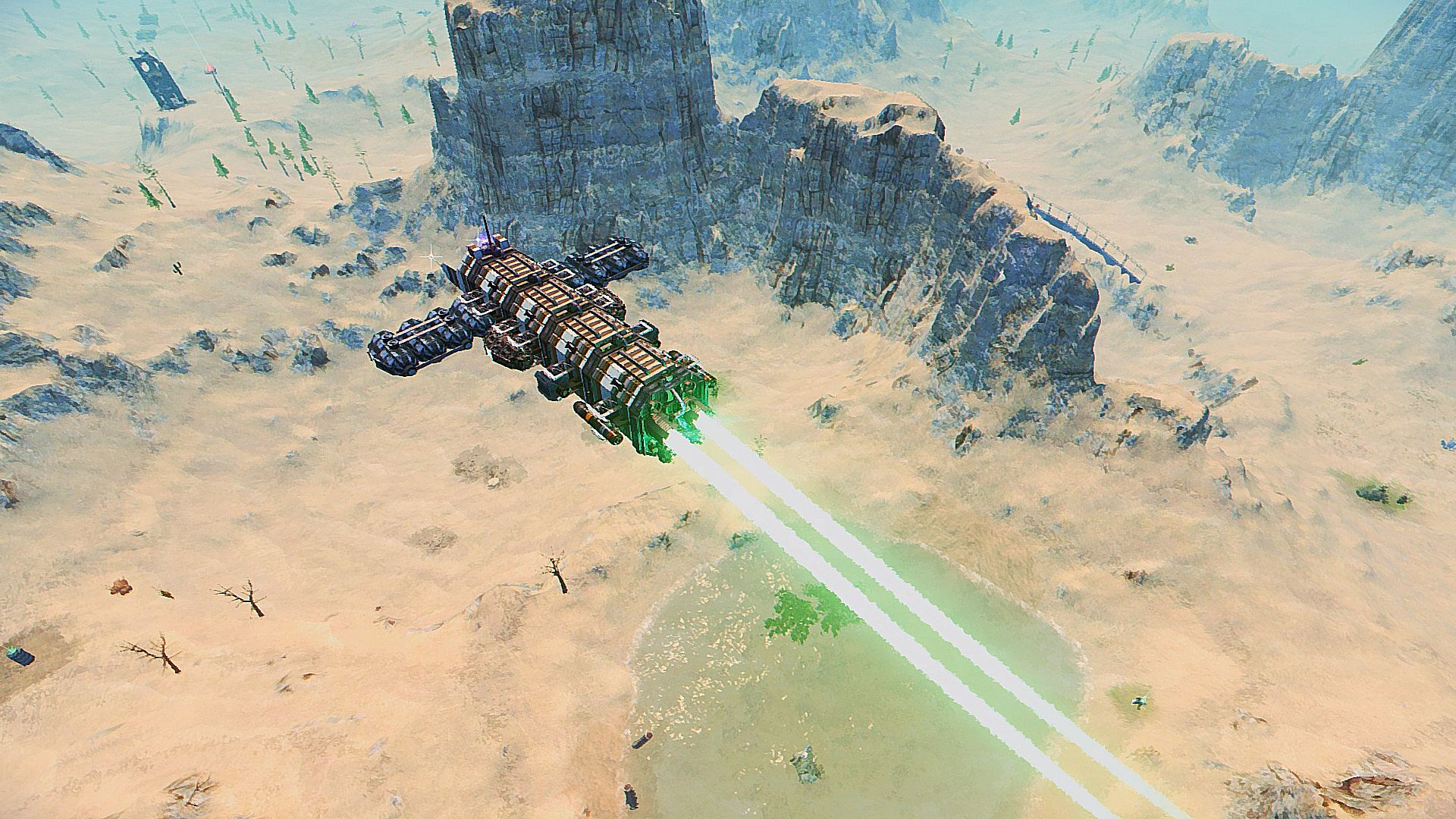
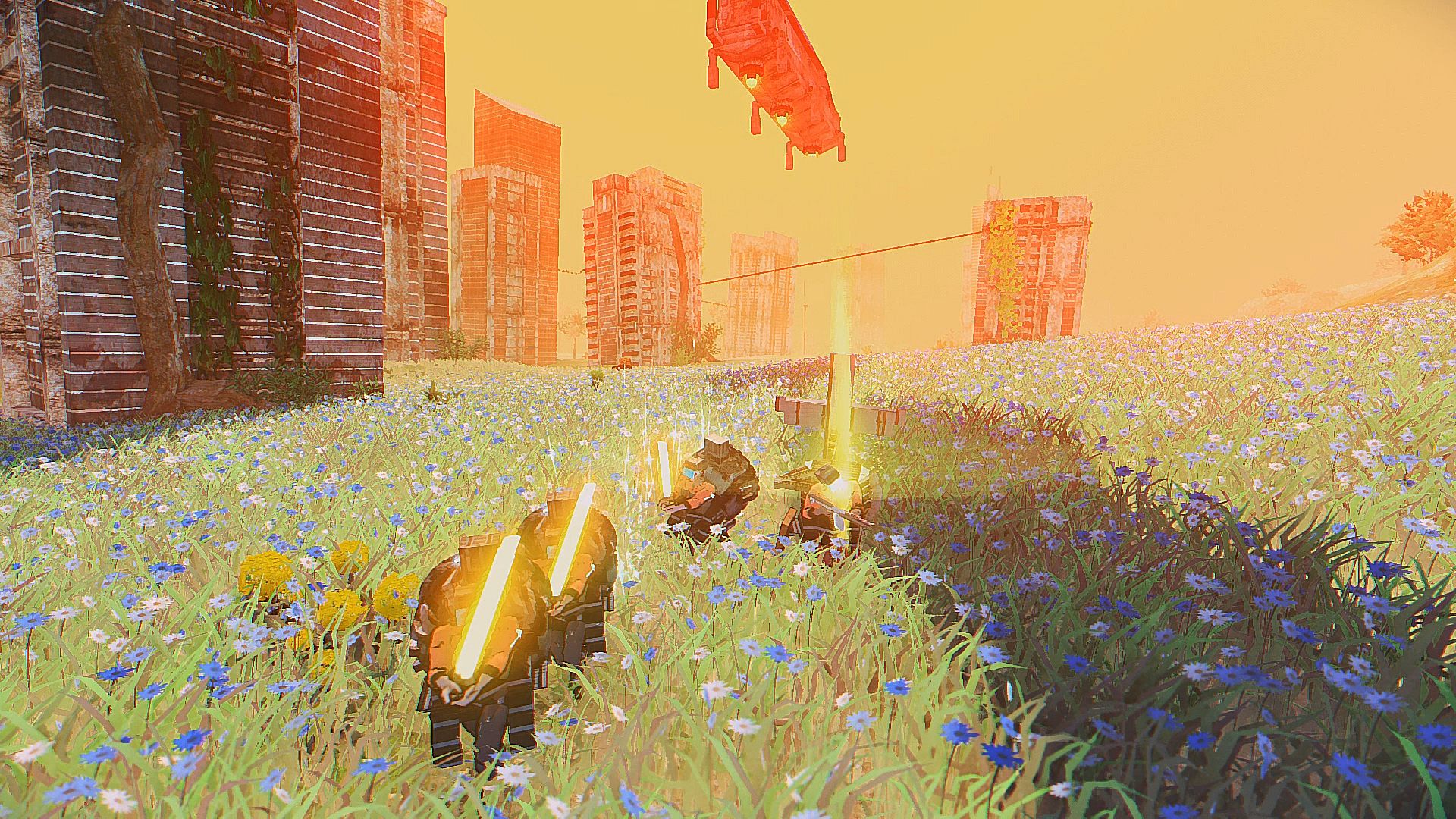
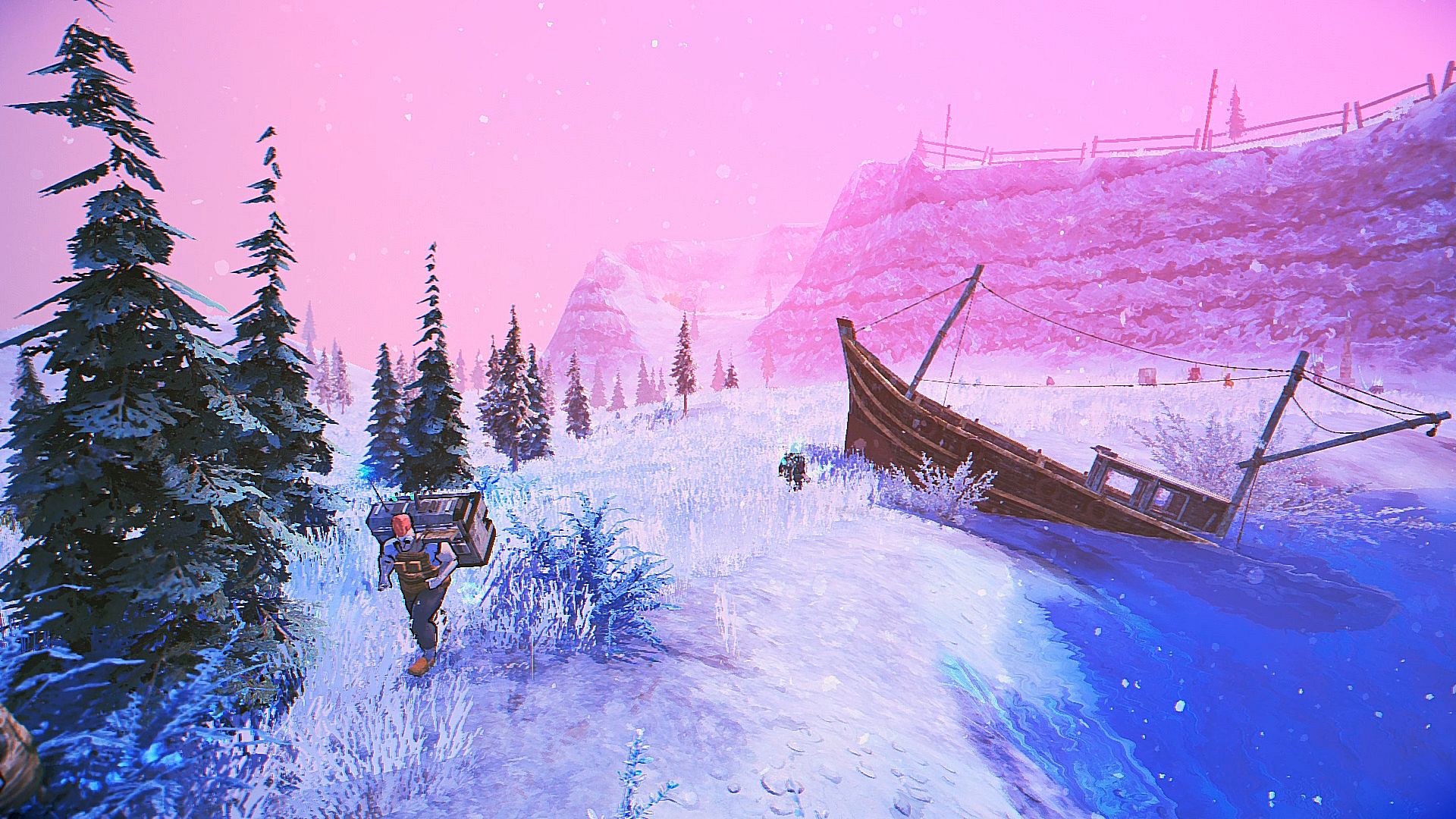
The six primary locations each carry thematic inspiration that affects gameplay pacing. ESMA-1 draws from rugged canyon terrain and tense encounters. ERAN-2 features arid, spore-laden landscapes. SAHRON-3 emphasizes desert navigation and cultural motifs. ALDON-4 delivers cold, serene winters. JUNIPER-5 explores overgrown grasslands with mechanical remnants. TANAS-6 offers lush meadows reminiscent of alpine regions. These differences influence enemy behavior, resource distribution, and long-term strategy without altering the fundamental loop of building and defending.
Game Modes
Ragnorium offers difficulty variants that alter event frequency and overall tension. Zenlike mode removes dynamic random occurrences, allowing steady focus on construction and progression. Extreme mode introduces unpredictable events that demand rapid responses and contingency planning. Hardcore settings further intensify resource scarcity and combat demands.
These options support different player preferences within the single-player framework. No multiplayer components appear in the design, keeping attention on personal colony oversight and colonist management across the listed planetary maps.
Colony Development and Progression
Advancement follows a clear path from basic survival to sophisticated infrastructure. Dispatch missions send equipped teams to gather materials or complete objectives, feeding back into colony milestones that reward new technologies. Crafting systems let players refine scavenged items into specialized tools or upgrades that enhance individual colonist performance.
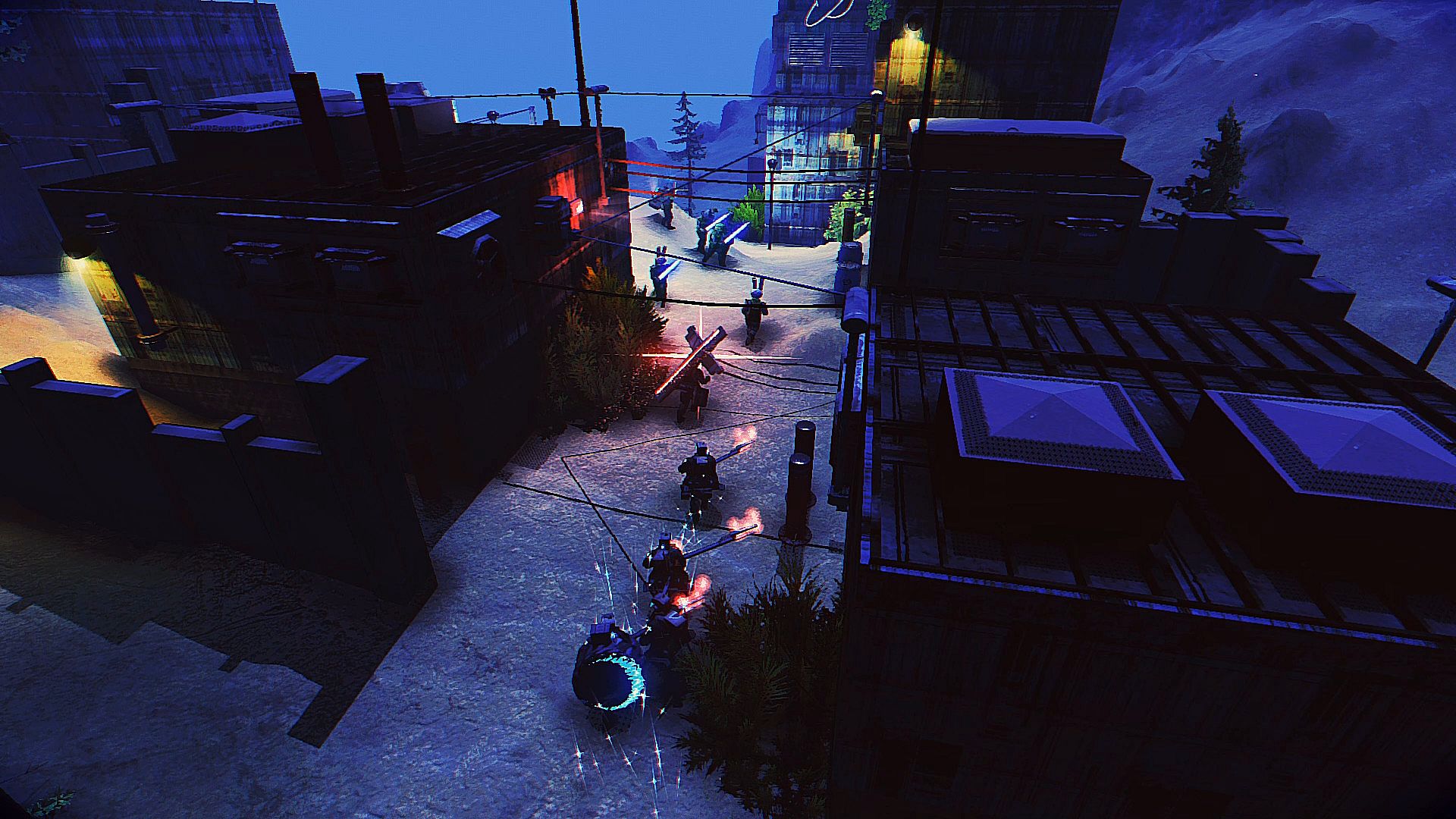
Each technological era brings mechanical marvels that reshape daily operations. Players balance immediate needs like food and shelter against long-term goals of faction prosperity. The looming crusade adds pressure to fortify positions and prepare defenses before major confrontations arise.
Is It Worth Playing?
Ragnorium appeals to fans of deliberate colony-building simulations that incorporate light RPG customization. Its strength lies in the combination of map variety and colonist progression systems, which reward thoughtful planning over extended sessions. The game reached full release status after Early Access development and continues to receive targeted updates focused on core systems such as pathfinding and generation tools.
Players who enjoy managing individual units alongside broader settlement goals will find consistent depth. Those seeking fast-paced action or competitive multiplayer should look elsewhere. The verified difficulty options provide accessible entry points for newcomers while offering stricter challenges for experienced builders. Overall reception highlights the atmospheric world design and progression feel, though some note interface refinements as areas for continued attention.