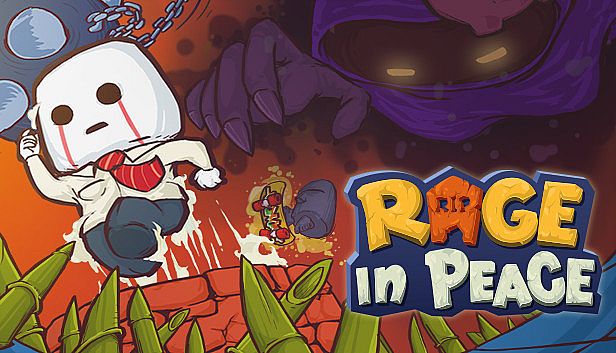











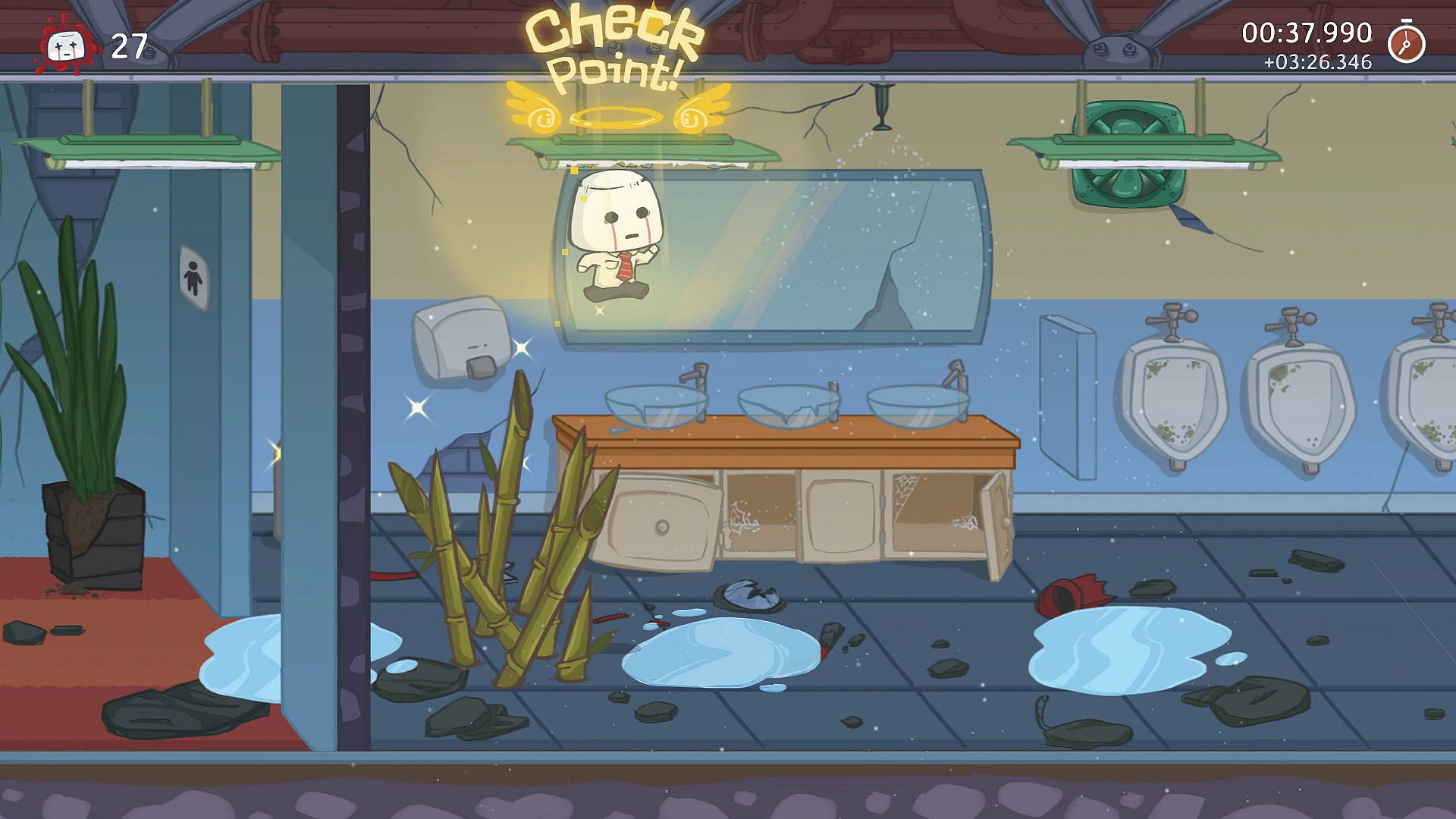
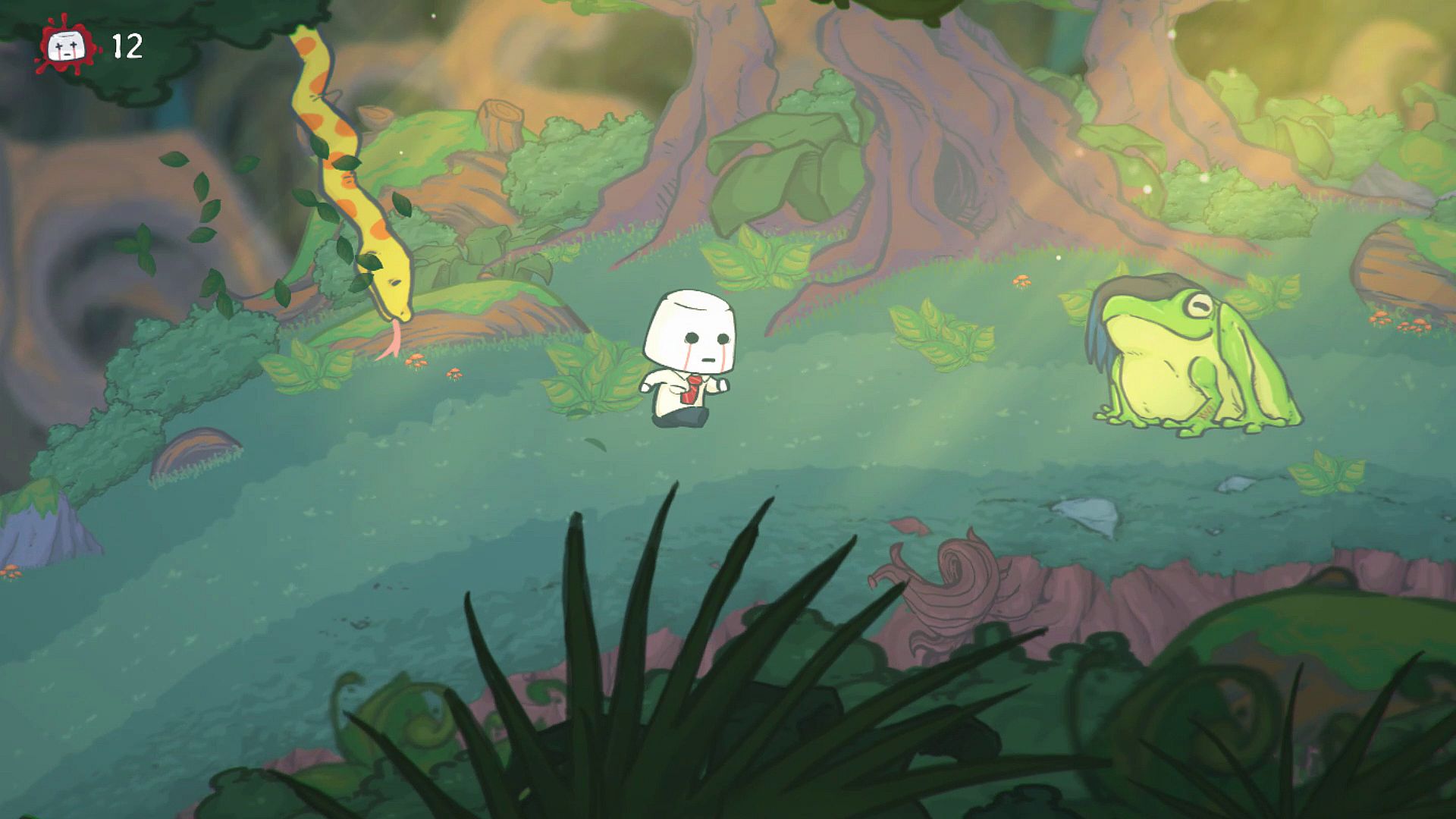
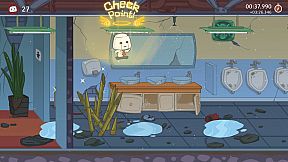
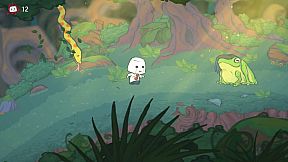

Rage in Peace stands as a side-scrolling action adventure game developed for PC that blends precise platforming with a distinctive narrative focus. Players guide Timmy Malinu, a 27-year-old actuary, through a single day filled with unexpected dangers as he attempts to reach home and fulfill his unusual goal of a quiet death in his pajamas.
Gameplay
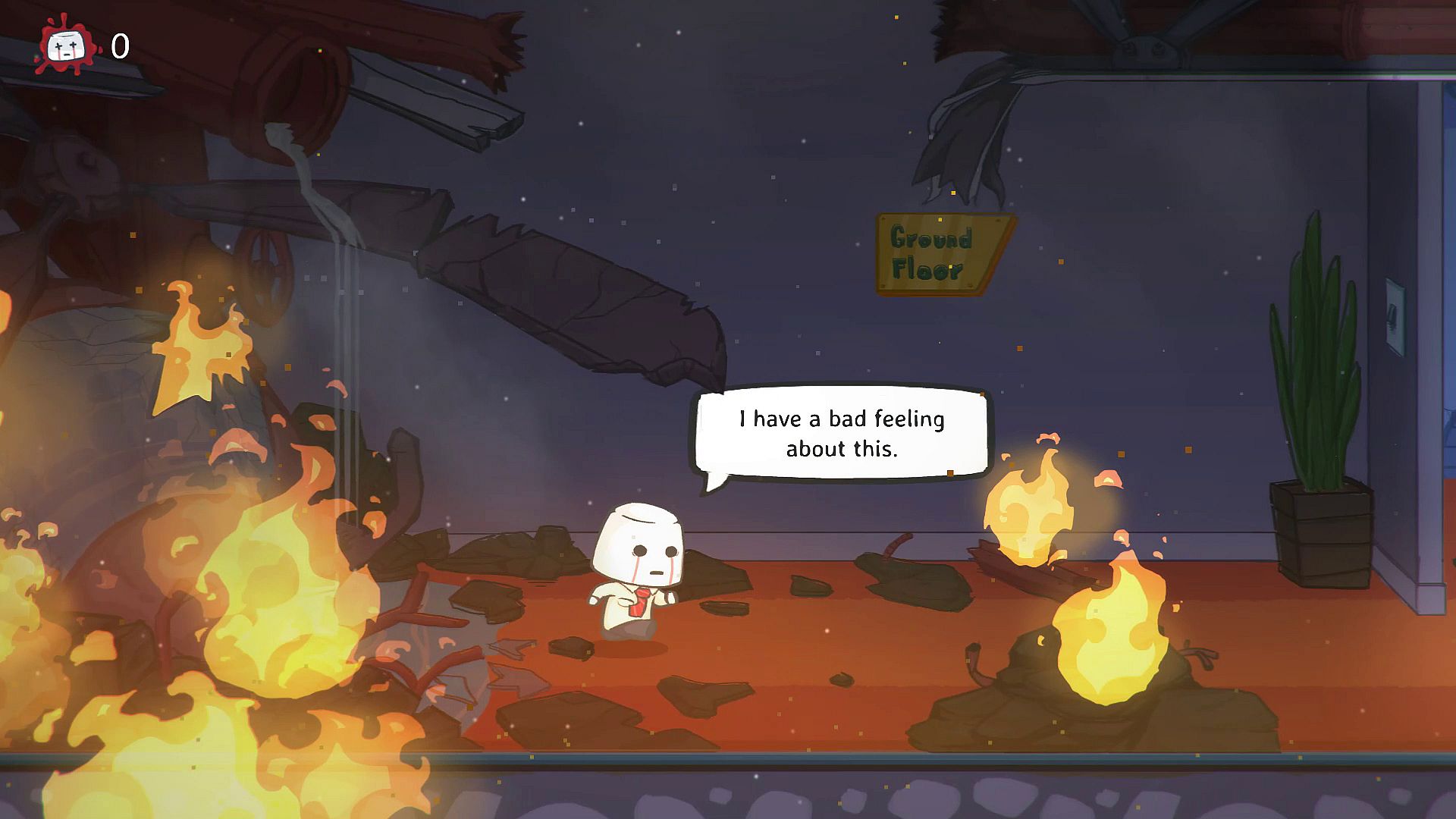
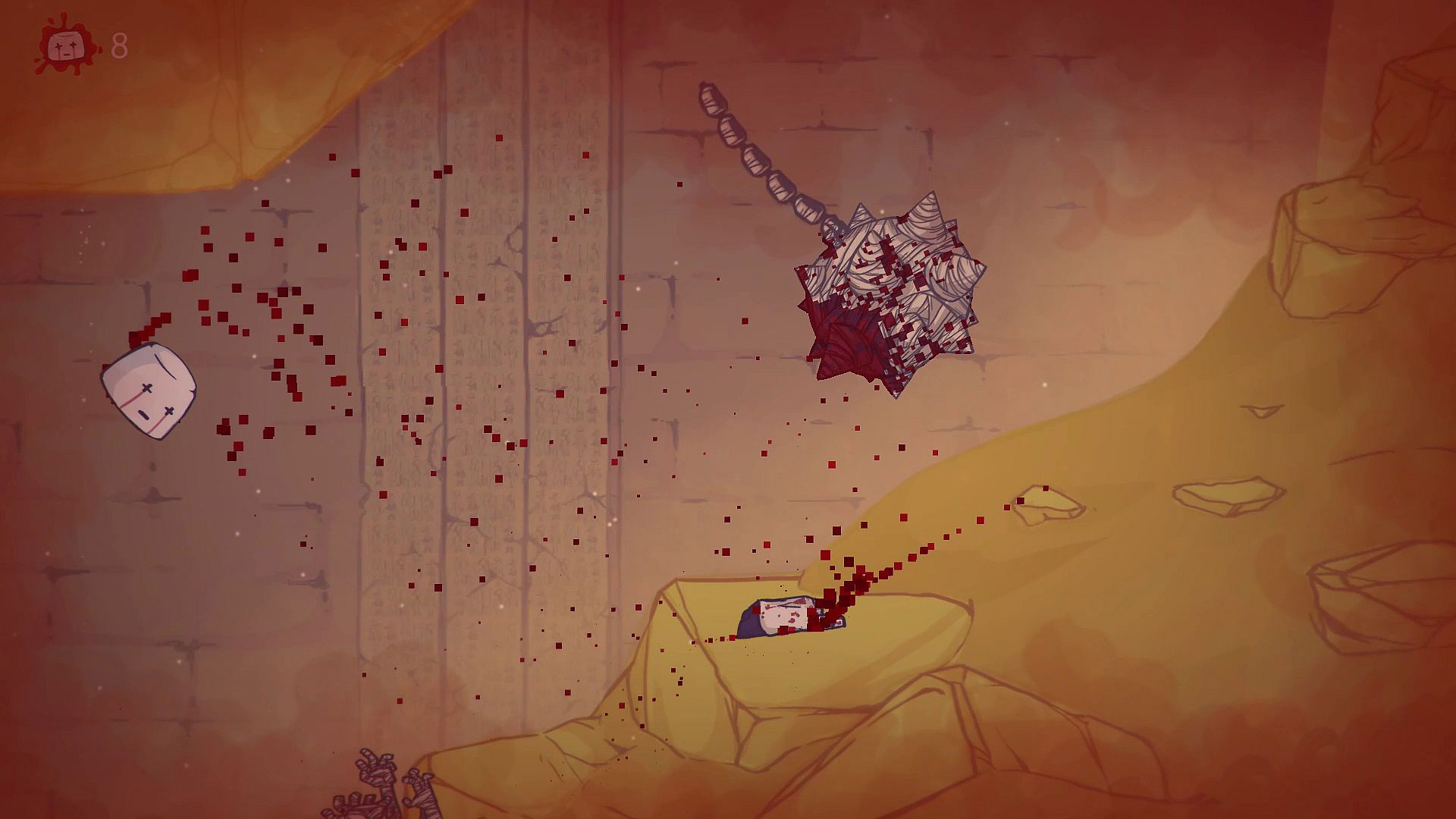
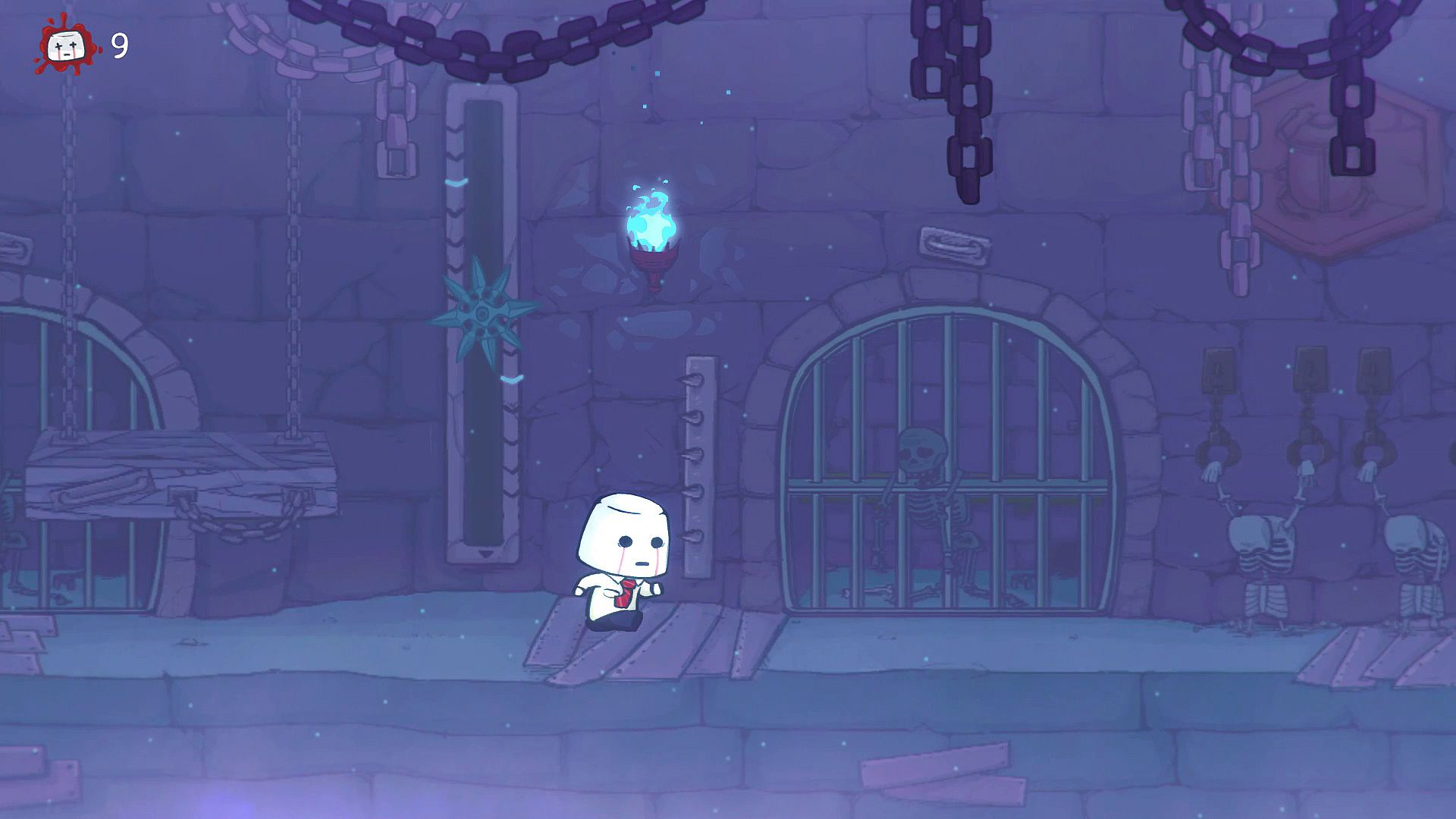
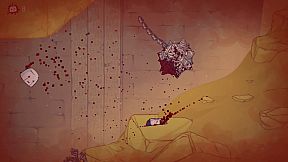
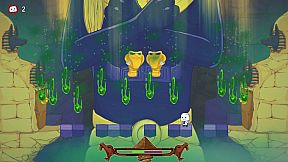
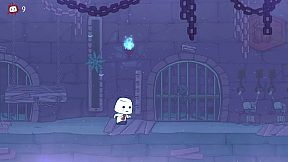
The core loop centers on running and jumping across hand-drawn levels while dodging traps and obstacles that appear without warning. Timmy moves through environments where timing and exact positioning matter more than speed or reflexes alone. Players must repeat sections multiple times to identify patterns, as many hazards remain hidden until triggered on a first pass. The design emphasizes learning from repeated failures rather than offering generous checkpoints or forgiving mechanics. Movement feels deliberate, with jumps that punish overly aggressive upward paths and force careful route planning through each screen. Sound design and visual cues help signal upcoming threats once patterns become familiar, turning early frustration into a rhythm of anticipation and adjustment.
Game Modes
The primary experience unfolds as a linear campaign divided into acts that progress through increasingly complex sequences of platforming challenges. A dedicated speedrunner mode exists separately, allowing players to focus on optimizing routes and minimizing deaths for personal best times or community challenges. Achievements tied to specific performance goals further support replay attempts in both the main campaign and speed-focused play. No cooperative or competitive multiplayer options appear in the game structure.
Story and Themes
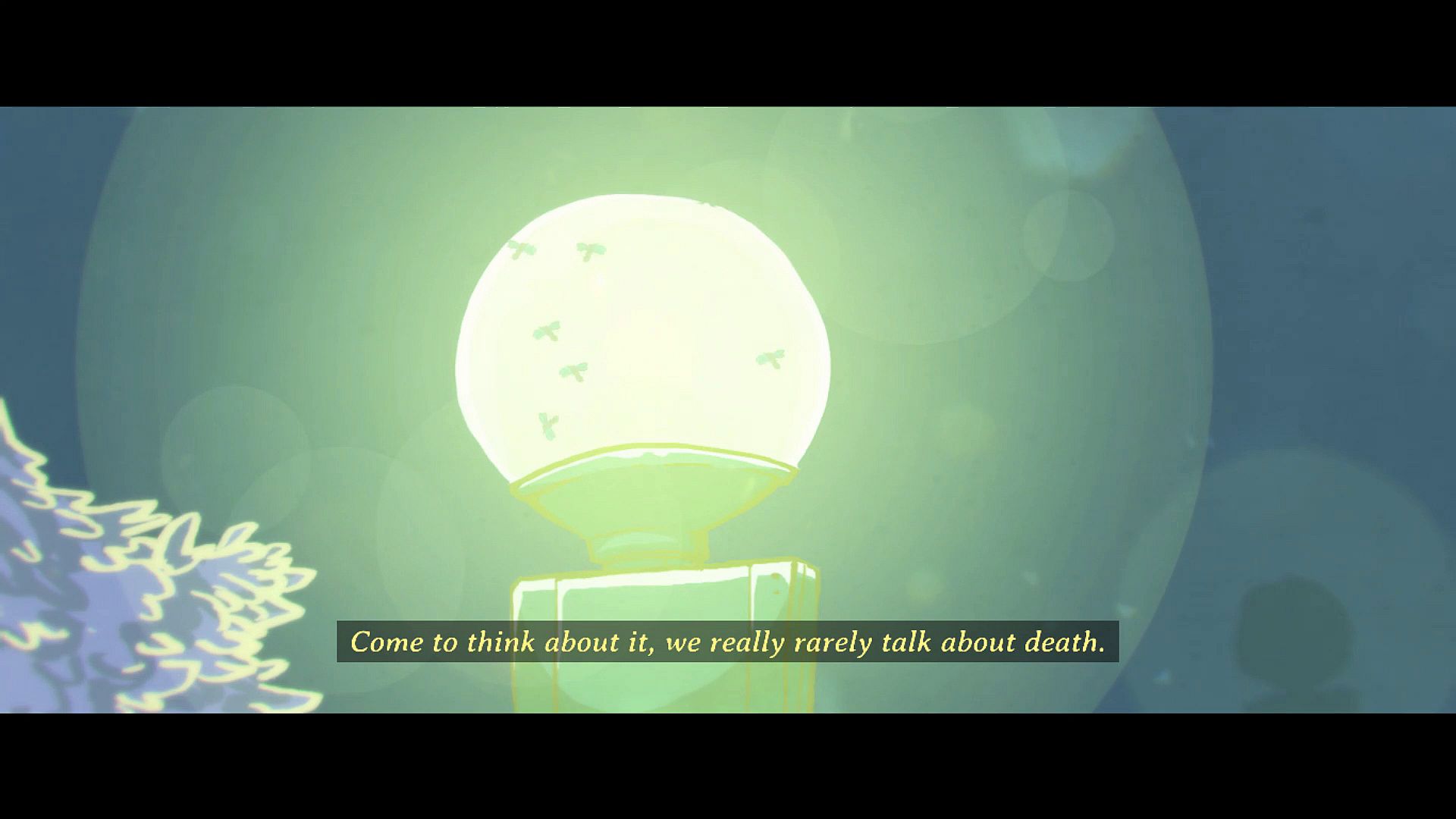
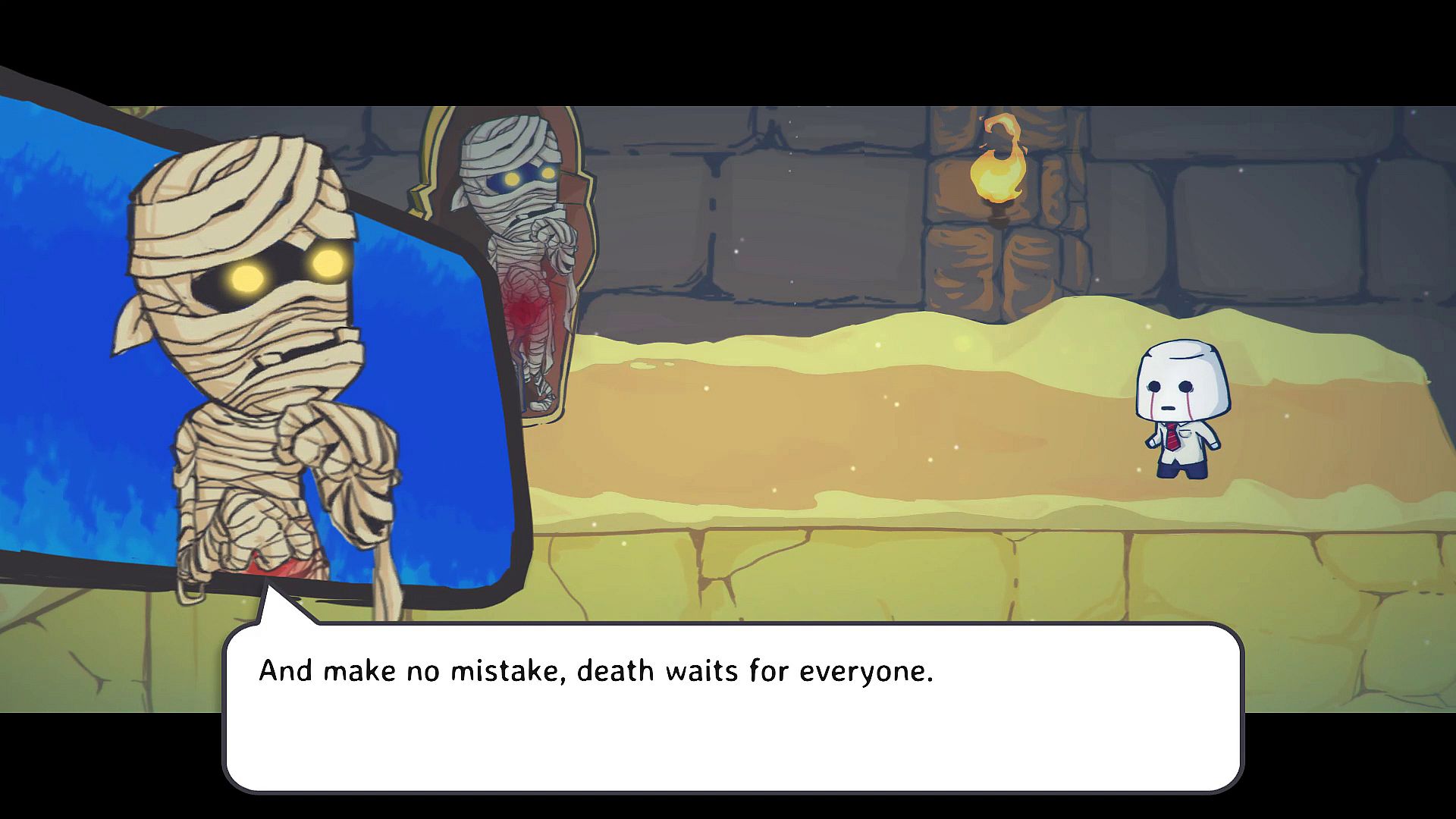
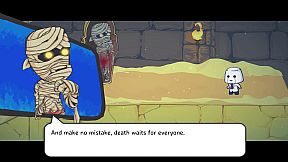
The narrative follows Timmy after a Grim Reaper delivers news of his impending death by beheading later that day. Rather than panic, Timmy pursues his singular wish for a peaceful end at home. Dialogue and environmental details gradually reveal his emotionally detached personality and broader reflections on mortality. The story unfolds alongside the platforming without interrupting flow, using brief interactions and visual storytelling to explore acceptance and the value of ordinary moments. Progression through the levels mirrors Timmy's journey, with each act adding layers to his internal conflict.
World and Presentation
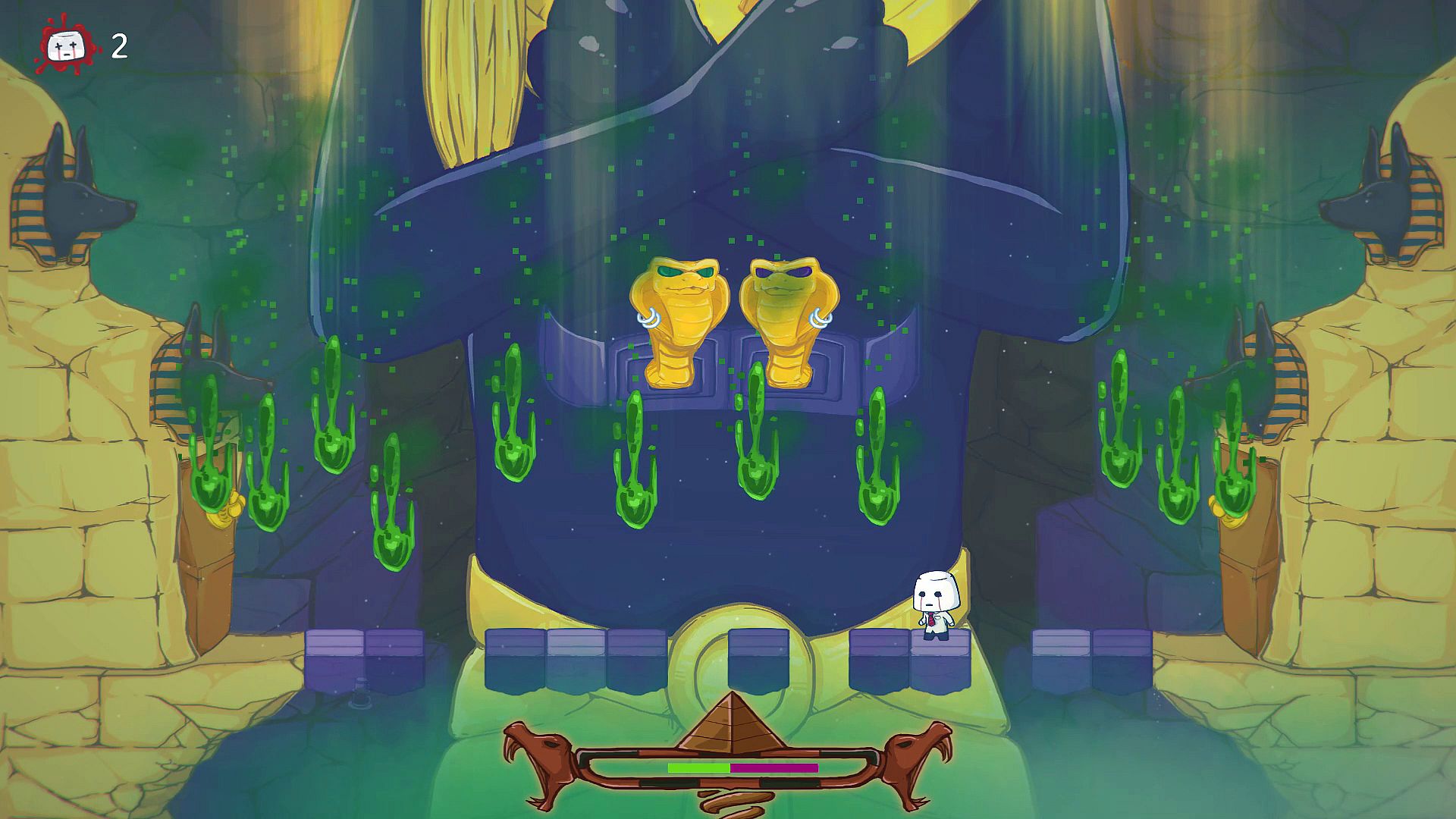
Levels feature a colorful cartoon art style that contrasts the grim premise with imaginative creatures and surreal obstacles. Backgrounds and foreground elements receive detailed hand-drawn treatment that rewards close observation during repeated runs. Music plays a central role, with dozens of original tracks created through collaborations with various indie bands across multiple genres. Tracks shift in tone to match the shifting moods of each area, providing an auditory layer that supports both tension and lighter moments. The overall presentation remains consistent across the roughly two dozen levels that make up the five acts.
Is It Worth Playing?
Players who appreciate demanding side-scrolling platformers built around memorization and incremental improvement will find a focused experience here. The game rewards persistence with a complete story that ties directly into the mechanical challenges, and the speedrunner mode extends value for those who enjoy optimization. Positive player feedback highlights the art direction and soundtrack as standout elements that elevate the trial-and-error structure. Those sensitive to high difficulty or repetitive deaths may find the pacing uneven, while fans of indie adventures with strong thematic cohesion often complete multiple runs. The title remains available as a complete single-player package with no ongoing seasonal content or additional modes beyond the core campaign and speed-focused option. Its compact scope suits sessions where steady progress through patterns feels satisfying rather than overwhelming.