

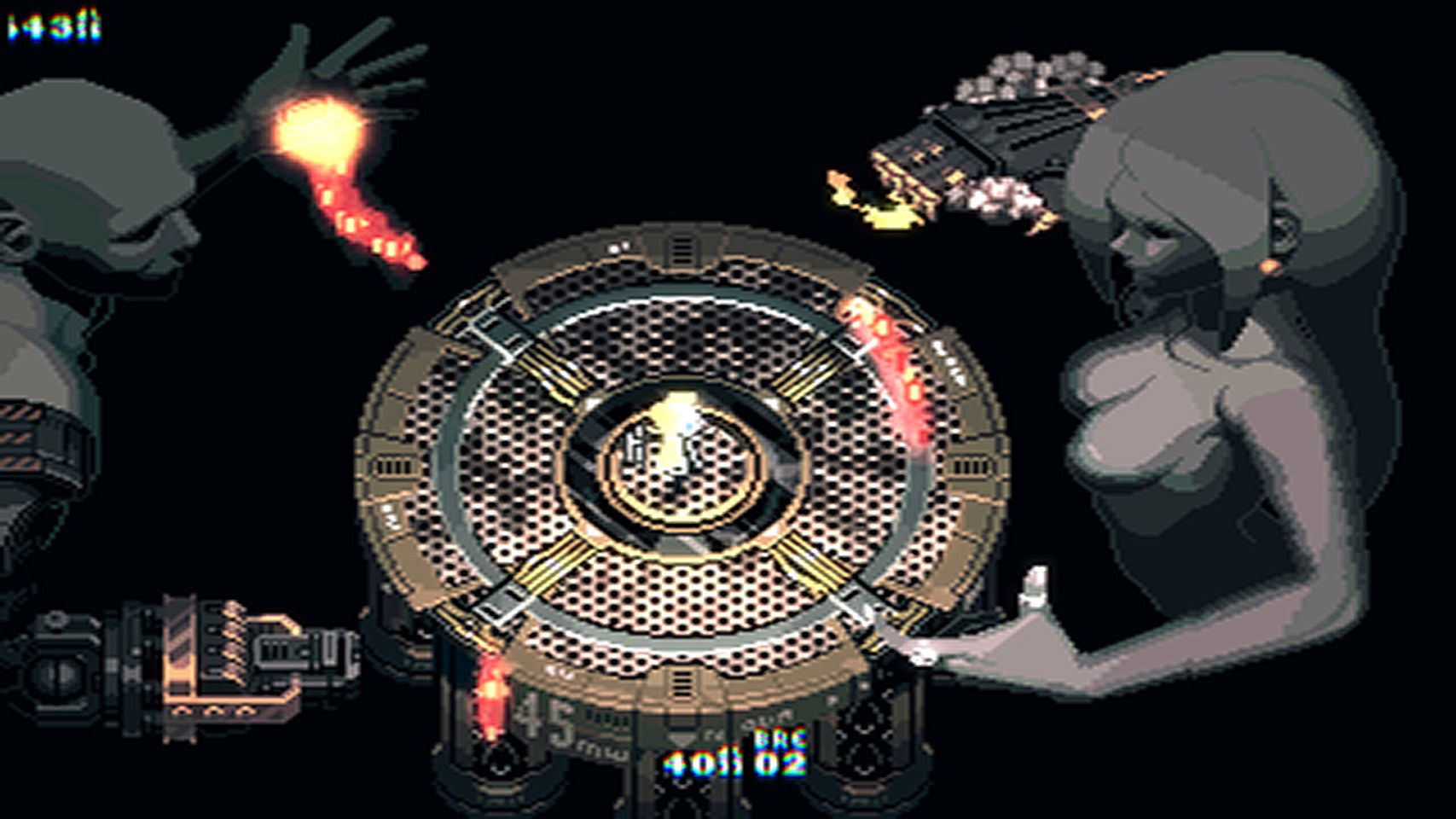
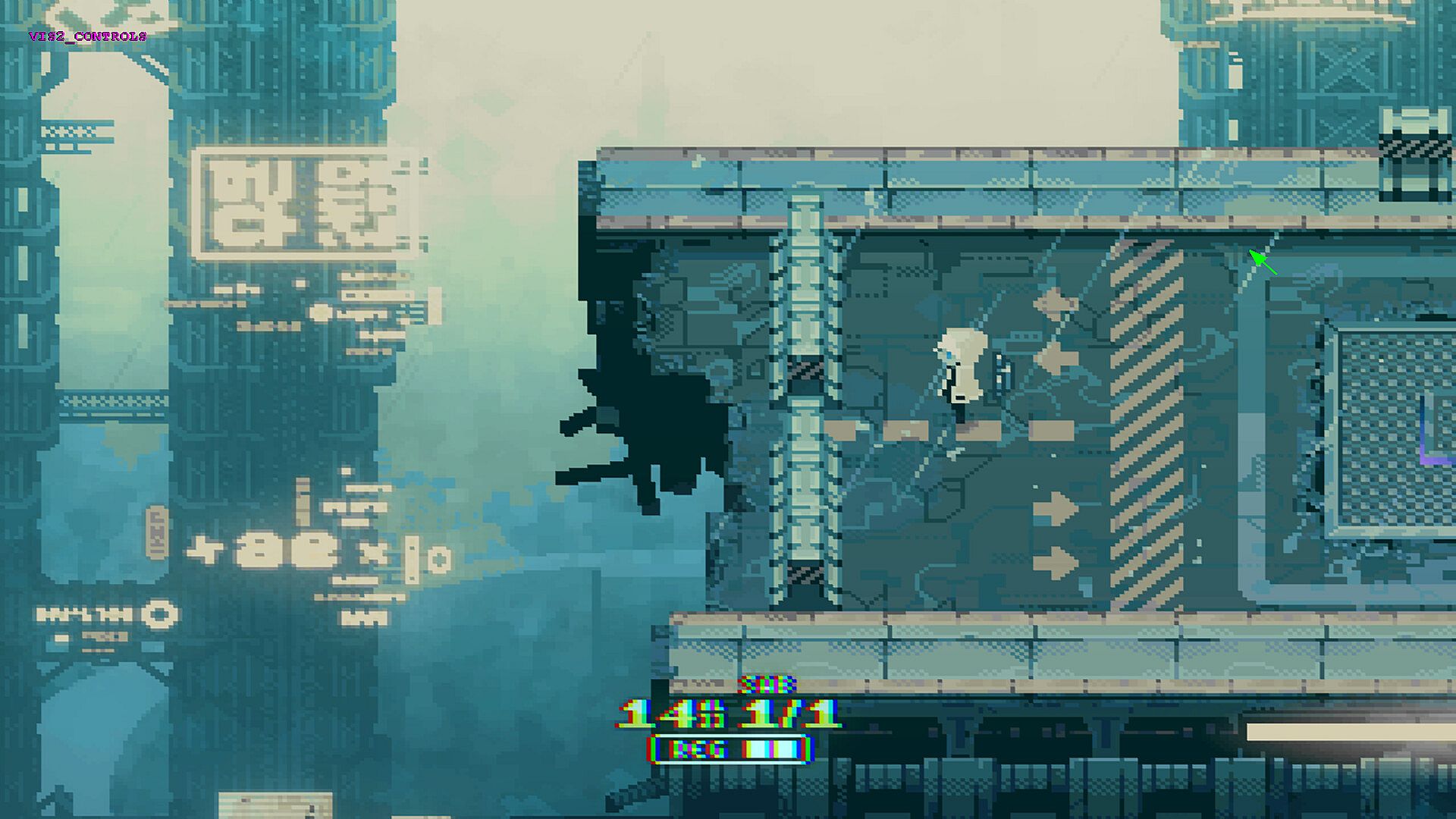
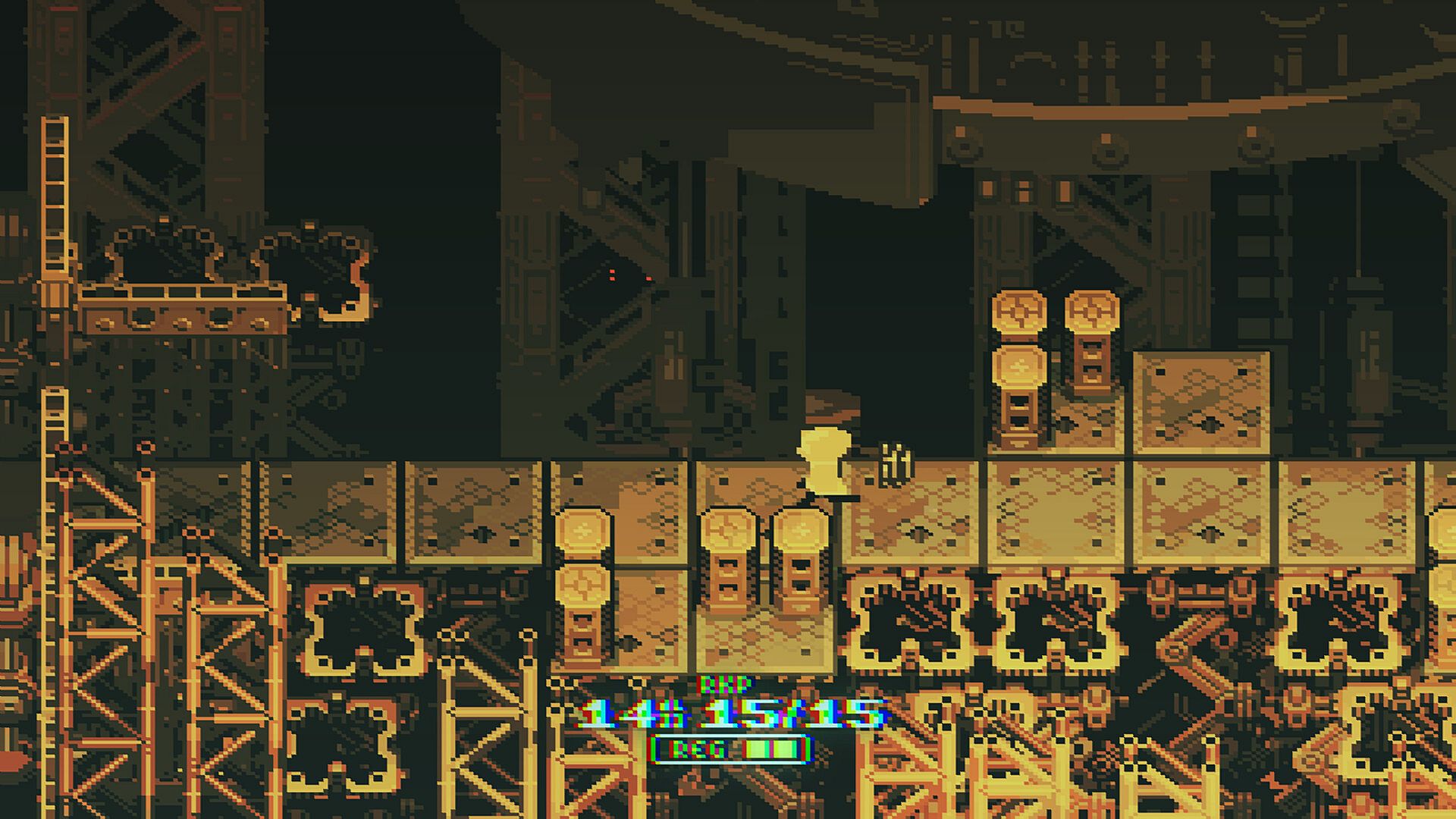
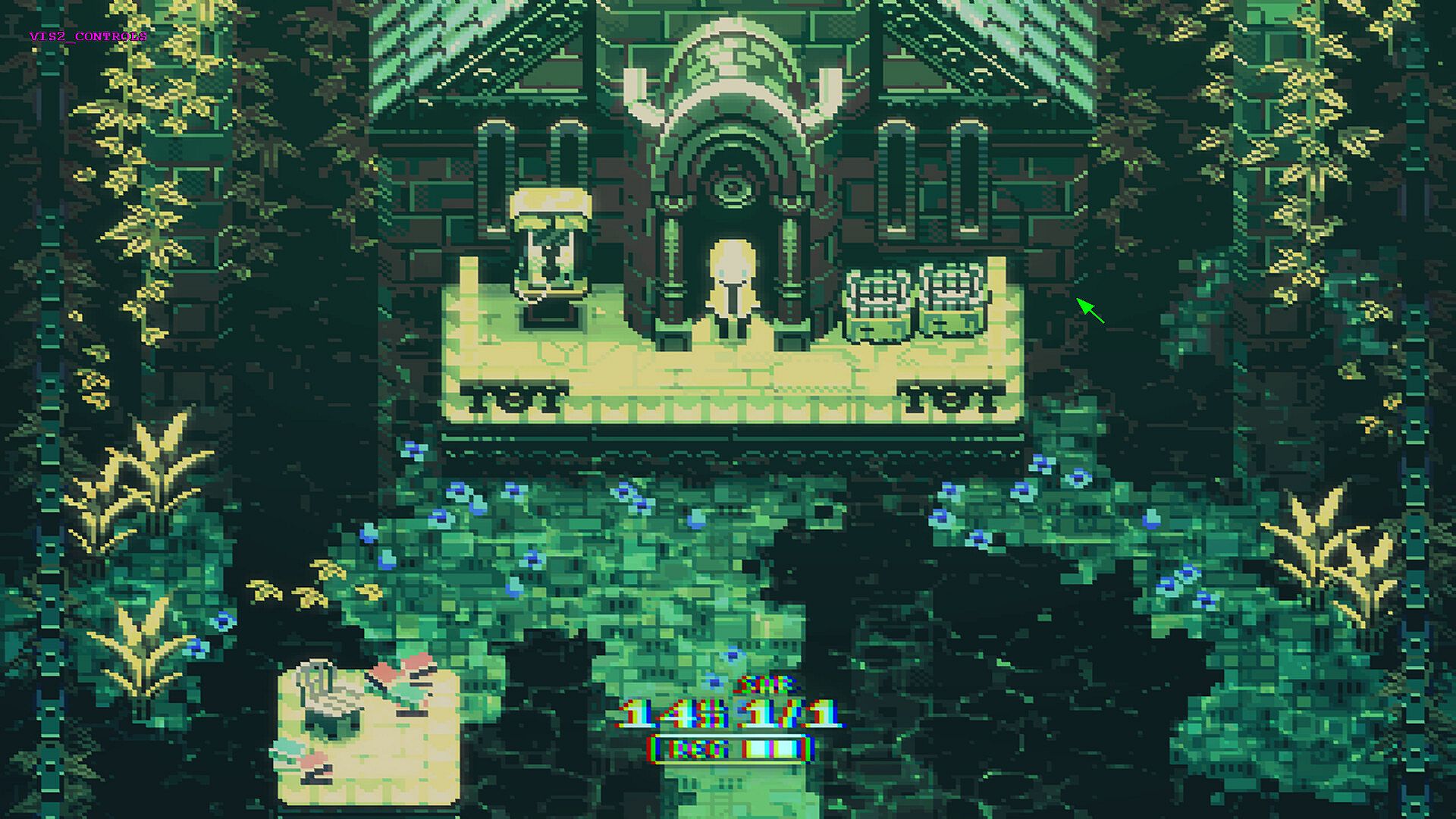
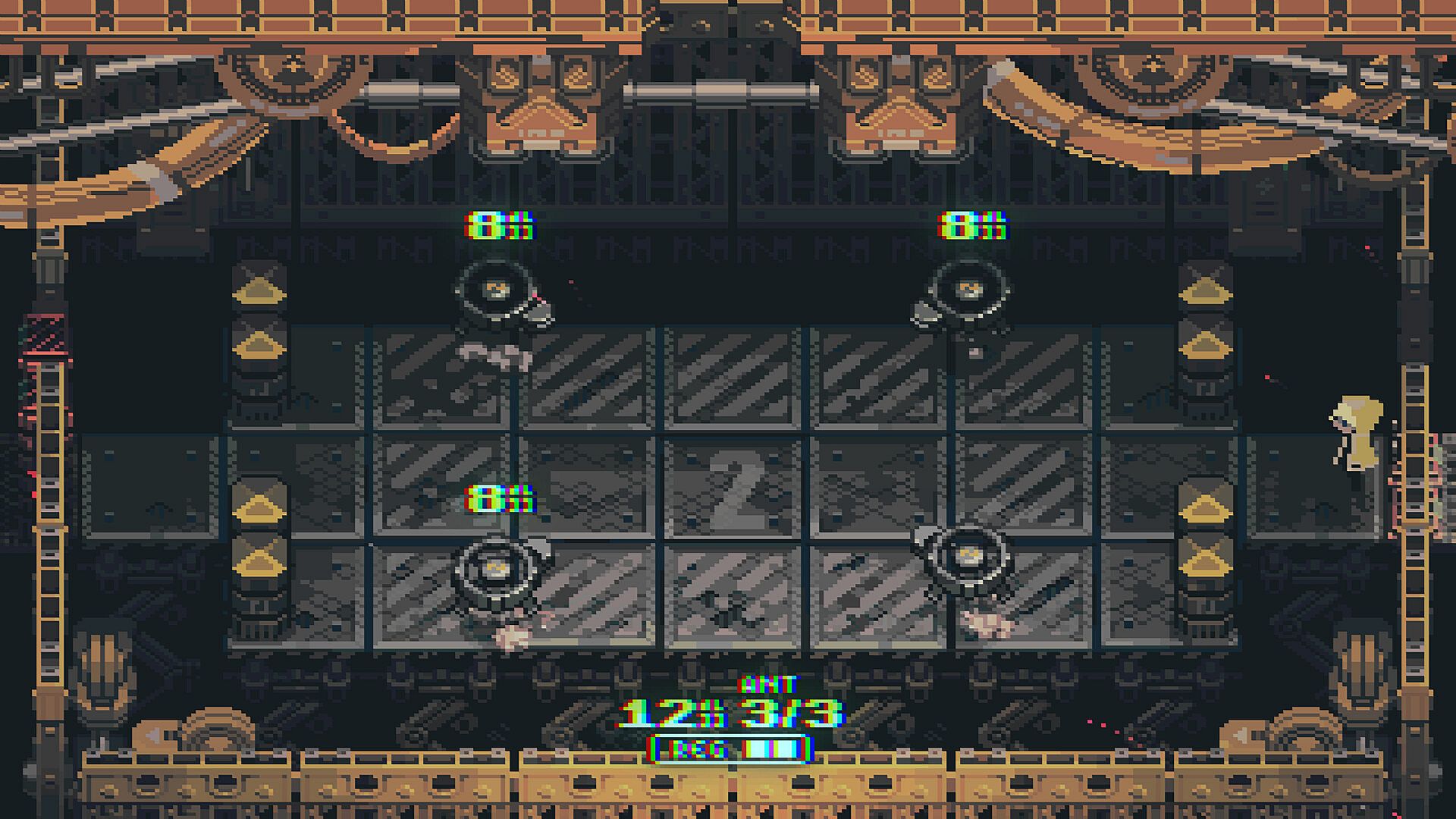
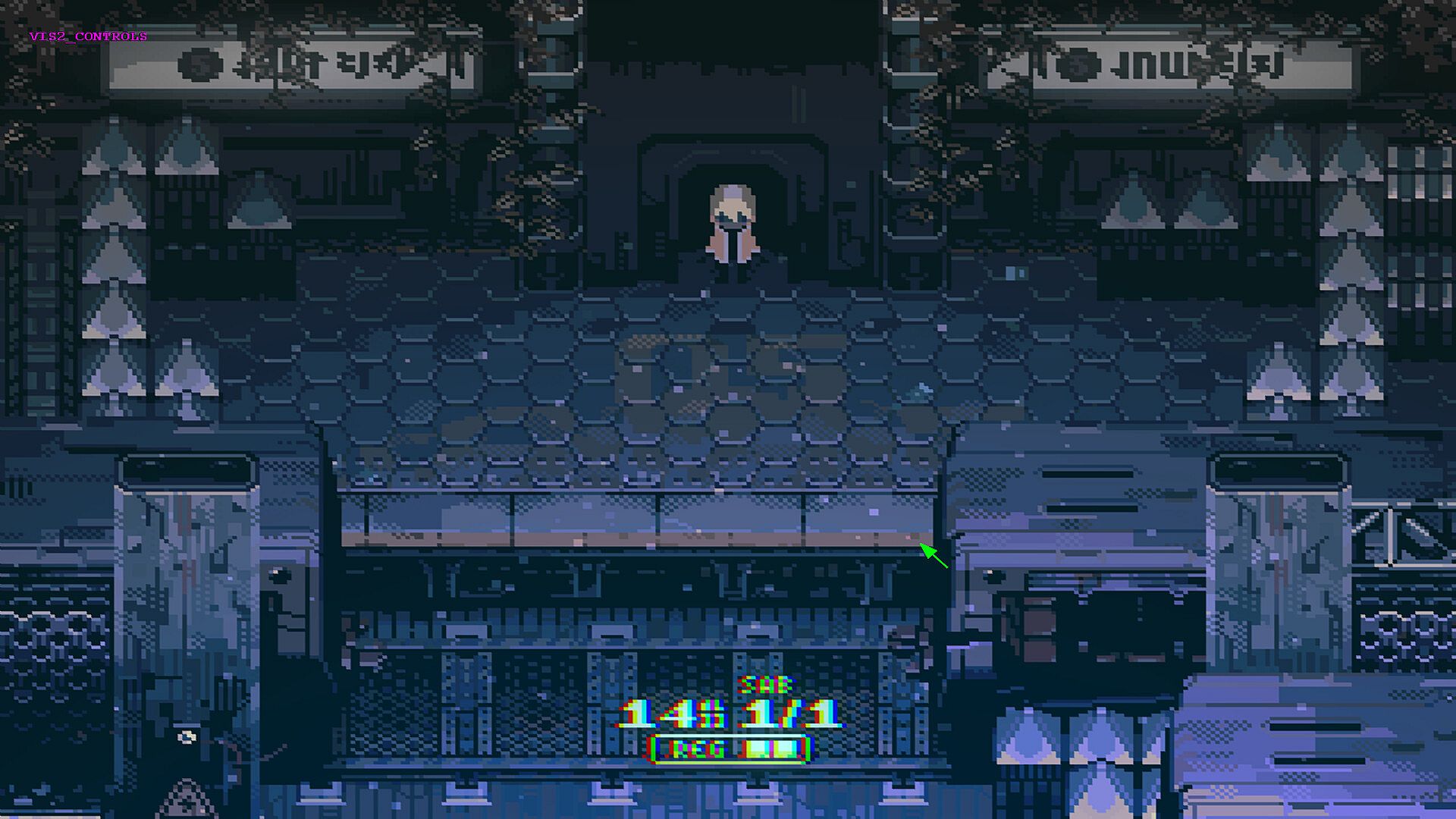
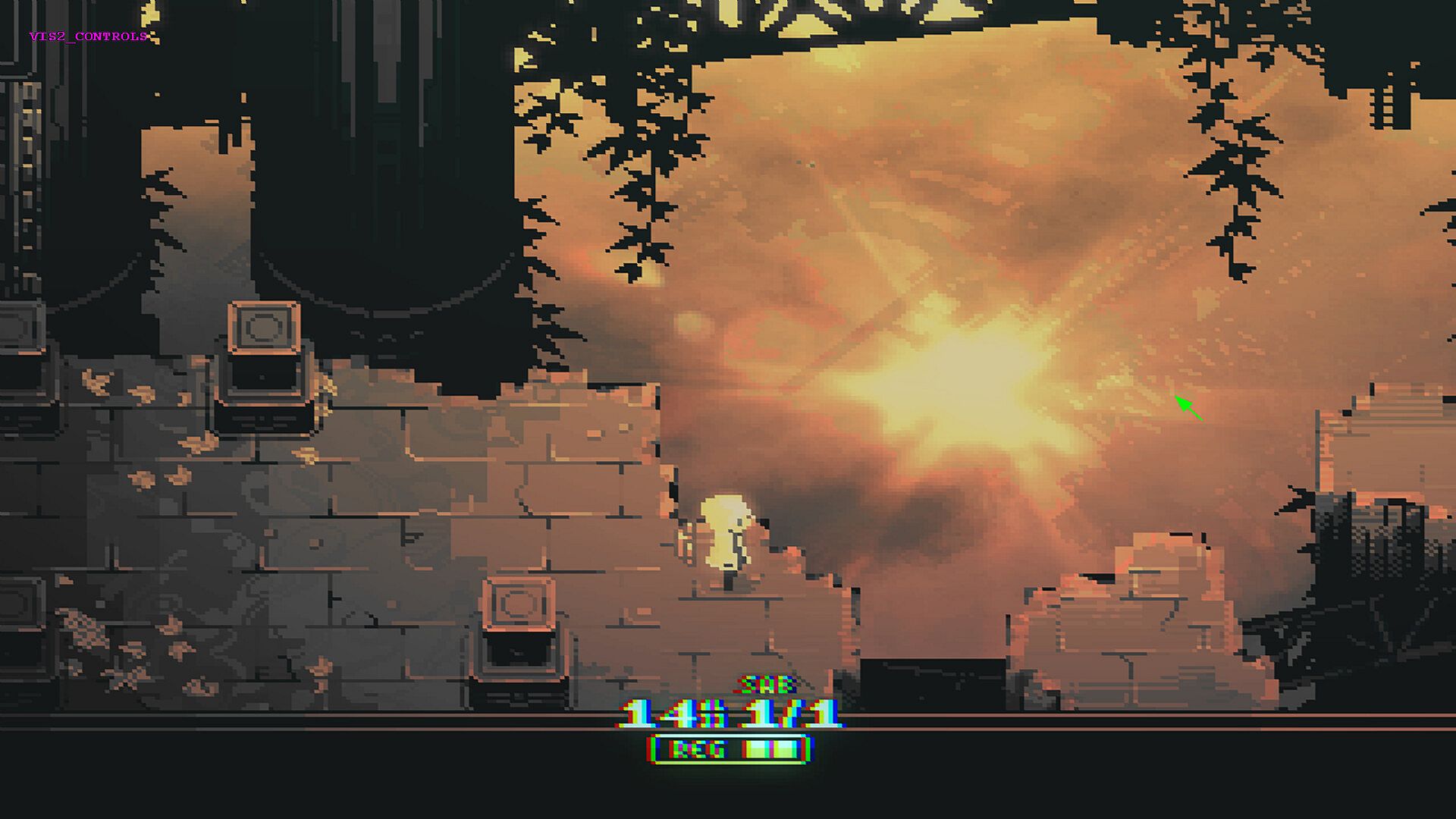
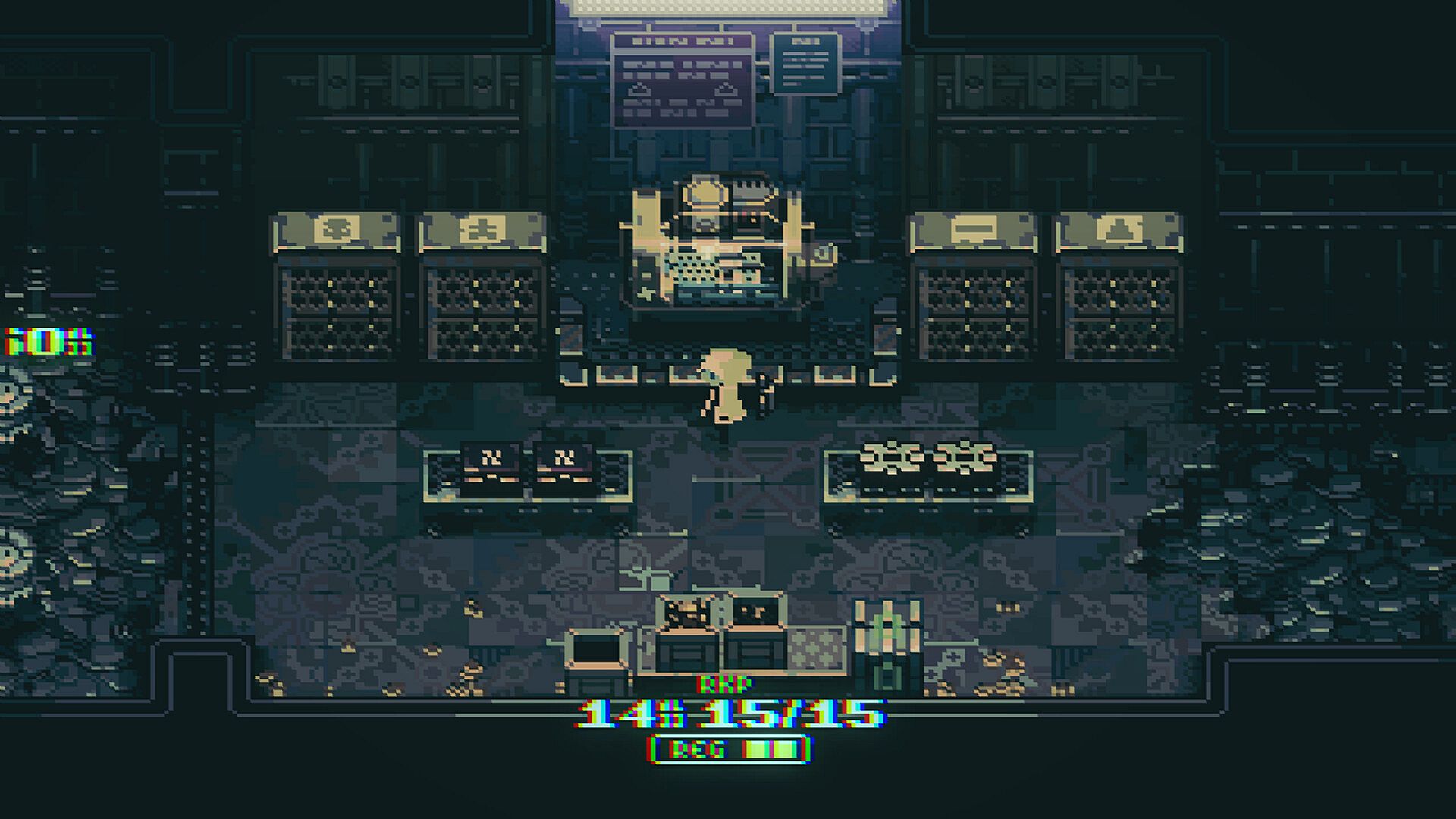
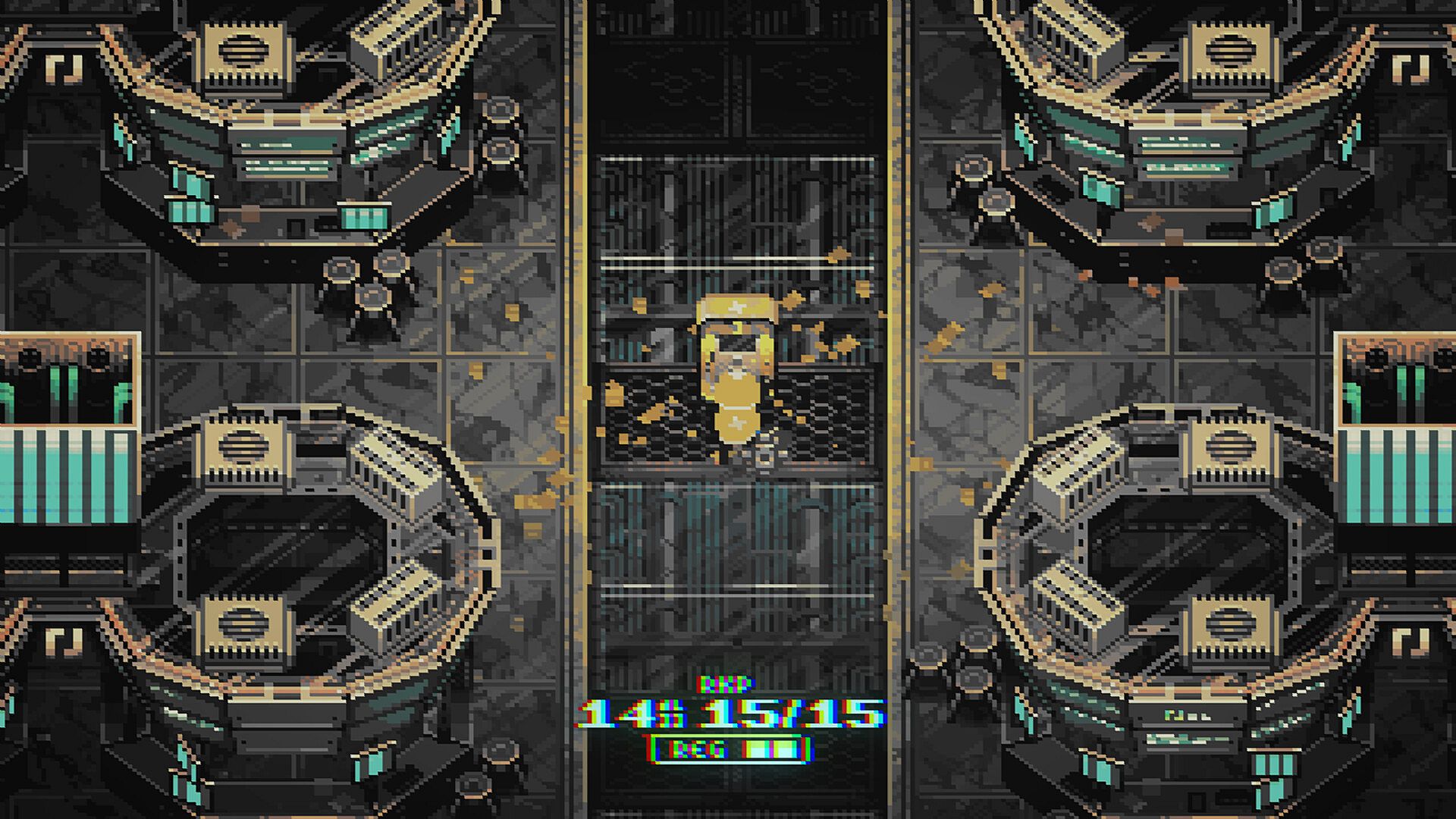
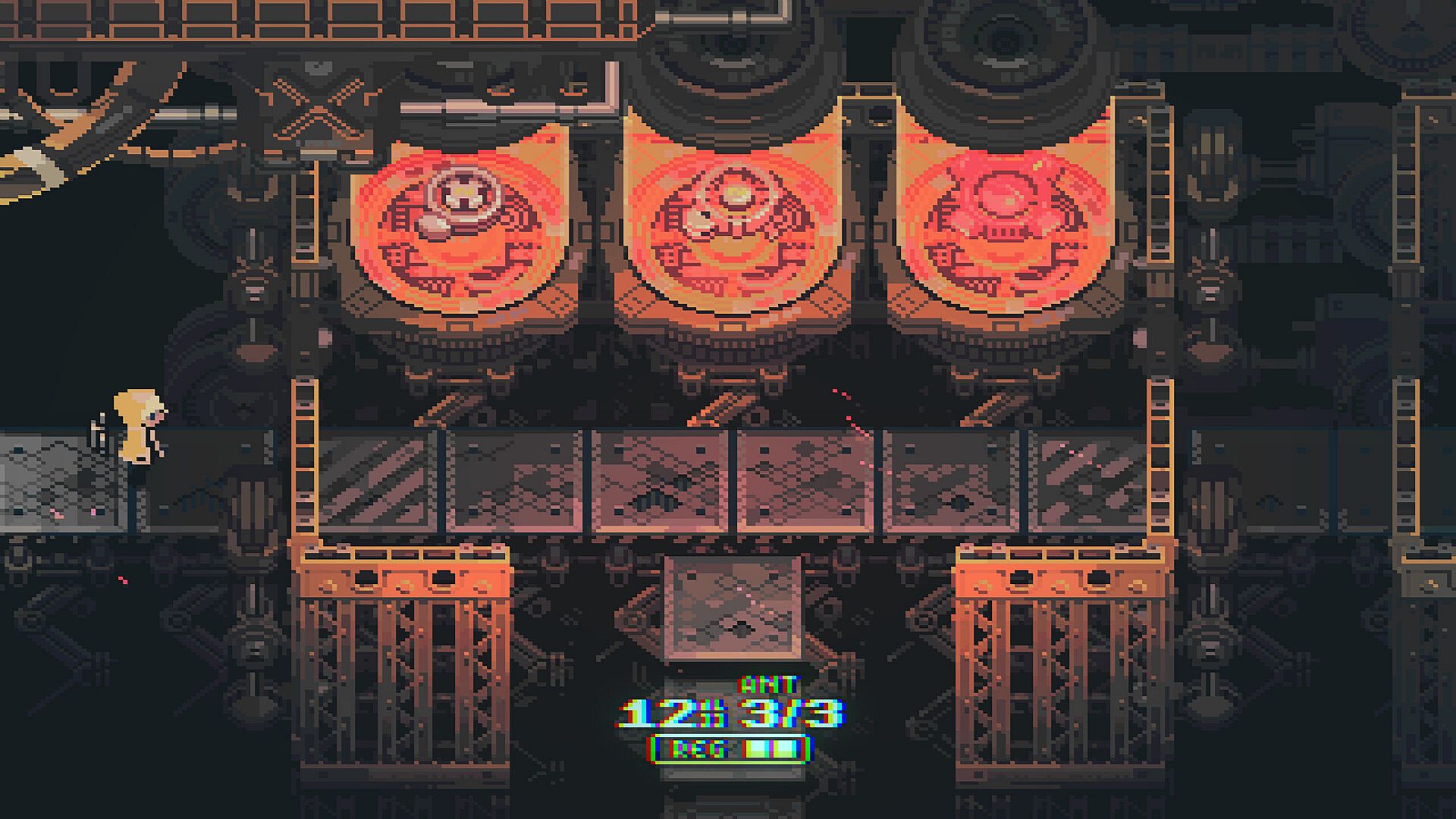
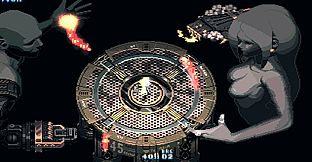
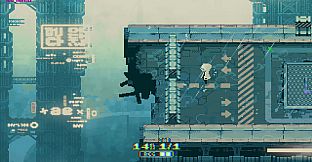
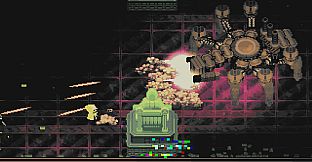
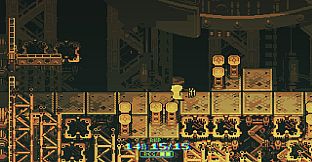
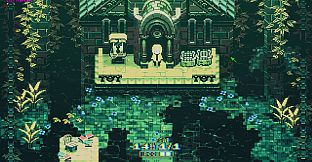
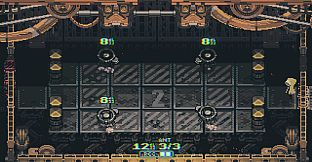
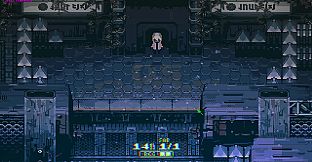
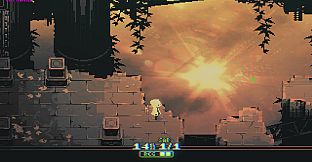
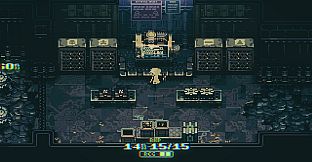
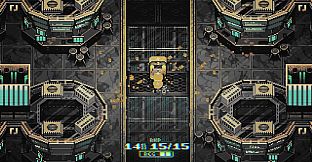
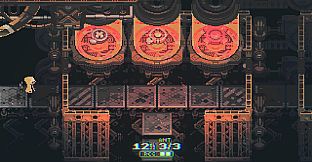
Radio the Universe is an action indie RPG set in a vast ruined city that has stood for eons beyond any hope of recovery. Players take control of an immortal wanderer who moves through shifting layers of reality, from towering halls of ancient architecture to shadowed subway tunnels. The experience centers on deliberate exploration paired with demanding combat, all presented in a distinctive retro pixel art style that evokes old-school sci-fi and gothic atmospheres.
Gameplay
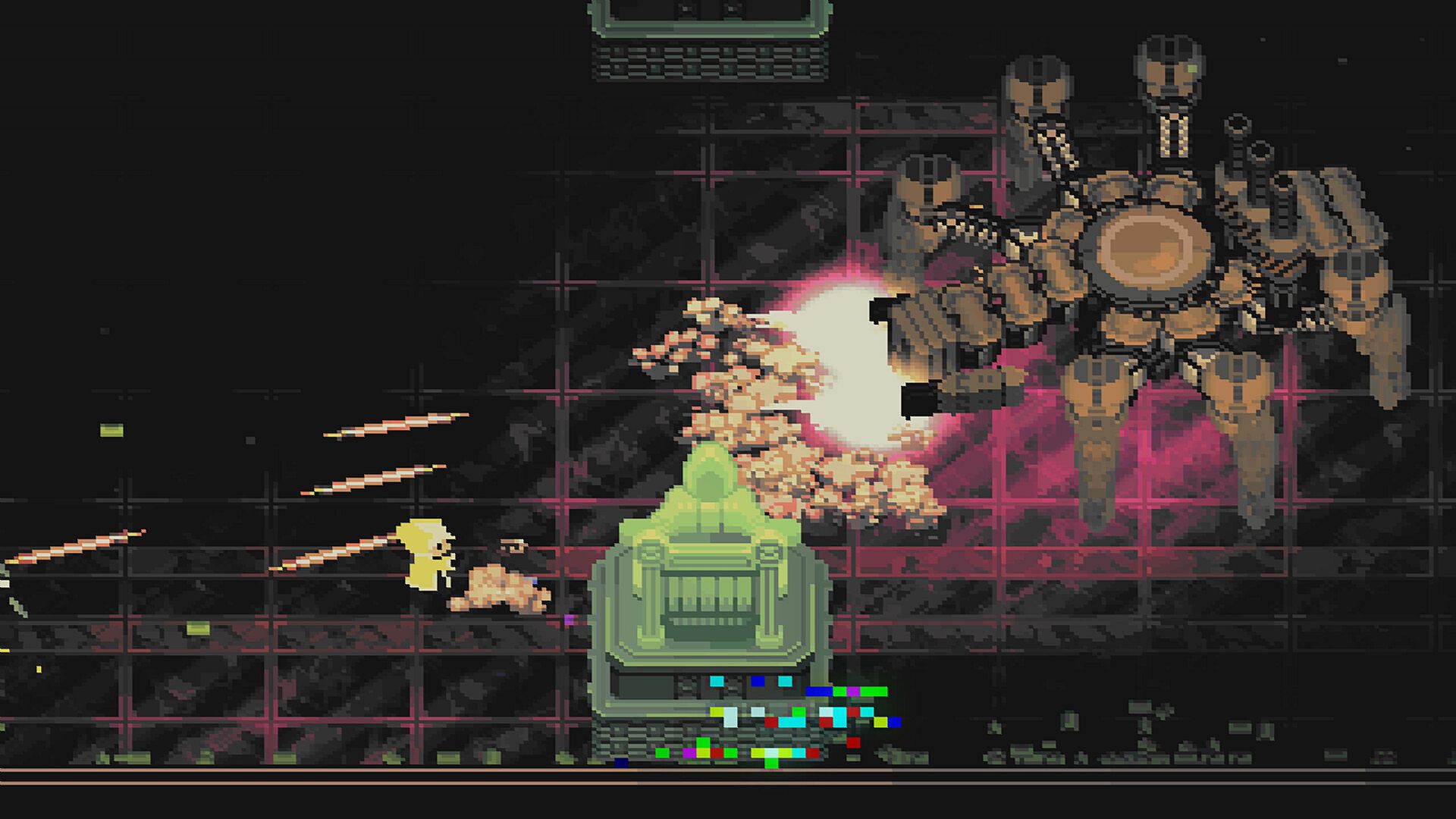
The core loop involves navigating interconnected zones that radiate from a central hub. Movement feels measured rather than frantic, encouraging players to observe enemy patterns and environmental hazards before committing to fights. Combat mixes melee strikes with ranged options, allowing different approaches depending on equipped weapons and unlocked abilities. A progression system lets players invest in upgrades that support either aggressive direct confrontations or more measured, positioning-focused tactics.
Exploration rewards careful observation. The world features varied districts with distinct visual themes, including grand sci-fi vistas and claustrophobic corridors. Enemies range from common threats that test basic movement and timing to larger bosses that demand mastery of newly acquired tools. Survival hinges on learning the unspoken rules of each area and adapting loadouts accordingly. The soundtrack reinforces the desolate mood without overpowering the action.
Game Modes
Radio the Universe is structured as a single-player experience with no separate competitive or cooperative modes. All progression and story elements unfold within the same continuous journey through the ruined city and its dreamlike extensions. Players advance by clearing threats, unlocking new paths, and refining their personal build through repeated runs or careful backtracking. The design emphasizes one cohesive campaign rather than distinct playlists or match types.
Exploration and Atmosphere
The setting blends majestic ruined structures with ominous underground networks, creating a sense of scale within a minimalist framework. Travel between zones highlights contrasts in lighting, architecture, and enemy density. The retro visual approach keeps details sharp while maintaining a detached, screen-like quality that suits the theme of an observer moving through decaying realities. Sound design and level layout work together to make each new district feel distinct yet part of the same overarching maze.
Is It Worth Playing?
Those who enjoy deliberate top-down action combined with atmospheric world-building will find the systems here rewarding once the combat rhythm clicks. The weapon and ability progression supports multiple viable styles, rewarding experimentation without forcing a single optimal path. Demo feedback has highlighted the tense pacing and strong sense of place, though some players note the learning curve can feel steep at first. Because the title remains in active development with no full release date confirmed, interested players should monitor official channels for updates on availability. It suits fans of indie action RPGs who value mood and mechanical depth over fast-paced spectacle or multiplayer features.