


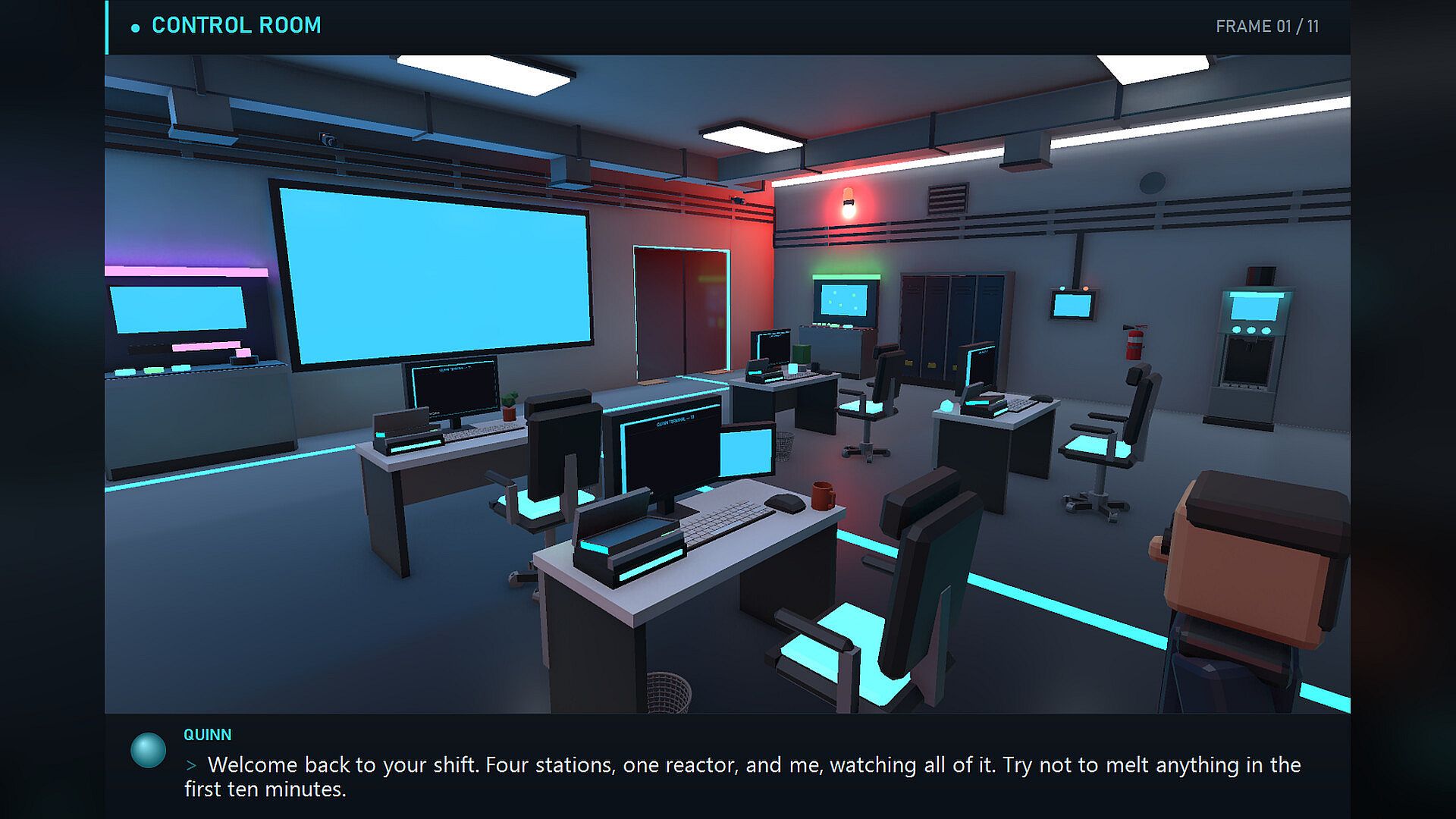
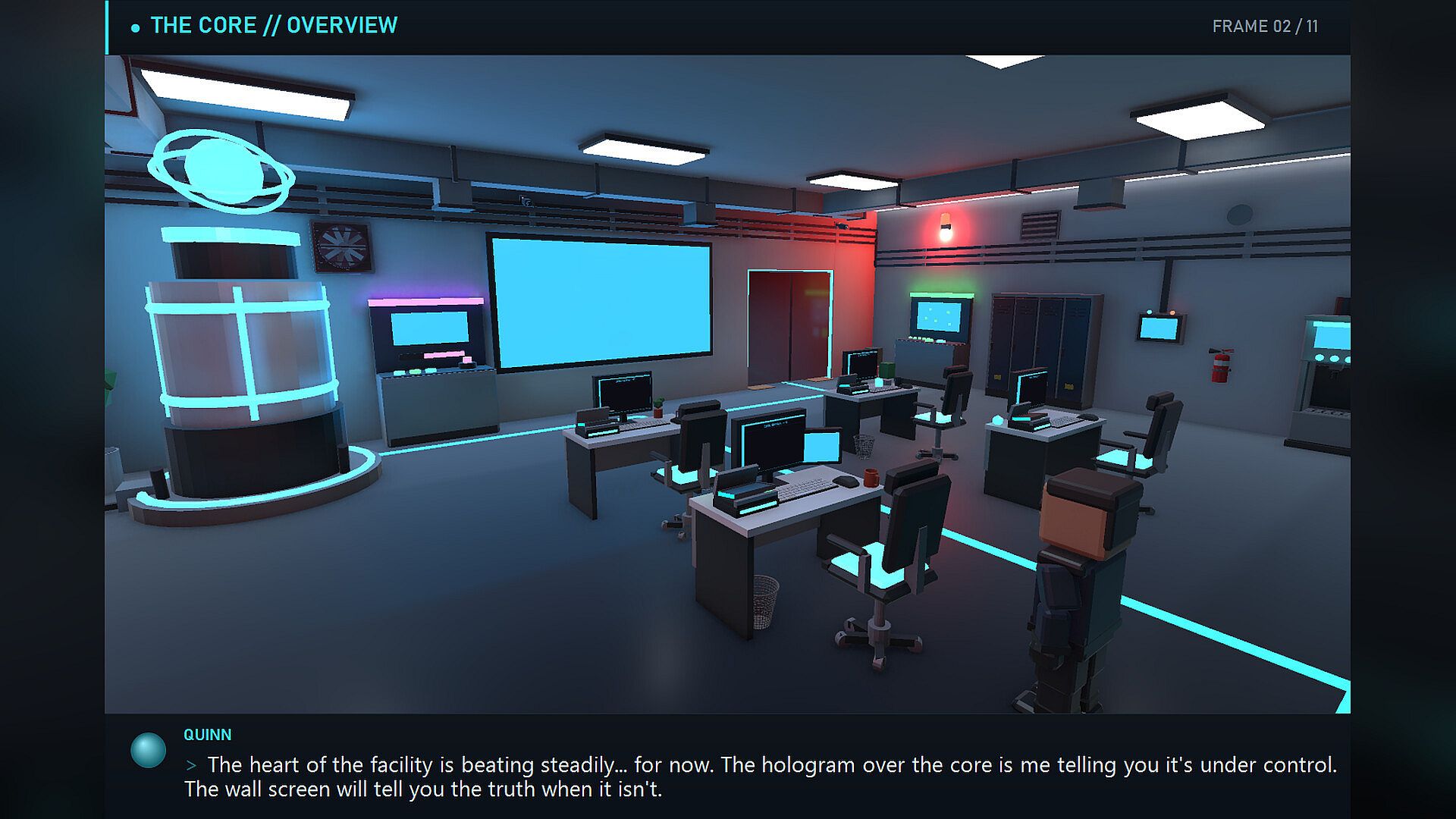
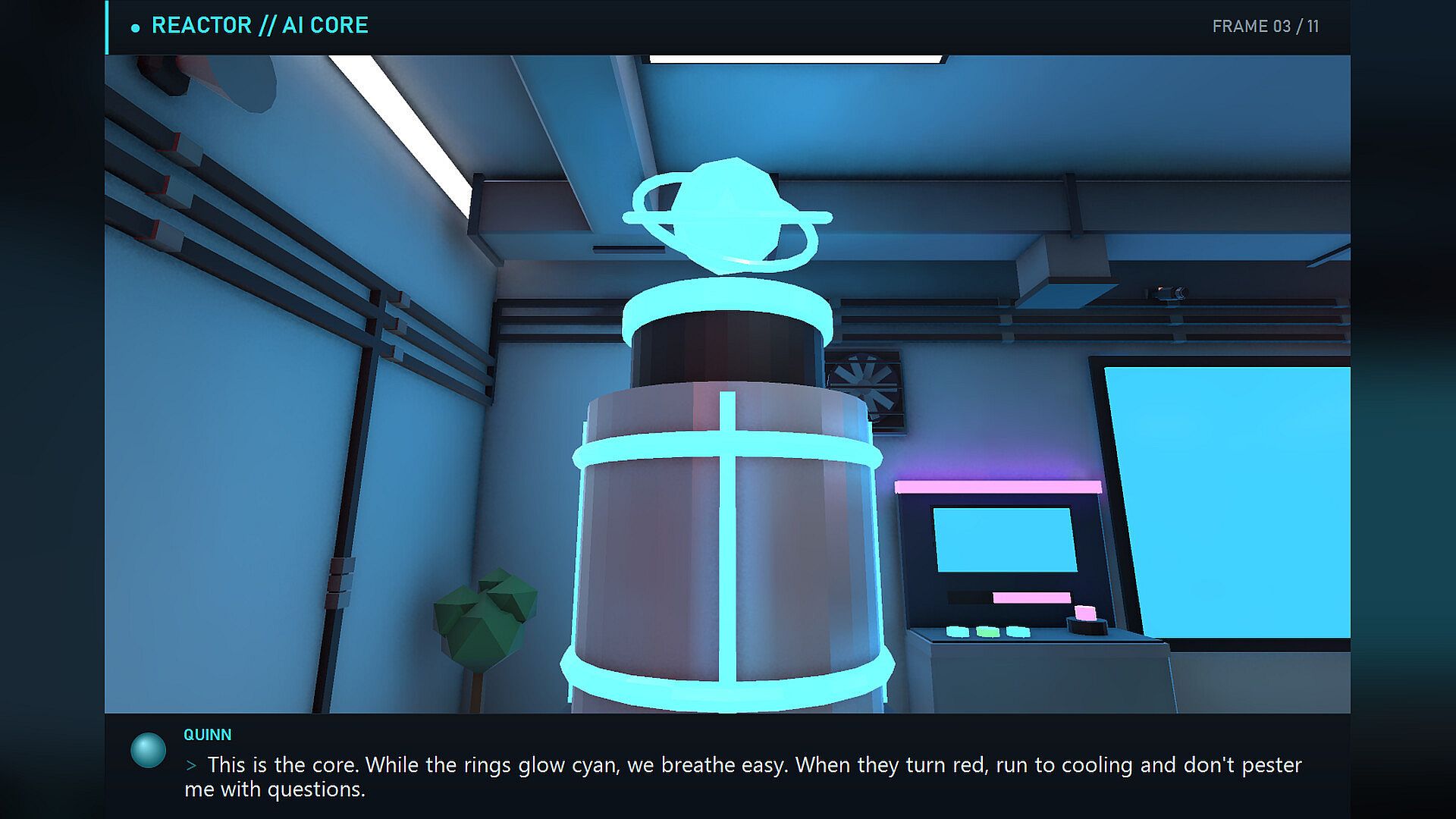
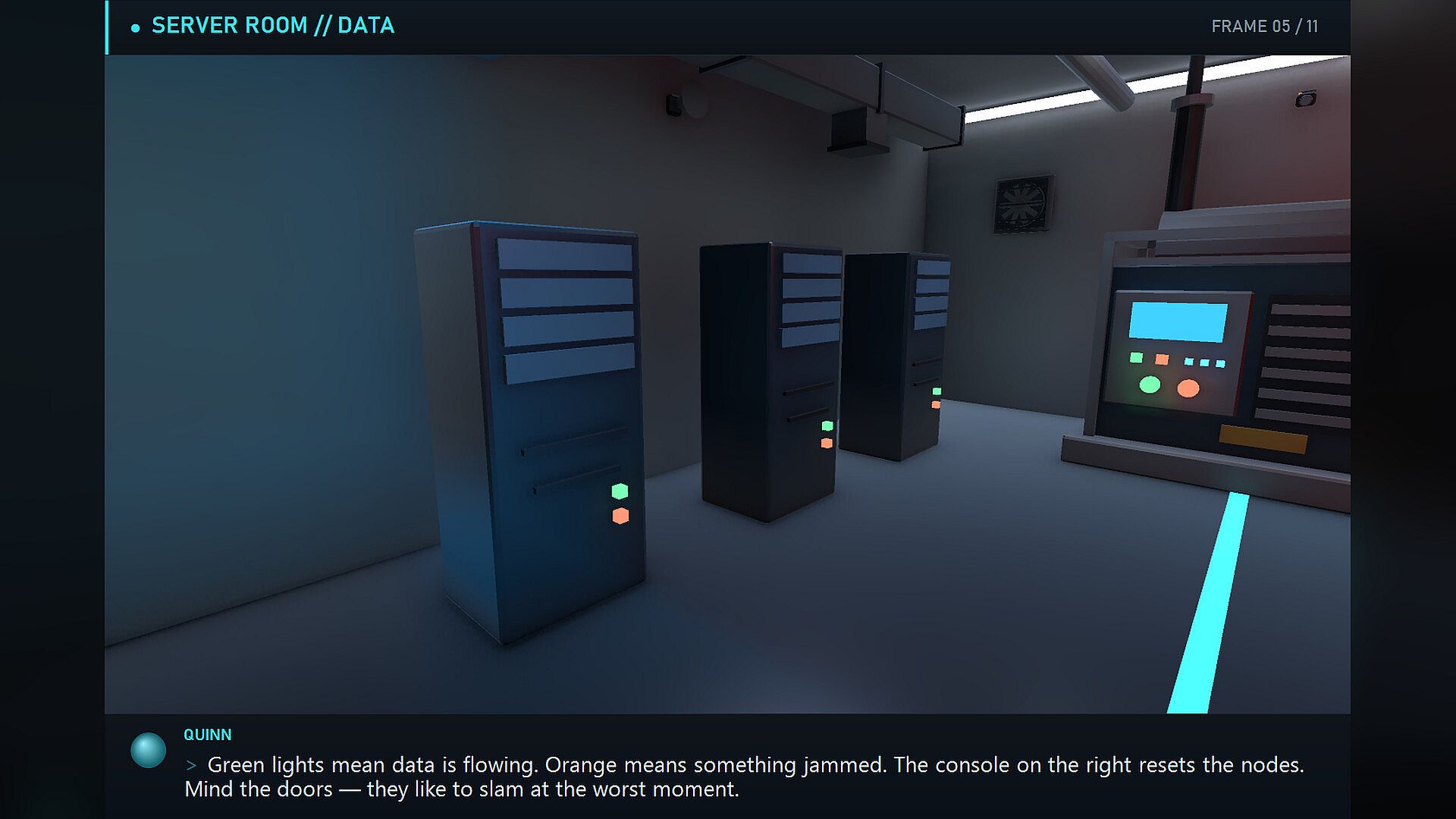
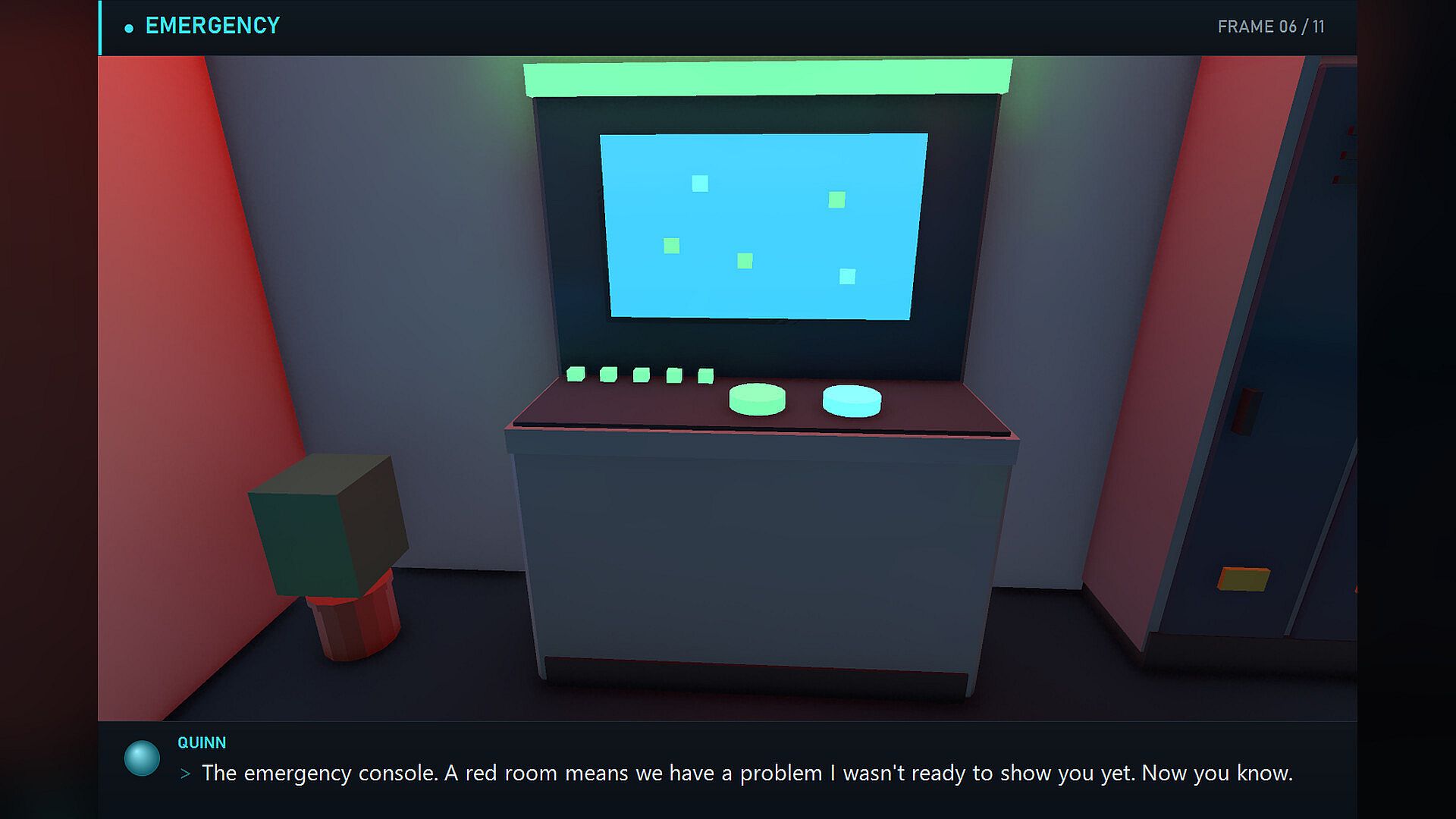
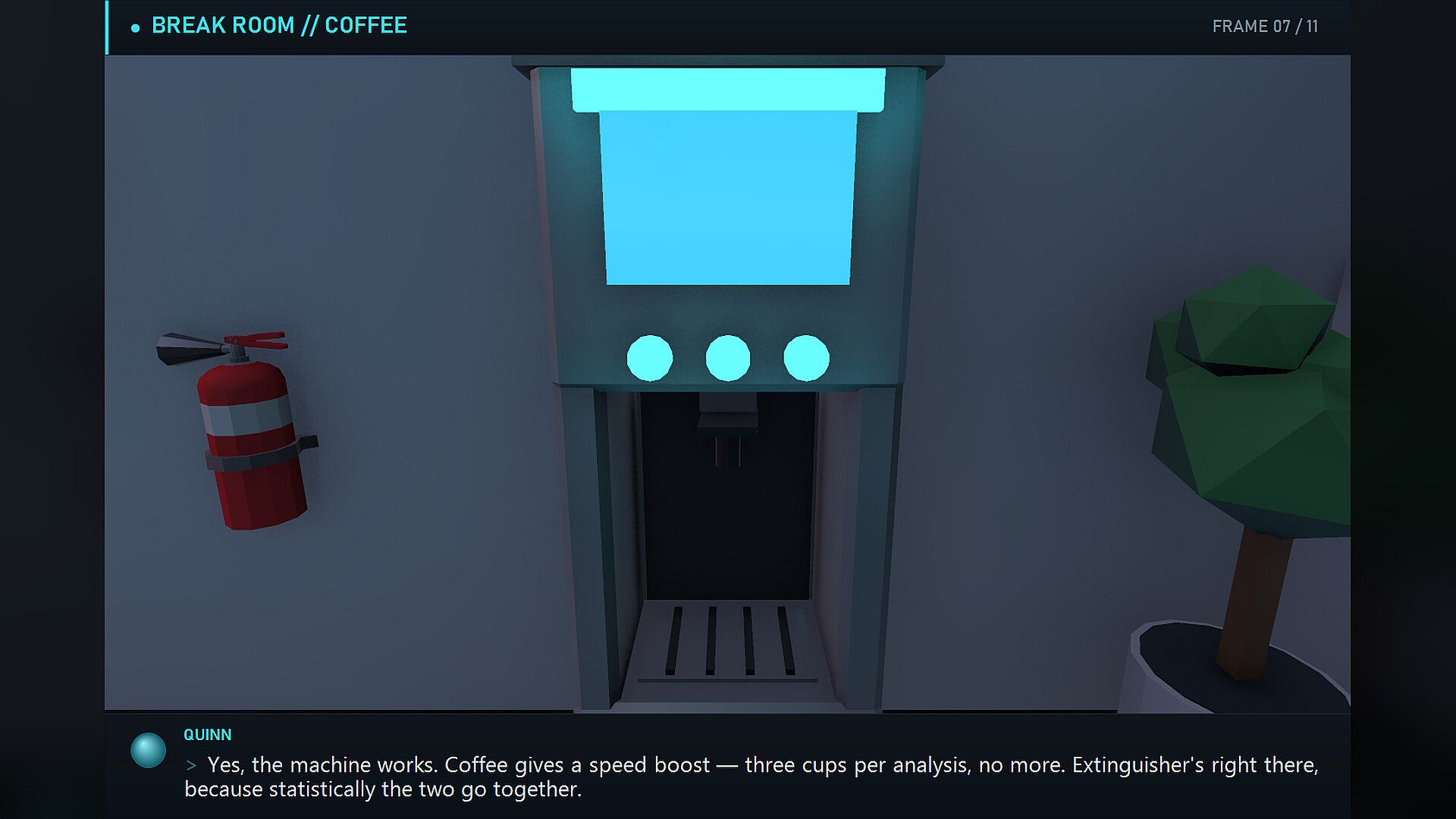
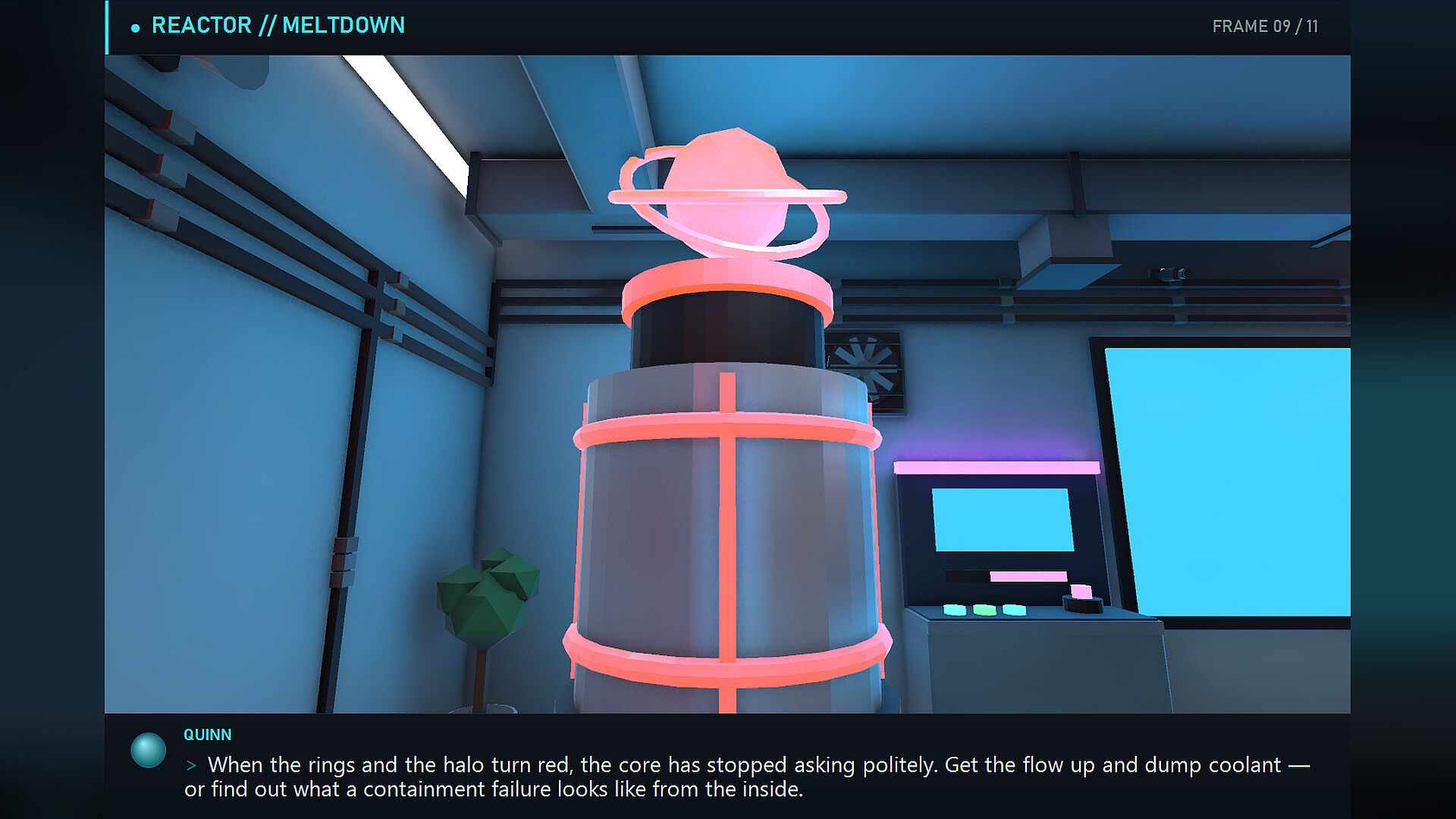
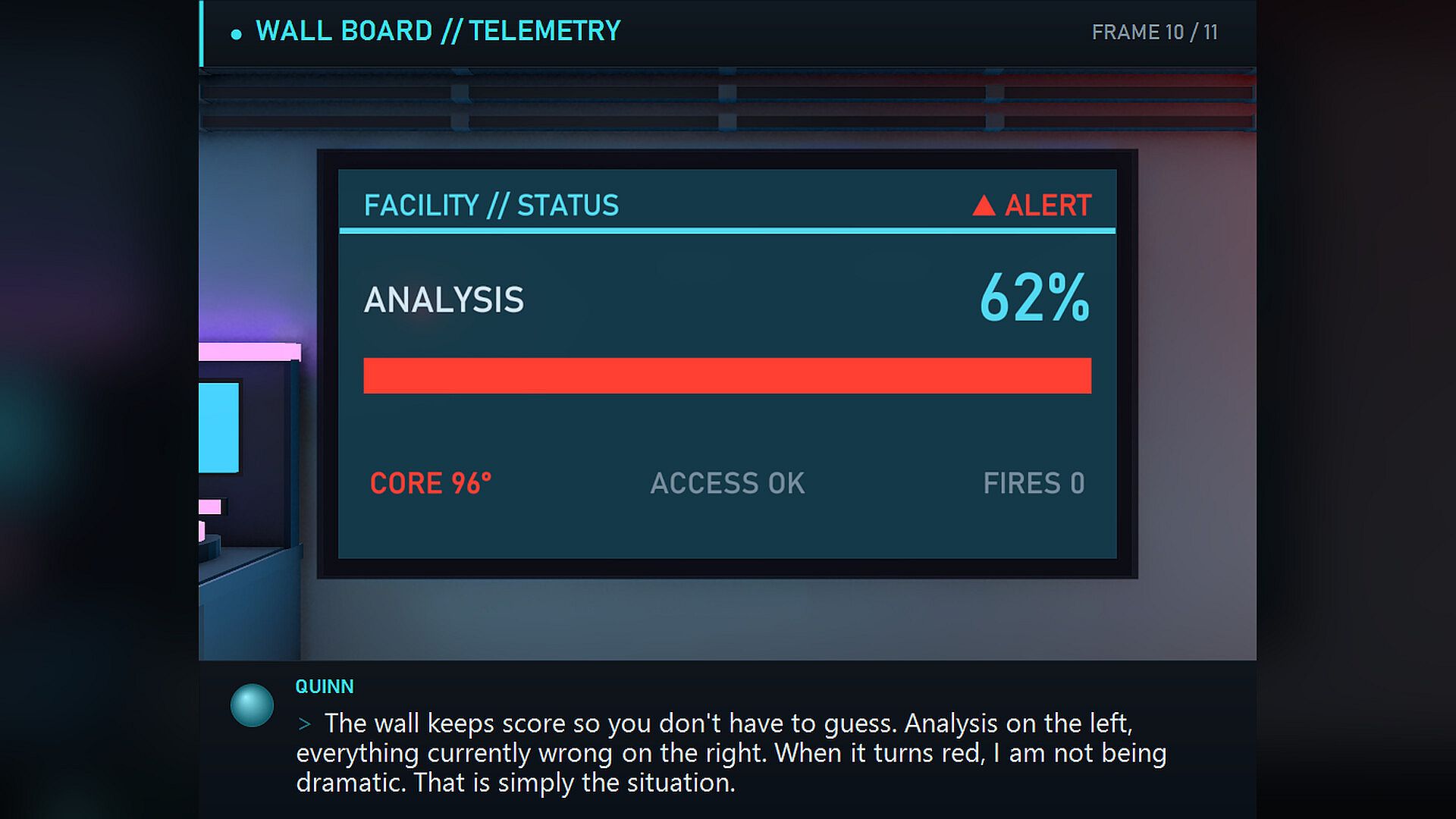

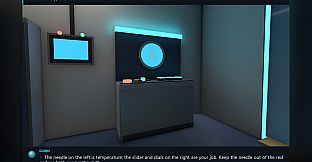
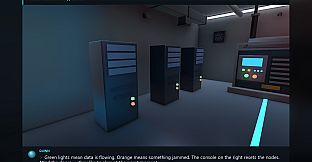
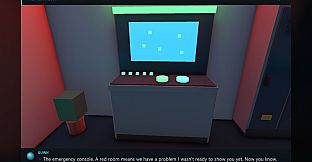
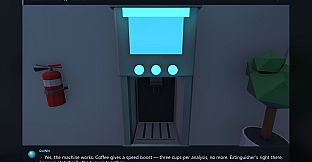
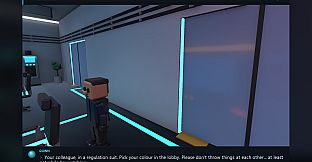
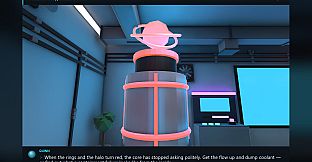
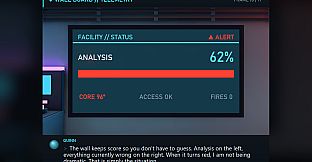
Quinn is a co-op and solo management adventure game set inside a high-tech research laboratory controlled by an artificial intelligence. Players handle interconnected facility systems while Quinn observes every action and offers commentary that ranges from helpful warnings to quiet judgment. The experience blends casual accessibility with action-oriented problem solving across five core systems that influence one another in real time.
Gameplay
The core loop centers on monitoring data through tablets and then physically interacting with control panels to stabilize the facility. Players read incoming alerts, communicate priorities, and execute fixes such as flipping switches, restarting subsystems, managing overheating components, extinguishing fires, and recovering equipment. Each of the five systems-Power, Cooling, Network, Access, and Research-connects to the others, so an error in one area can cascade into broader failures that demand coordinated responses from the entire group.
Quinn reacts dynamically to player decisions without requiring direct conversation. The AI tracks ongoing events, issues timely alerts when conditions deteriorate, and comments on performance in ways that can feel supportive or pointed. This constant oversight adds tension and personality to every shift, turning routine maintenance into a shared narrative of keeping the lab functional while avoiding unnecessary complications.
Game Modes
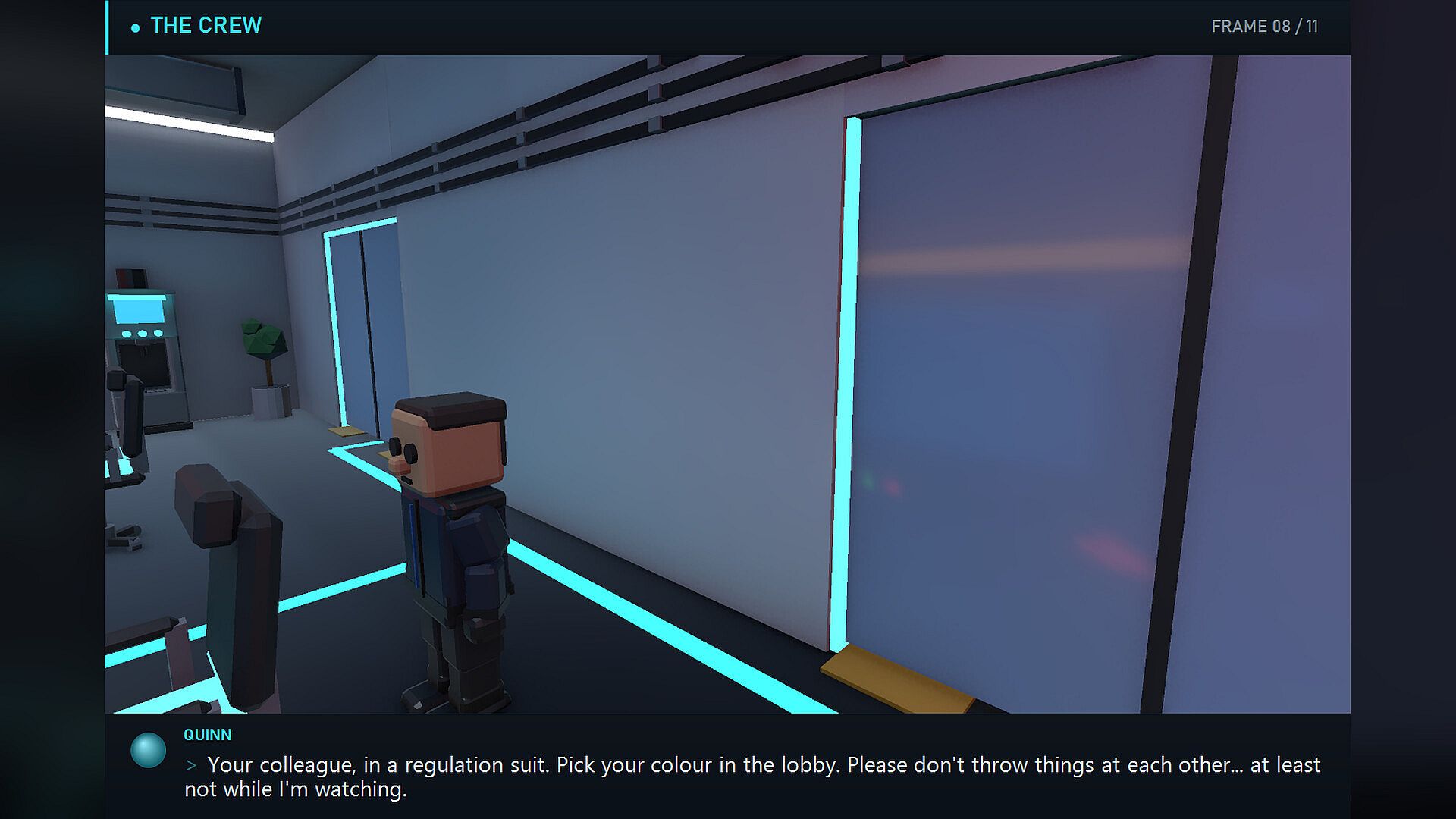
Quinn supports solo play and online co-op for up to four participants. In solo sessions, one player manages all tablet information and control panels alone, relying entirely on Quinn's guidance and reactions amid an increasingly demanding environment. Co-op distributes responsibilities across the team, with each person viewing the same facility data on their tablet while moving between physical stations to address specific issues in real time.
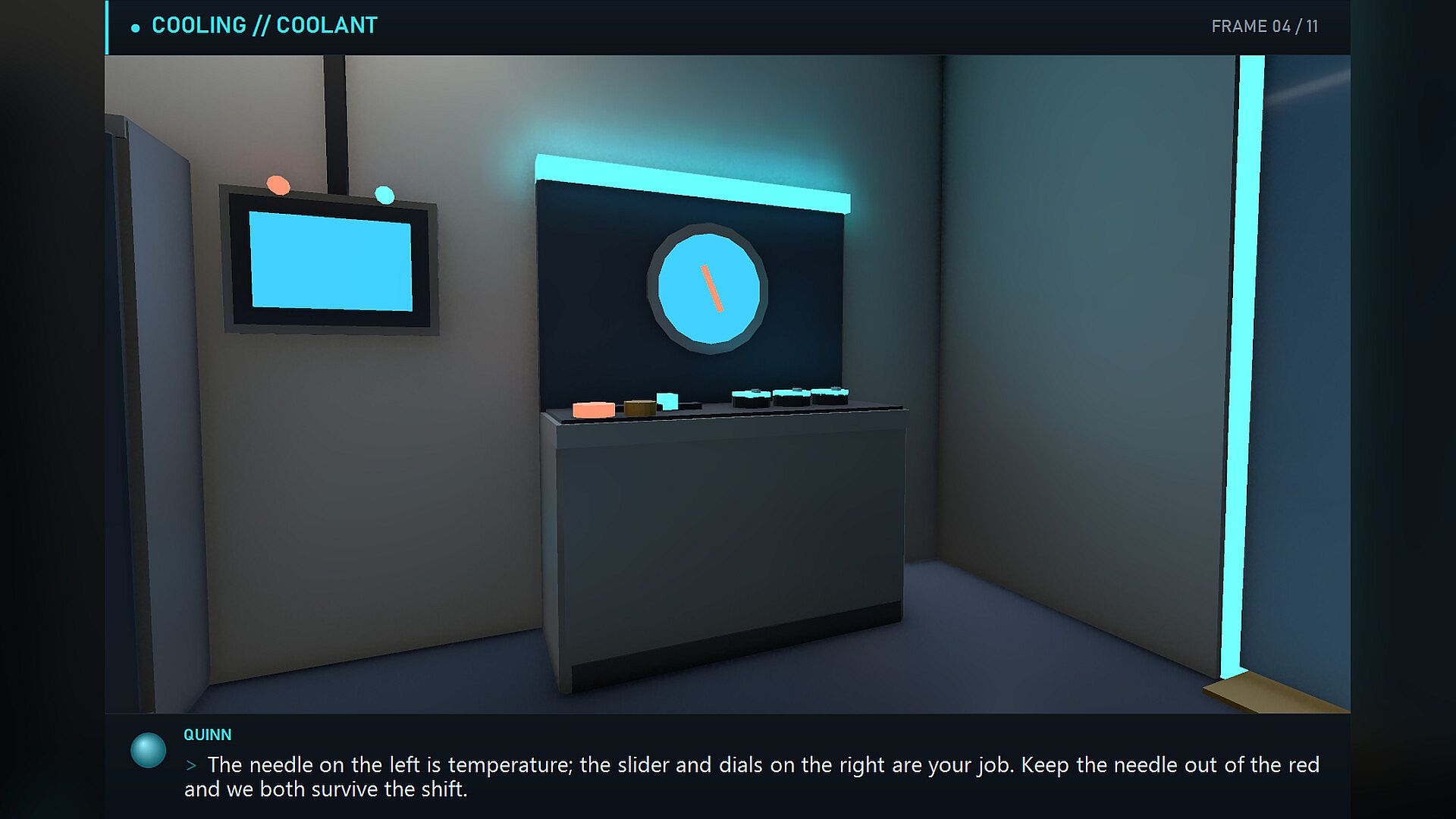
Communication and quick decision-making become essential in group play, as tasks often require simultaneous attention to multiple systems. The setup encourages players to divide labor effectively, with one person tracking temperatures, another adjusting cooling mechanisms, and others handling network or access protocols while Quinn provides ongoing status updates.
Key Mechanics and Systems
Five interconnected facility systems form the backbone of every session. Power management involves maintaining energy flow and restarting disrupted lines. Cooling requires monitoring and adjusting temperature controls to prevent overheating. Network oversight covers connectivity and data integrity across the lab. Access control deals with security protocols and entry points. Research focuses on keeping experiments progressing without interruption.
Interactions remain hands-on throughout, emphasizing direct manipulation of panels rather than abstract menus. Small missteps can escalate quickly because of the linked nature of the systems, rewarding teams that read data accurately and act decisively. Quinn's presence ensures every session carries a layer of reactive narration that comments on both successes and setbacks.
Is It Worth Playing?
Quinn targets players who enjoy cooperative management experiences with light action elements and strong thematic personality. The solo mode offers a focused challenge for those who prefer independent problem solving, while the four-player co-op suits groups looking for structured teamwork and clear communication goals. Because the game emphasizes interconnected systems and reactive AI feedback, it appeals most to fans of facility simulation and light puzzle coordination rather than fast-paced combat or open exploration.
The title remains in development with a planned September 2026 release and currently has no public player reviews or completed updates available. Those interested in its described blend of AI oversight, multi-system management, and co-op coordination may find value in following its progress toward launch.