

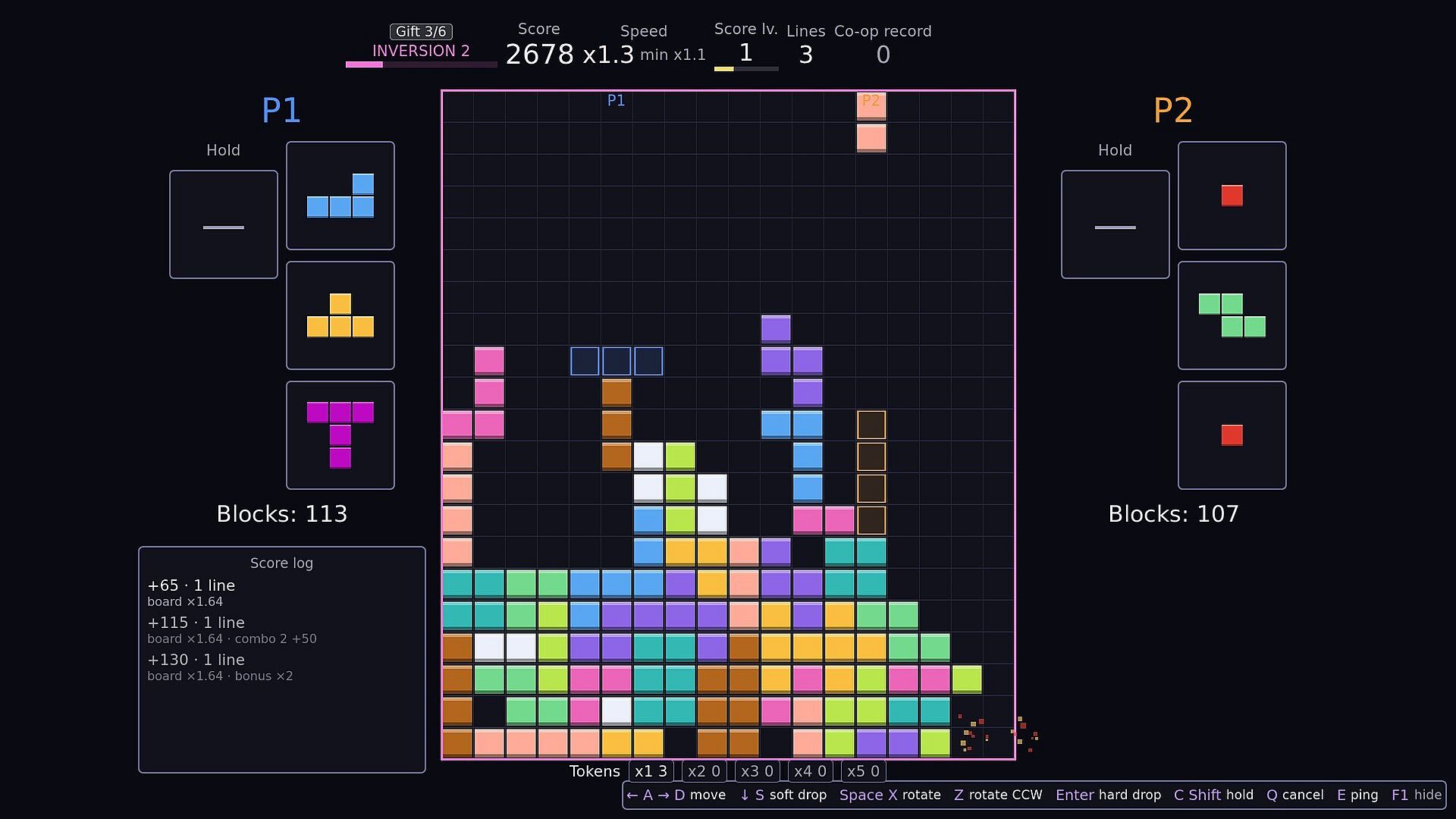
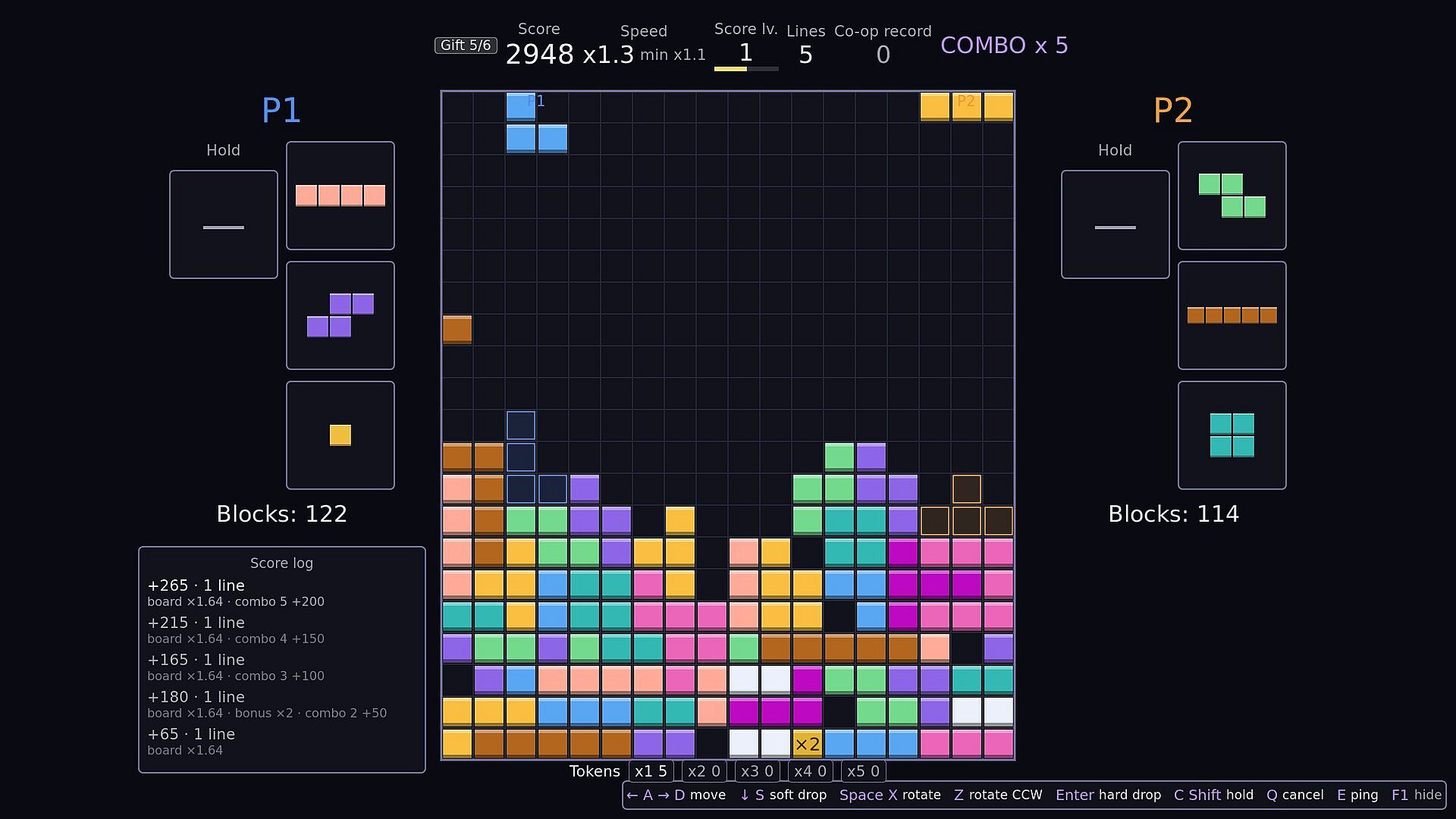
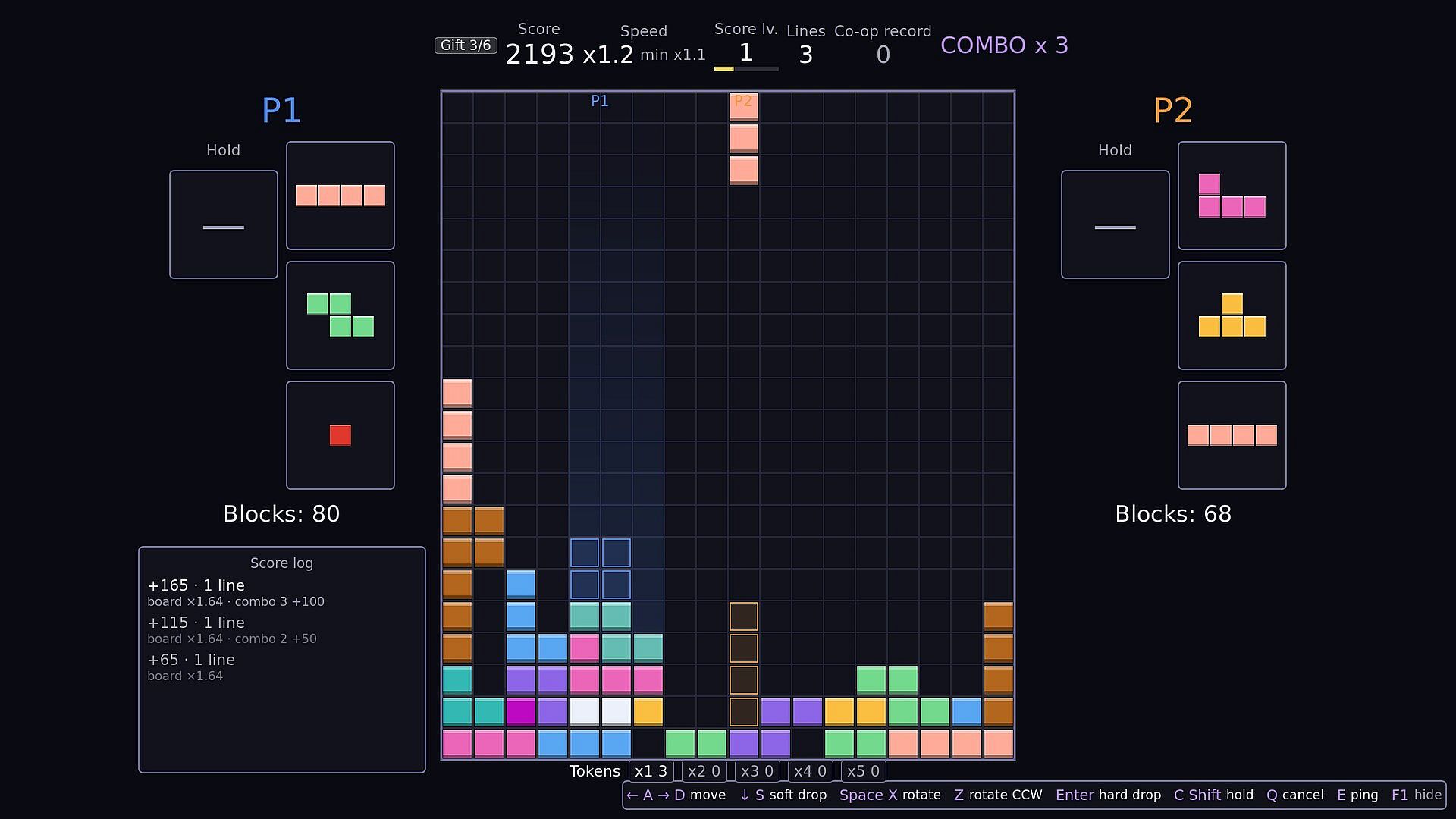
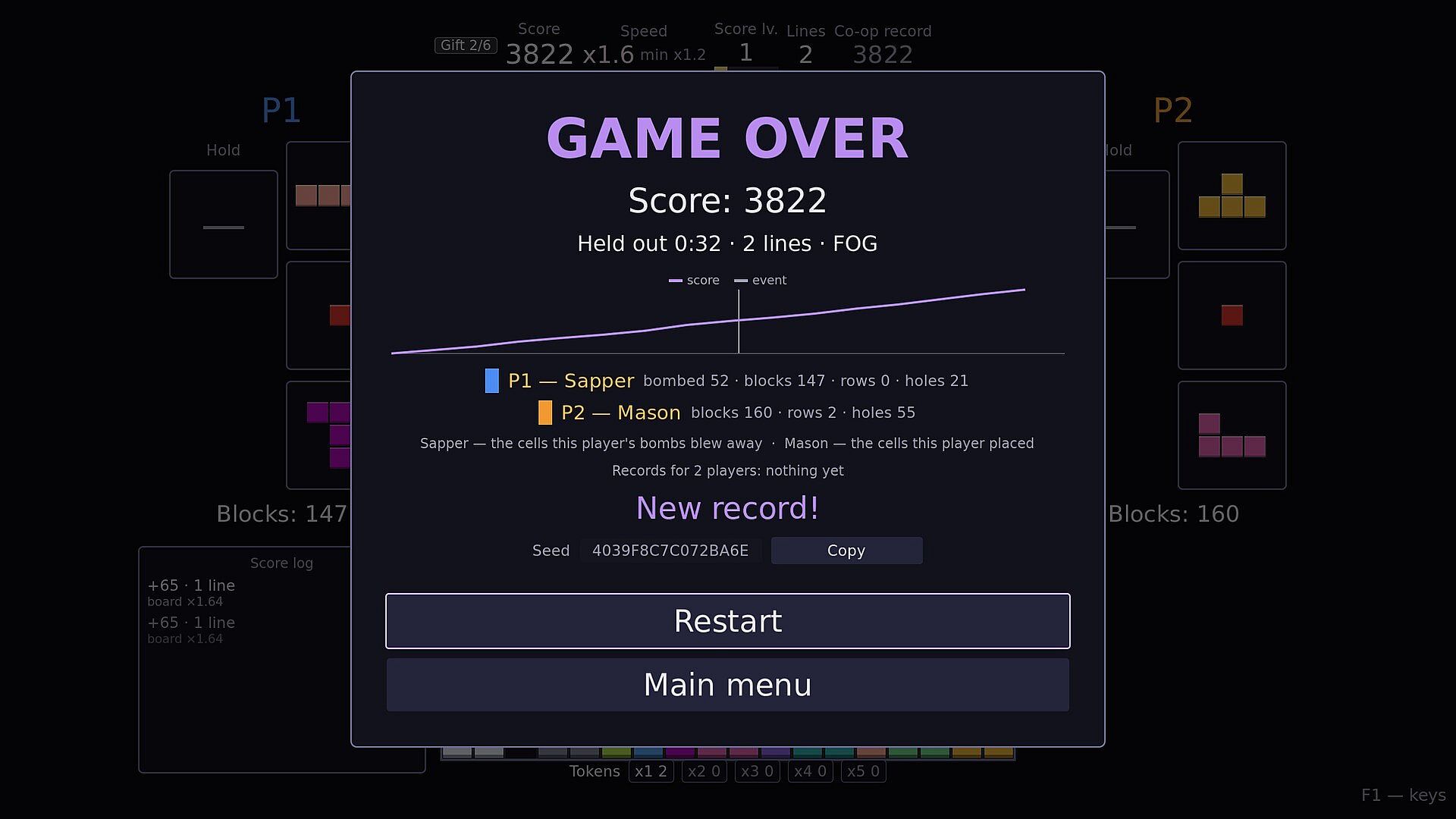
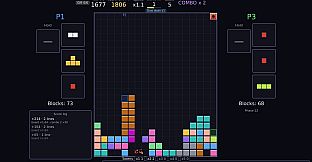
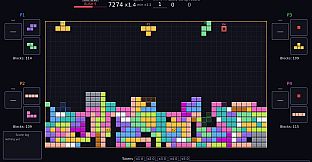
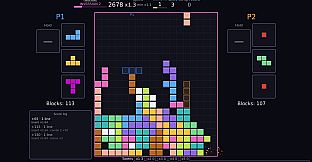
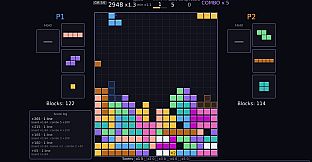
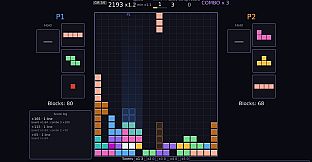
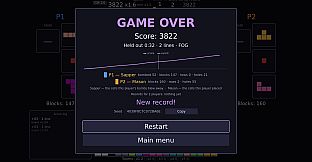
Quadora is a block-stacking puzzle game built around shared play and group competition. Players place tetromino-style pieces on expanding boards that everyone uses together, with lines clearing only when they span the full width. The setup encourages constant awareness of teammates and opponents alike, turning each placement into a collective decision rather than an isolated move.
Gameplay
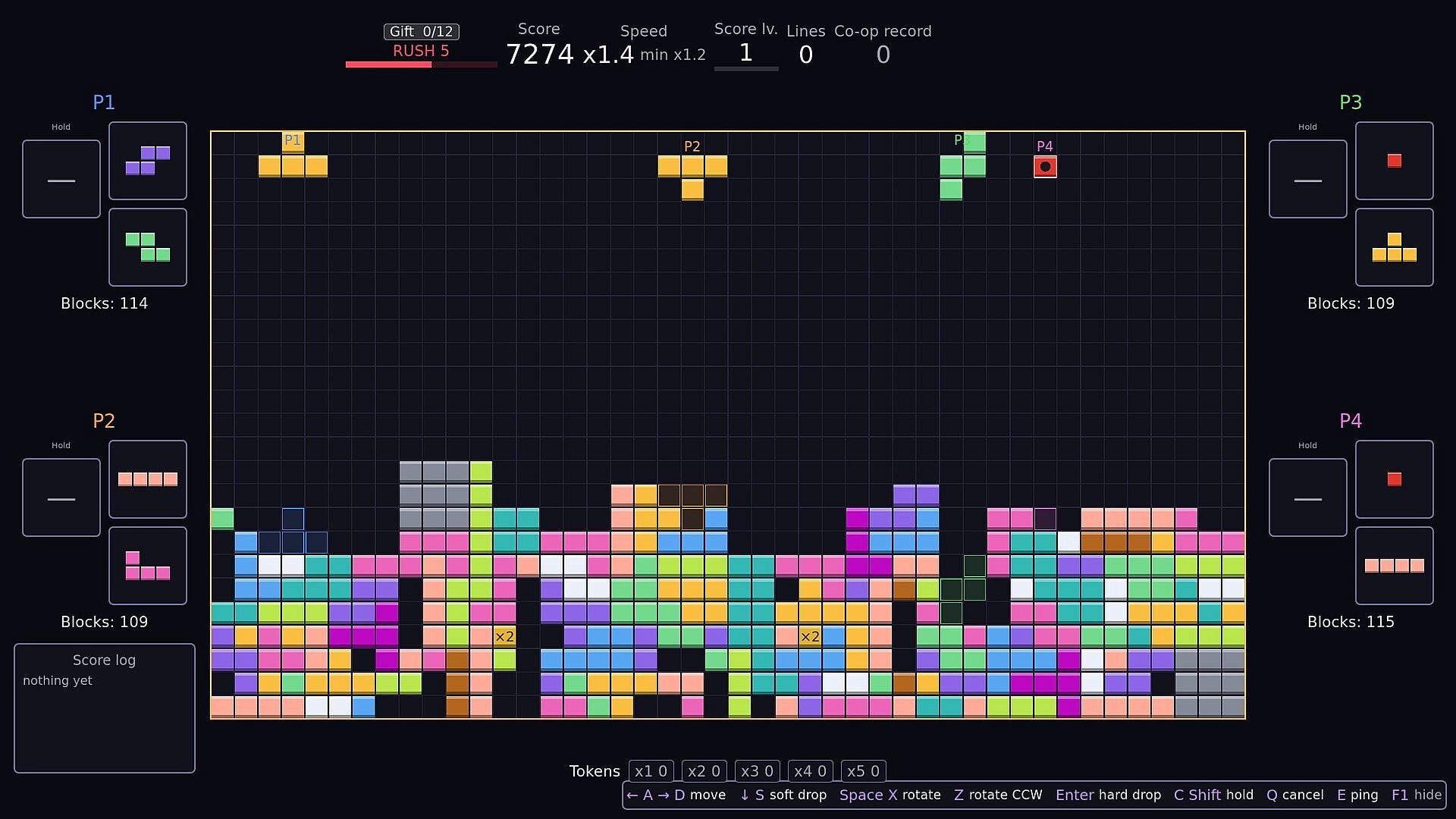
The core loop centers on one shared board that scales with the number of participants. A single player starts with eleven columns, while larger groups see the grid expand to eighteen, thirty-three, or forty-four columns. Because a line clears only when completely filled across its entire width, every piece affects the whole group. The shared score tracks the team effort, and any player topping out ends the round for everyone. This design keeps tension high even during casual sessions.
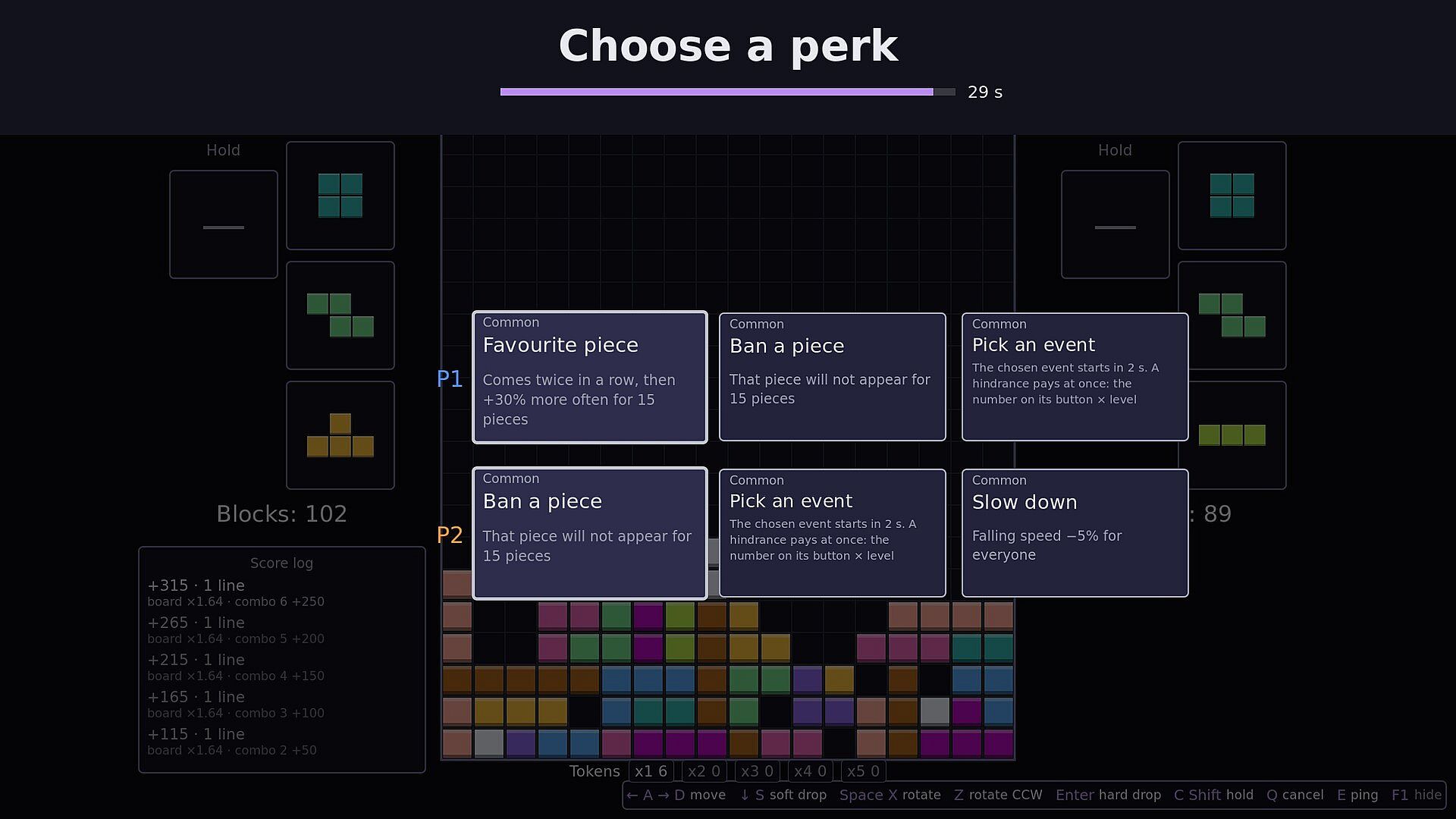
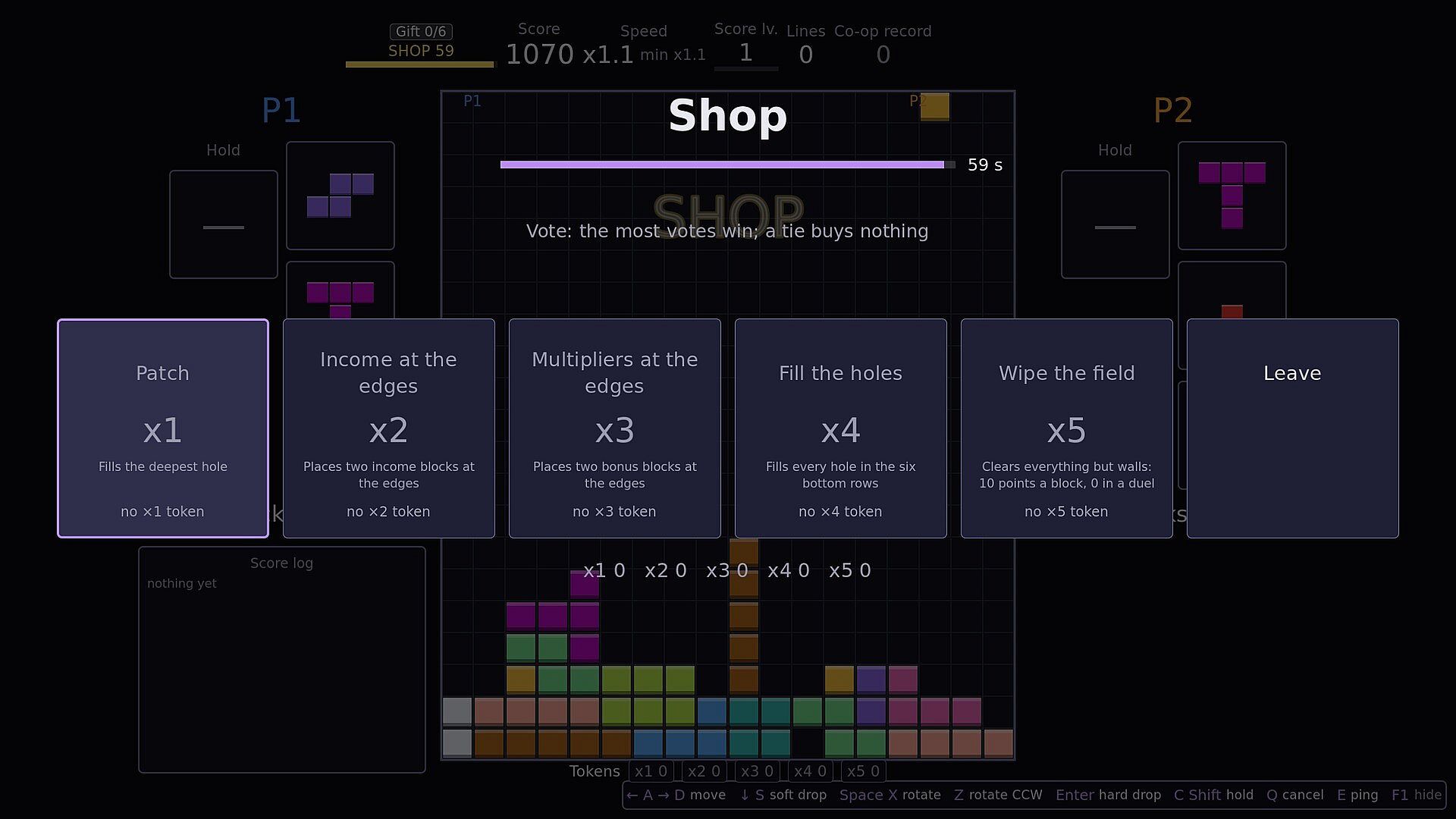
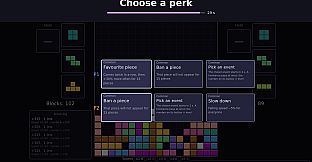
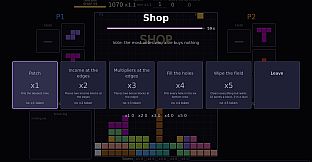
Clearing lines unlocks perks that modify future play. Options include score multipliers, bombs that remove blocks, the ability to draw a custom piece, or the chance to cancel an incoming bad shape. Ten random events can trigger mid-match, introducing effects such as hail, fog, lava flows, inverted controls, or freezing pieces in place. A shop lets the group vote on spending accumulated lines for upgrades that benefit the whole team.
Additional features support repeated play. Board skins provide visual variety, while every match records for later viewing. Groups maintain their own records, allowing friends to compare progress over time. Online lobbies, friend invites, and join-by-code options keep sessions accessible without complicated setup.
Game Modes
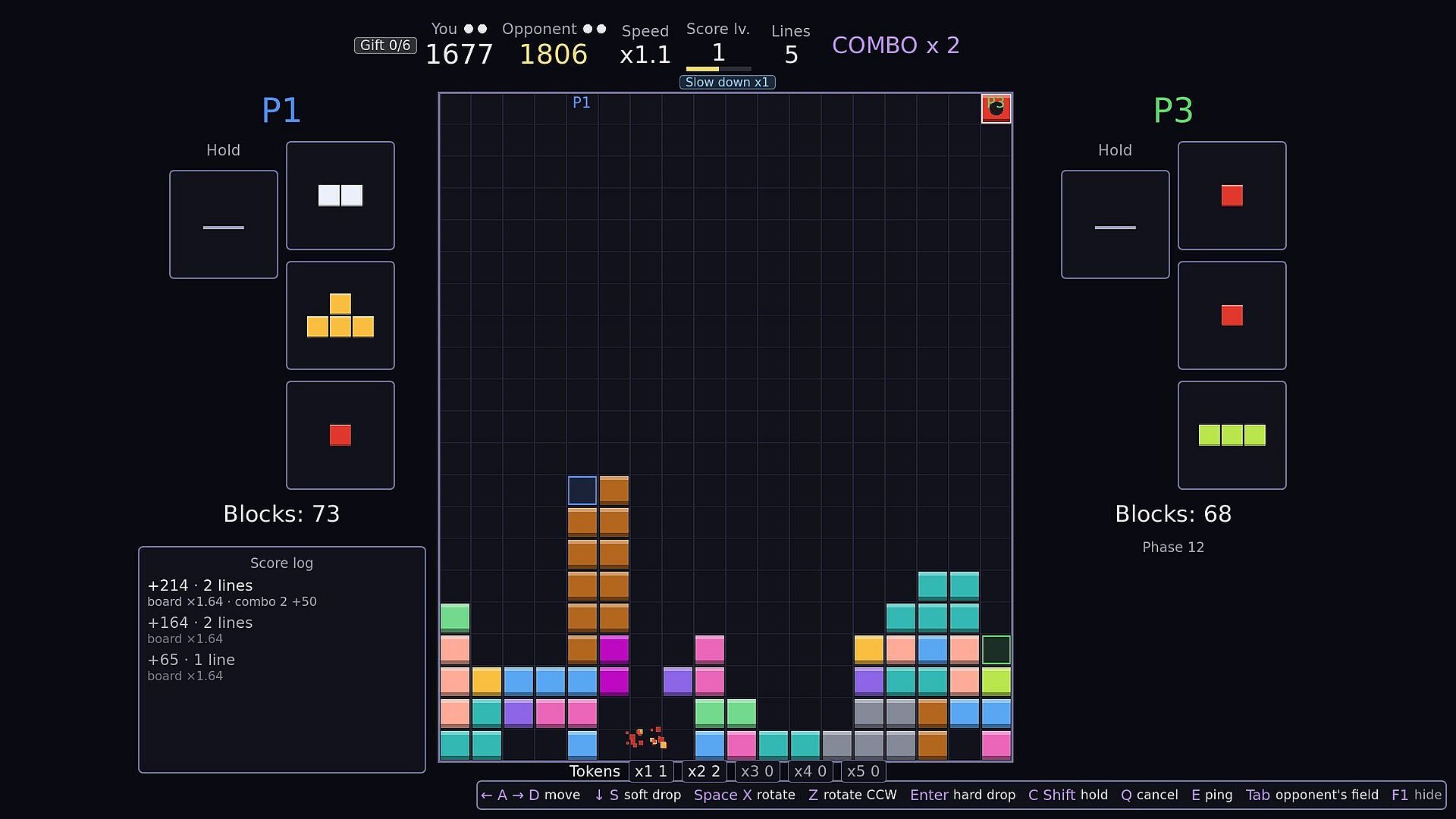
Party mode supports two to four players on a single shared board, emphasizing cooperation and communication as the grid grows with each addition. Duel mode pits teams of up to four against four, each side using its own board while drawing from a deck of attacks that can disrupt the opposing team. Free-for-all accommodates two to ten players, each with an individual board, where attacks affect everyone and the highest individual score determines the winner.
Campaign offers forty levels spread across four chapters, each rated up to three stars. Players tackle these solo or with friends, focusing on efficient line clears and perk management. Endless mode strips away opponents for pure solo score chasing, letting individuals refine placement strategies without external pressure.
Multiplayer and Social Features
The game shines in group settings because the shared board forces constant consideration of others' placements. One board for everyone means a poorly placed piece can stall progress for the entire group, while coordinated clears produce satisfying chain reactions. Records tied to specific friend groups create ongoing competition and motivation to return for better runs.
Online connectivity allows quick matches through lobbies or direct invites. Recorded replays let players review strong performances and identify areas for improvement. The combination of casual accessibility and competitive depth suits both short sessions and longer gatherings.
Is It Worth Playing?
Quadora suits players who enjoy puzzle games with a social twist. The shared-board mechanic creates a distinct experience compared with traditional solo stacking titles, rewarding communication and foresight. Those who prefer cooperative or light competitive play will find the Party and Duel modes particularly engaging, while solo enthusiasts can focus on Campaign or Endless for uninterrupted practice.
The mix of perks, events, and voting on shop purchases adds variety across matches without overwhelming new players. Because the game supports both small and larger groups, it works well for regular friend circles or occasional online sessions. Anyone drawn to block-stacking puzzles that emphasize group dynamics rather than pure individual speed will likely appreciate the focused design and replay options built around shared progress.