

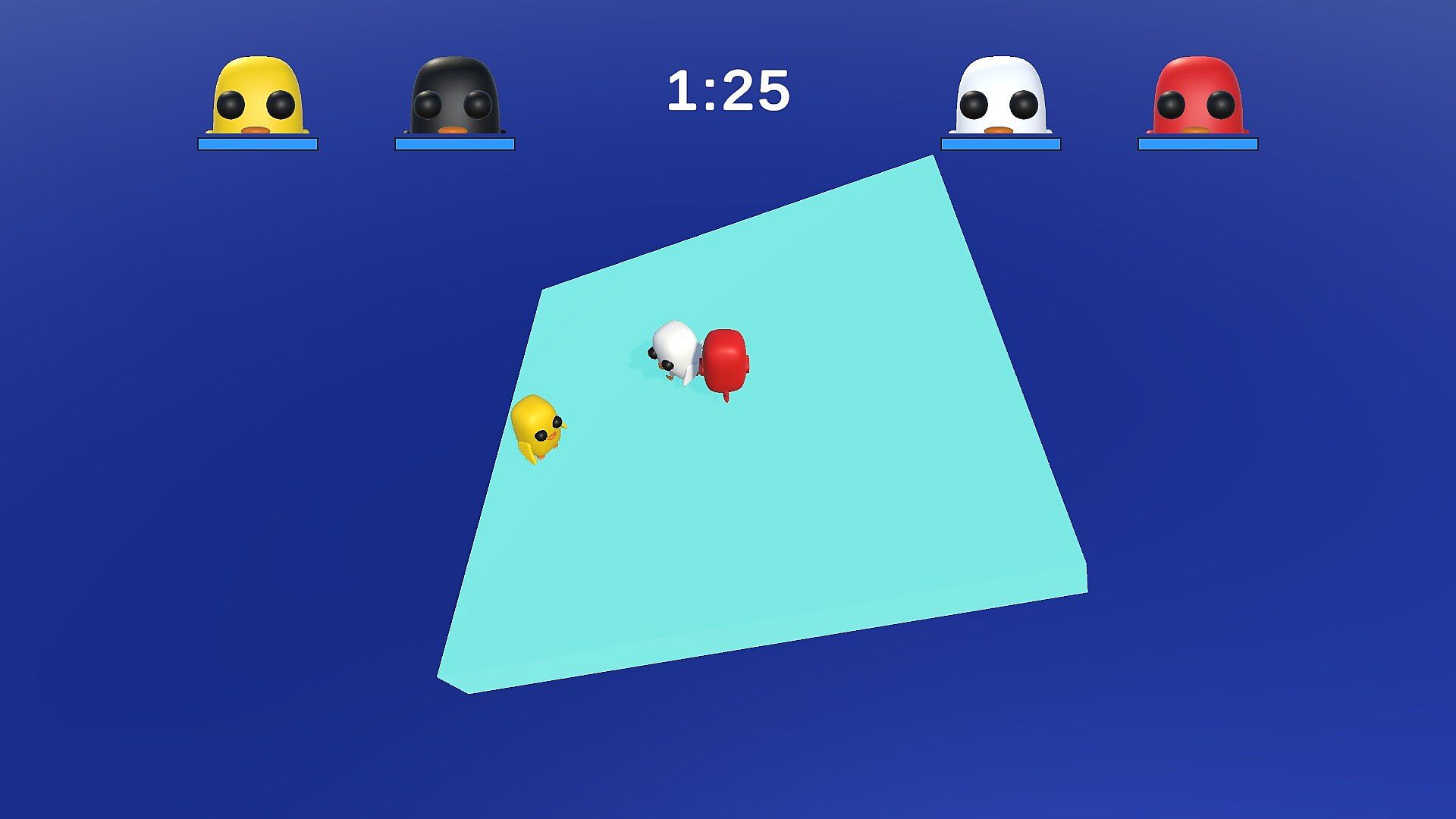
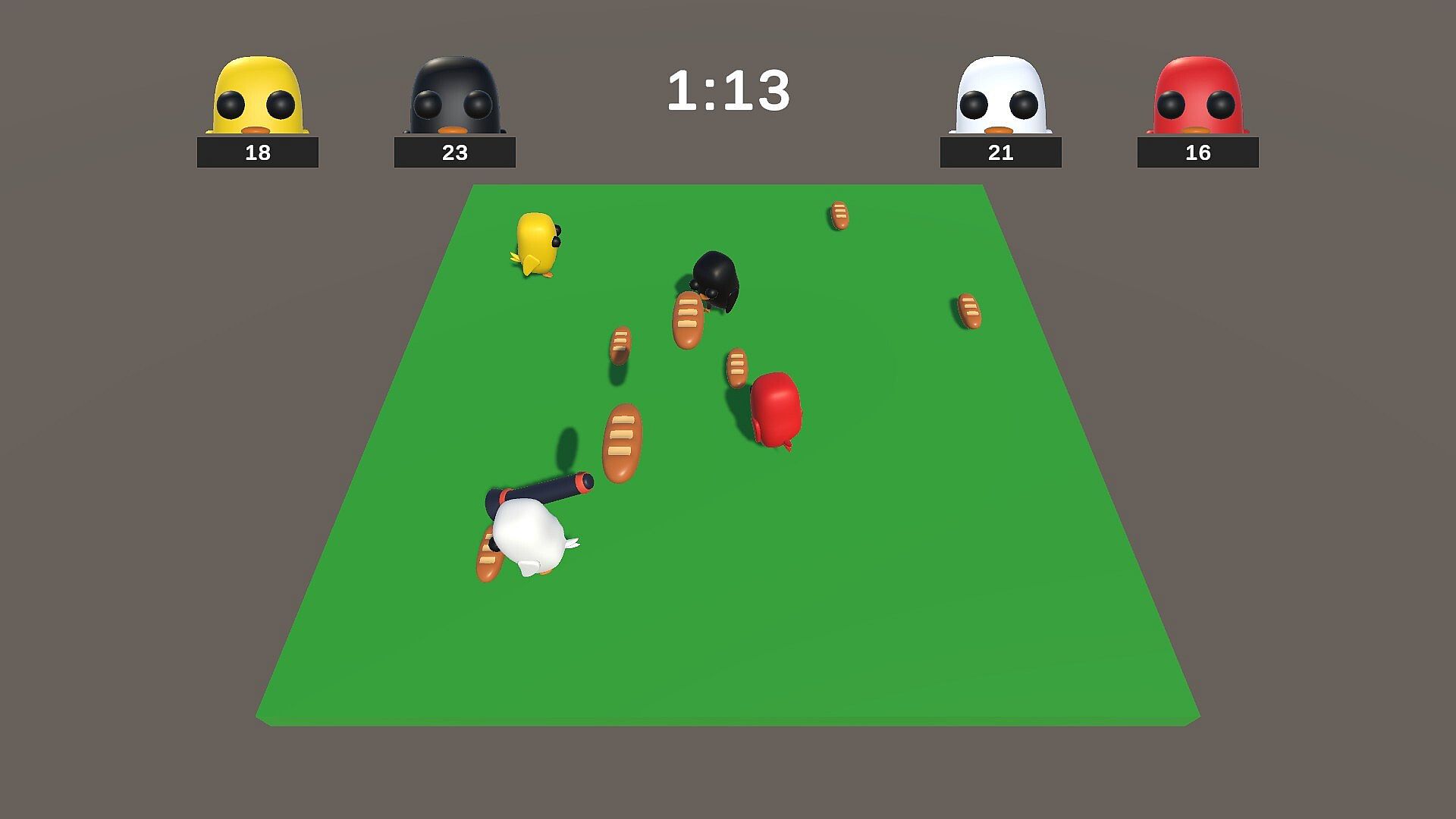
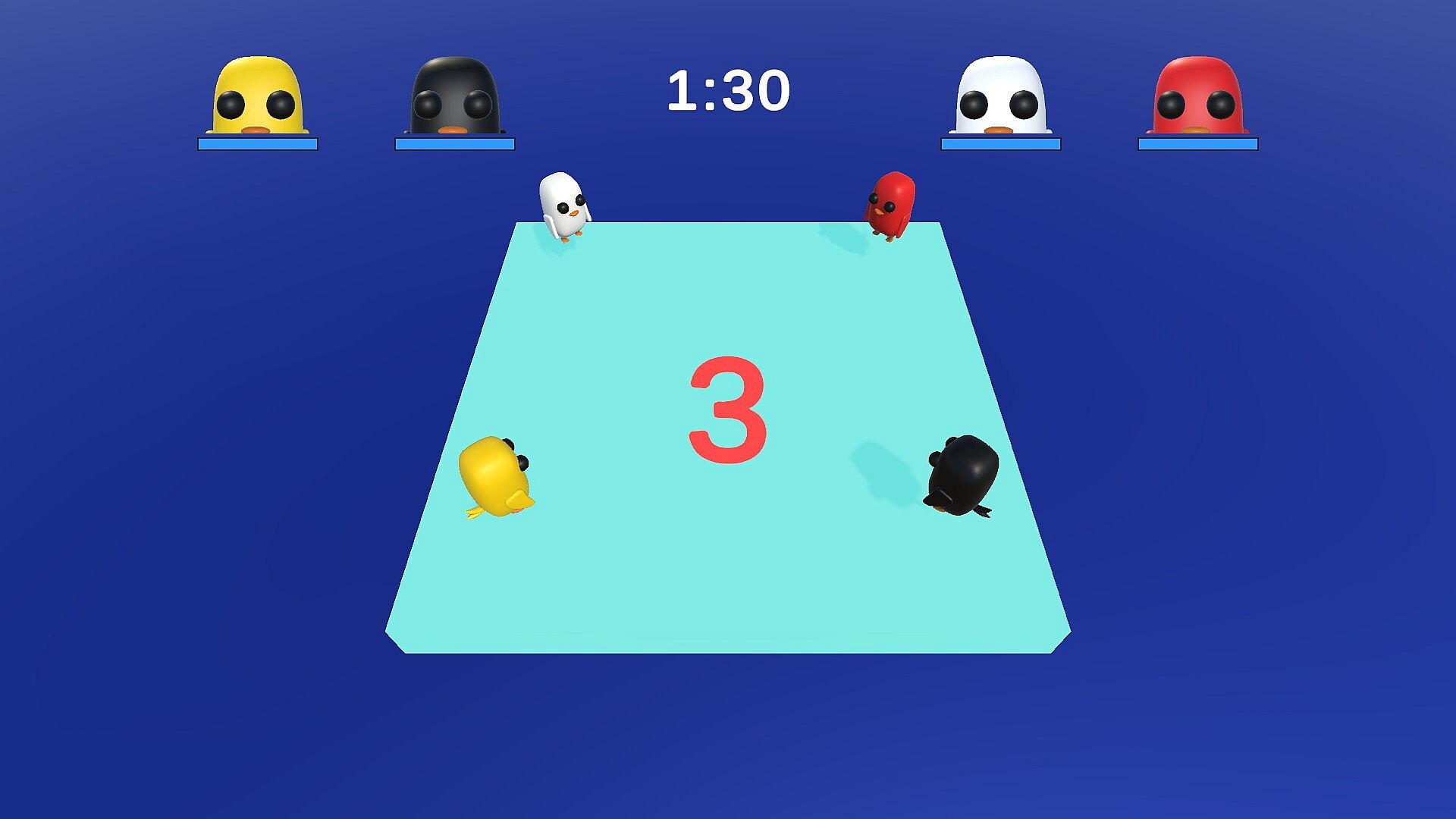
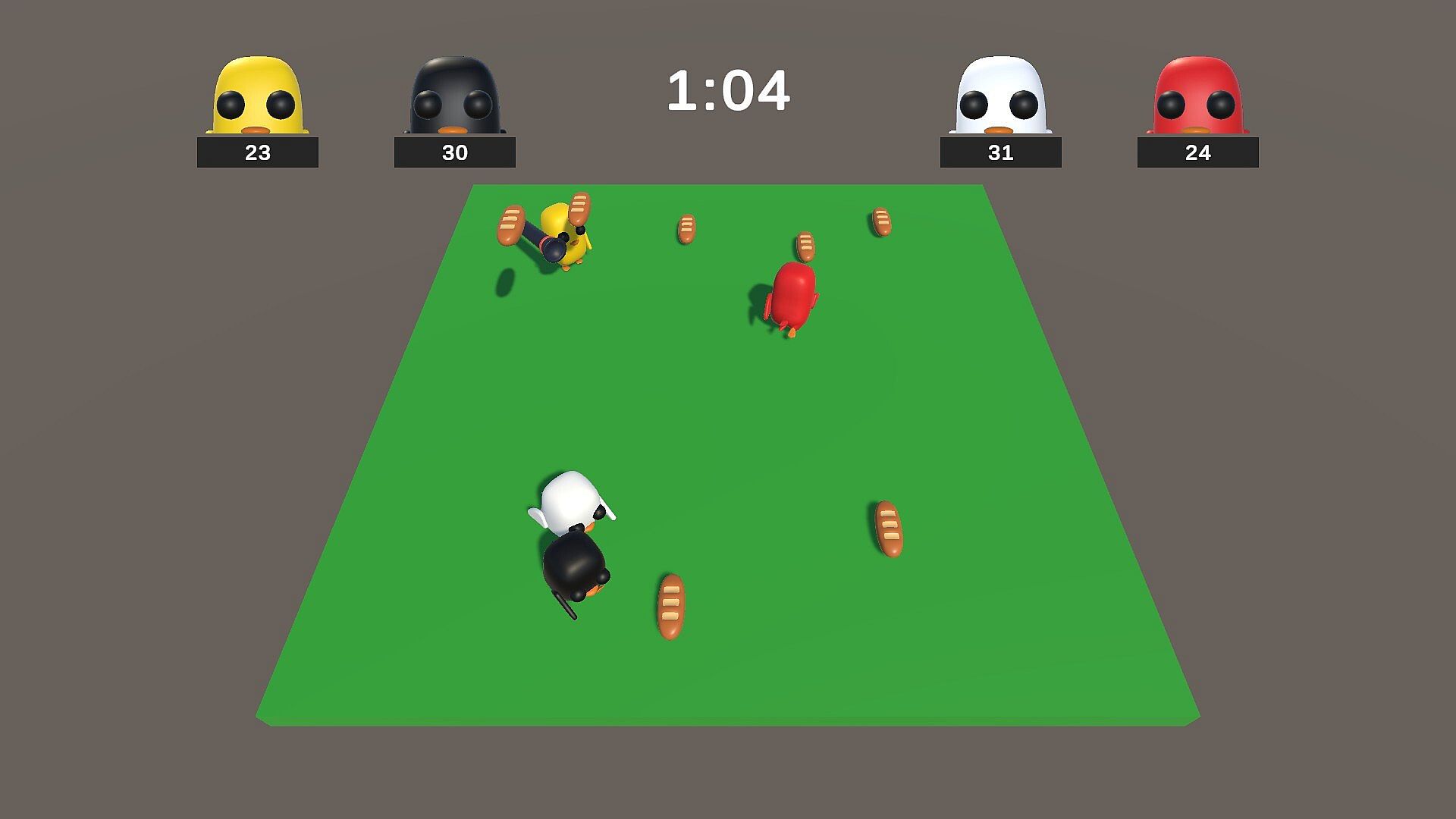
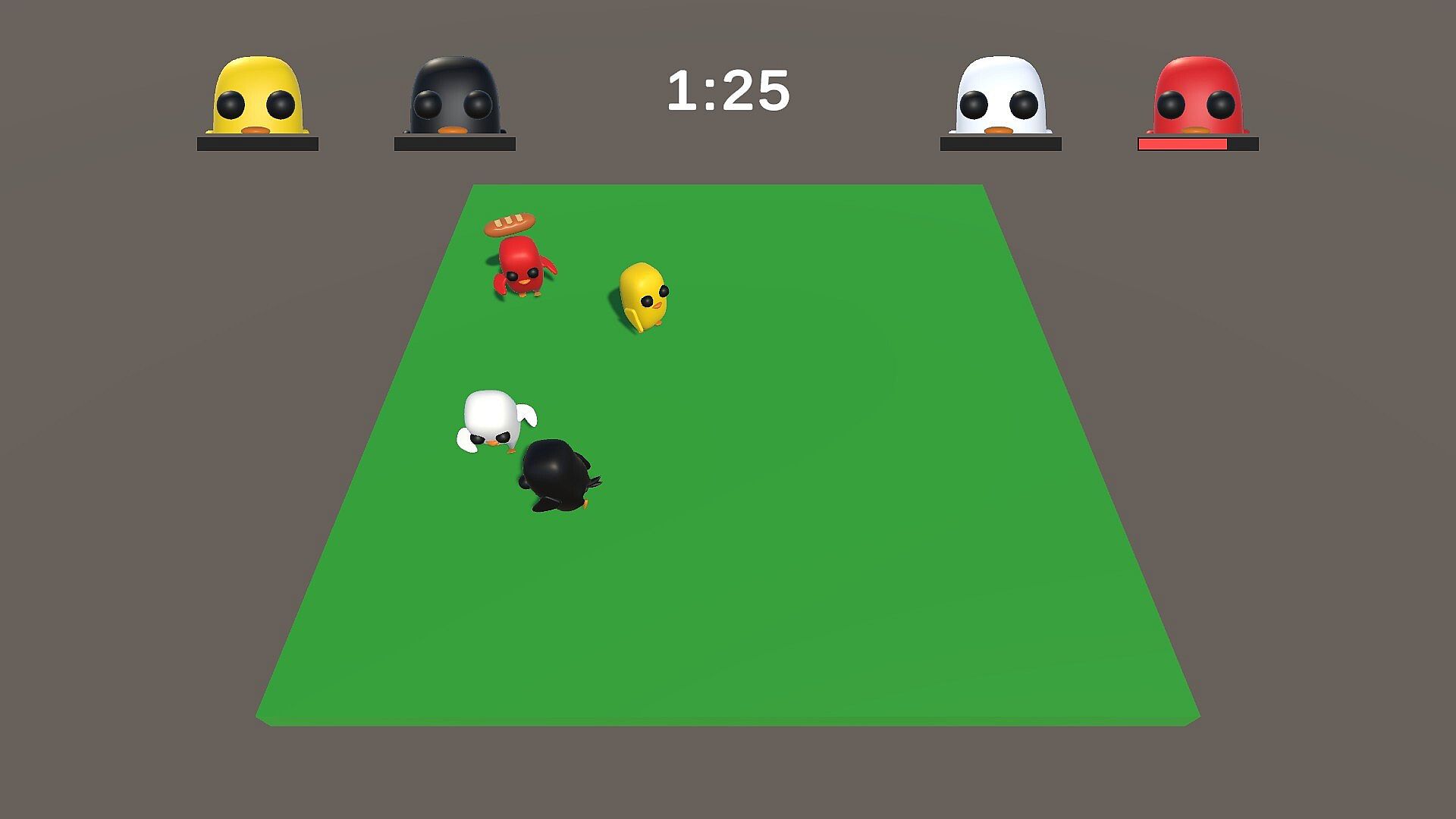
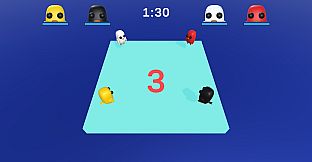
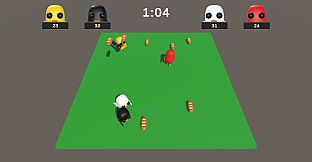
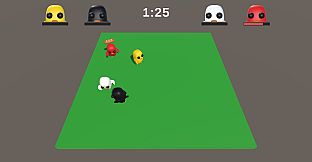
Quack stands out as a physics-based party minigame collection designed for action and strategy fans who enjoy quick, competitive sessions on PC. Up to four players control ducks in rounds focused on survival, where the core objective remains avoiding elimination first through tilting, blasting, and outlasting opponents. The game supports local couch play, online sessions via Steam, and bot fillers for incomplete groups, making it suitable for small gatherings or solo practice against AI.
Gameplay
Core mechanics revolve around simple yet chaotic physics interactions that reward quick thinking and spatial awareness. Players maneuver their ducks across varied arenas, using environmental elements and direct actions to disrupt rivals while staying in the round longer than everyone else. The indie approach keeps controls accessible, allowing newcomers to join without steep learning curves, while strategy elements emerge in how participants position themselves or time their moves to force early exits for others.
Rounds emphasize fast pacing, with each session building tension through unpredictable physics outcomes. Local multiplayer shines during in-person play, where reactions to friends' movements create immediate feedback loops. Online options extend this to remote groups, and bots ensure matches proceed smoothly even with fewer human participants. The action-strategy blend appears in balancing aggressive plays against defensive positioning to achieve the shared survival goal.
Game Modes
A collection of minigames forms the heart of Quack, mixing familiar party formats with unconventional twists and entirely original concepts. All modes tie back to the central rule of not being the first duck eliminated, encouraging varied tactics across different setups. Some draw from classic minigame traditions like direct competition or obstacle navigation, while others introduce weird mechanics that alter movement or interaction rules in unexpected ways.
Unique entries stand apart by layering strategy layers onto the physics foundation, such as environmental hazards or timed events that shift priorities mid-round. The variety supports repeated play without repetition, as each mode demands fresh approaches to outlasting the group. This structure fits both casual sessions and more focused strategy testing among regular players.
Multiplayer Options and Accessibility
Quack prioritizes flexibility in how groups assemble. Couch co-op handles up to four players sharing one screen for immediate social interaction, while online connectivity allows distributed friends to compete without travel. Bots integrate seamlessly to maintain full lobbies, preserving the intended chaos even during smaller get-togethers or when testing new modes alone.
The indie scale keeps system demands low, running on modest PC hardware with straightforward installation. Language support spans multiple options for broader reach, and the absence of complex progression systems means focus stays on the minigames themselves. This setup appeals to players seeking straightforward multiplayer entertainment rather than long-term campaigns or extensive customization.
Is It Worth Playing?
Quack targets groups who value short, repeatable party experiences over deep single-player stories. Its physics-driven minigames and elimination focus deliver consistent chaos suited to action-strategy enthusiasts comfortable with local or online play. With no user reviews available yet and a release date still to be announced, the game remains in a pre-launch state where interest centers on the described features.
Those who enjoy filling evenings with quick rounds among friends or family will find the bot support and mode variety practical. The emphasis on accessibility and variety without heavy commitments positions it as a potential addition for casual multiplayer collections, though final judgment depends on how the full set of minigames performs upon release.