




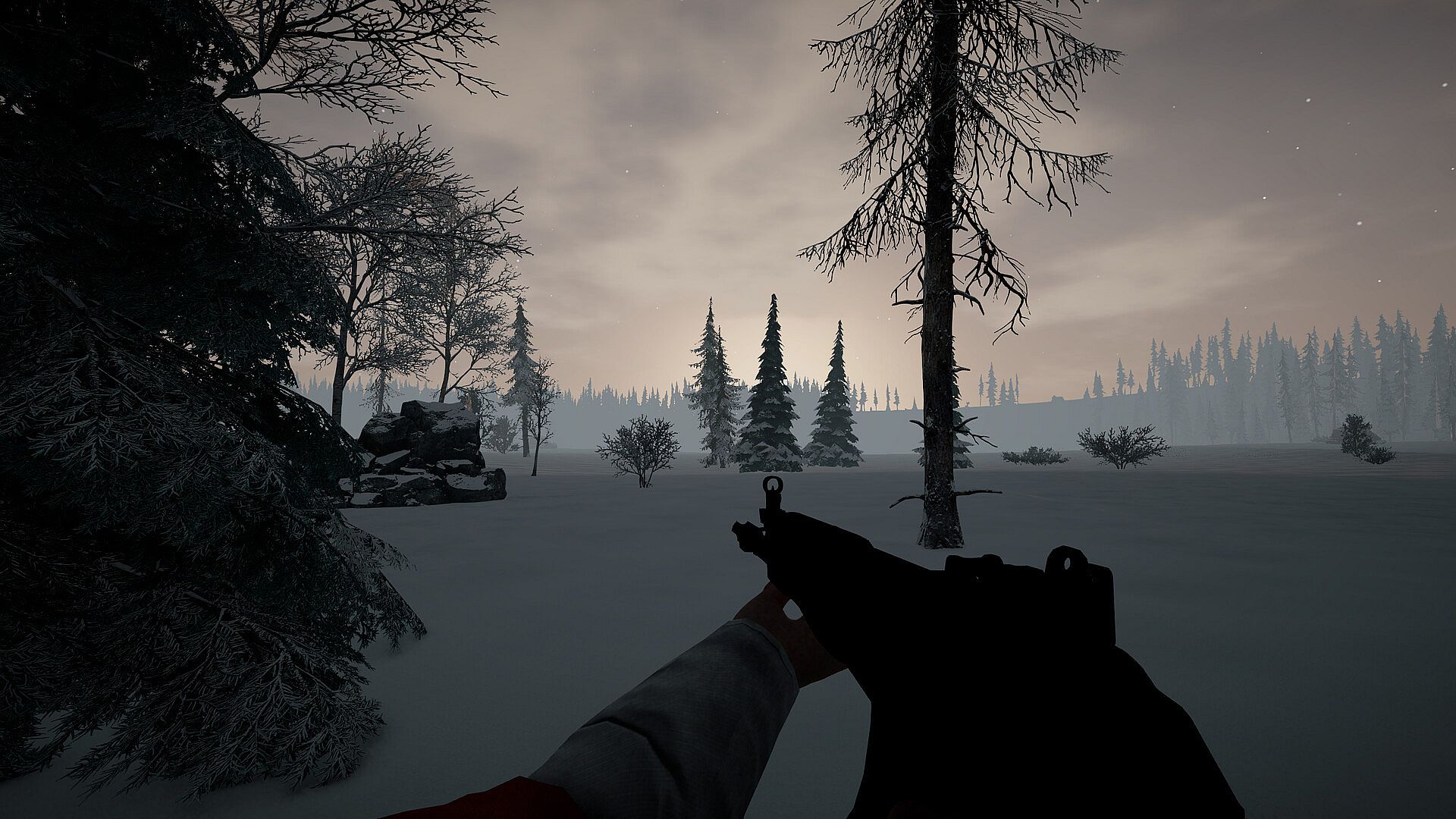
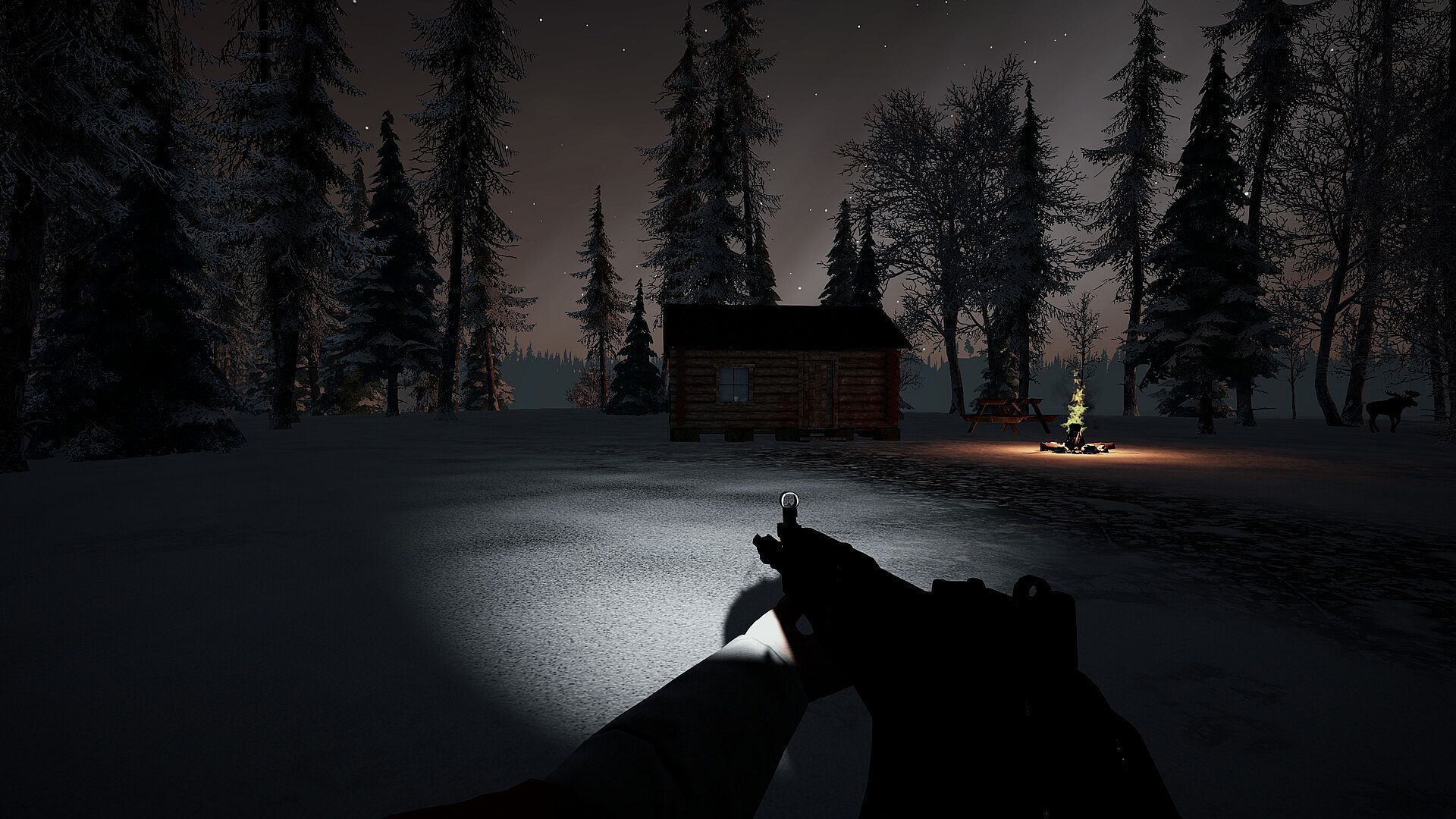
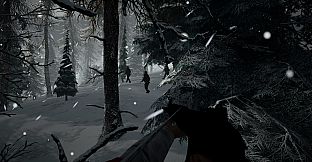
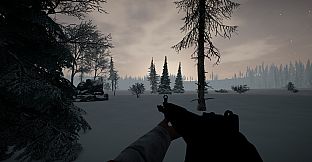
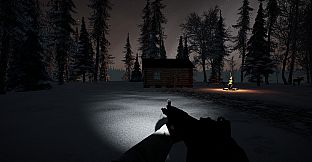
Project Routa is a single-player tactical survival horror game set in the sub-zero wilderness of Finland. A permafrost anomaly has isolated the region, corrupting the landscape and turning the climate into a constant lethal threat. Players must manage limited resources while navigating an environment where nature and hostile forces both pose immediate dangers.
Gameplay
The core loop centers on tactical winter survival. Core stats for cold, exhaustion, and hunger demand constant attention in extreme freezing conditions. Firearm use follows realistic mechanics with limited ammunition, so every shot requires planning and restraint rather than sustained fire.
The van serves as the primary mobile safehouse. Players repair damage, install upgrades such as auxiliary batteries and diesel heaters, and add modular storage to carry gear and crafting supplies. This vehicle enables travel across the frozen terrain while providing shelter during sudden environmental hazards.
Permafrost anomaly events known as EVR bursts create unpredictable dangers. These waves reduce visibility to near zero and cause rapid temperature drops, forcing immediate relocation to cover or risk fatal exposure. Preparation and quick decision-making become essential during these periods.
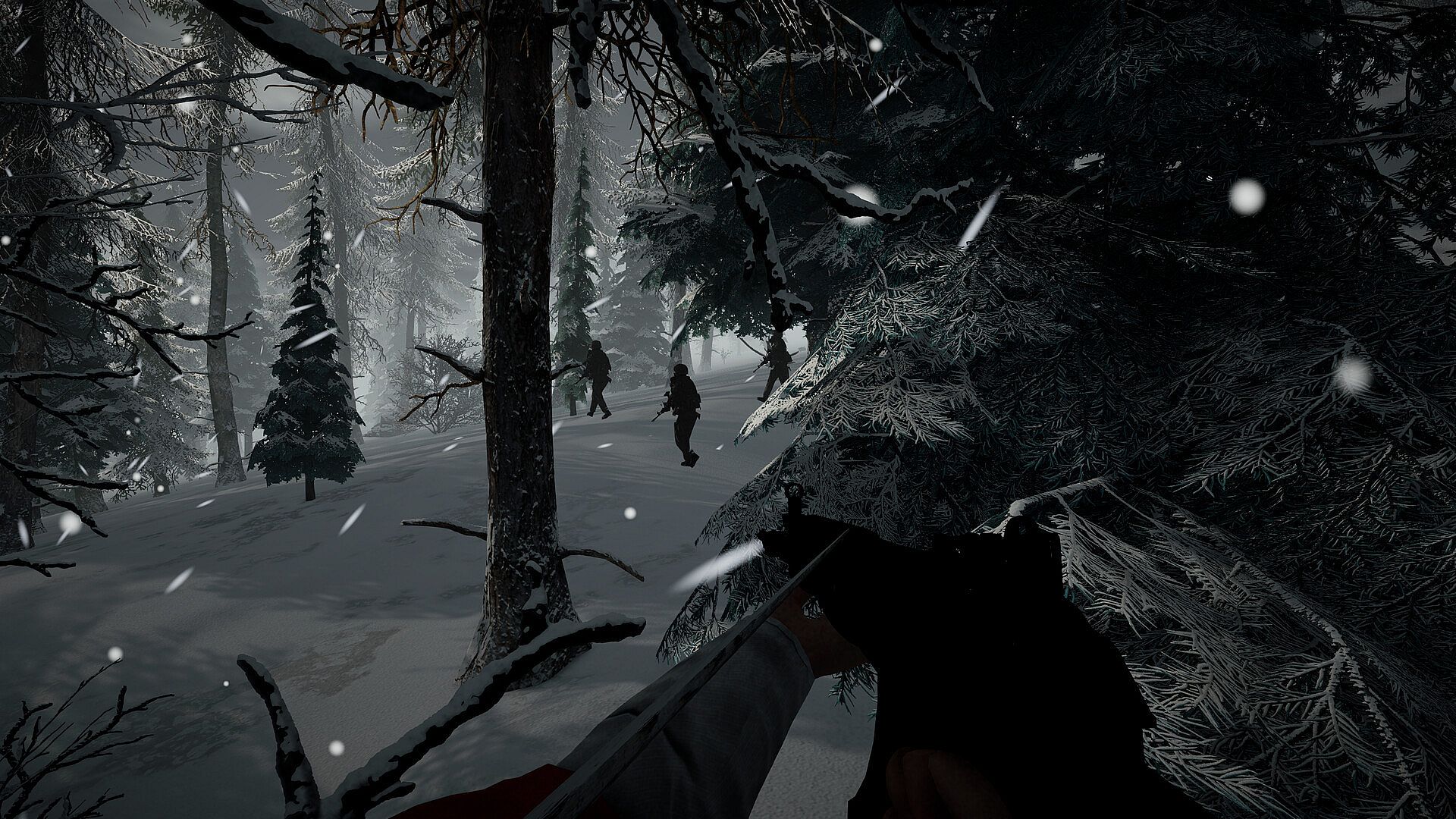
Hostile elements include military quarantine units enforcing strict lockdown protocols, rogue scavengers competing for resources, and mutated entities altered by the anomaly. Survival depends on a mix of stealth to avoid detection, use of terrain for advantage, and precise engagements when combat cannot be avoided.
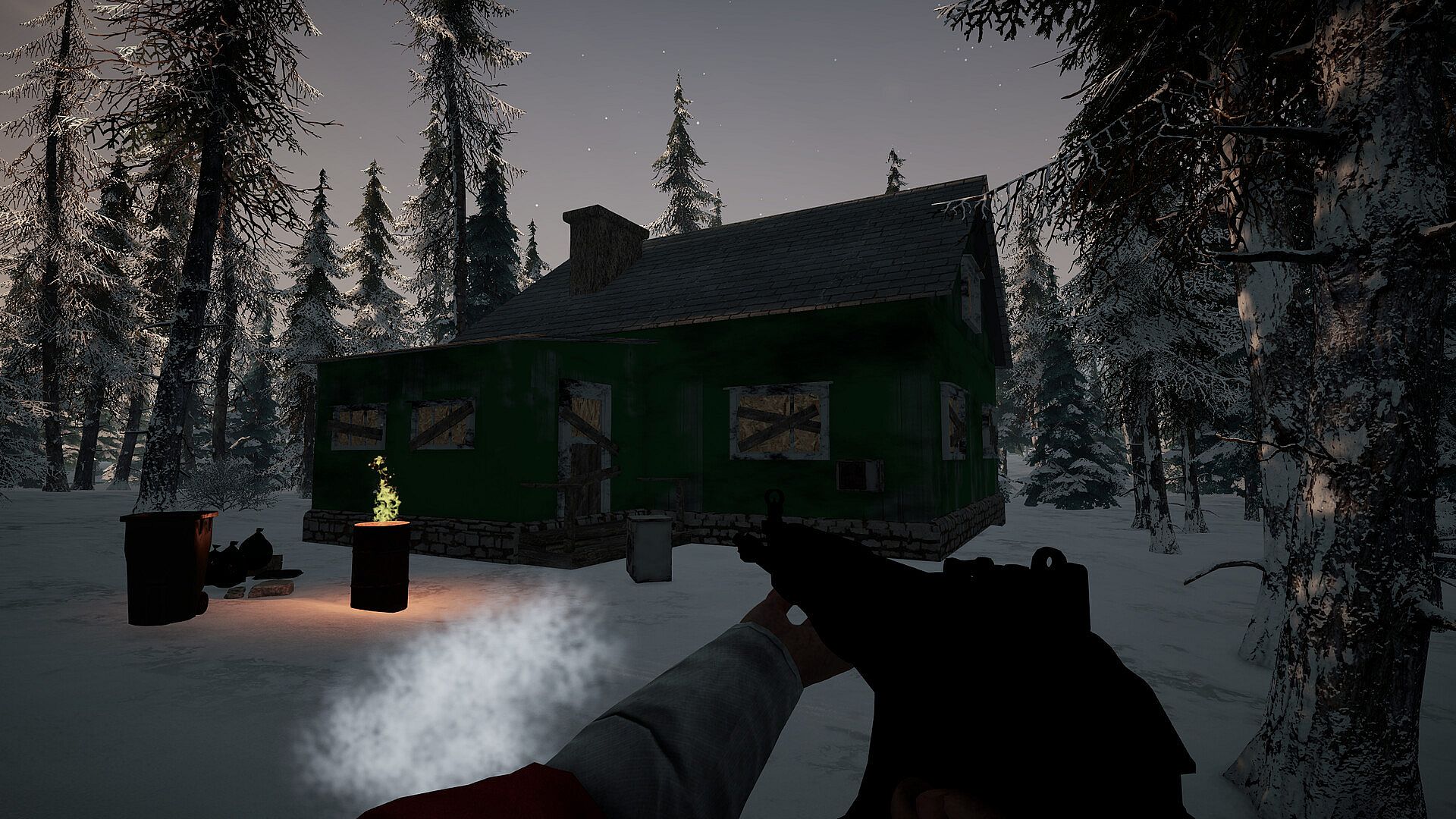
Abandoned log cabins and rural outposts function as temporary safehouses. Players gather wood for fuel, maintain stoves for warmth, repair worn equipment, and craft basic tools to sustain longer expeditions into the wilderness.
Game Modes
Project Routa operates entirely as a single-player experience focused on sustained survival in a hostile, isolated zone. The structure emphasizes ongoing resource management and exploration without multiplayer elements or separate competitive modes.
Progression revolves around maintaining the van, locating safehouses, and responding to anomaly events while dealing with faction encounters. Each session builds on previous preparations, with equipment degradation and environmental shifts shaping the next sequence of decisions.
Key Mechanics and Threats
Resource scarcity defines every aspect of play. Ammunition, fuel, and crafting materials remain limited, encouraging careful inventory decisions and prioritization of upgrades that extend survival time. The van customization system allows incremental improvements that directly affect mobility and protection against the cold.
Environmental hazards extend beyond temperature management. EVR bursts introduce sudden, high-stakes interruptions that test player readiness and force adaptive routing through the map. Terrain features such as dense forests or open expanses influence both movement speed and concealment options during encounters.
Interaction with factions adds layers of tension. Military units patrol with strict enforcement tactics, scavengers operate opportunistically, and anomaly-mutated creatures introduce unpredictable close-range threats. Players balance avoidance with selective confrontations based on available gear and positioning.
Is It Worth Playing?
Project Routa suits players who enjoy deliberate, resource-driven survival horror with a strong emphasis on preparation and environmental awareness. The single-player focus delivers a consistent loop of exploration, maintenance, and threat response without reliance on online components or seasonal content cycles.
Those drawn to grounded mechanics, vehicle customization, and atmospheric tension in a cold-weather setting will find the described systems align closely with that preference. The combination of anomaly events, faction interactions, and safehouse management creates repeated decision points that reward planning over reflex-based action.
Availability on PC positions it for users with hardware suited to detailed environmental rendering and simulation elements. The game remains in active development based on its listed status, with core features centered on the survival systems outlined in its description.












