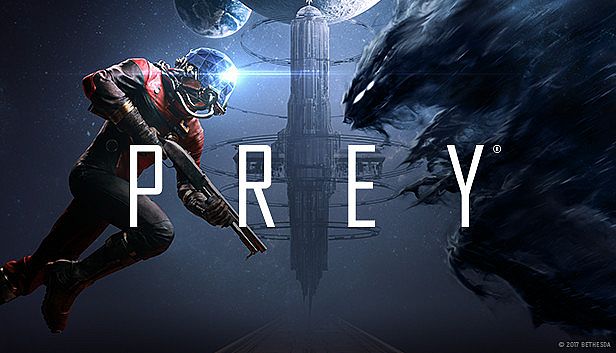
























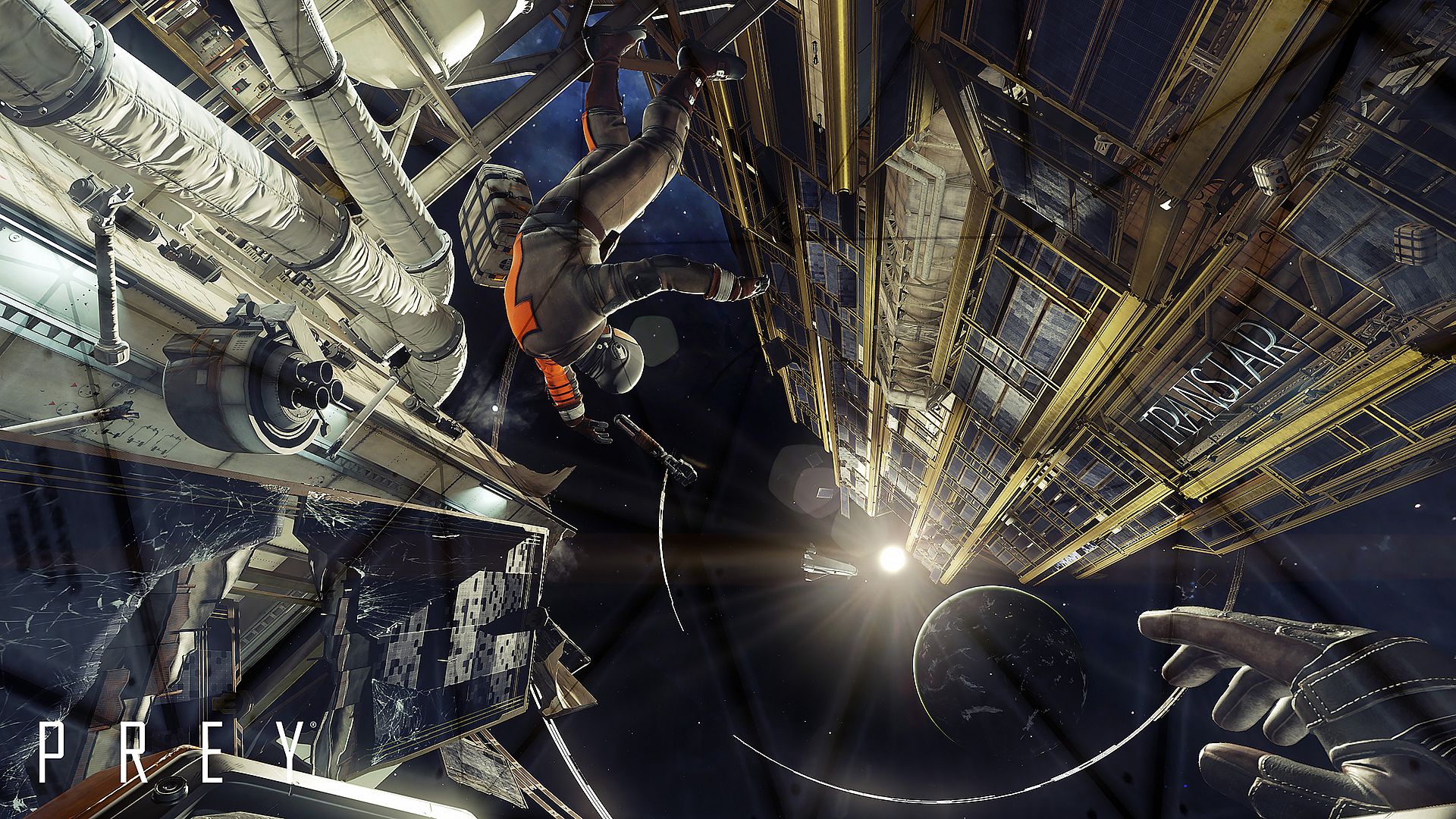
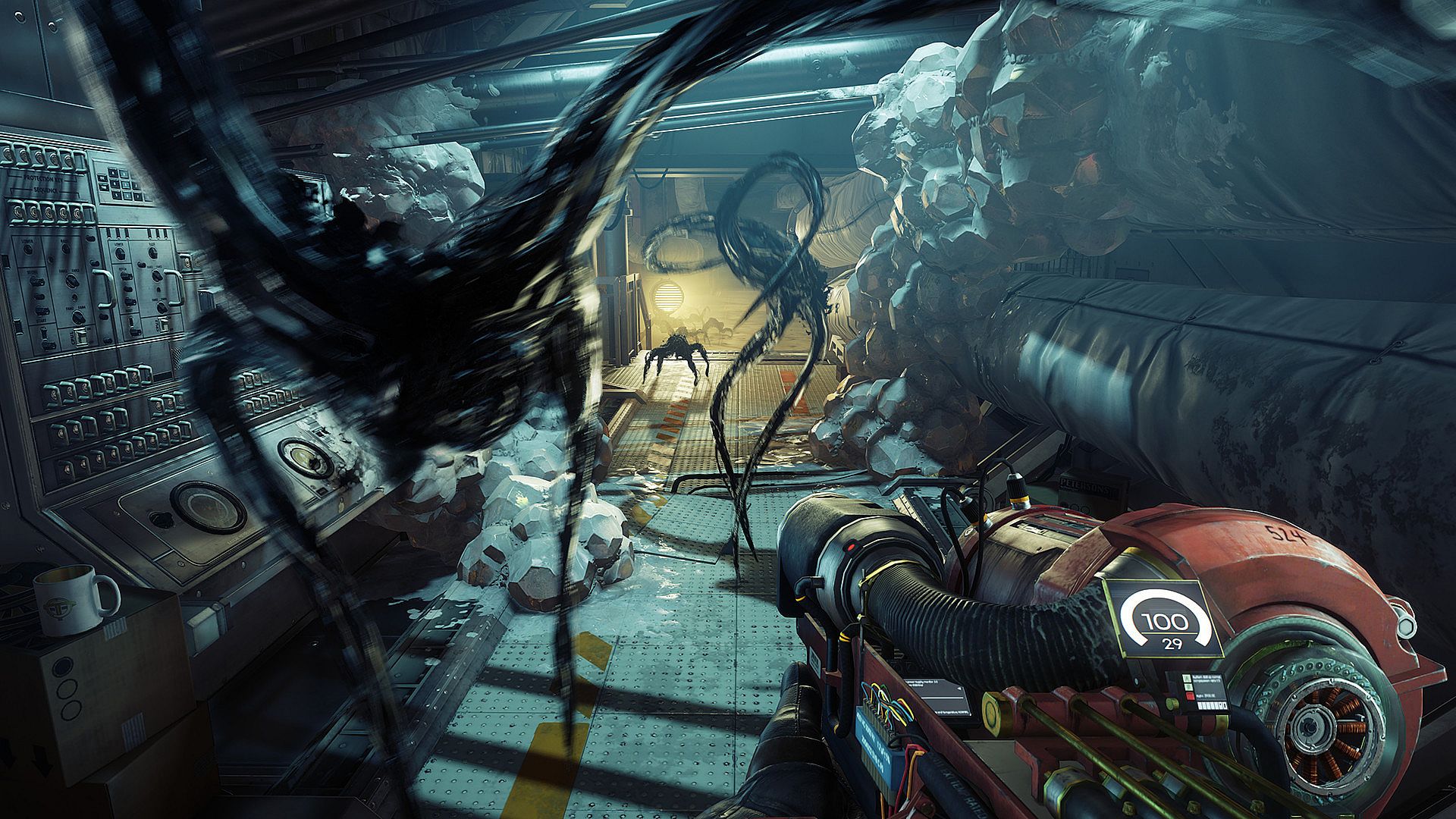
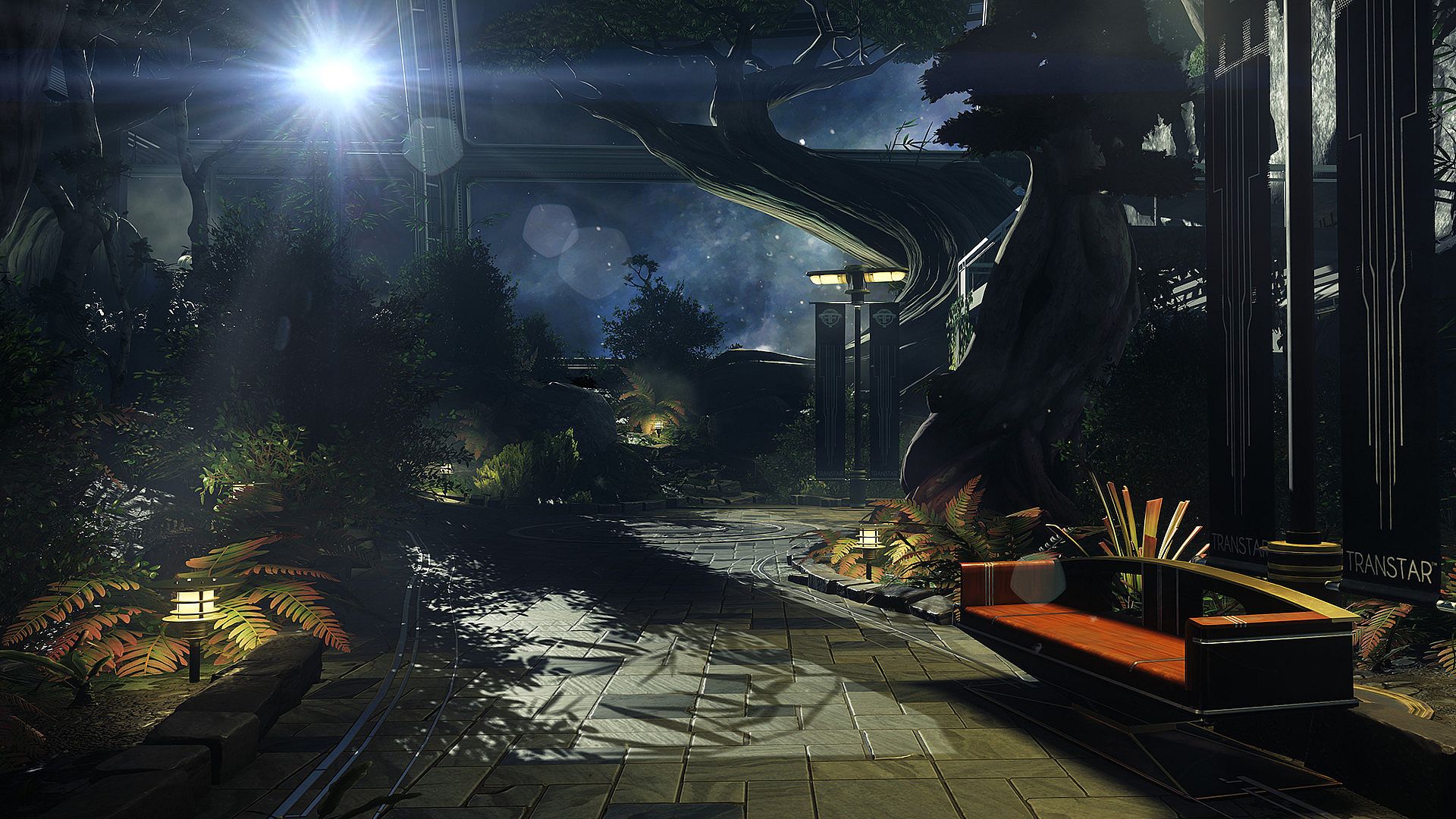
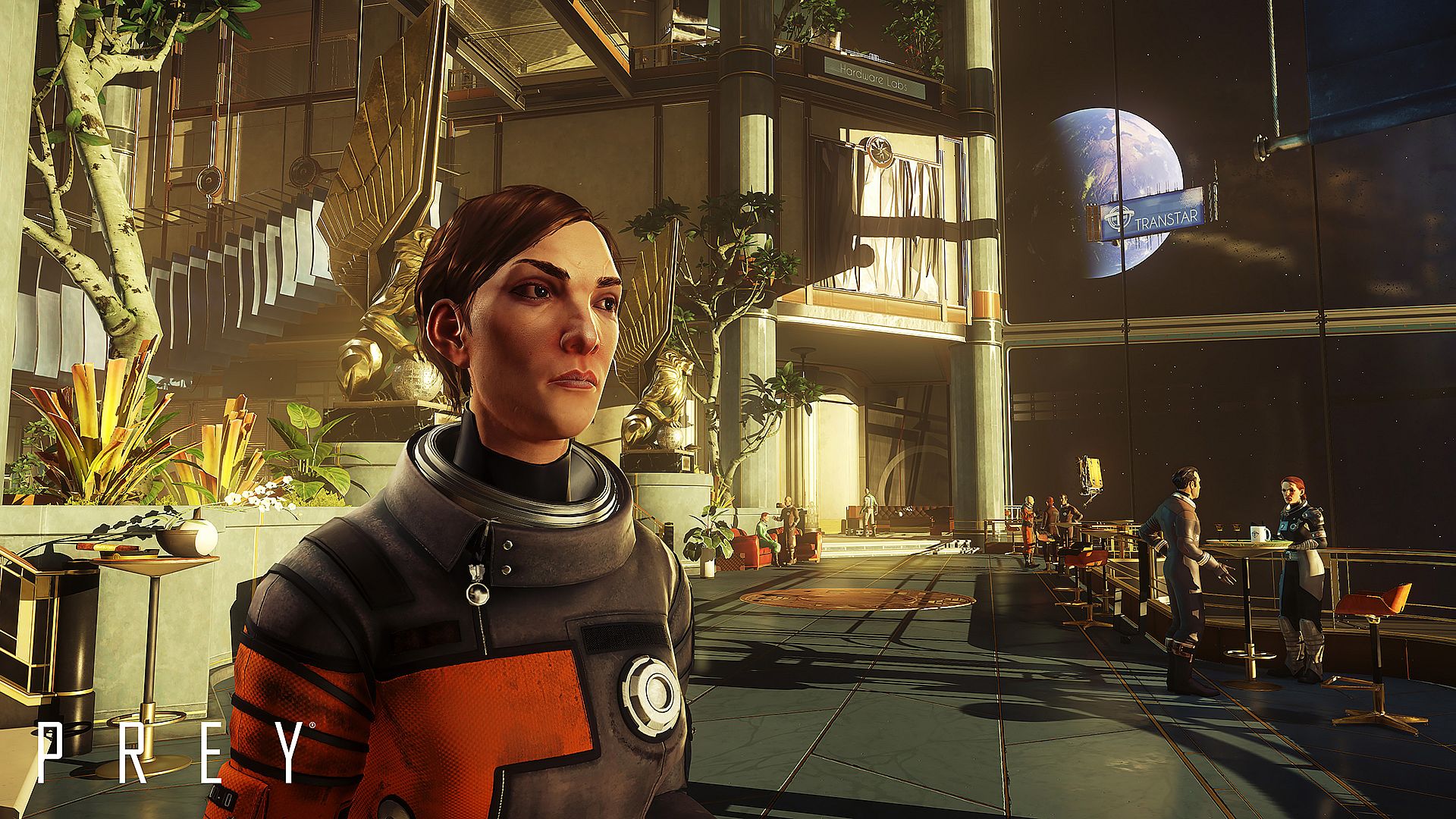
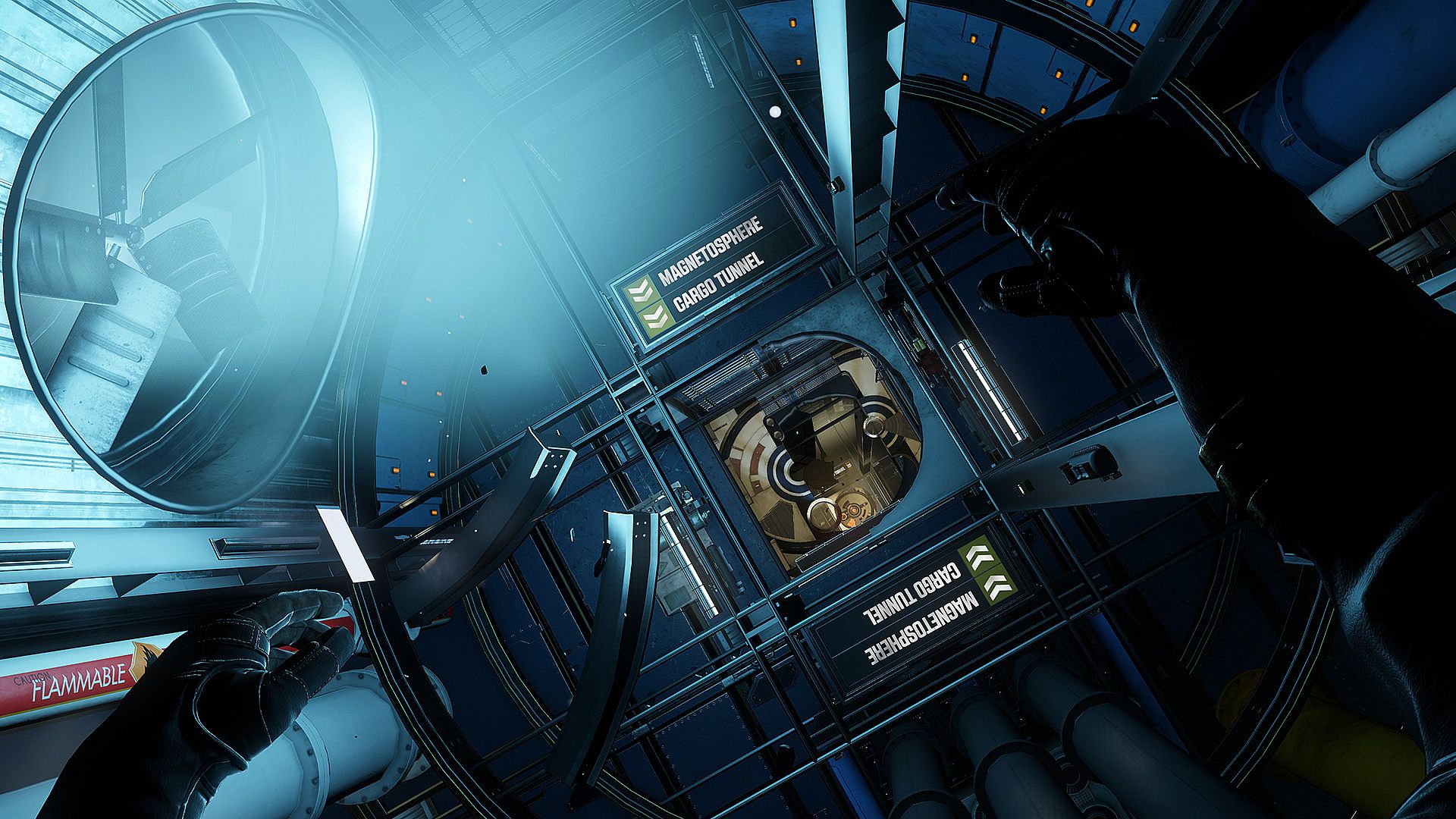
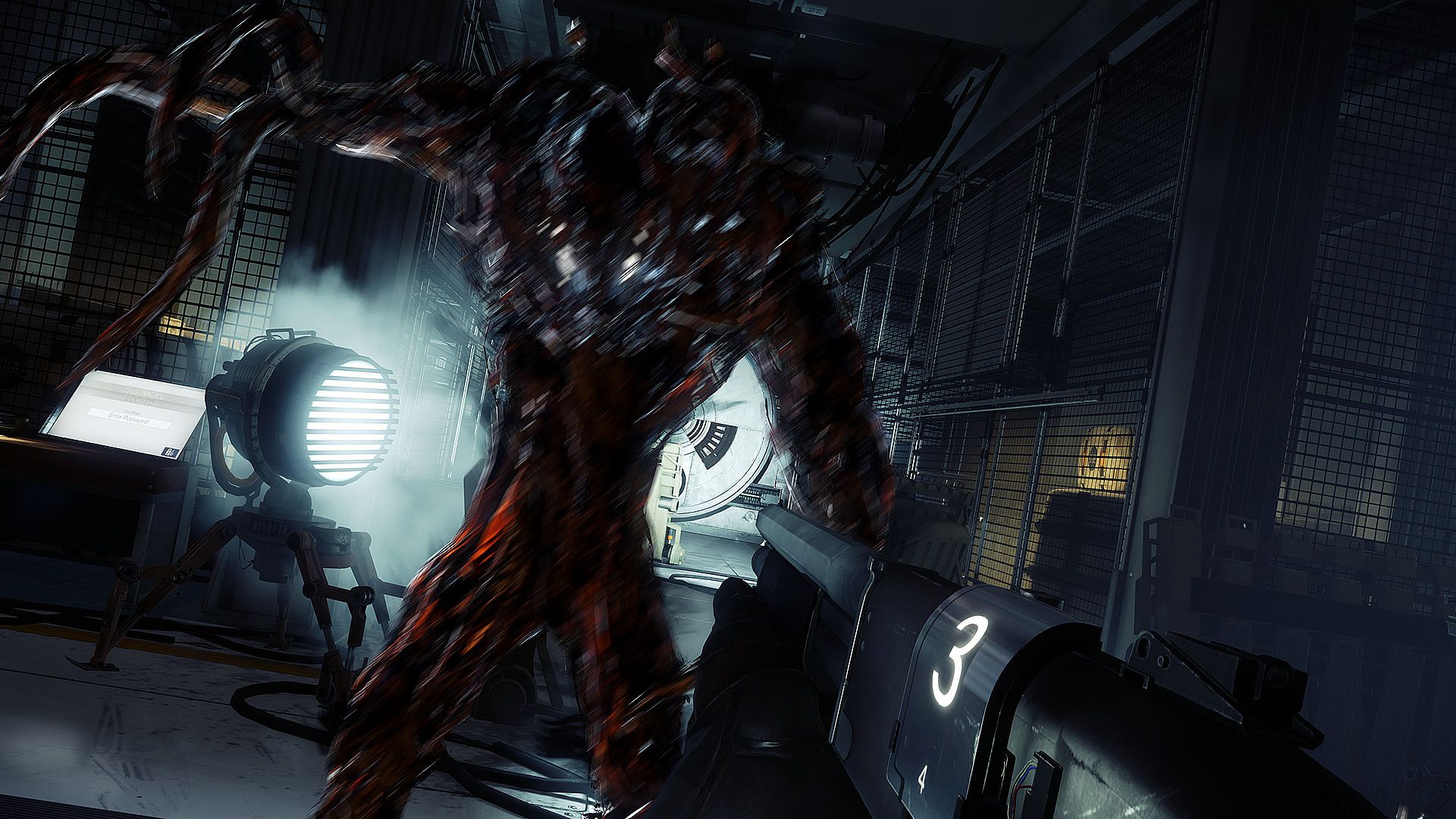

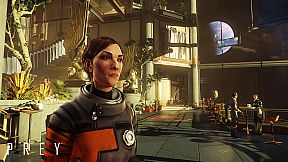





Prey, released in 2017 by Arkane Studios, stands out as a first-person immersive simulation game blending action and adventure elements. Set on the Talos I space station orbiting the moon in 2032, you play as Morgan Yu, awakening to a station overrun by hostile aliens known as Typhon. The core experience revolves around survival through exploration, combat, and clever use of abilities, drawing from influences like System Shock and Deus Ex.
Gameplay
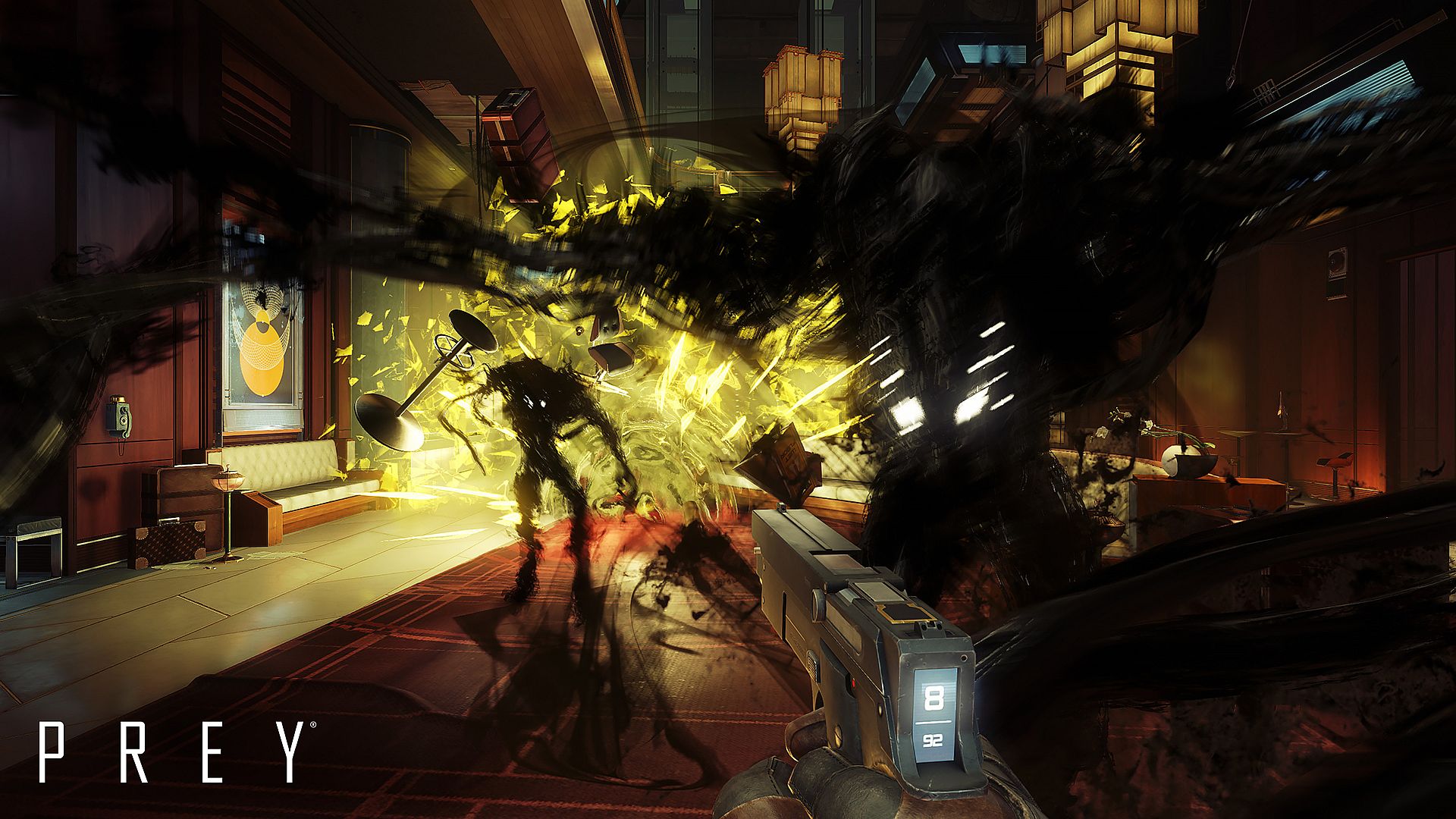
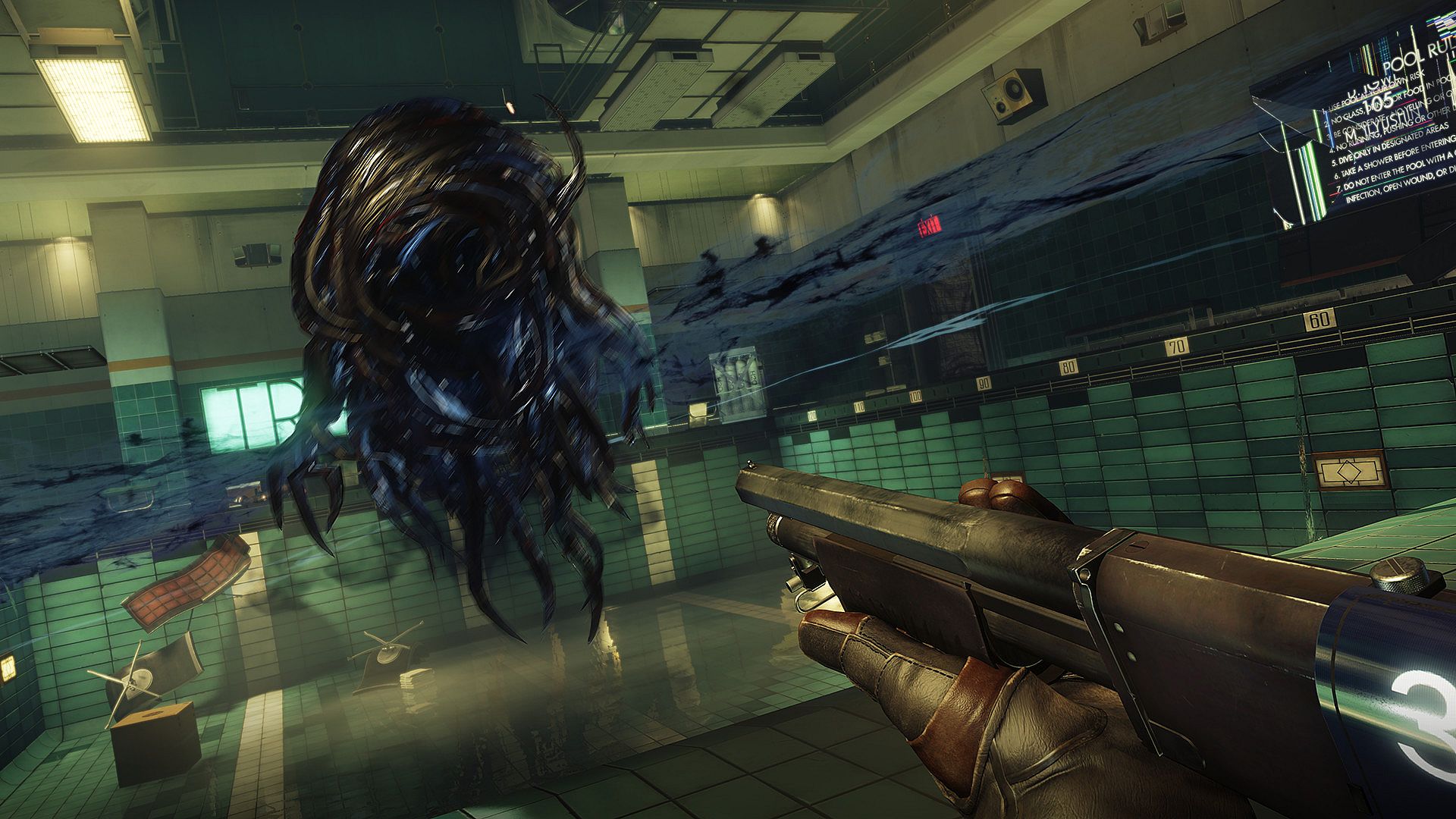
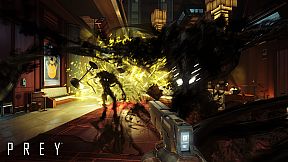
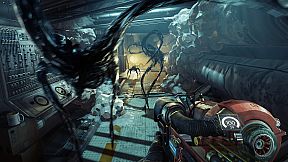
In Prey, gameplay emphasizes freedom in how you approach challenges on the sprawling Talos I station. You navigate interconnected areas, solving puzzles and fighting Typhon enemies that can mimic objects or use psychic powers. Combat involves firearms, tools like the GLOO Cannon for immobilizing foes, and neuromods that grant abilities such as enhanced strength or alien mimicry. Resource management plays a key role, with a recycling system that lets you break down items into materials for fabricating new gear. Exploration rewards thorough players, as hidden paths and secrets reveal more about the story and provide upgrades.
The game's immersive sim design means multiple solutions exist for obstacles. For instance, locked doors might be hacked, forced open with strength, or bypassed through vents if you have the right skills. Combat can be direct or stealthy, and Typhon enemies adapt, requiring varied tactics. This setup creates a loop of scouting areas, gathering resources, upgrading abilities, and progressing through the narrative while surviving threats.
Game Modes
Prey focuses on a single-player campaign without multiplayer components. The experience is structured around the main story, where you choose paths and abilities to customize your playthrough. Difficulty settings adjust enemy toughness and resource scarcity, but there are no distinct competitive or cooperative modes. Instead, replayability comes from different skill builds and narrative choices that affect the ending.
Story and Setting
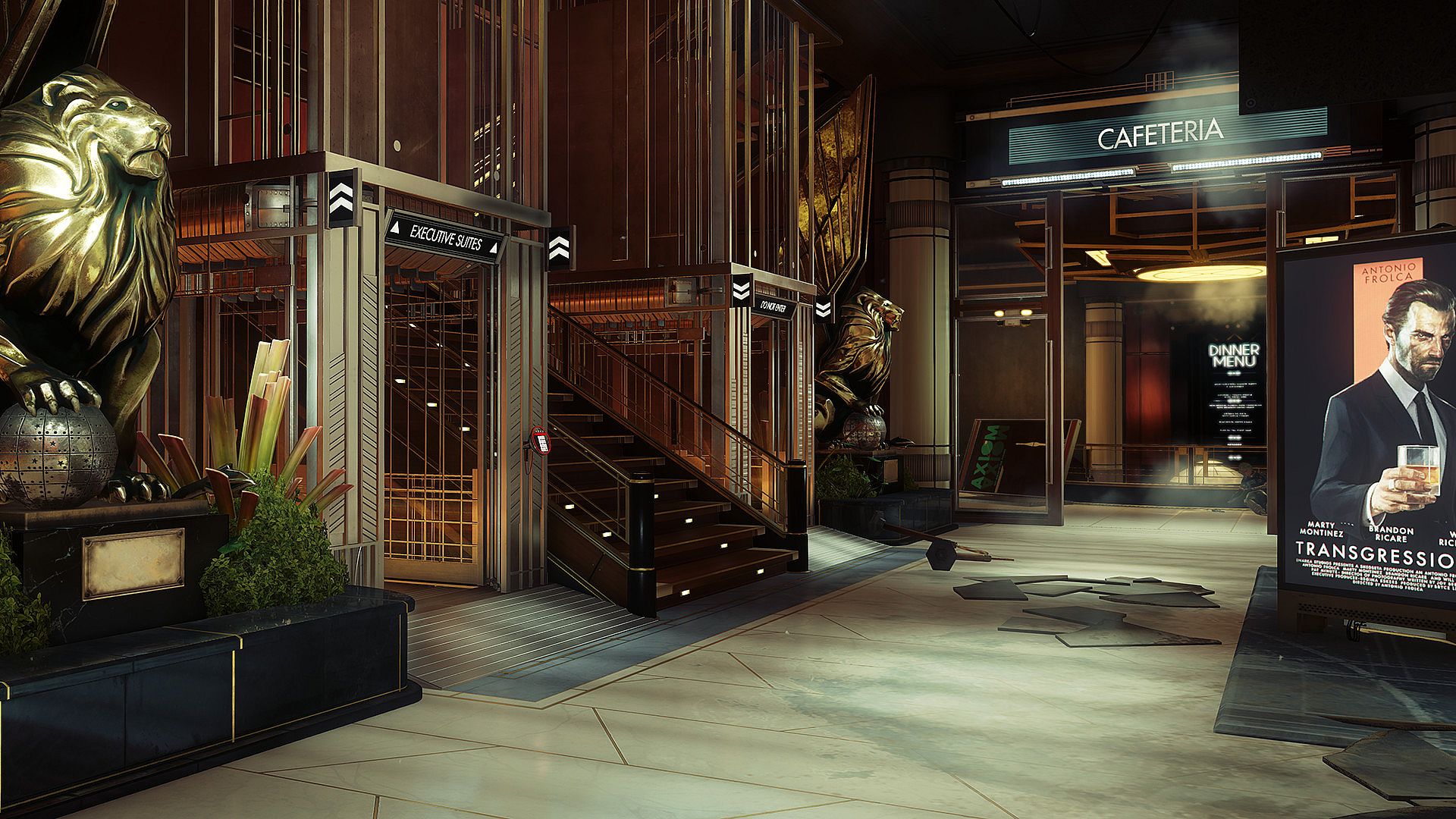
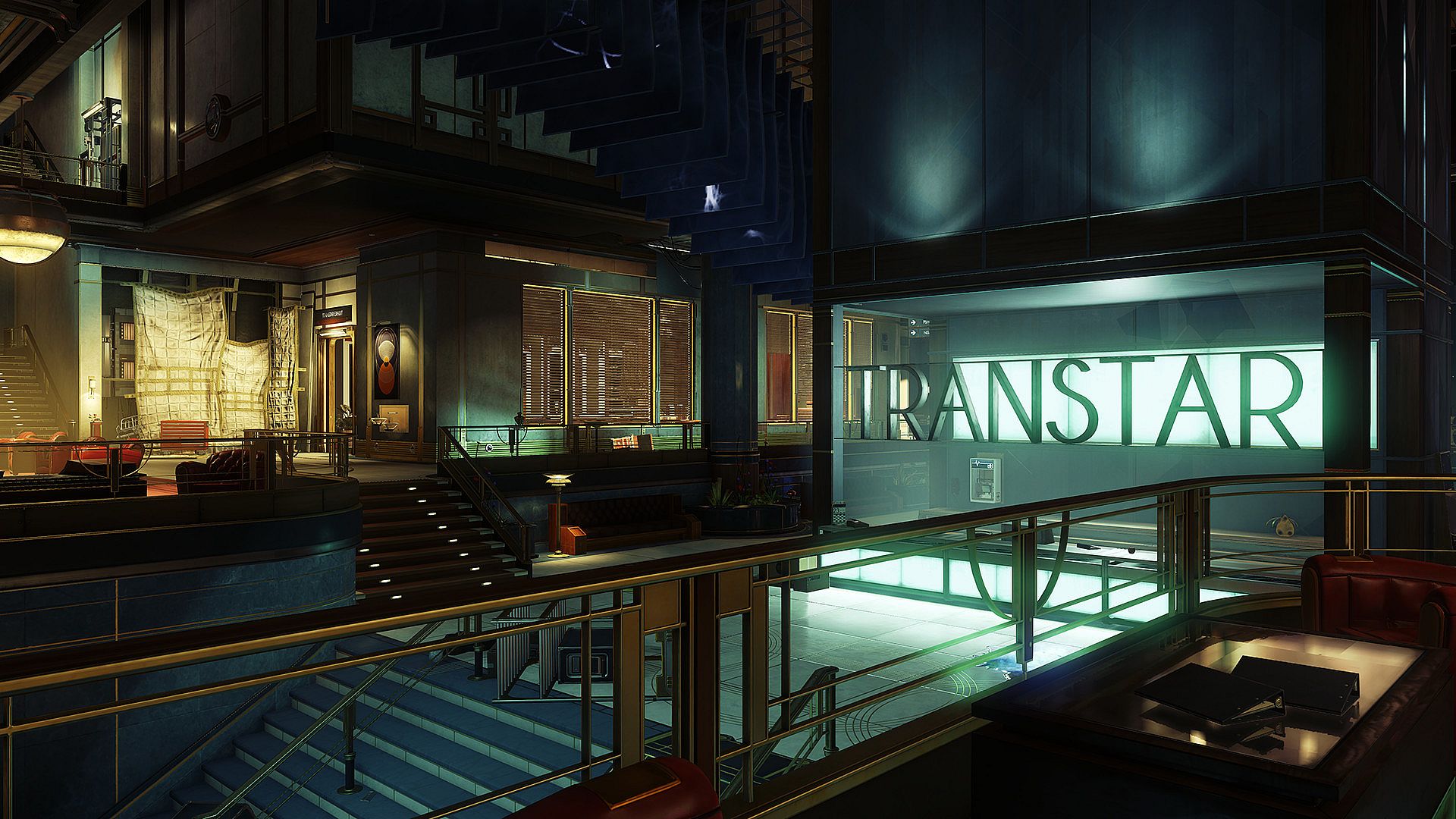
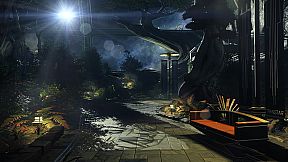
The narrative unfolds through environmental storytelling and audio logs, revealing TranStar Corporation's experiments gone wrong. As Morgan Yu, you uncover personal mysteries and the Typhon threat's origins. The 1960s-inspired luxury aesthetic of Talos I contrasts with its sci-fi horror, creating an atmosphere of isolation and paranoia. Key mechanics tie into the plot, like using neuromods to gain Typhon powers, which influence how the station's security systems react to you.
Is It Worth Playing?
Prey has garnered strong reception, with an average score of 81 on OpenCritic based on 166 reviews, placing it in the top 14% of games. Players praise its deep exploration and flexible mechanics, though some note occasional backtracking. As of 2026, it remains a standalone title without ongoing updates or seasons, but its complete package holds up well. If you enjoy thoughtful first-person games with emphasis on choice and atmosphere over fast-paced action, Prey offers a compelling experience worth trying, especially for those who appreciate replaying with different strategies.