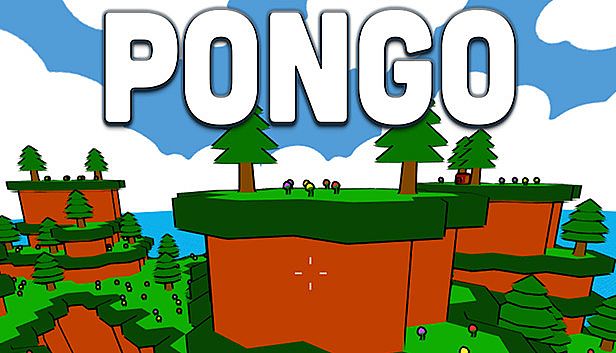














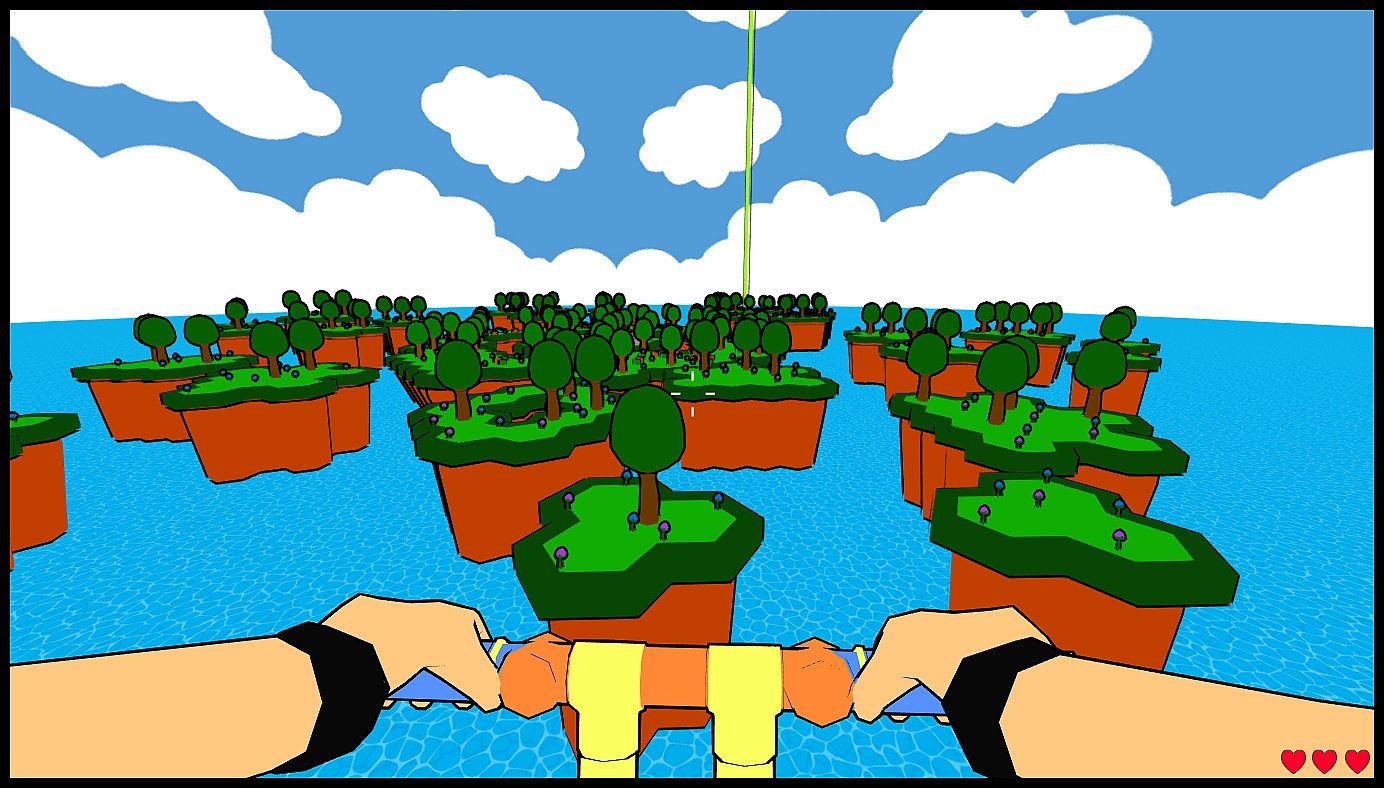
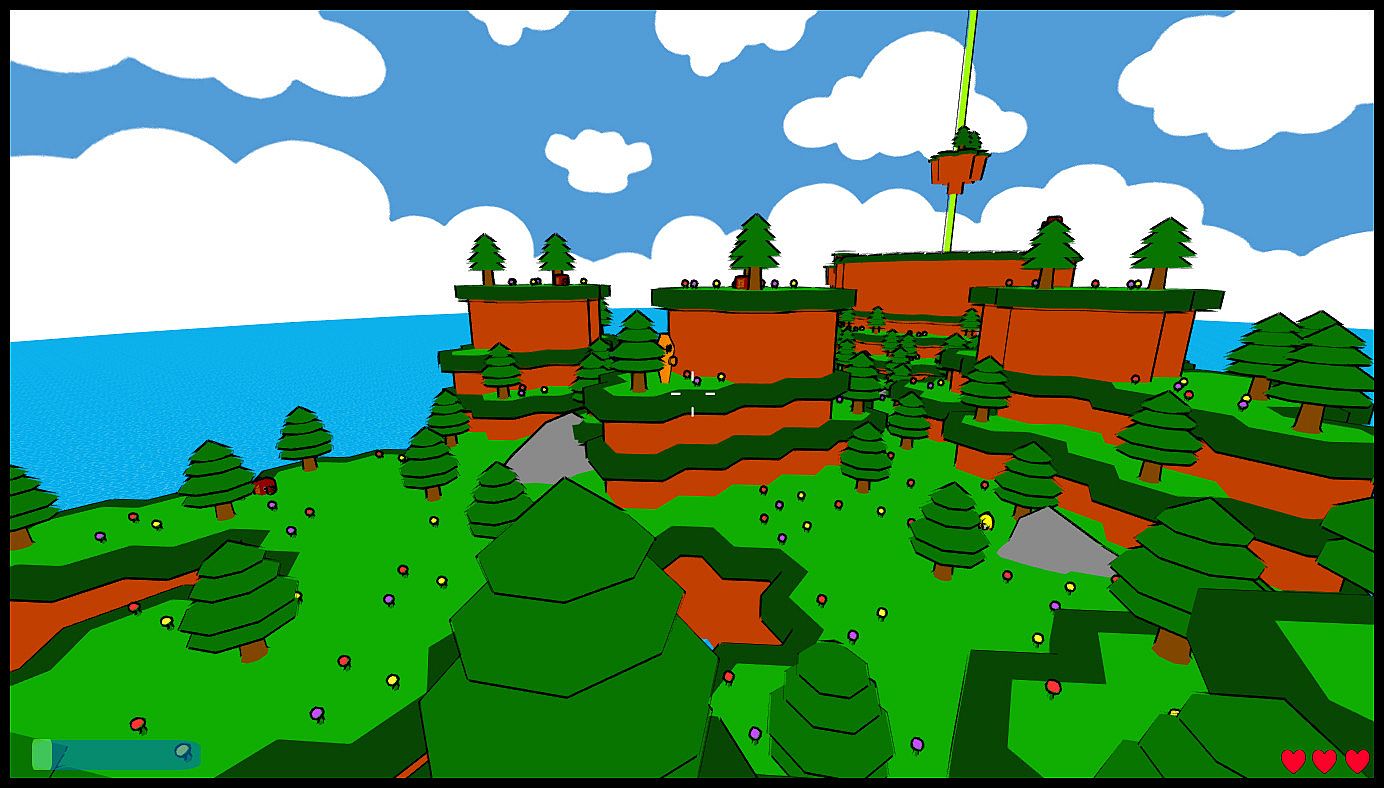
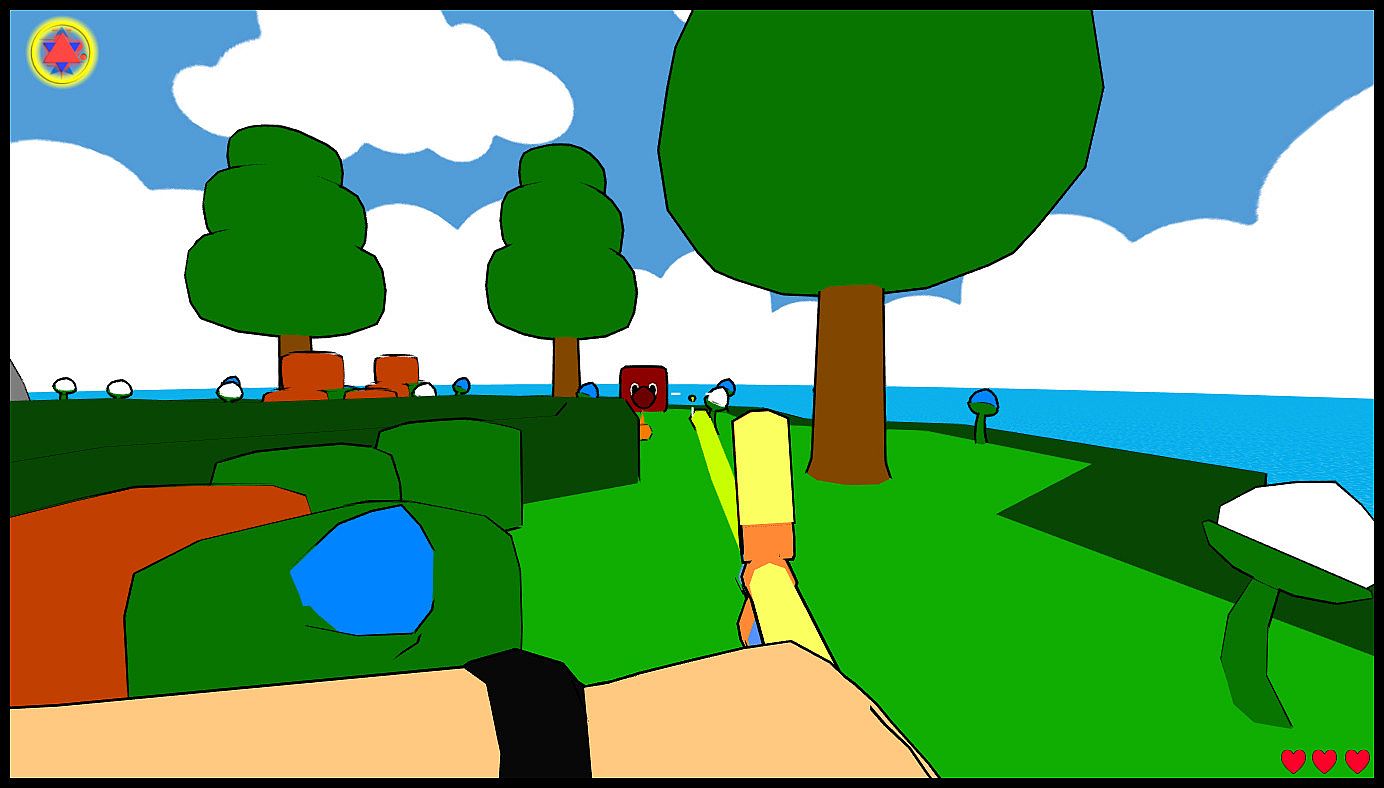
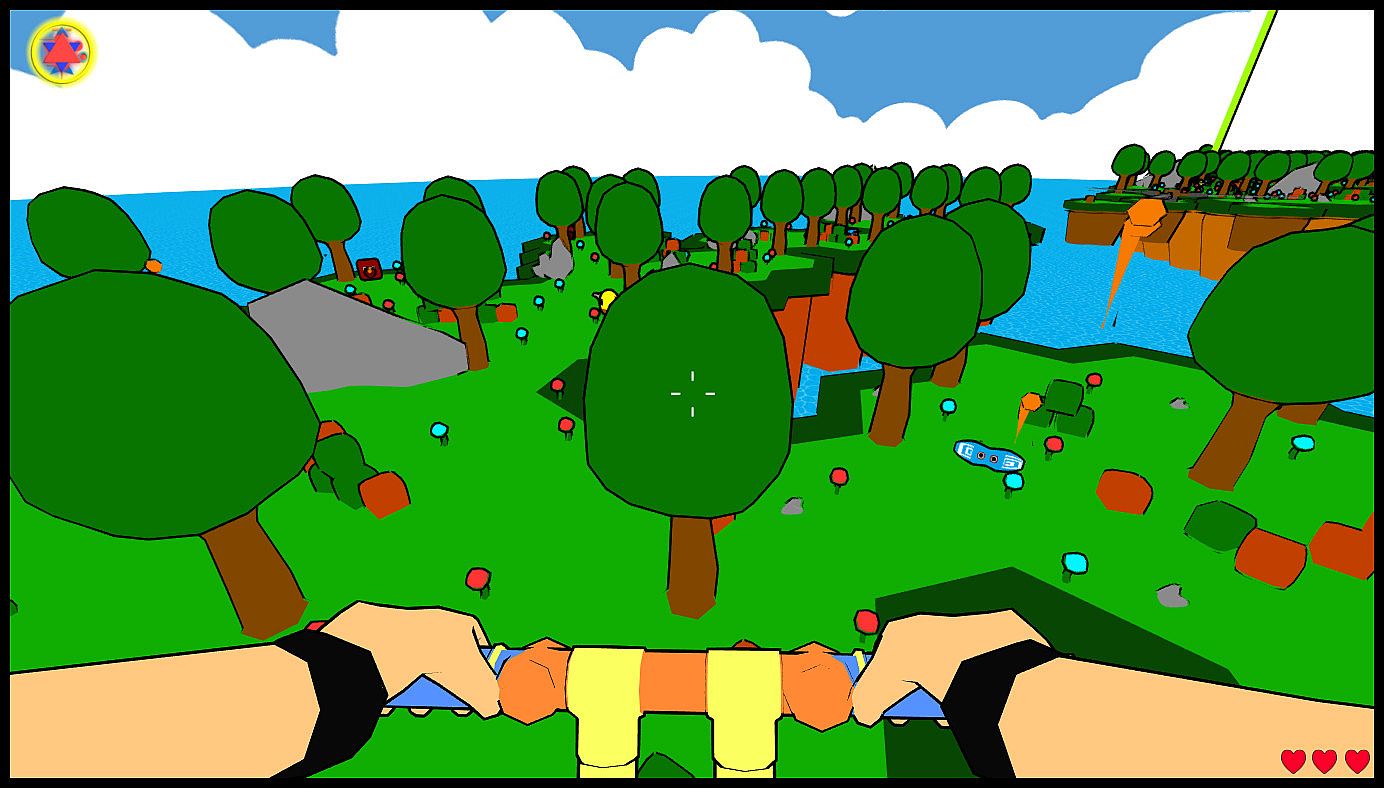
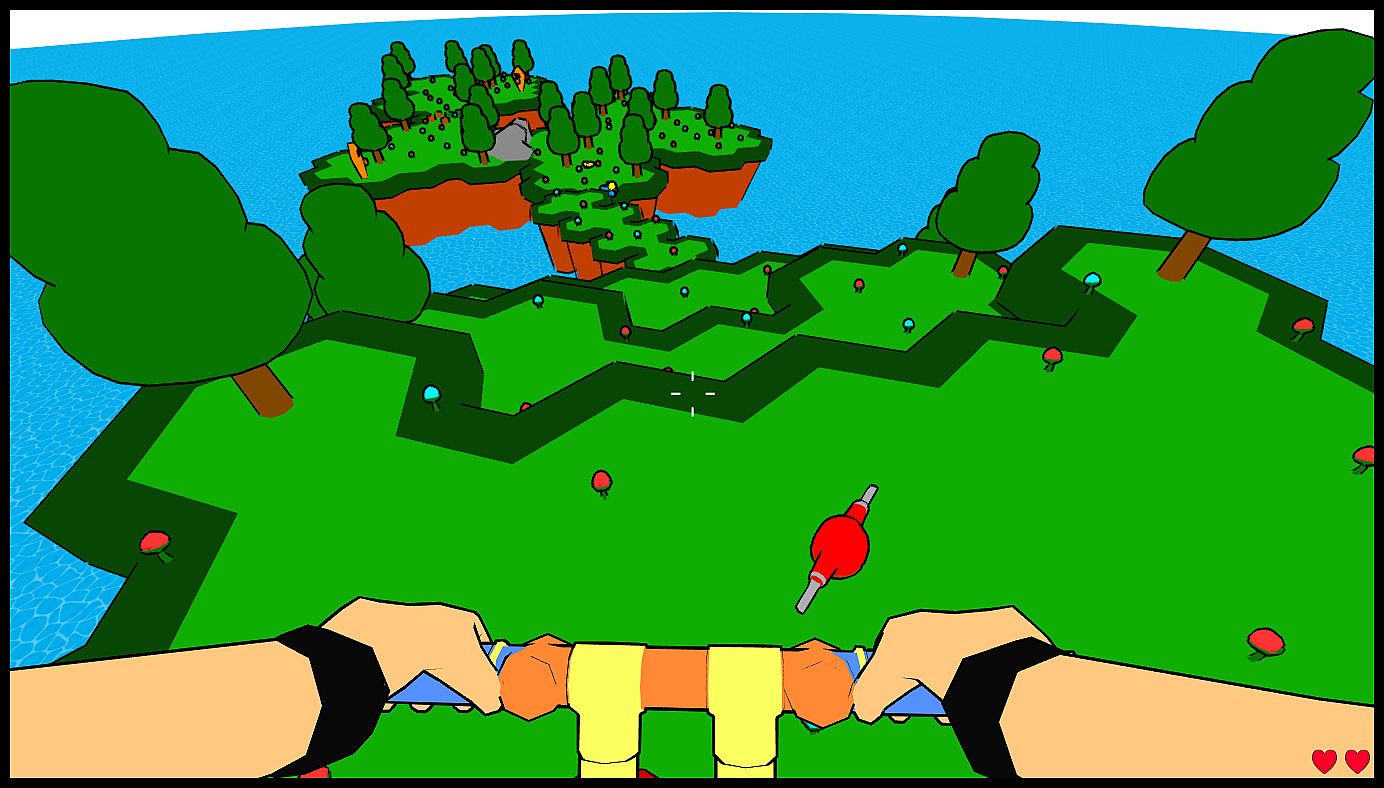
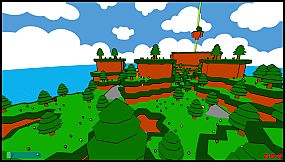
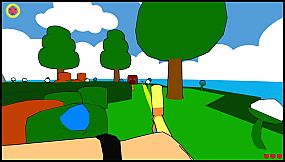
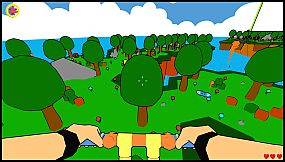
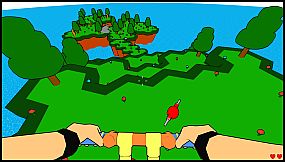
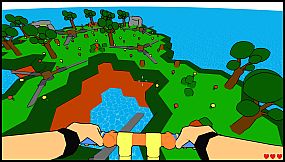
Pongo is a 3D action platformer that blends pogo stick movement with first-person shooter combat on the PC. Players control a versatile tool called the Pongo, which switches between a jumping device for traversal and a weapon for fighting. The game takes place across the islands of Flubber, where the core loop involves rapid movement, precise jumps, and targeted shooting against enemies while navigating hazards.
Gameplay
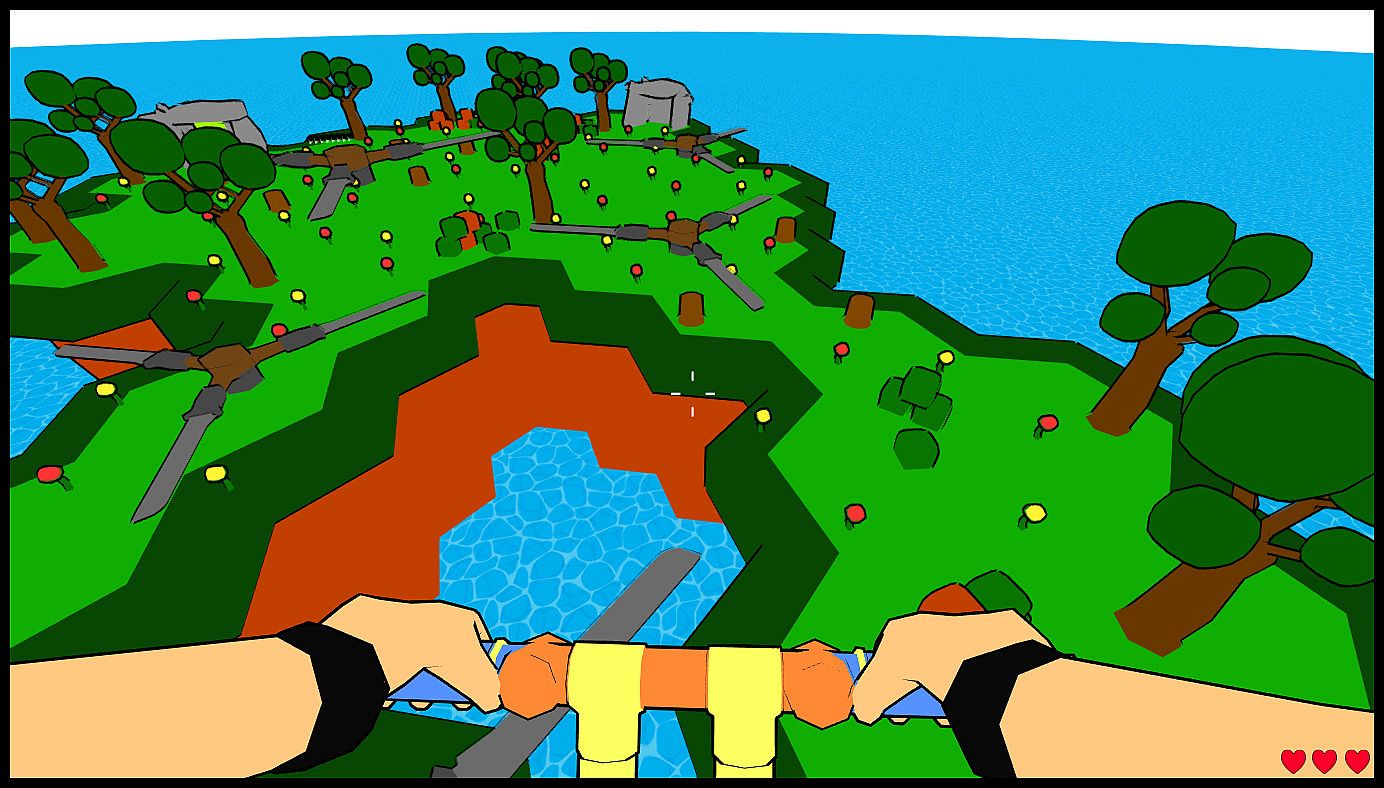
The central mechanic requires players to alternate between high-speed pogo jumps for crossing gaps and reaching platforms and switching to gun mode for direct combat. Enemies appear in groups, demanding quick decisions on positioning and firing while maintaining momentum. Levels incorporate environmental traps that punish poor timing and require careful route planning. Exploration reveals hidden paths and collectibles amid the colorful, stylized island settings. Boss encounters introduce larger threats that test sustained combat accuracy combined with evasive jumps. Puzzles integrate platforming elements, such as activating switches through specific jump sequences or using elevation changes to solve spatial challenges. The original soundtrack features upbeat, unconventional tracks that match the fast pace without overpowering the action.
Game Modes
Pongo operates entirely as a single-player experience structured around sequential levels. Progress unfolds through more than 45 individual stages that increase in complexity, mixing platforming demands with combat density and puzzle elements. Each level functions as a self-contained challenge focused on reaching the end while clearing threats and avoiding instant-fail traps. There are no separate multiplayer options or alternate modes; the entire campaign emphasizes mastery of the dual pogo-gun system within these linear yet exploratory maps. Completion involves replaying stages to refine routes and improve performance against recurring enemy patterns and boss behaviors.
Visuals and Audio
The environments use bright, cartoonish 3D models that emphasize verticality and open island spaces. Character and enemy designs remain simple yet distinct, allowing focus on movement and targeting. Sound design highlights the mechanical bounce of the pogo and the impact of shots, layered over the quirky musical score that shifts tone to match intense sections. The overall presentation supports clear visibility of platforms and threats even during rapid movement.
Is It Worth Playing?
Player reviews on the primary distribution platform rate Pongo as Mostly Positive, with 70 percent approval from 424 total reviews. The game appeals to those who enjoy precise platforming combined with light shooting mechanics in a compact single-player package. Its short, focused levels suit sessions where quick retries help overcome tricky sections. Availability on PC remains straightforward, and the low price point makes it accessible for anyone interested in unusual movement systems. Those seeking deeper narrative or ongoing content updates will find the experience limited to the original 2015 release structure, while fans of hybrid platformer-shooter concepts often appreciate the novelty of the pogo mechanic. The title suits players comfortable with trial-and-error progression across its level set.