


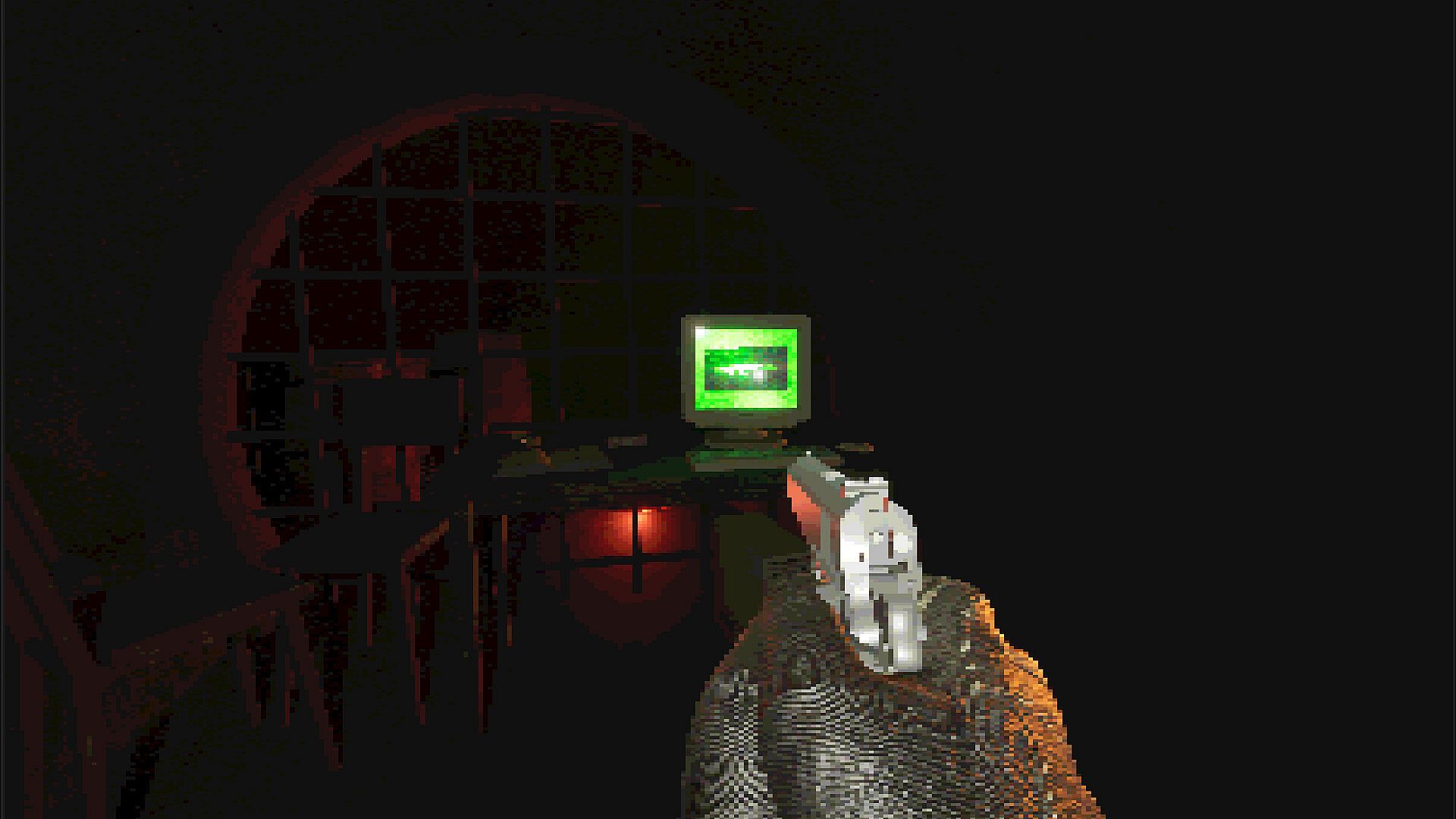
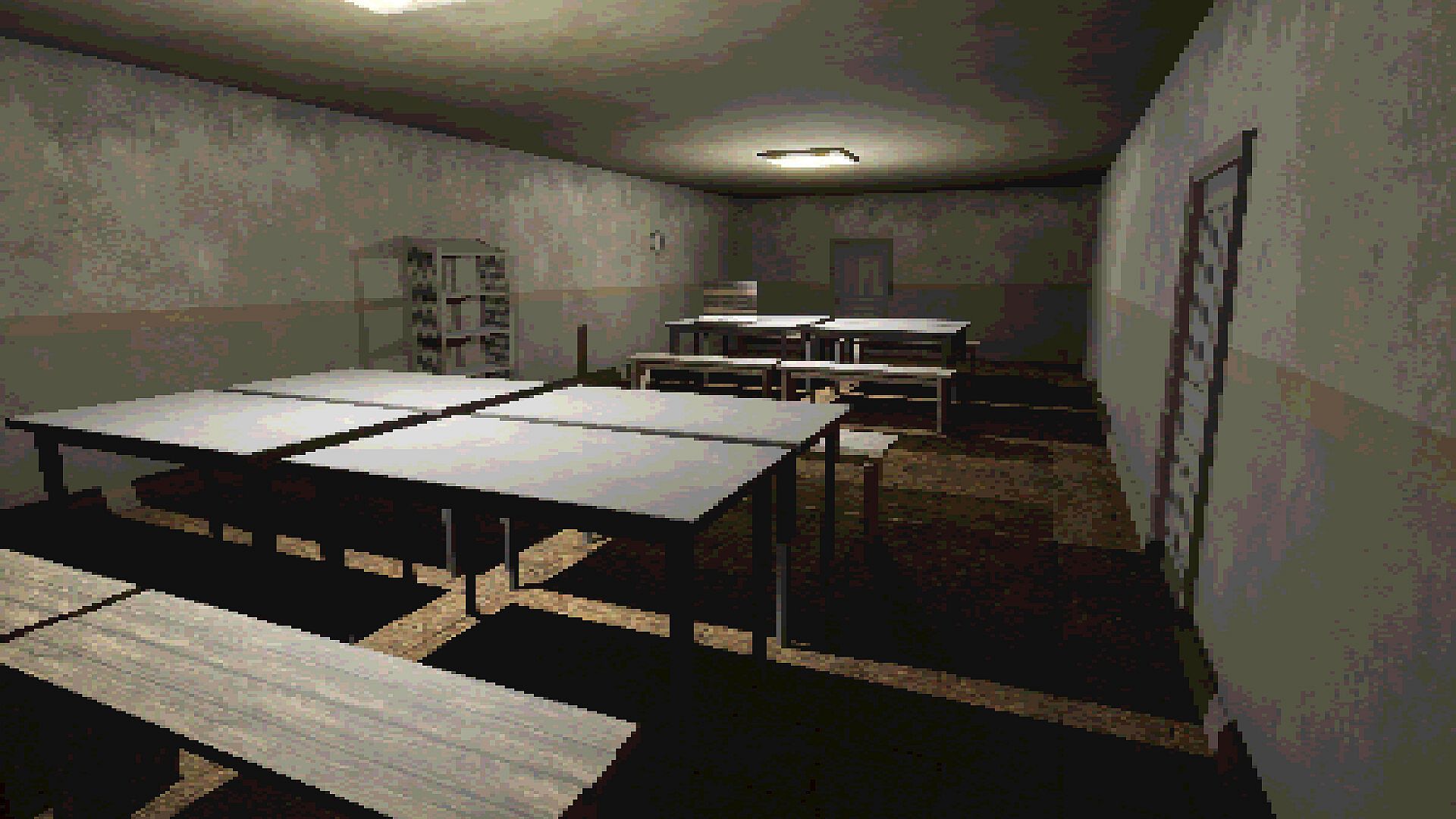
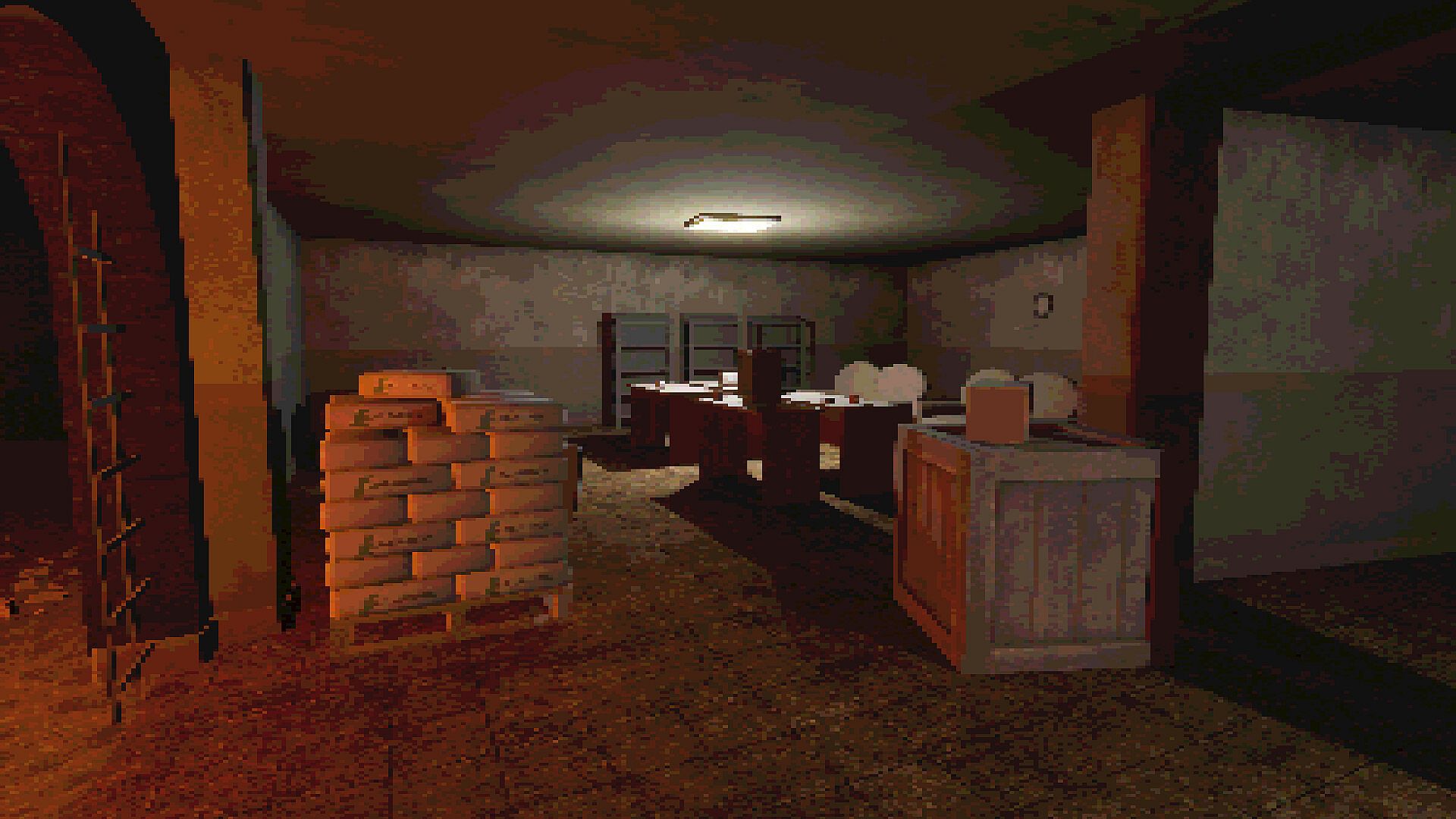
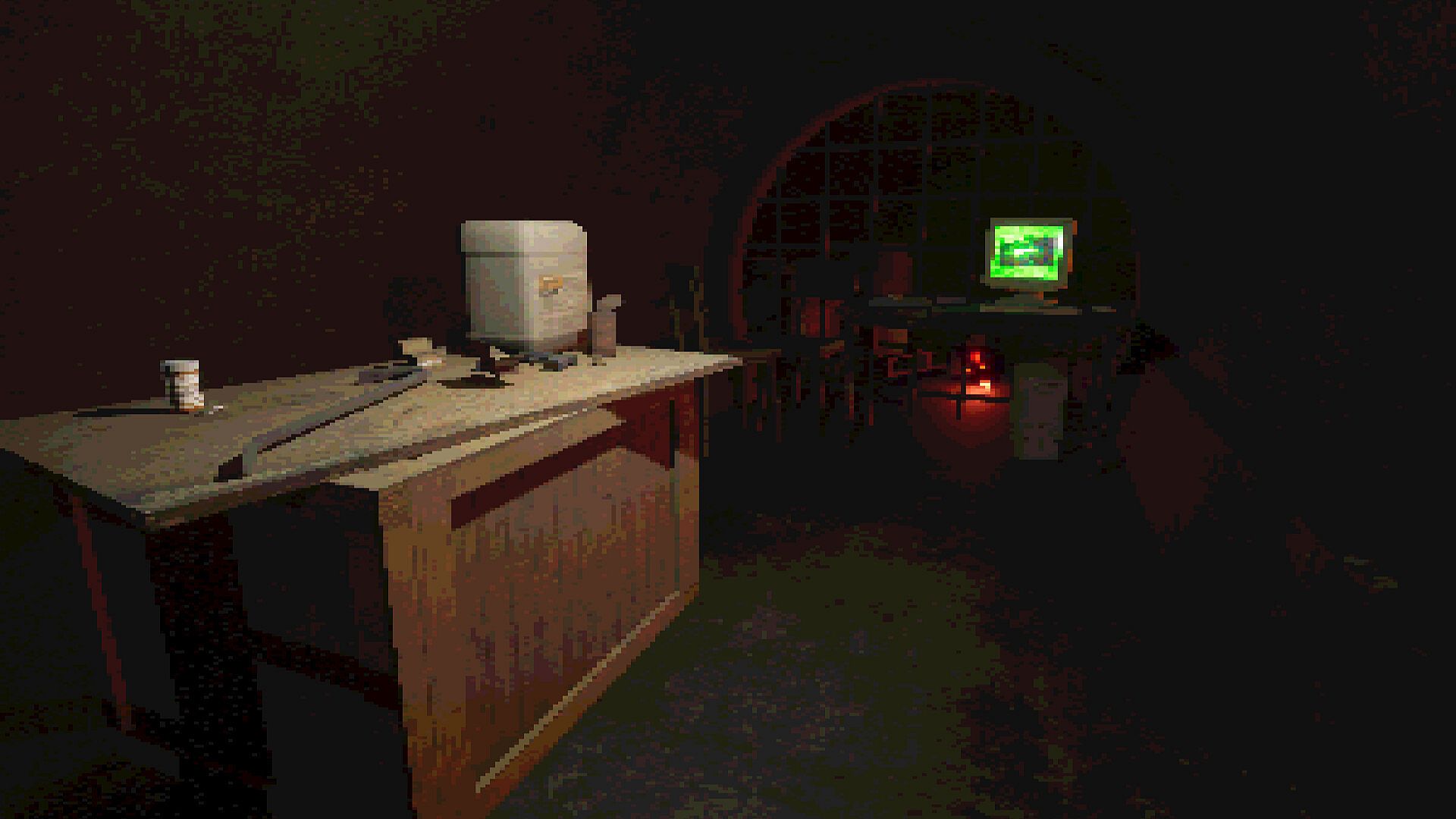
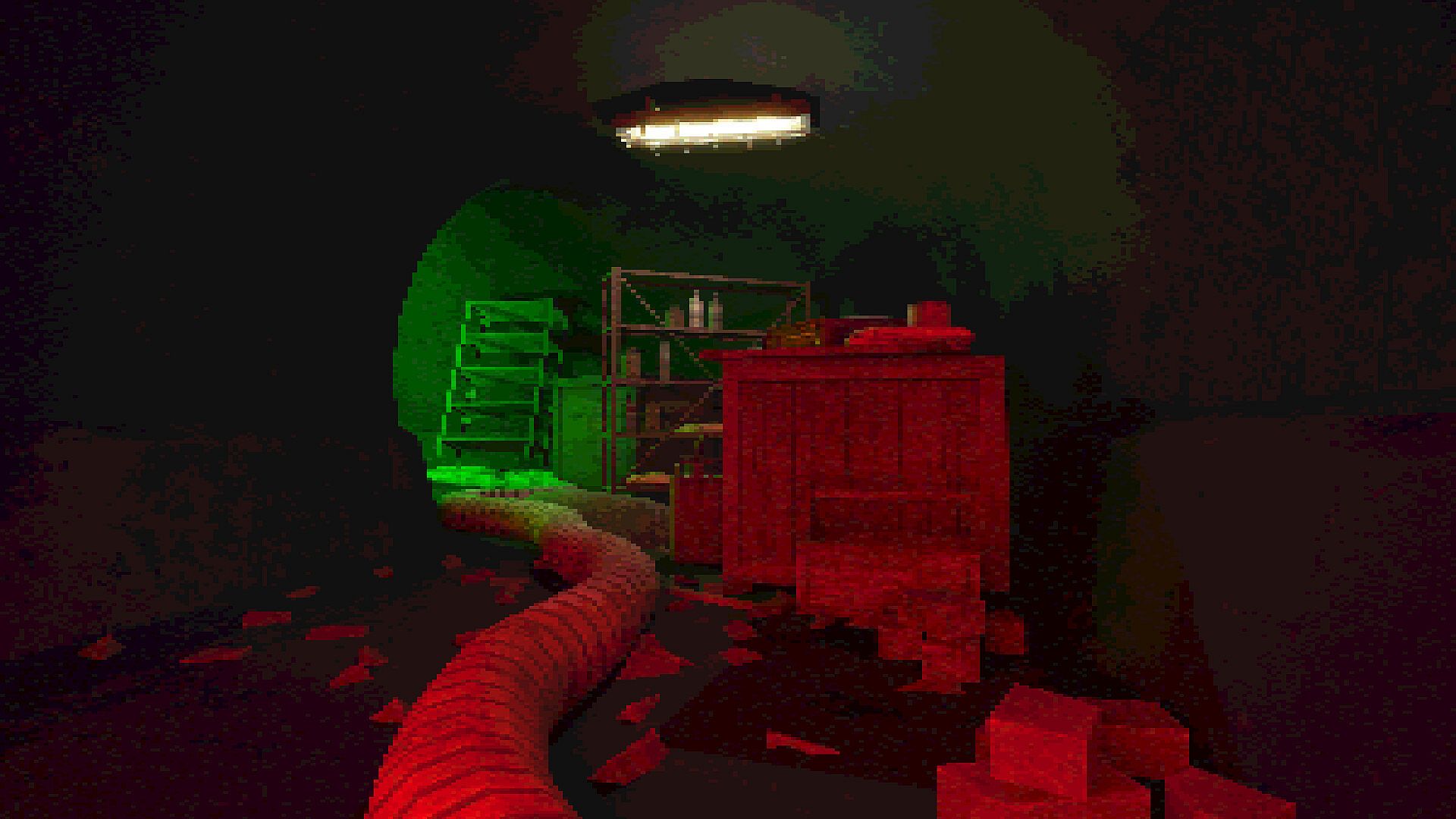
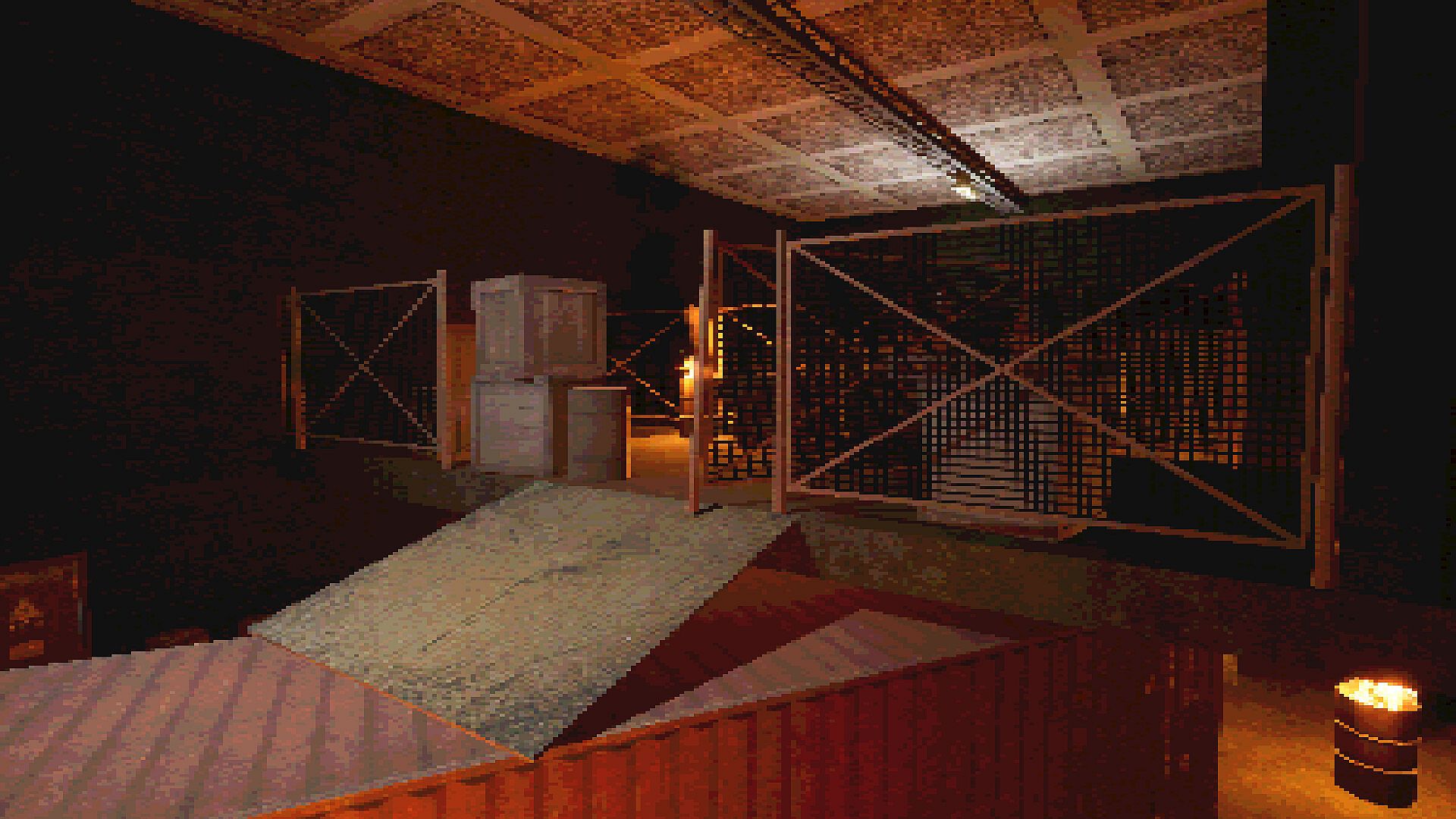
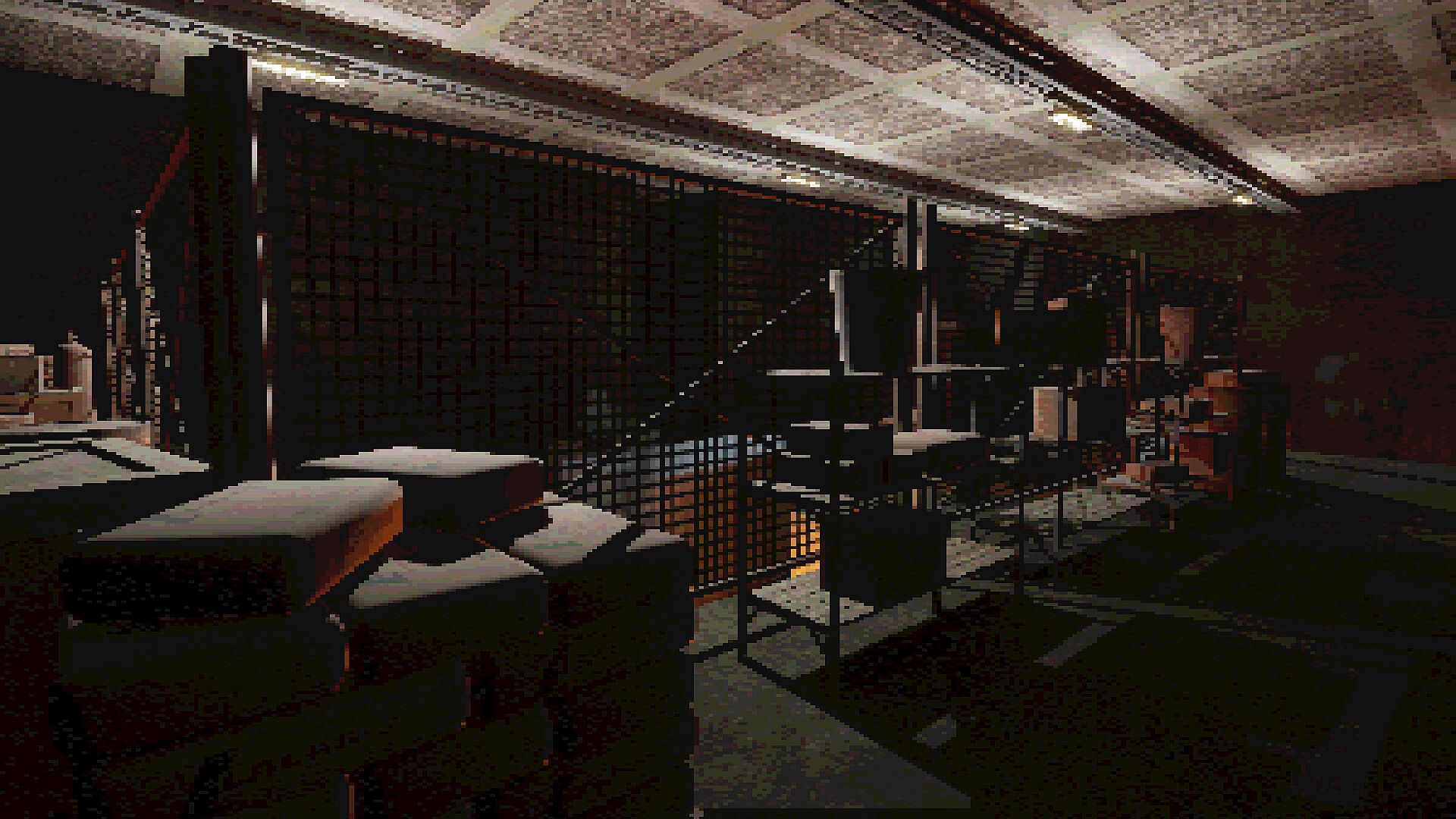
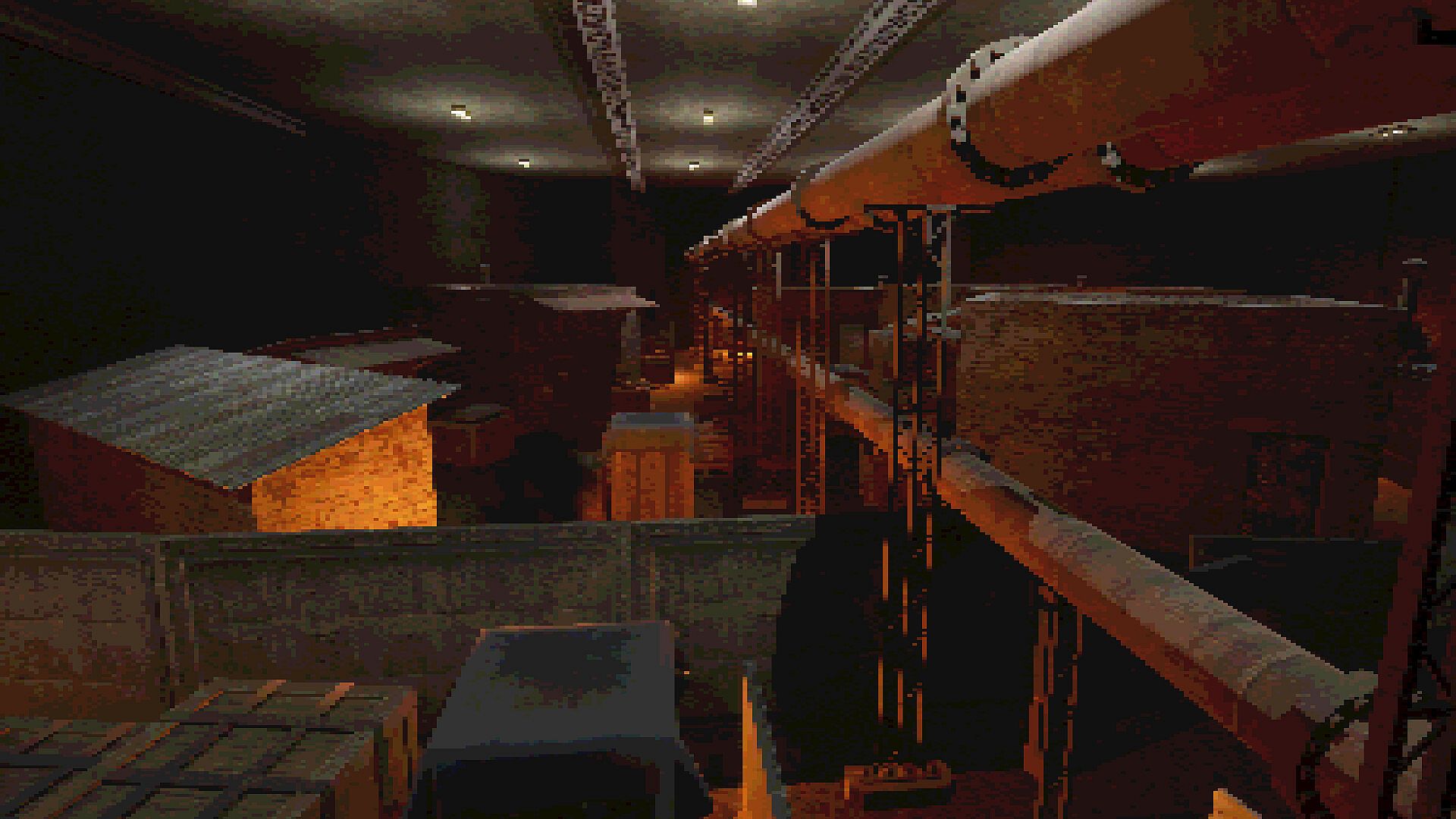
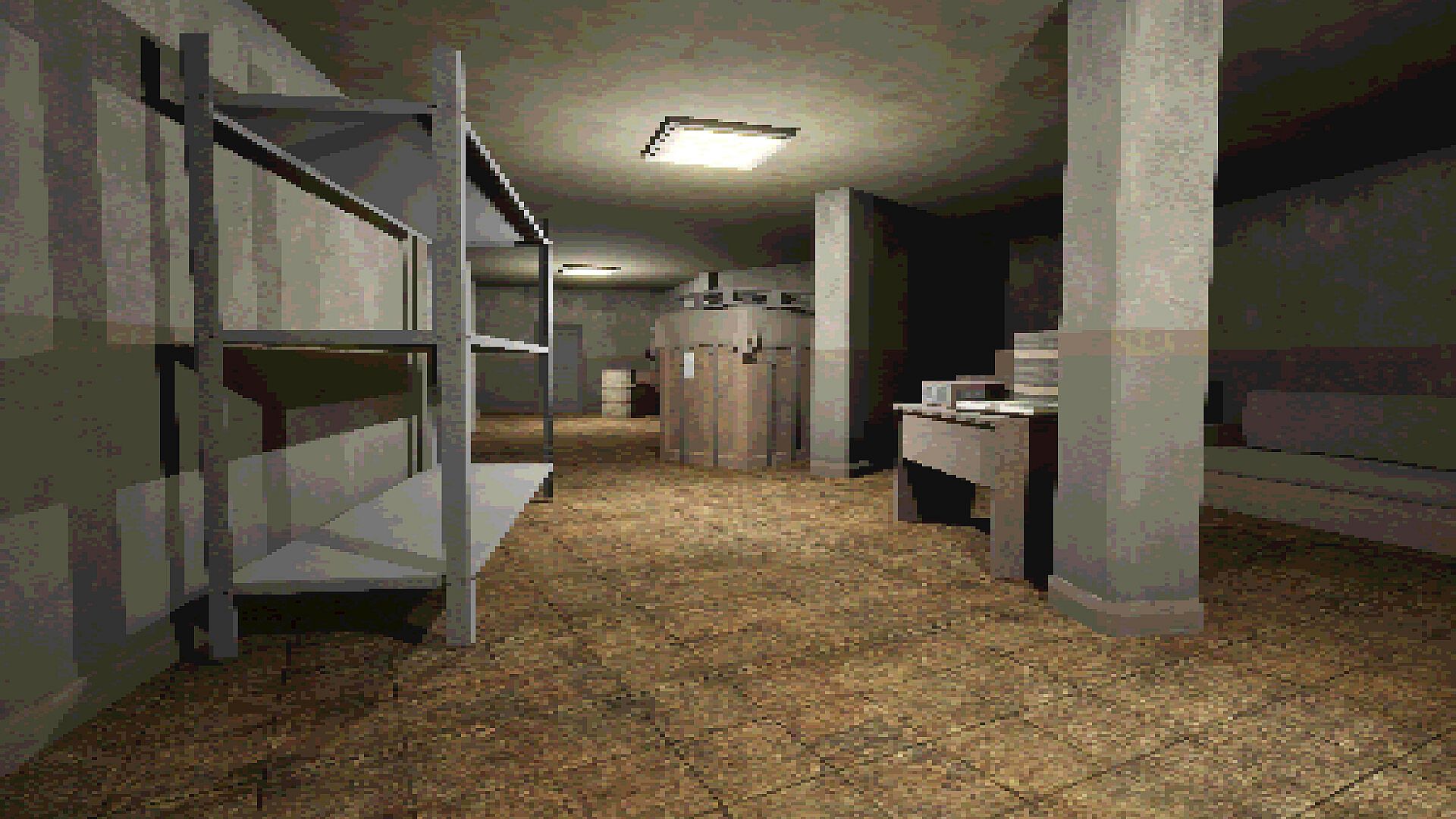
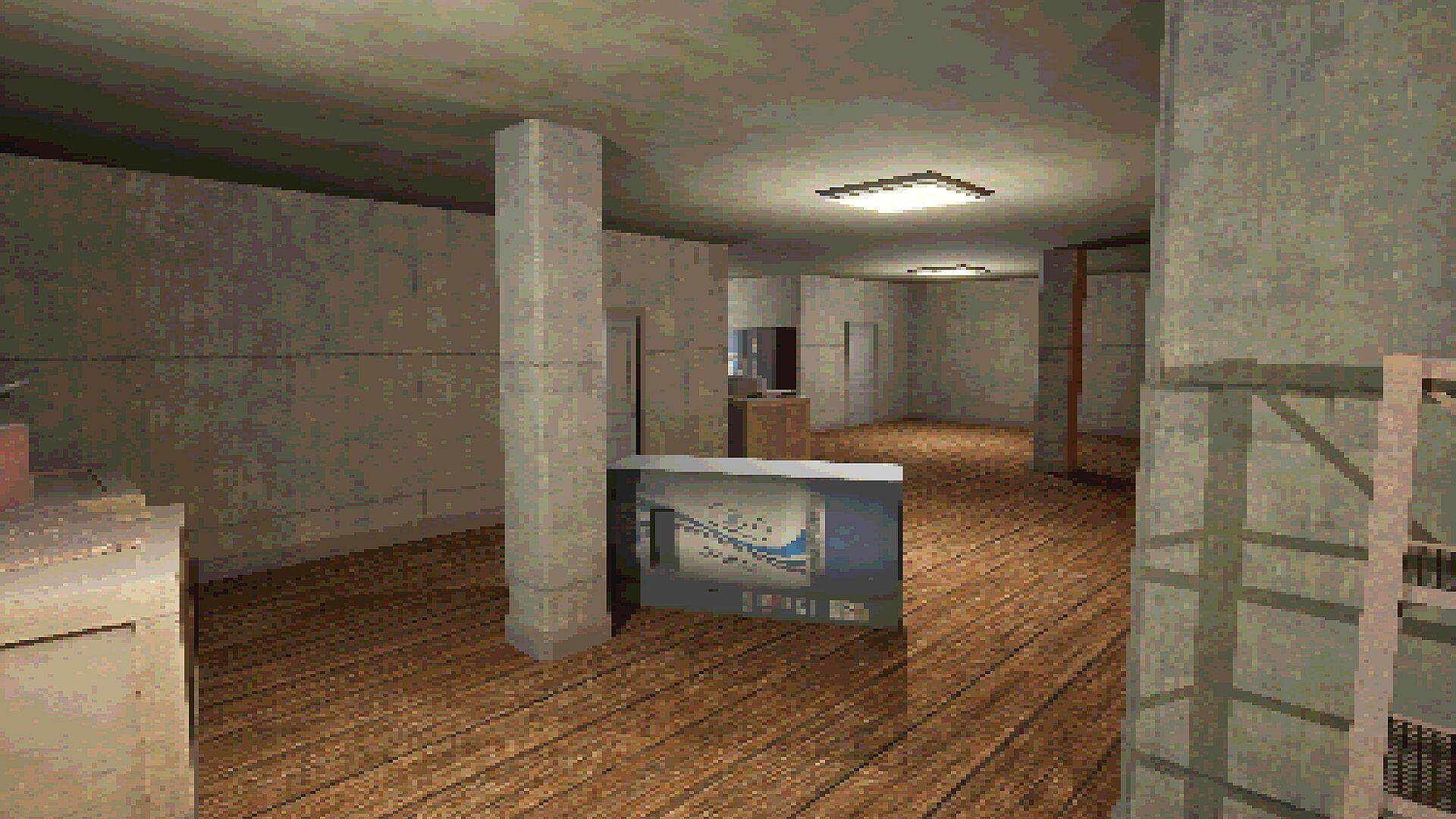
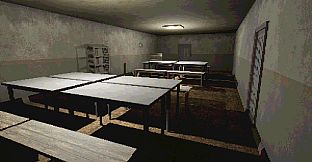
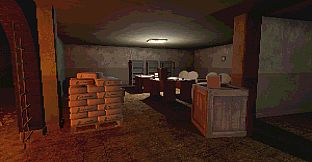
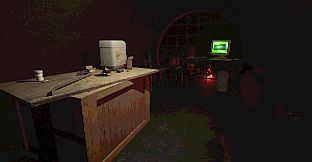
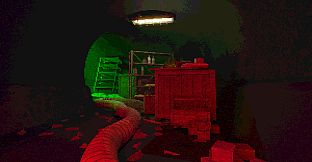
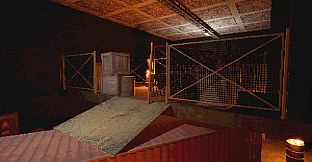
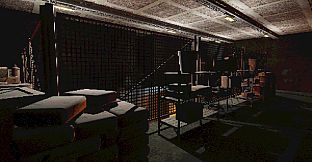
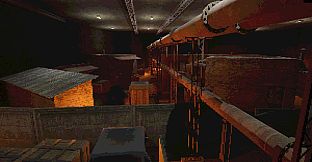
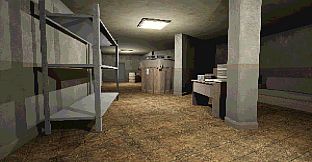
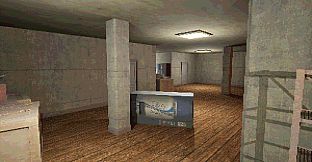
Plunge for Your Life is a roguelike first-person shooter built around tense, resource-scarce combat and a relentless descent through an underground complex. Players enter Complex 17 via an aging elevator that serves as the only consistent lifeline, pushing deeper floor by floor while facing increasingly capable armed opponents. The experience emphasizes careful ammunition use, positioning, and timing rather than run-and-gun tactics, fitting the listed genres of action, strategy, indie, casual, simulation, adventure, and early access on PC.
Gameplay
The core loop centers on surviving successive floors of Complex 17. Each descent brings stronger enemies equipped with improved weapons and armor, while the player gains access to better tools over time. Ammunition is limited, so players must pace shots, seek cover, read enemy movement patterns, and choose moments to engage or reposition. The elevator itself drives the tension, as it continues its downward path and forces decisions about when to push forward or secure an exit.
C4 explosives add a high-risk layer to encounters. These charges can destroy key targets and interrupt enemy coordination, yet the blast radius can injure the player and the noise draws additional threats. Careful placement and timing become essential, turning each use into a calculated risk rather than a default solution. Procedural and random elements in level layout and enemy placement keep runs distinct, rewarding adaptation over memorized routes.
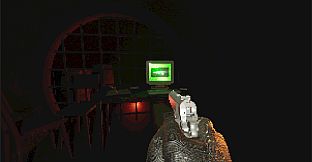
Weapon handling and enemy animations receive particular attention, delivering responsive feedback on every shot. Sound design reinforces immersion through layered effects that convey distance, threat level, and environmental detail, helping players track threats without constant visual confirmation. The single-player structure keeps focus on personal skill and decision-making throughout the descent.
Game Modes
The game operates as a continuous single-player roguelike progression rather than offering separate named modes. Players start each attempt at the surface and attempt to survive as many floors as possible before locating the elevator for extraction. Failure returns the player to the beginning, with the roguelike structure ensuring that no two runs unfold identically due to variations in enemy placement, item distribution, and floor layouts.
Progression ties directly to depth. Deeper floors introduce tougher opposition and demand tighter resource management, while successful extractions allow incremental improvements to the player's arsenal. The loop rewards consistent performance across multiple attempts, with the elevator serving as both objective and timer that heightens pressure during extraction sequences. No cooperative or competitive variants appear in the current design, keeping the emphasis on solo survival and tactical execution.
Core Mechanics and Progression
Enemy AI scales with depth, shifting from basic patrols to coordinated responses that include flanking and suppression. Players counter this through cover usage, controlled fire, and selective use of explosives. The simulation aspects emerge in how sound propagates and how limited supplies force trade-offs between aggression and conservation. Adventure elements surface in the exploration of Complex 17's secrets, though the primary drive remains survival and extraction.
Animation quality supports the strategy layer by making weapon swaps, reloads, and enemy reactions feel immediate and readable. This clarity aids the anticipation required in combat, where a single misread movement can end a run. The indie development background of the creator, known for Garry's Mod modifications focused on tactical command and explosion systems, informs the emphasis on precise destruction and enemy behavior.
Is It Worth Playing?
Plunge for Your Life targets players who enjoy hardcore roguelike shooters that prioritize ammunition discipline, positioning, and high-stakes decisions over fast-paced action. The single-player focus and procedural floor generation provide strong replay value for those who appreciate learning enemy patterns and optimizing extraction routes. Early access plans include ongoing refinements to enemy behavior, level pacing, and content variety based on player input, with an expected duration of 12 to 18 months before a fuller release.
Because the title remains in development with a planned 2026 launch window, interested players should monitor progress through official channels. The foundation of responsive controls, meaningful explosive mechanics, and escalating difficulty offers a clear identity for fans of deliberate, tension-driven FPS experiences. Those seeking immediate release or multiplayer options may prefer to wait for further updates on the core loop's evolution.