







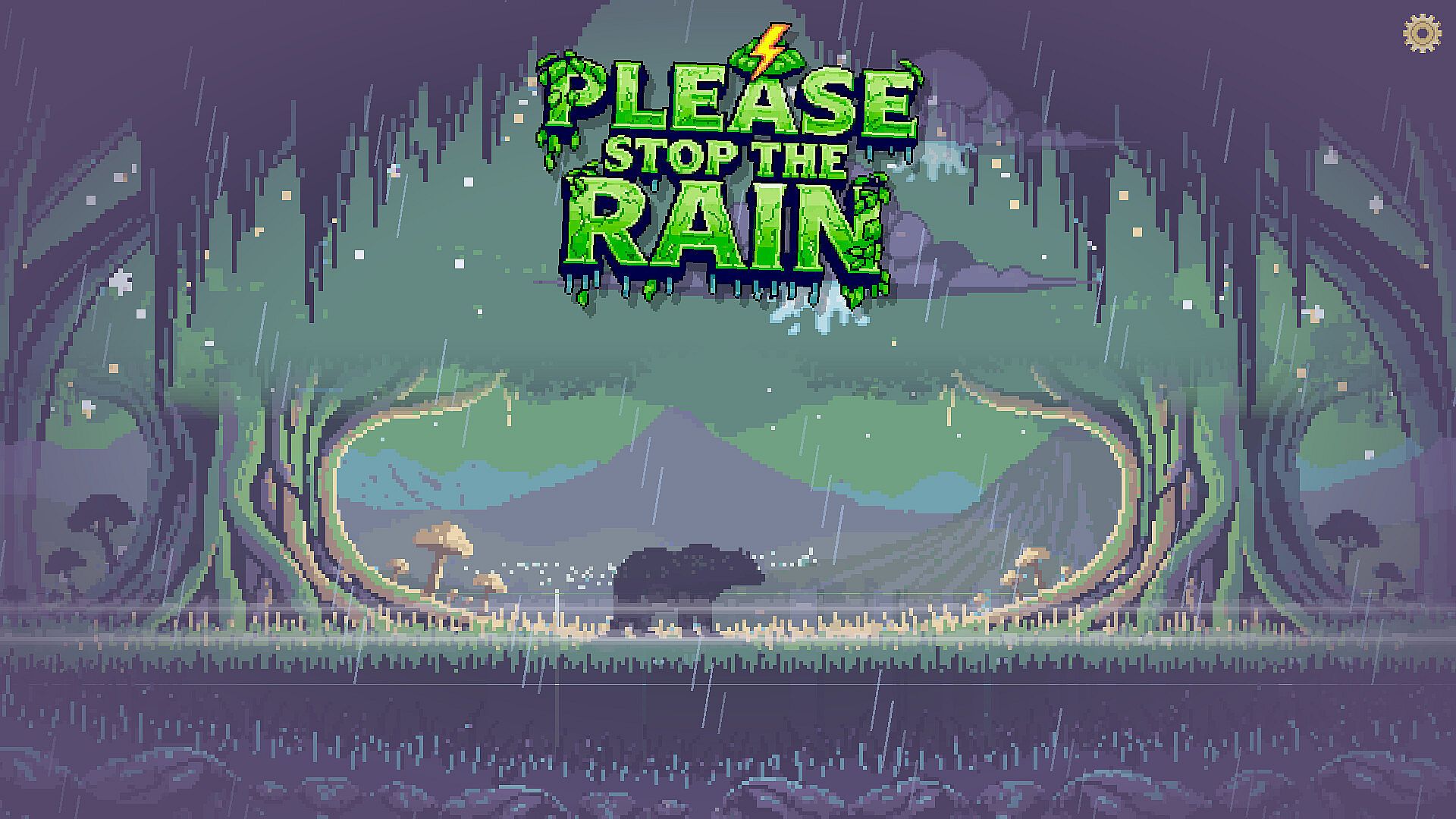

PLEASE STOP THE RAIN is an action indie RPG that blends survivor-like mechanics with weather manipulation in a world where constant rain has reshaped the land. Players take on the role of Wren, who grew up inside the Eye, a dry circle three miles wide surrounded by a standing wall of water. The game emphasizes positioning, skill growth, and environmental control over traditional combat timers or direct attacks.
Gameplay
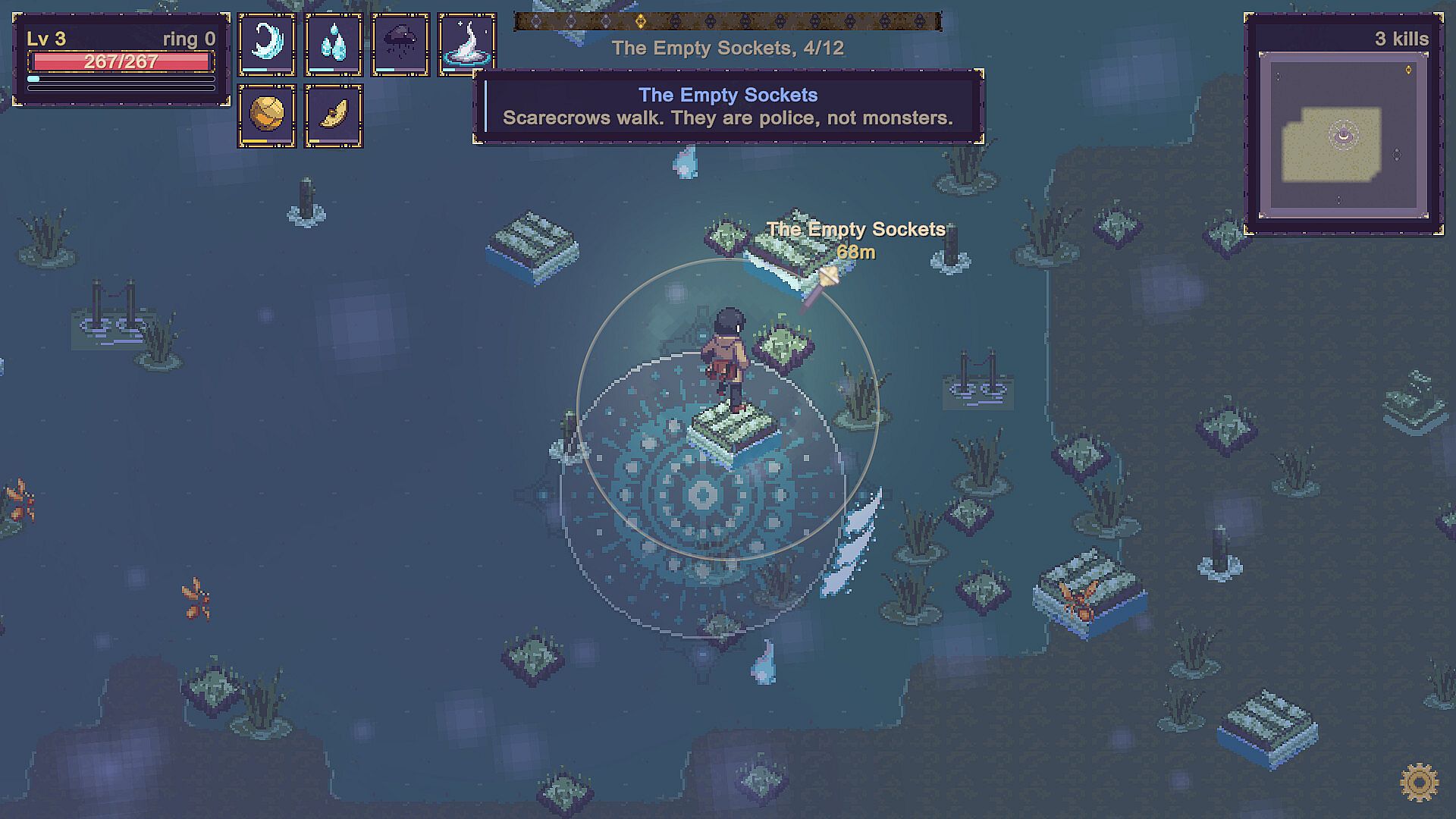
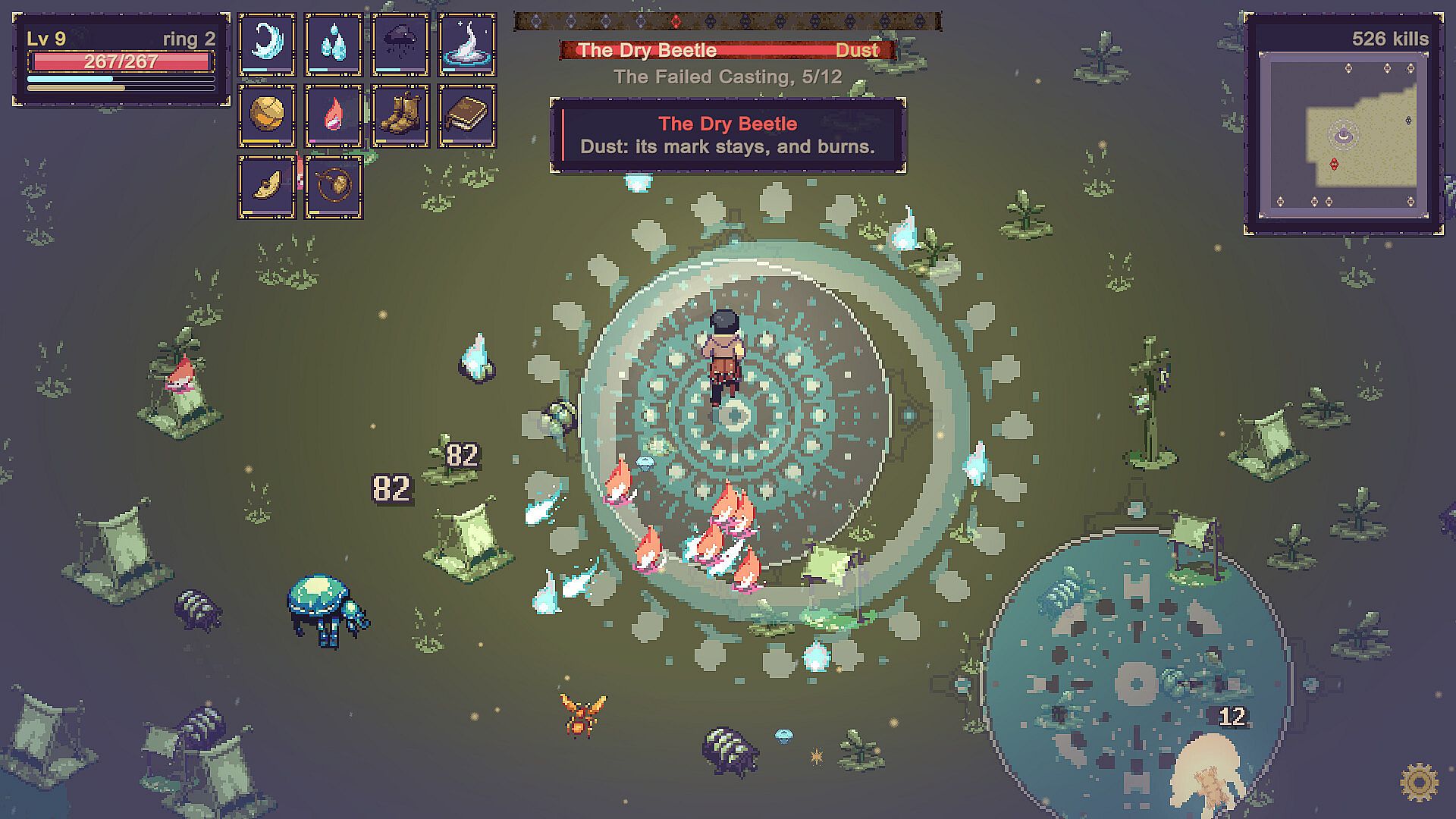
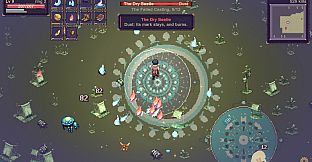
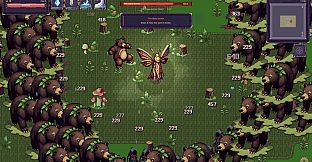
The core loop centers on runs that expand outward from a central hut. Distance from the hut increases difficulty, as each ring walked out represents a step up in challenge. Weapons fire automatically once selected, leaving movement and positioning as the main player inputs. Players choose where to stand to optimize coverage while collecting and upgrading abilities.
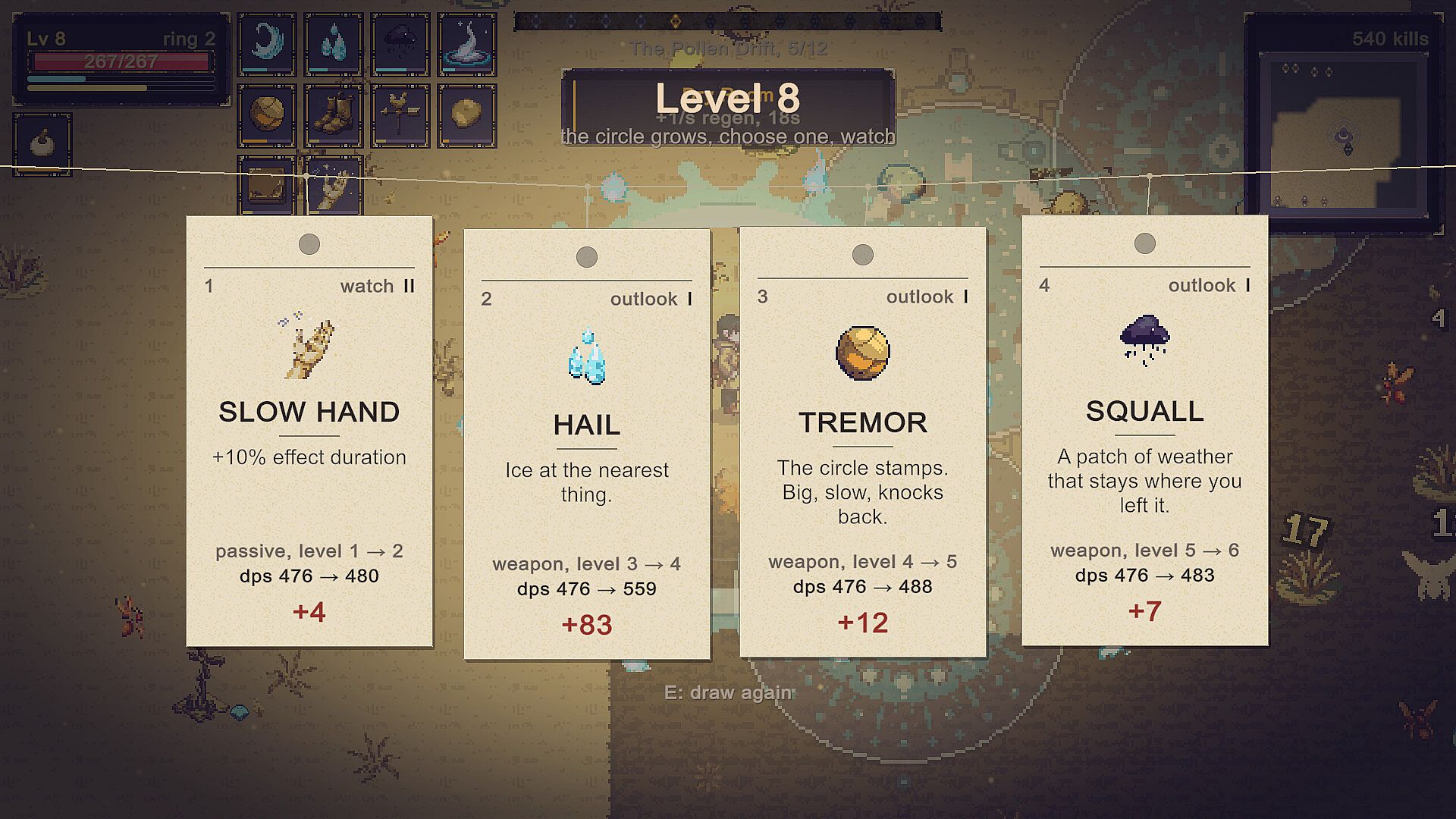
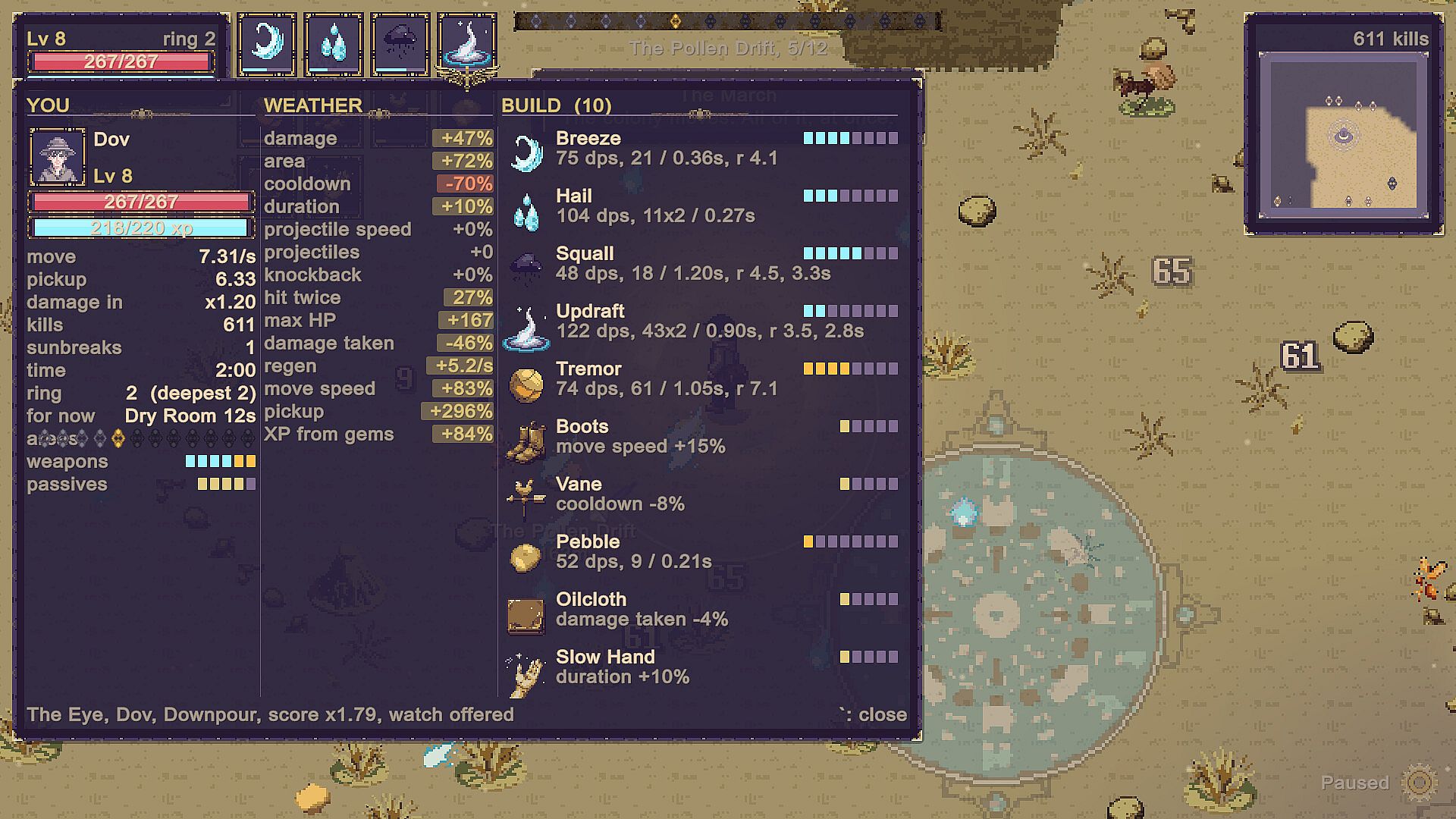
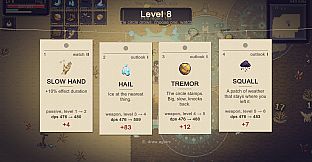
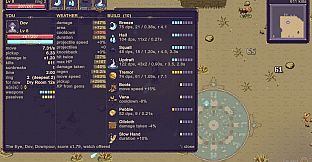
Three schools define the abilities: Atmospheric, Terrakinesis, and Calamity. Calamity emerges when a skill grows too powerful without proper nutrition through prior use. The system includes 72 weapons and 46 passives across 6 and 4 slots respectively. Examples include Hail, Tremor, Bolt, Deluge, Ashfall, and Meteor. Growth comes before destruction to avoid drawing Calamity's attention.
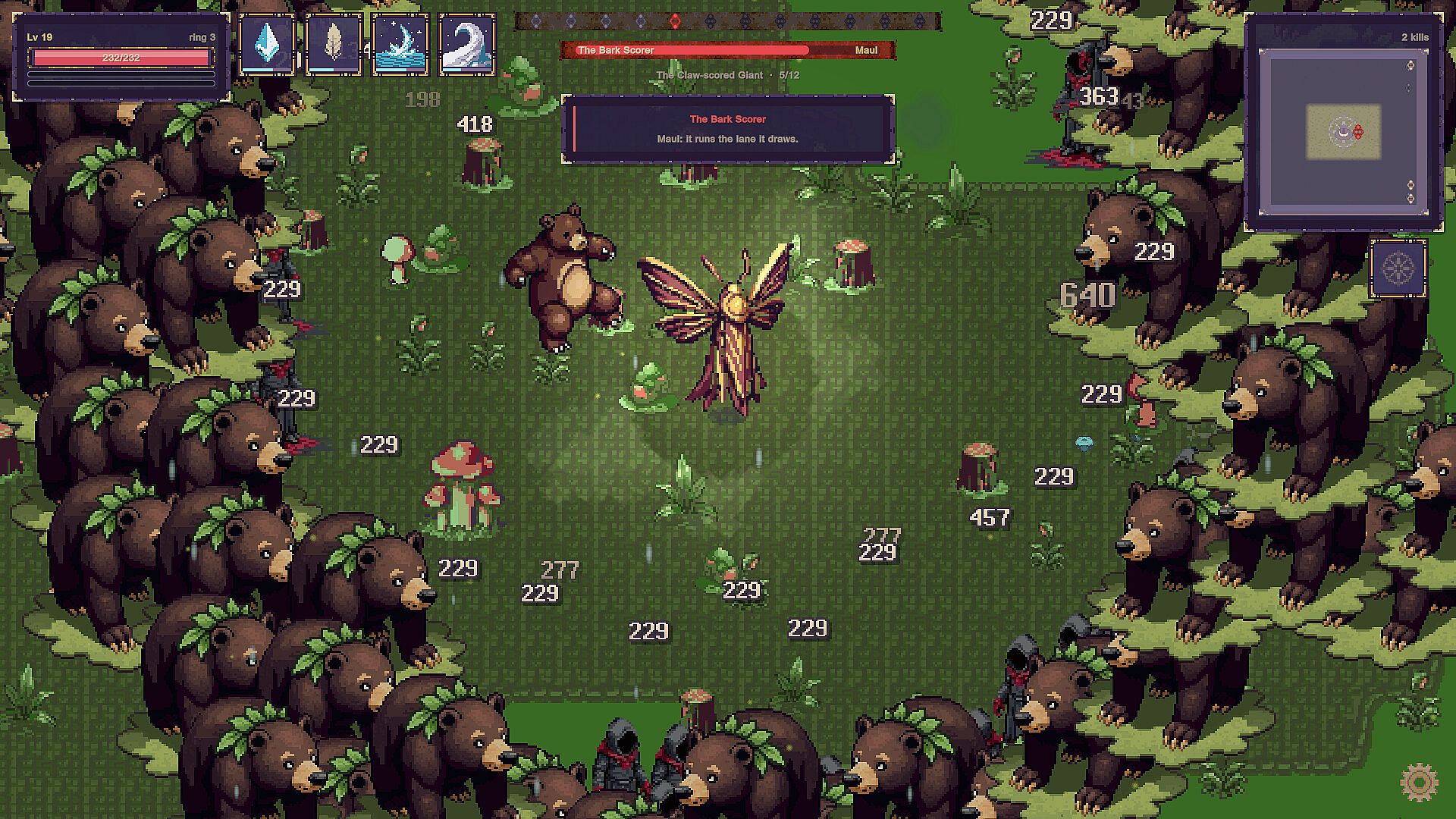
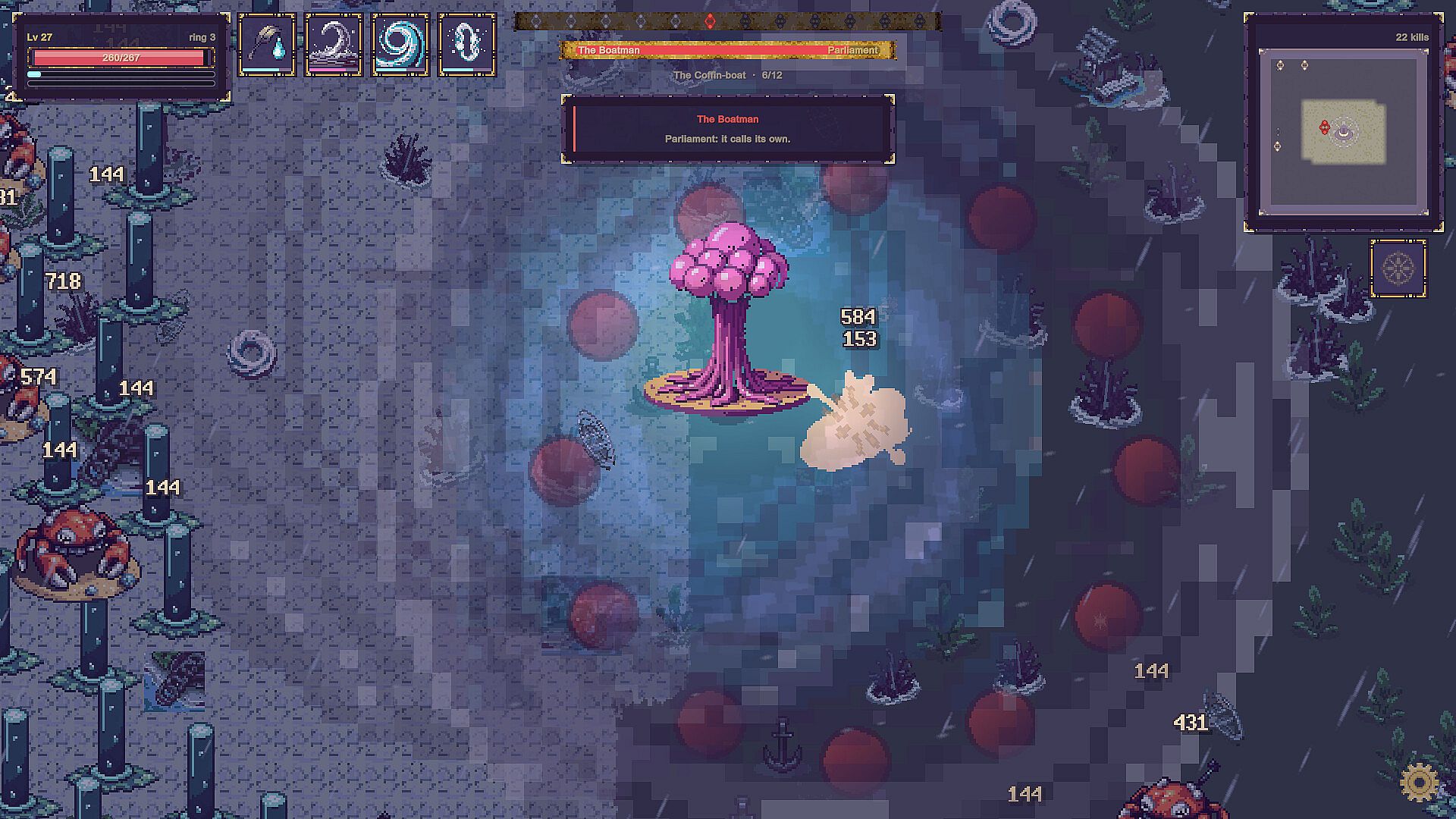
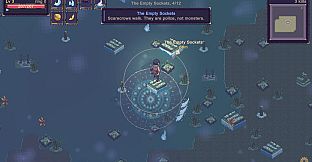
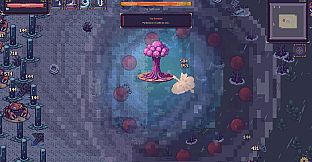
Seven distinct regions shape each run with unique ground, light, and wildlife. These include the Eye, the Edge, the Drowned Fields, the Forest, the Highlands, the Coast, and a final area hot enough to boil rain. Encounters feature ants with a queen, beetles that drink puddles and grow, and a parliament of rats where the Speaker is an office rather than an individual.
Game Modes
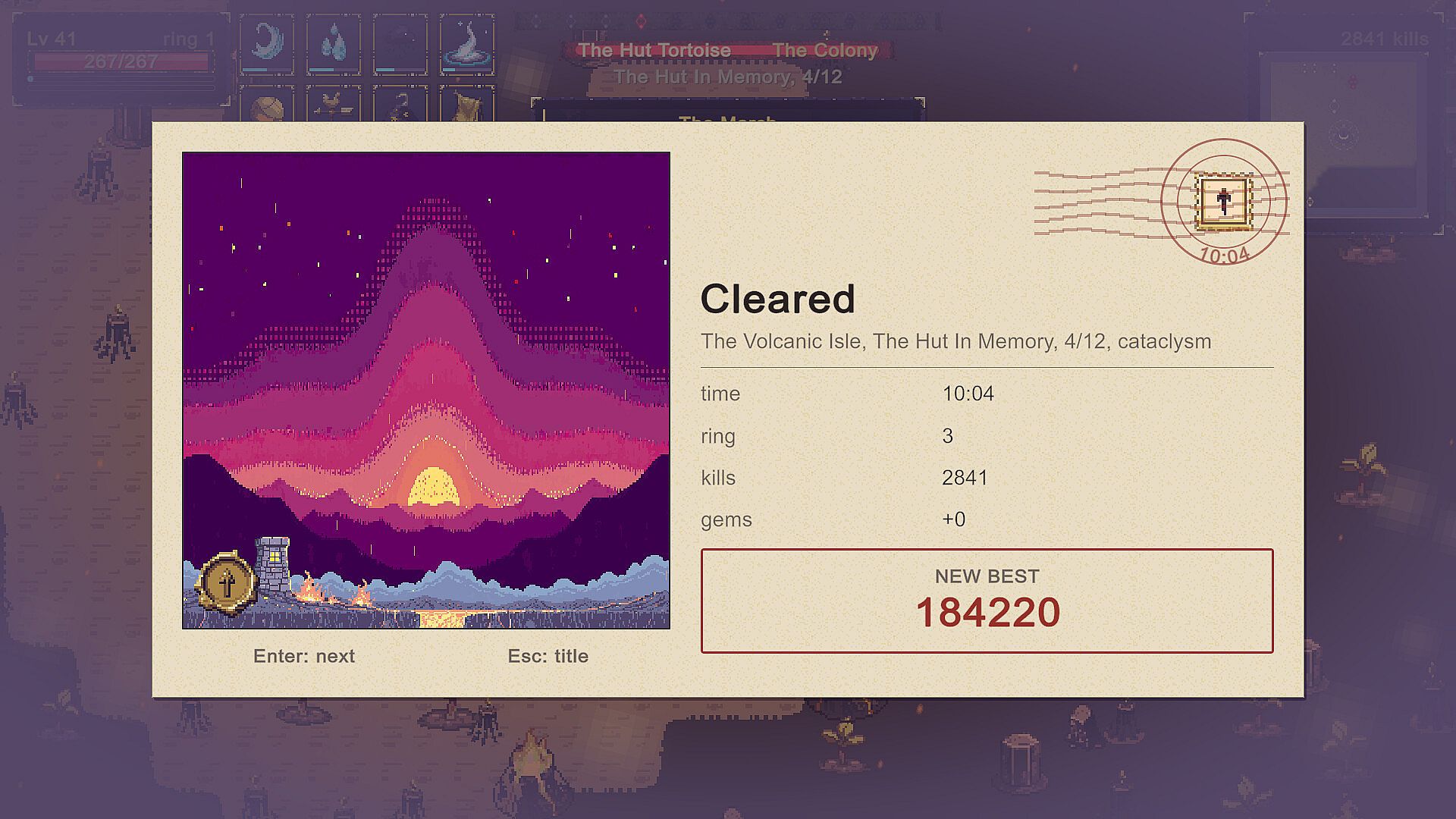
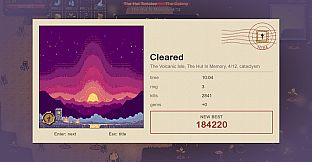
Runs progress through eight tiers from Drizzle to Cataclysm, supported by twelve mutators and an Endless option that creates thousands of distinct combinations. A daily forecast provides one seeded attempt tied to the date. The Almanac tracks every run, won or lost, and awards gems that unlock permanent ranks across twenty forecasters and a hundred pets.
Each map contains two or three boss areas. Clearing all of them completes the stage. A minimap and compass guide players toward the next objective without relying on a traditional clock.
Visuals and Accessibility
The game uses HD pixel art lit in 2D with a color-distinct palette. Text size and high contrast support readability. Options include toggles for screen shake and lightning, along with four separate volume bars to fine-tune the audio experience.
Is It Worth Playing?
This title suits players who enjoy deliberate positioning and long-term progression in a single-player survivor-like format. The absence of timers shifts focus to spatial decisions and ability management. Permanent upgrades through the Almanac reward consistent play across varied runs and regions. Those drawn to indie action RPGs with weather-themed mechanics and layered systems will find depth in the school progression and regional variety. The emphasis on reading the environment and growing skills before they break makes each attempt feel purposeful rather than rushed.











