


PLANETOON is an indie casual simulation game that puts players in charge of shaping their own galaxy through gentle orbital mechanics and cosmic placement. Set on PC, the experience centers on building harmonious systems of planets and other objects around a central sun, with each session offering fresh arrangements in a roguelike structure.
Gameplay
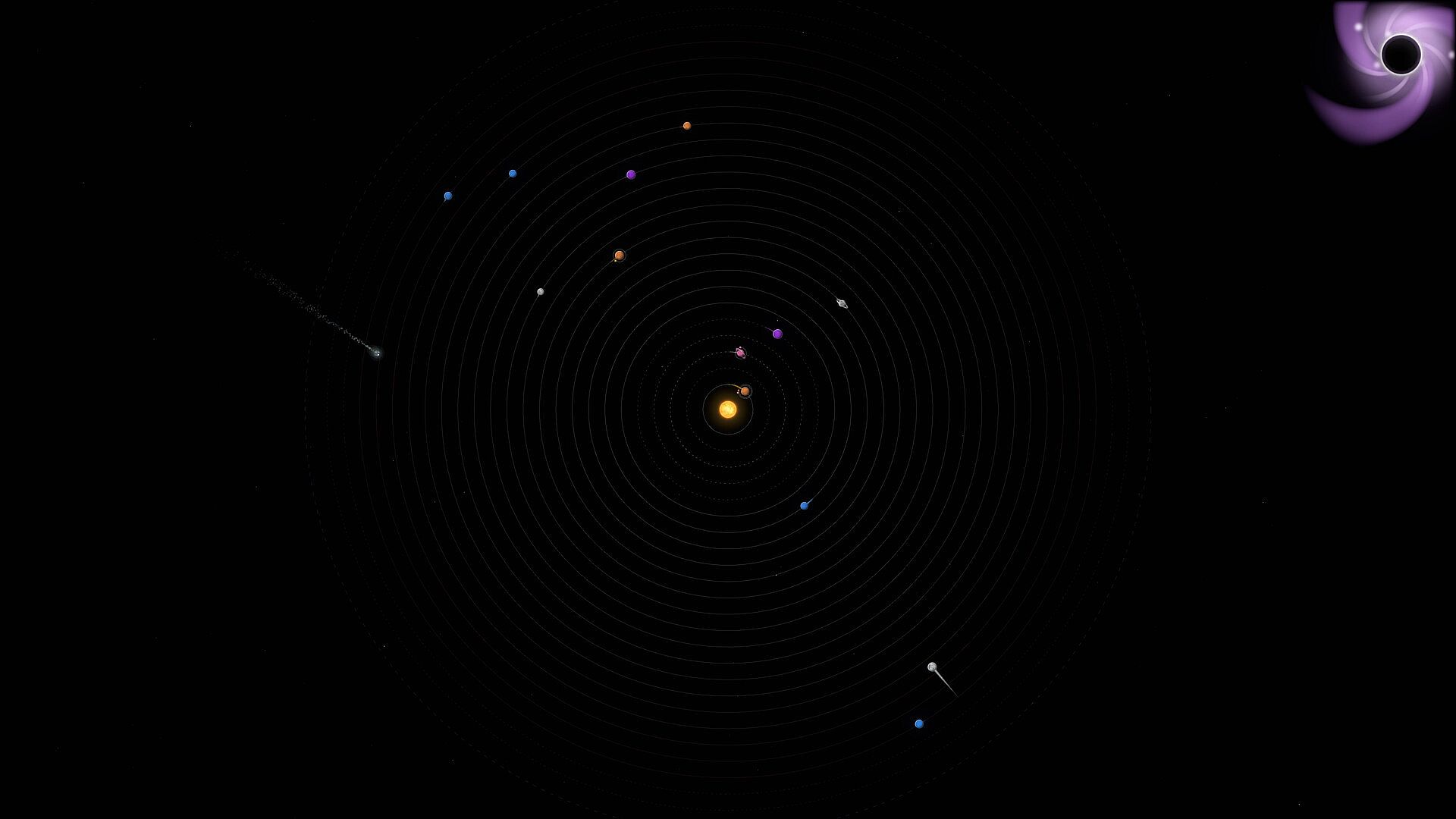
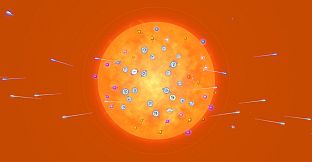
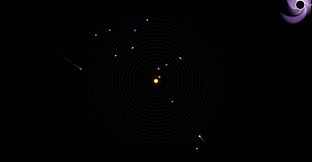
The core loop revolves around drifting cosmic objects that enter from the edges of the screen under natural gravitational pull. Players use the mouse to catch these items at the right moment and release them, allowing the simulation to settle into balanced orbits without any need for precise targeting or timing pressure. This approach emphasizes intent over accuracy, creating a relaxed pace where the universe responds organically to each placement.
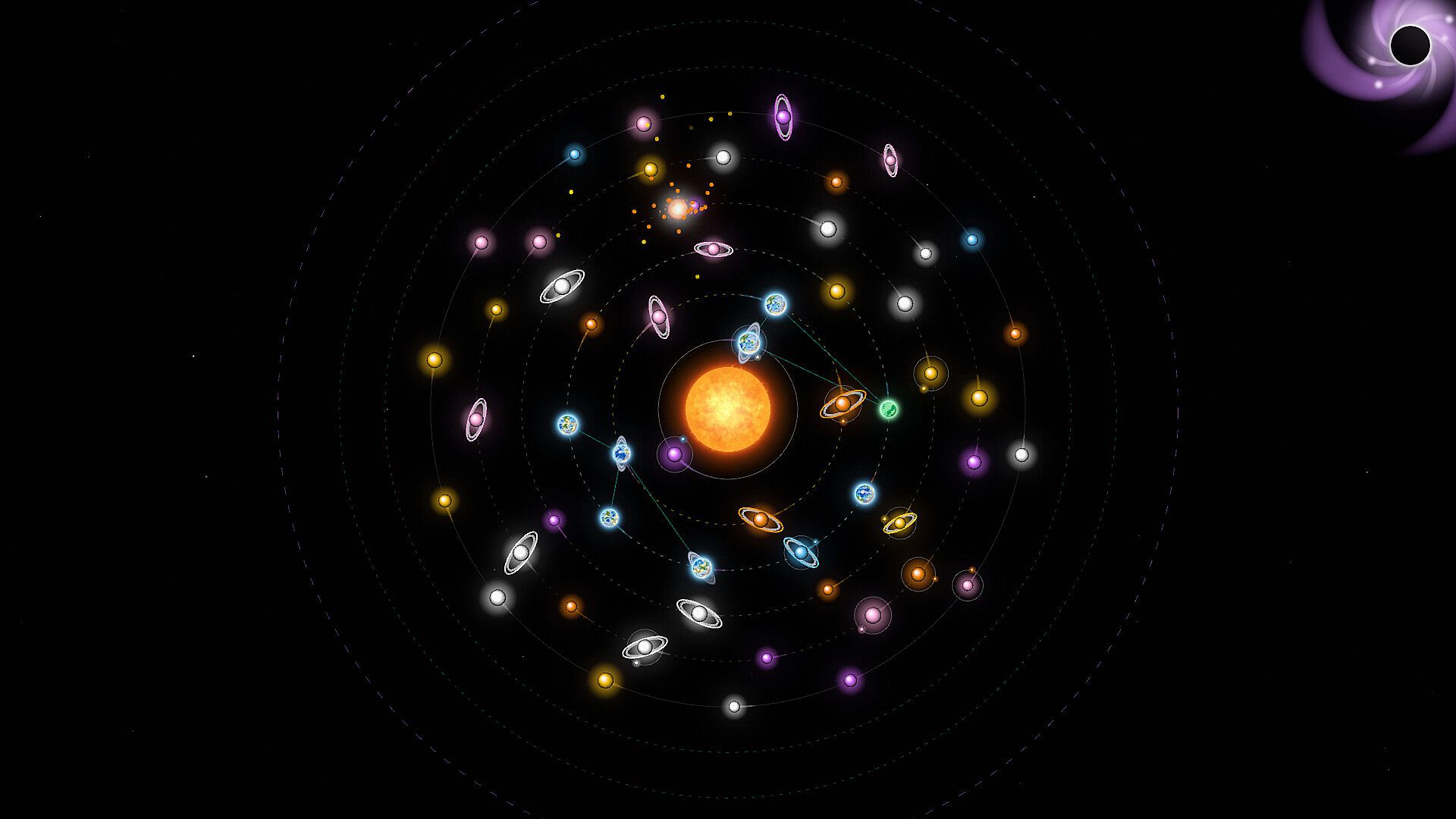
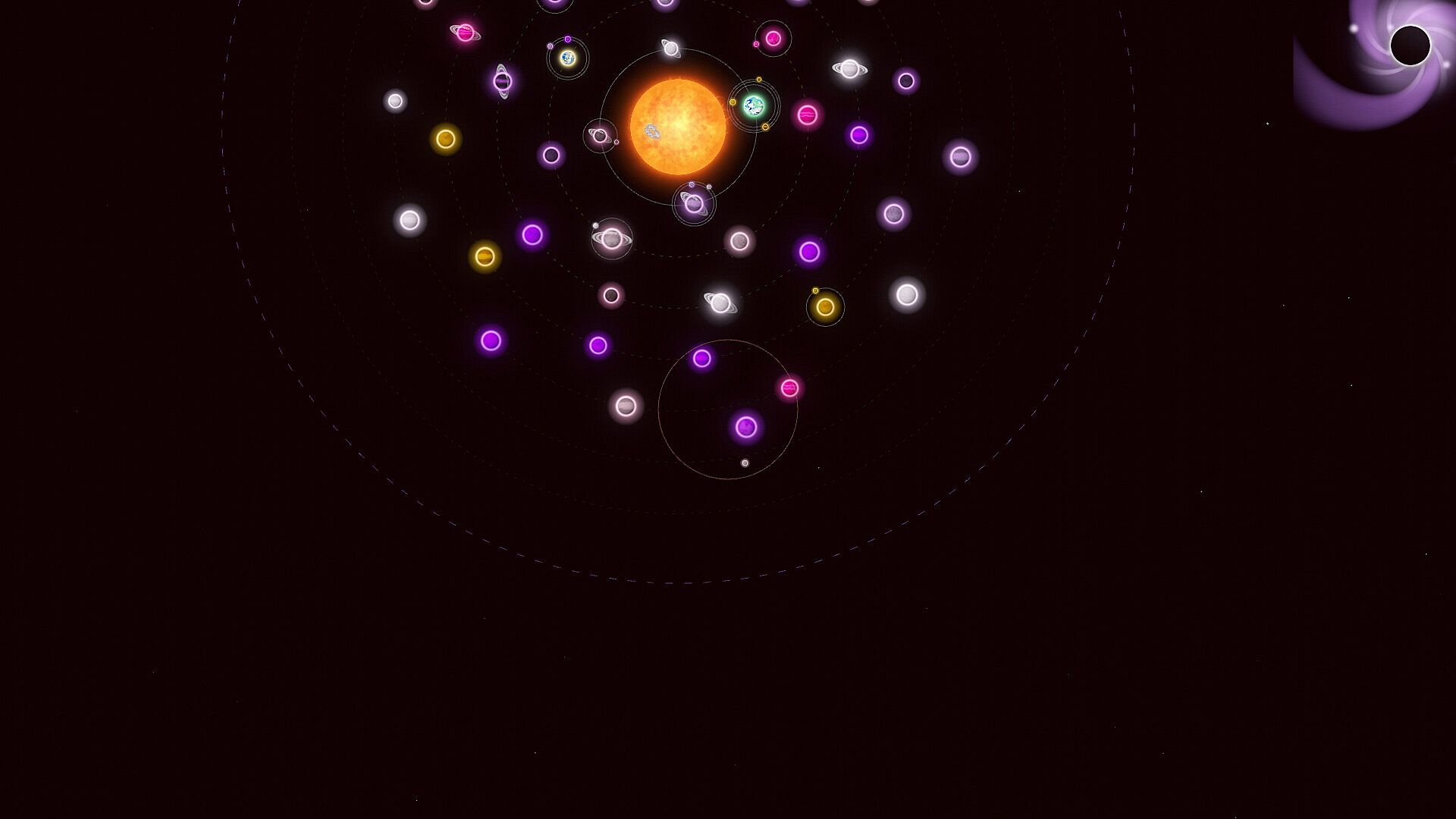
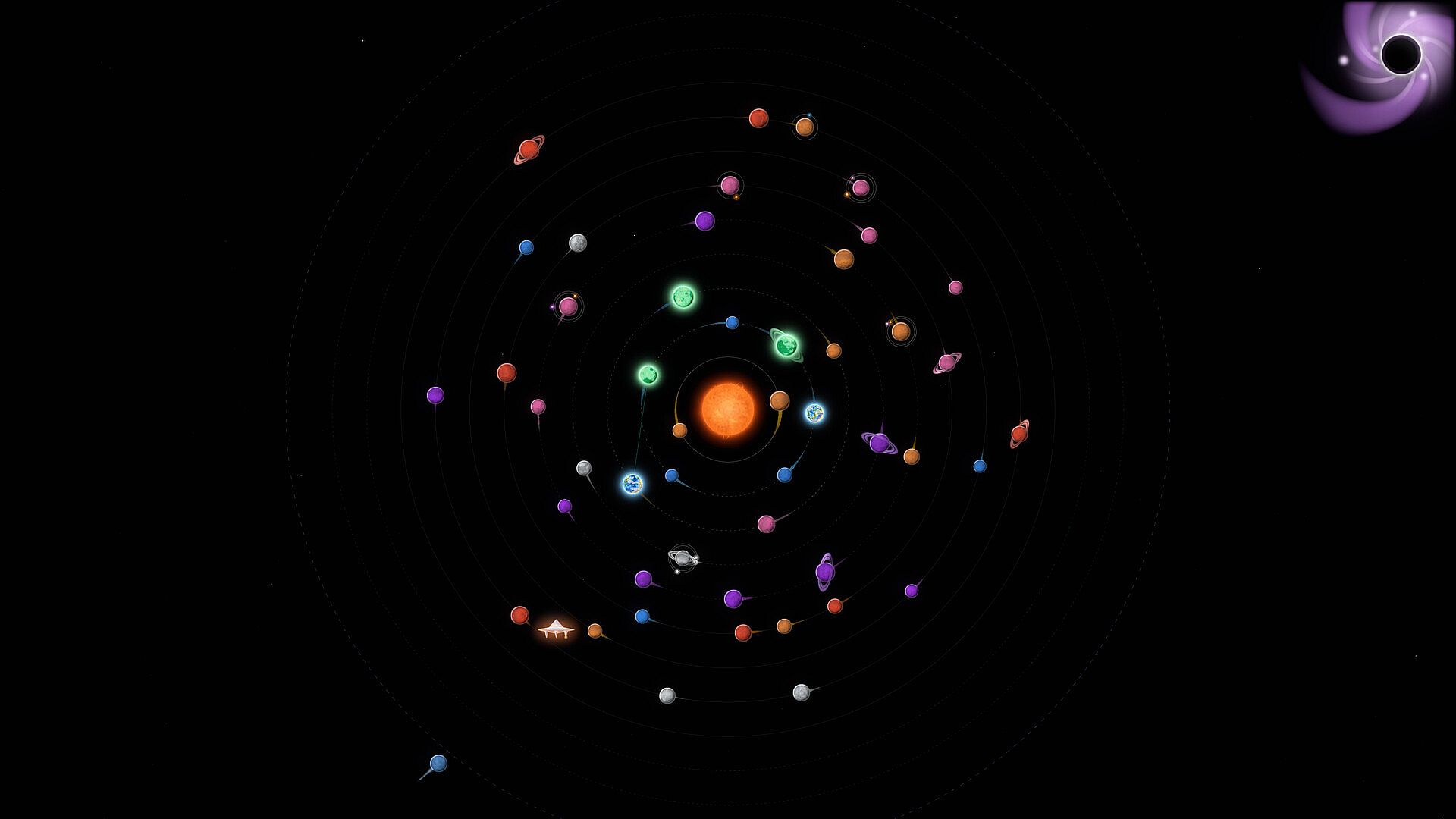
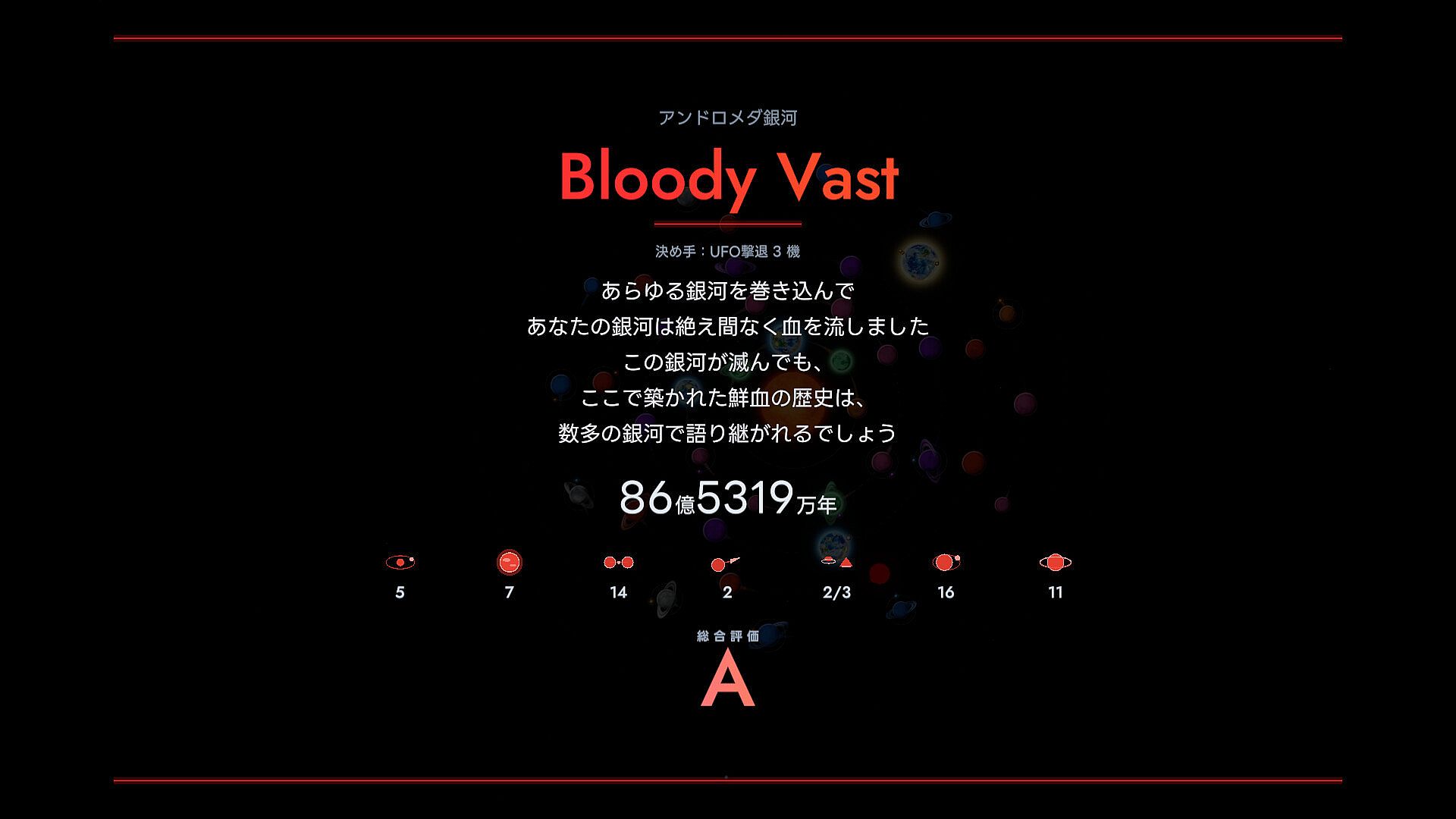
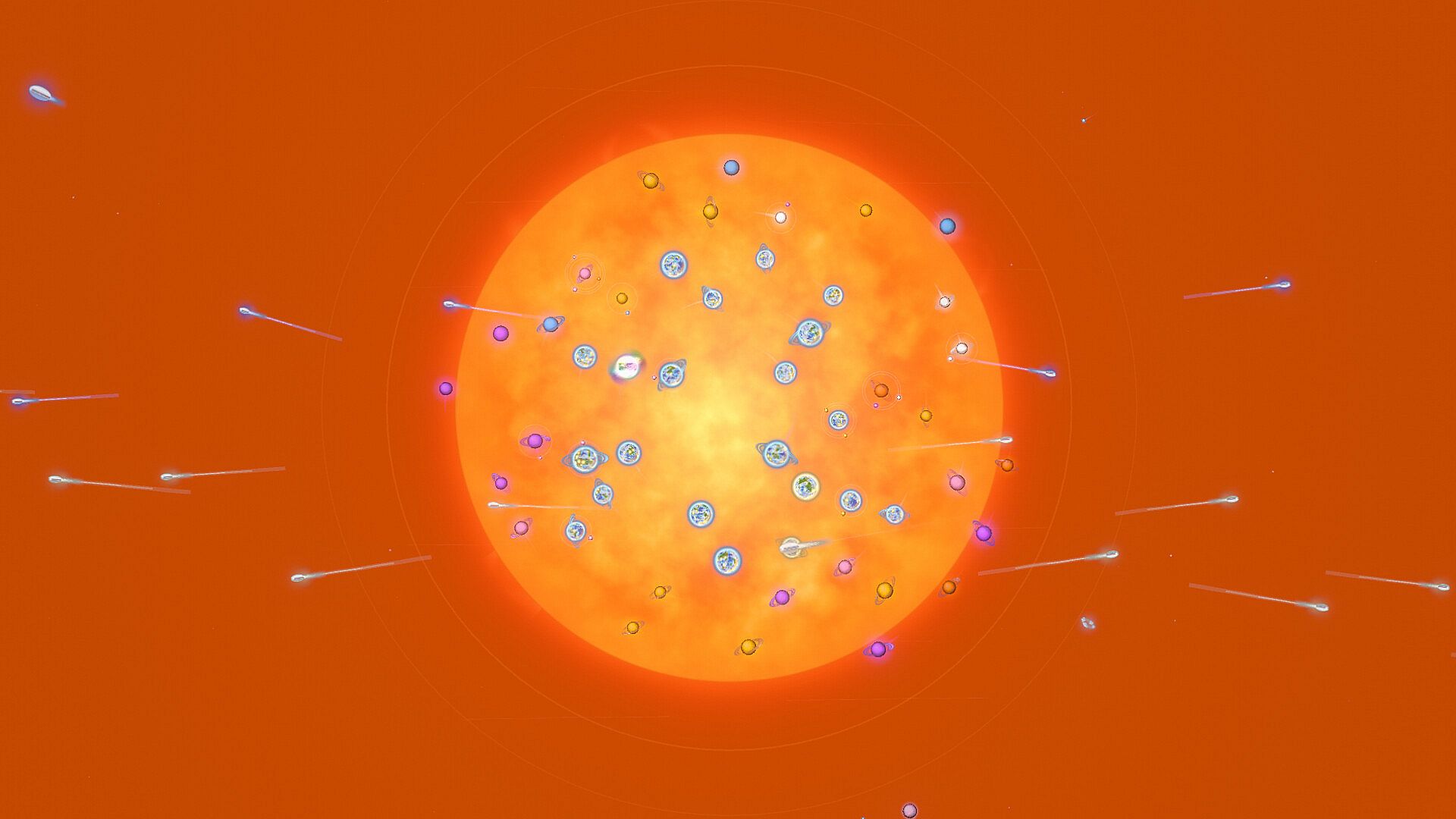
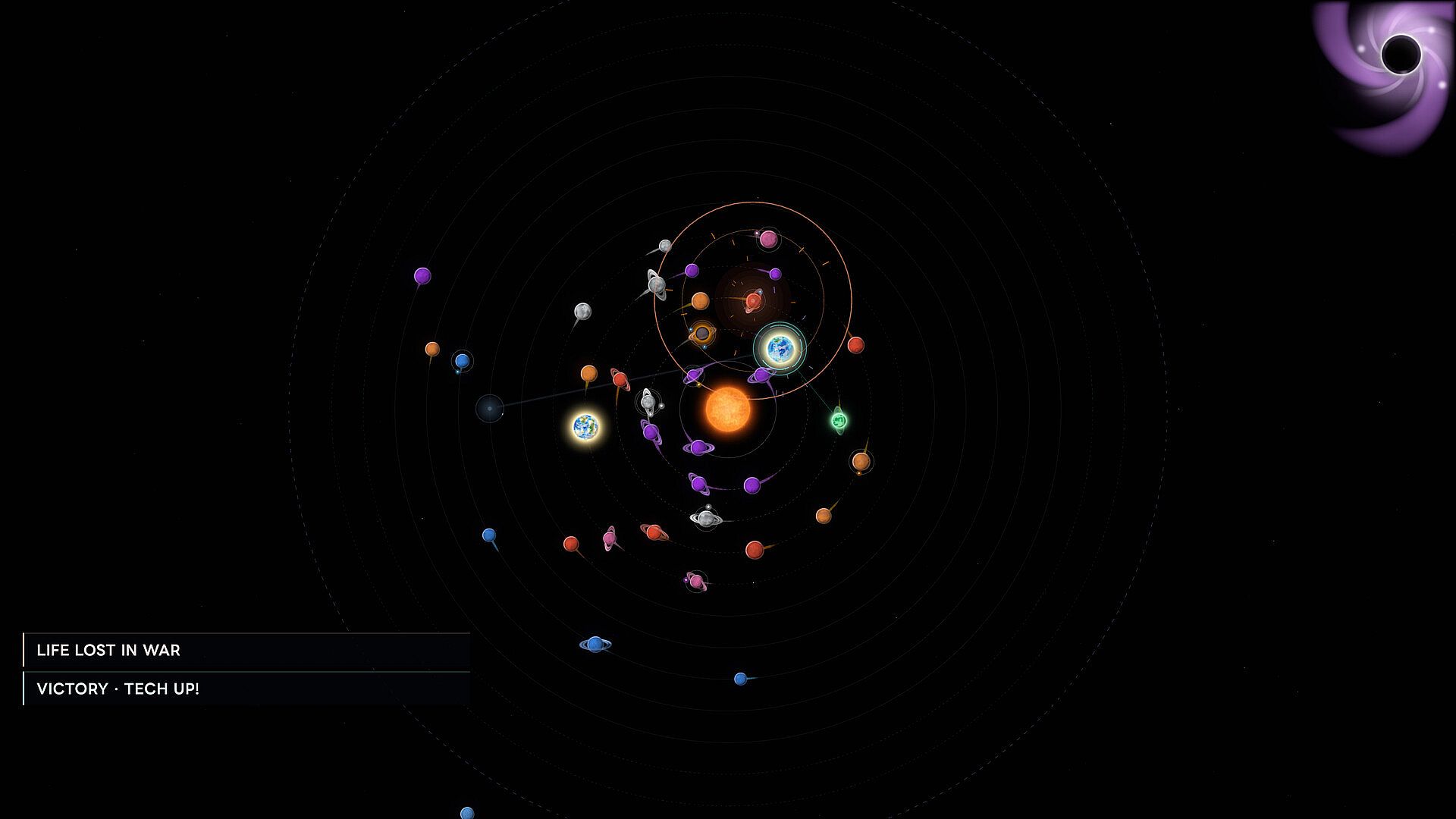
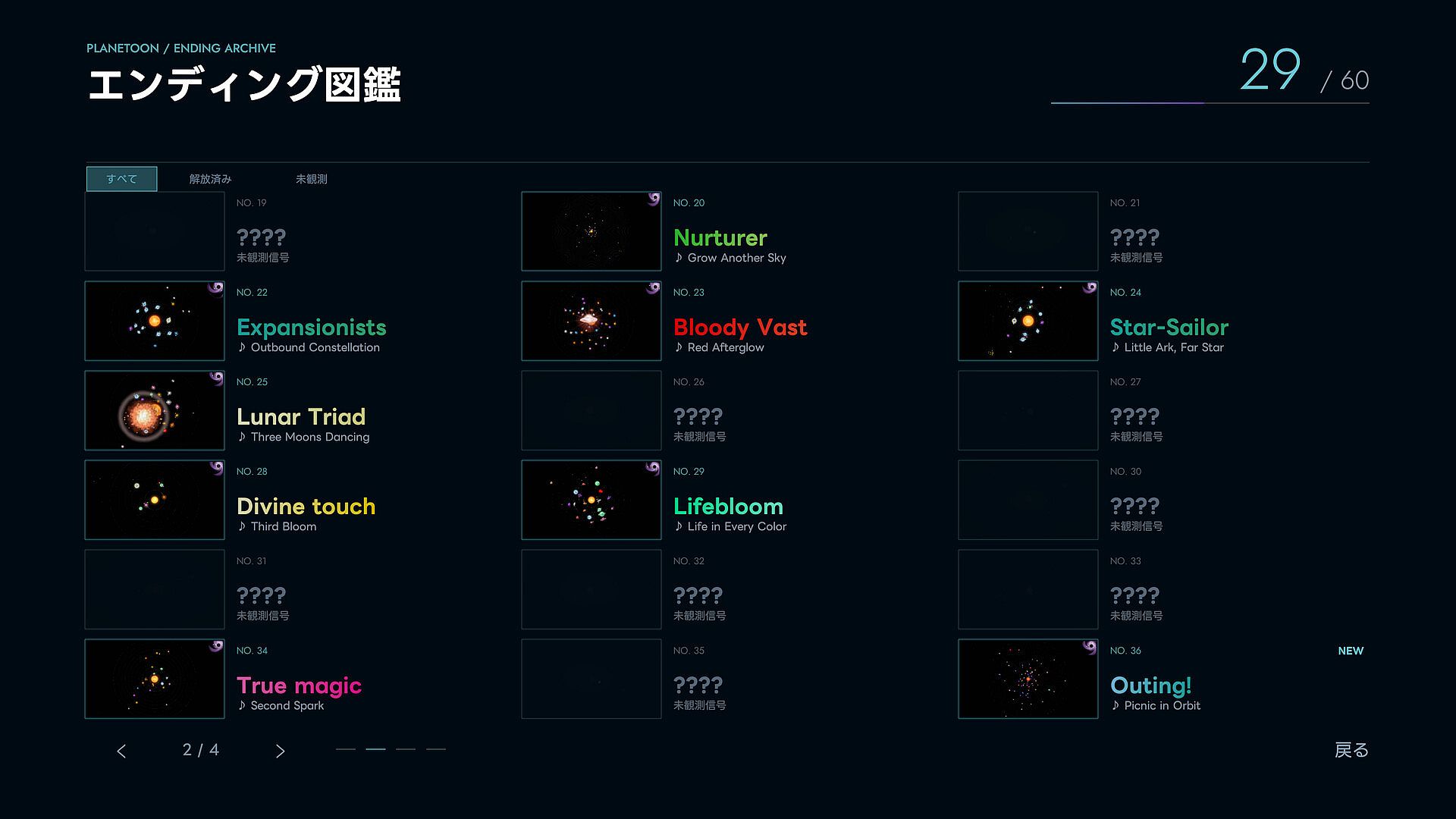
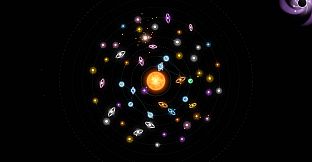
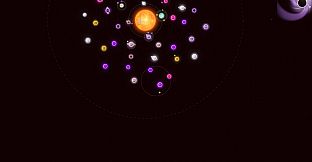
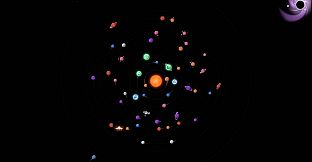
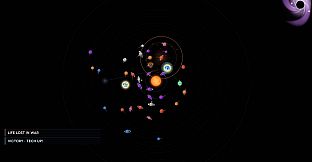
As objects interact, they form vivid galactic spirals and clusters. Stars influence one another, leading to the emergence of life and the rise of civilizations across the formed systems. With 22 distinct kinds of cosmic objects available, combinations produce varied results, encouraging repeated sessions to observe how different arrangements evolve into unique cosmic orders.
The design prioritizes depth through observation rather than speed or competition. Planets gather momentum and stability over time, revealing emergent patterns that feel personal to each run. This creates a meditative rhythm suited to short breaks or extended quiet moments, where the focus stays on the unfolding harmony rather than external goals.
Game Modes
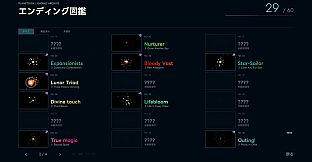
PLANETOON operates through a single-player roguelike framework built around repeated galaxy-building runs. Each session starts fresh with objects appearing under gravity, and the player guides their placement to form stable systems. The roguelike element ensures that no two runs follow the exact same path, as the positioning and interactions generate different spirals, life developments, and overall structures every time.
There are no separate competitive or multiplayer modes described. The emphasis remains on solitary exploration of the simulation, where the goal is personal discovery within the procedural variations rather than scored challenges or shared play.
Core Mechanics and Progression
Progression unfolds through the accumulation of cosmic objects and their gravitational relationships. Early placements set basic orbits, while later additions introduce complexity as objects pull on one another. This leads to the growth of intricate patterns, including the sprouting of life and the beginning of contacts between different worlds within the same galaxy.
The 22 object types provide the foundation for endless variety. Each type contributes unique properties to the overall system, and players experiment with selections across runs to see how new combinations alter the final form. The simulation handles the physics naturally once objects are released, removing any requirement for constant intervention.
Repetition serves as the main driver for engagement. Players often find themselves returning to recreate appealing arrangements or to witness entirely new galactic evolutions. This loop rewards patience and curiosity, turning each session into a small exploration of possibility within the same core rules.
Is It Worth Playing?
PLANETOON suits players who enjoy calm, thoughtful simulation experiences without timers or failure states. The roguelike runs deliver consistent novelty through object combinations and emergent patterns, making it ideal for those who appreciate gradual discovery over intense action or strategic competition.
The game stands out for its focus on harmony and repetition as sources of satisfaction. Individuals looking for a low-pressure way to engage with space-themed building mechanics will find the mouse-driven placement and resulting spirals rewarding. Its debut status from an indie studio highlights a commitment to a distinct core loop that encourages multiple short or extended sessions.
Overall, it offers a distinctive take on galaxy creation that prioritizes personal universes and quiet moments of observation, making it a worthwhile choice for fans of casual simulation titles centered on organic growth and variation.