











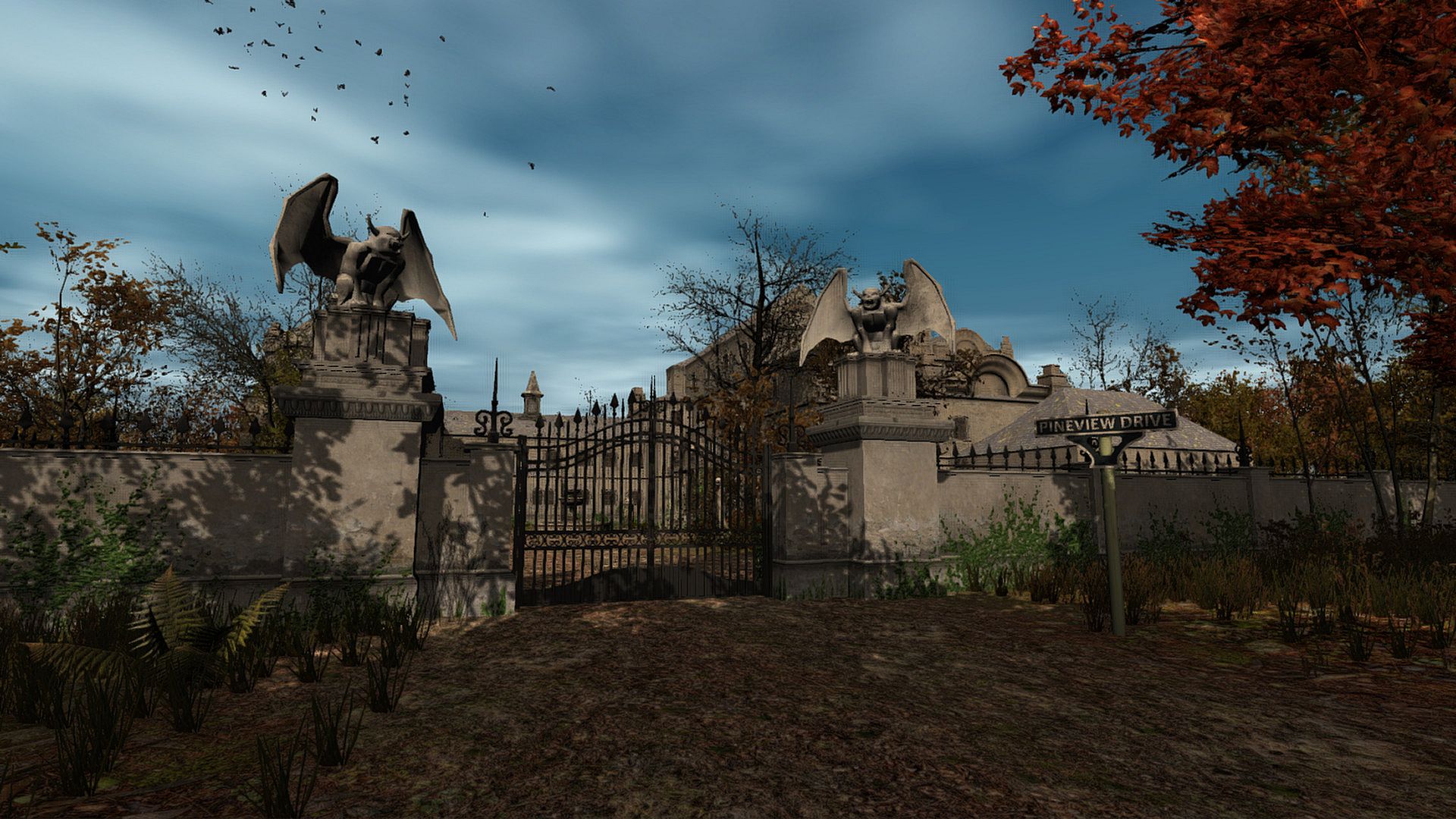
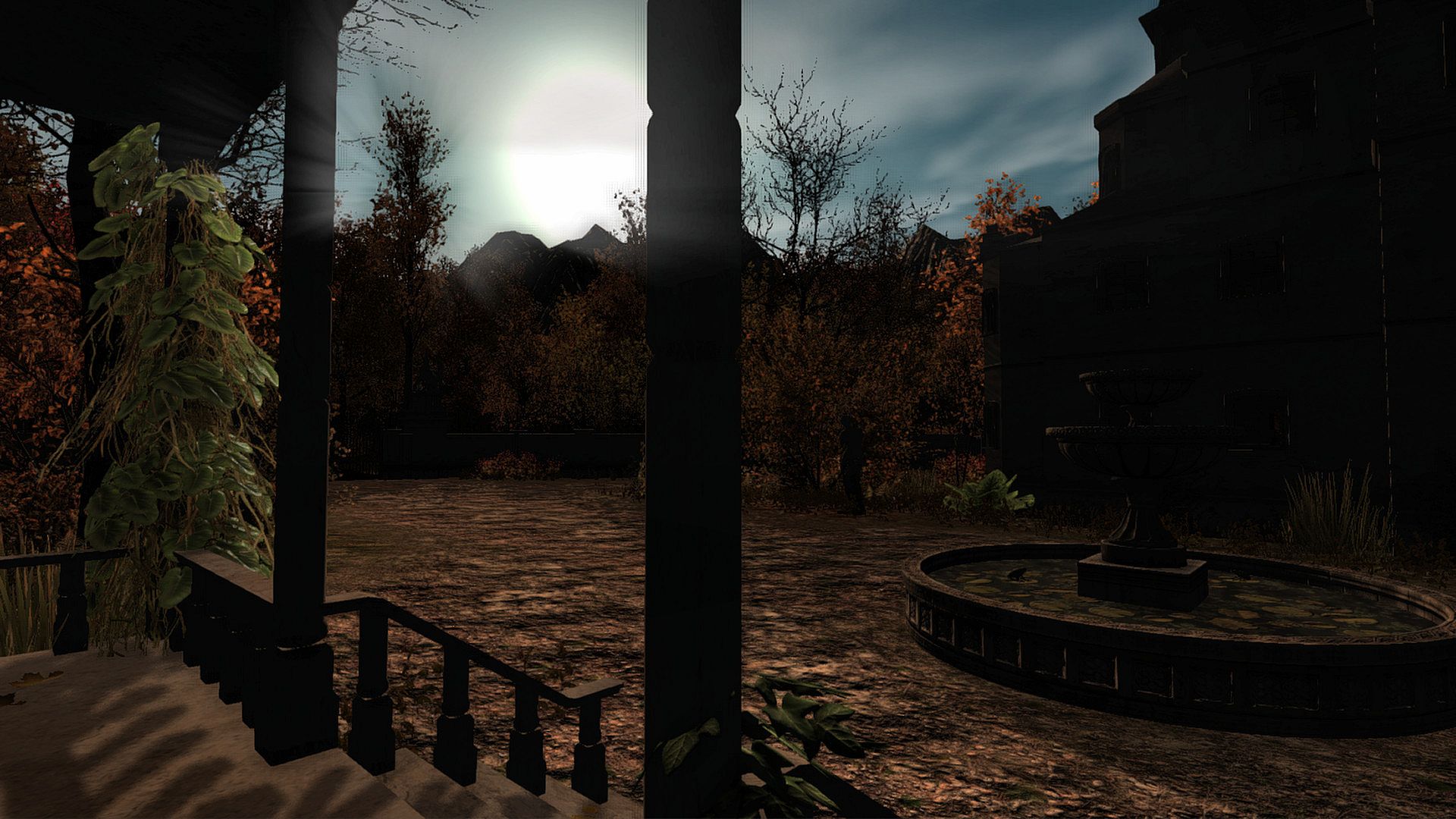
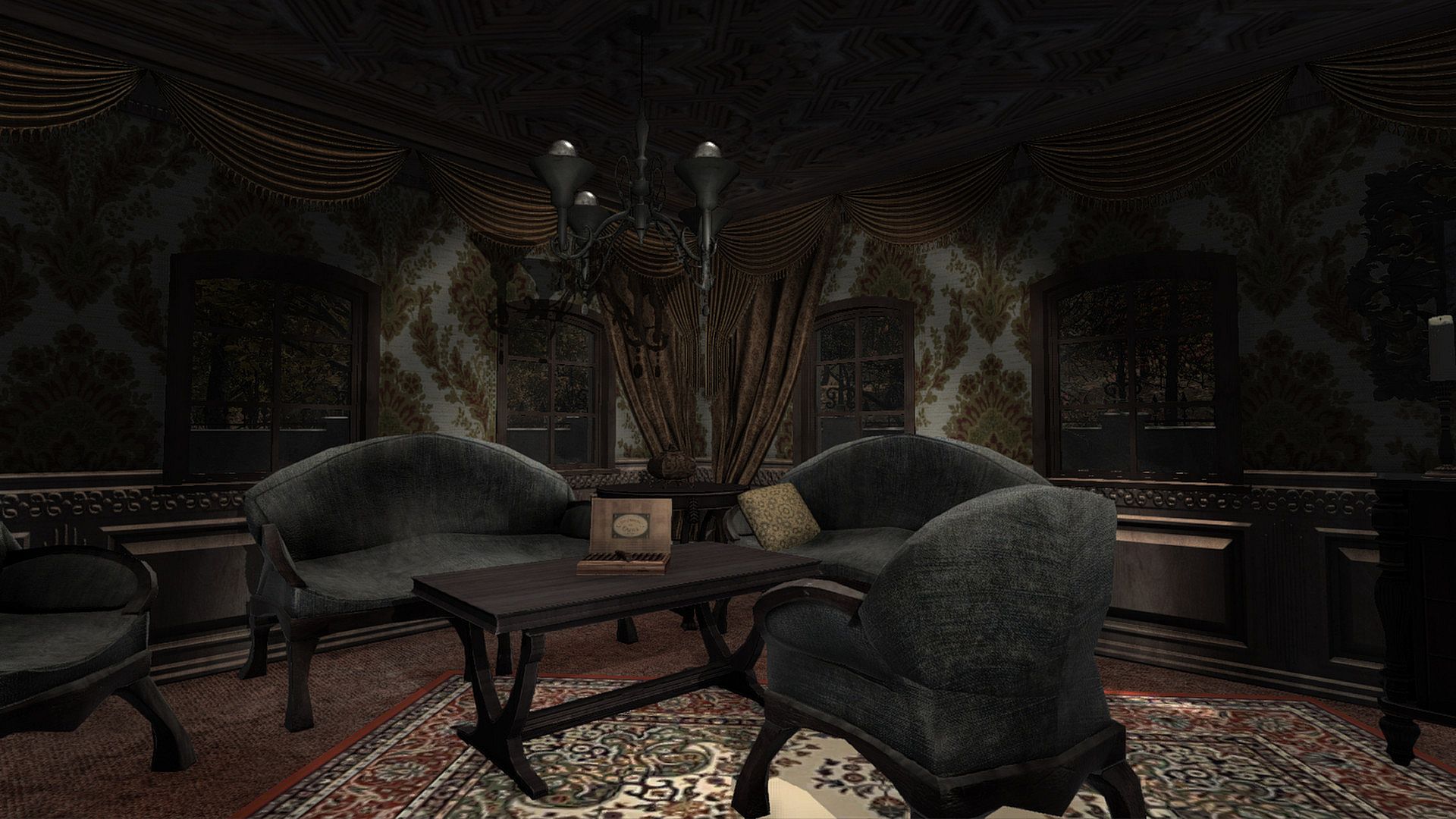
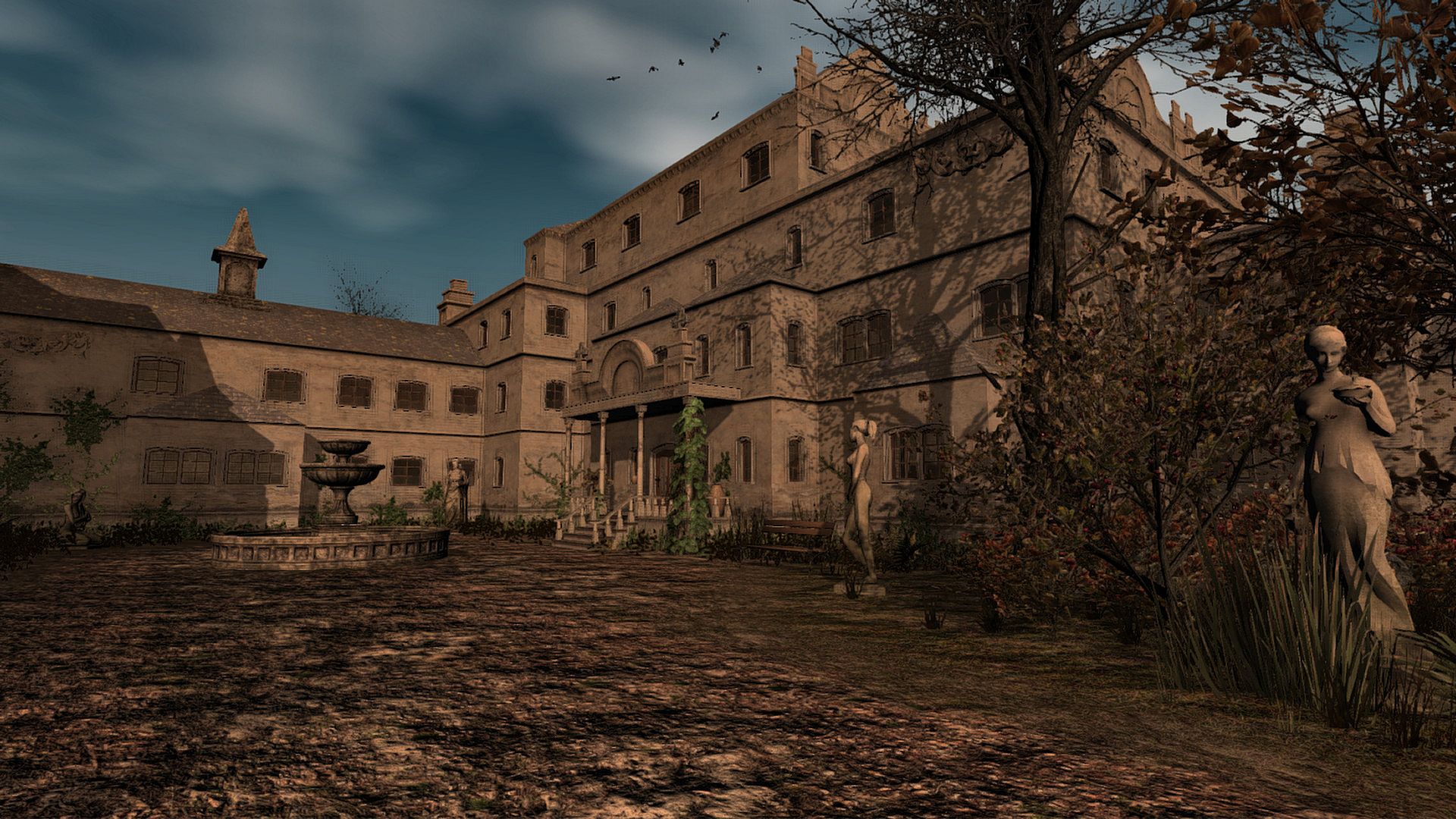
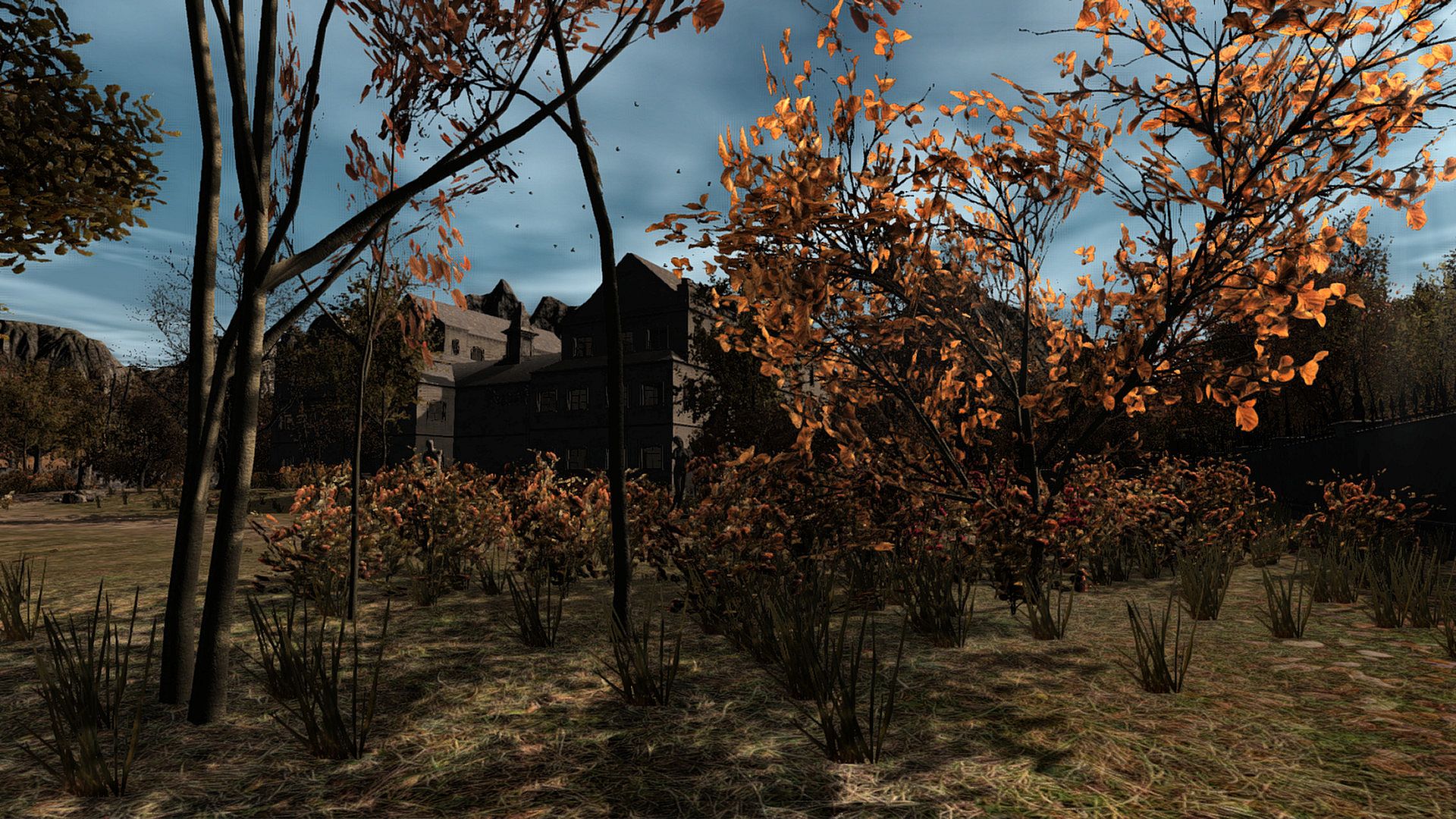
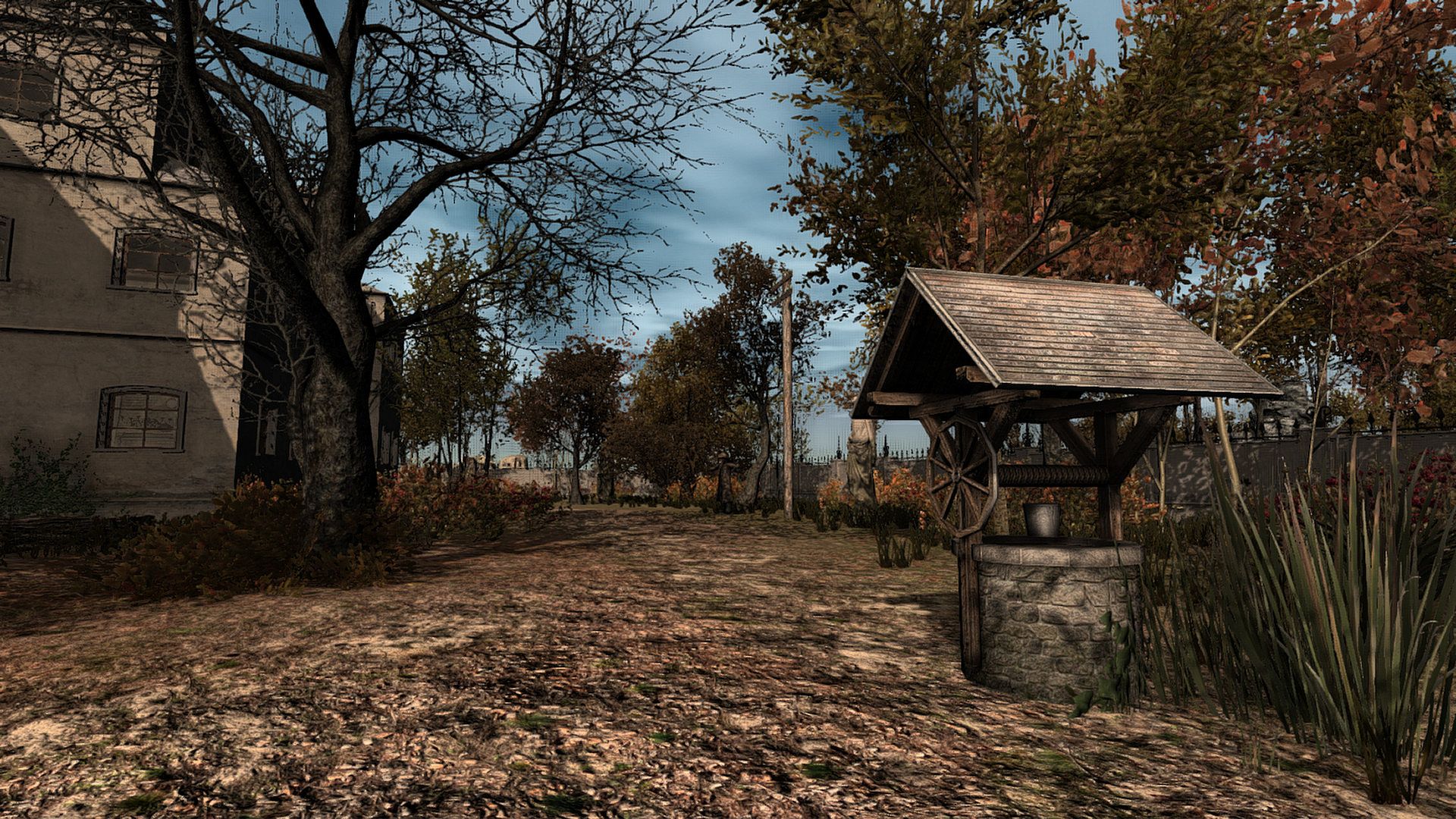
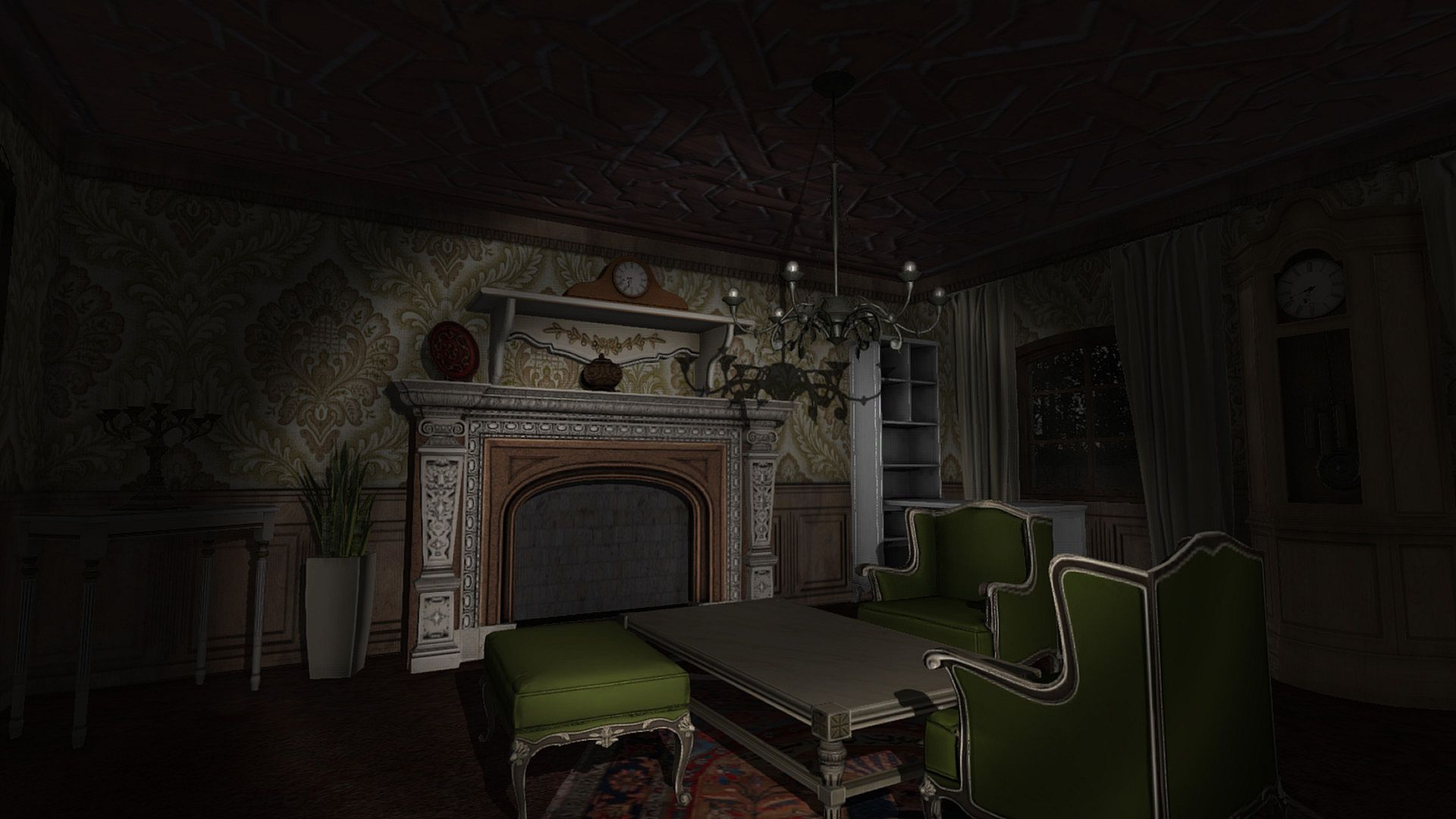
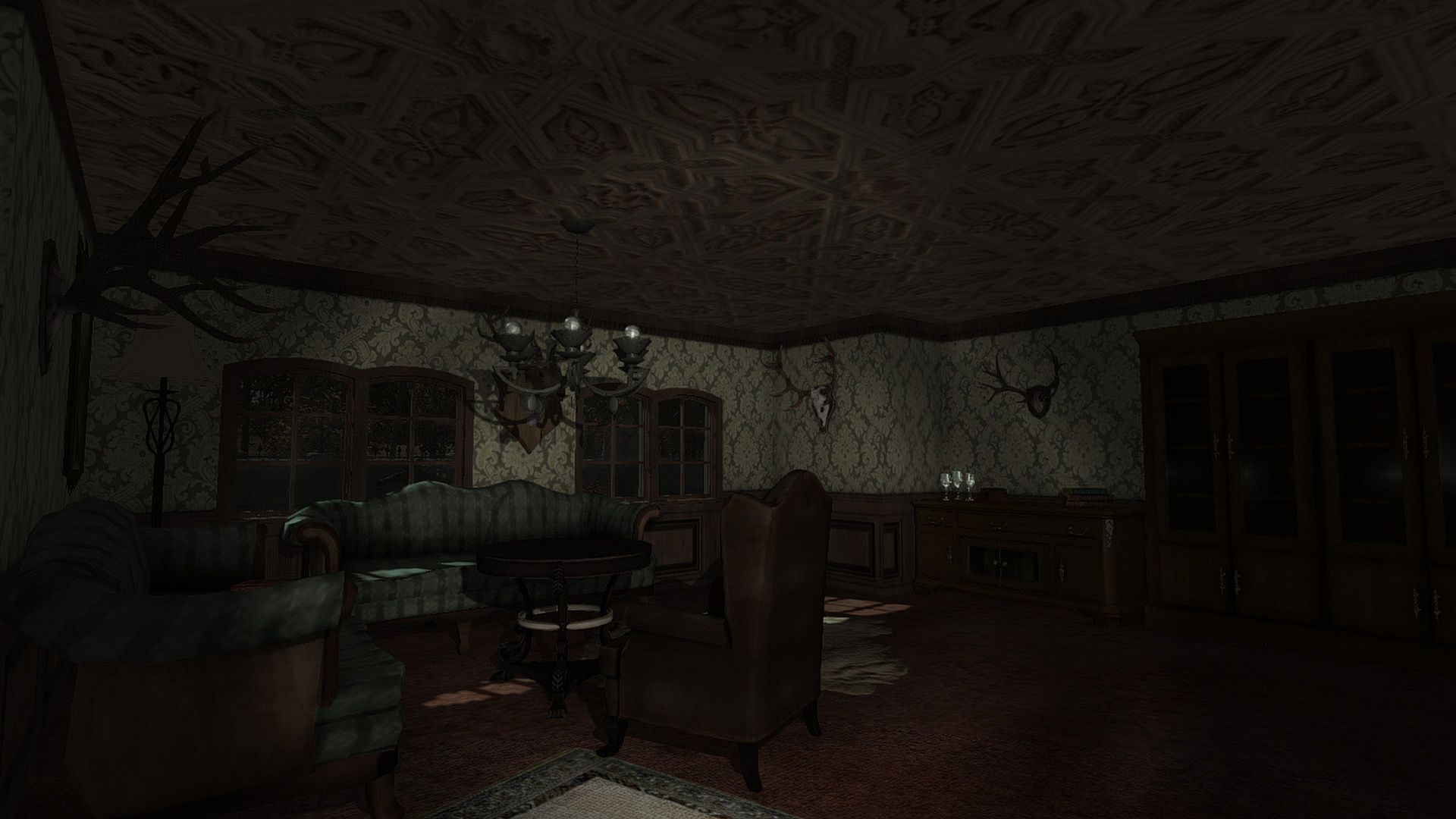
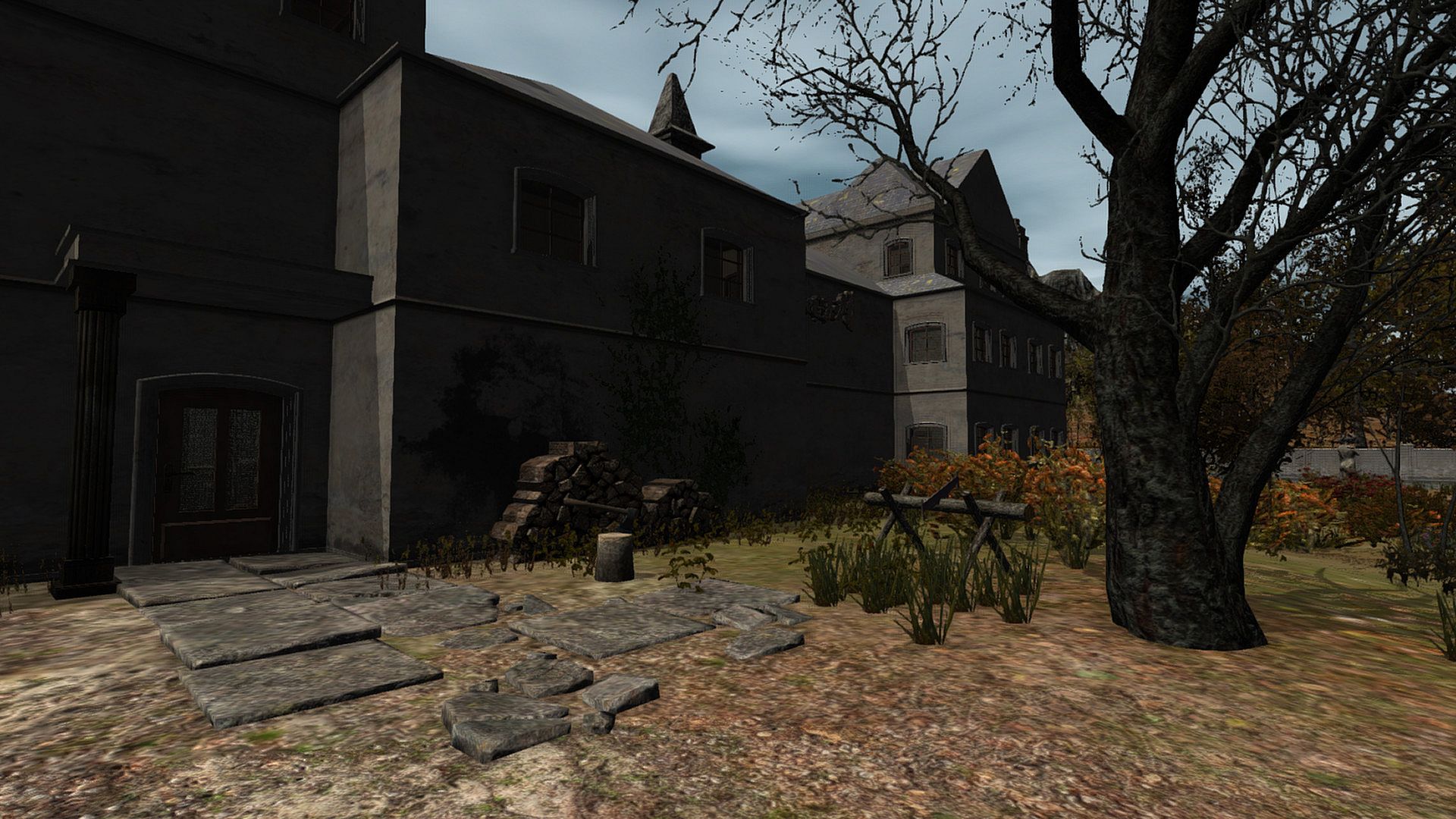
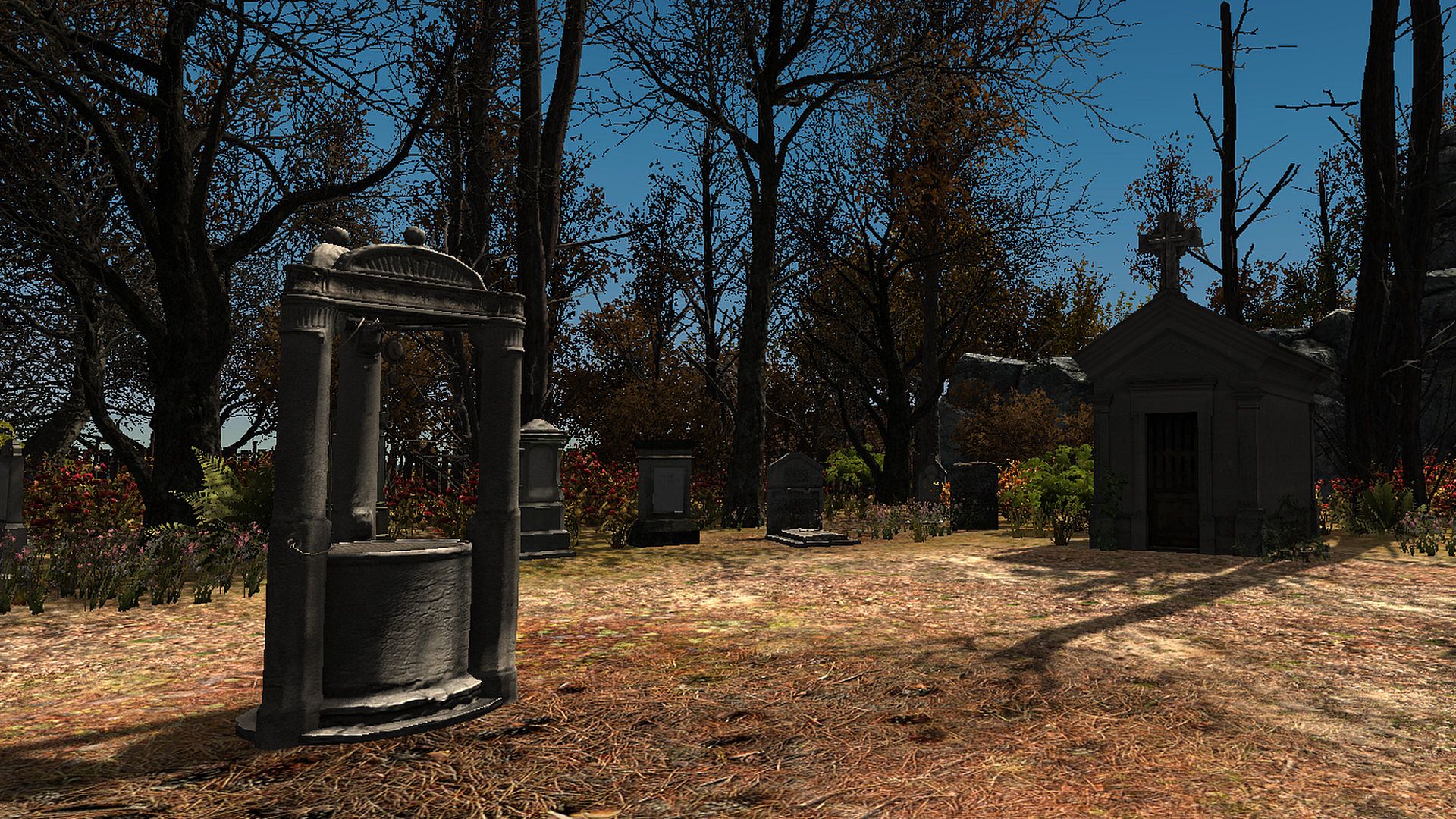
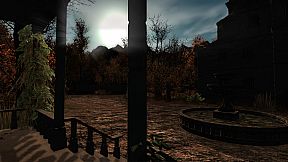

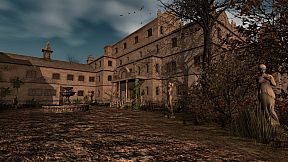
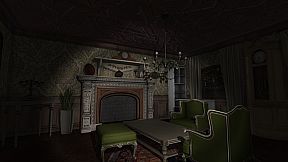
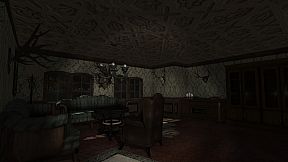
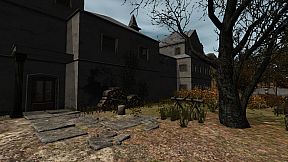
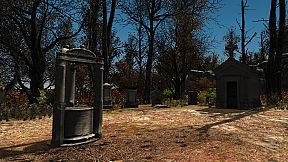
Pineview Drive stands as a single-player horror adventure title centered on exploration and psychological tension within an isolated mansion setting. Players assume the role of a man returning to the property on Pineview Drive two decades after his wife Linda vanished during a prior visit. The core experience unfolds across a fixed sequence of in-game days, during which the environment reveals layers of its history through careful searching and observation. The title emphasizes a unique fear detection system that monitors player reactions and directly impacts survival.
Gameplay
The central loop involves navigating the mansion's rooms and surrounding grounds while managing personal composure. Any rise in tension or startled responses drains health reserves, creating a constant need for controlled movement and deliberate pacing. Exploration forms the backbone of progress, with each successive day unlocking additional areas or clues tied to the unresolved disappearance. No combat or direct confrontations occur; instead, survival depends on maintaining steady nerves amid unsettling audio cues and visual shifts in the environment. The system tracks every action and emotional spike, turning the act of playing into a measured test of restraint rather than action sequences.
Sound design plays a critical role in heightening the experience. Footsteps, creaking floors, distant echoes, and ambient tones contribute to an oppressive atmosphere that encourages slow, methodical investigation. Players must balance thorough searching with the risk of overexposure to stressful elements. The 30-day structure provides a clear progression framework, where early days focus on basic orientation and later ones introduce more intricate mysteries within the same locations. This structure rewards repeated visits to familiar spaces with new details emerging over time.
Game Modes
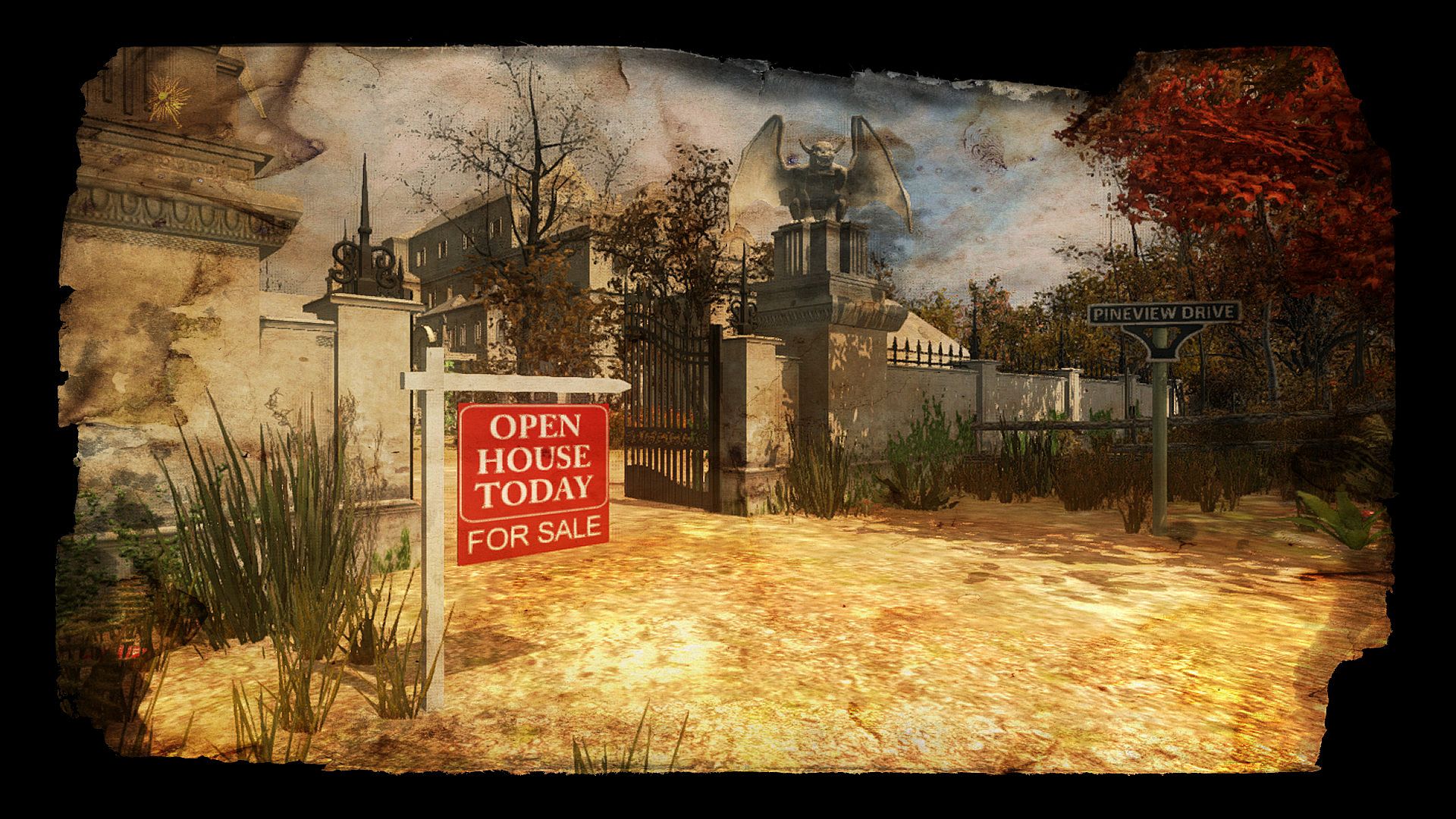
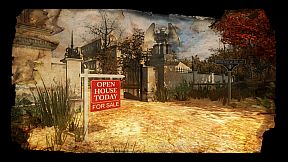
Standard play follows the main 30-day campaign, where the fear mechanic remains active and health management stays paramount. Two additional modes became available through an update, expanding options for different approaches to the mansion. Open House Today removes the darkness and tension constraints, allowing unrestricted daytime exploration of the full property without health penalties from fear. This mode suits players seeking to map the layout or examine details at their own pace.
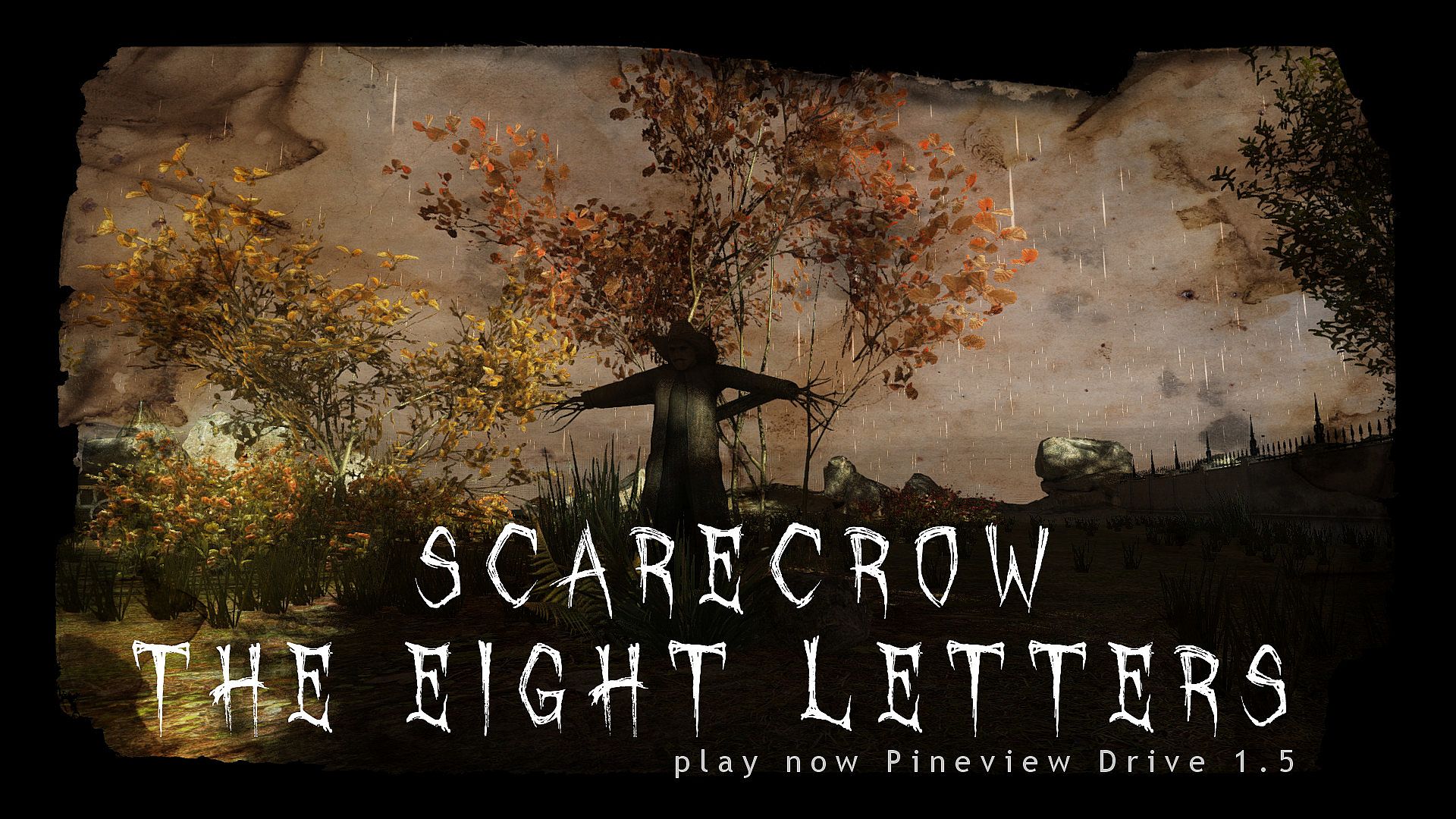
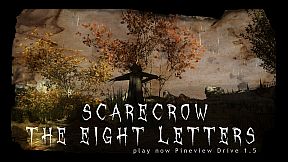
Scarecrow - The Eight Letters shifts focus to a collection challenge. Eight specific letters are hidden across the house and garden, and players must locate them while avoiding the scarecrow entity that patrols the area. The mode introduces a timed element and heightened awareness of surroundings, differing from the slower investigative pace of the primary campaign. These modes provide variety without altering the underlying mansion layout or core assets.
Atmosphere and Presentation
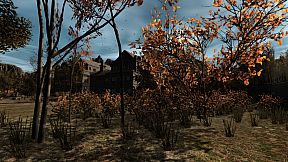
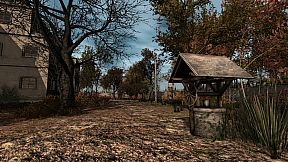
Visual and audio elements combine to sustain a consistent sense of unease throughout the property. The seaside mansion features detailed interiors that change subtly with each passing in-game day, revealing wear, hidden passages, or altered lighting conditions. External areas like the garden add variety to navigation routes. Premium sound effects and a layered score reinforce isolation, with every creak or whisper designed to test player resolve. The absence of overt threats shifts emphasis onto anticipation and personal reaction, making the environment itself the primary source of pressure.
Achievements track specific accomplishments such as completing days without excessive health loss or locating key items. These serve as optional goals that encourage multiple playthroughs or careful experimentation with the fear system. The overall presentation remains focused on the single location, avoiding expansive world-building in favor of depth within the mansion's confines.
Is It Worth Playing?
Pineview Drive appeals most to players who enjoy atmospheric horror experiences built around tension and self-regulation rather than action or jump scares alone. Its mixed reception on Steam, with 67 percent positive ratings from 395 reviews, reflects appreciation for the innovative fear mechanic alongside criticism of repetitive exploration and occasional pacing issues. The game received updates including version 2.0 improvements and the addition of the two extra modes in update 1.5, indicating ongoing support after its 2014 release.
Those drawn to psychological horror with a strong emphasis on sound and controlled pacing may find value in the 30-day structure and the challenge of surviving without succumbing to fear. Individuals preferring faster progression, combat elements, or varied environments might find the focused single-location design limiting. Availability remains straightforward through standard digital platforms, with no free trial modes confirmed beyond the original demo period. The title suits short, focused sessions where players can maintain concentration on their reactions.