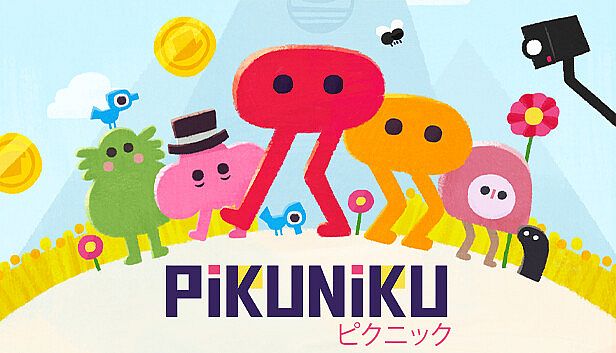





















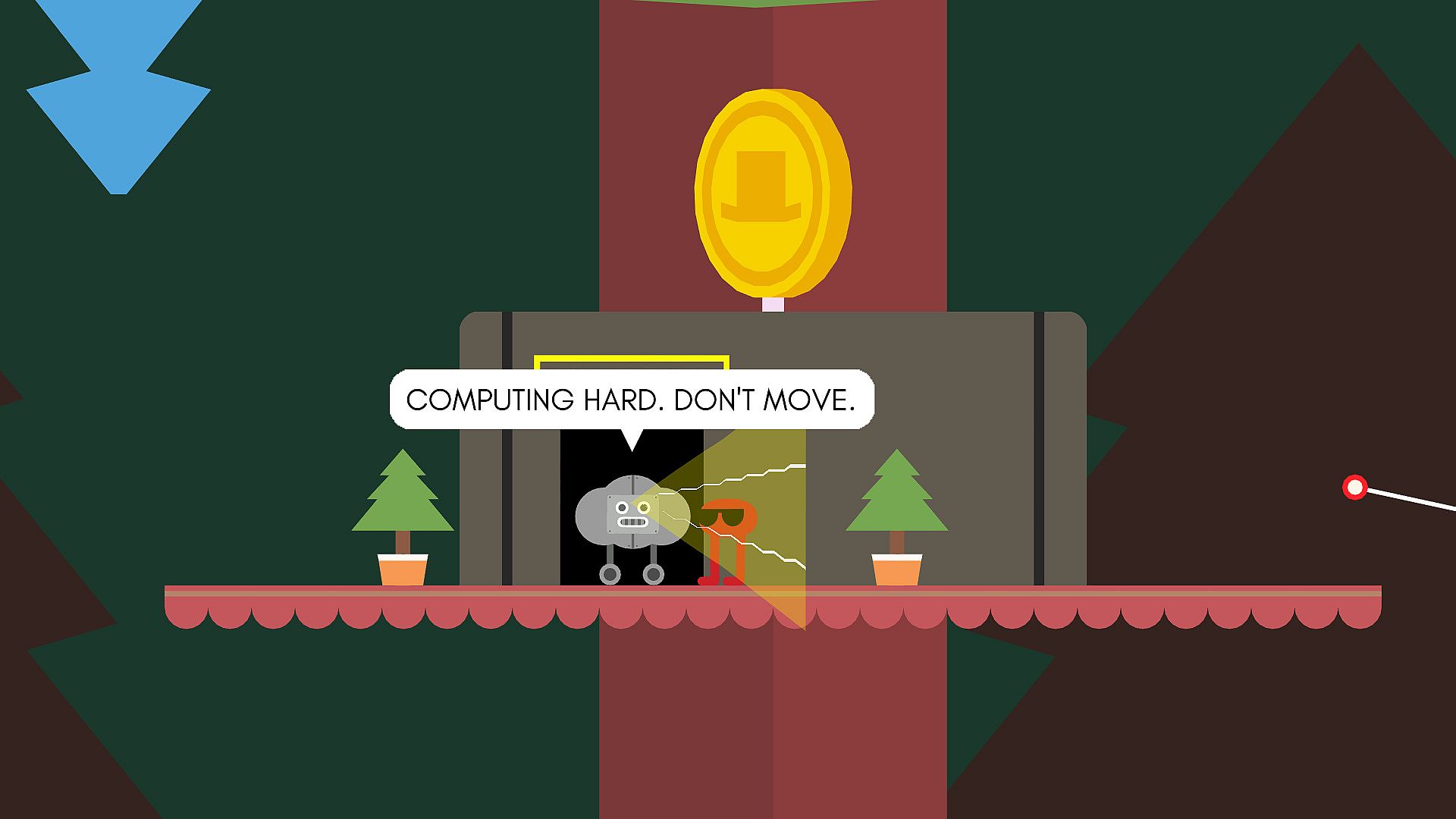
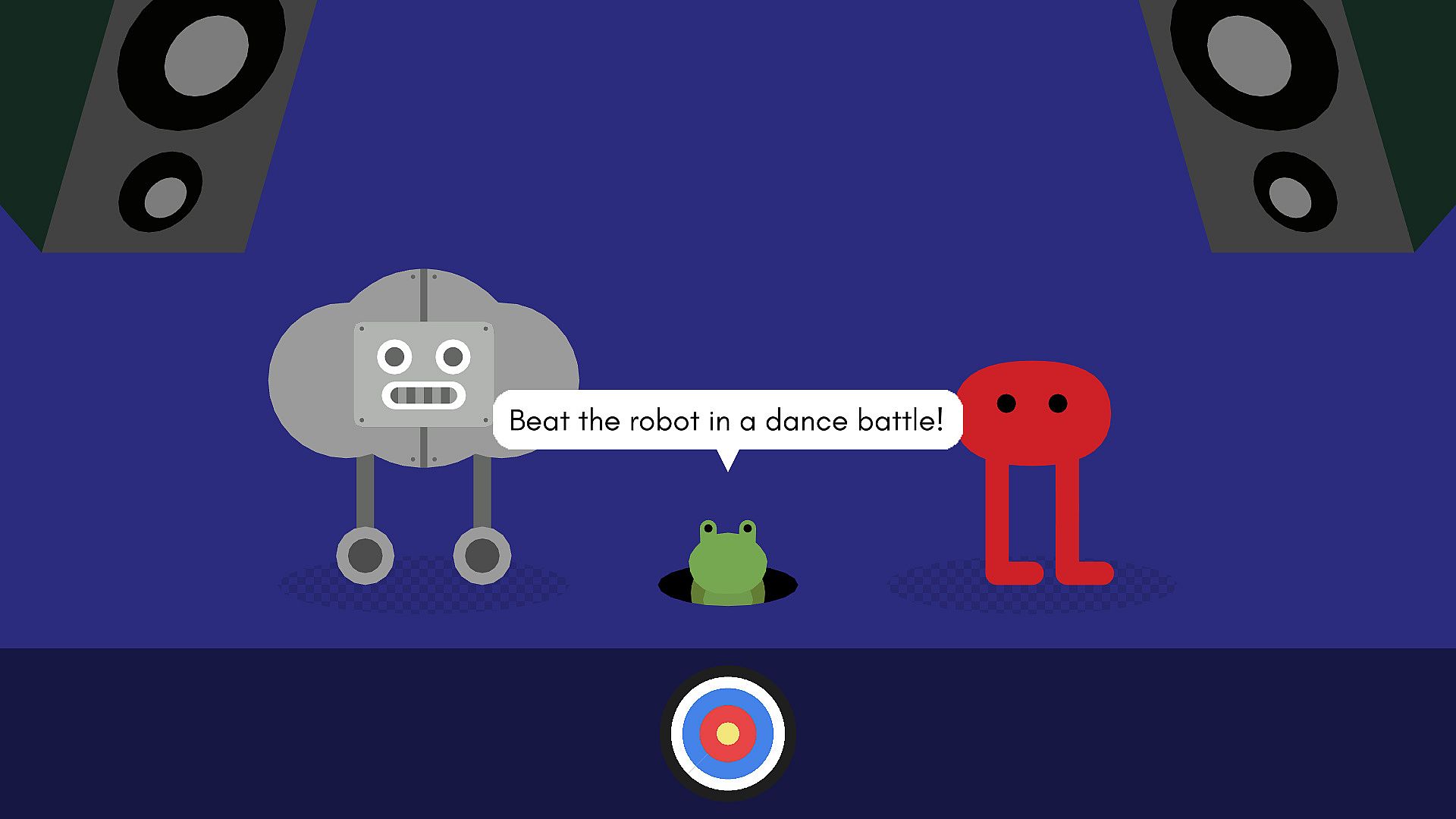
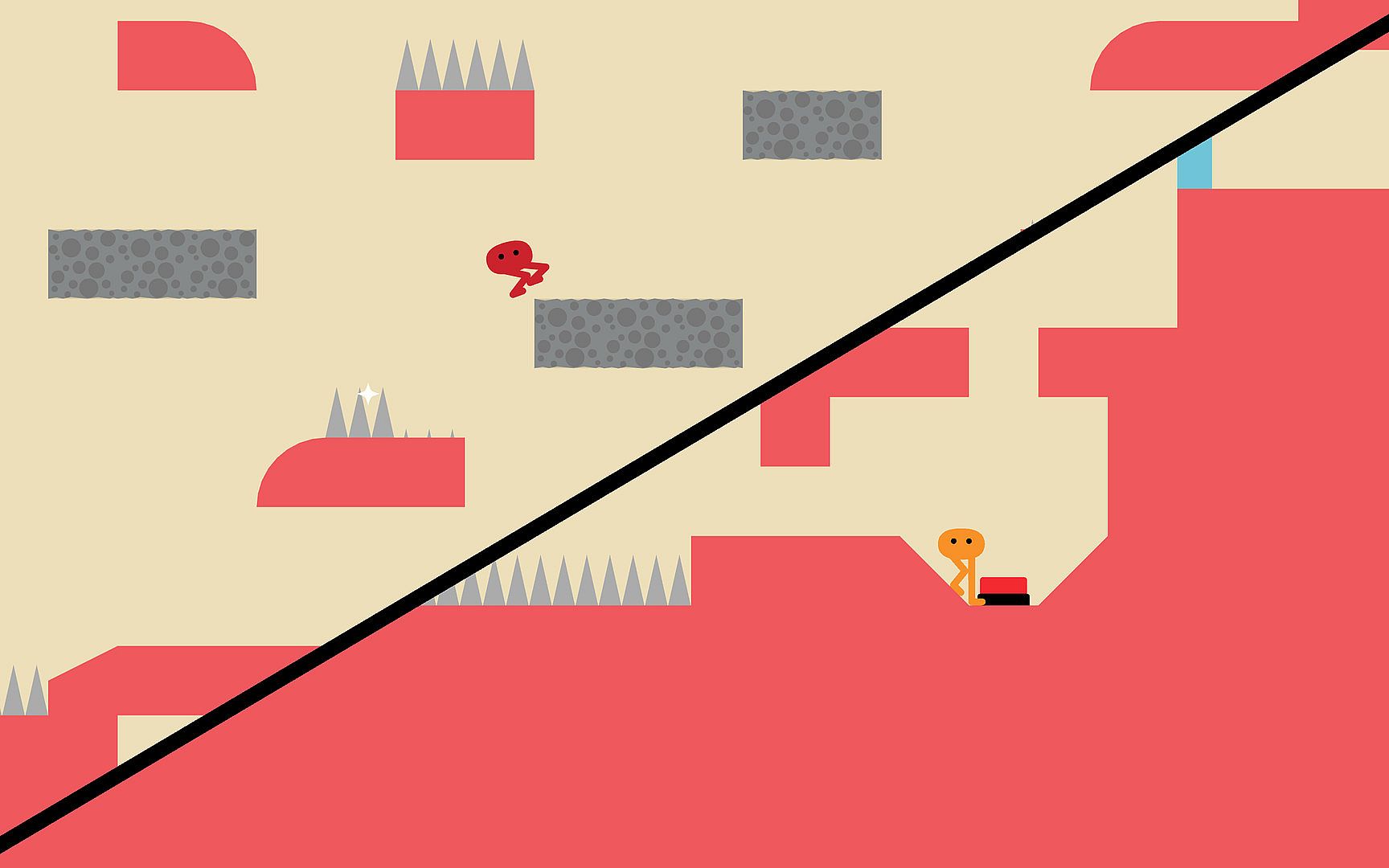






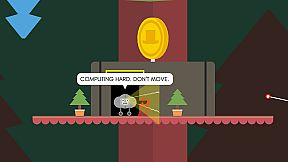
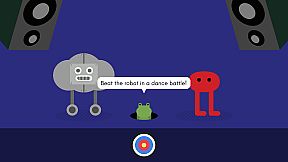
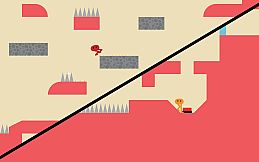

Pikuniku is a puzzle-exploration adventure game that blends light platforming with object-based puzzles in a colorful 2D world. Players take control of the red creature Piku and move through levels by walking, jumping, and interacting with the environment. The core loop centers on exploration at a relaxed pace, where kicking and pushing objects onto switches opens new paths and reveals hidden areas. Coins collected during play allow purchases of cosmetic items such as hats from villagers, adding small incentives to search every corner.
Gameplay
The main single-player experience unfolds across a series of connected areas filled with quirky residents and environmental challenges. Puzzles typically require positioning boxes, balls, or other movable items to activate mechanisms, often combined with simple platforming sequences. Exploration rewards curiosity, as side paths and optional interactions with characters provide additional context and minor rewards without blocking progress. The campaign runs approximately four to five hours for most players, with difficulty scaled for accessibility across different experience levels.
Controls remain straightforward, emphasizing timing and positioning rather than precision reflexes. Kicking serves as the primary interaction tool, allowing players to move objects or playfully nudge characters during conversations. This system creates moments of light humor when objects behave unexpectedly or when interactions with villagers lead to eccentric side tasks.
Game Modes
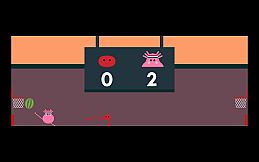
Single-player mode delivers the full story campaign, guiding Piku through the main narrative while encouraging free-form exploration and character interactions. Local cooperative play supports up to two players on the same screen in dedicated custom levels and challenge arenas. These co-op sections feature the same kicking and pushing mechanics but introduce scenarios designed around teamwork, such as coordinating movements to solve joint puzzles or compete in modified versions of the in-game sport Baskick, a hybrid of basketball and soccer.
The cooperative content stands apart from the campaign and focuses on shared screen fun rather than a parallel story. Players can tackle these levels at any time after unlocking them, making the mode suitable for short sessions with another person.
Story and World
The setting presents a bright, cartoonish landscape that gradually reveals layers of unease beneath its cheerful surface. Piku encounters a variety of memorable villagers, each with distinct personalities and small problems that tie into larger events. Dialogue and environmental details hint at a conspiracy involving resource harvesting, which players gradually uncover through conversations and exploration rather than direct exposition.
Progression mixes linear level sequences with open areas where players can backtrack or linger. The tone mixes gentle absurdity with light social commentary, delivered through character quirks and unexpected twists in the plot without heavy exposition or complex systems.
Is It Worth Playing?
Pikuniku suits players seeking a short, lighthearted experience that combines puzzle solving with casual platforming and local multiplayer options. Its accessible mechanics and charming presentation appeal to a wide audience, including those new to the genre or looking for cooperative sessions with family or friends. The game maintains strong community support years after release, with consistent praise for its humor, visual style, and replay value in co-op challenges.
Those who enjoy deliberate pacing and discovery over intense action or long campaigns will find the four-to-five-hour length satisfying rather than limiting. The local multiplayer adds replayability without requiring online connectivity, and the overall design prioritizes fun interactions over competitive depth. Availability on PC keeps it straightforward to access for anyone interested in indie puzzle adventures with a distinctive tone.