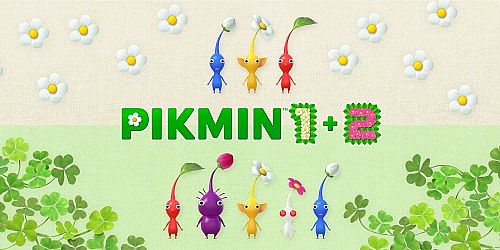


Pikmin 1+2 brings two classic real-time strategy adventures to the Nintendo Switch in HD. Players step into the role of Captain Olimar, who crash-lands on an alien planet and must recruit the plant-like Pikmin creatures to survive, explore, and complete objectives. The bundle combines the original campaigns from both titles, emphasizing careful planning, efficient use of limited resources, and creative problem-solving in a colorful yet hazardous environment.
Gameplay
Core gameplay revolves around directing groups of Pikmin to interact with the world. Olimar moves across the terrain while using a cursor to throw individual Pikmin or groups at targets. Pikmin can carry objects back to the ship or onion, attack hostile creatures, and perform environmental tasks such as breaking barriers or activating mechanisms. Different Pikmin types possess unique traits that influence how they handle specific challenges, requiring players to switch between them strategically.
Time management forms a central pillar in one campaign, where daylight hours limit daily progress and force prioritization of tasks. The second campaign removes strict daily limits but introduces underground cave systems filled with denser enemy encounters and complex layouts. Whistling calls Pikmin back to Olimar or redirects their focus, while the overall loop blends exploration, combat, and collection into a single cohesive flow. Optional motion controls allow more precise aiming on compatible hardware.
Game Modes
The package contains two distinct single-player campaigns. The first follows Olimar as he gathers ship parts scattered across the surface over a set number of days. The second shifts focus to treasure hunting alongside Louie, with deeper cave exploration and no overarching time pressure. Both campaigns operate independently, letting players experience each story on its own terms without shared progression or crossovers.
No additional modes such as versus play or challenge arenas appear in the release. Progression stays linear within each campaign, centered on advancing through areas, unlocking new Pikmin types, and meeting collection goals. The structure encourages repeated playthroughs to optimize routes and Pikmin usage rather than branching paths or alternate scenarios.
Exploration and Pikmin Management
Players navigate varied outdoor regions and, in one campaign, multi-level caves. Each area presents obstacles that demand specific Pikmin abilities, from fire resistance to electrical immunity. Managing Pikmin numbers becomes essential because losses to enemies or hazards reduce available workforce, and new Pikmin must be grown from seeds or pellets found in the field.
Collection serves as the primary driver. Items range from ship components to valuable treasures, each requiring transport back to a central point. Larger or heavier objects need bigger Pikmin squads, while fragile items require careful handling to avoid damage. This system rewards observation of enemy patterns and terrain layout before committing resources.
Is It Worth Playing?
Pikmin 1+2 suits players who enjoy deliberate real-time strategy combined with light puzzle elements and resource oversight. The campaigns deliver self-contained experiences that highlight different pacing approaches, one more urgent and the other more open-ended. Availability on the Switch makes the bundle convenient for portable or docked sessions, with support for multiple control schemes.
Reception centers on the faithful recreation of the original designs alongside quality-of-life adjustments for modern hardware. Those familiar with the series appreciate the chance to revisit the roots, while newcomers encounter a distinctive approach to creature command and environmental interaction. The lack of multiplayer or ongoing content updates positions the title as a complete, one-time purchase rather than a live-service game.
Overall, the bundle provides solid value for strategy fans seeking methodical gameplay without competitive pressure. It stands as an accessible entry point into the Pikmin concept for anyone drawn to management mechanics and short-to-medium session lengths.