






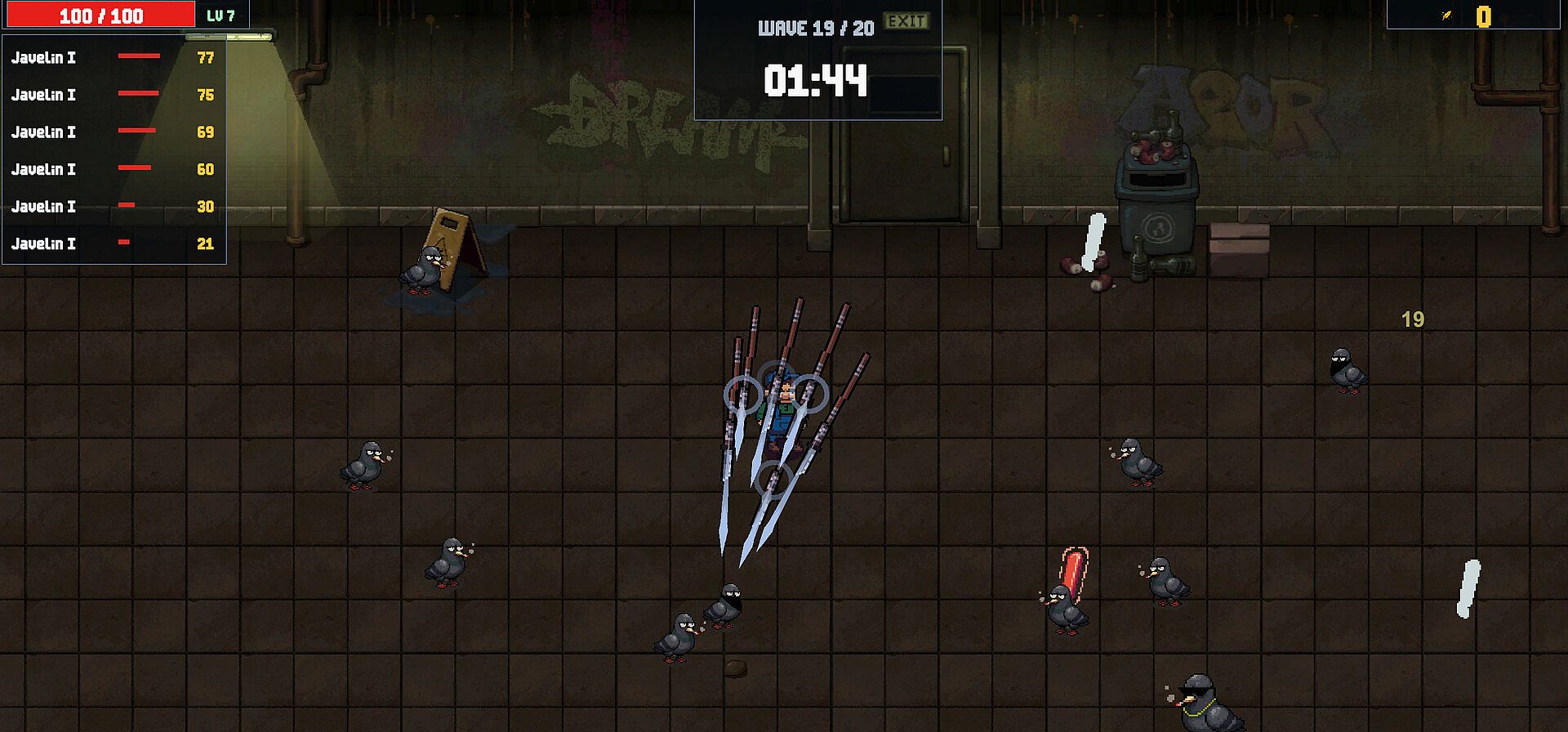
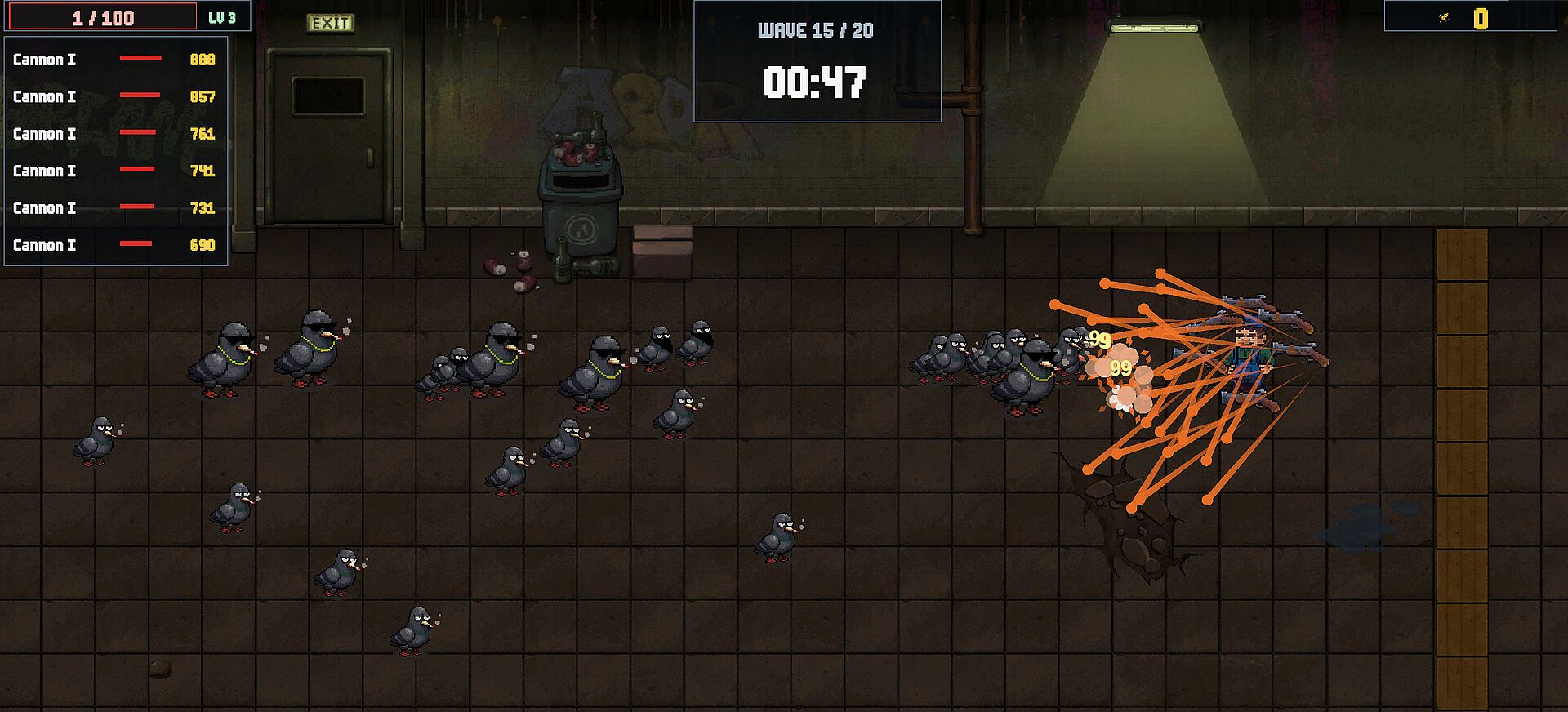
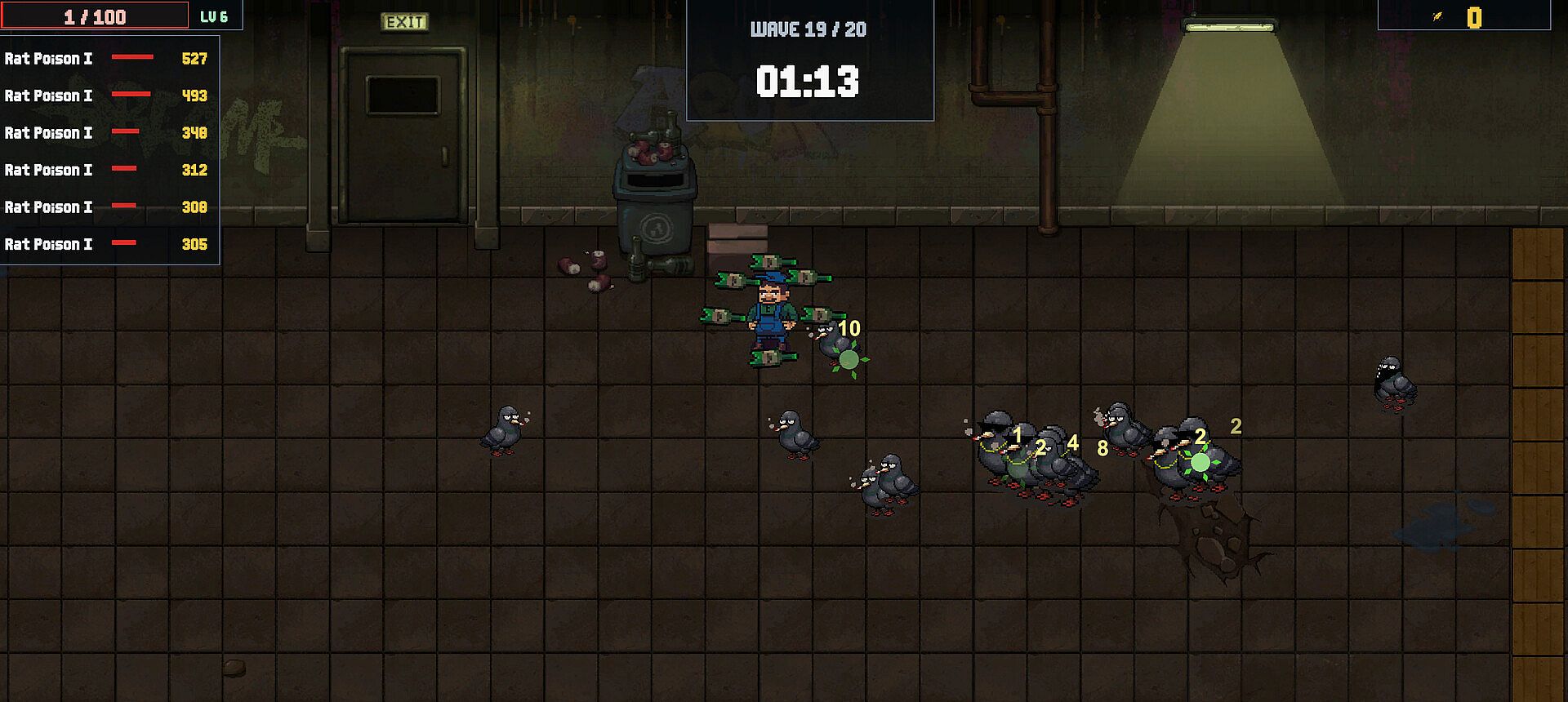
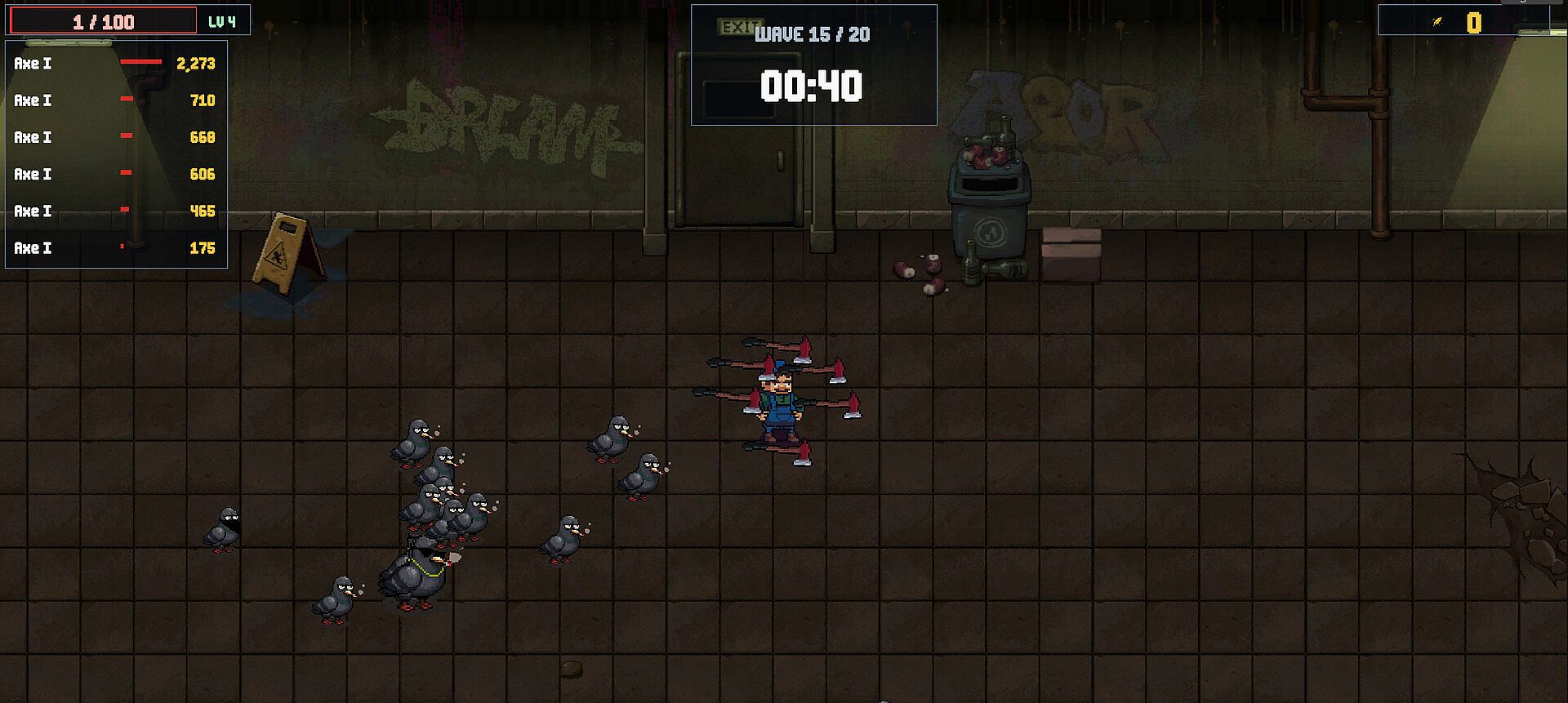
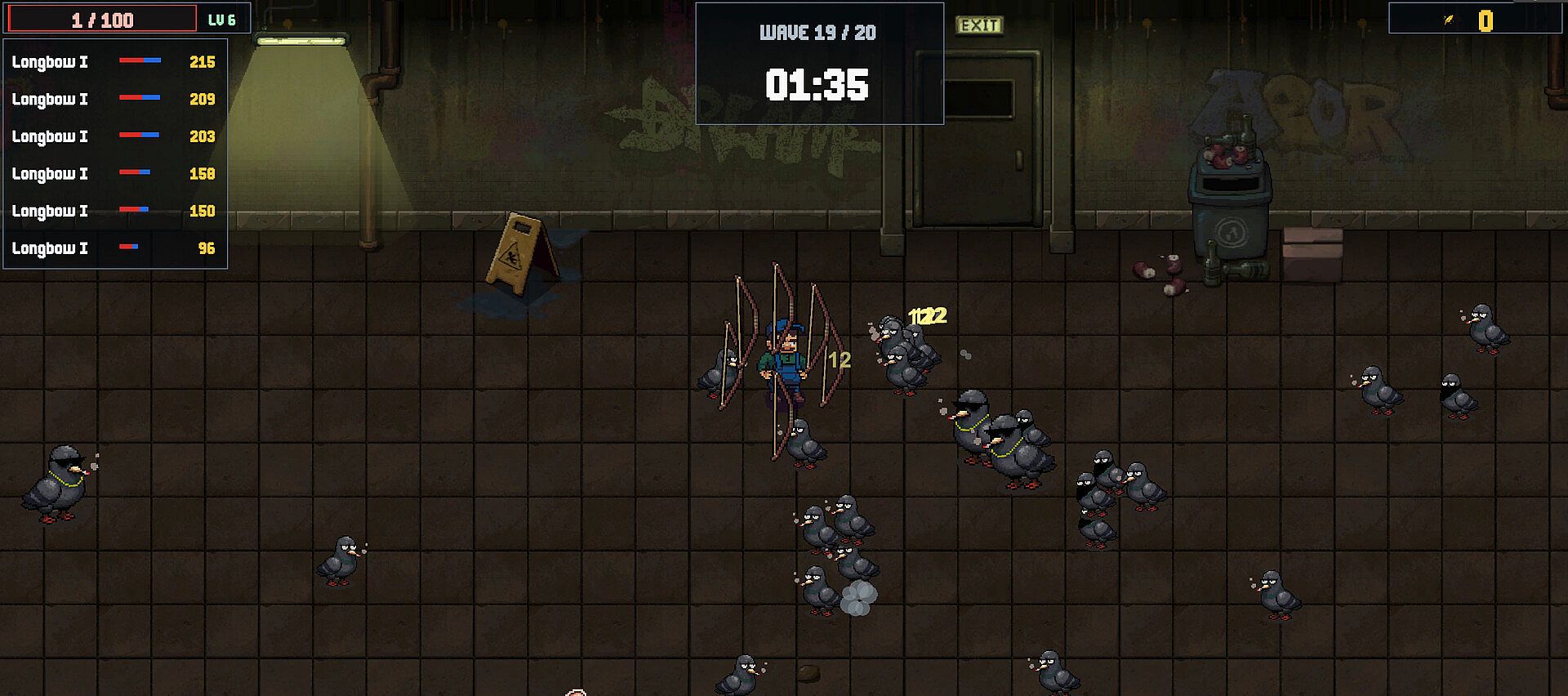
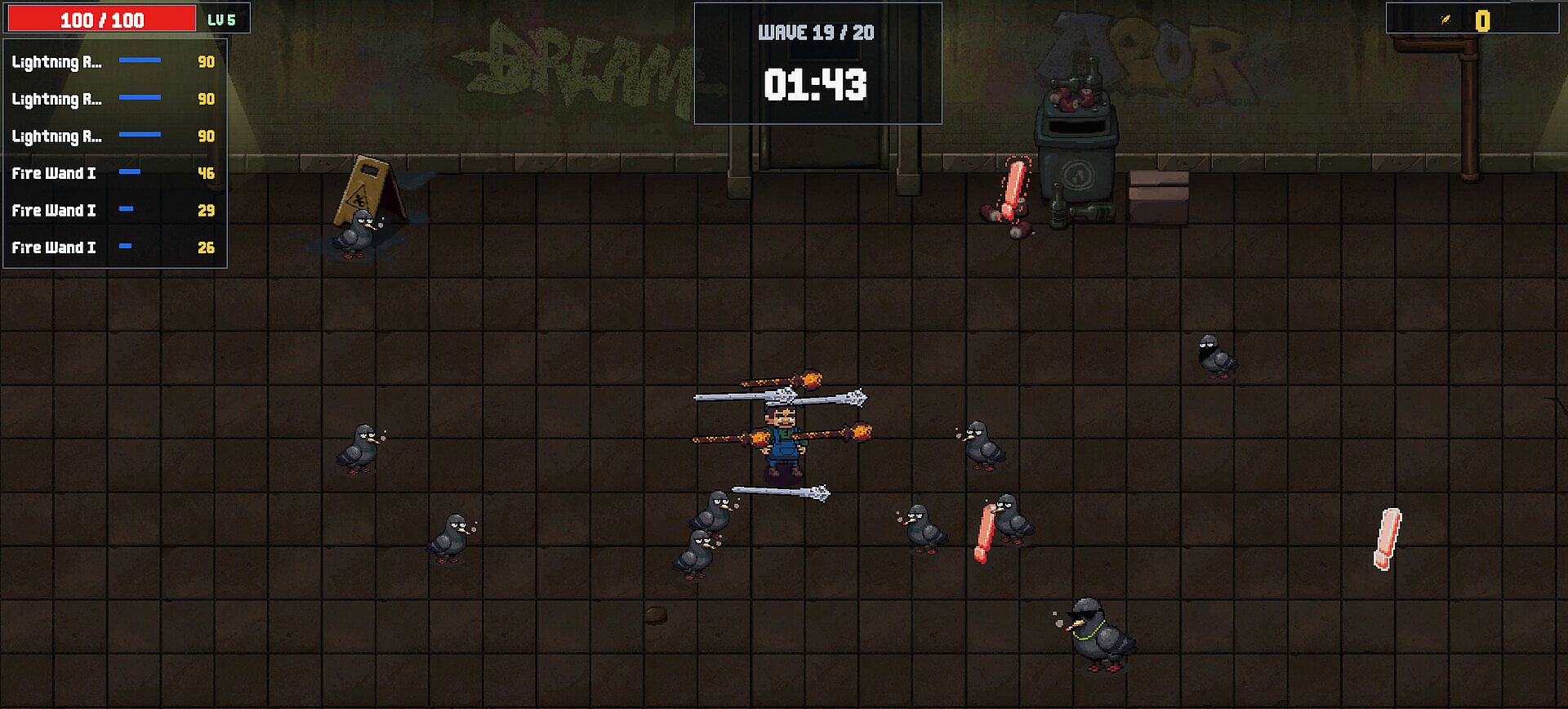
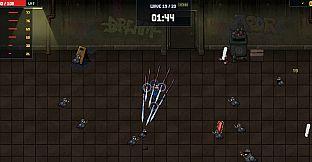
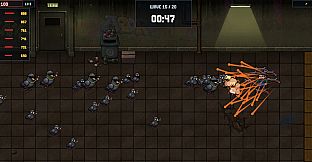
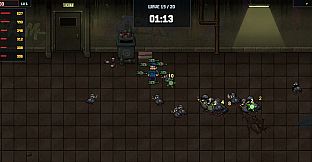
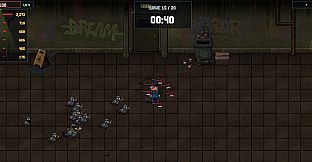
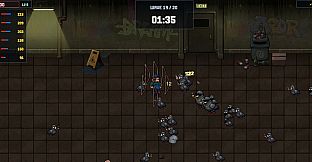
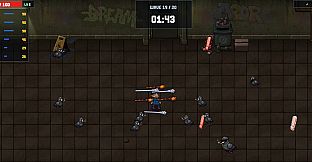
Pigeons Must Die! is an action indie roguelite set in a grimy subway station overrun by aggressive pigeons. Players survive escalating waves of enemies while managing a growing arsenal of weapons that attack automatically. The game emphasizes build crafting through drafting, upgrading, and linking systems in short, intense runs on PC.
Gameplay
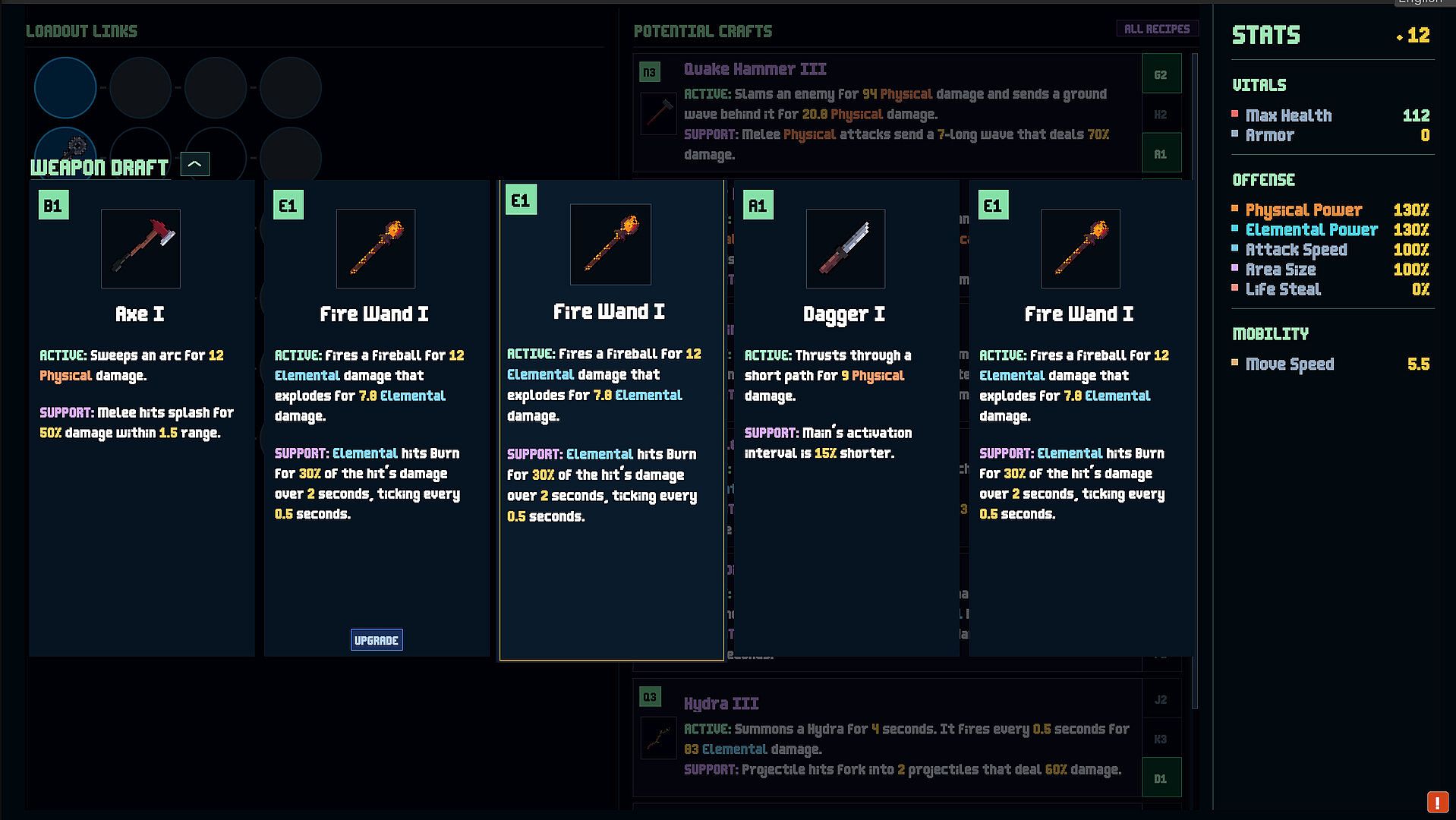
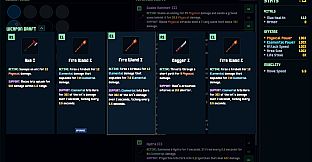
The core loop revolves around surviving pigeon waves in a confined arena. Weapons fire on their own once equipped, allowing constant movement to dodge attacks. After each wave, a random draft offers new weapons to add or replace in the loadout. This encourages quick decisions based on immediate needs or long-term synergies.
Crafting forms the backbone of progression. Matching copies of the same weapon combine to create stronger versions. Specific combinations of three weapons produce advanced options with altered attacks and support capabilities. These upgrades can feed into even more complex recipes later in a run.
Linking adds another layer of strategy. Any weapon can switch between independent attacks or support mode. In support, it stops firing directly and instead modifies a primary weapon with effects like extra projectiles, increased fire rate, poison, or explosions. This system rewards experimentation with combinations that amplify damage output or crowd control.
Enemy difficulty ramps up across waves. Initial flocks consist of standard pigeons, but later stages introduce tougher variants and larger threats. The station becomes increasingly crowded, testing whether the current build can handle the pressure before the run ends.
Game Modes
The game operates as a single-player experience focused on wave-based survival runs. Each attempt starts with basic weapons and builds through the draft, craft, and link mechanics until the player either clears the escalating threats or falls to the pigeons. No separate multiplayer or alternative modes appear in the available details, keeping the focus on refining personal builds across repeated attempts.
Runs emphasize adaptability. The random nature of drafts means no two sessions play identically, and the linking system allows the same weapons to serve different roles depending on the overall setup. This structure suits players who enjoy iterative improvement within a compact arena setting.
Build Crafting and Progression
Weapon management sits at the center of every run. Draft picks arrive after each wave, presenting choices that balance short-term survival against future potential. Players might grab an immediate damage boost or hold out for pieces that complete a high-value recipe.
Upgrades through crafting change how weapons behave. Basic options evolve into versions with new attack patterns or enhanced support functions. These advanced weapons often become components themselves, creating chains of upgrades that grow more powerful as waves continue.
Linking expands tactical options without requiring constant manual input. A support weapon can transform a main attack into something far more effective, such as adding area effects or status conditions. The dual-purpose design means every slot contributes to the overall strategy rather than sitting idle.
Is It Worth Playing?
The game targets fans of roguelite action experiences who enjoy automatic combat paired with deep customization. Its single-player focus and wave survival structure deliver quick sessions that reward experimentation with weapon combinations. Since the title remains in development with no released reviews or player counts available, interest depends on preference for the described mechanics of drafting, crafting, and linking in an escalating pigeon-filled environment. Those drawn to indie action titles with build variety may find the systems engaging once it launches on PC.












