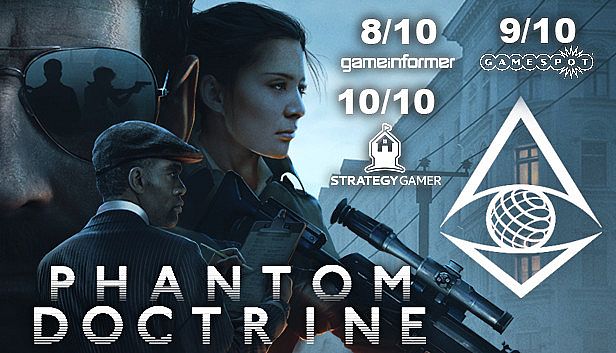
















Phantom Doctrine is a turn-based strategy game with RPG elements that places players in charge of a covert organization during the height of the Cold War. The core experience revolves around managing spies, uncovering conspiracies through investigation, and executing tactical missions across global locations. Set in 1983, the game blends espionage themes with strategic decision-making, where every action on the world map or in the field carries consequences for the unfolding plot.
Gameplay
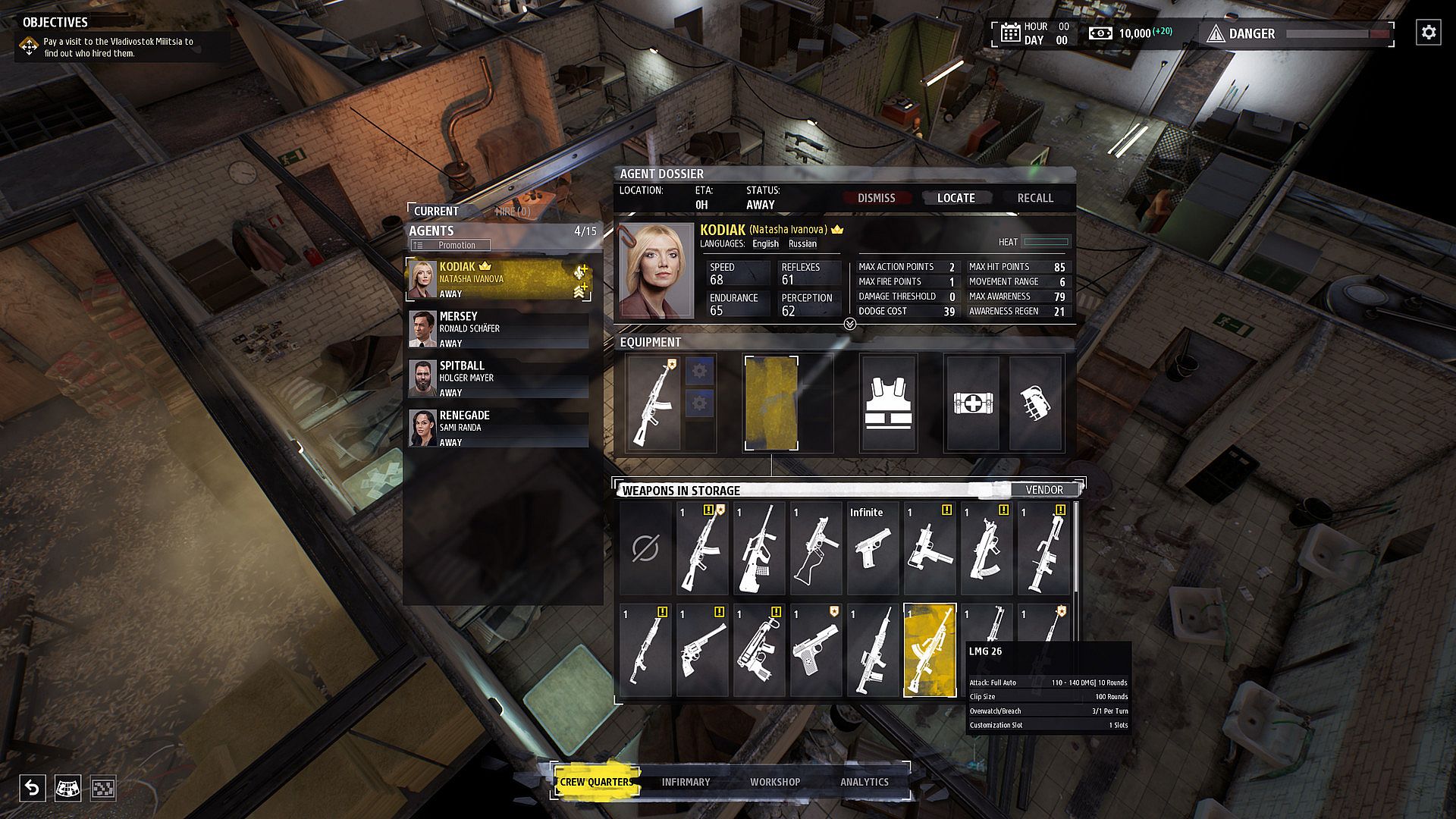
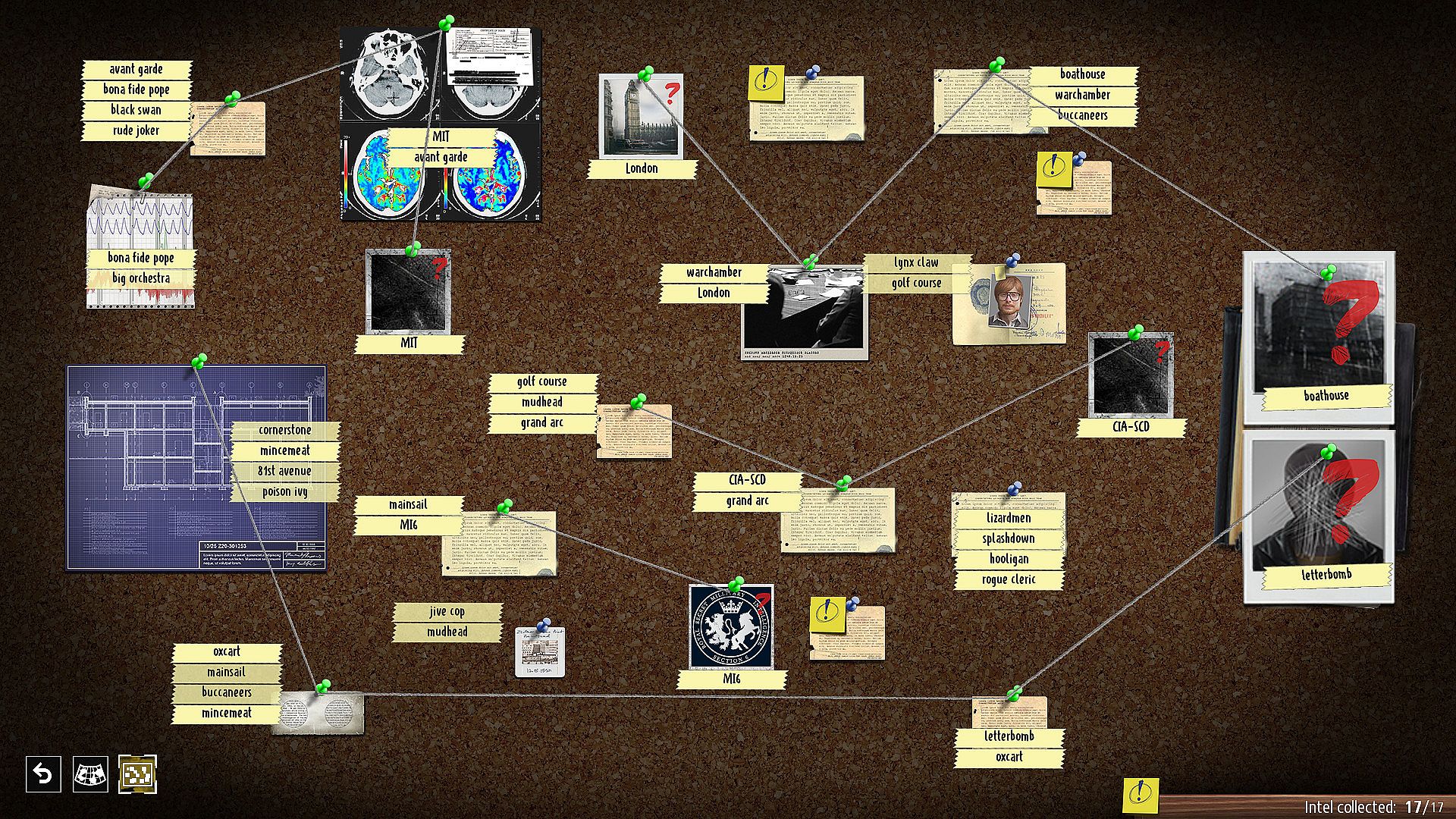
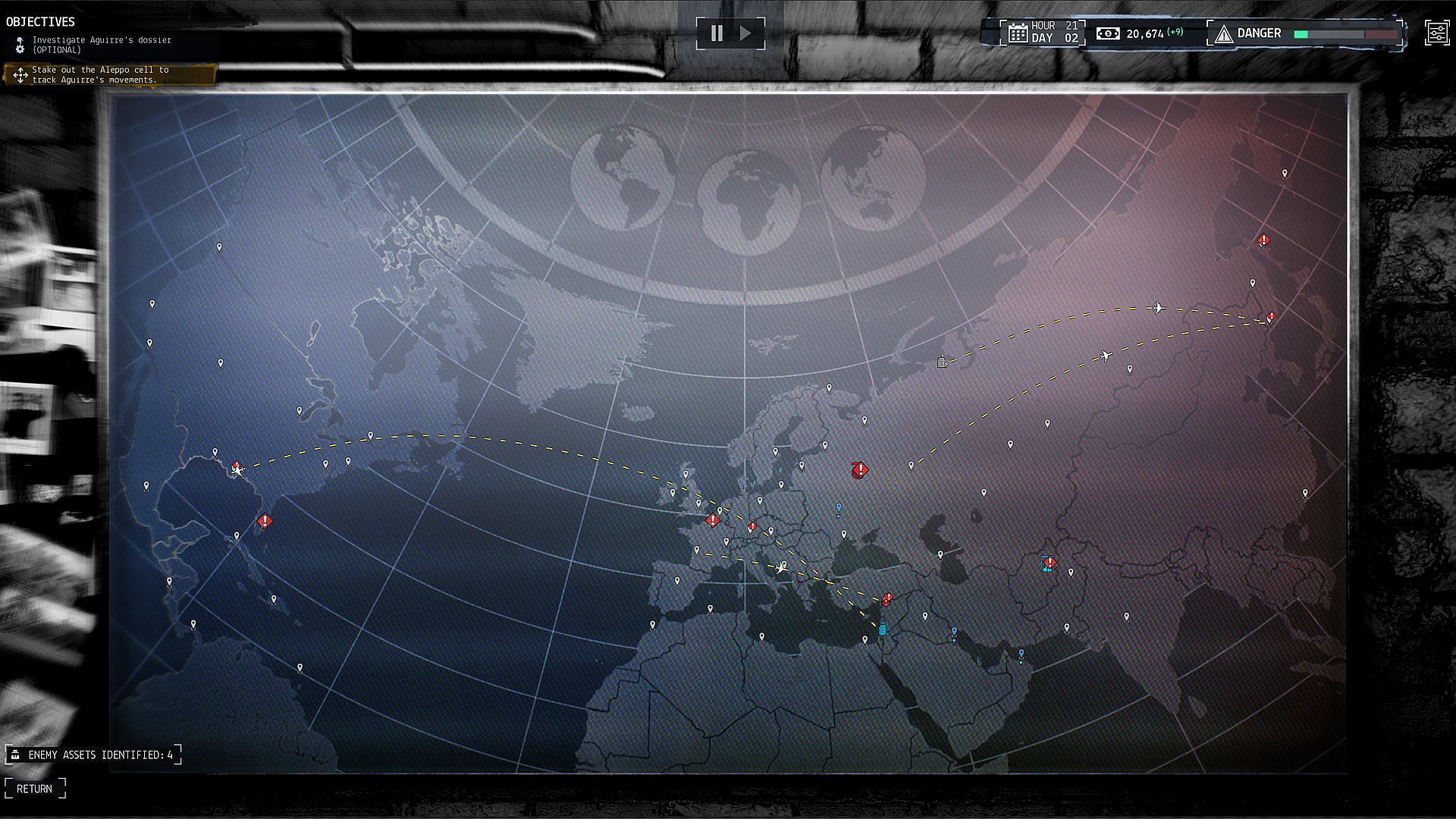
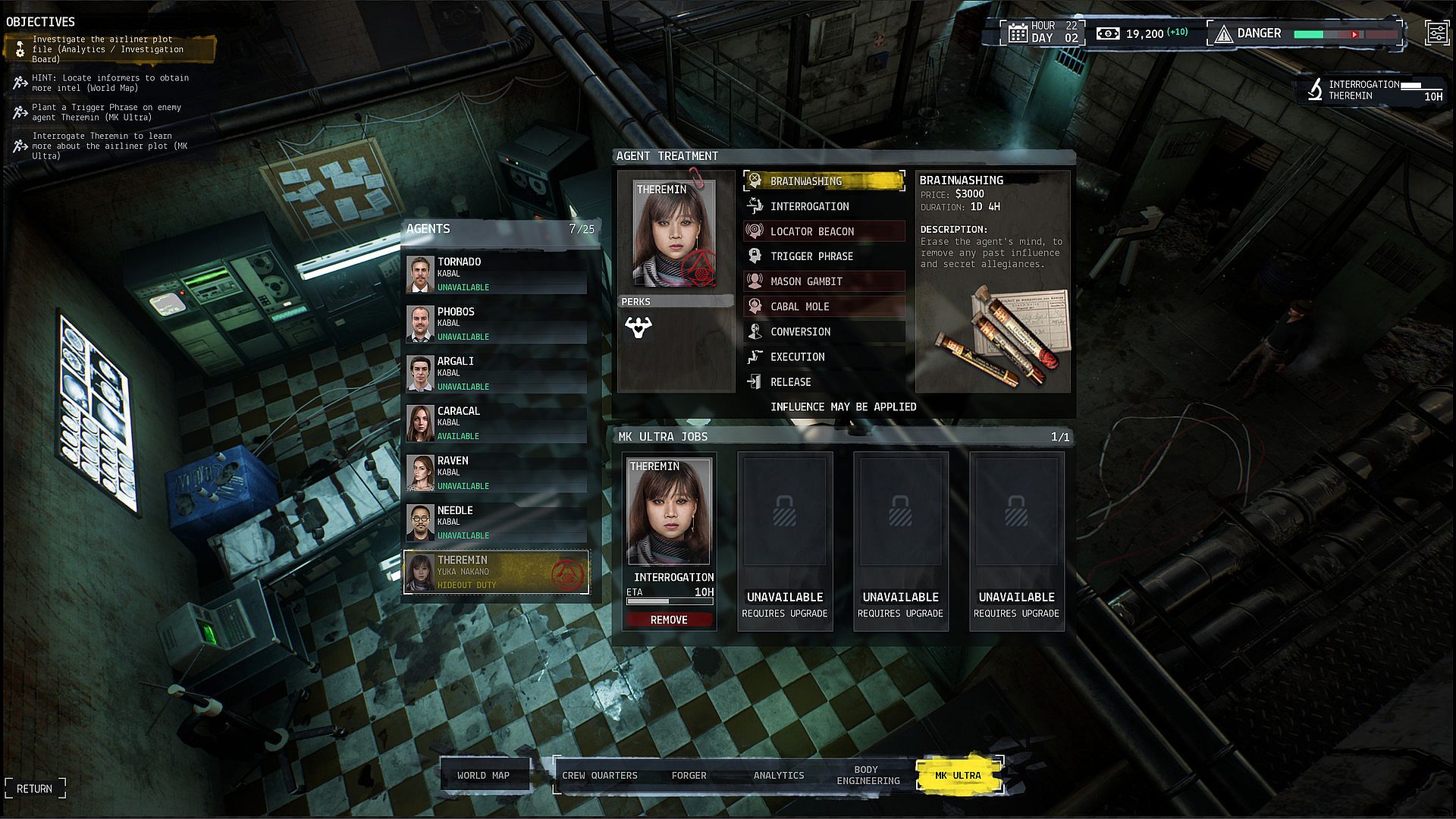
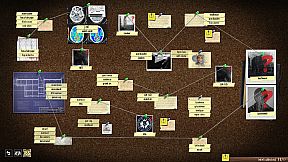
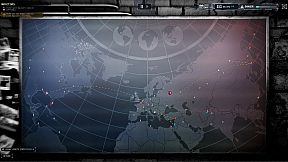
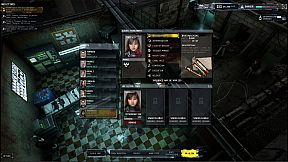
The central loop combines base management, global positioning of assets, and turn-based operations. Players maintain a headquarters where agents are recruited, trained, and assigned new identities. The Investigation Board serves as the key hub for linking clues, locations, and individuals to generate new objectives and resources. Agents can be dispatched worldwide to gather intelligence or prepare for interventions, with the option to call in support during active missions.
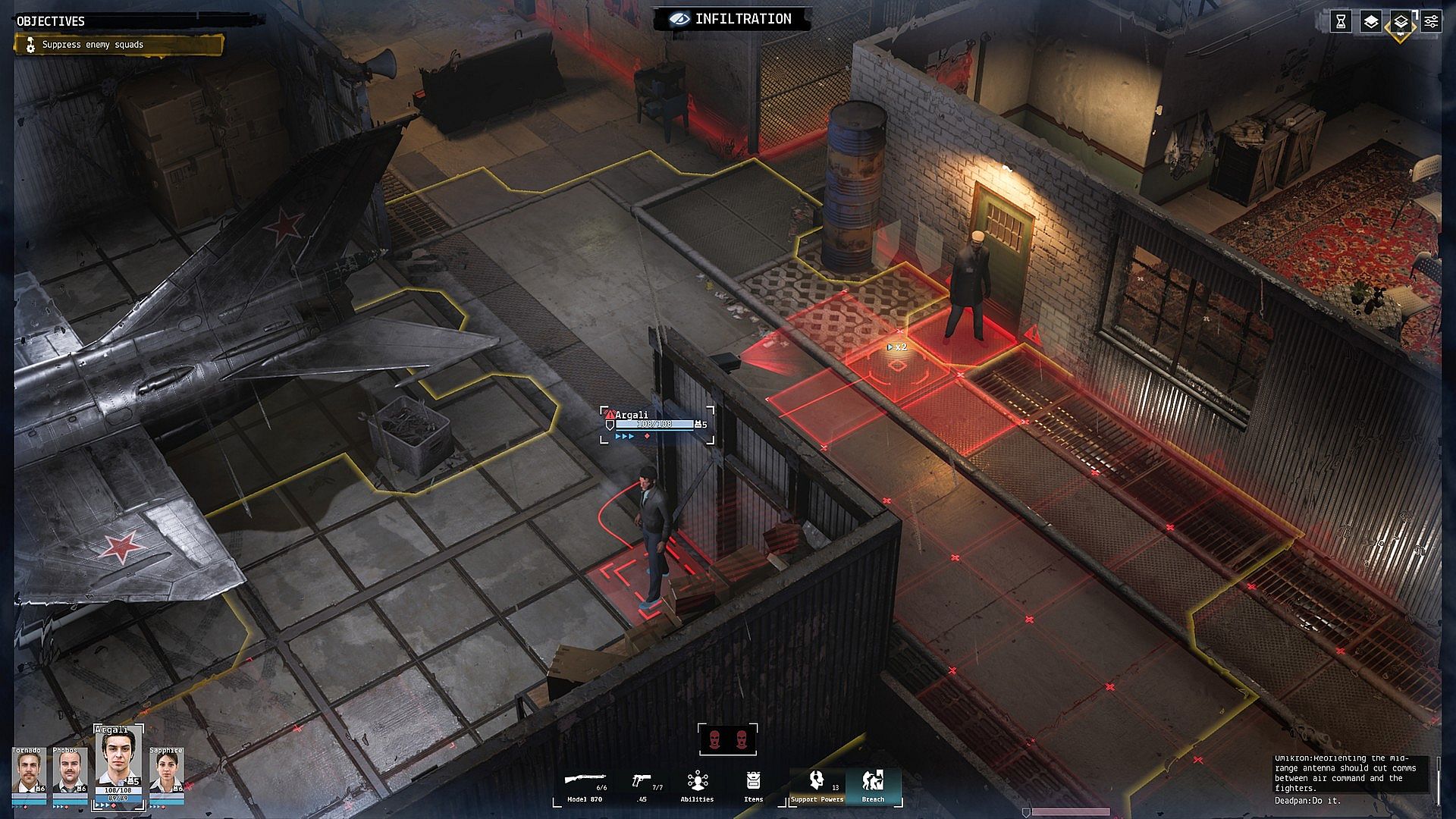
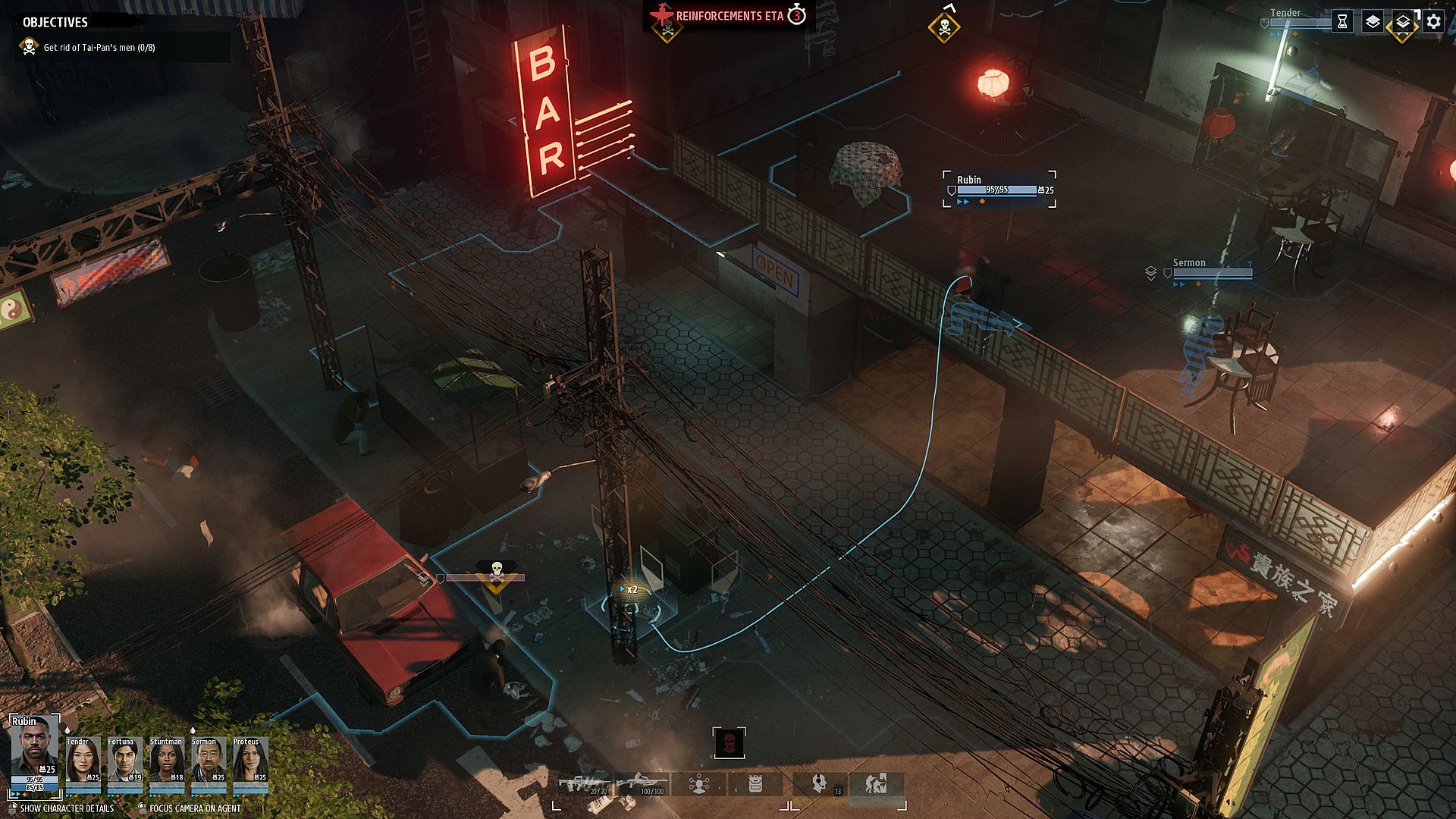
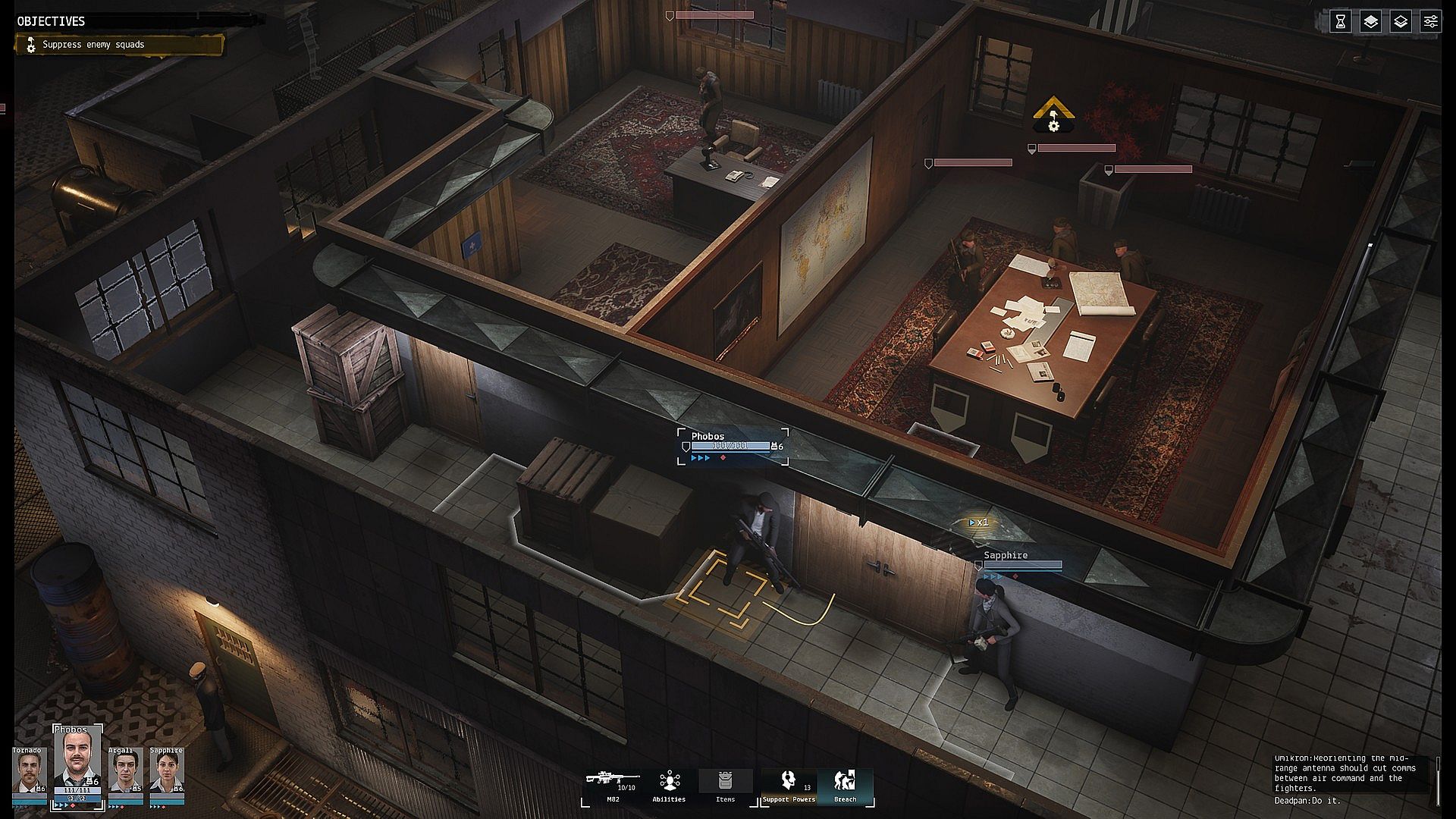
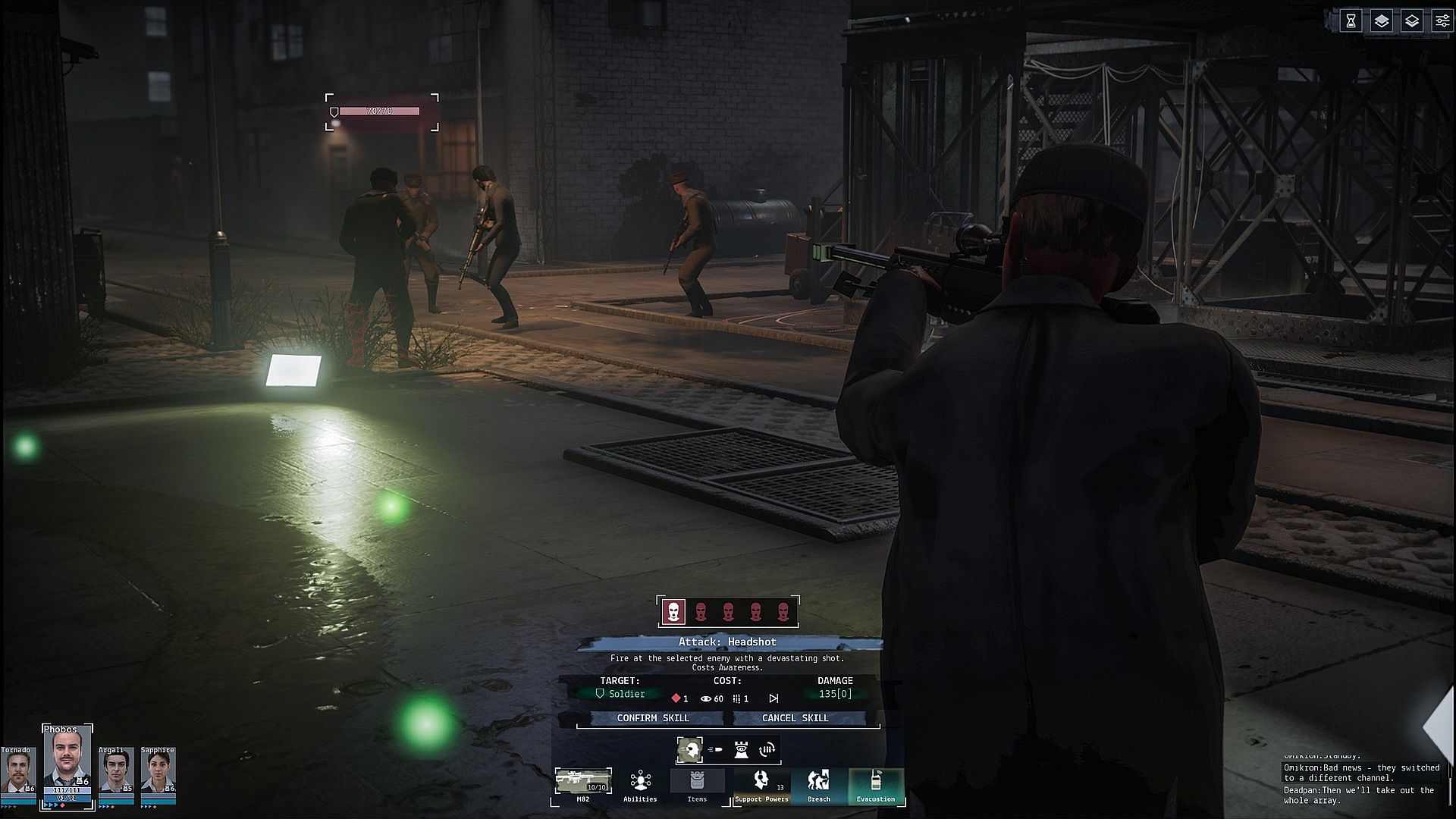
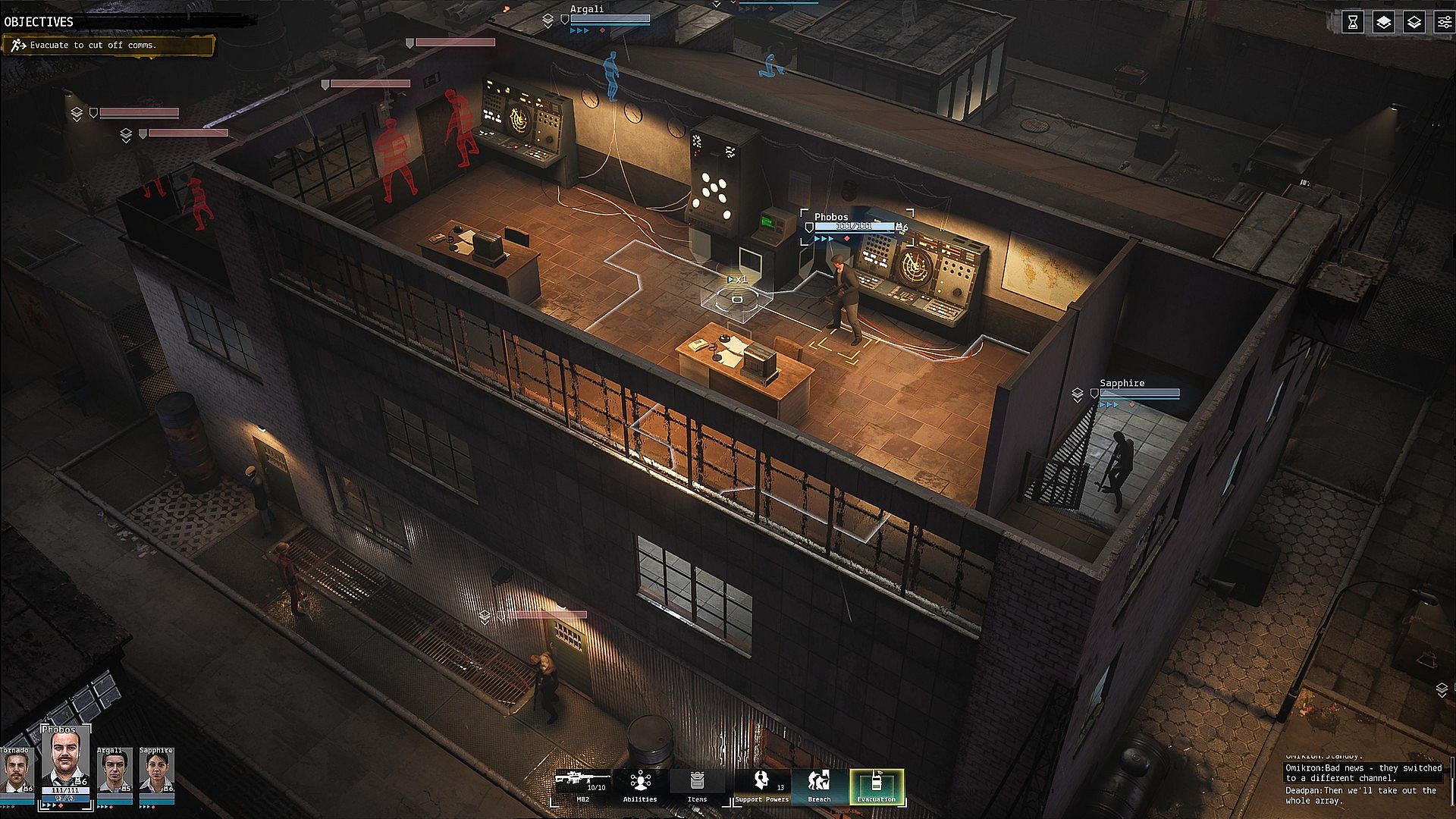
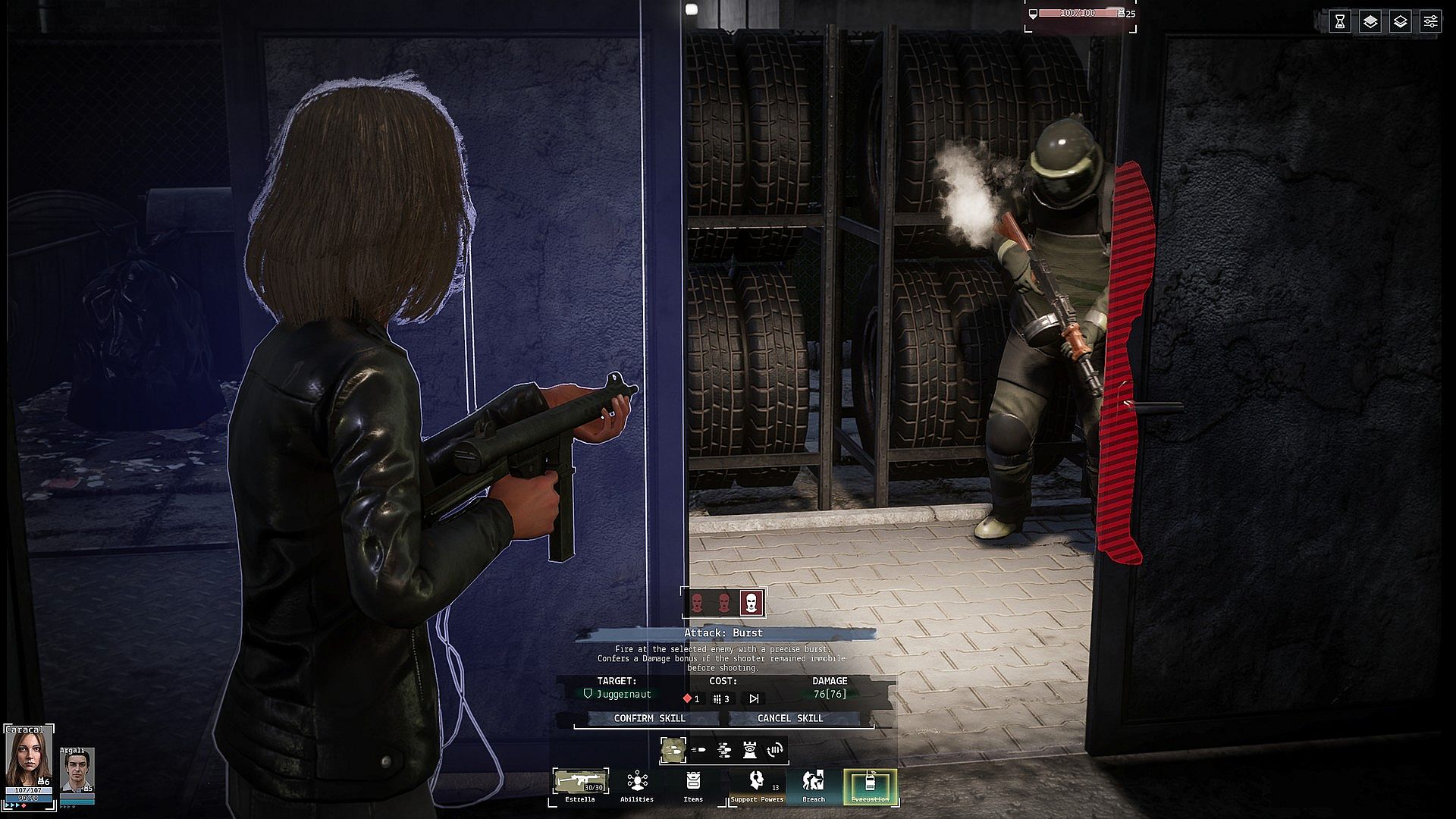
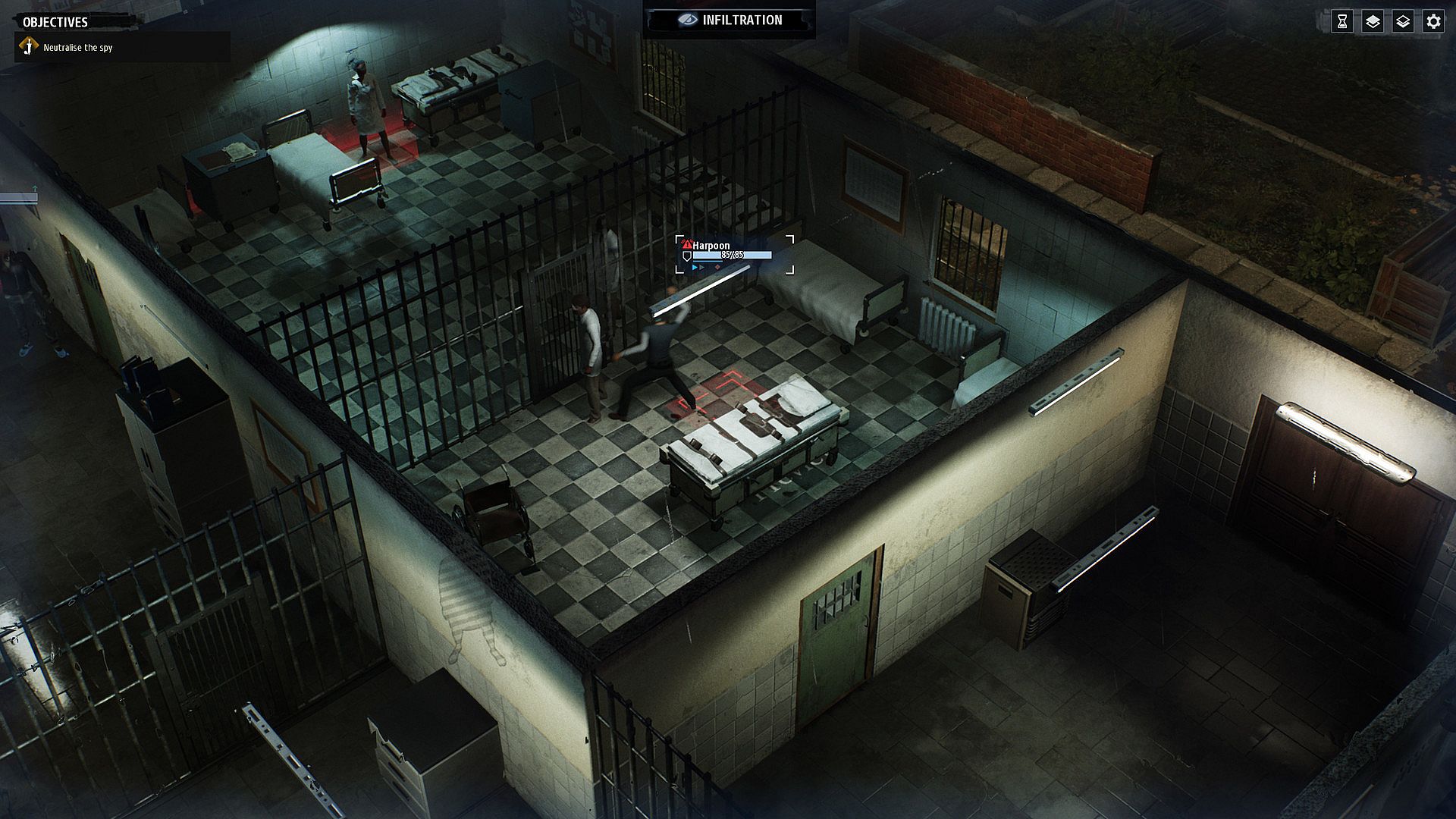
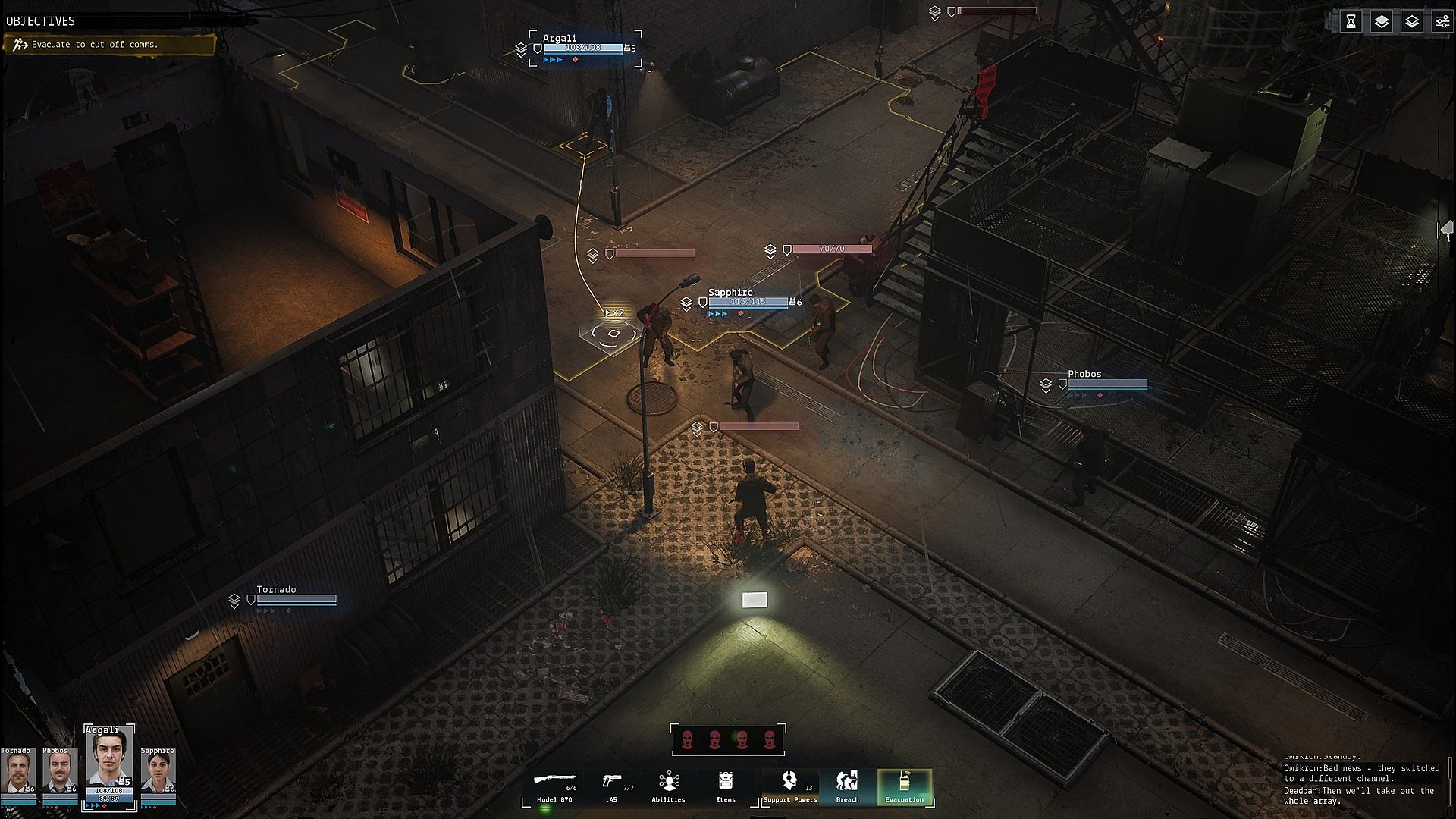
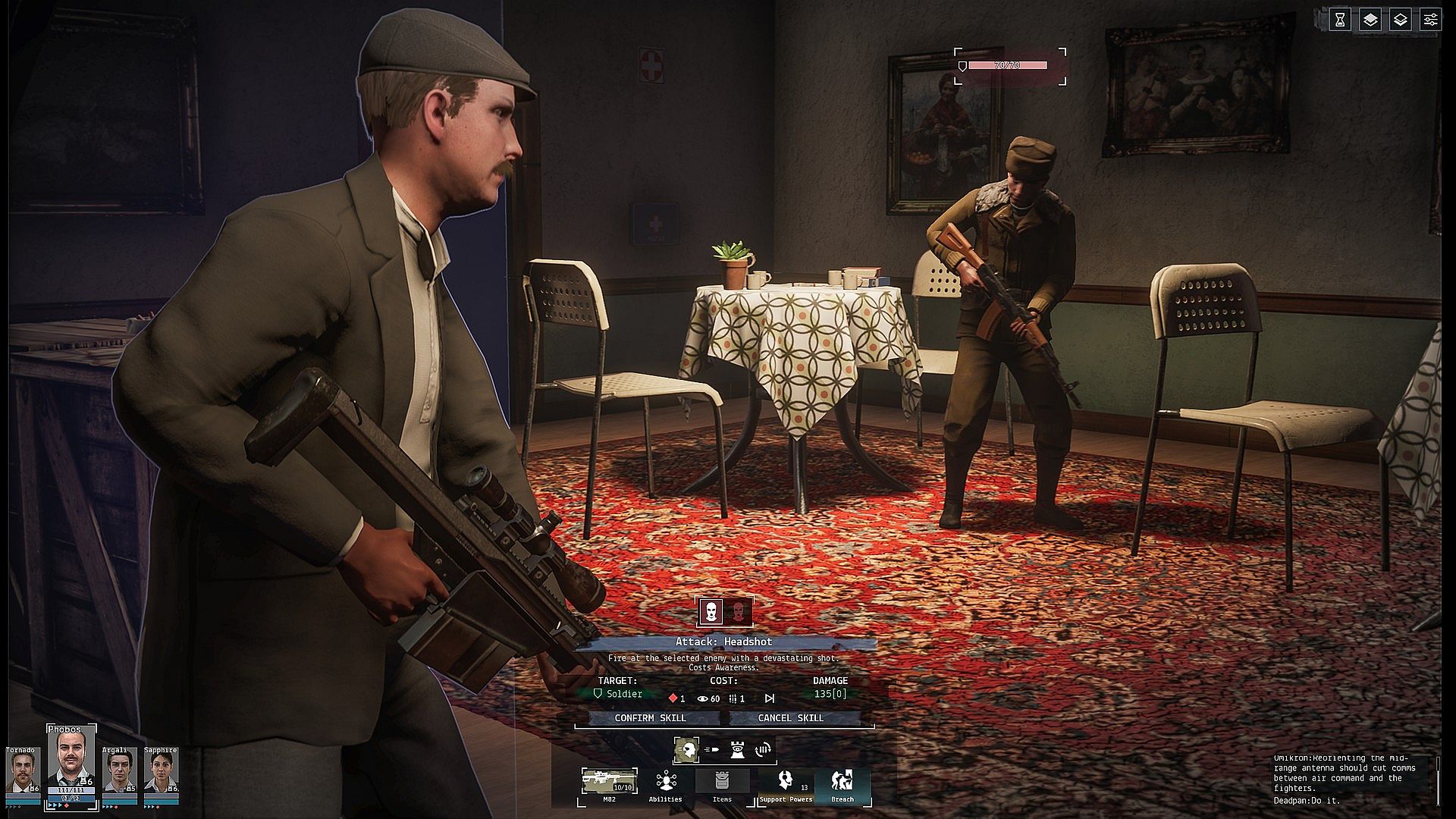
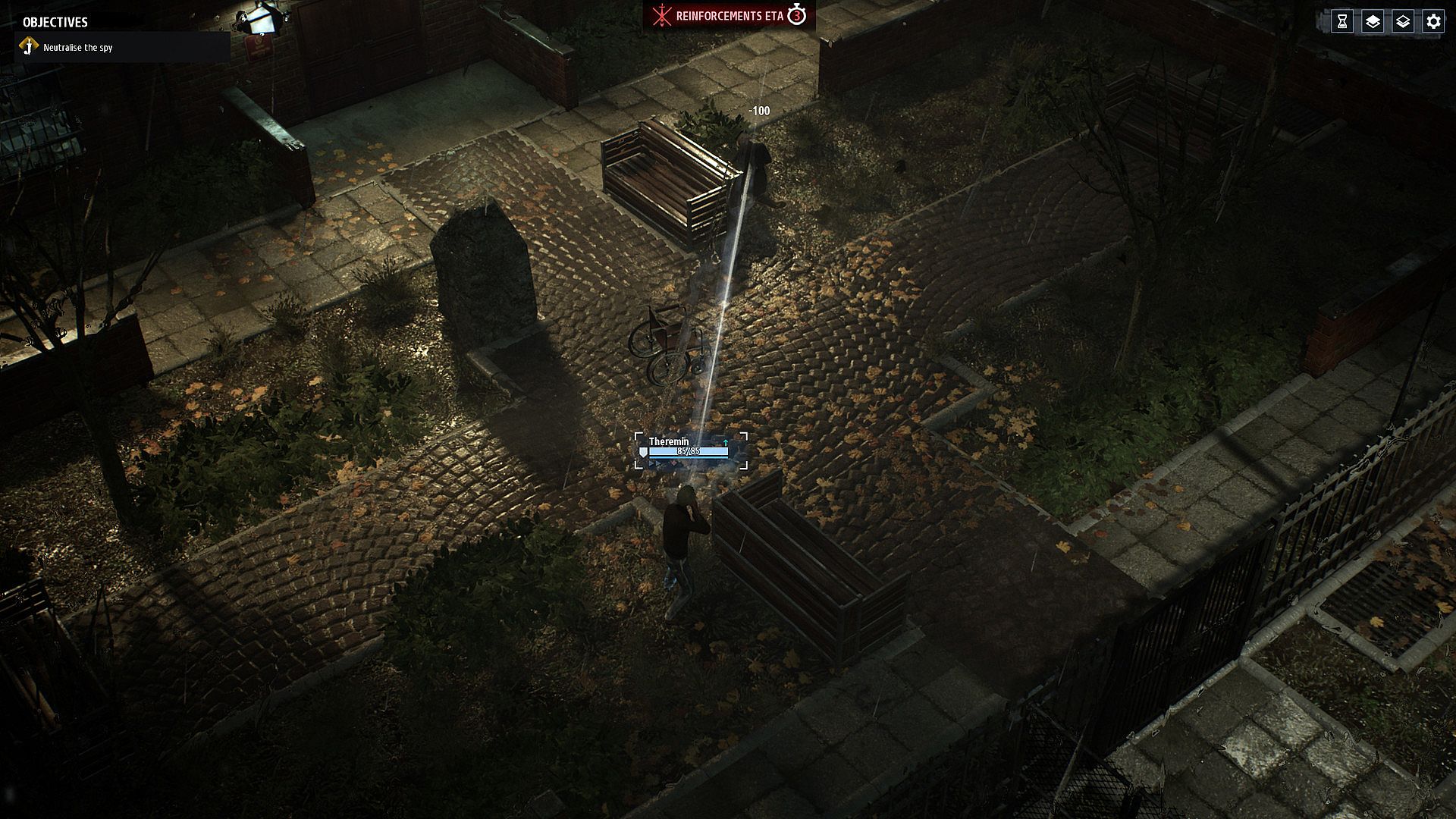
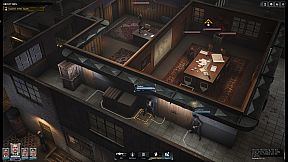
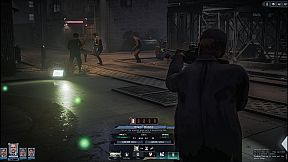
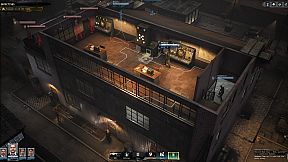
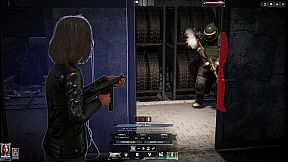
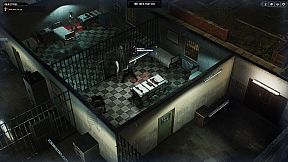
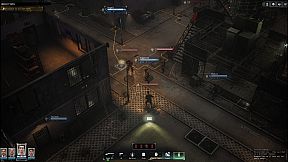
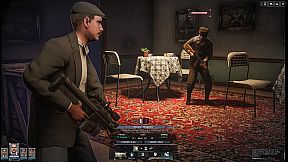
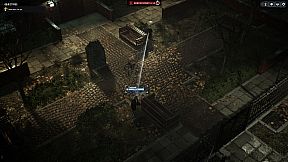
Combat unfolds on detailed maps using a flexible turn-based system. Teams of operatives move across isometric grids, employing stealth tactics such as silent takedowns and suppressed weapons before alarms trigger full engagements. Variable overwatch options and a breach ability allow for aggressive entries, while enemy reinforcements including heavy units can shift the balance. Knowledge gained from undercover infiltration improves success rates, and experimental technologies researched or stolen provide advantages like enhanced interrogation methods.
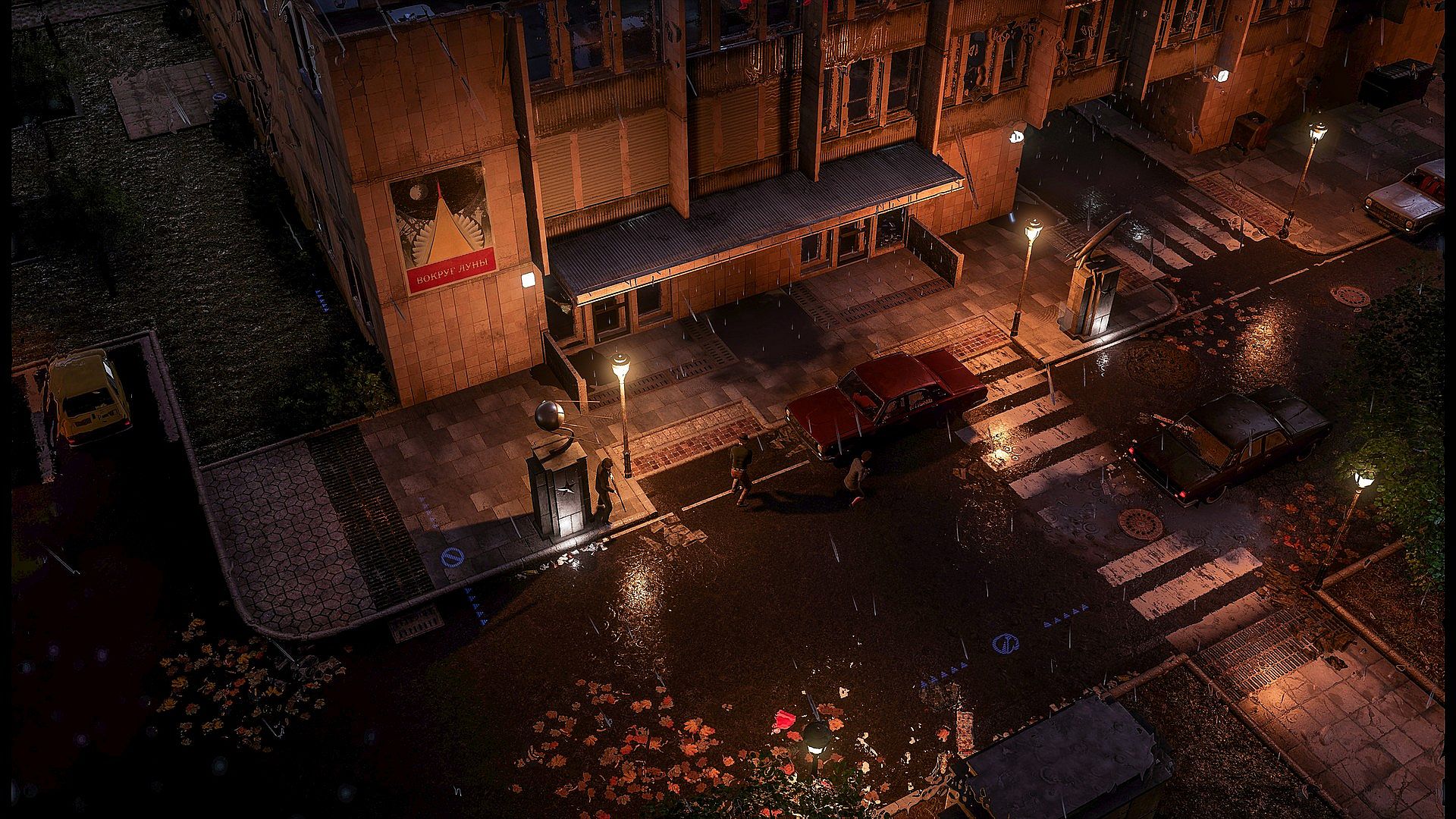
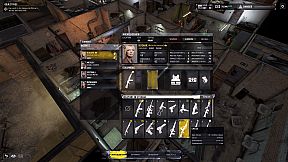
Customization extends to individual agents through appearance changes, forged documents, and skill development. Levels feature a mix of meticulously designed environments that reflect 1980s settings on both sides of the Iron Curtain, supporting varied approaches from targeted assassinations to larger assaults with optional objectives for extra rewards.
Game Modes
The primary experience centers on the single-player story campaign, which spans more than 40 hours and incorporates historical events alongside fictional intrigue. Players select between a former KGB counterintelligence operative or a renegade CIA operative at the start, each offering distinct narrative perspectives on the same conspiracy. Completing the campaign unlocks an additional protagonist for further playthroughs.
Multiplayer consists of 1v1 online skirmishes that emphasize the same tactical and deceptive elements found in the campaign. These matches allow direct competition using the game's core systems without the overarching story structure.
Replayability stems from randomized elements including agent backgrounds, map adaptations, and intelligence details that alter each run through the campaign.
Story and Setting
The narrative follows the leader of The Cabal as they work to expose and stop a plot aimed at destabilizing world powers. Missions range from infiltrating secure facilities to confronting enemy networks, with decisions influencing available resources and technologies. The atmosphere draws from classic spy fiction, highlighting paranoia, counterintelligence efforts, and morally complex tools such as chemical enhancements or body modifications.
Recruitment pulls from intelligence agencies, criminal elements, and subjects of secret experiments, adding variety to team composition. Progress involves securing weapons and contacts across continents while balancing the risk of enemy counter-operations.
Is It Worth Playing?
Phantom Doctrine suits players who enjoy deep strategic planning combined with tactical combat in a historical espionage context. The campaign delivers substantial length with interconnected systems that reward careful investigation and preparation. Multiplayer provides a competitive outlet for those interested in direct confrontations using the same mechanics.
Reception highlights the strong Cold War atmosphere and tactical flexibility, though some note the campaign length can emphasize repetition in mission types over time. The game remains available as a complete title without ongoing seasonal content or major expansions altering the core experience. Those seeking a focused single-player strategy title with meaningful choices in agent management and mission execution will find the systems engaging, while fans of shorter or purely action-oriented games may prefer alternatives.