




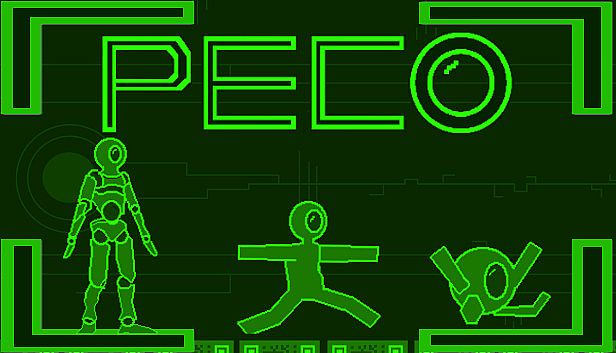



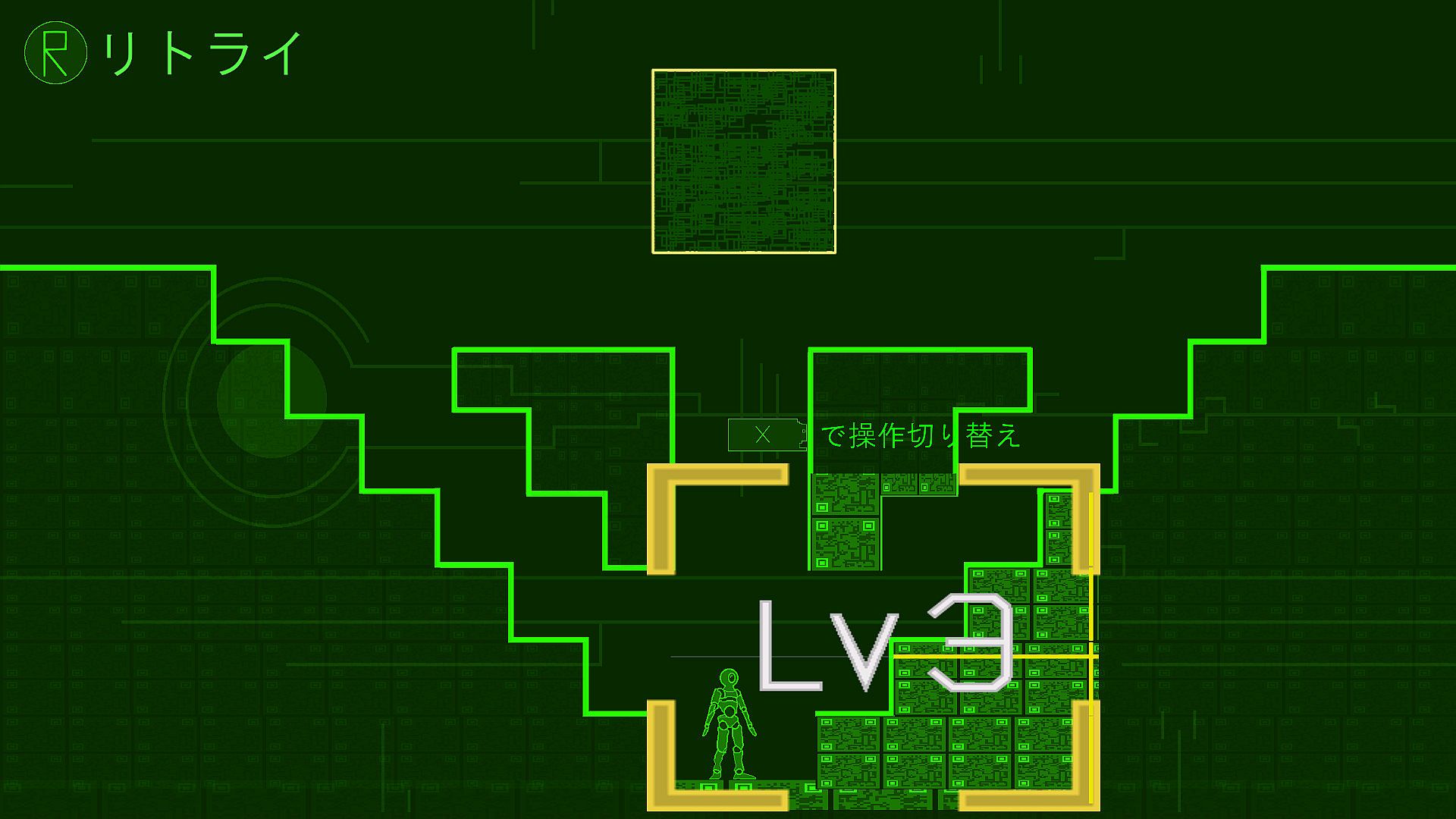
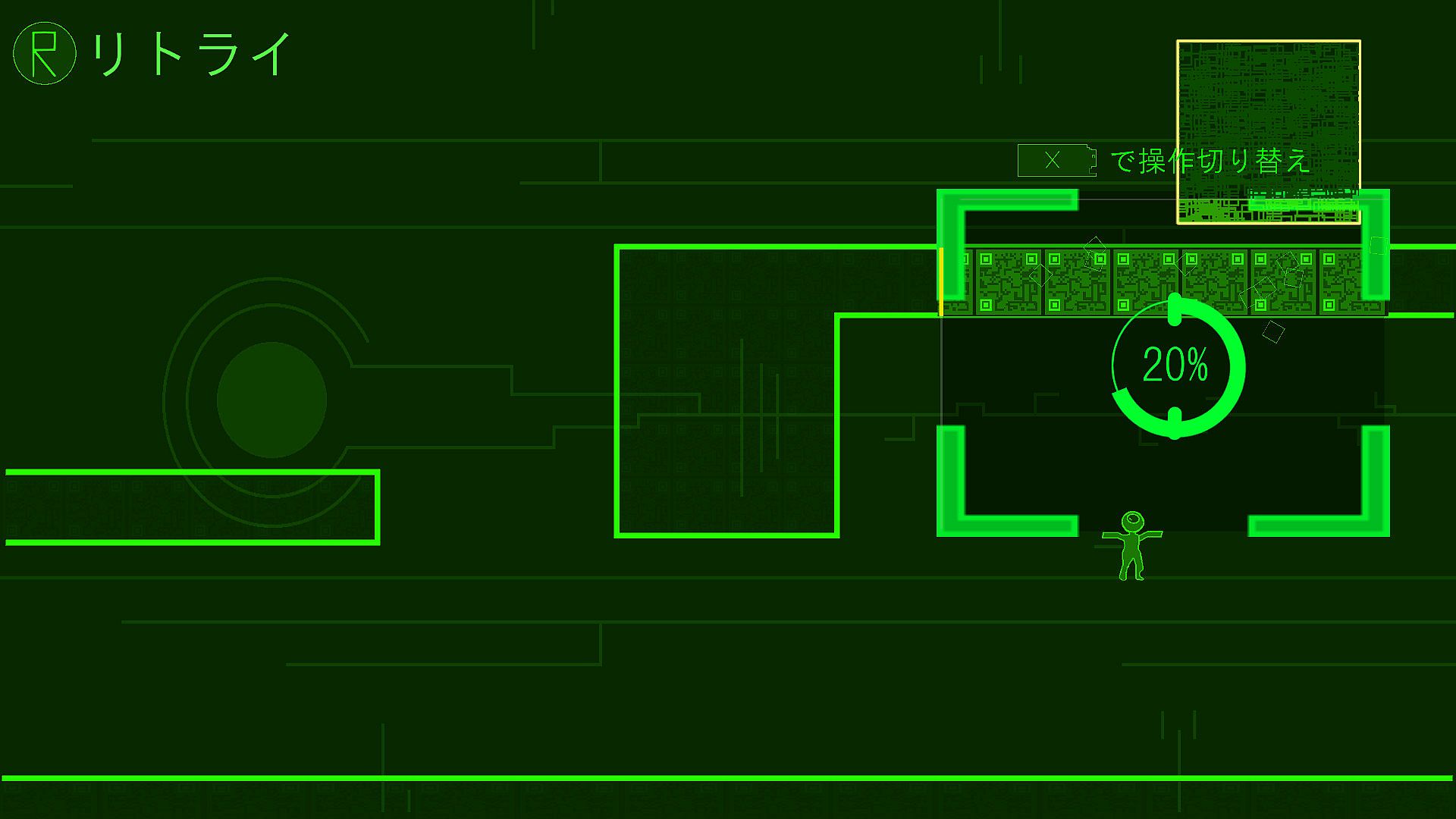
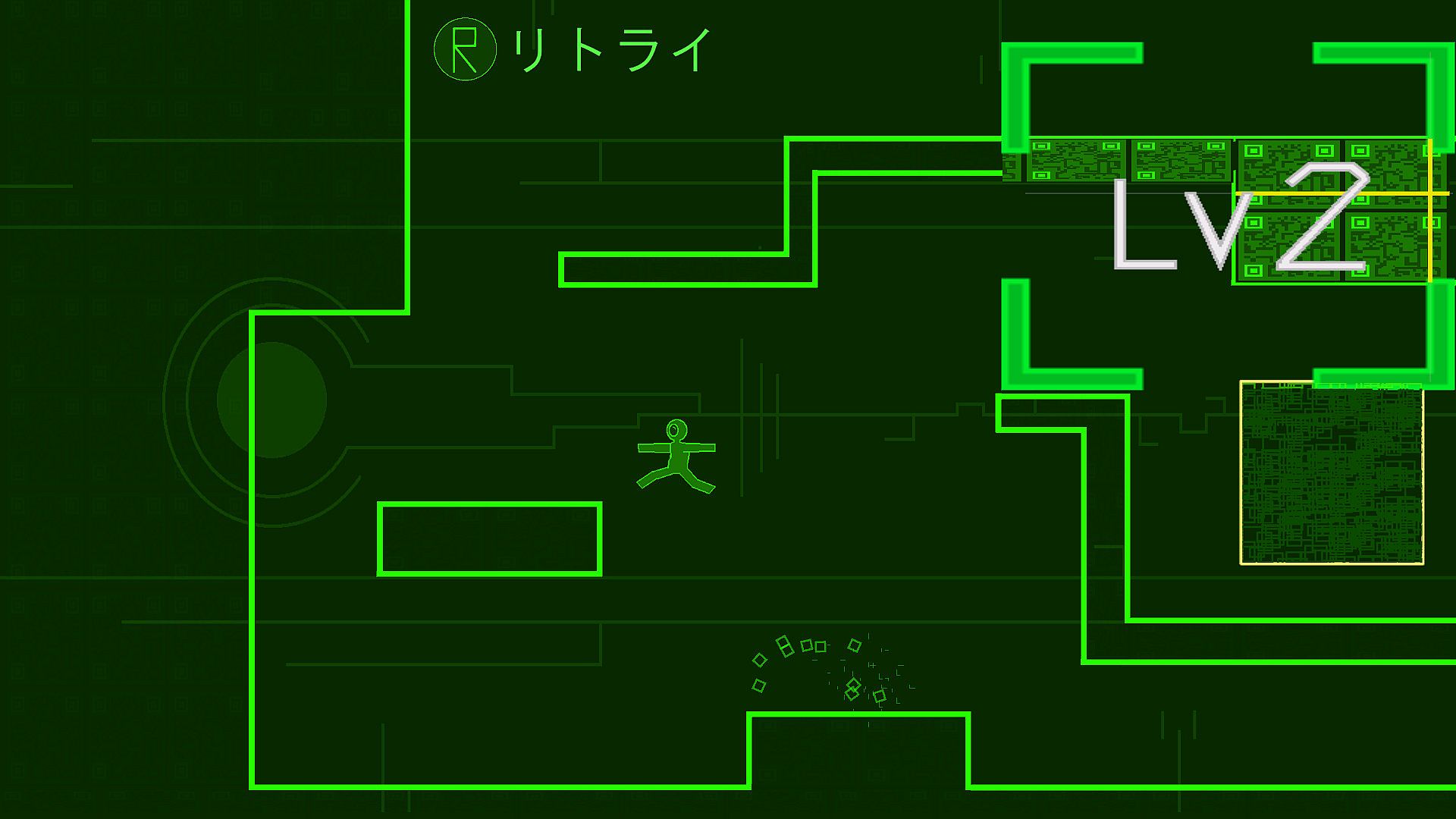
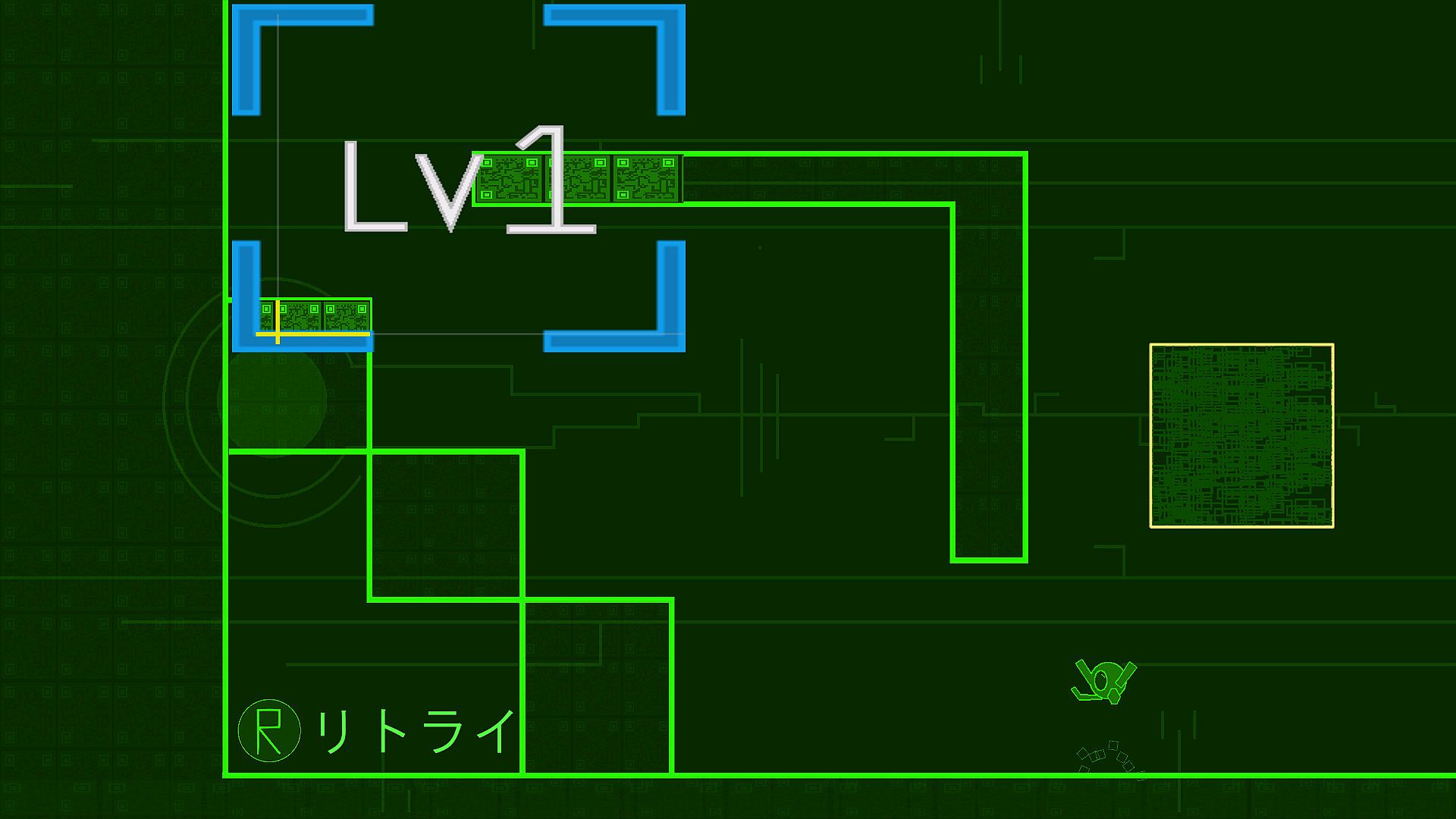
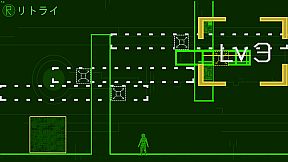
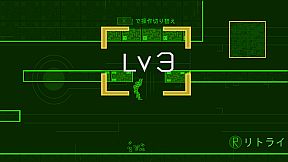
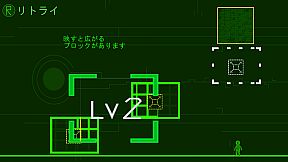
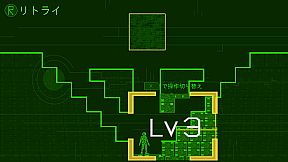
PECO stands out as a puzzle action game that blends casual indie elements with clever mechanics centered around camera perspectives. Developed for PC, this title challenges players to navigate stages by manipulating what appears on screen, making it a fresh take on action-puzzle hybrids for those seeking something off the beaten path.
Gameplay
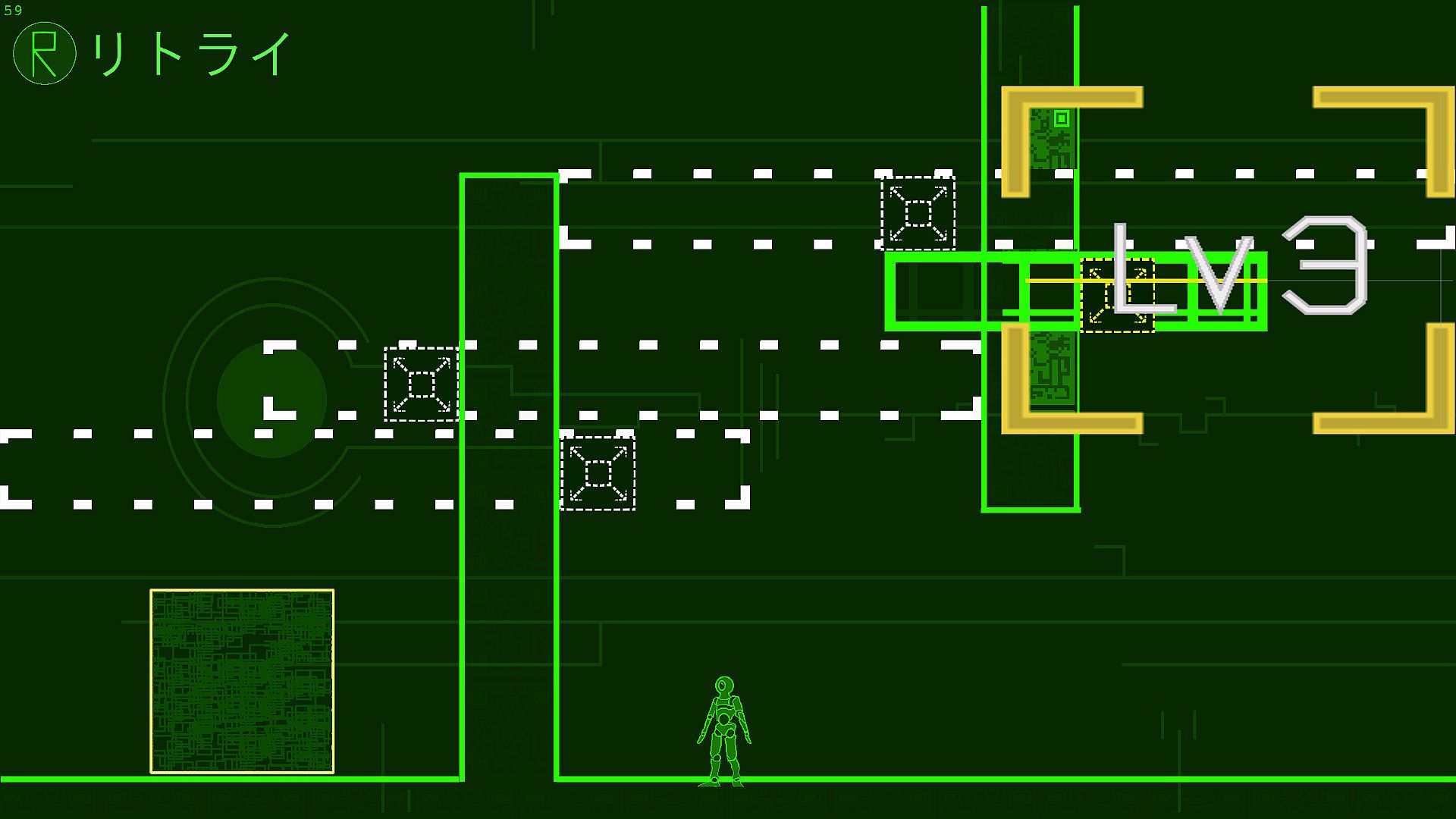
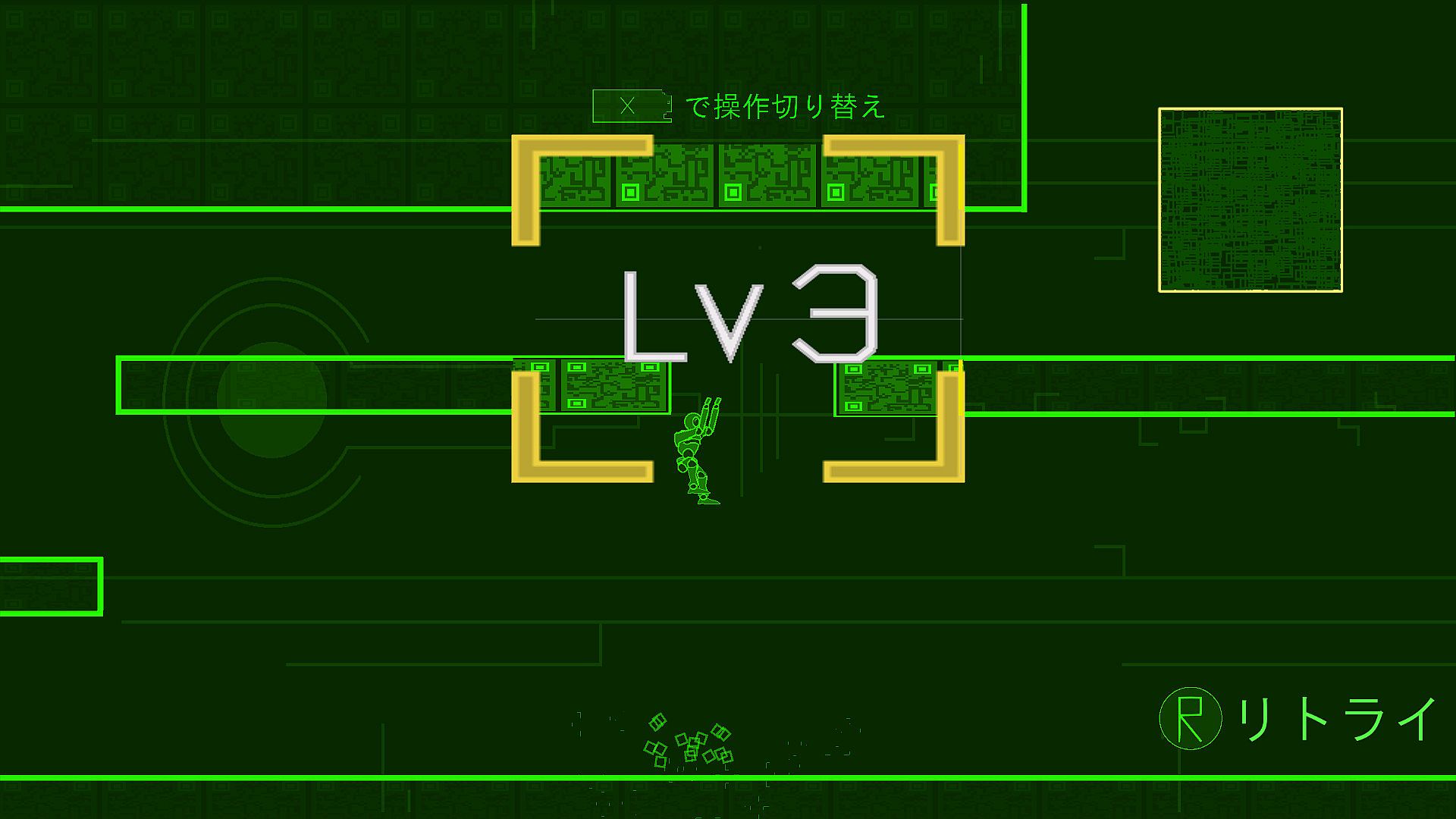
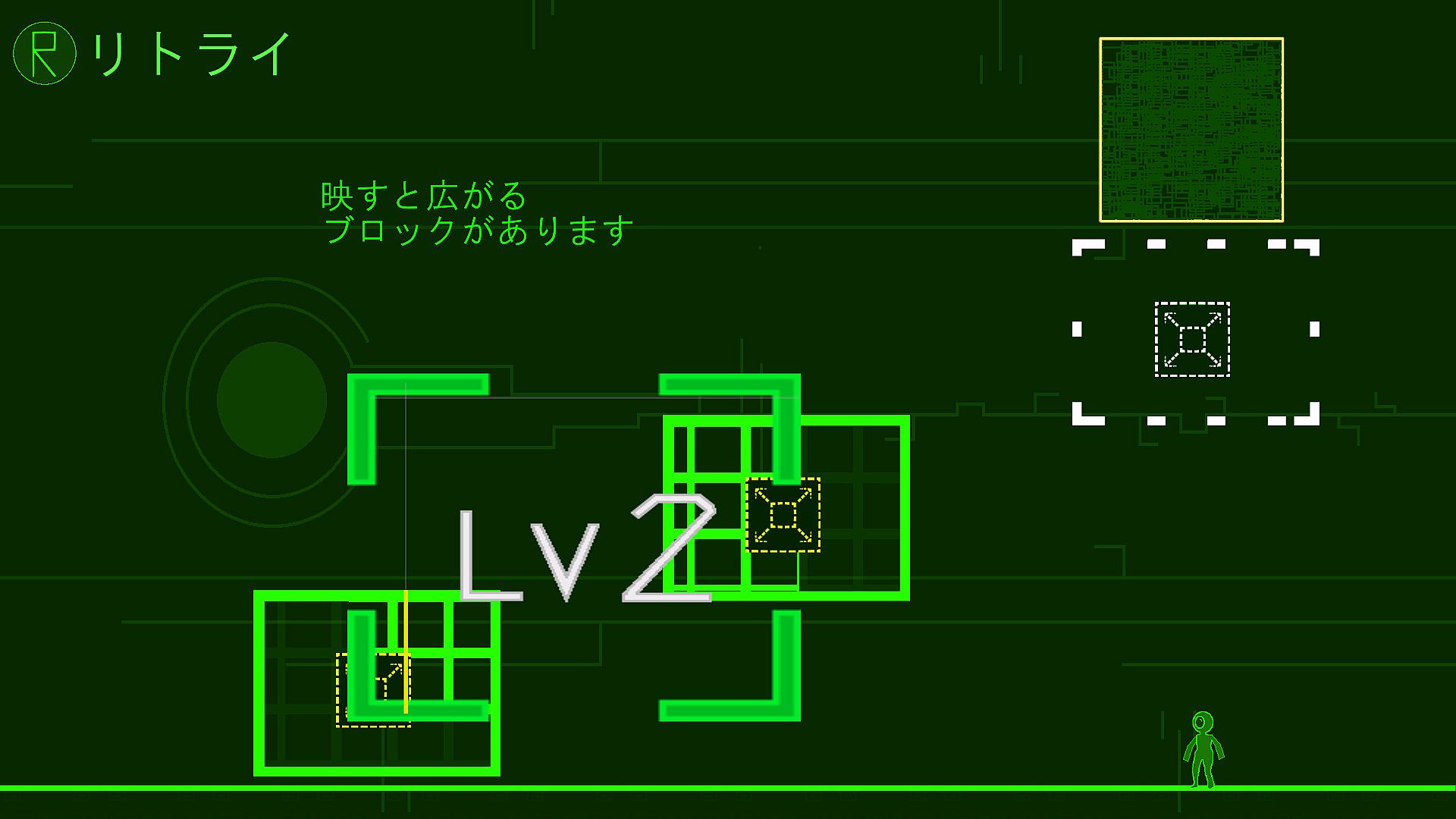
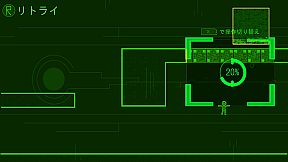
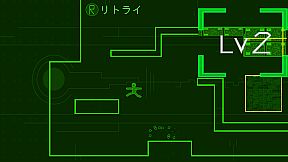
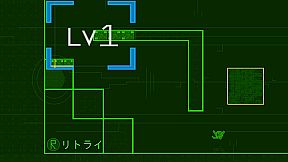
In PECO, the core loop revolves around controlling a character that transforms in three distinct stages based on how much of the level is captured by the camera view. As the visible portion of the stage changes, so does the player's size and jumping ability, adding layers of strategy to movement and platforming.
Certain blocks become visible or interactive only when specific parts of the stage are in frame, while others appear when the entire stage is shown. This gimmick requires careful positioning of the camera to reveal paths, avoid obstacles, and reach the goal, turning each level into a test of observation and timing.
Game Modes
PECO focuses on a single-player experience without multiplayer options or varied modes. Players progress through a series of levels, each designed to build on the camera-based mechanics for escalating challenges.
With 32 achievements to unlock, the game encourages replaying stages to master techniques and discover hidden elements tied to the projection system.
Key Features and Mechanics
Beyond the basic controls, PECO incorporates environmental interactions where the "green" theme likely ties into visual cues or color-based puzzles, though the emphasis remains on projection dynamics.
Core elements include:
- Dynamic player scaling that affects jump height and mobility.
- Conditional block visibility, forcing creative camera angles.
- Goal-oriented levels that demand precise manipulation of the view.
These mechanics create a gameplay flow that's both intuitive for casual sessions and deep enough for puzzle enthusiasts.
Is It Worth Playing?
For fans of indie puzzle games with unique twists, PECO offers an intriguing concept built around camera projection, which can provide satisfying "aha" moments when solving tricky sections. However, with only six user reviews available and no aggregated score, it's hard to gauge broad appeal.
The game has seen no recent updates since its 2020 release, suggesting it's in a stable but unsupported state. If you enjoy experimental action-puzzle titles and don't mind a Japanese interface, it might be a worthwhile short diversion, especially at a low price point. Otherwise, those seeking ongoing content or English support could look elsewhere.












