











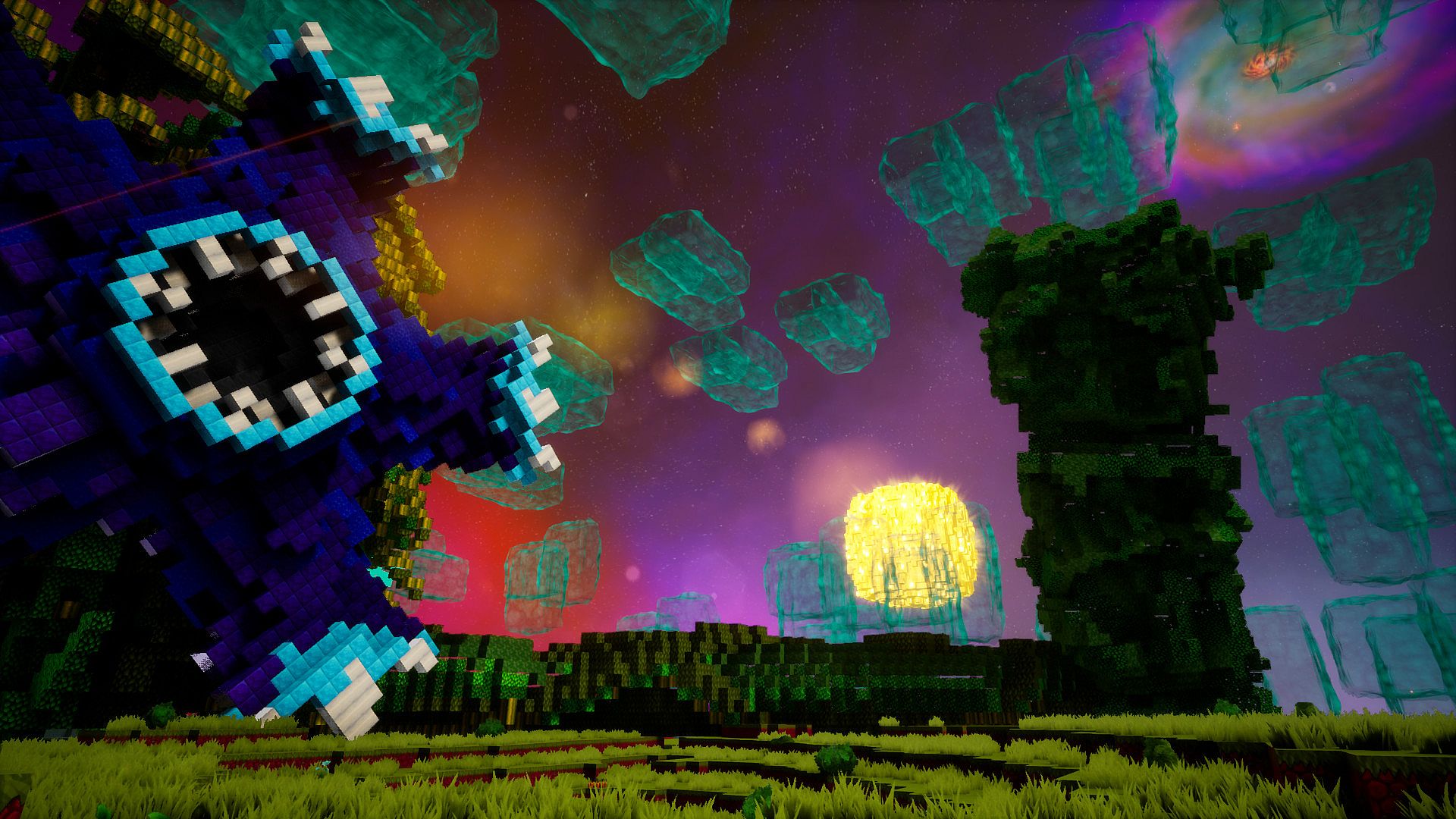
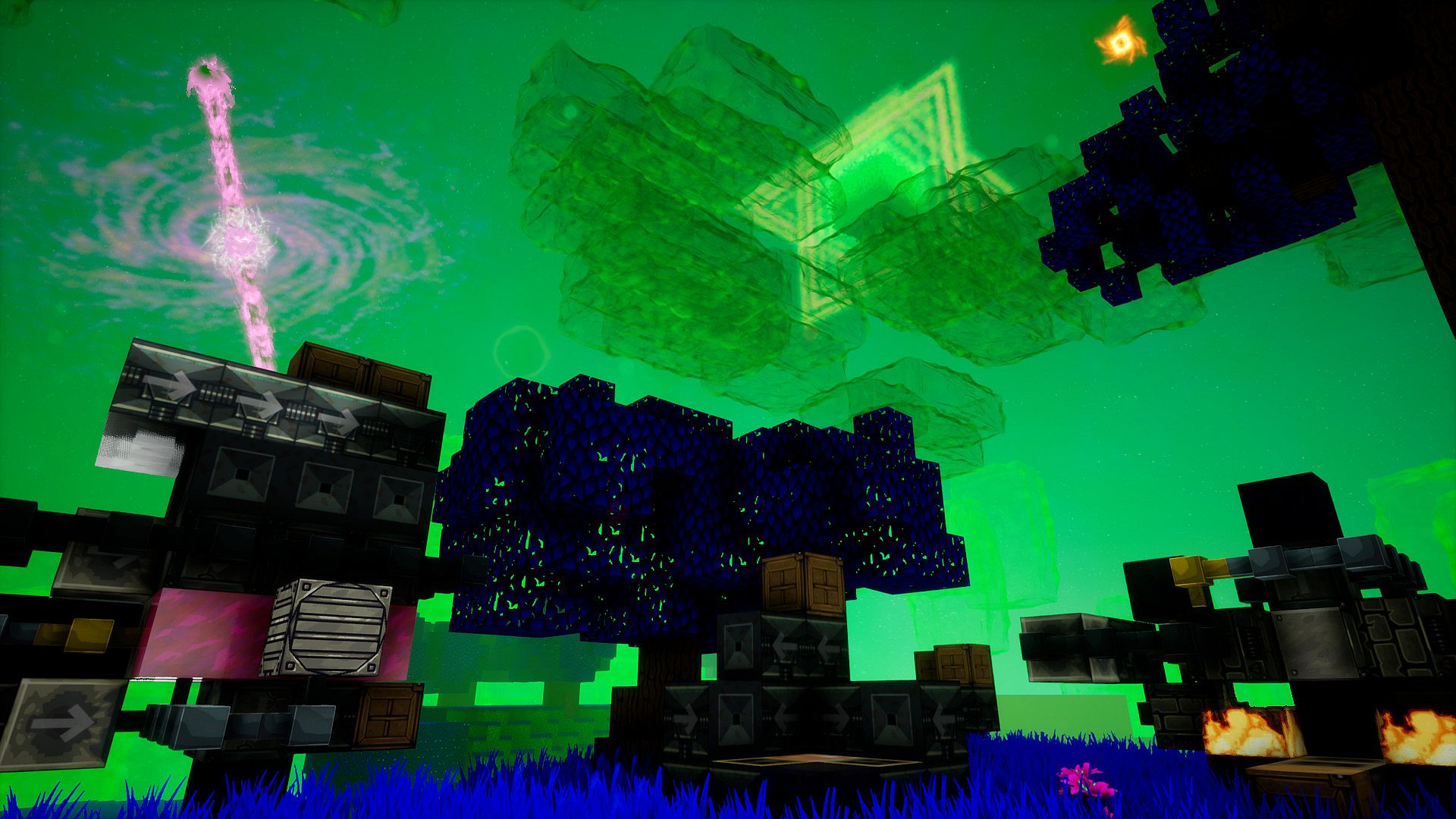
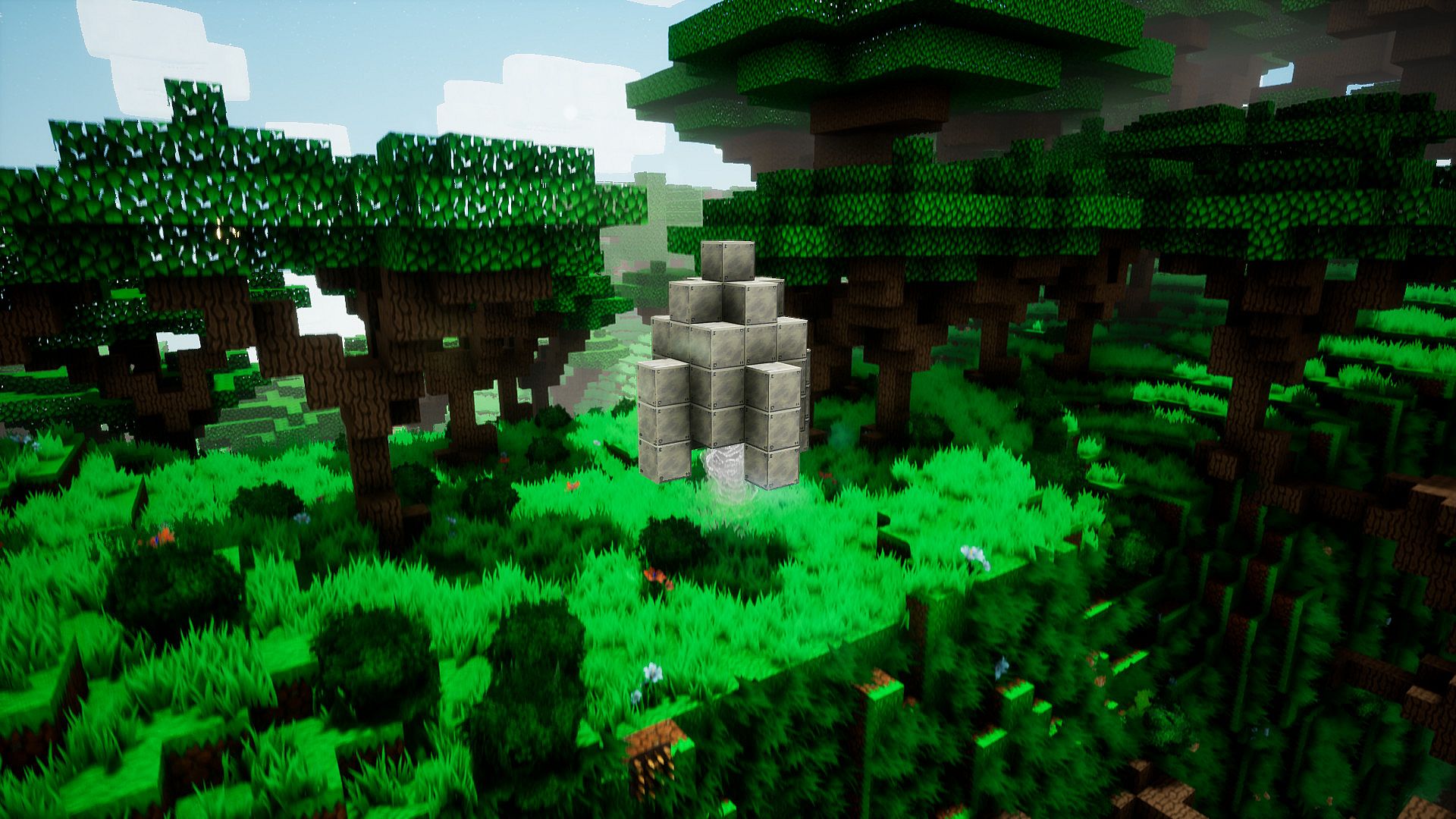
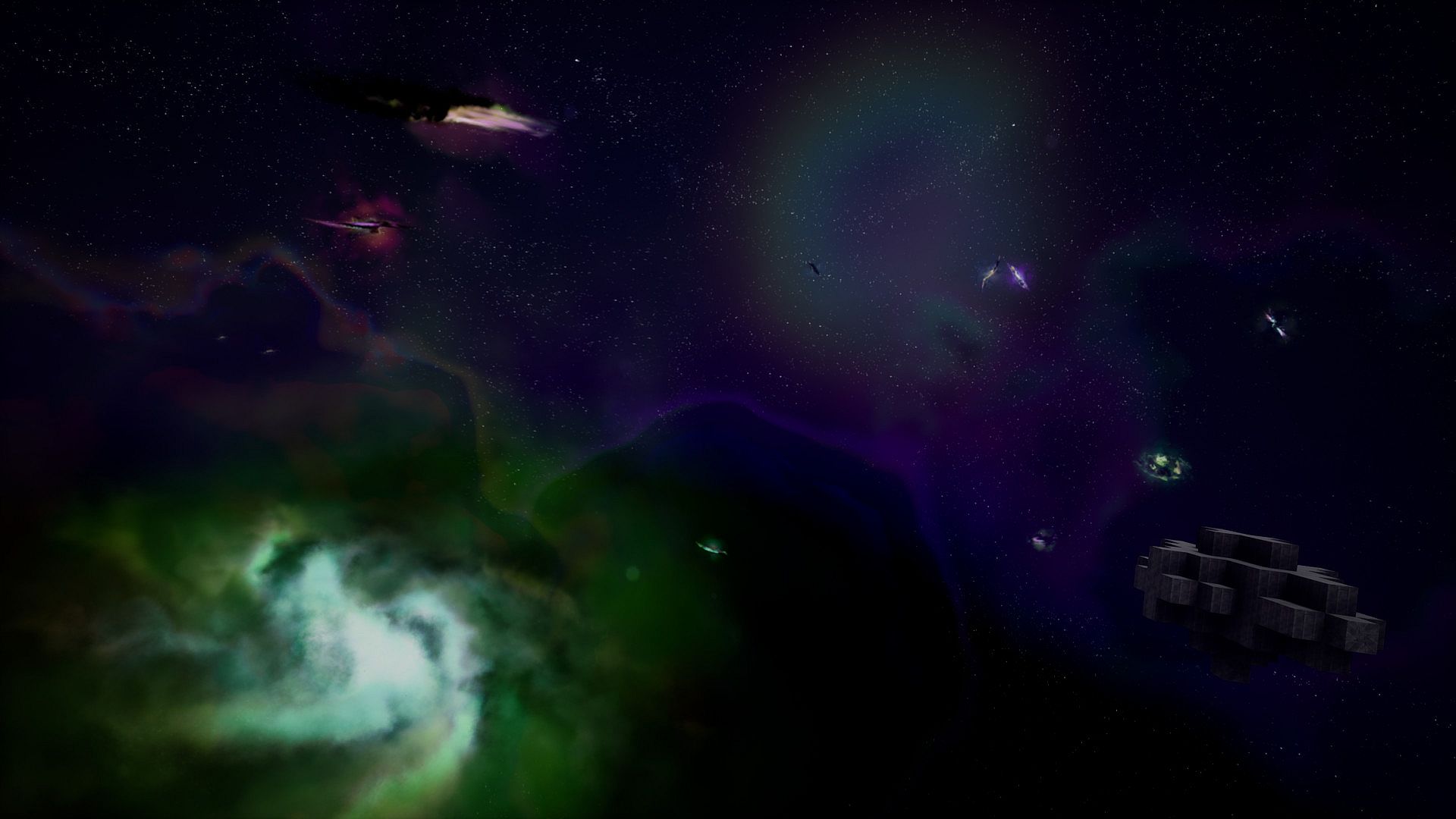
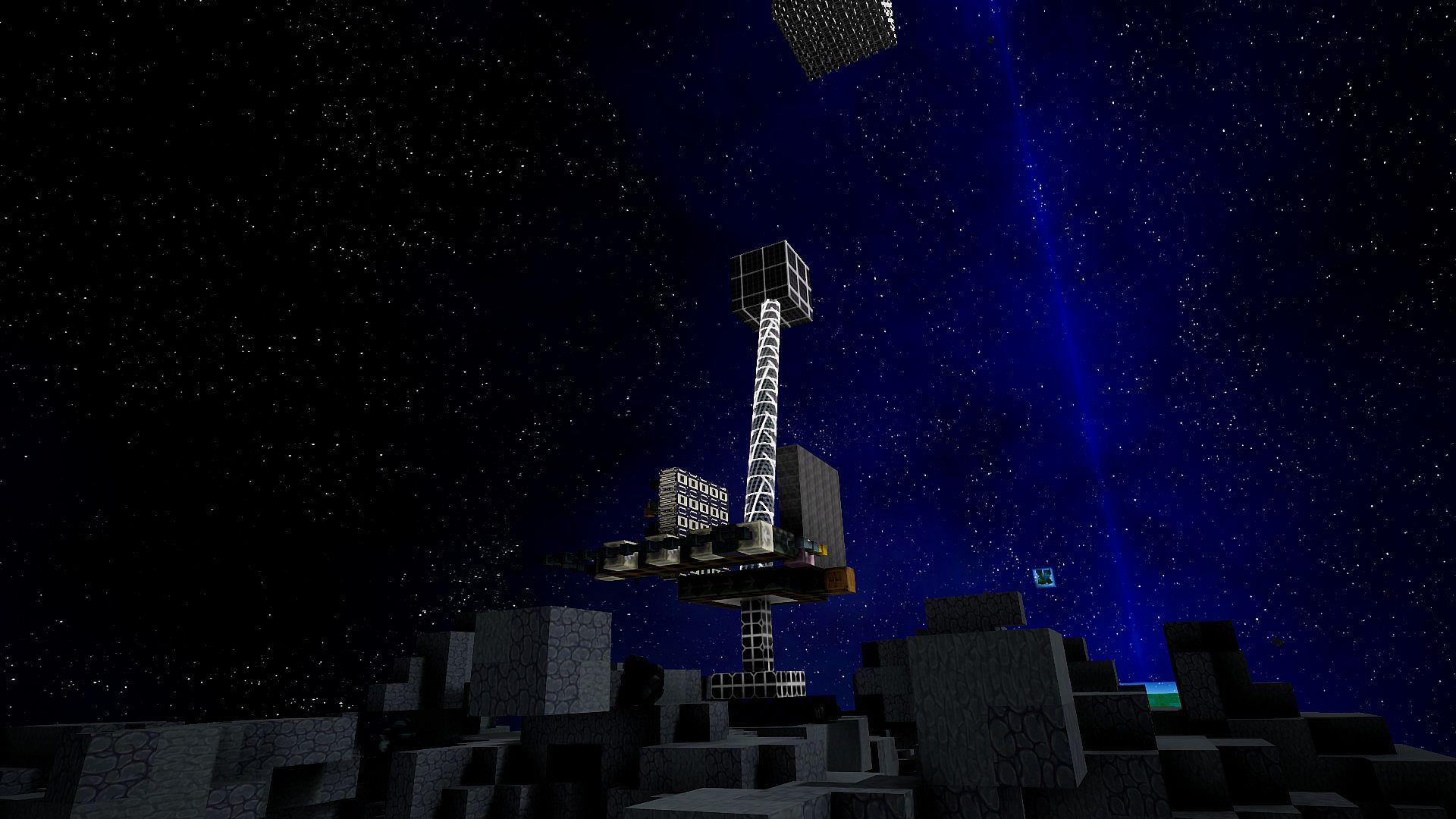
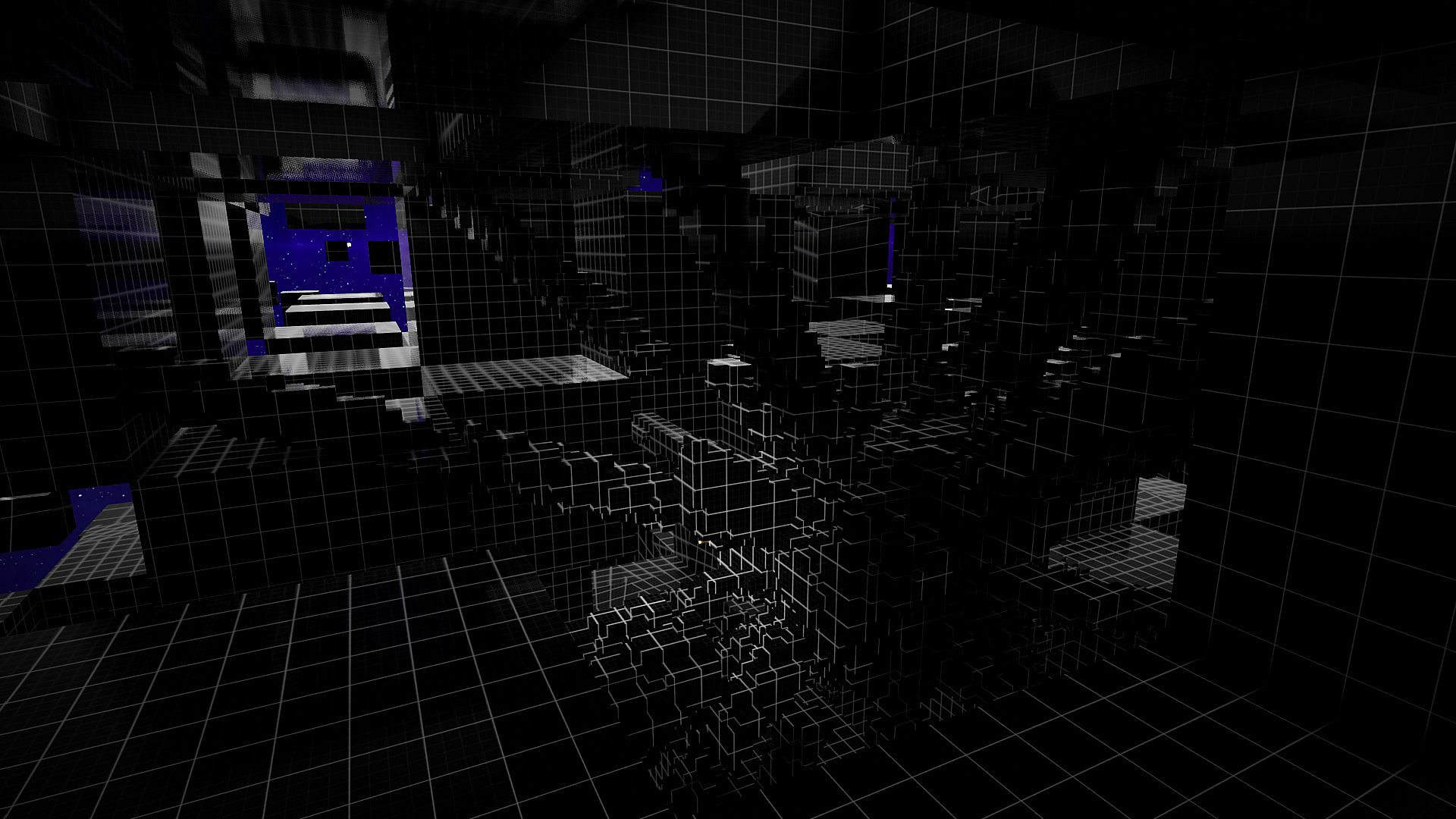
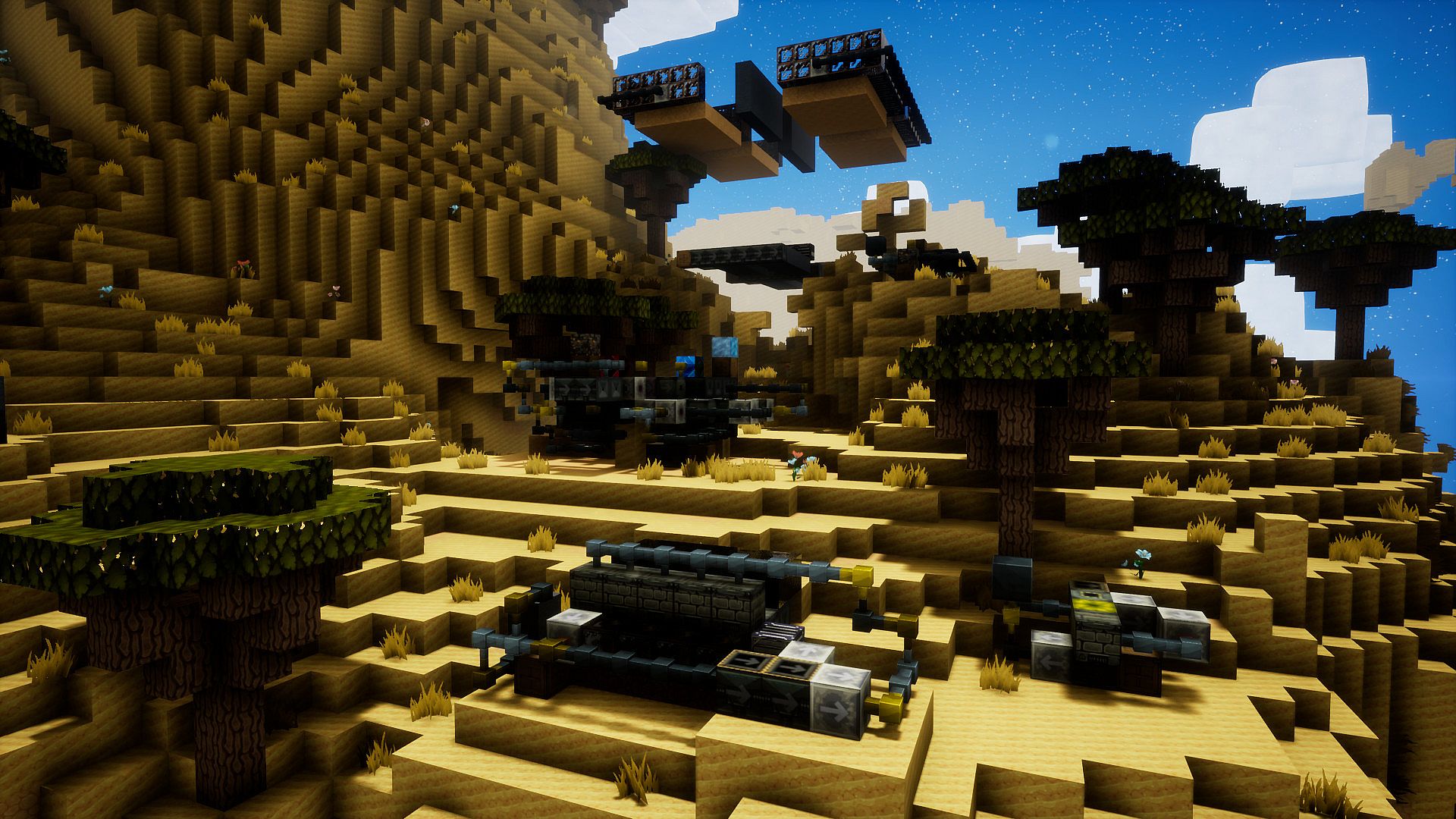
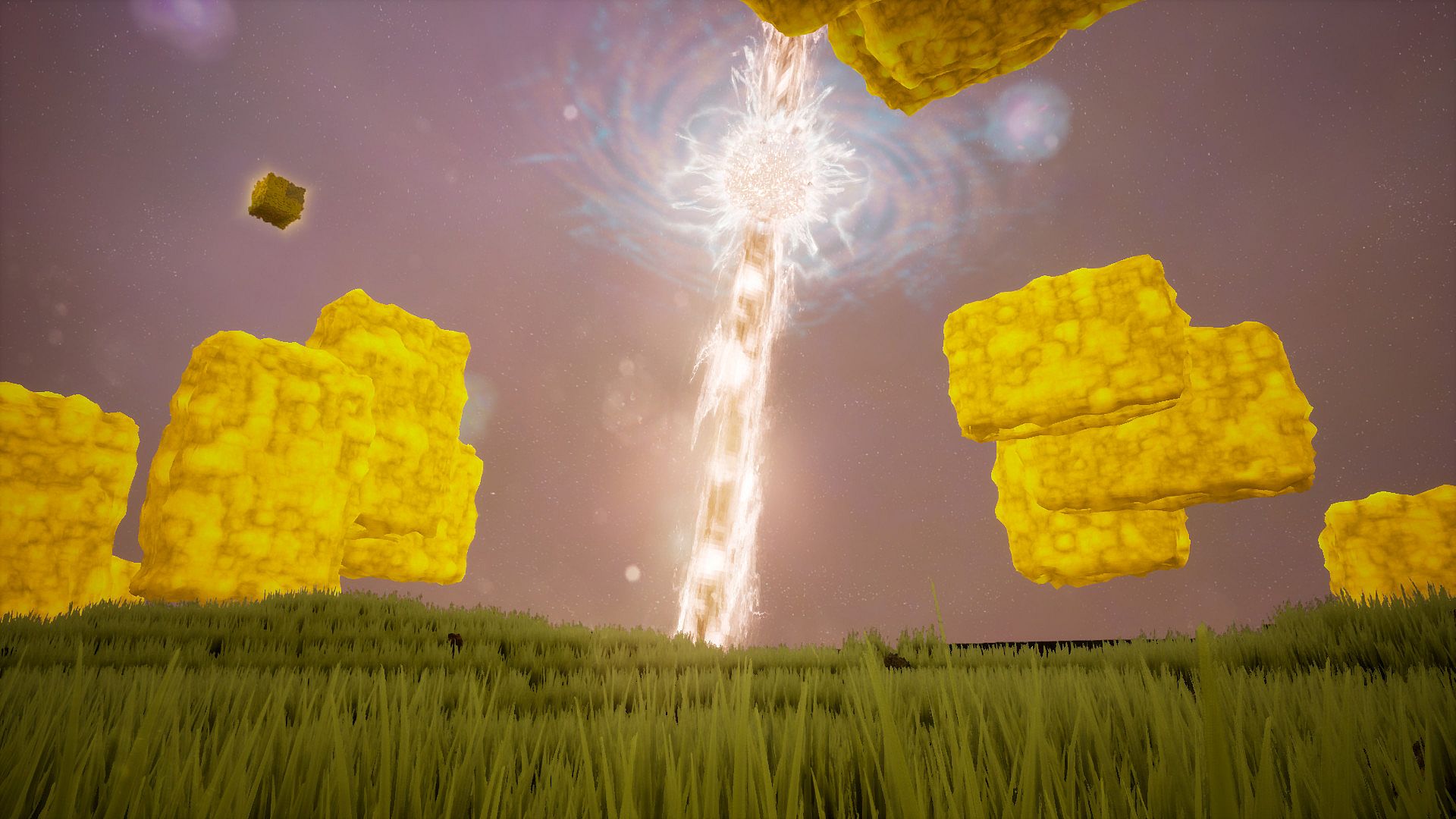
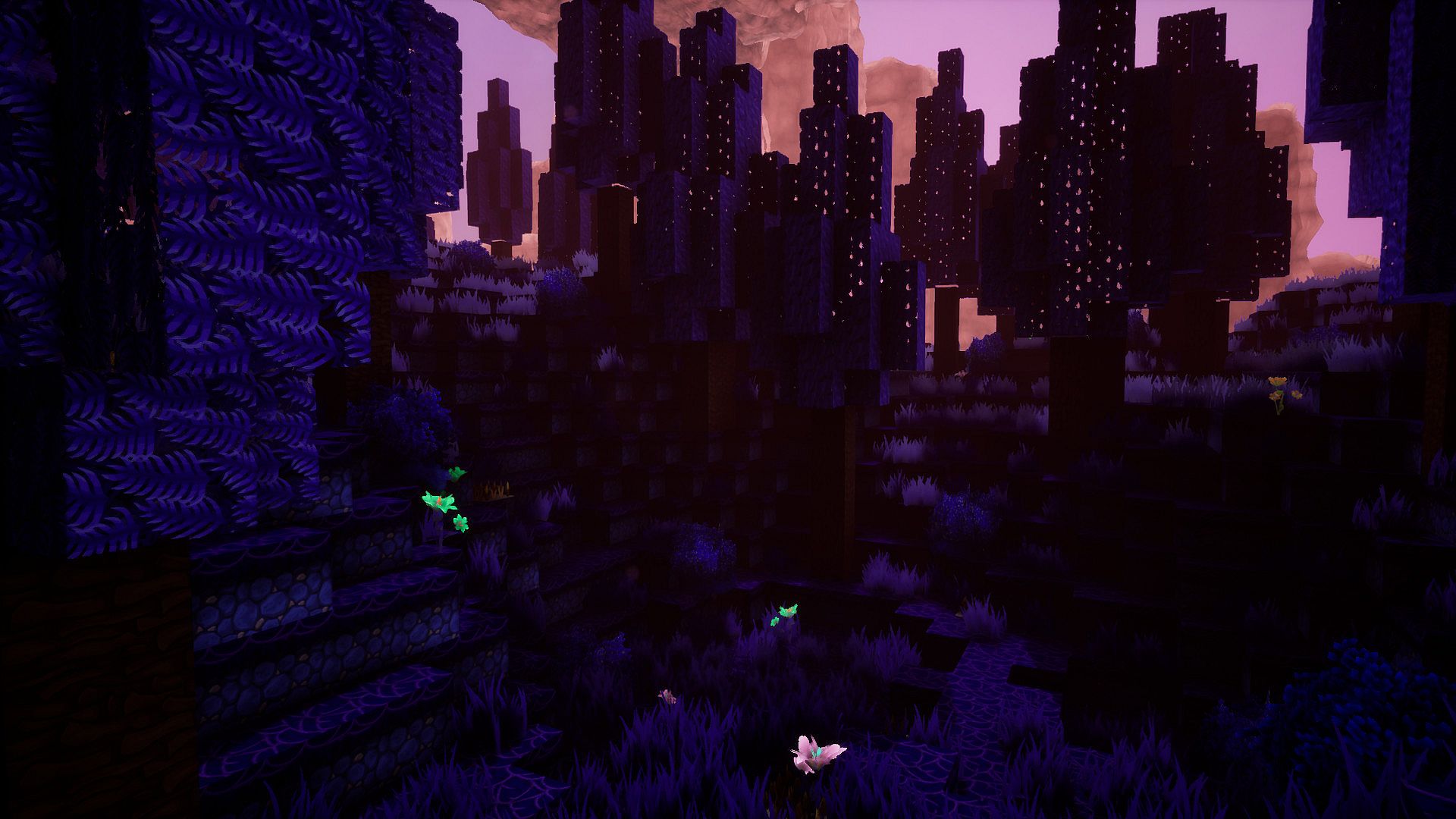
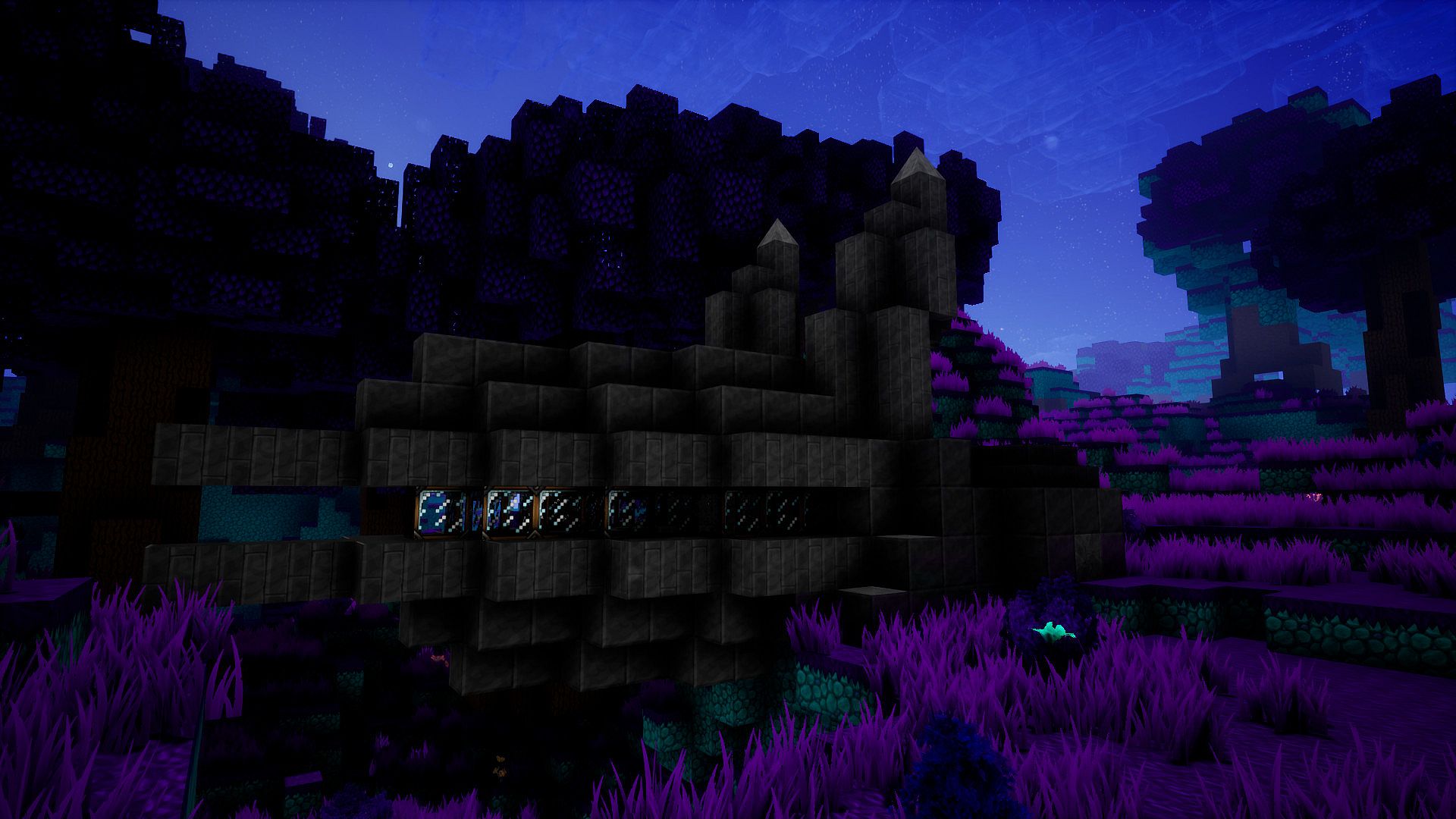
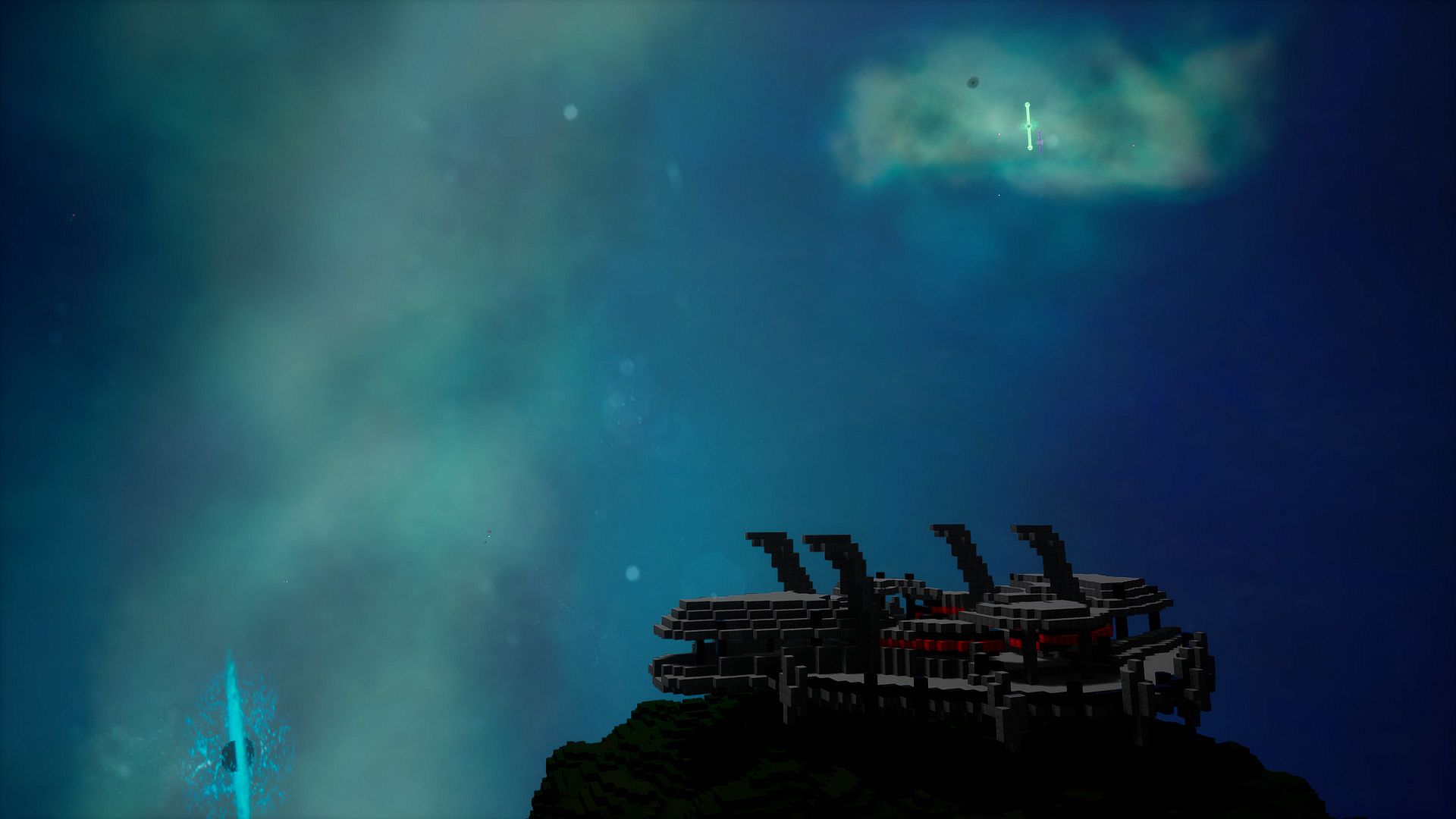
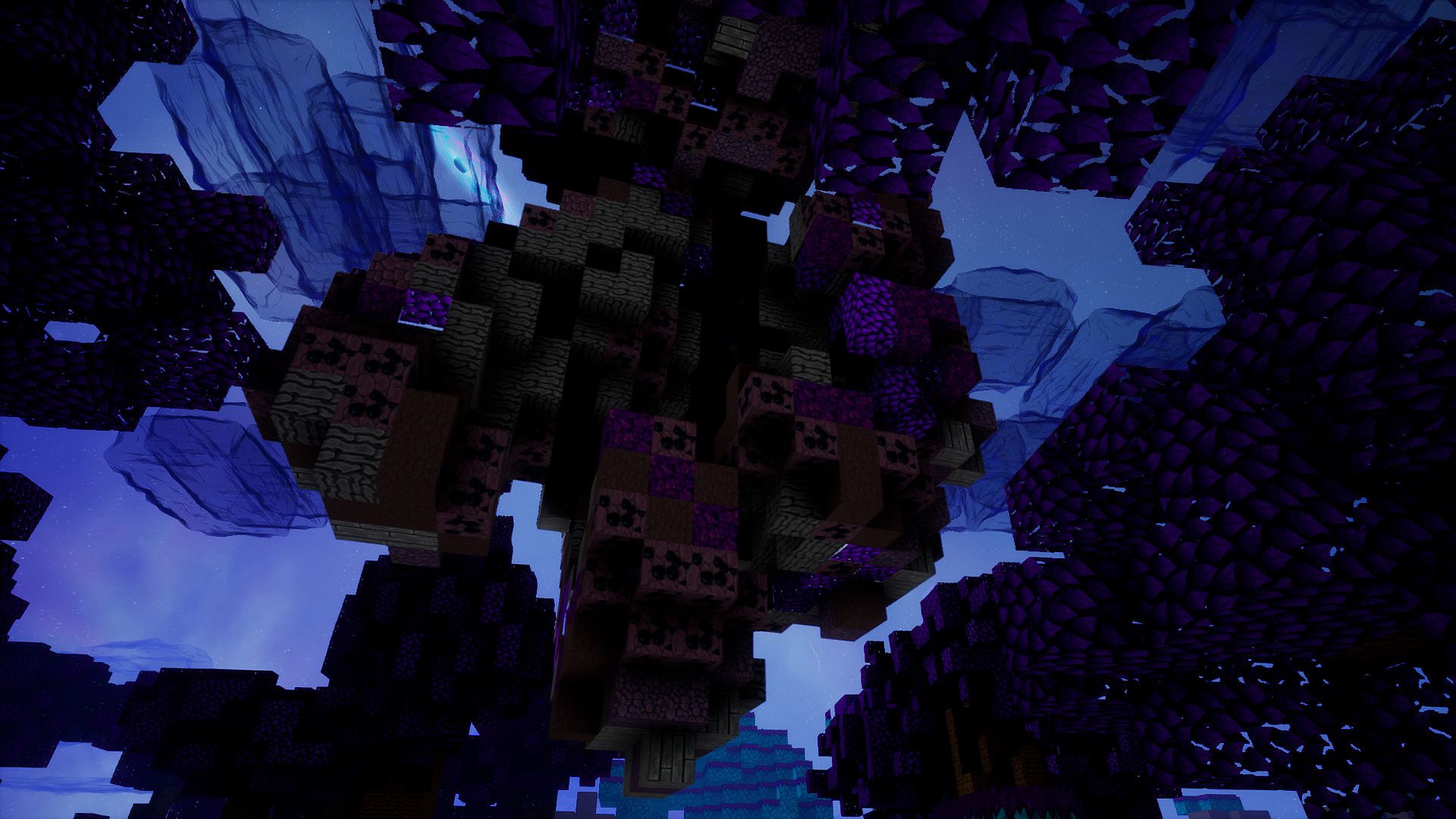
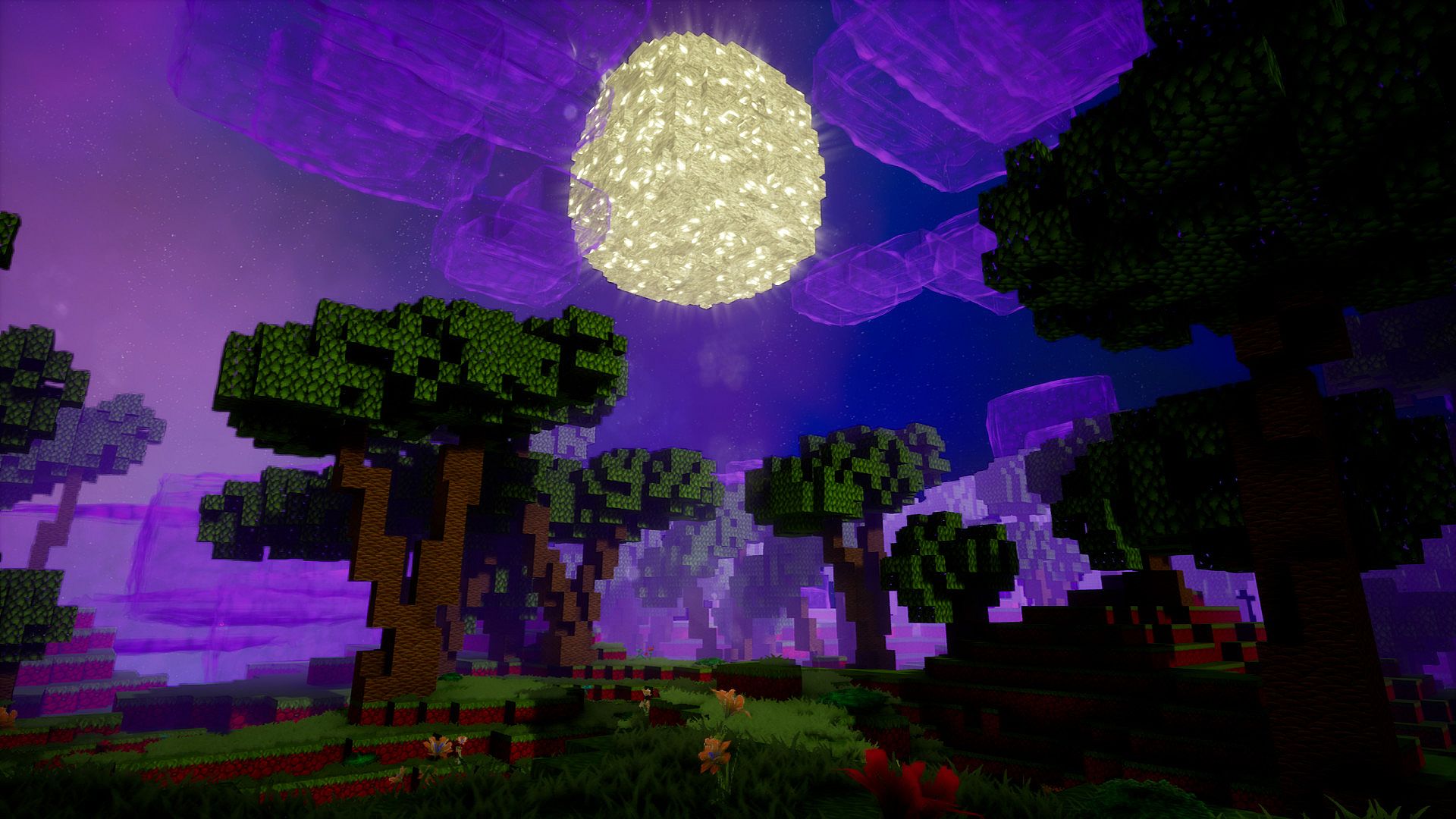
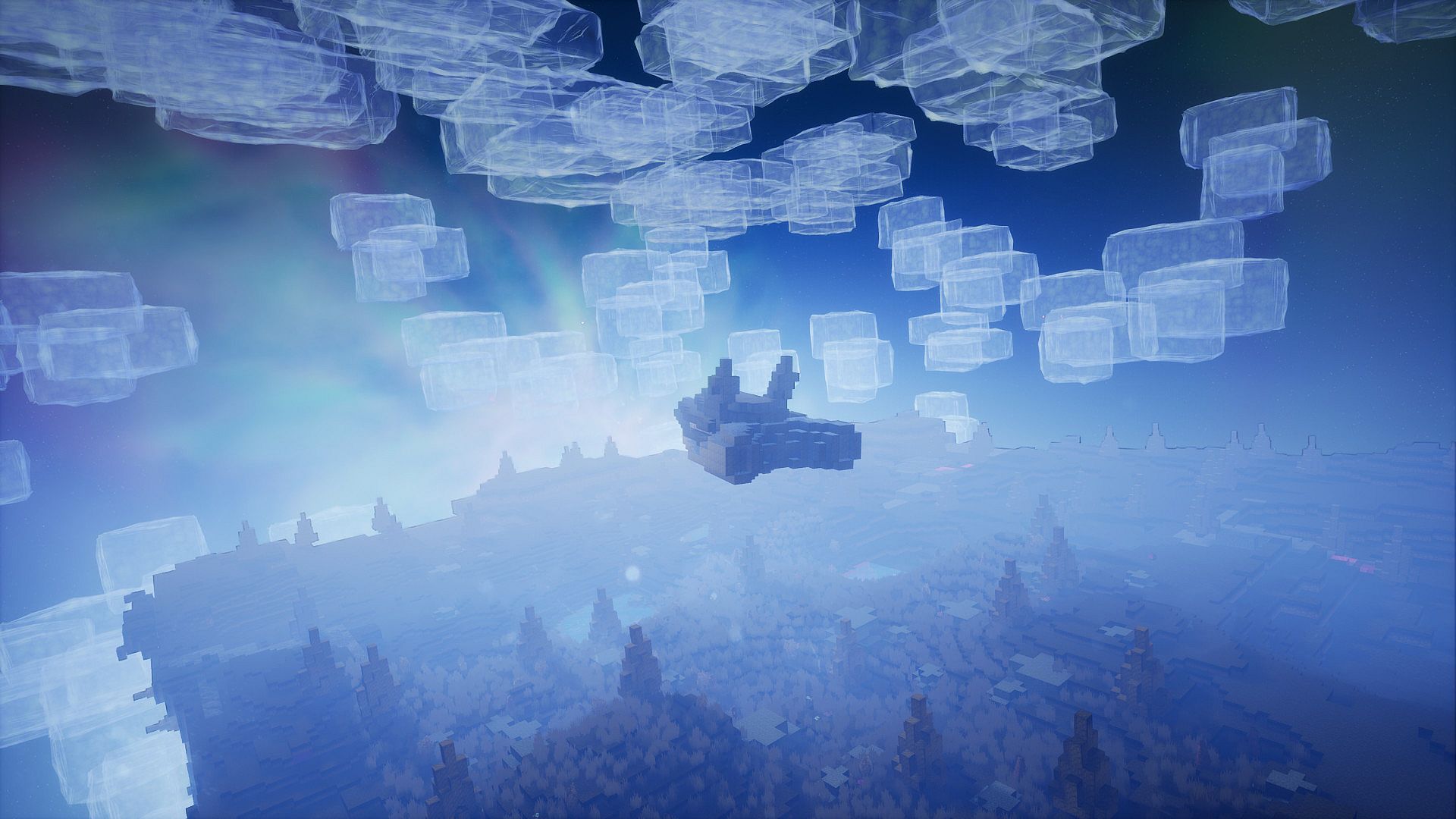
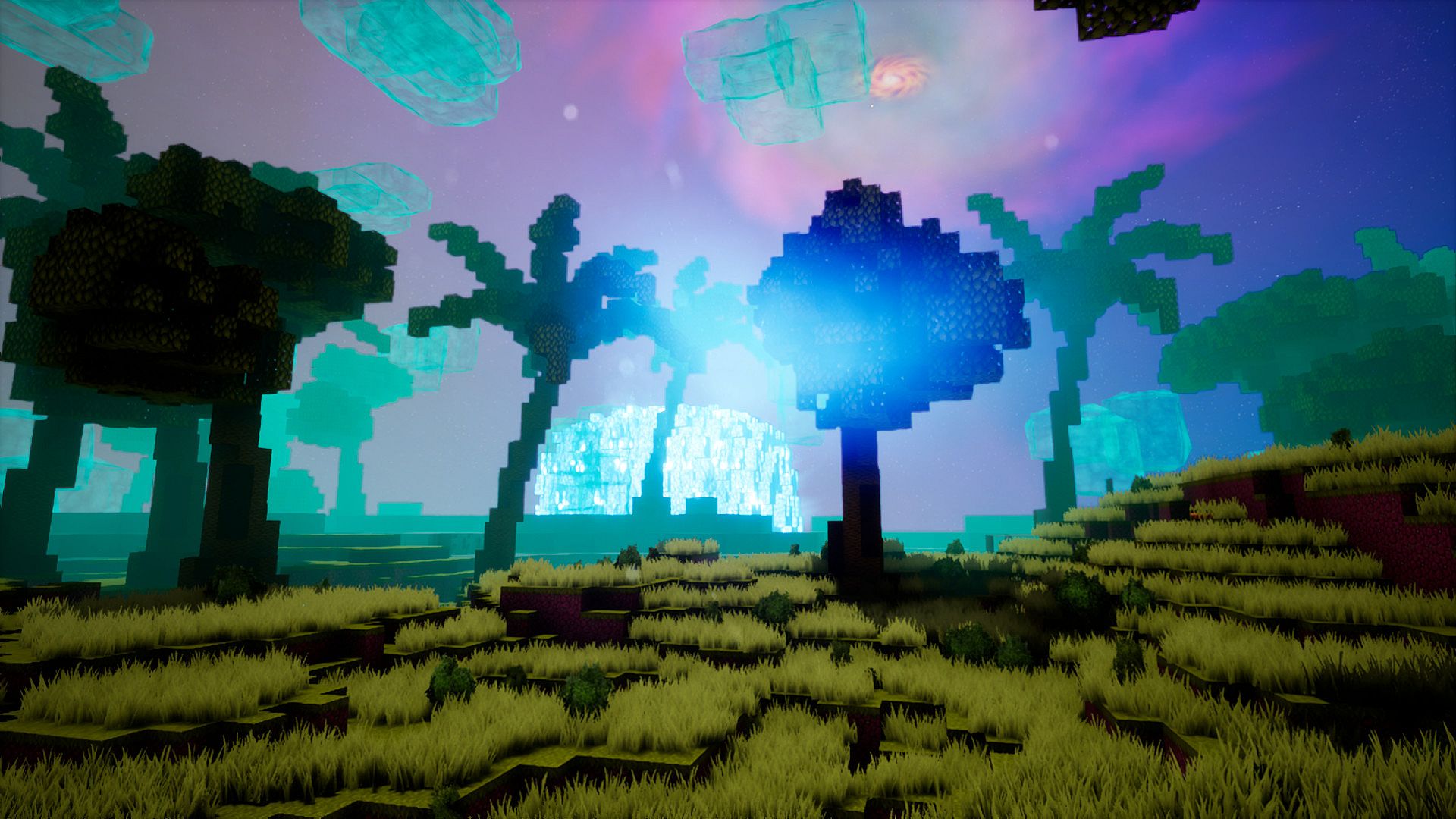
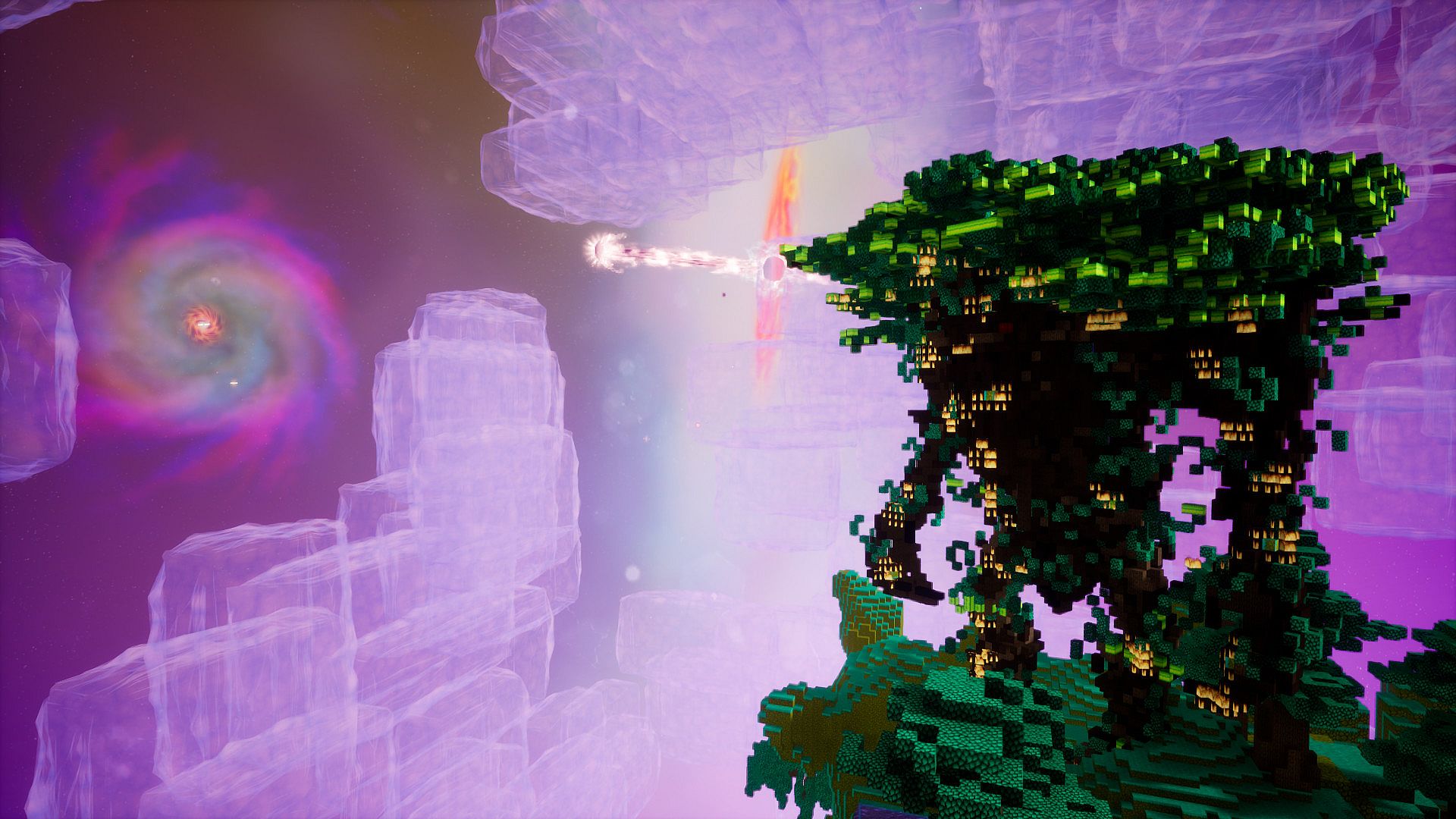
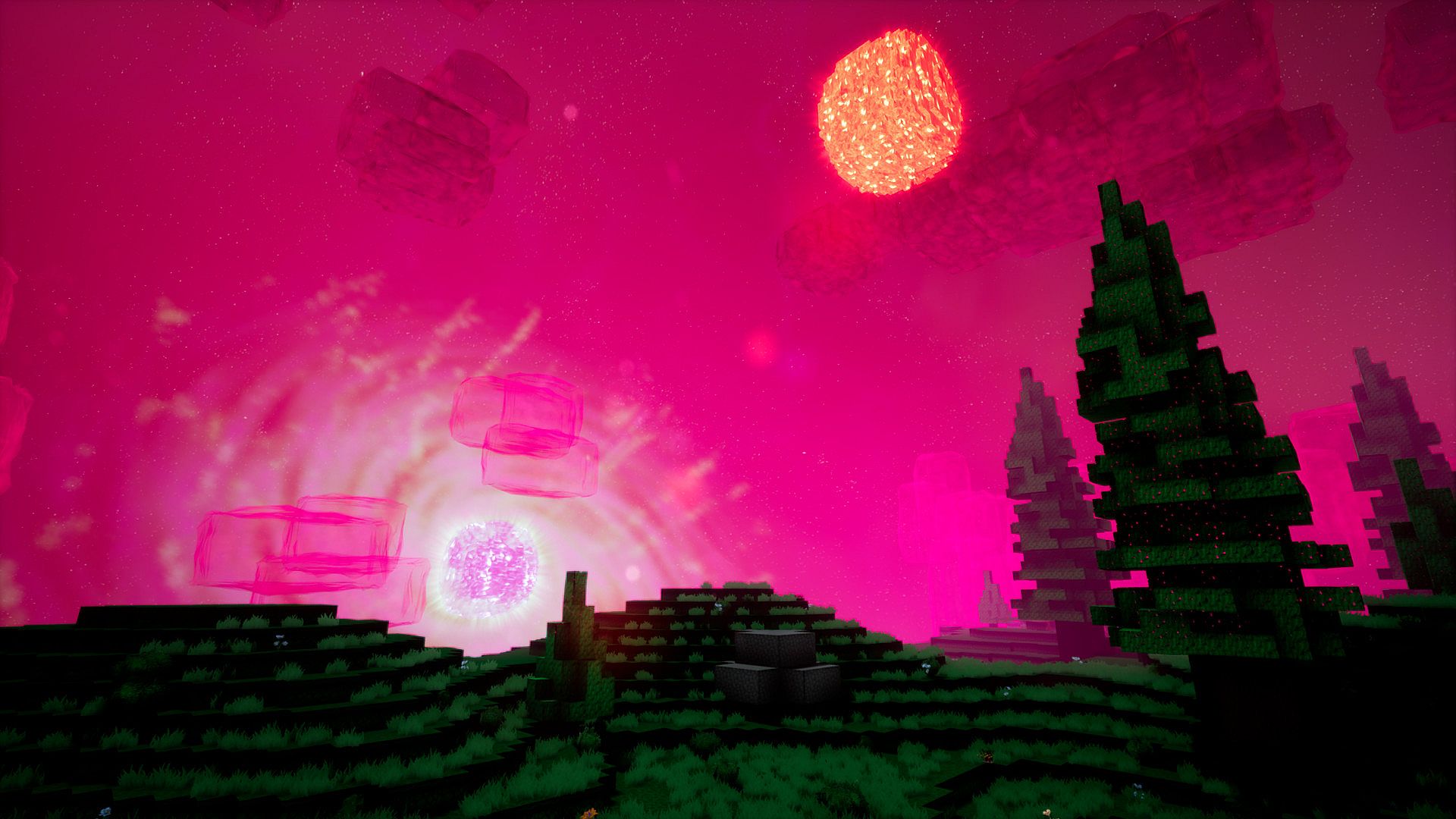
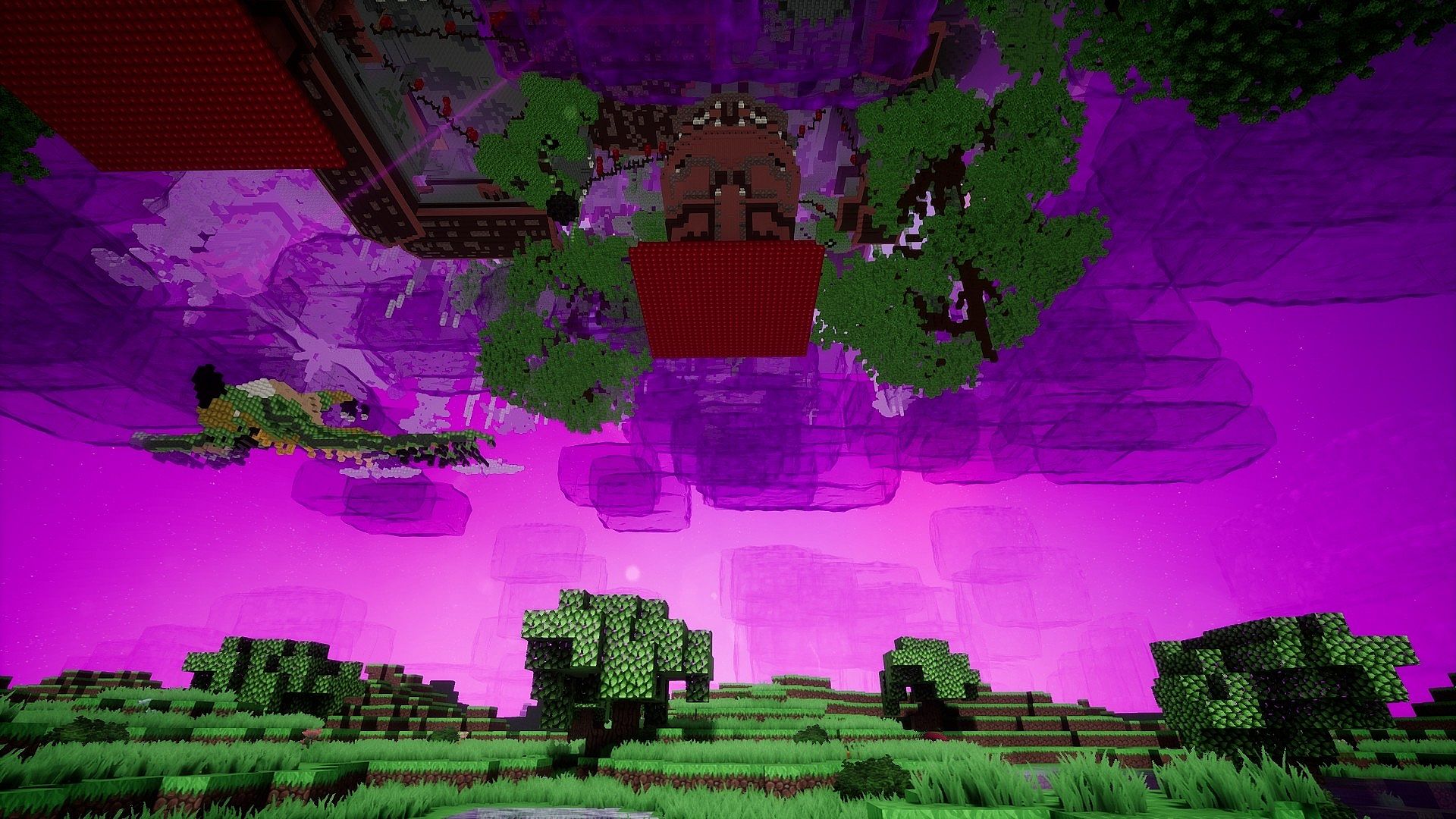
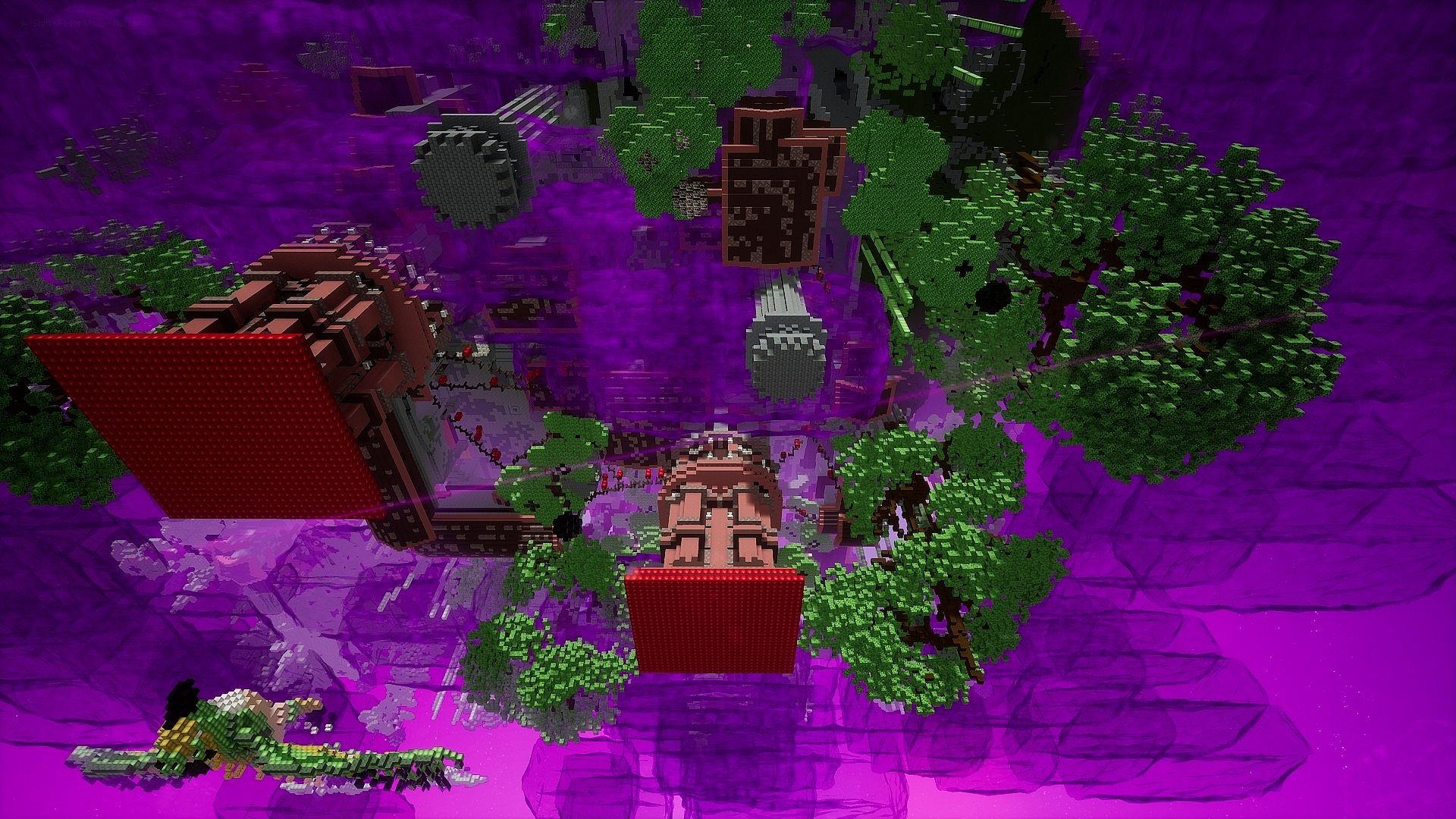
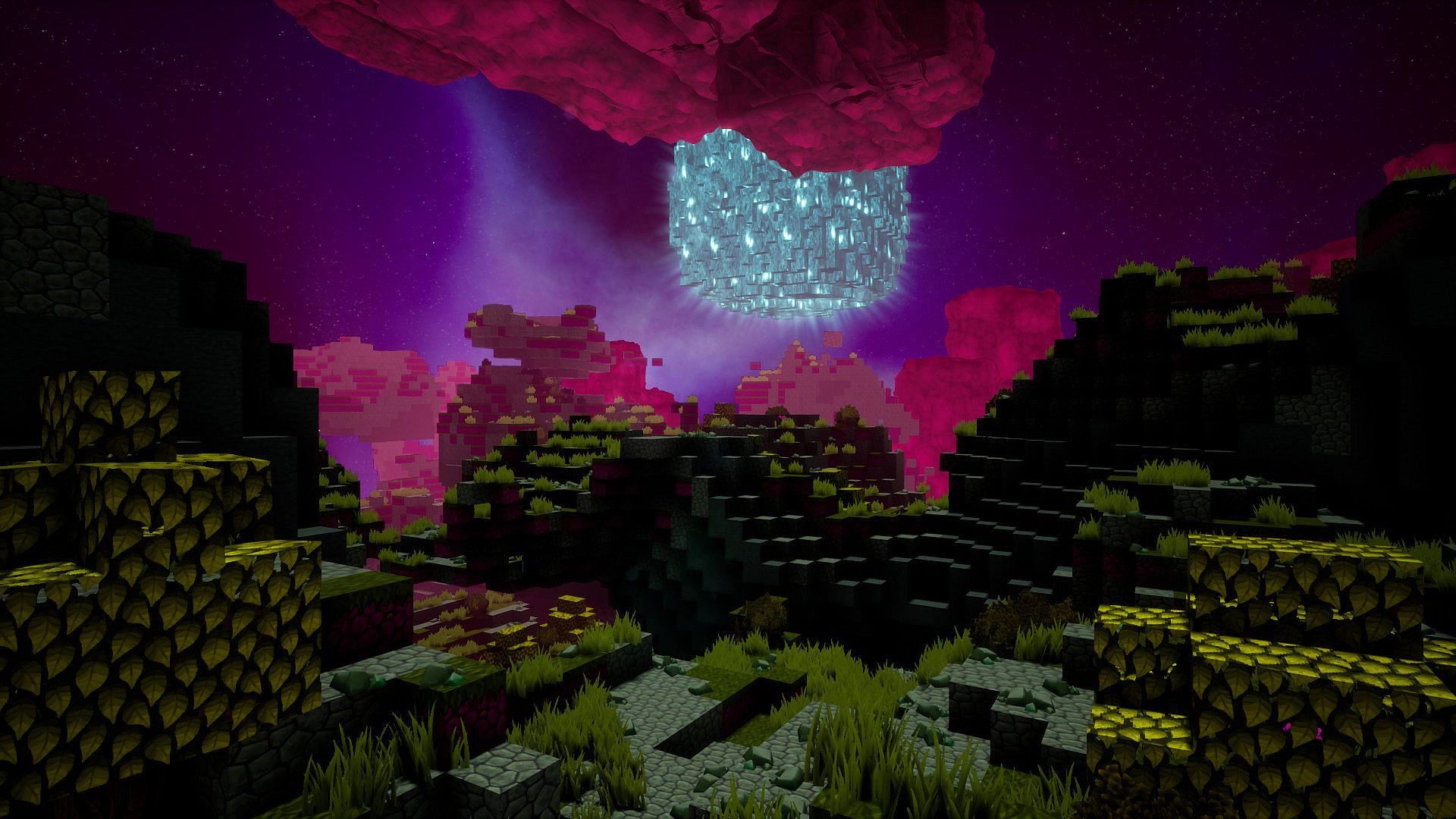
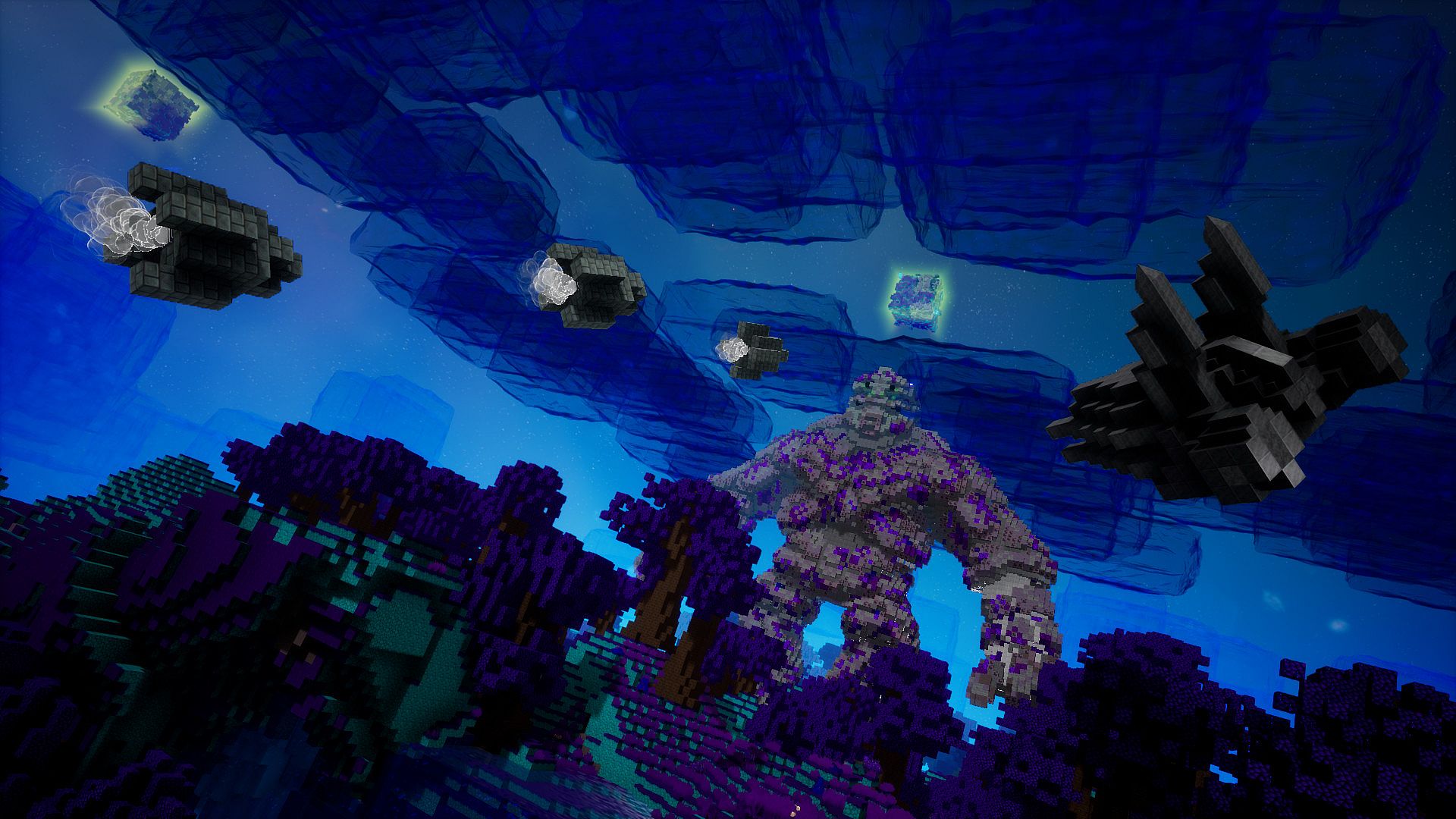
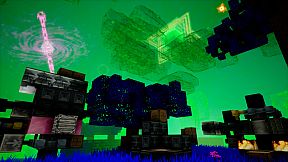
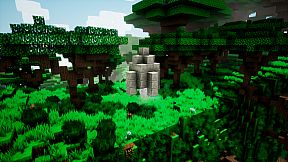
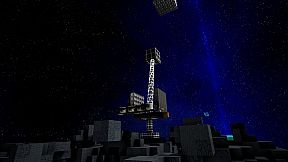
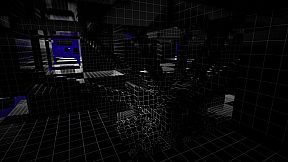
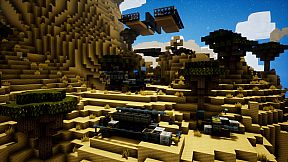
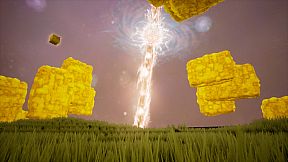
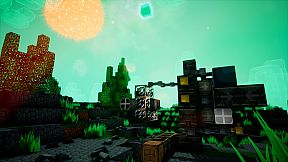
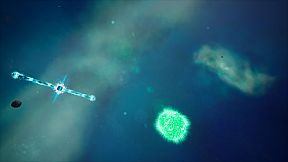
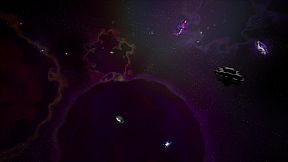
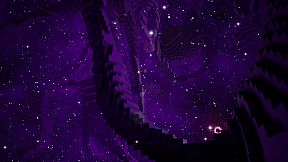
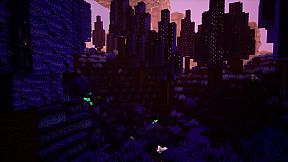
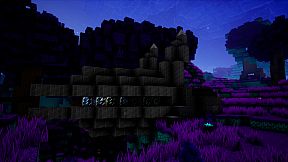
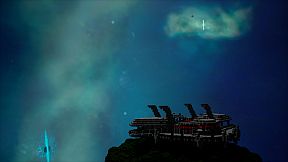
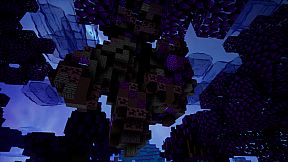
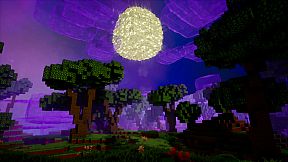

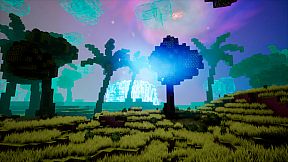
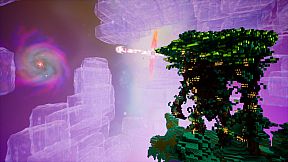
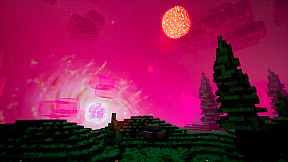
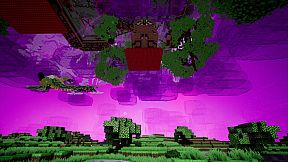
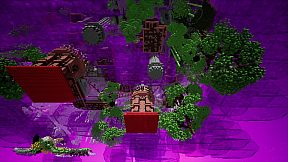
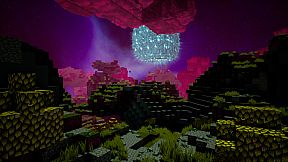
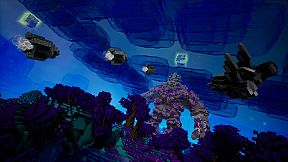
Outerverse is a single-player action, strategy, indie, RPG, casual, simulation, and adventure game set in a procedurally generated universe. Players build automated machines and weapons, follow a guiding questline, defeat six massive titans, and explore cosmic locations while advancing technology through crafting and resource management.
Gameplay
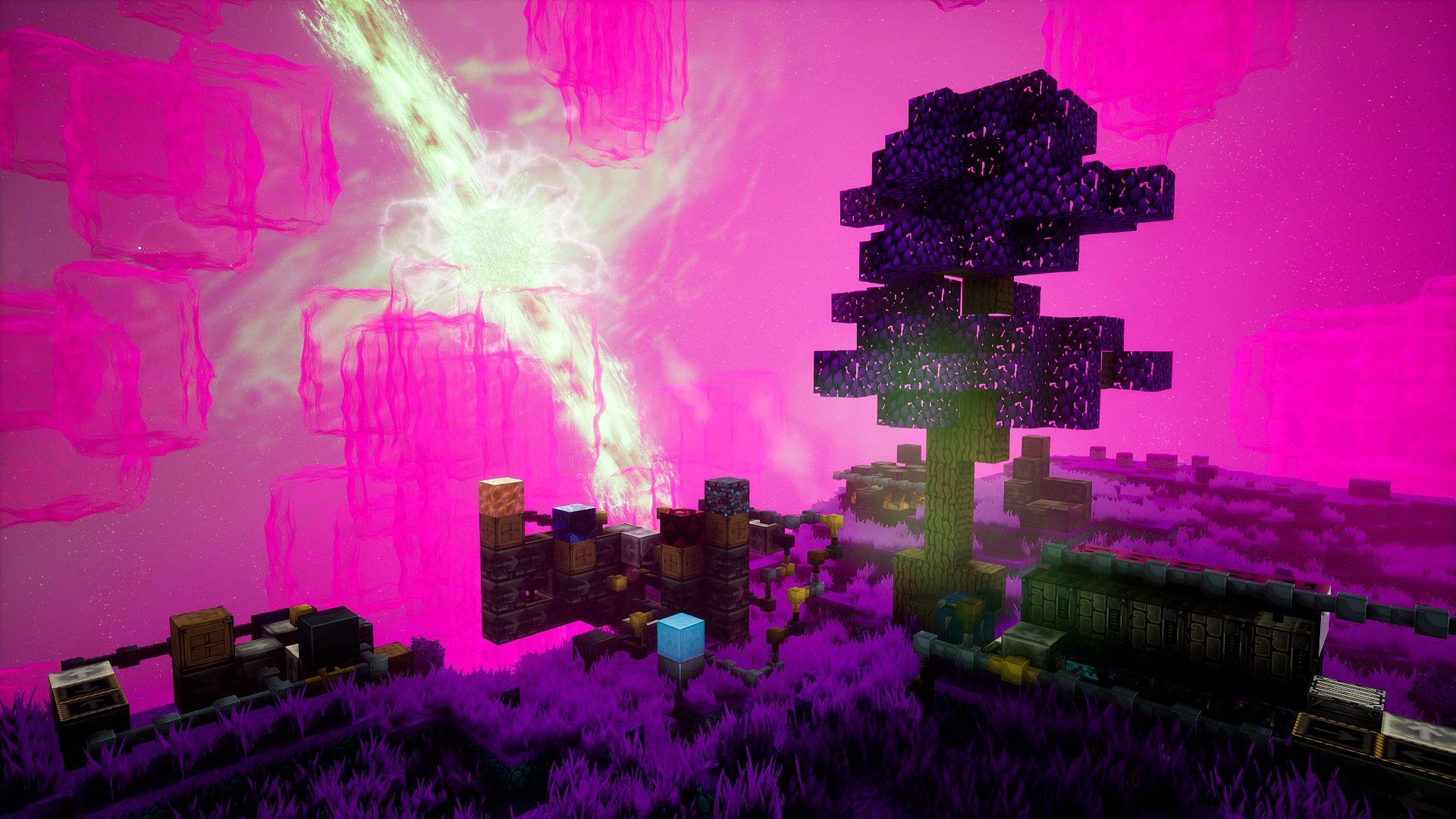
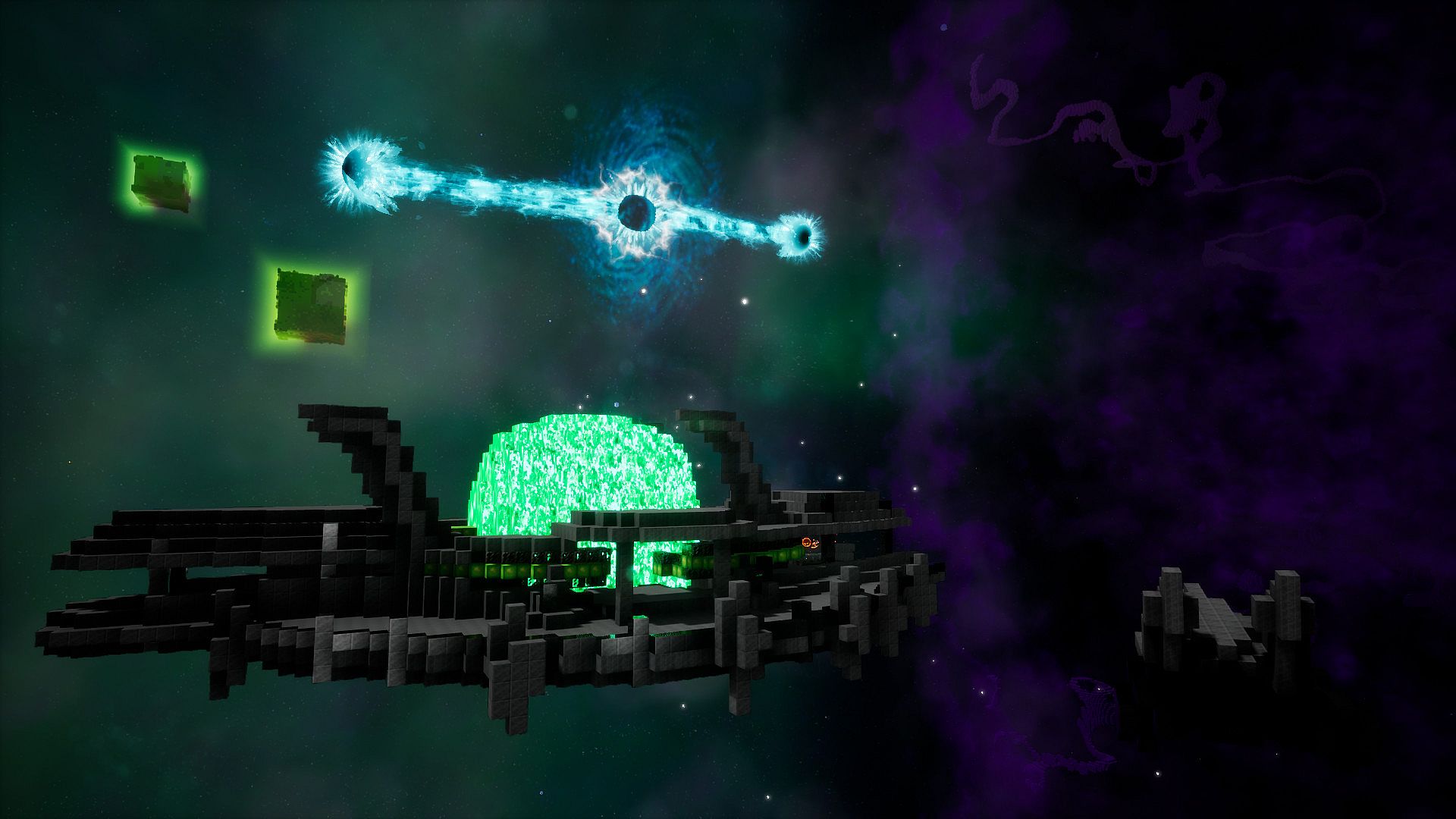
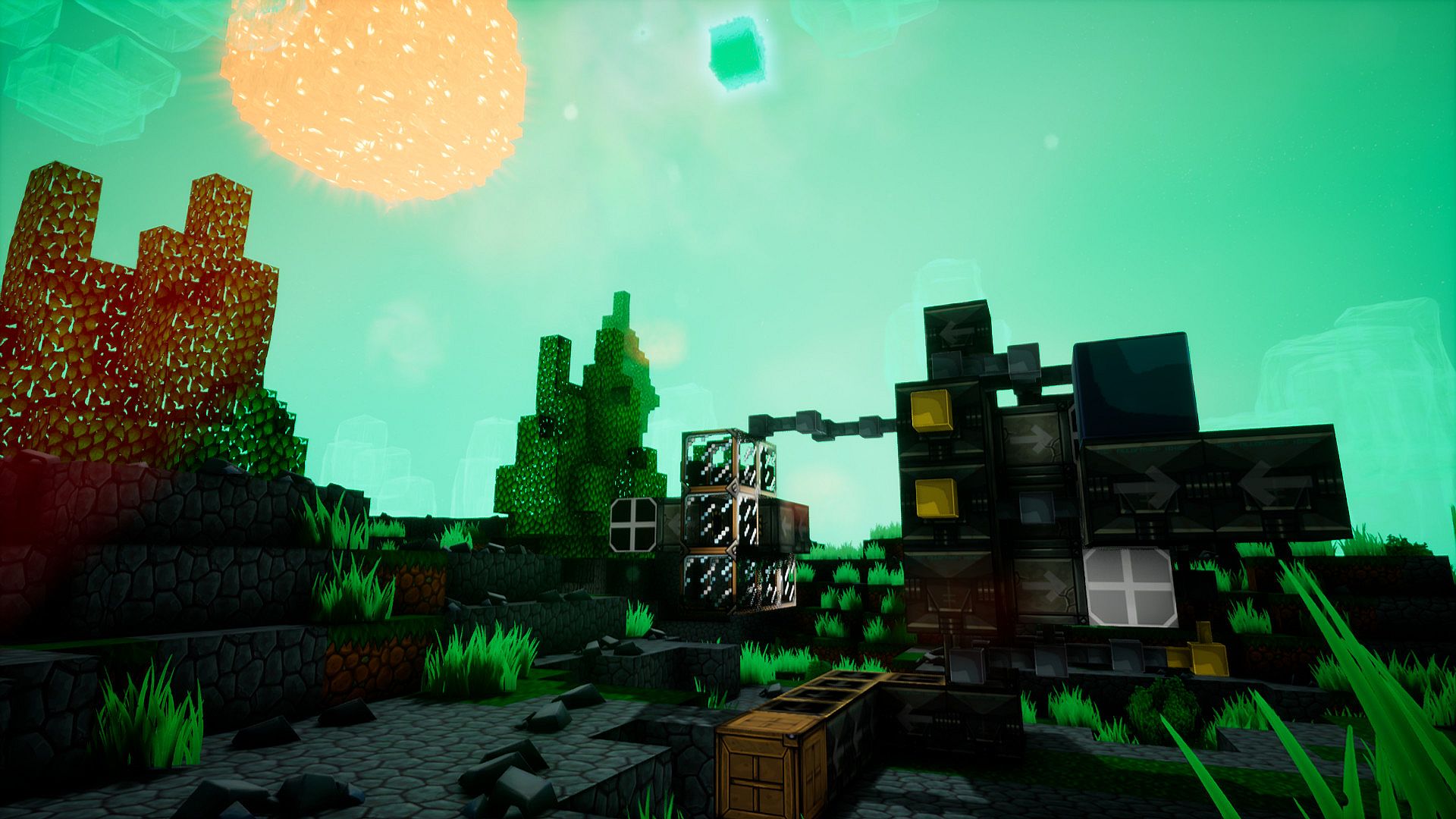
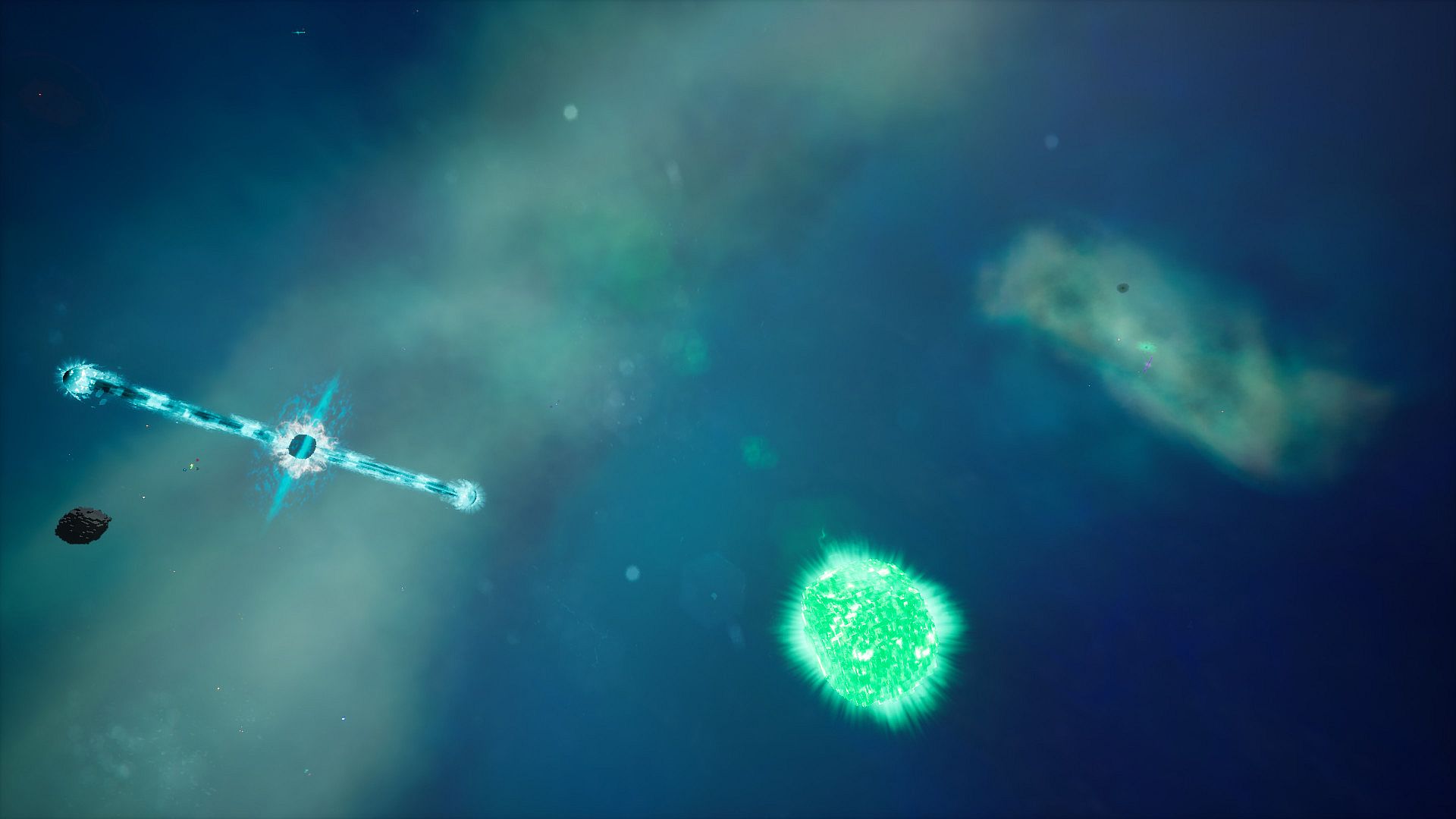
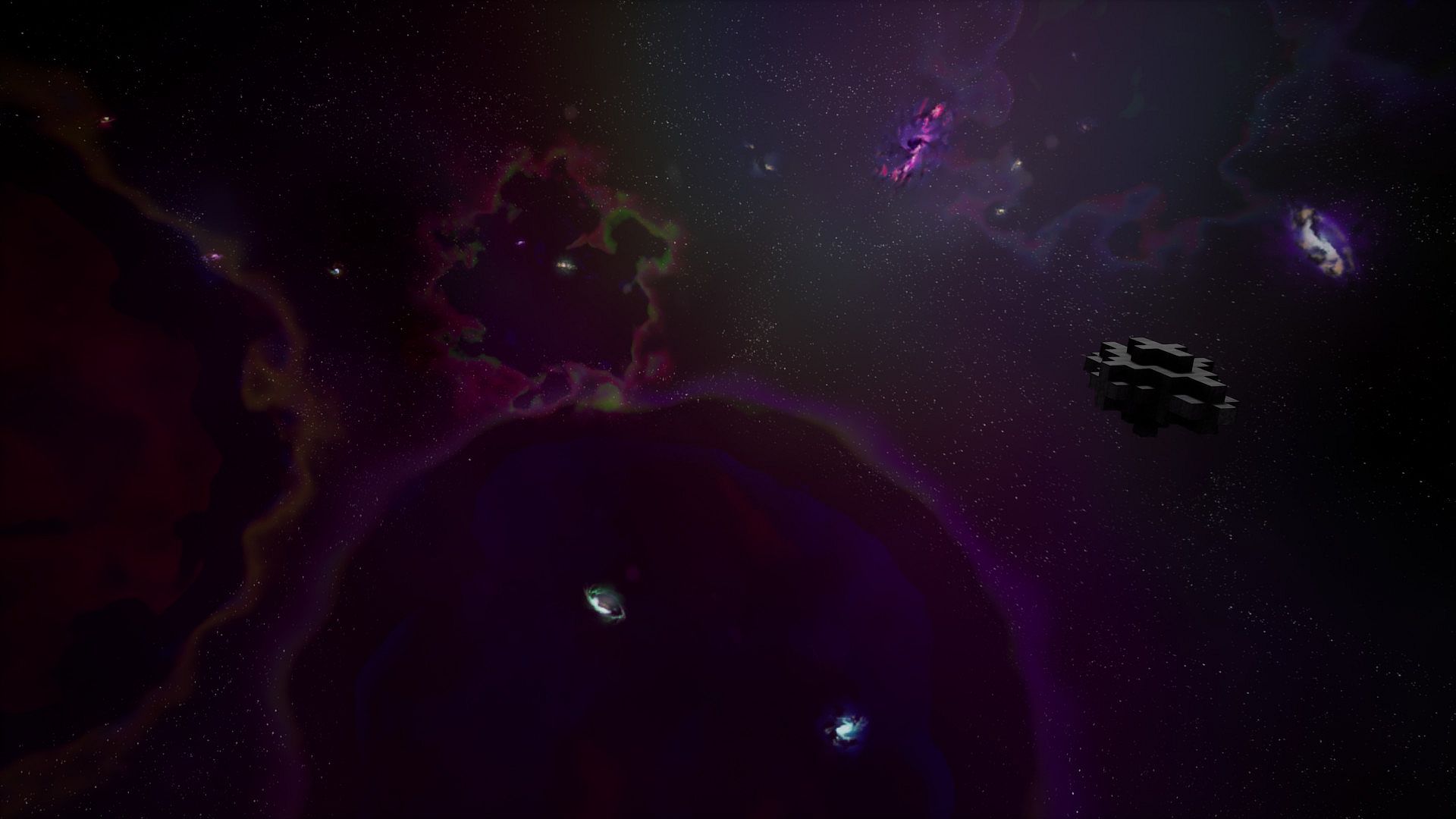
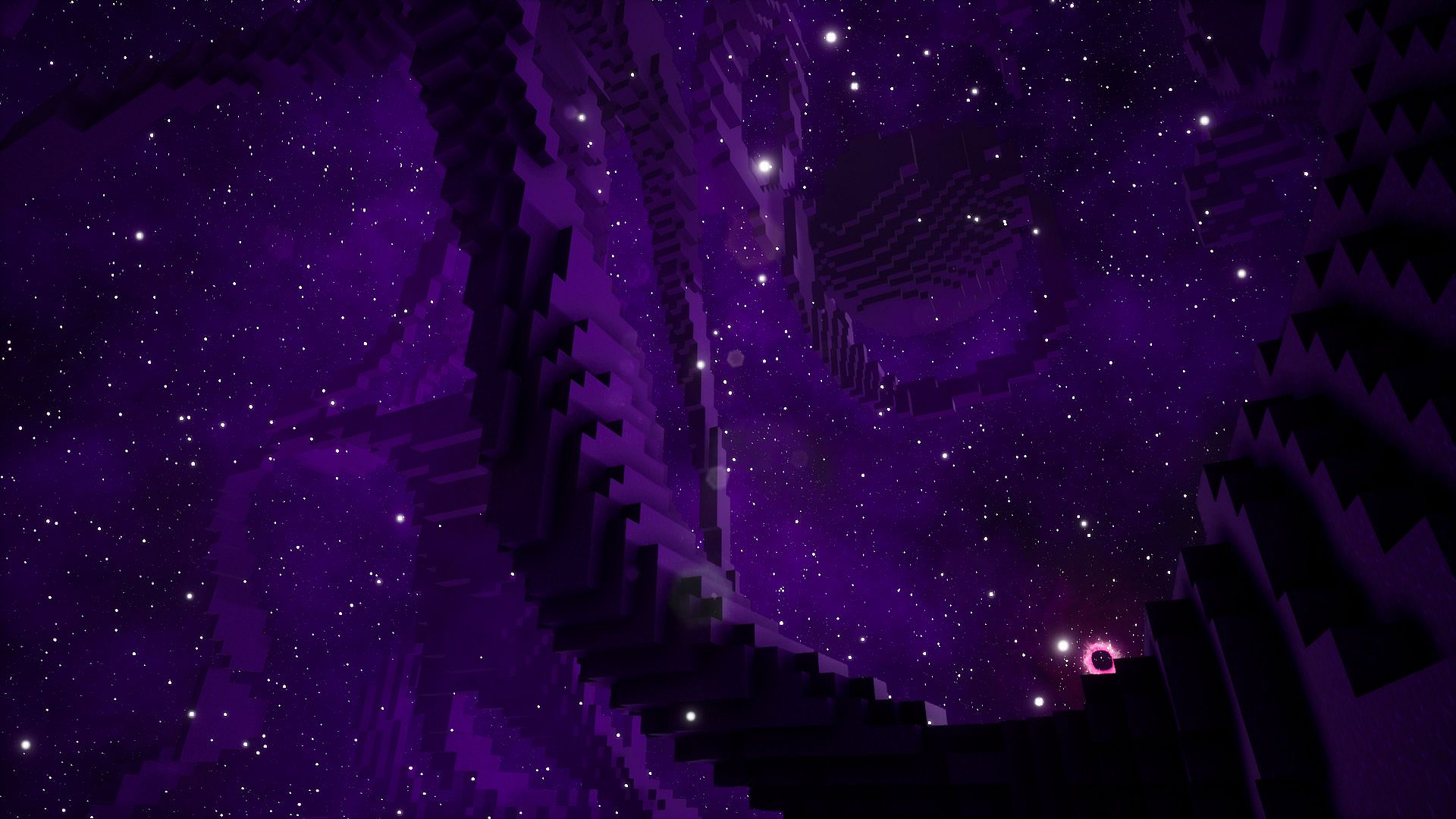
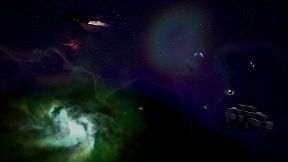
The core loop centers on exploration, resource gathering, and technological progression across cubic planets and space environments. Players mine materials on surfaces and in caves, hunt creatures, and establish bases on procedurally generated worlds. Automation forms the heart of advancement, with systems for logic, transportation, and spawning that allow creation of custom machines and farms. These handle production, defense, and combat tasks once set up. Technology unlocks improve equipment and enable space travel between star systems featuring galaxy clusters, galaxies, neutron stars, gas planets, and similar landmarks. Cosmic events occur during the questline, adding variety to exploration in these unique sites. Combat involves direct engagement with titans using built weapons or automated setups, such as firing projectiles or deploying specialized defenses tailored to each boss.
Progress follows a structured questline that introduces mechanics step by step. Early stages focus on basics like resource collection and simple automation. Later stages emphasize larger-scale machines, titan confrontations, and deeper space travel. The game supports both automated and non-automated approaches to the same objectives, letting players choose their preferred pace and complexity.
Game Modes
Outerverse offers two primary scenarios that alter the approach to crafting and production. The standard automation scenario uses logic gates, wires, and machine systems to create factories, farms, and weapons. Players design original contraptions or apply pre-built schematics for efficiency in gathering resources and handling repetitive tasks. The alternative manual scenario removes all machines, farms, logic, and wiring elements. It replaces automation with direct crafting methods while preserving the same questline, exploration, and titan encounters. This option suits players who prefer hands-on resource processing without automation layers. Both scenarios operate within the same universe and quest structure, differing only in production style.
Exploration and Progression
Procedural generation creates varied planetary biomes and space fields for discovery. Players travel between locations to uncover landmarks, encounter cosmic events, and gather new resources that fuel further upgrades. The questline integrates these elements by directing players toward specific sites and objectives, from initial planet settlement to advanced interstellar travel. Titan encounters serve as major milestones, each requiring unique strategies such as targeted projectile use or constructed defenses. Character abilities and additional locations become available through updates that expand the quest content and exploration options.
Is It Worth Playing?
Outerverse appeals to players who enjoy crafting, automation, and open-ended progression in a space setting. The dual scenarios accommodate different preferences for machine-based systems or manual methods. Reviews on the platform show mixed reception, with 51 percent positive from over one hundred submissions, citing solid concepts alongside occasional bugs that receive ongoing fixes. The game receives continued support through updates that add quests, locations, and abilities. Those drawn to single-player experiences combining exploration, boss fights against titans, and technology advancement will find a focused adventure here. Players less interested in logic puzzles or base management may prefer the manual option to streamline the experience. Availability on PC makes it accessible for those matching this style of gameplay.