













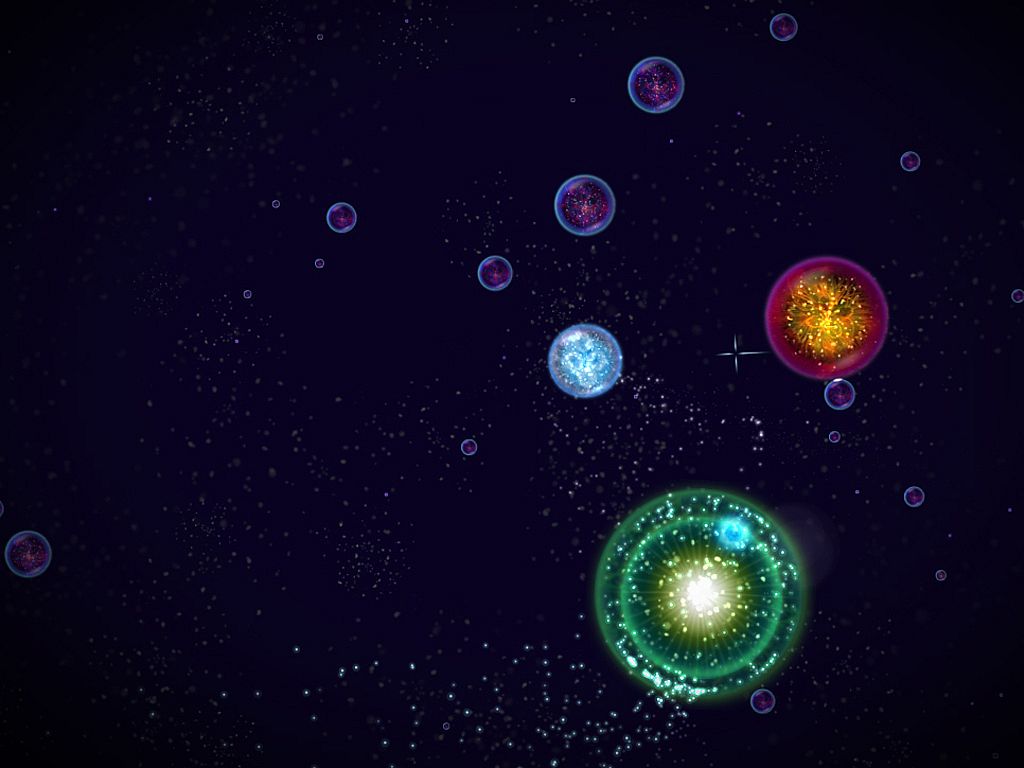







Osmos is an indie puzzle game centered on physics-based mechanics where players control a single mote in serene, abstract environments. The core loop involves growing larger by absorbing smaller motes while using precise propulsion to navigate and avoid threats. Ejecting mass propels the mote forward but reduces its size, creating a constant trade-off between speed and survival. This system rewards patience and careful planning over aggressive movement in most situations.
Gameplay
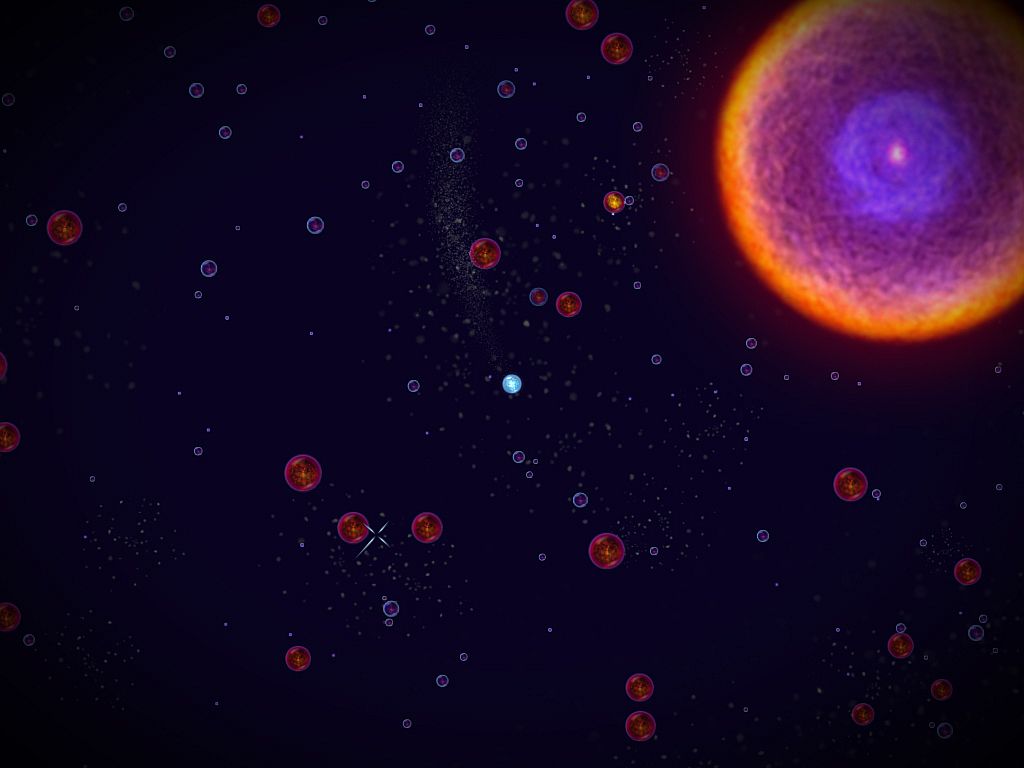
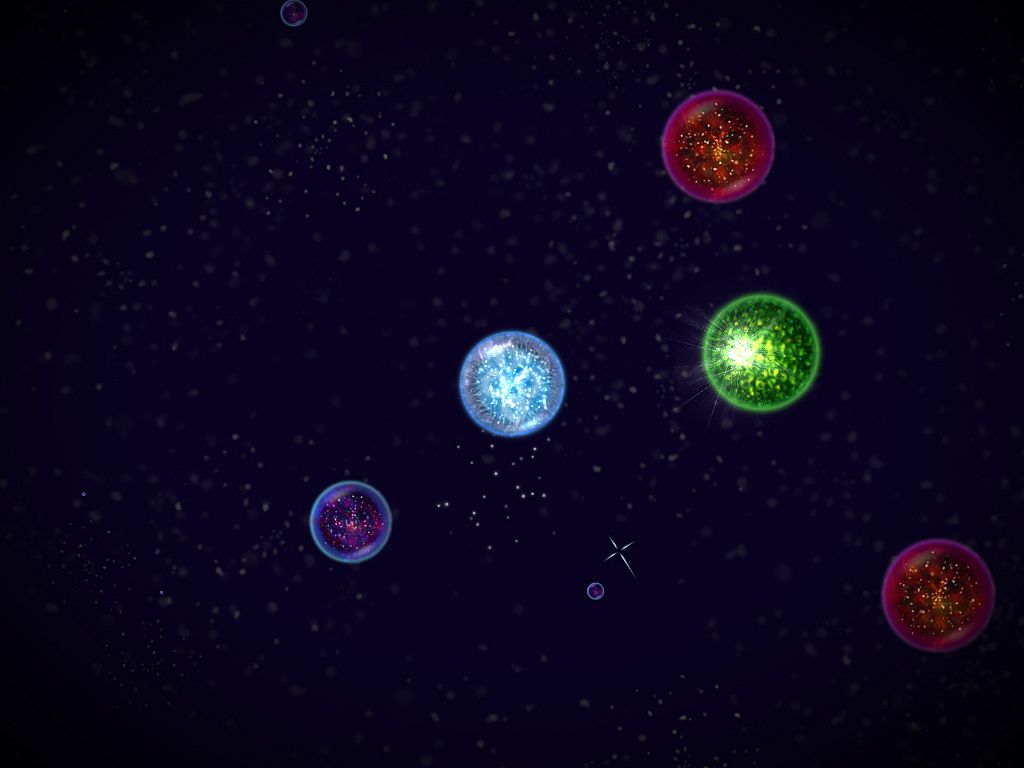
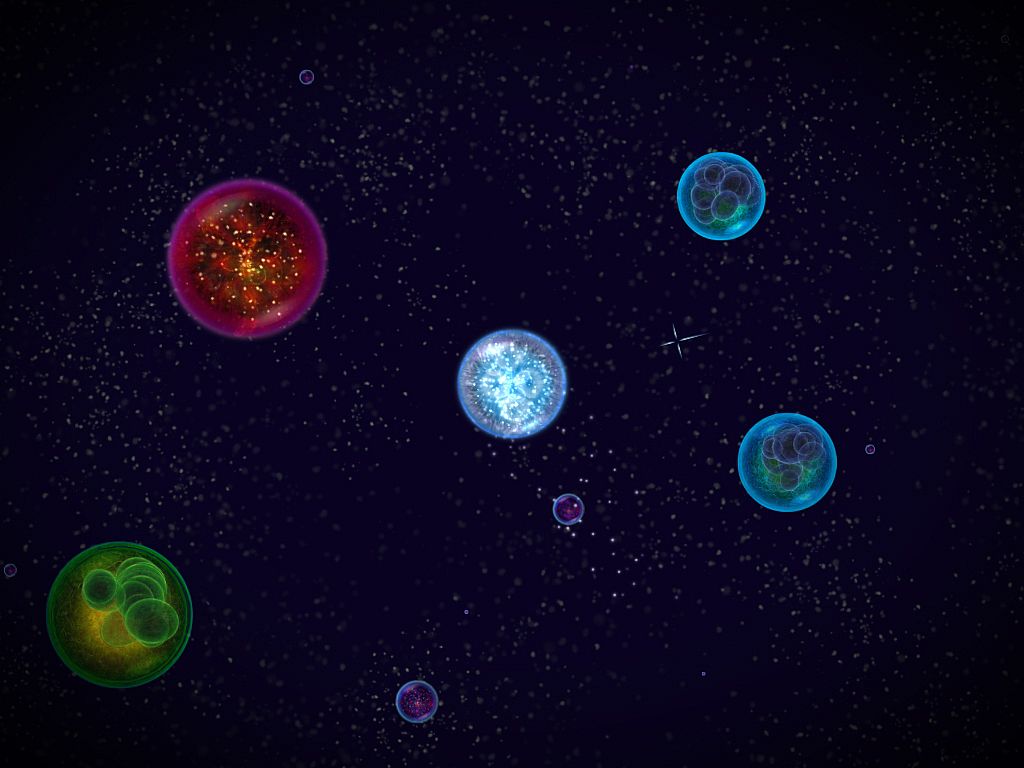
The fundamental interaction relies on momentum conservation. Colliding with smaller motes increases size and mass, while contact with larger ones ends the attempt. Players adjust trajectory by expelling matter in the opposite direction, which demands foresight because each ejection shrinks the mote and alters its path. Levels feature dreamlike visuals with floating particles and smooth animations that emphasize the ambient atmosphere.
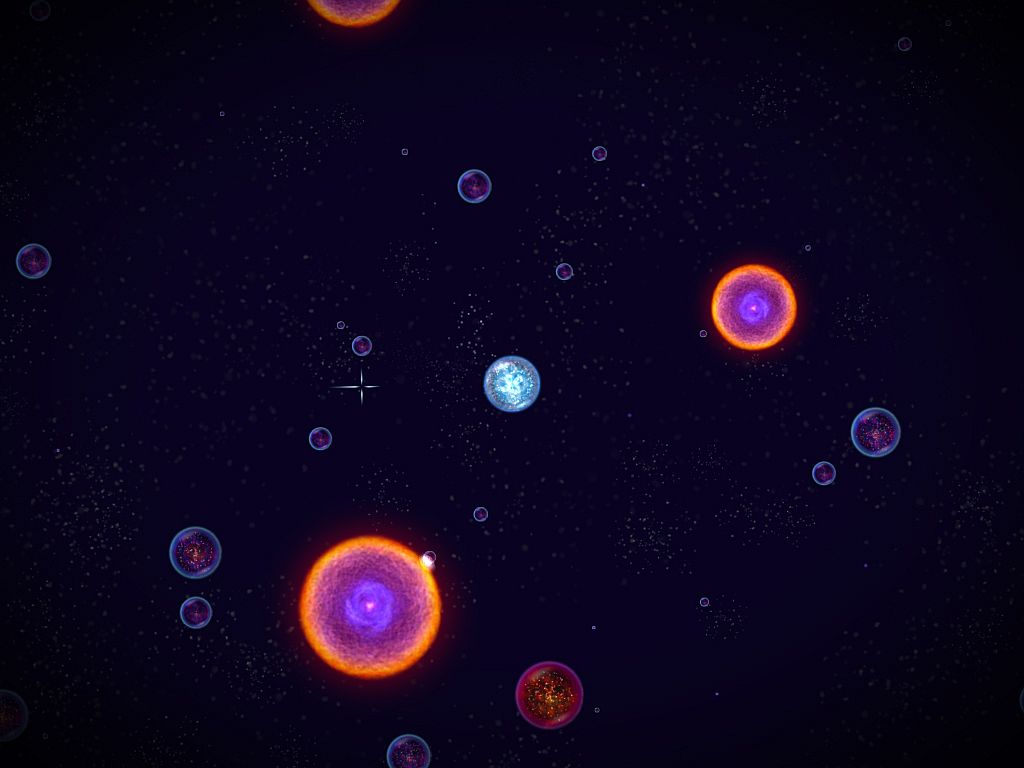
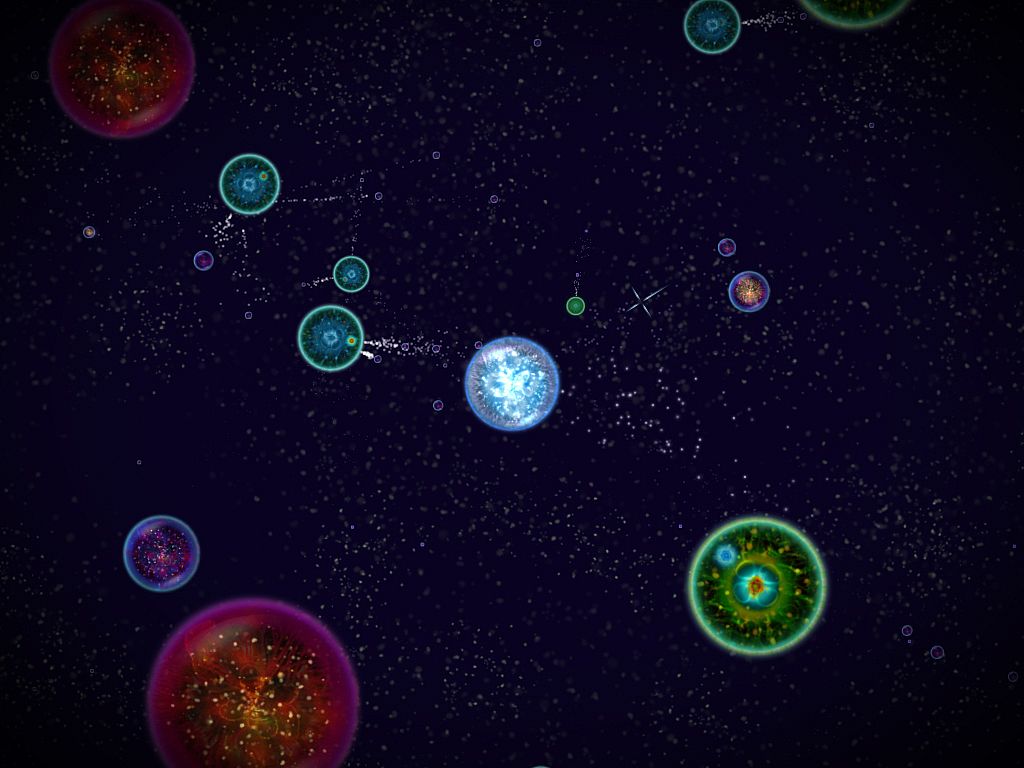
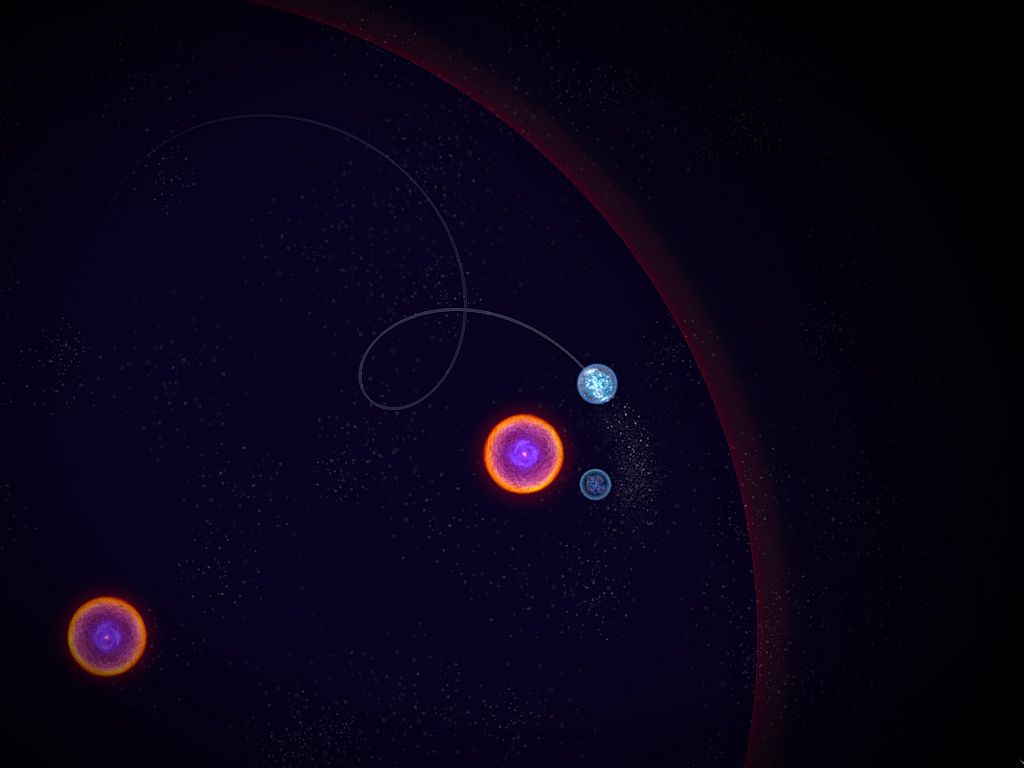
Progression introduces environmental hazards and interactive elements. Attractors exert gravitational pull that influences movement, requiring players to account for orbital paths and conserve mass during maneuvers. Repulsors push motes away, adding layers of complexity to positioning. Intelligent motes in certain areas actively pursue others, forcing defensive strategies and selective absorption to gain an advantage before engaging threats.
Time manipulation serves as a key tool. Slowing the flow of time allows precise adjustments against fast-moving opponents, while accelerating it heightens the challenge in less demanding sections. Random procedural versions of levels extend replayability beyond the fixed set of challenges.
Game Modes
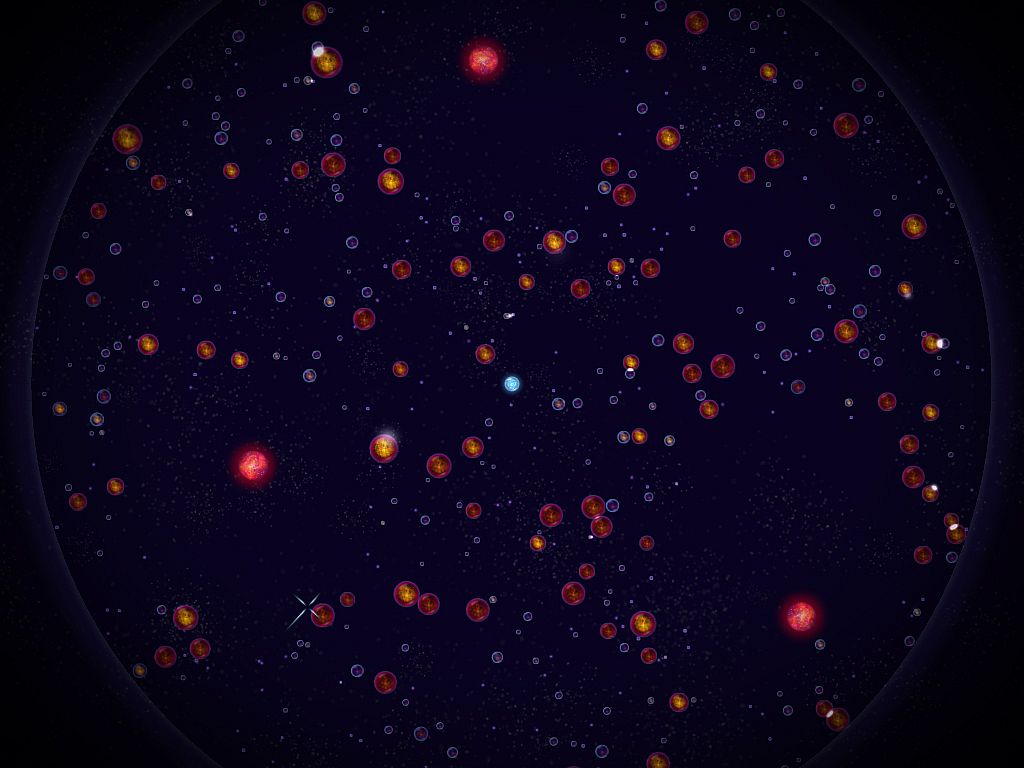
Single-player content spans multiple level types that vary in rules and objectives. Ambient levels focus on passive absorption in open spaces filled with inactive motes. Sentient levels pit the player against active motes that hunt and absorb others. Force-based levels incorporate attractors and repulsors that demand mastery of physics interactions.
Additional variations include antimatter motes that shrink anything they touch regardless of size, densely packed impasse areas that limit movement, warped chaos with erratic behaviors, solar setups with central gravitational bodies, and epicycles involving orbiting attractors. These types build from relaxed exploration to demanding precision puzzles across the full campaign.
Arcade mode generates randomized instances of any level for endless sessions. Multiplayer supports competitive matches in dedicated arenas, playable locally via bluetooth or online against others.
Level Design and Progression
The campaign structures 72 levels into eight distinct categories that gradually layer mechanics. Early stages emphasize basic absorption and propulsion in calm settings. Later stages combine multiple elements such as intelligent opponents alongside attractors, creating interconnected challenges that test accumulated skills.
Bonus content and procedural randomization prevent repetition. Each level type maintains a consistent visual and auditory identity while varying layouts and starting conditions. This approach keeps the experience focused on core physics without unnecessary complexity.
Sound and Presentation
A minimalist electronic soundtrack accompanies the visuals, featuring contributions from artists including Loscil, Biosphere, Gas, High Skies, and Julien Neto. Tracks shift subtly with gameplay intensity, supporting the meditative pace without overpowering the focus on mote interactions.
Controls remain straightforward across platforms, relying on intuitive gestures for propulsion, time warping, and zooming. The overall presentation prioritizes clarity and elegance, with color-coded motes indicating relative sizes to aid quick decisions.
Is It Worth Playing?
Osmos suits players seeking a deliberate puzzle experience built around physics and patience rather than reflexes or combat. Its single-player campaign delivers a complete progression from simple absorption tasks to intricate multi-mechanic puzzles, while arcade randomization and multiplayer arenas provide ongoing variety.
Reception has remained consistently positive since release, with praise centered on the unique mechanics, atmospheric presentation, and balanced difficulty curve. The game receives regular availability through major digital stores with no reported interruptions in support for existing versions.
Those who appreciate ambient indie titles with strong emphasis on systems mastery will find substantial value in the full set of levels and modes. The absence of ongoing seasonal content or expansions means the experience stays exactly as designed, appealing to those who prefer a self-contained package over live-service updates.