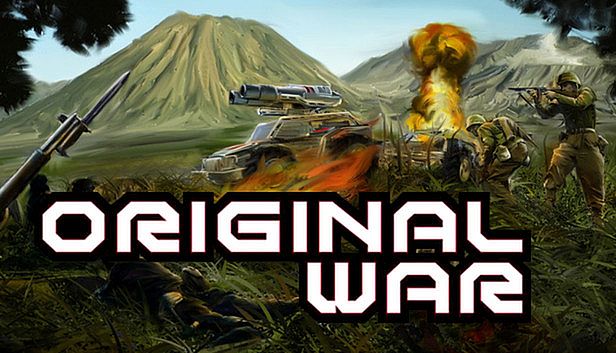














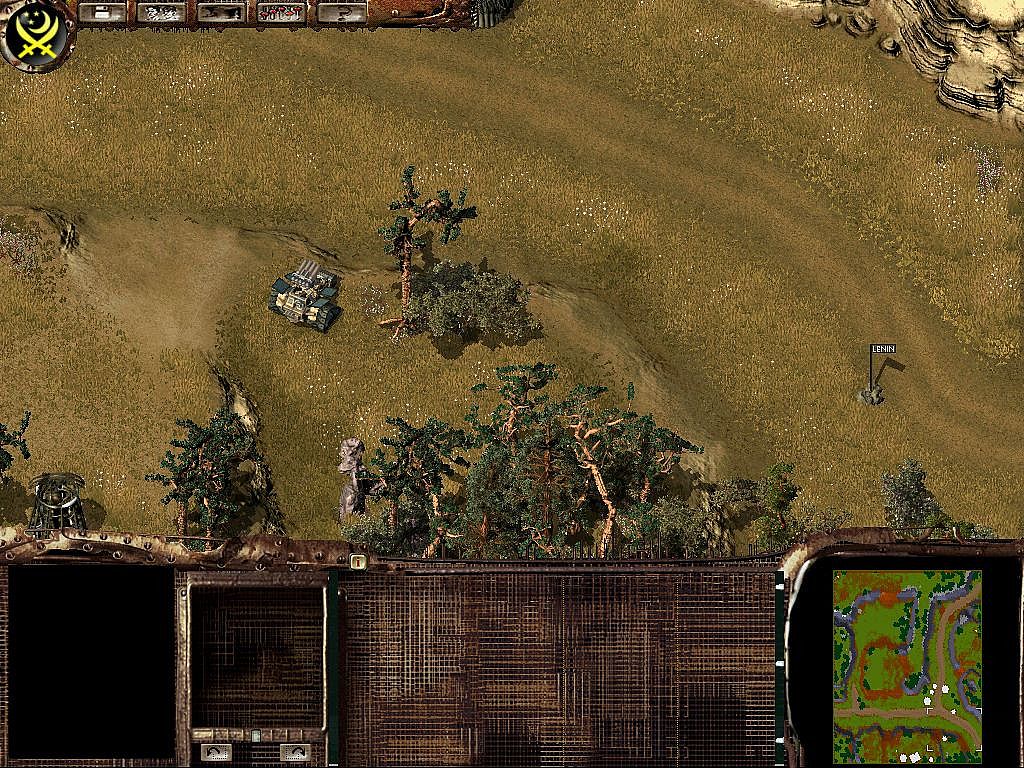
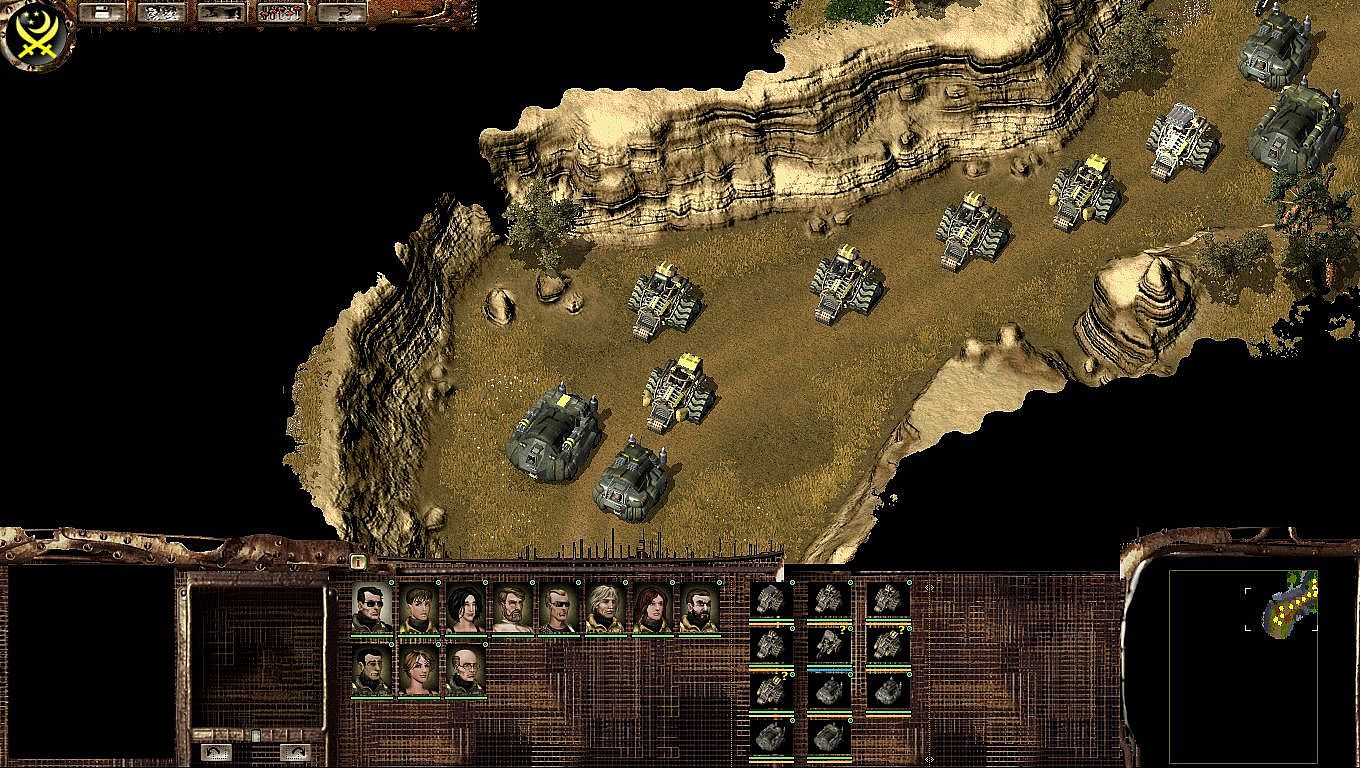
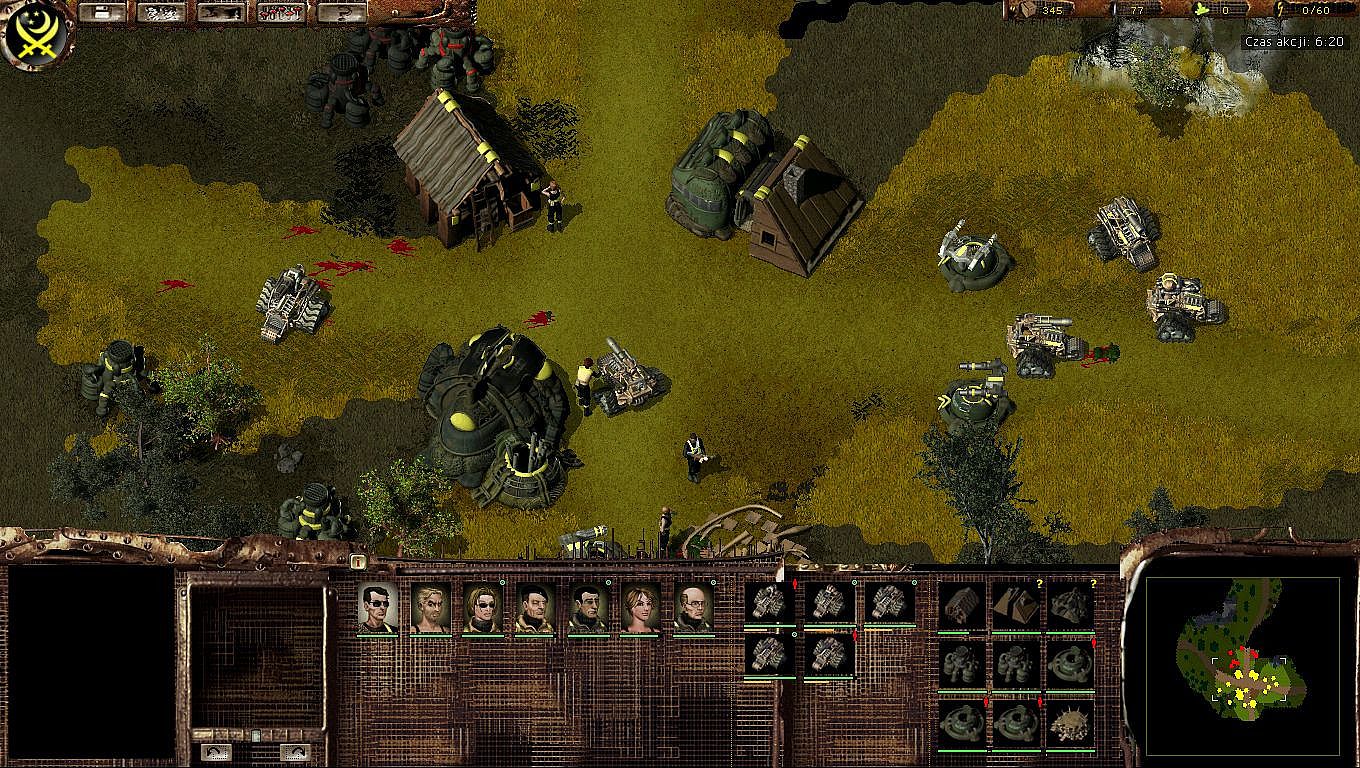
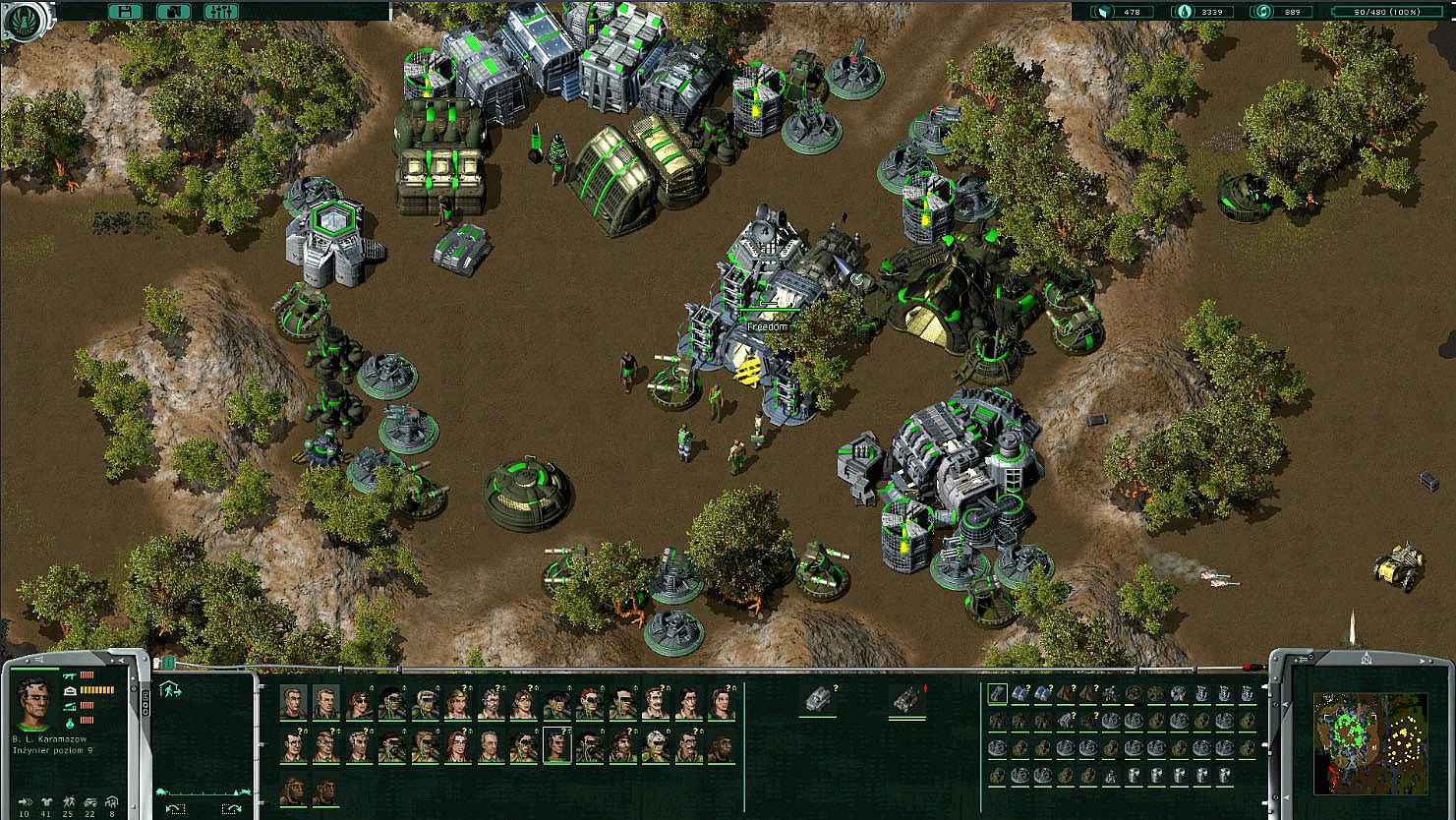
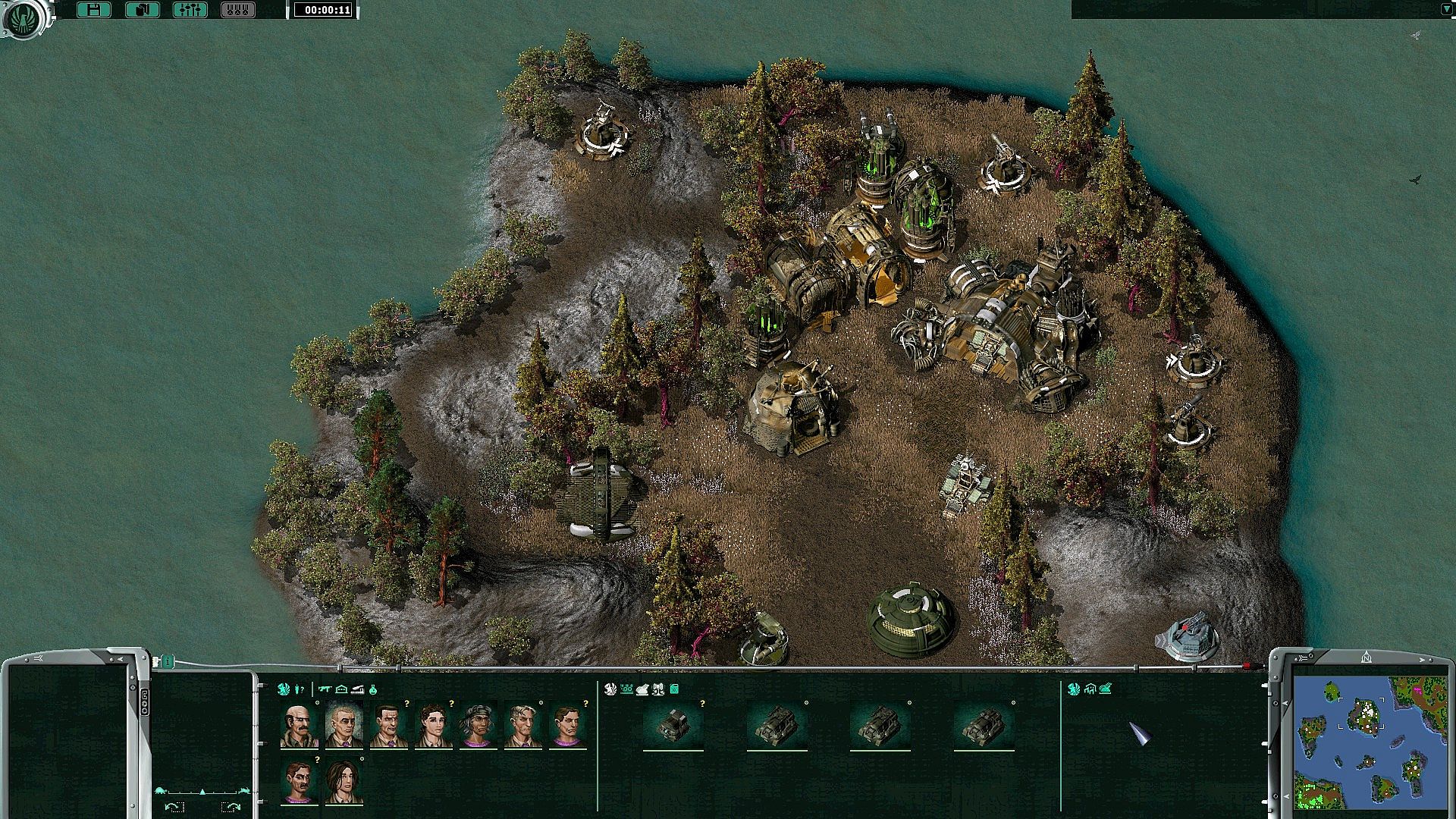
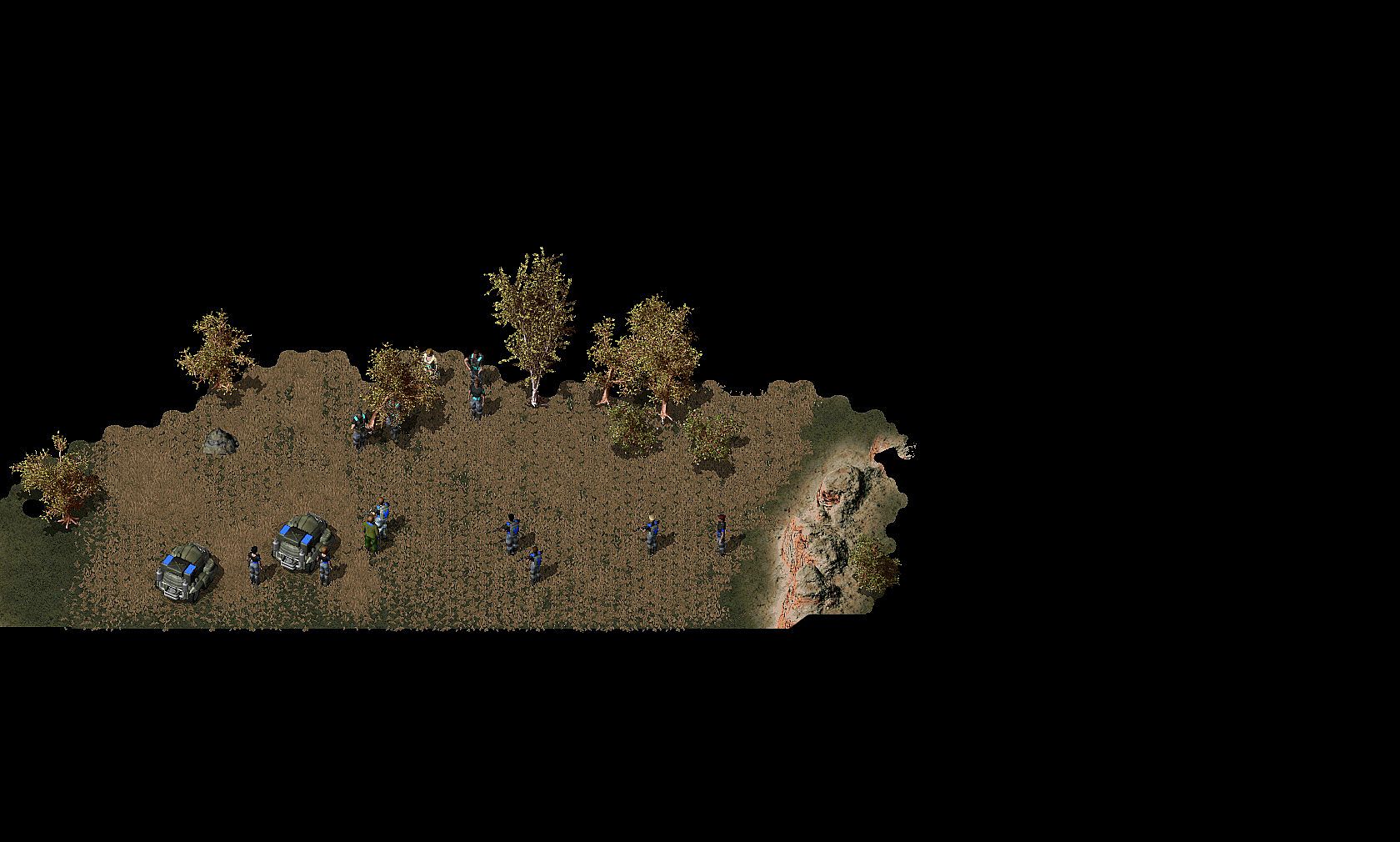
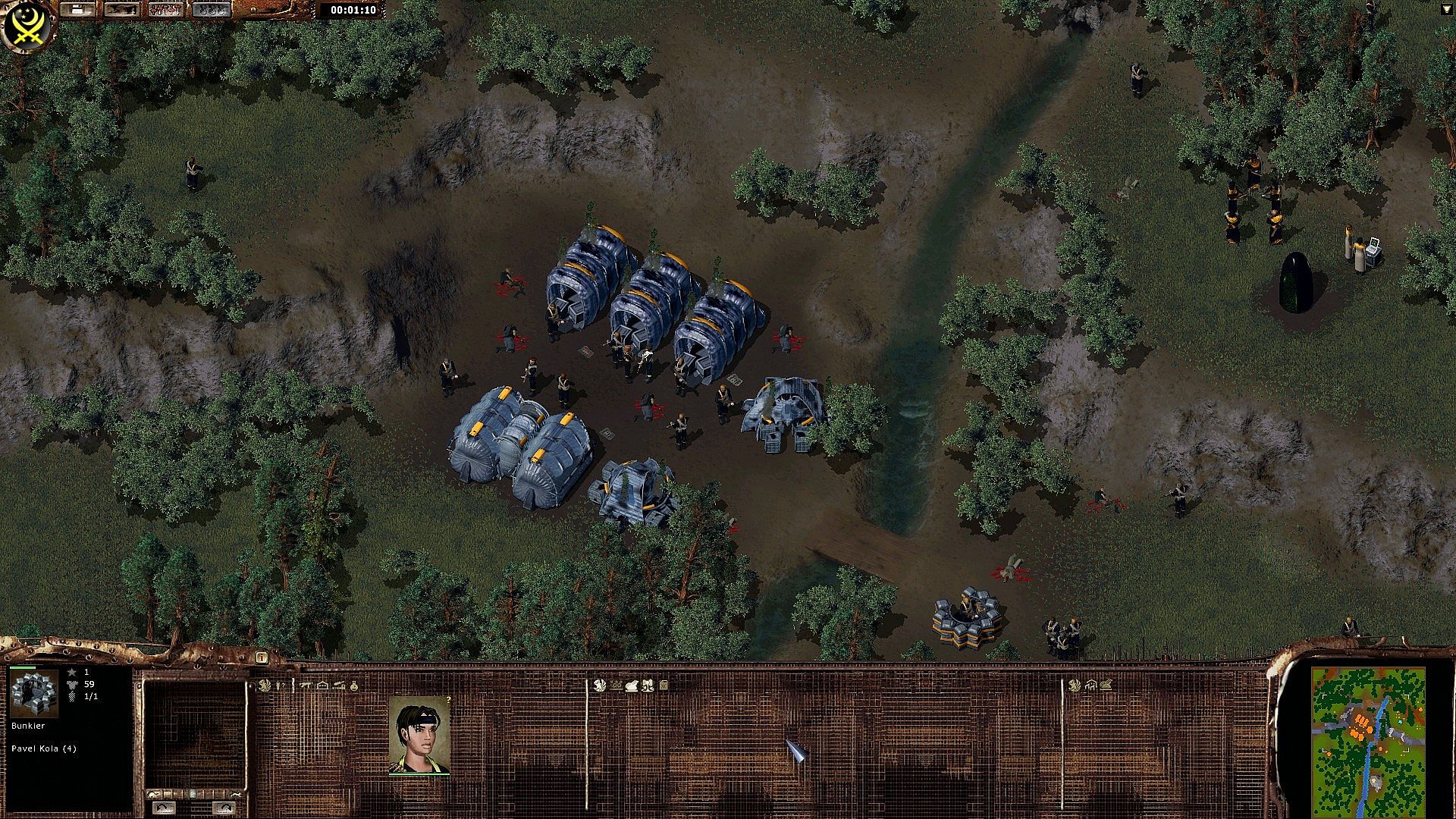
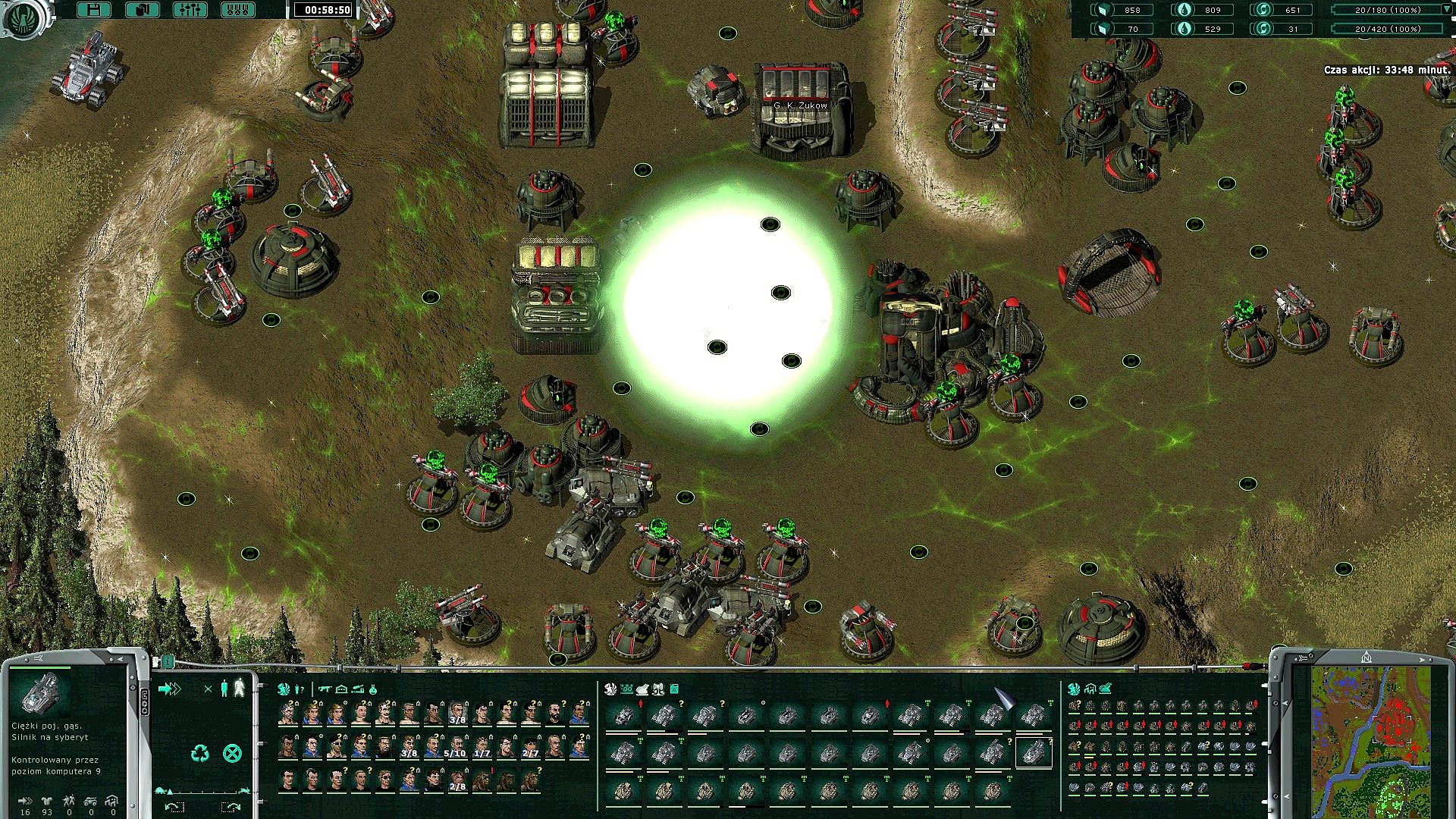
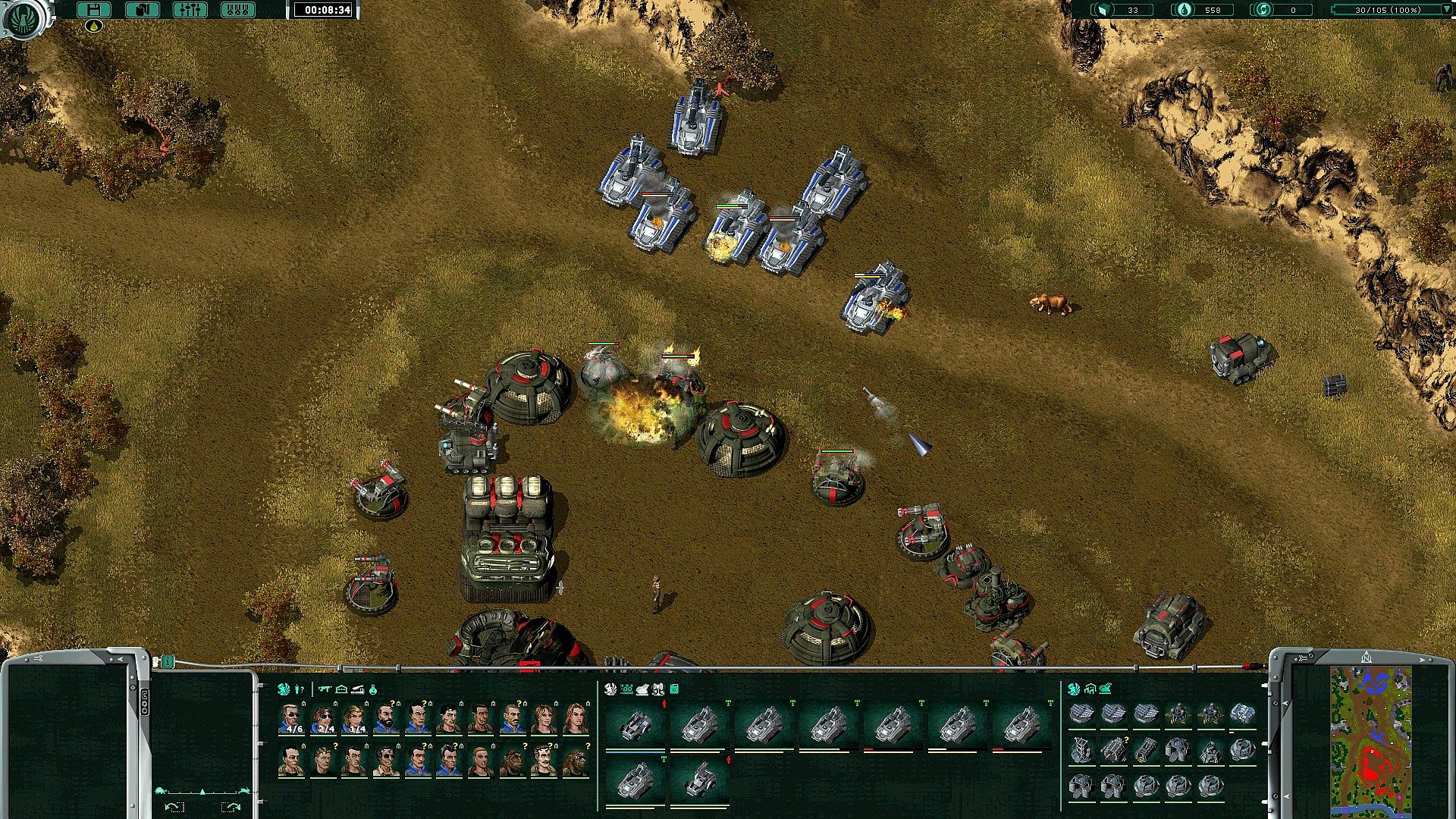
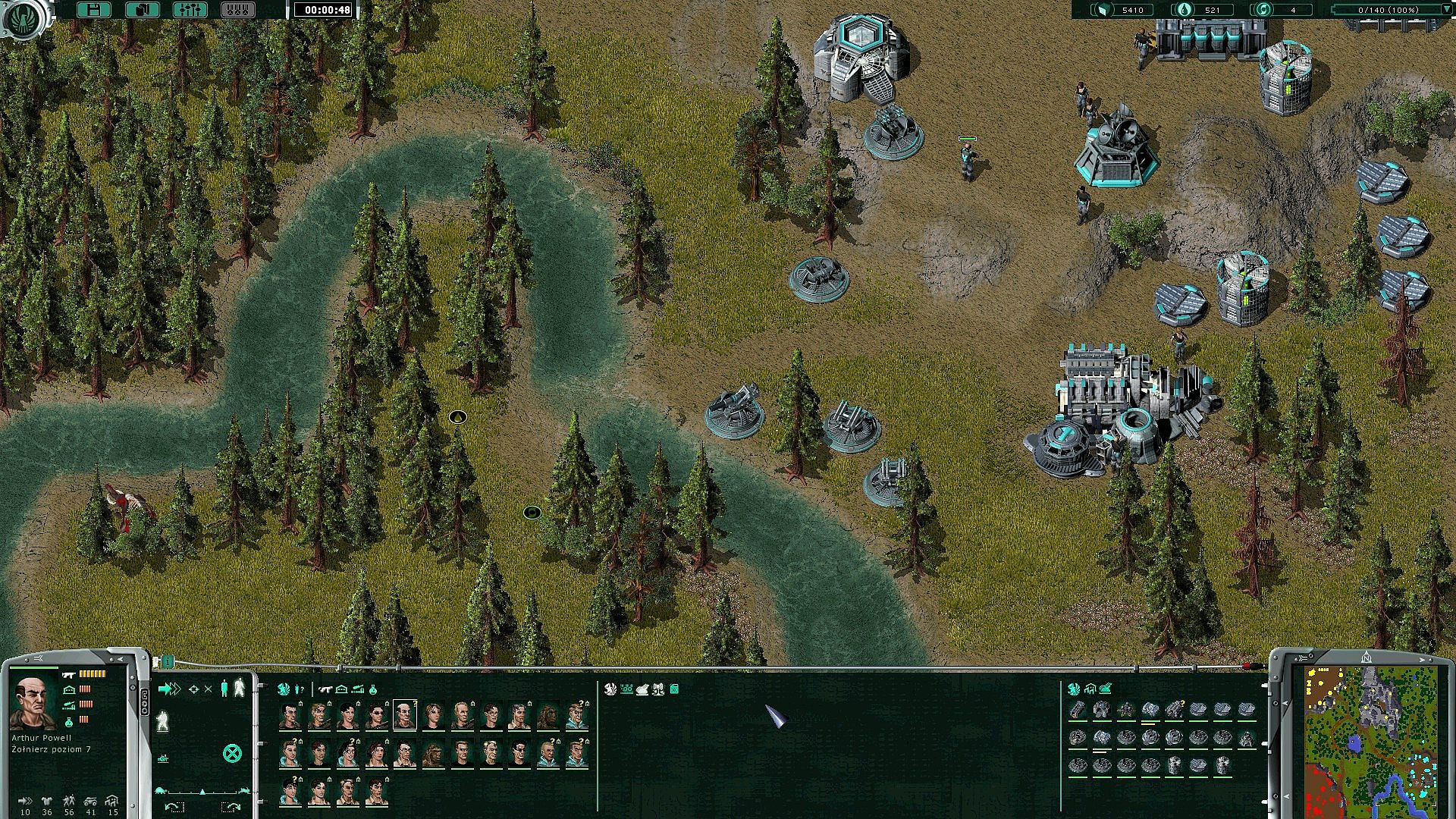
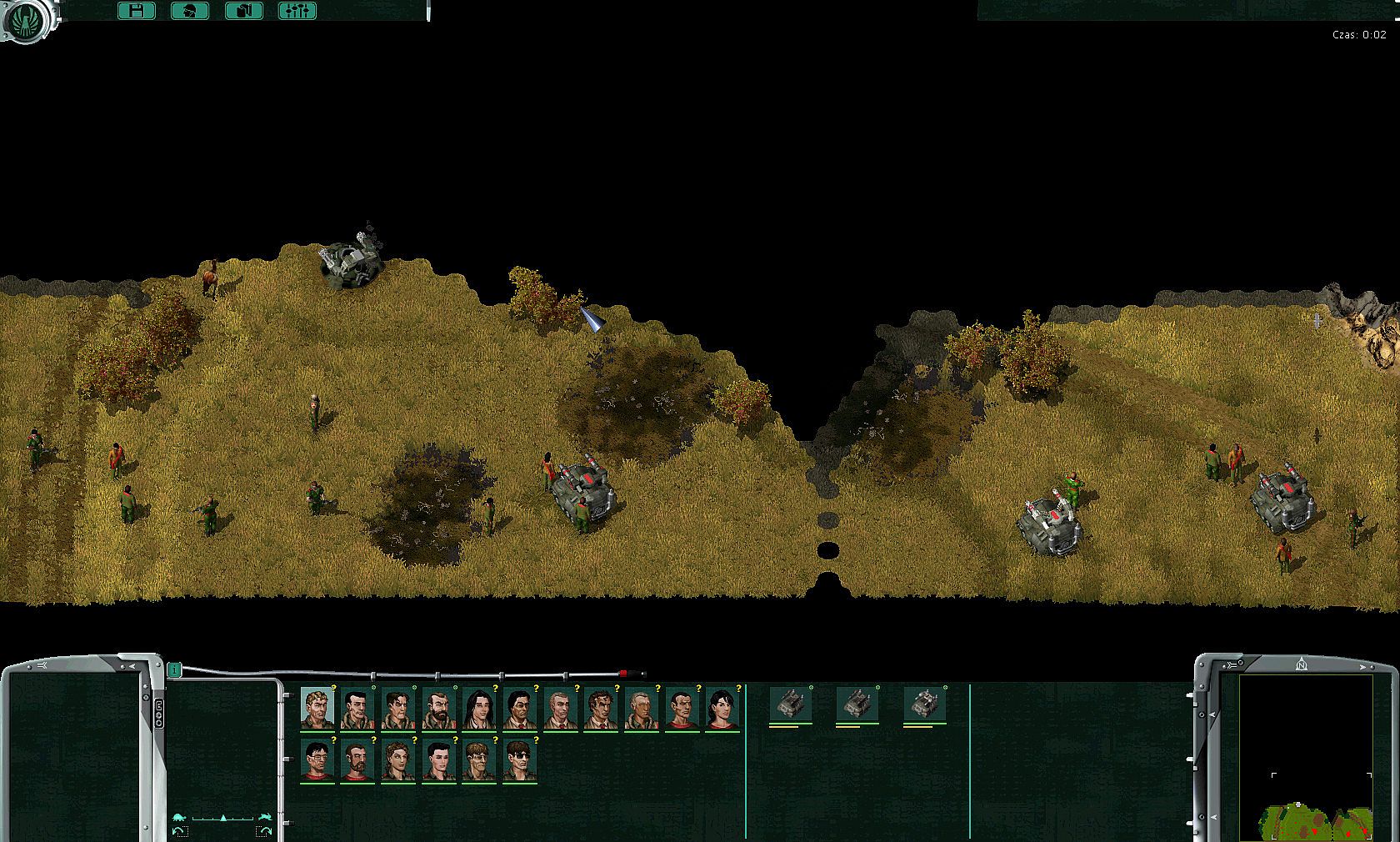
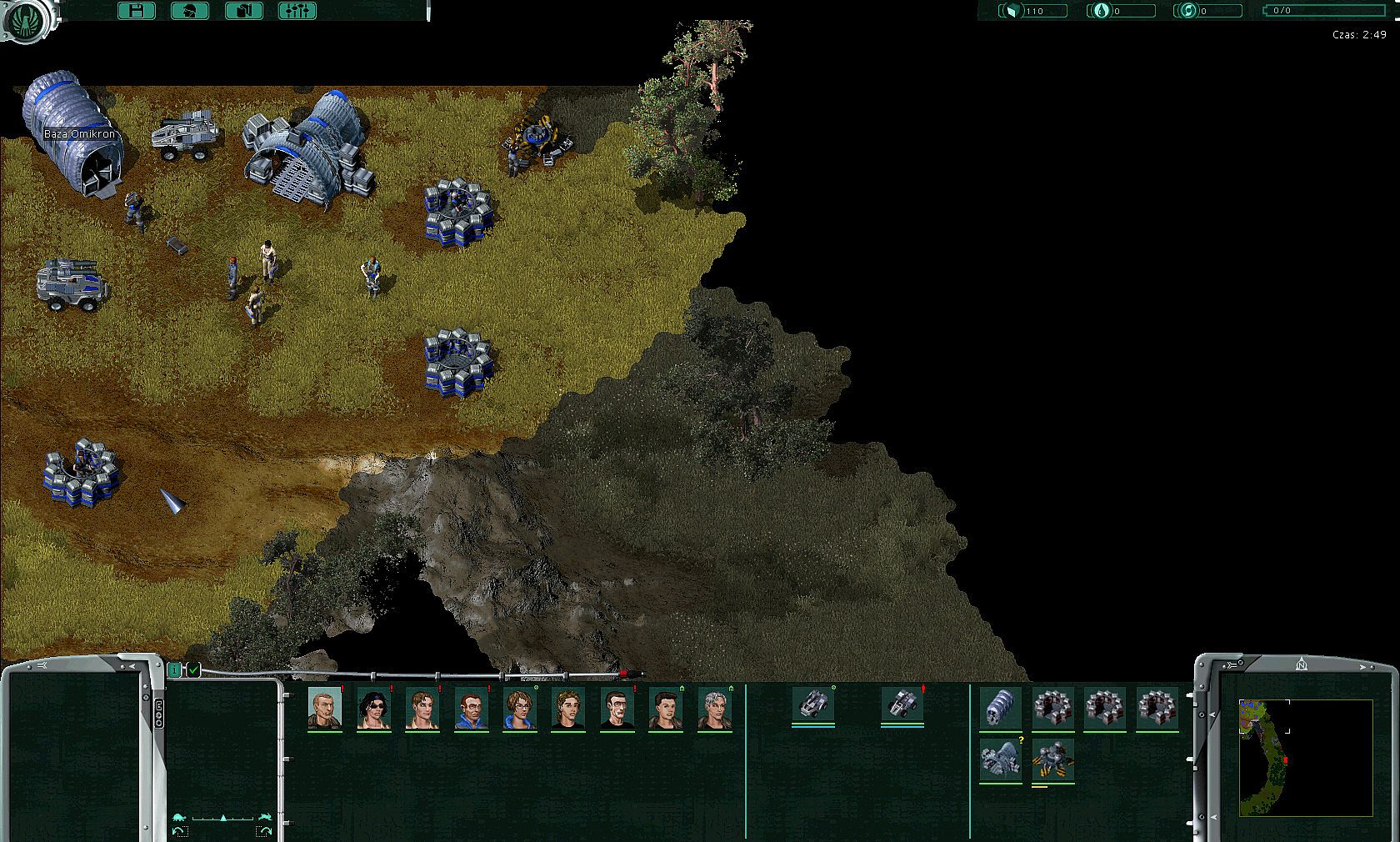
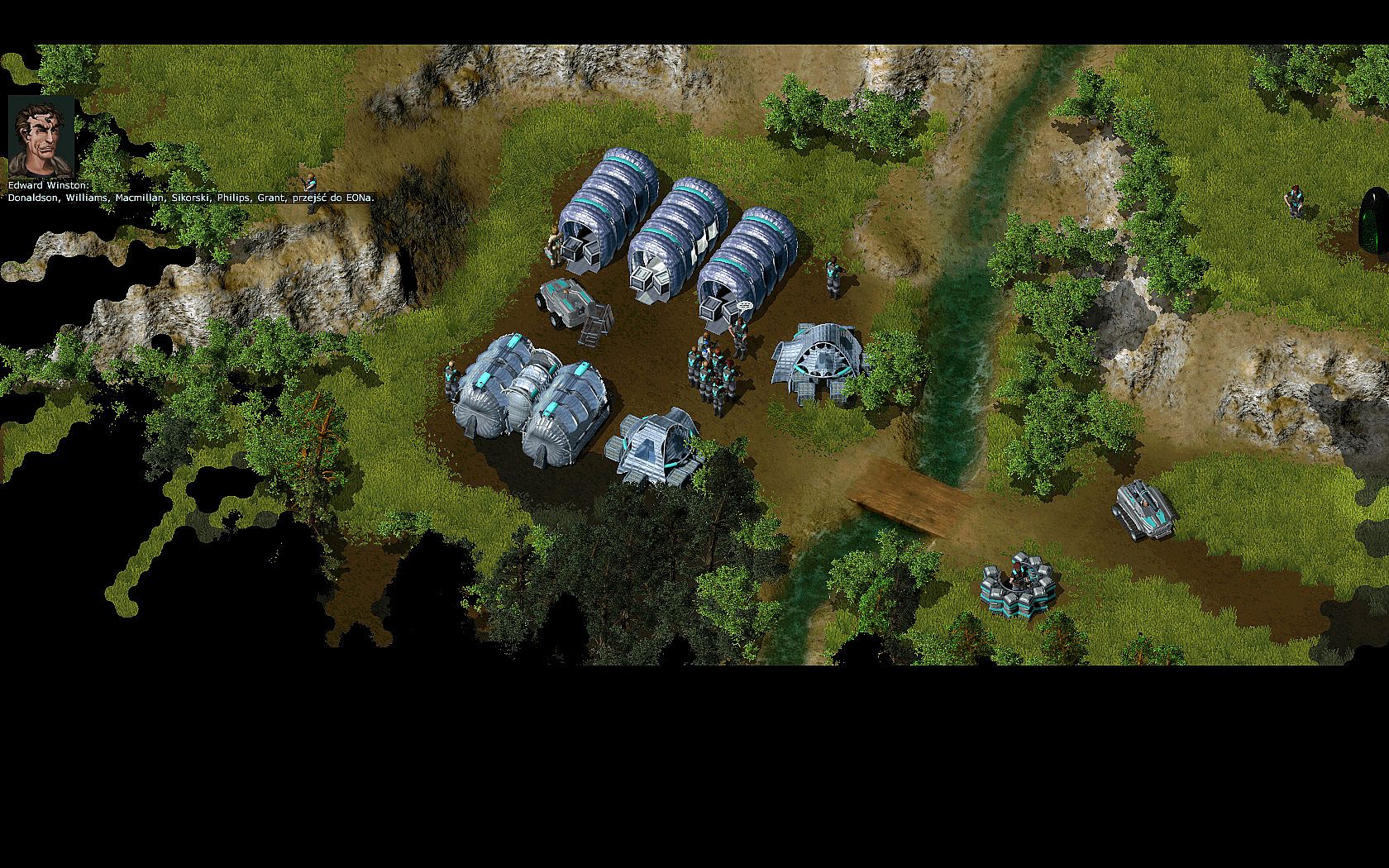
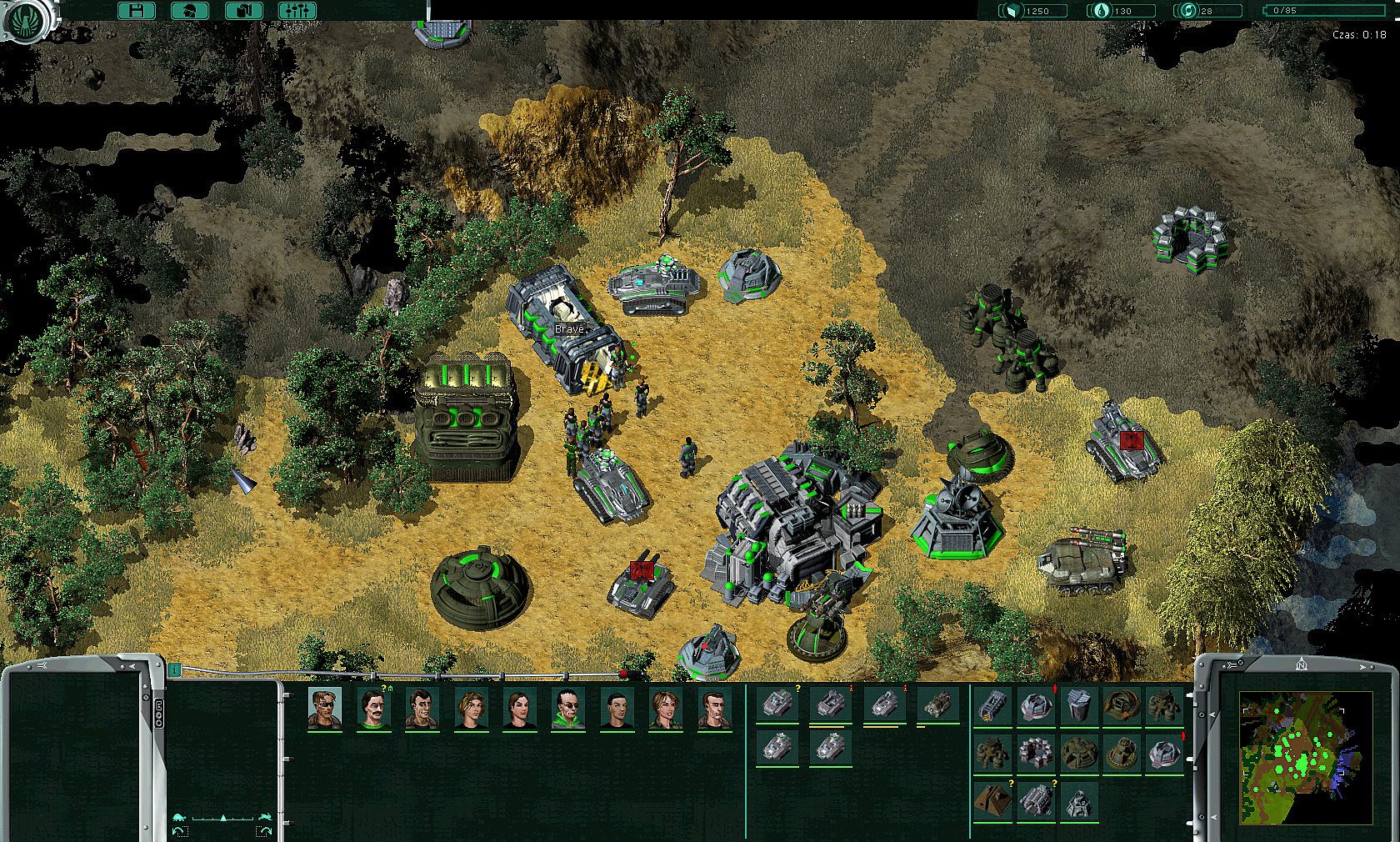
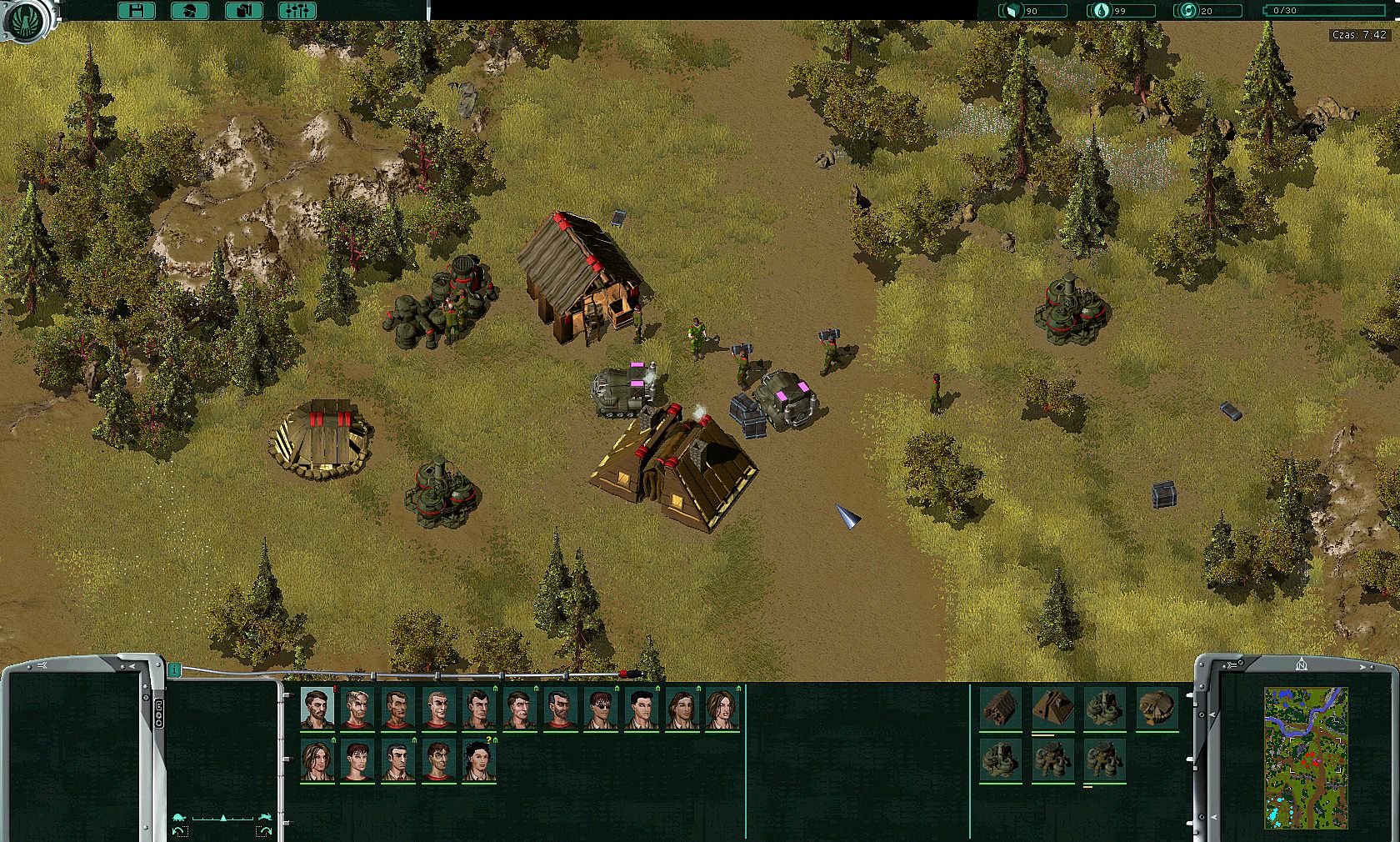
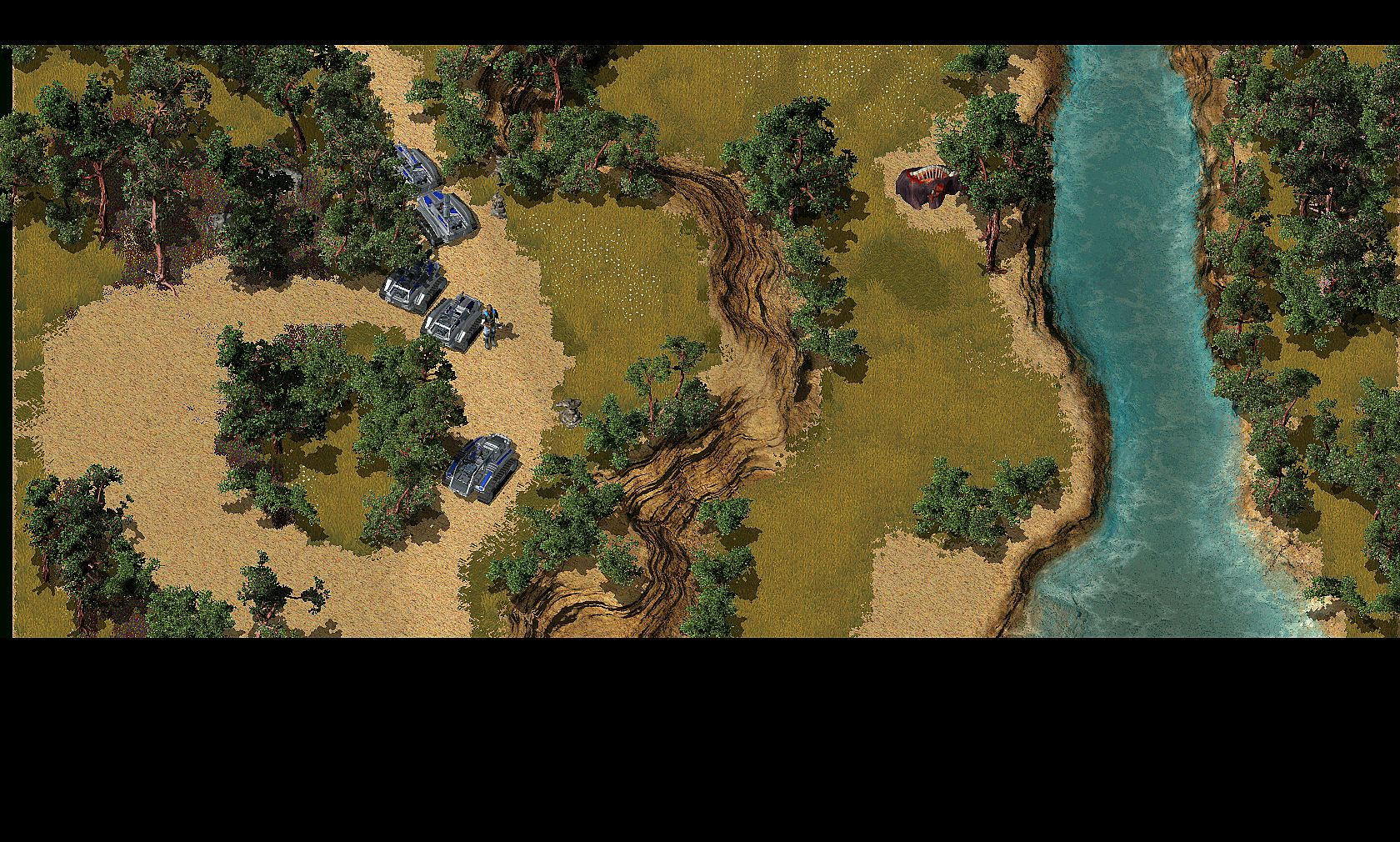
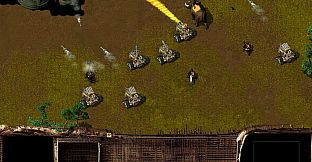
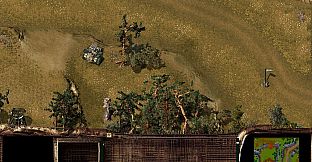
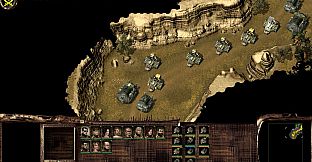
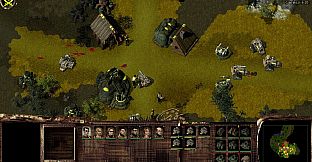
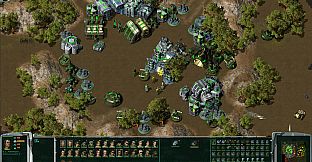
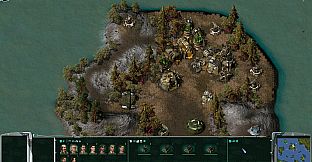
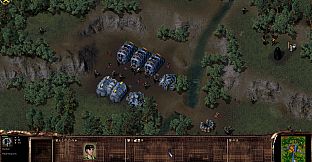
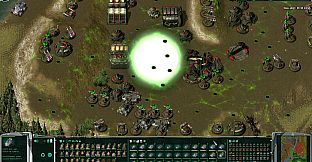
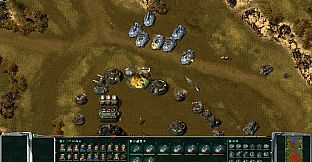
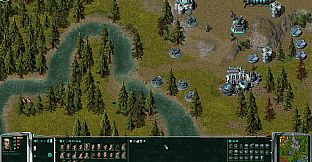
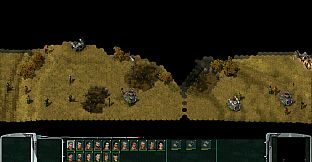
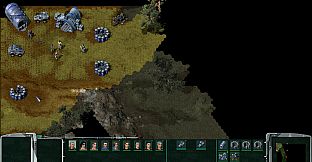
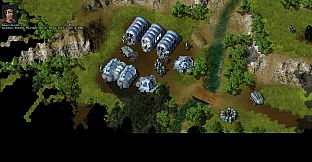
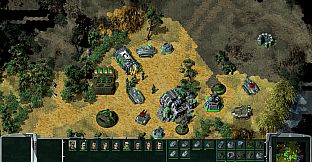
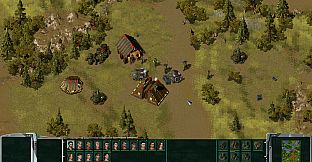

Original War is a real-time strategy game that blends tactical unit management with a distinctive time-travel premise set against the backdrop of Siberian resource conflicts. Released in 2001 for PC, it places players in command of limited forces from American or Russian factions as they navigate expeditions, mineral extraction, and clashes involving an extraterrestrial device capable of sending objects centuries into the past. The core appeal lies in its departure from conventional base-building RTS formulas, emphasizing careful preservation of irreplaceable personnel and vehicles instead.
Gameplay
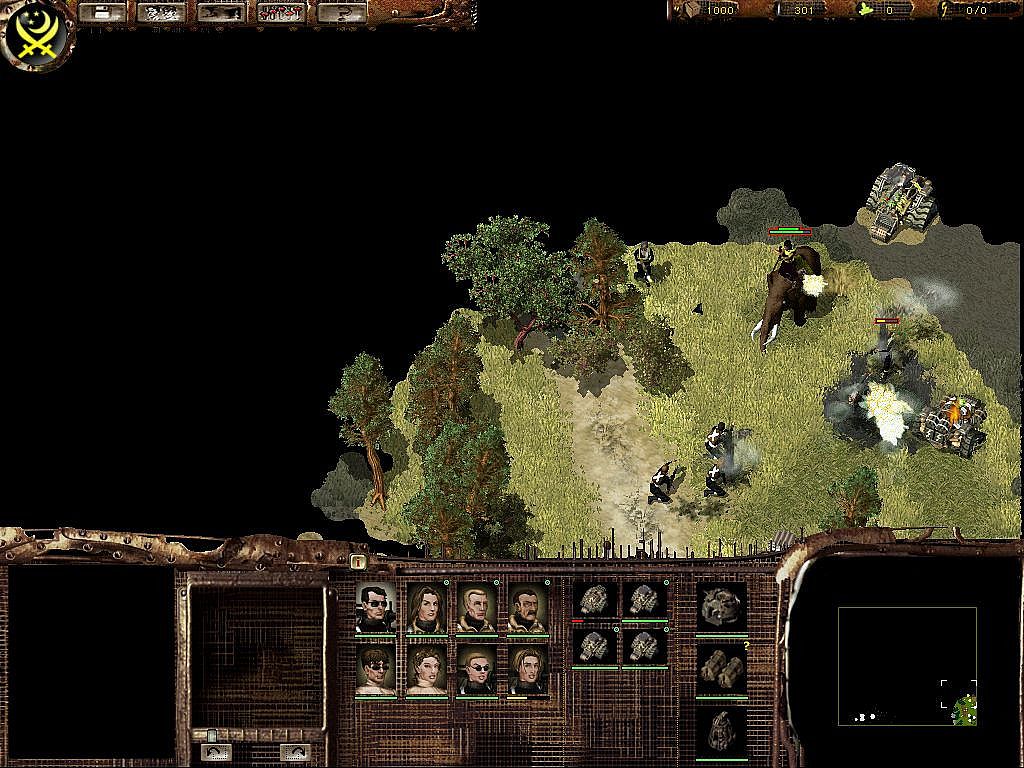
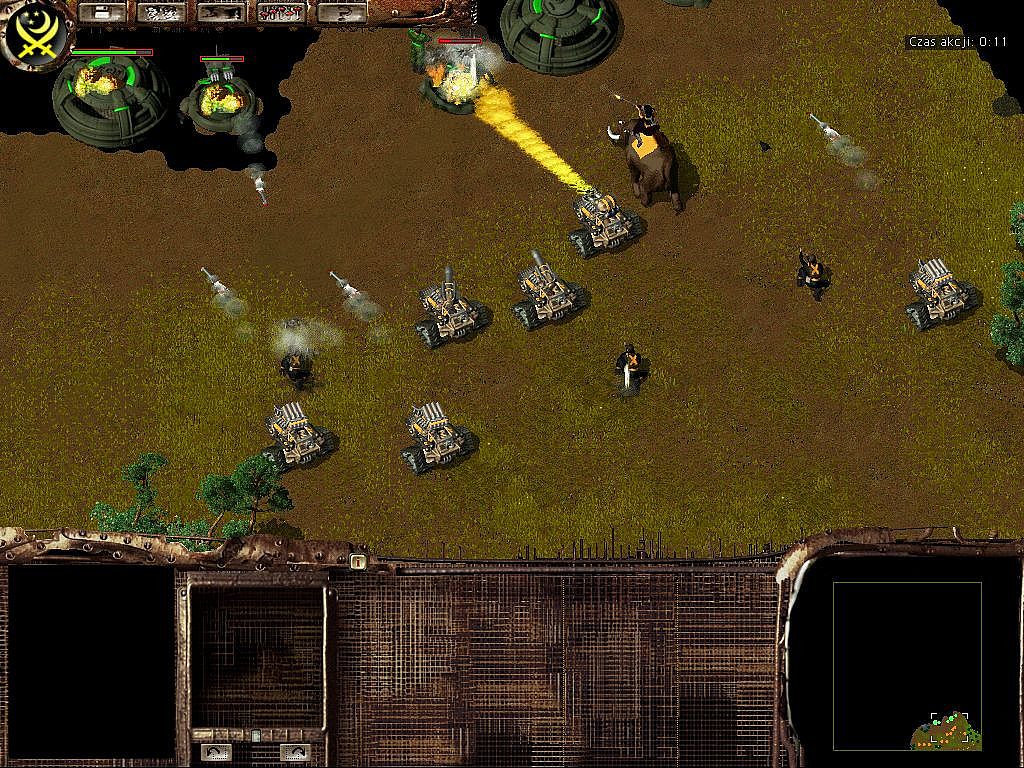
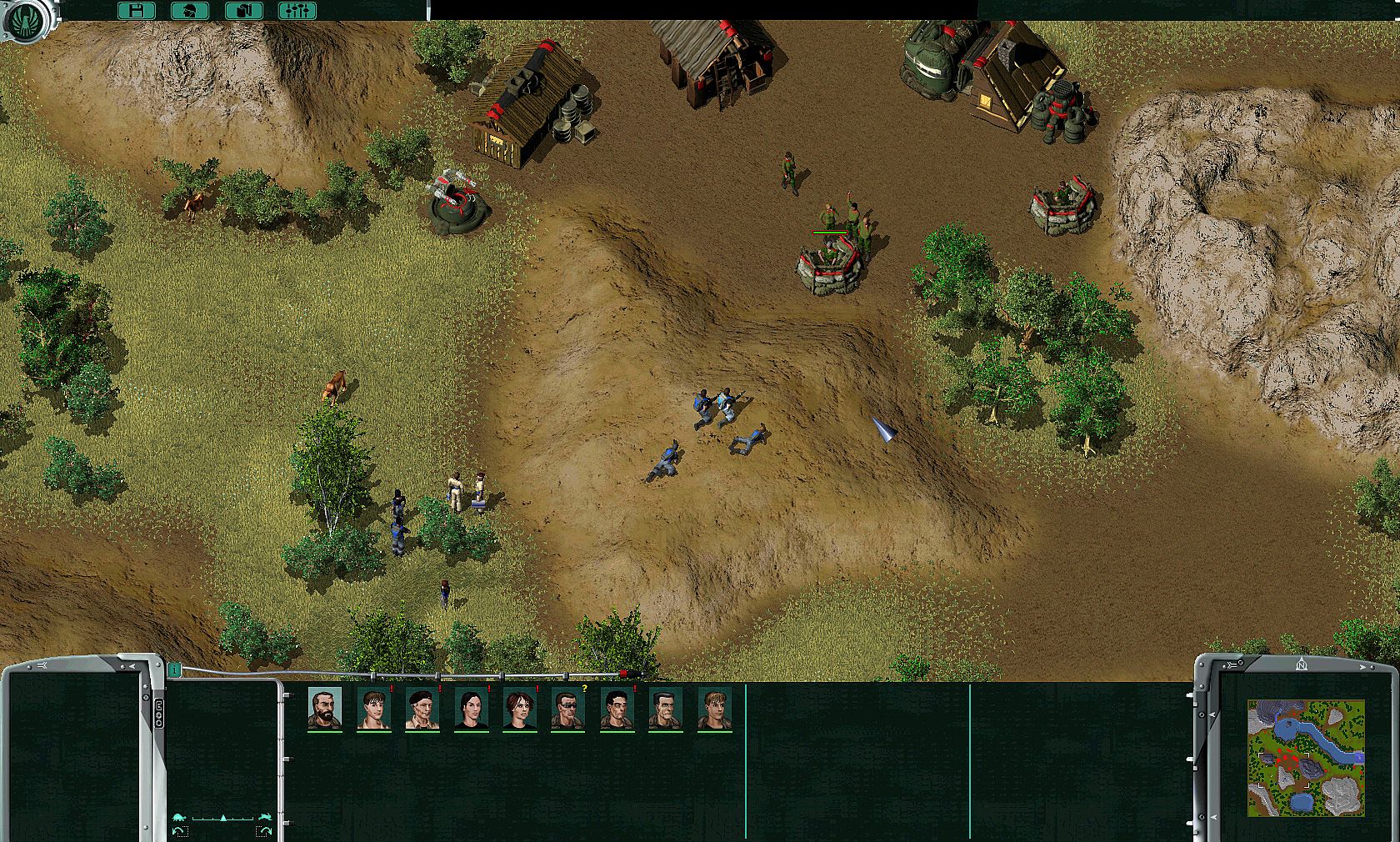
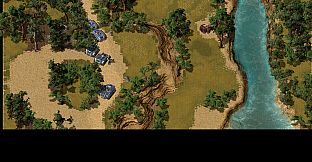
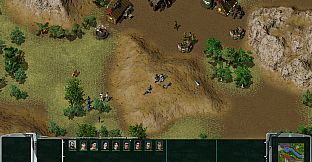
The gameplay centers on directing small groups of specialized units across large maps where resources appear as deposits of a rare mineral. Units function as permanent assets; once eliminated in combat, they remain unavailable for the rest of the mission or campaign segment. This design forces players to prioritize positioning, support roles, and repairs over rapid reinforcement. Mechanics such as field repairs by dedicated personnel and the ability to push immobilized vehicles highlight the emphasis on logistics and maintenance.
Resource management revolves around securing and exploiting the mineral to power operations and advance objectives. Time-travel elements influence progression, allowing certain actions to affect earlier or later periods in the scenario. Combat avoids large-scale production lines, requiring thoughtful allocation of existing forces across infantry, vehicles, and support roles. The system rewards planning and adaptation rather than overwhelming numerical superiority.
Game Modes
Single-player content forms the primary experience through a structured campaign that follows the expedition's discoveries and resulting confrontations. Multiplayer options include player-versus-player matches conducted online or via LAN, where participants control opposing factions in direct competition for resources and map control. Cooperative modes allow teams to tackle scenarios together, either online or locally, sharing command of allied units against common threats.
Additional variety comes through custom scenarios supported by a built-in level editor and community contributions via workshop integration. These modes maintain the same core rules around permanent units and resource focus while enabling different map layouts and objective sets.
Factions and Core Mechanics
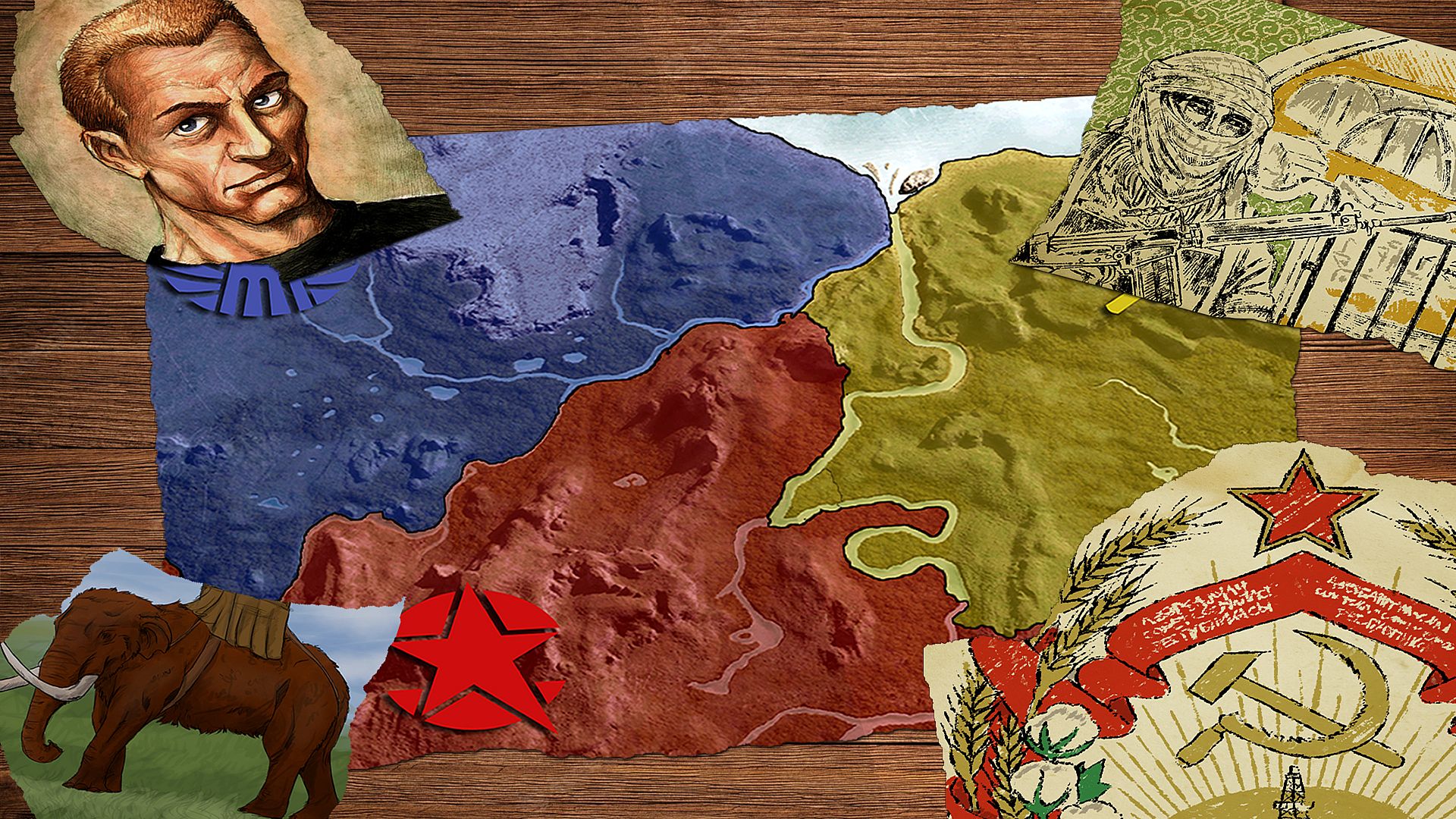
Two primary factions drive the conflicts: Americans and Russians, each with distinct unit compositions and tactical tendencies. American forces often lean toward technological or support-oriented approaches, while Russian units emphasize different strengths in durability or mobility. Balance discussions in community resources note that outcomes depend heavily on player skill in unit preservation and positioning rather than inherent faction dominance.
Mechanics extend beyond combat to include personnel specialization, such as mechanics capable of on-site vehicle repairs or fuel-related interventions. The absence of traditional unit spawning shifts focus to convoy management, defensive setups, and opportunistic strikes. These elements combine to create sessions where every loss carries lasting consequences.
Is It Worth Playing?
Original War maintains a Very Positive rating on its primary distribution platform, with 94 percent approval from over 1,800 user reviews. This reception stems from its unique approach to real-time strategy that prioritizes unit permanence and logistical depth over mass production. Players seeking classic RTS experiences with unconventional twists find value in the campaign's narrative integration and the tactical demands of multiplayer sessions.
The game remains accessible through modern PC systems with ongoing support features like achievements, cloud saves, and a level editor that extends replayability. It suits enthusiasts of older strategy titles who appreciate deliberate pacing and permanent consequences for unit decisions. Those preferring fast-paced base-building or frequent reinforcements may find the mechanics more restrictive, yet the overall design delivers consistent engagement for its intended audience.