

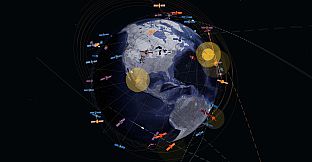
Orbital Strike is a real-time strategy game set in near-future Earth where players compete for orbital superiority through satellite-based warfare. The title places emphasis on building modular satellites, launching them into specific orbits, and managing them in a battlefield governed by realistic physics and sensor mechanics. On PC, the experience revolves around real-time decisions that account for orbital paths, visibility rules, and persistent environmental changes.
Gameplay
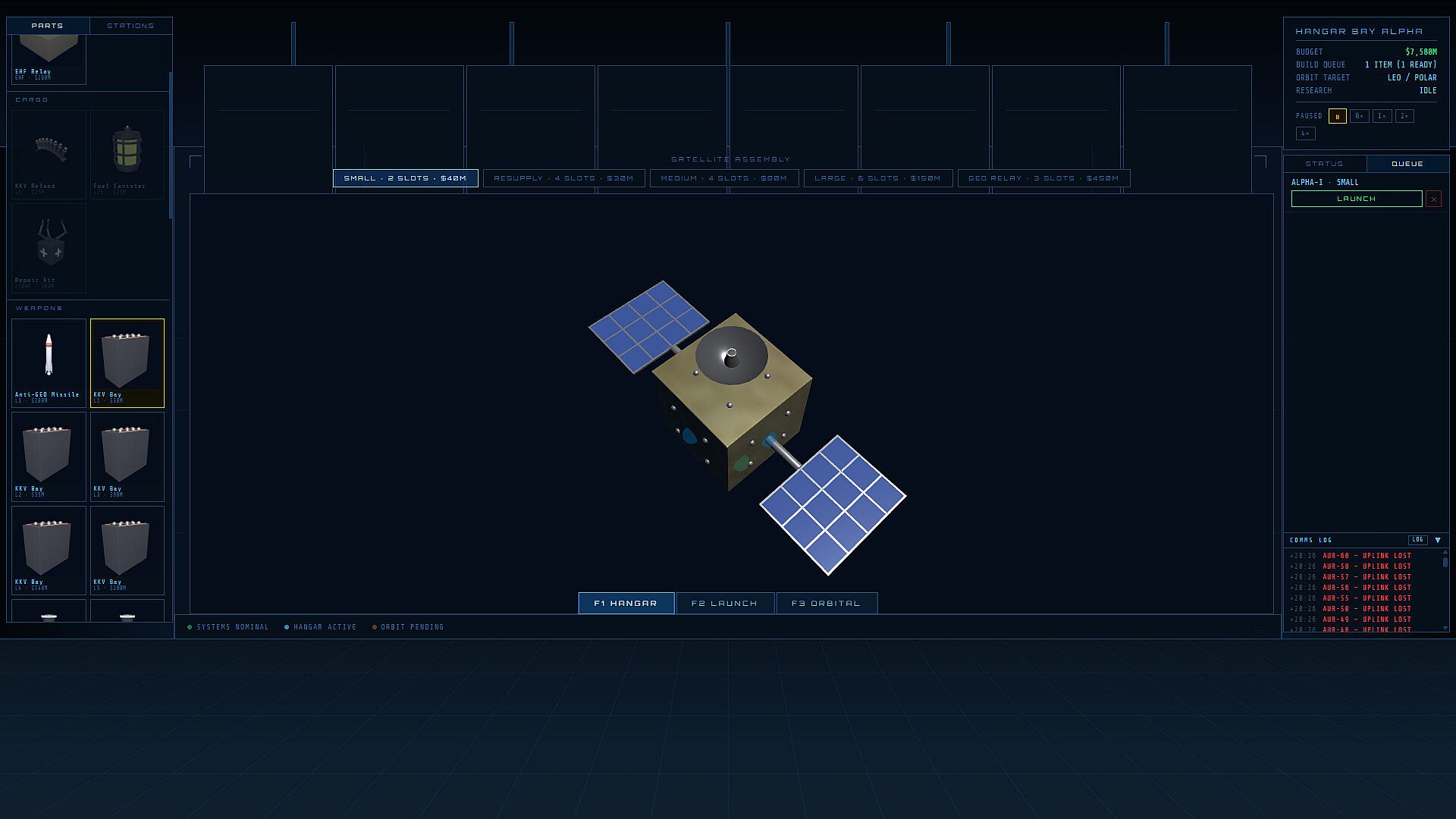
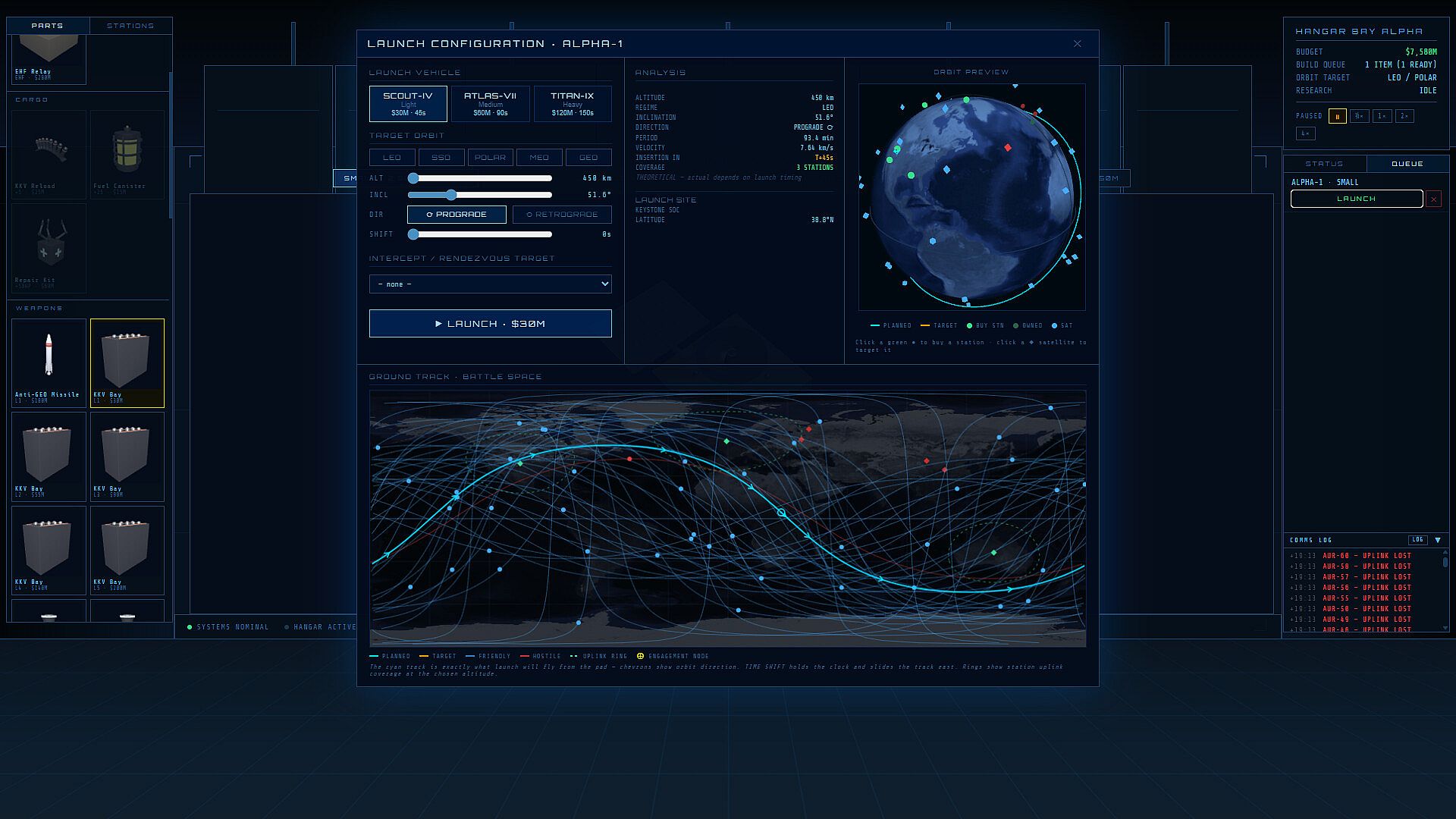
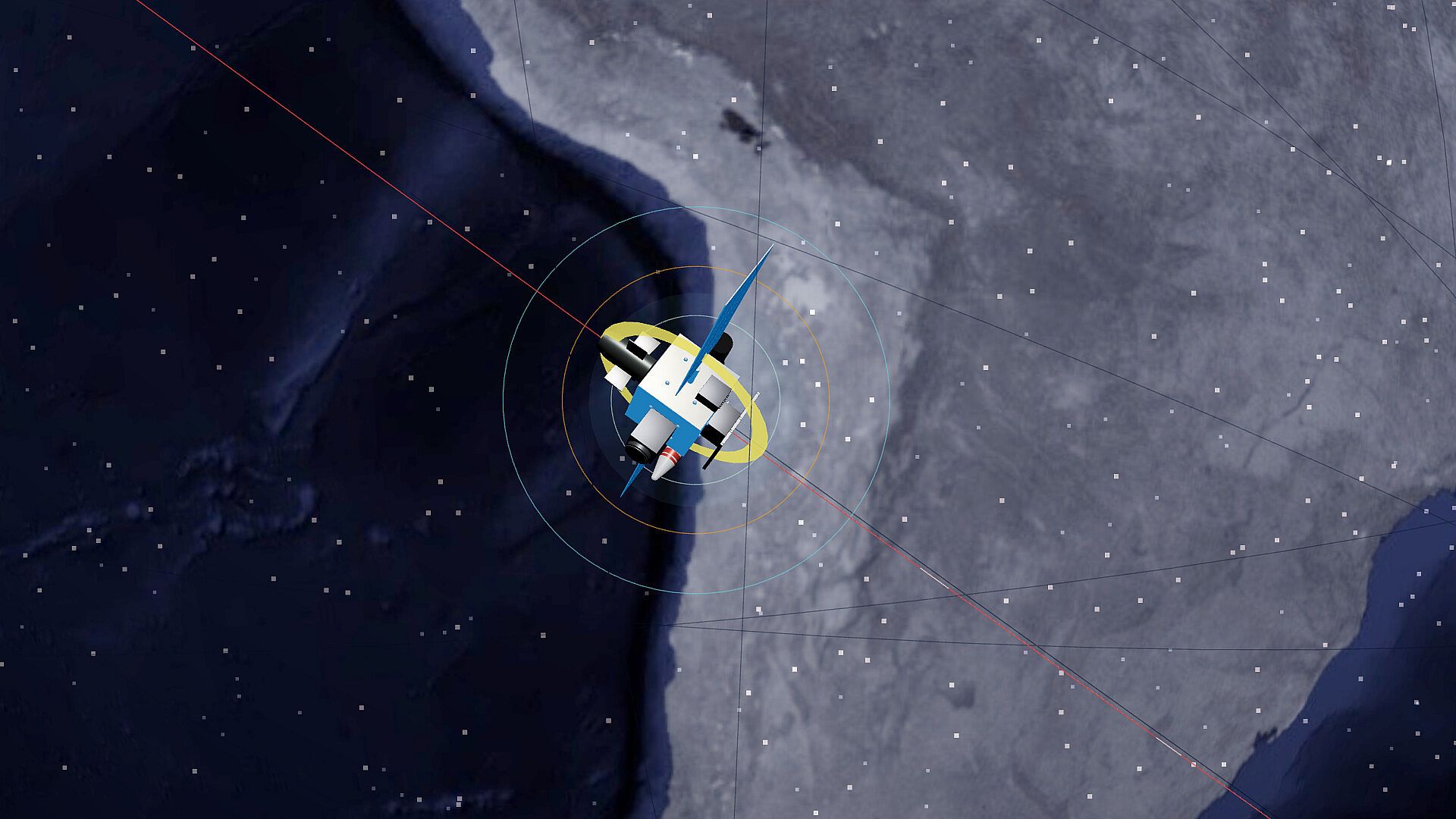
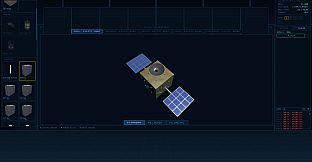
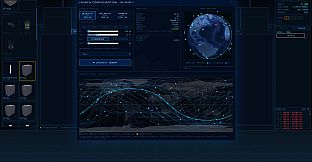
The core loop centers on constructing satellites in the hangar from bus classes and payload modules. Players select components such as kinetic kill vehicles, directed energy weapons, jammers, and sensors to create assets suited to different roles. Once assembled, satellites are assigned to rockets for launch, with choices among LEO, MEO, GEO, or polar orbits determining their eventual paths and strike capabilities.
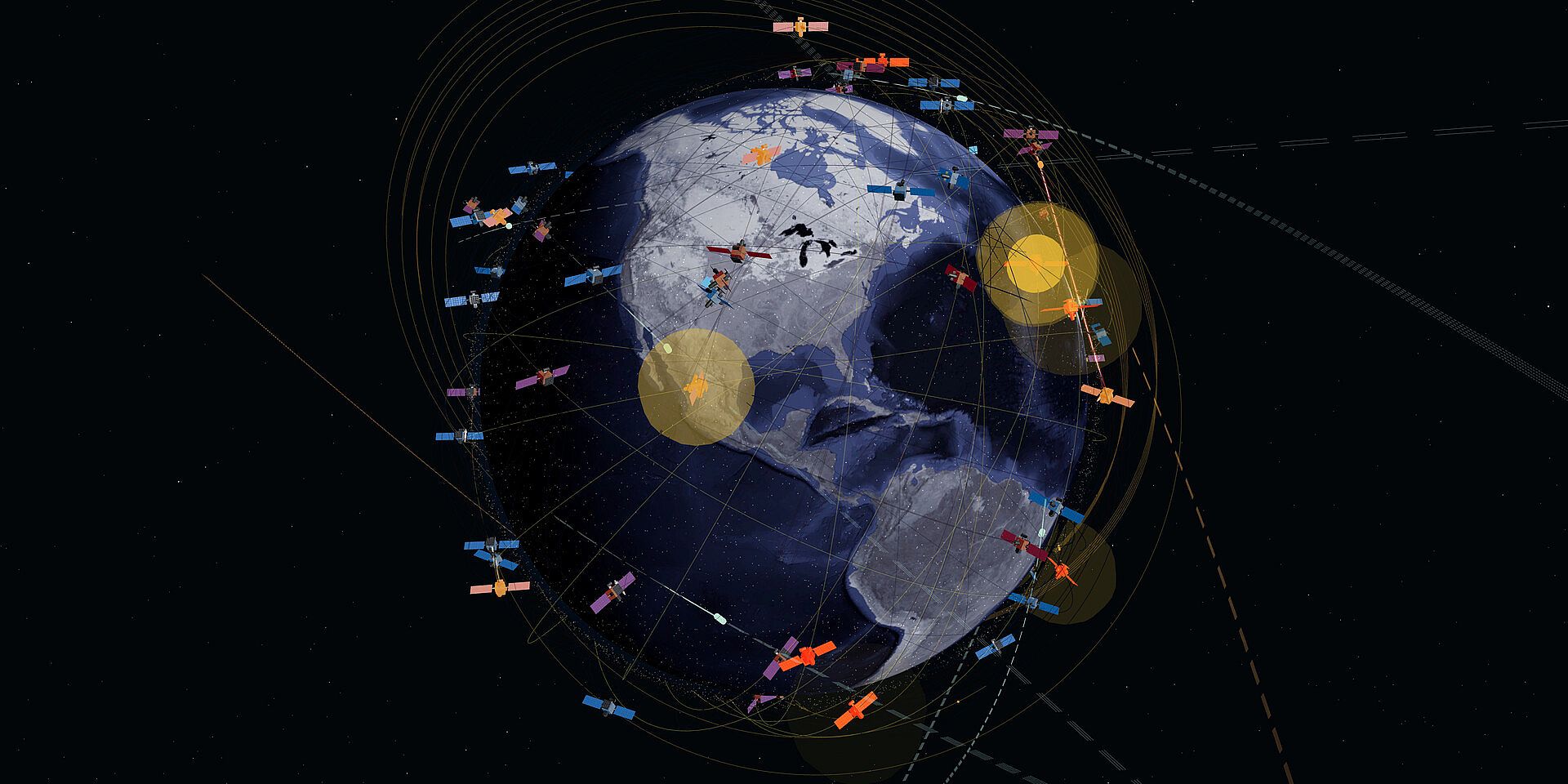
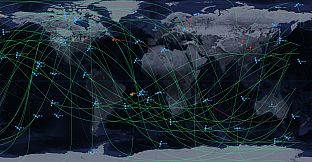
Visibility forms a central pillar of strategy. Satellites remain hidden by default until illuminated by active sensors like radar, infrared, or optical systems. Jamming can counter these sensors independently, allowing coordinated efforts to remove enemy assets from detection entirely. Overlapping sensor coverage reveals the battlefield, while successful jamming creates blind spots for tactical advantage.
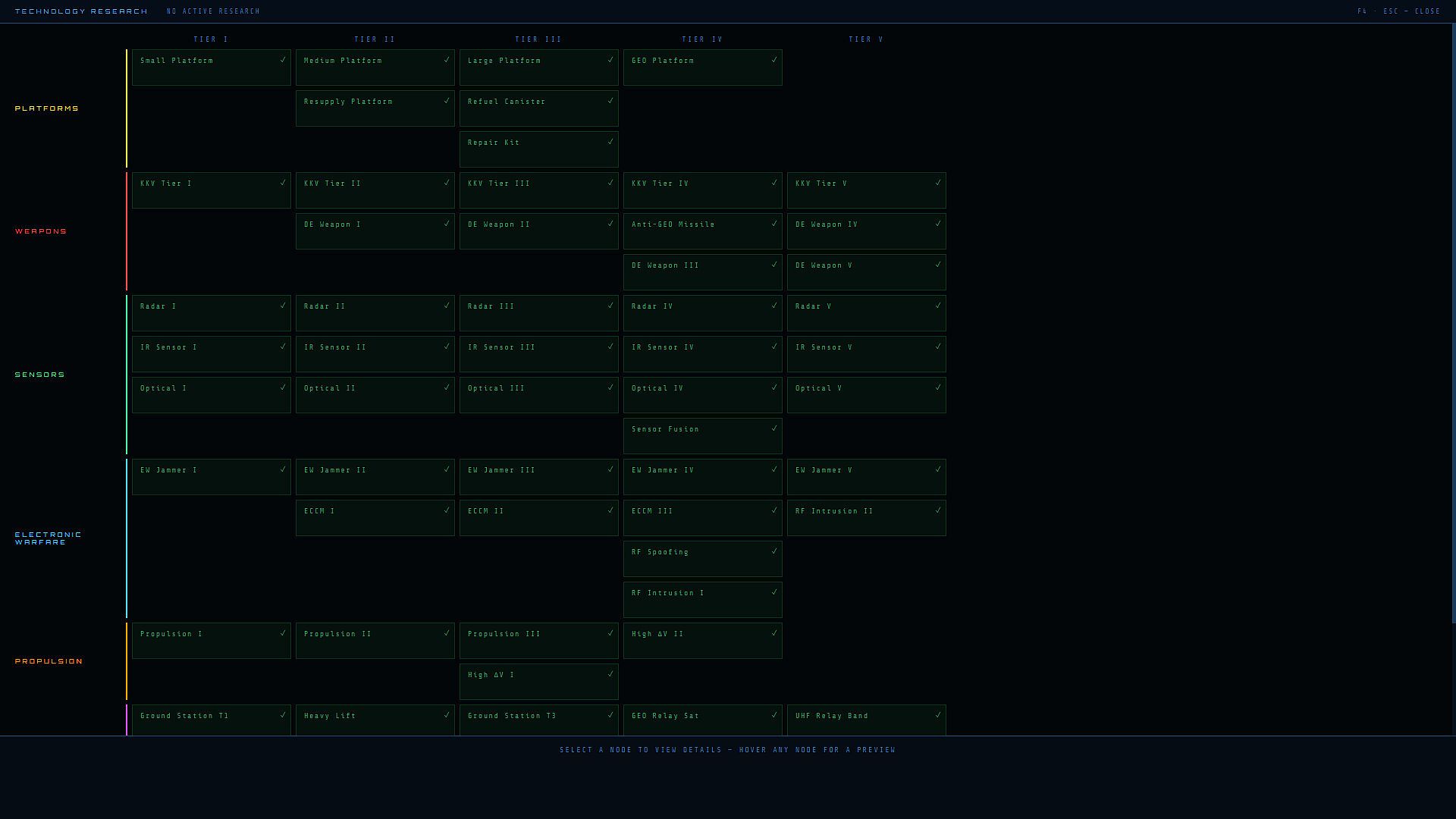
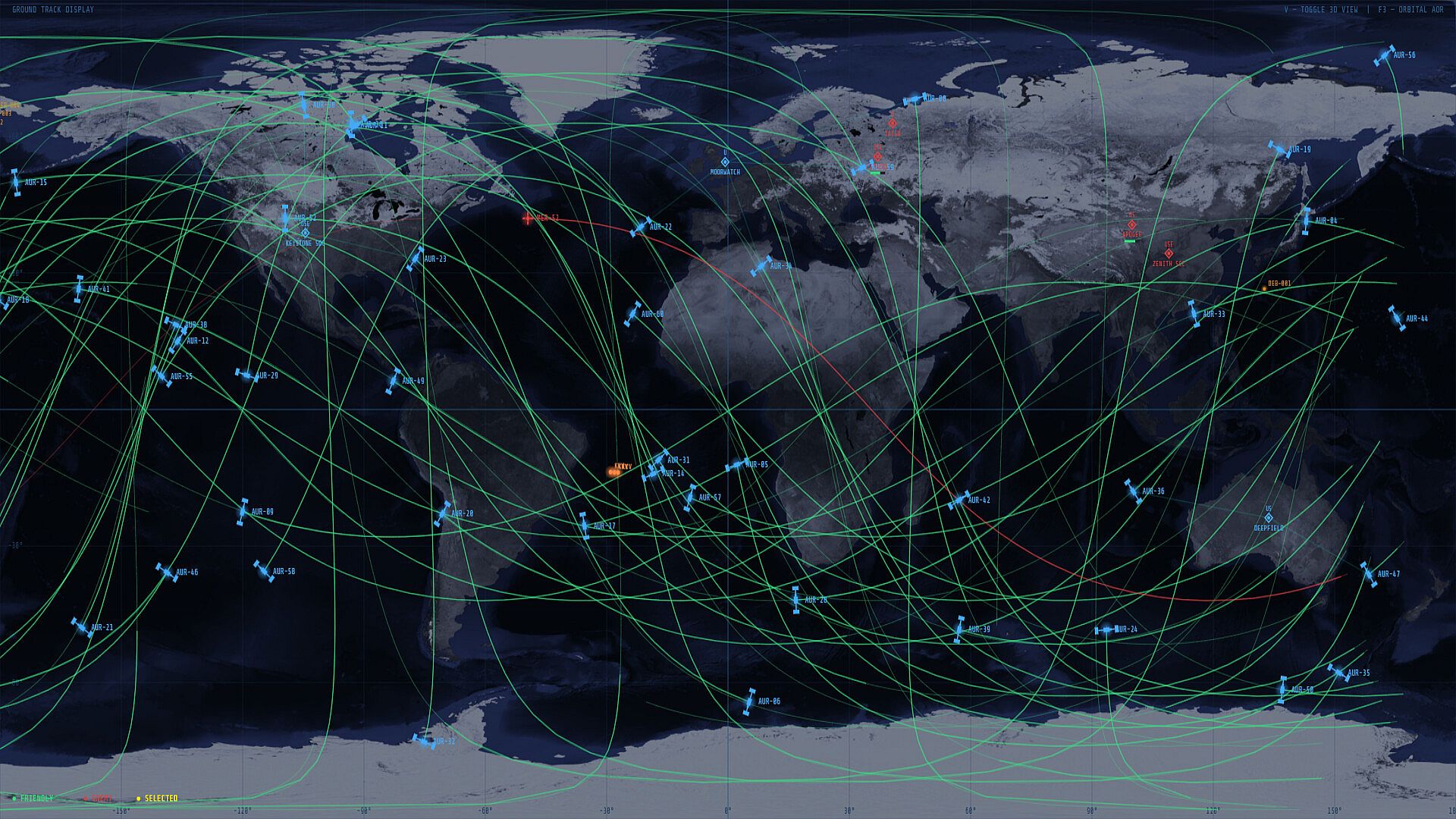
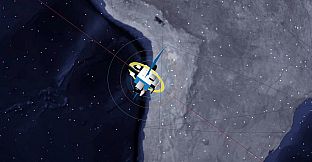
Orbital mechanics dictate all movement and attacks. A satellite can only engage targets it passes over during its orbit. Altering an orbit requires fuel and time, forcing players to weigh repositioning against immediate threats. Research advances weapons, sensors, and jammers through five tiers, where higher tiers overcome lower ones but equals remain evenly matched. Debris from destroyed satellites lingers permanently, potentially rendering valuable orbits hazardous for the remainder of a campaign.
Alliances with third-party nations shift dynamically based on spending, protection provided, and shared resources. Allied nations supply ground sensors and basing rights, while opponents pursue the same relationships, adding a layer of diplomatic management to the military focus.
Game Modes
Three interconnected modes operate simultaneously under a continuous clock. The hangar mode handles satellite assembly and customization from available modular parts. Launch mode manages rocket assignments and orbit selection, with visual progression as assets climb into position. Orbital AOR serves as the active battlefield view where maneuvering, strike coordination, and direct combat occur.
Time advances across all three modes without pause. Switching away from the orbital view leaves the constellation to operate autonomously, requiring players to plan for periods of unattended management. This structure integrates construction, deployment, and execution into a single persistent timeline rather than segmented sessions.
Strategic Depth and Mechanics
Position and timing govern every engagement because satellites follow fixed orbital paths determined at launch. Fuel costs for changes limit flexibility, turning orbit selection into a long-term commitment. Persistent debris adds lasting consequences, as fouling an orbit affects both sides equally in future operations.
Research and tier progression create an arms race where opponents advance along parallel technology paths. Resource allocation between research, launches, and alliance cultivation requires careful balancing throughout a campaign. The combination of sensor warfare, physics-based positioning, and enduring battlefield alterations produces a simulation-focused approach distinct from traditional unit-command real-time strategy titles.
Is It Worth Playing?
Orbital Strike targets players who enjoy detailed strategy simulations that incorporate real orbital mechanics and sensor management rather than fast-paced unit micro. The single-player focus on campaign progression through building, launching, and commanding a satellite constellation suits those interested in long-term planning and adaptation to persistent changes like debris fields.
With a planned 2027 release and no reviews available yet, the game remains in pre-release development. Its systems emphasize deliberate decision-making over rapid action, making it potentially appealing for fans of simulation-heavy strategy on PC who value physics constraints and hidden-information gameplay. Availability will depend on the final launch, after which player feedback can provide further clarity on its strengths.