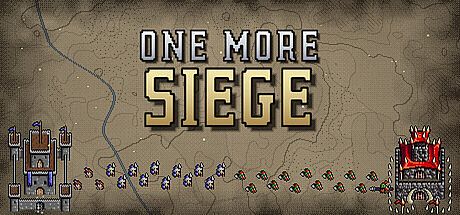


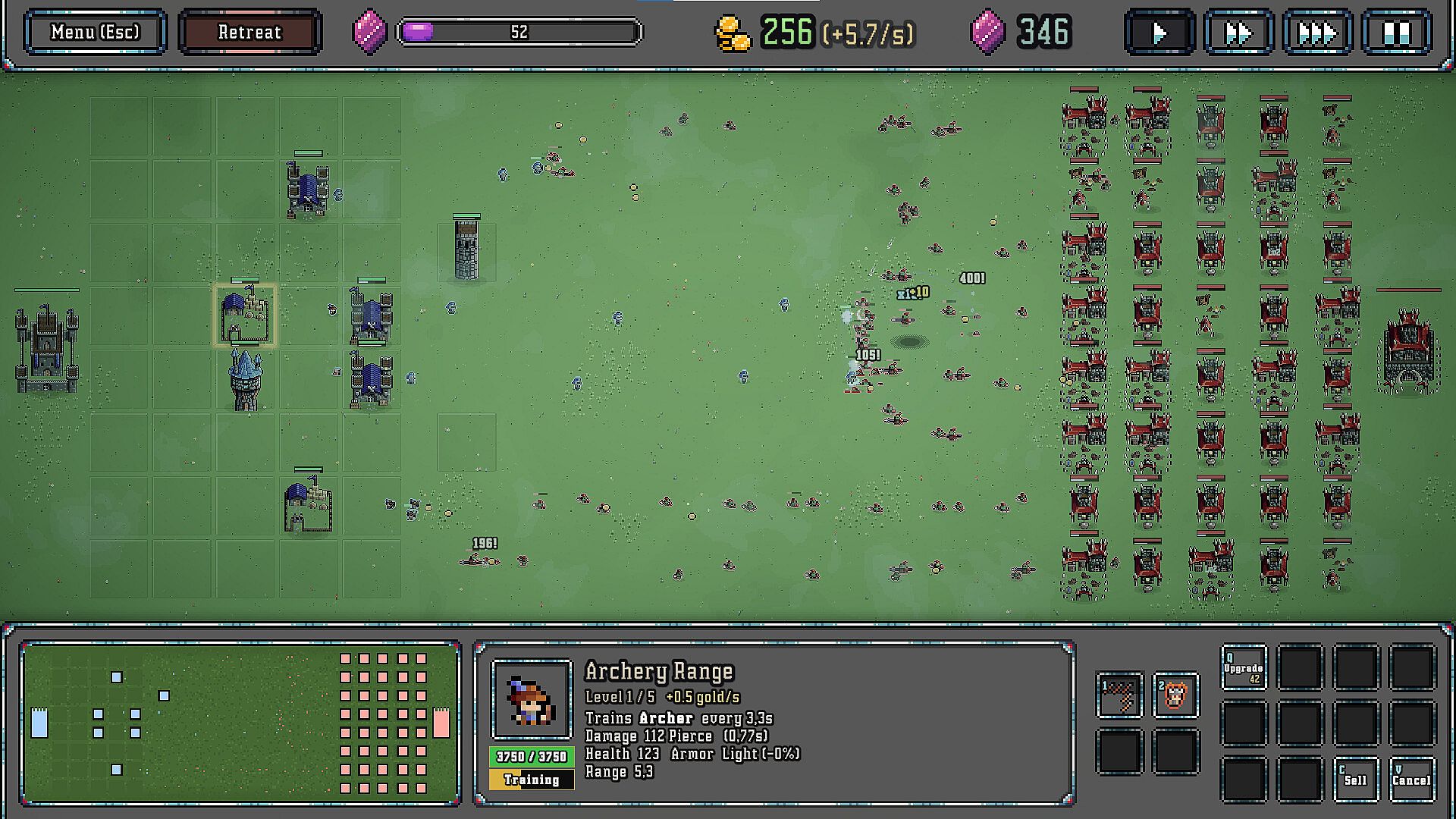
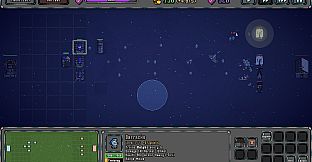
One More Siege stands out as a strategy indie casual game that blends incremental progression with autobattler elements on PC. Players construct buildings to recruit units automatically, sending forces into clashes that grow larger and more intense as battles extend. The focus remains on thoughtful placement of structures to counter opposing unit types while permanent upgrades shape long-term progress through a skill tree.
Gameplay
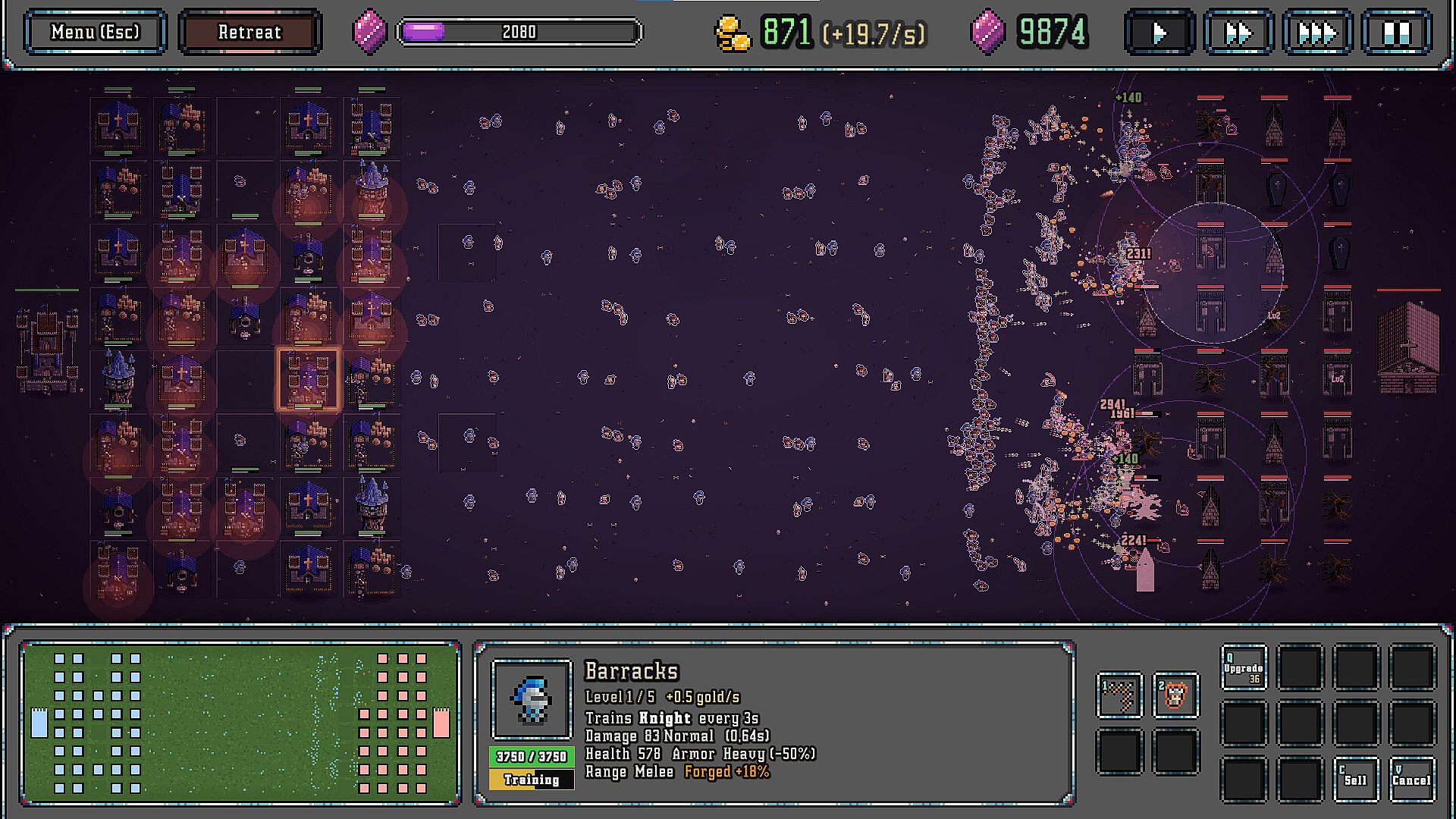
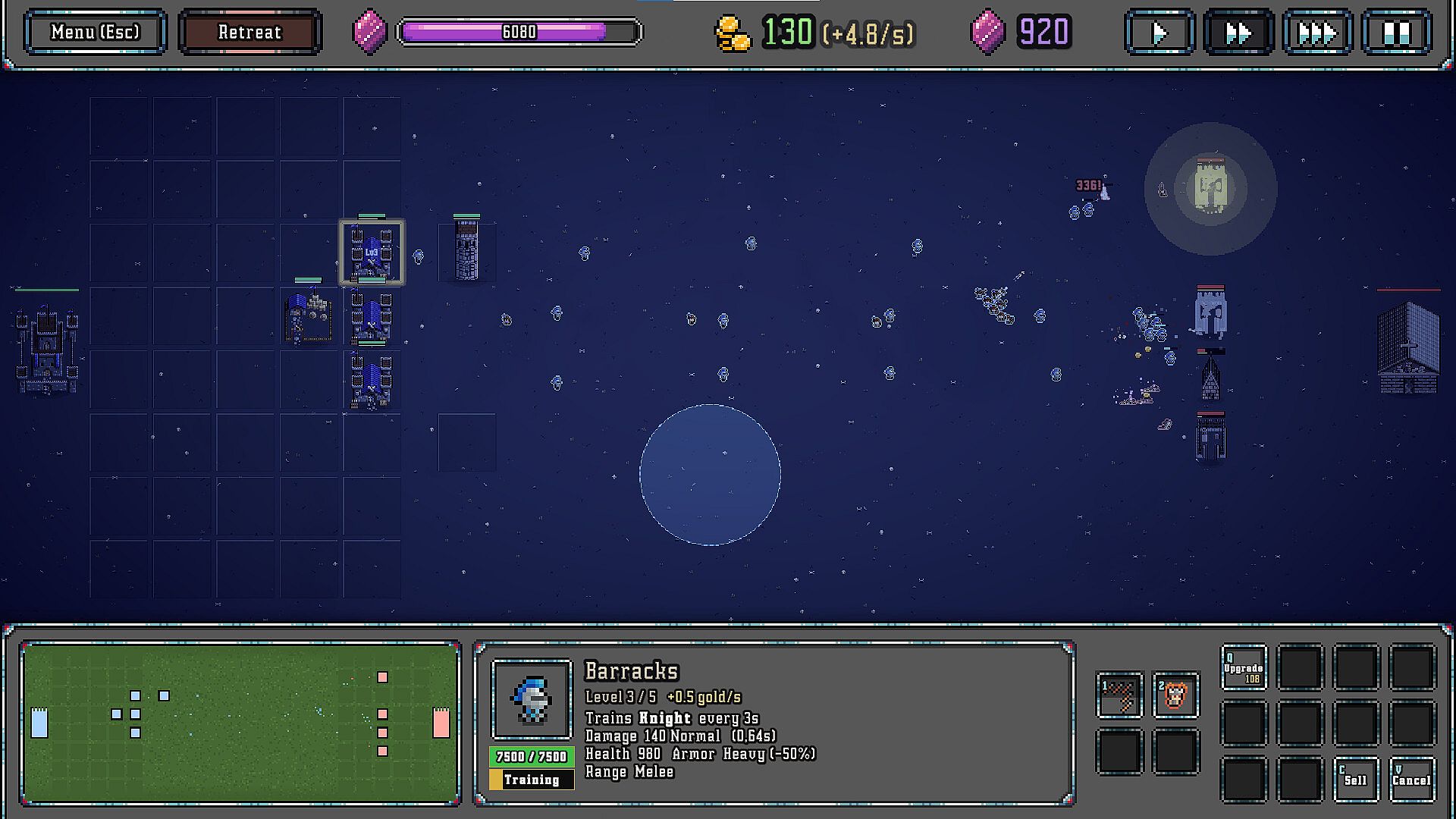
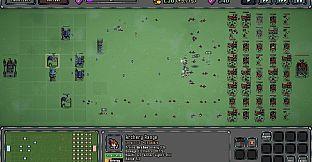
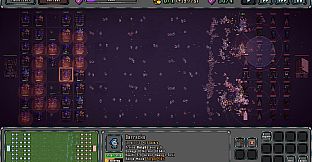
Core play revolves around building placement on available plots. Each structure recruits specific units that advance toward the enemy base without direct control. Spearmen, archers, and priests form the available player forces, each bringing distinct strengths in close combat, ranged attacks, or support roles. As engagements continue, army sizes expand naturally, turning early skirmishes into large-scale confrontations.
Strategic decisions center on positioning buildings to exploit enemy weaknesses. Different enemy types appear across encounters, requiring adjustments in unit composition and building layout to maintain momentum. Three spells provide active intervention: zap for direct damage, volley for area effects, and rally for boosting troops. These abilities help shift momentum during prolonged fights without overriding the automatic unit flow.
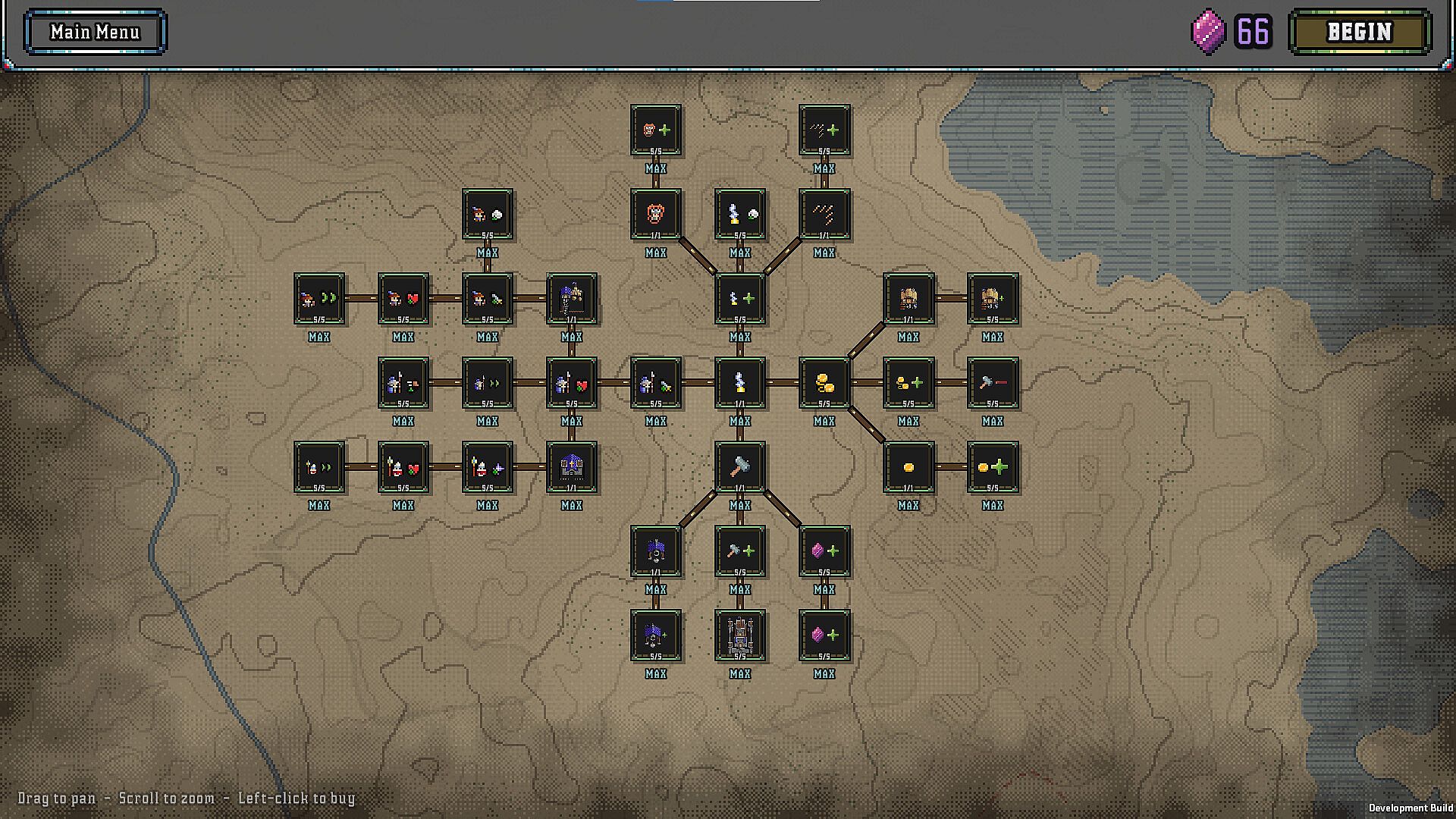
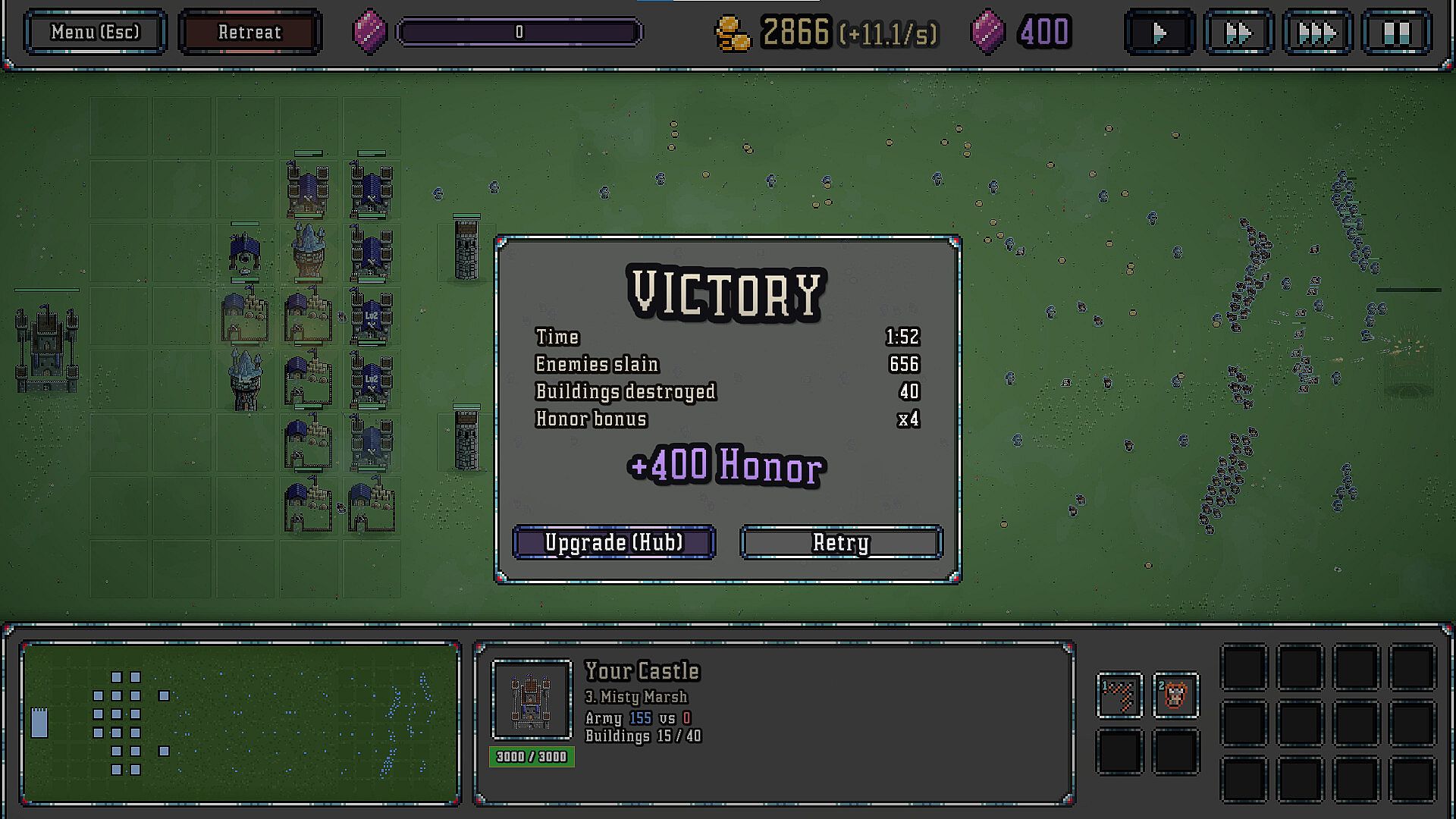
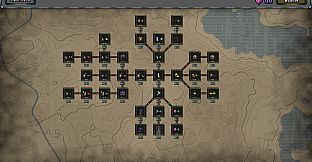
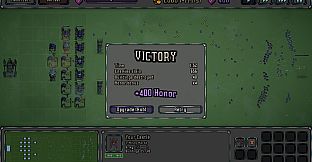
Honor earned from successful clashes funds upgrades in the skill tree. Over thirty options allow permanent improvements that carry across sessions, enhancing unit stats, building efficiency, or spell potency. The incremental nature rewards repeated play as upgrades compound advantages in later challenges.
Game Modes
Progression takes place across five distinct maps, each presenting a new siege scenario to overcome. Players advance by defeating the opposing forces on each map, with enemy compositions and layouts varying to test different strategies. The structure emphasizes single-player challenges where success depends on adapting building choices and leveraging accumulated upgrades.
Game speed controls and pause options support focused sessions, allowing players to observe battles at their preferred pace. No separate multiplayer or endless modes appear in the current content, keeping emphasis on completing the map sequence through incremental refinement.
Progression Systems
The skill tree serves as the central long-term system. Upgrades purchased with Honor provide lasting benefits that influence every subsequent map attempt. This creates a loop where early map clears unlock resources for stronger builds on later ones.
Unit and spell variety encourages experimentation within the limited roster. Balancing building output against enemy threats forms the main tactical layer, with placement acting as the primary counterplay tool rather than unit micromanagement.
Is It Worth Playing?
One More Siege appeals to players who enjoy strategy games with incremental depth and hands-off combat resolution. The prototype stage shows a solid concept built around automatic unit marches and building strategy, supported by a functional skill tree and multiple maps. Feedback highlights enjoyable core mechanics alongside notes on balance elements like certain upgrades creating strong advantages.
Those seeking casual strategy sessions with progression will find the map-based challenges engaging for short to medium playtimes. As an early release, it suits players comfortable with prototype experiences and interested in providing input on further development. Availability on PC makes it accessible for testing the mix of genres without additional commitments.