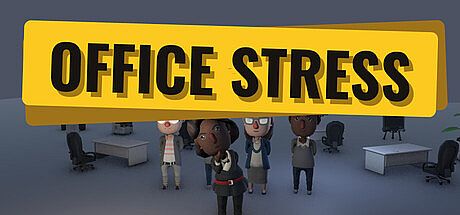


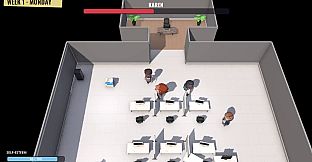
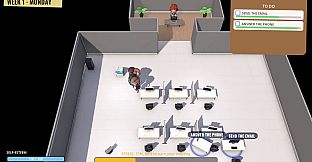
Office Stress is a singleplayer action, indie, casual, and simulation game for PC that turns the daily grind of office life into a mix of timed chores, escalating pressure, and satisfying physical release. Players step into the role of an employee dealing with jammed printers, nonstop calls, mismatched spreadsheets, and an overbearing boss, all while building custom characters and working toward a clean sheet of performance grades across a structured campaign.
Gameplay
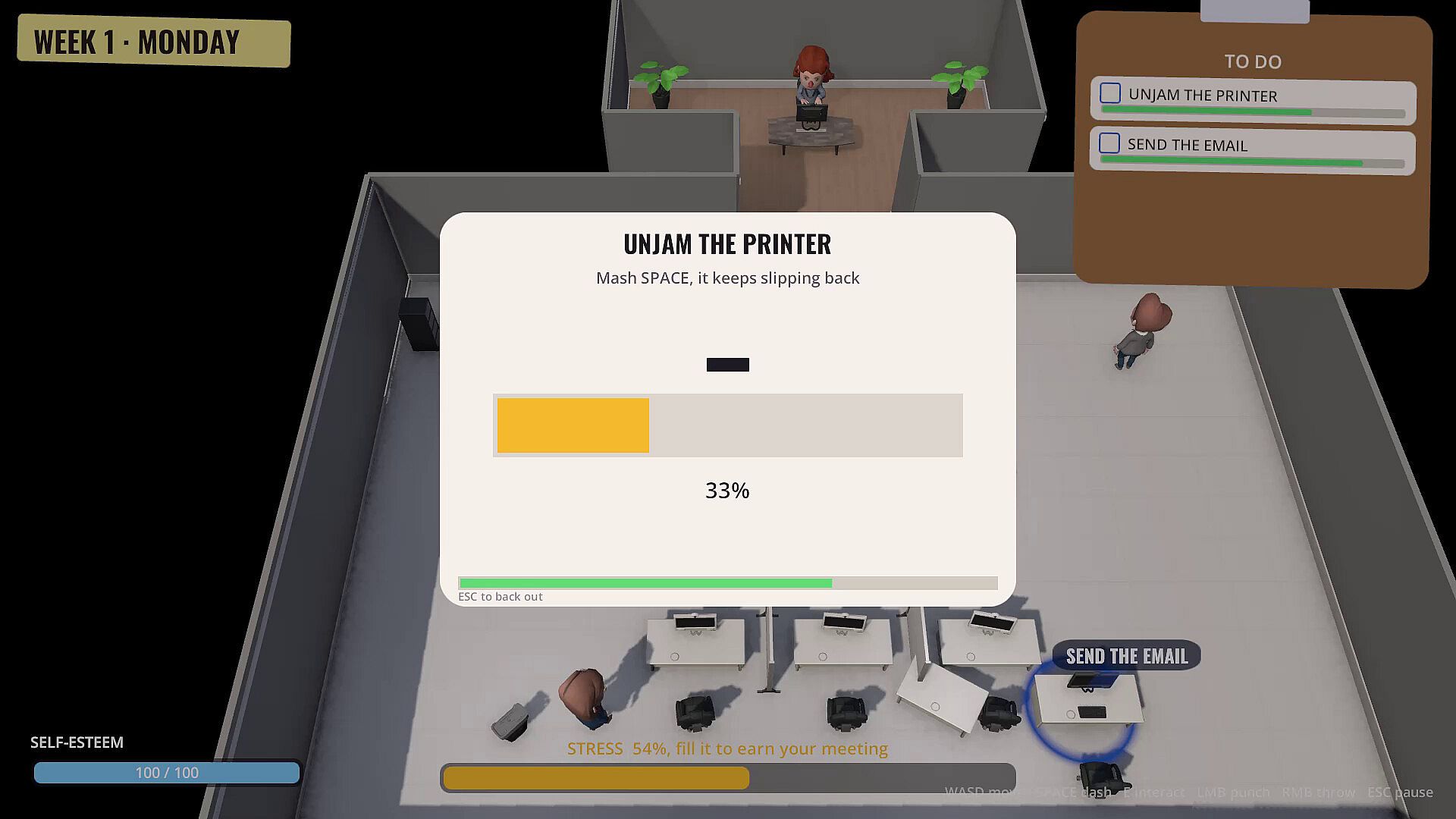
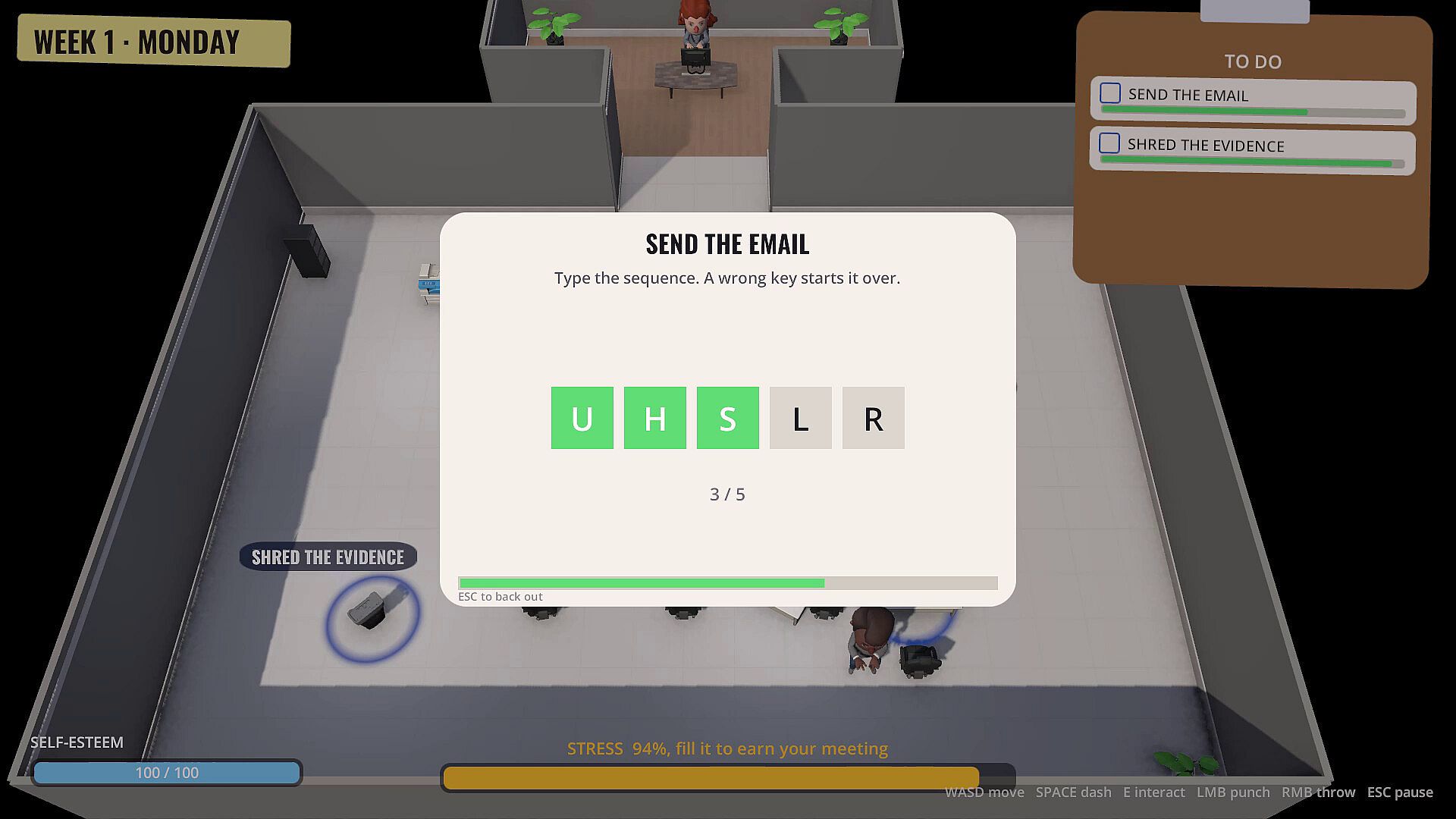
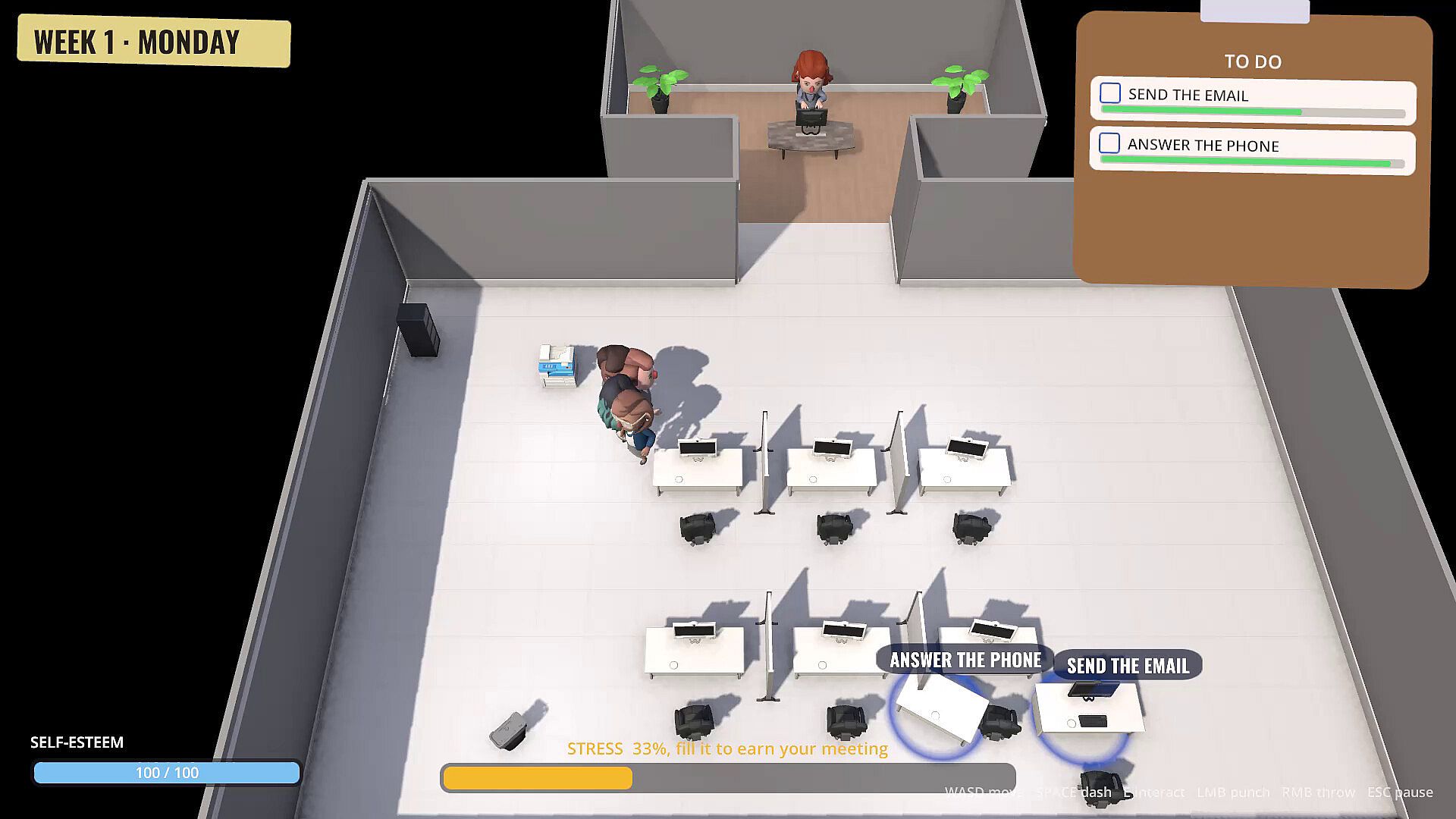
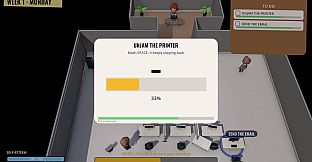
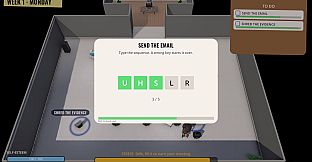
The core loop centers on completing a series of office tasks presented as short minigames, each with its own deadline and failure conditions. Answering phones, unjamming equipment, sending emails, shredding documents, and tending to neglected plants require quick reflexes and multitasking as multiple requests overlap. Missing deadlines leads to written warnings, and accumulating enough of them results in termination, ending the day without any opportunity for confrontation.
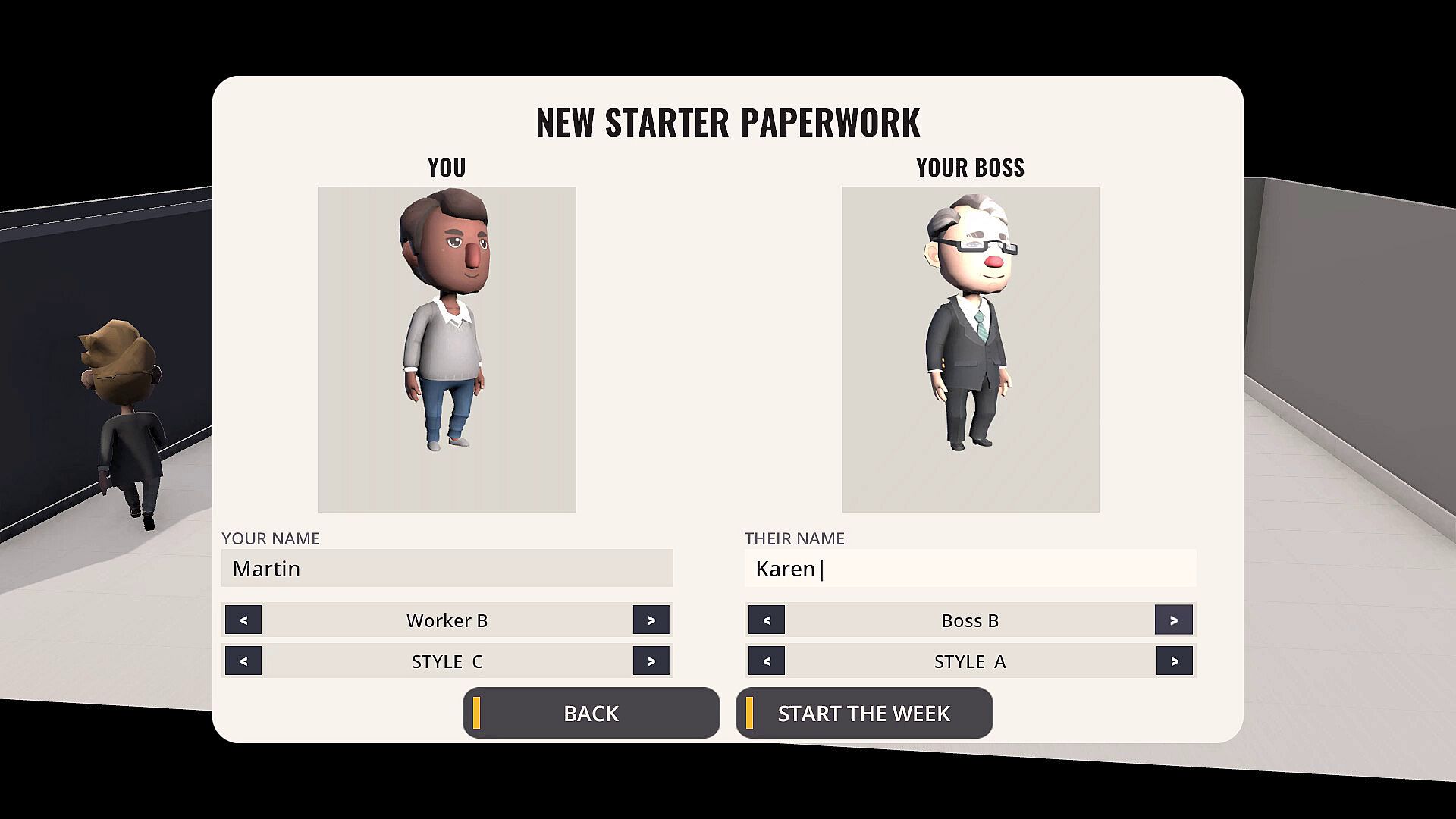
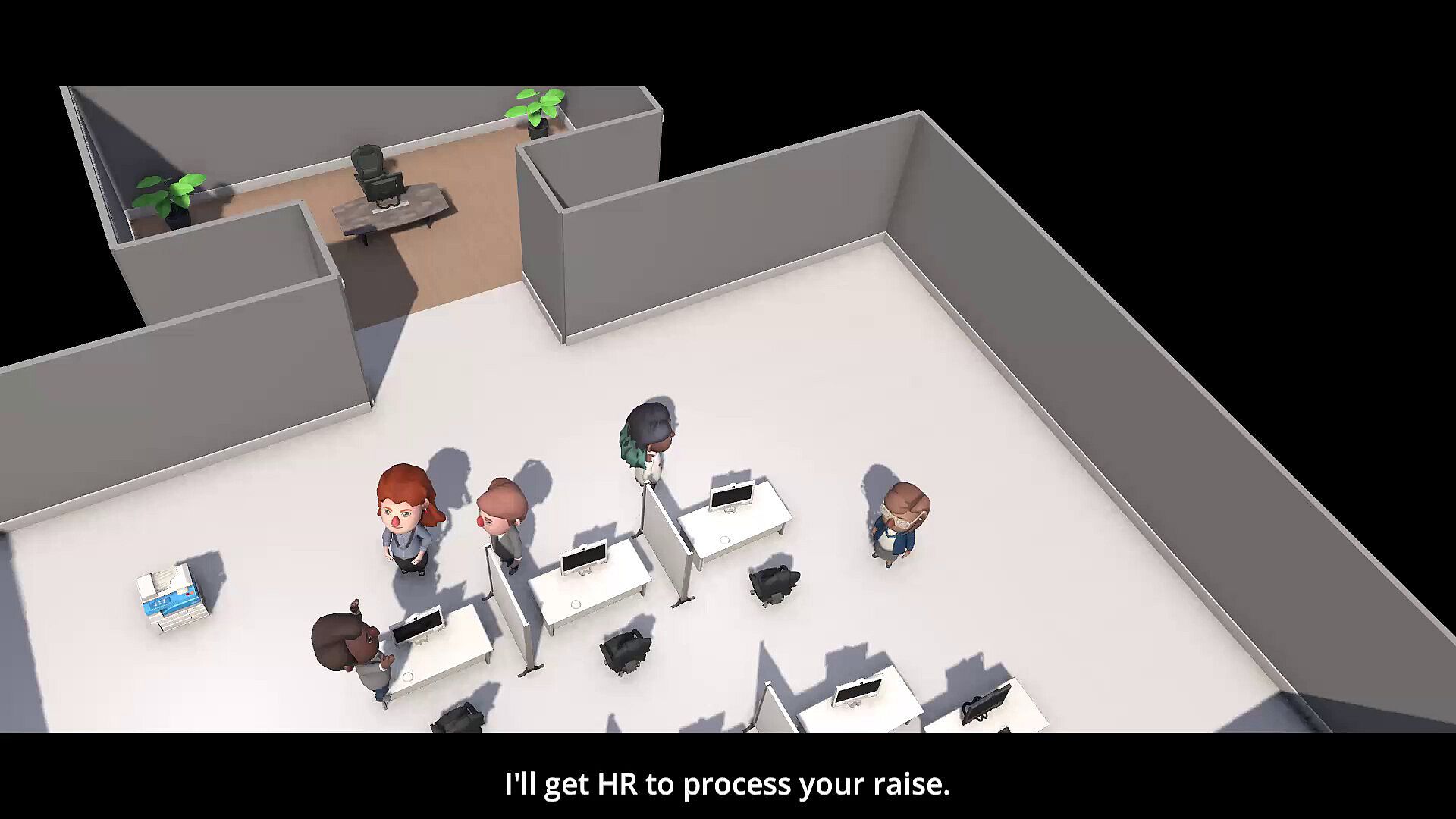
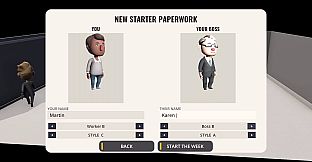
Character creation adds a personal layer at the start. Players design both their own avatar and the boss, including names, faces, and hairstyles. This customization makes every shouted insult, warning letter, and eventual confrontation feel targeted, heightening the sense of catharsis when the boss is finally dealt with.
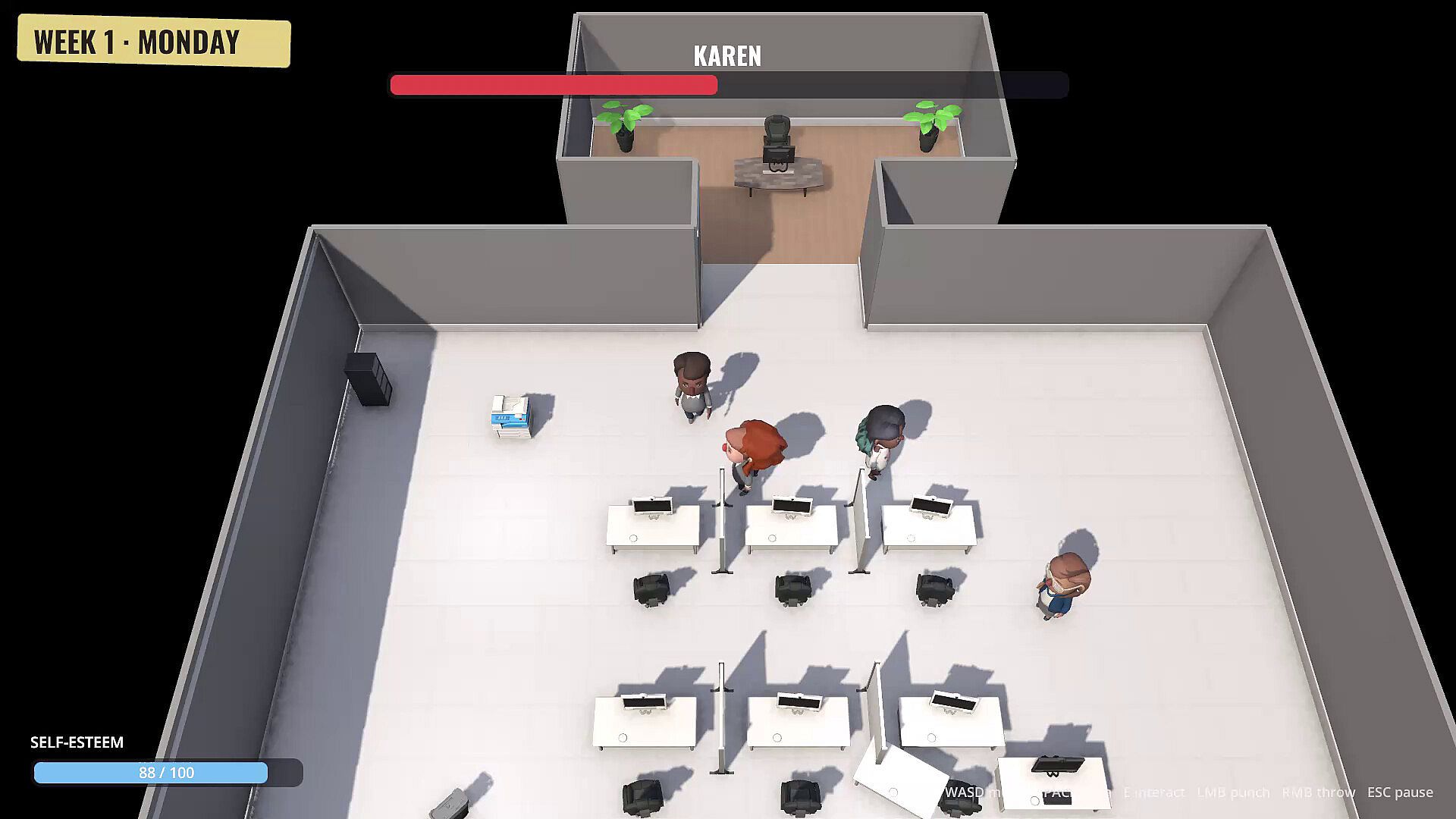
Stress builds steadily through the workday. Once the meter fills, the boss emerges for a direct confrontation that shifts the experience into a boxing-style encounter. The boss blocks attacks, telegraphs moves, and provides constant commentary, turning the sequence into a focused fight where successful knockdowns clear the day and reset the tension.
Game Modes
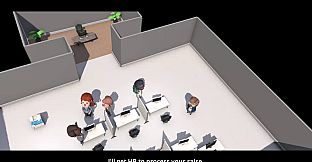
The main structure consists of twelve working days spread across three weeks of play. Early days focus on basic task management, but later stages introduce the boss patrolling the floor, forcing players to balance chores with quick interactions to regain time. Letter grades track performance on each workday, contributing to an overall completion score that rewards precision and efficiency.
After the workday ends, ten distinct after-hours events become available. These include chair racing down corridors, paper-ball basketball across desks, hide and seek, and egg toss competitions with co-workers. Each event offers a break from the pressure while still tying into the office setting and providing opportunities for high scores or gold stars.
Progression emphasizes a clean sheet approach, where strong results on both daytime tasks and evening activities build toward full completion. The game supports six languages and features twenty-two levels in total across the campaign.
Who It's For
Office Stress appeals to players who enjoy short, replayable sessions that blend simulation elements with light action. The mix of repetitive but varied minigames and escalating stakes suits those looking for a focused singleplayer experience rather than open-ended management or multiplayer competition. Customization options and the personal naming of the boss make it particularly engaging for anyone who has dealt with workplace frustration and wants a safe outlet for it.
The campaign length keeps sessions manageable, with clear daily structure that encourages returning to improve grades or try different after-hours activities. No complex factions or seasonal content appear, keeping the focus on the core loop of work, stress, and release.
Is It Worth Playing?
The game delivers exactly what its premise promises through verified mechanics like customizable characters, overlapping minigame tasks, stress-triggered boss fights, and a set of after-hours events. With support for multiple languages and a structured three-week campaign, it provides a complete, self-contained experience without reliance on ongoing updates or additional content. Players who appreciate the blend of casual simulation and action payoff in a workplace theme will find the systems rewarding, especially when the personal touches from character creation enhance each confrontation. Those seeking deeper strategy or long-term progression may find the scope limited to the described campaign structure. Overall, it stands as a straightforward title for fans of stress-relief gameplay centered on office absurdity.