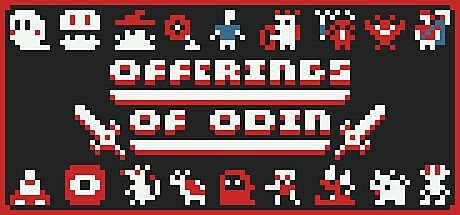


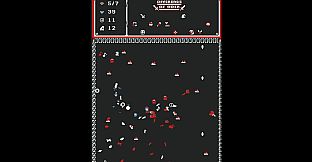
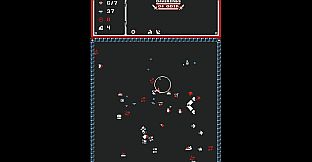
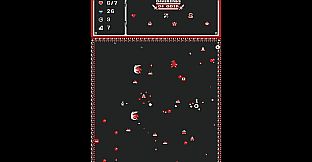
Offerings of Odin is a roguelite twin-stick shooter built around short, intense runs through a vertical tower. Players control a character that must survive dense waves of enemies on each floor for exactly 30 seconds before stairs appear and allow progress to the next level. The game emphasizes quick decision making under pressure as bullet patterns fill the screen and enemies close in from all sides.
Gameplay
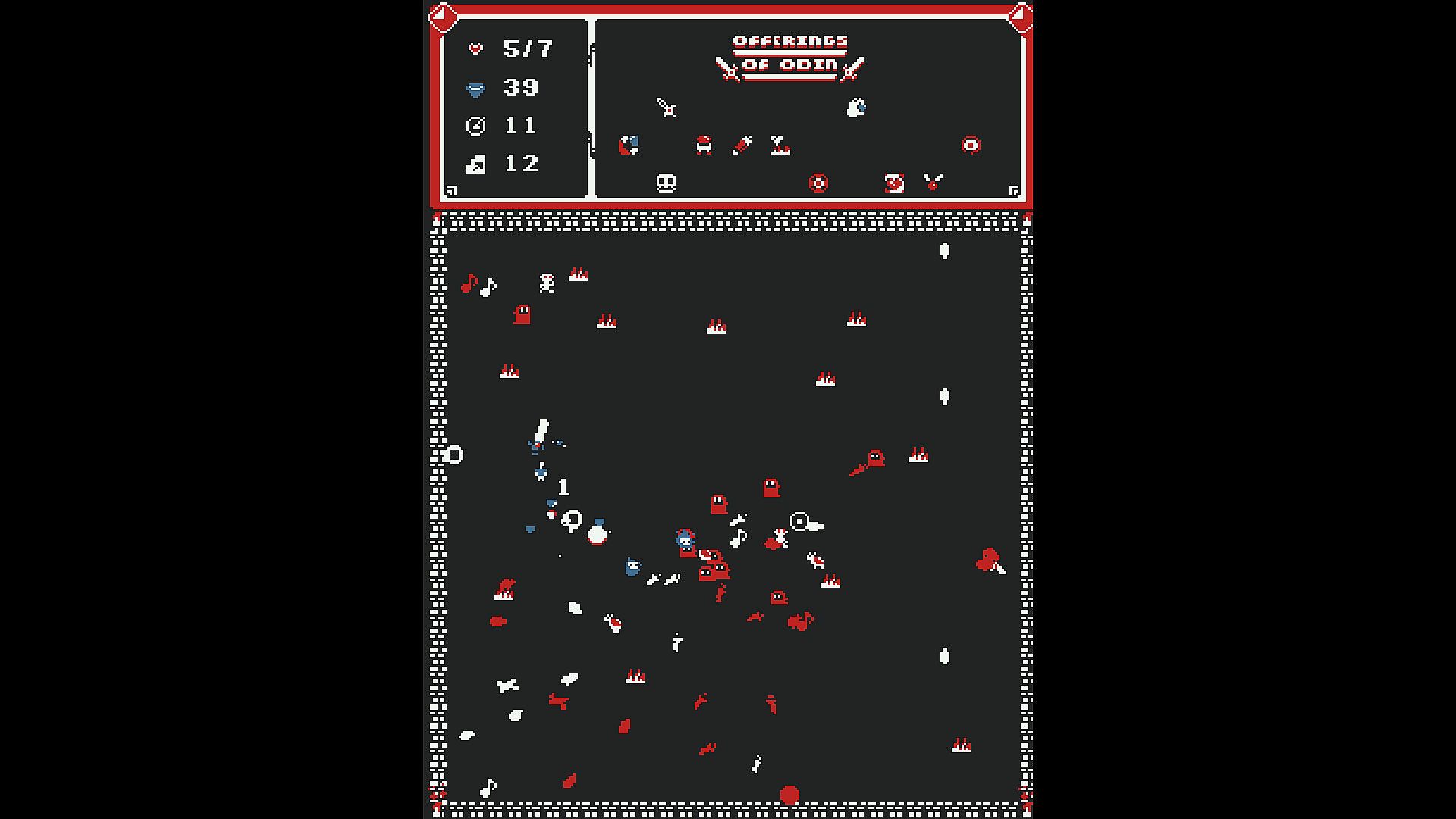
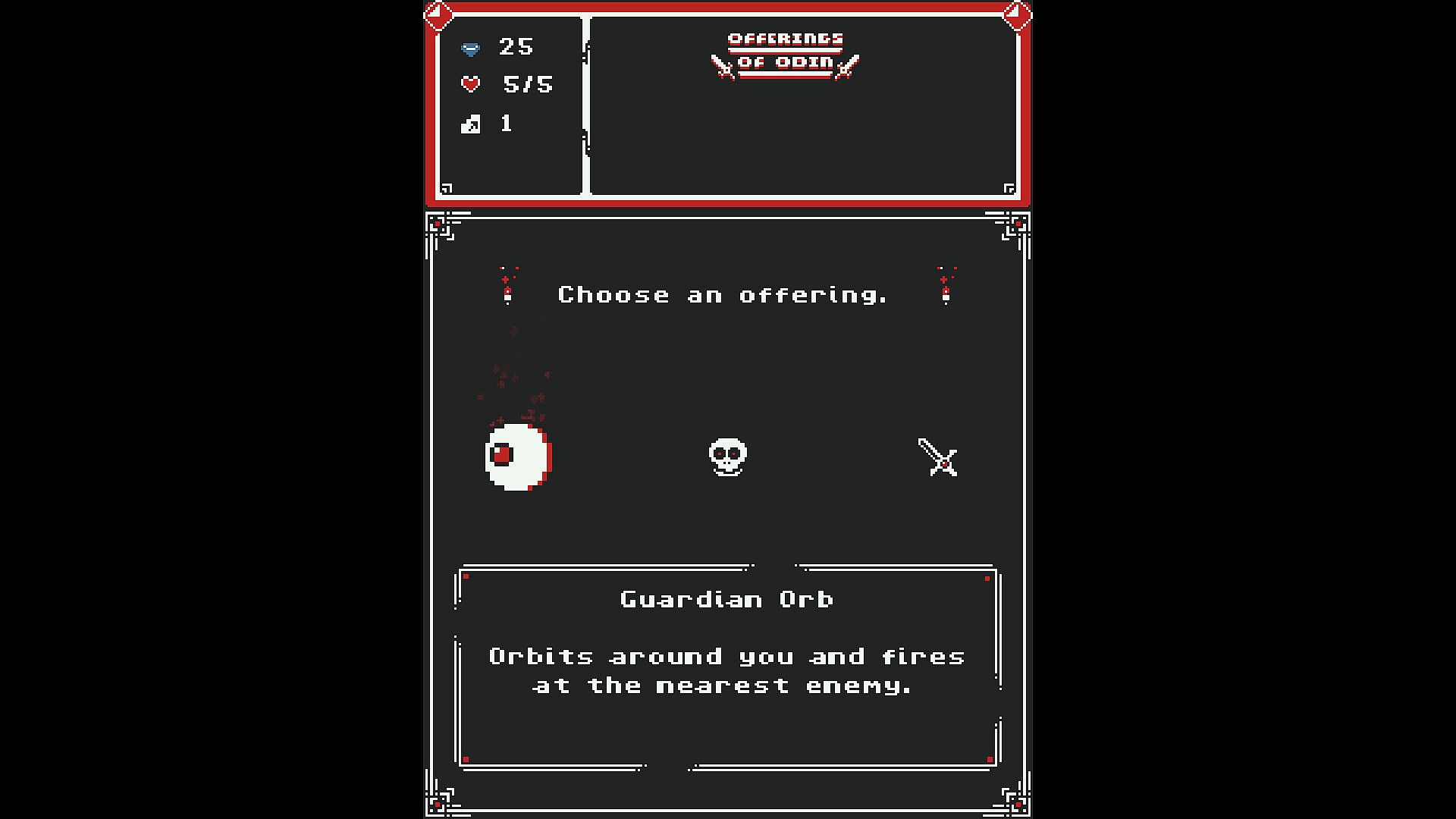
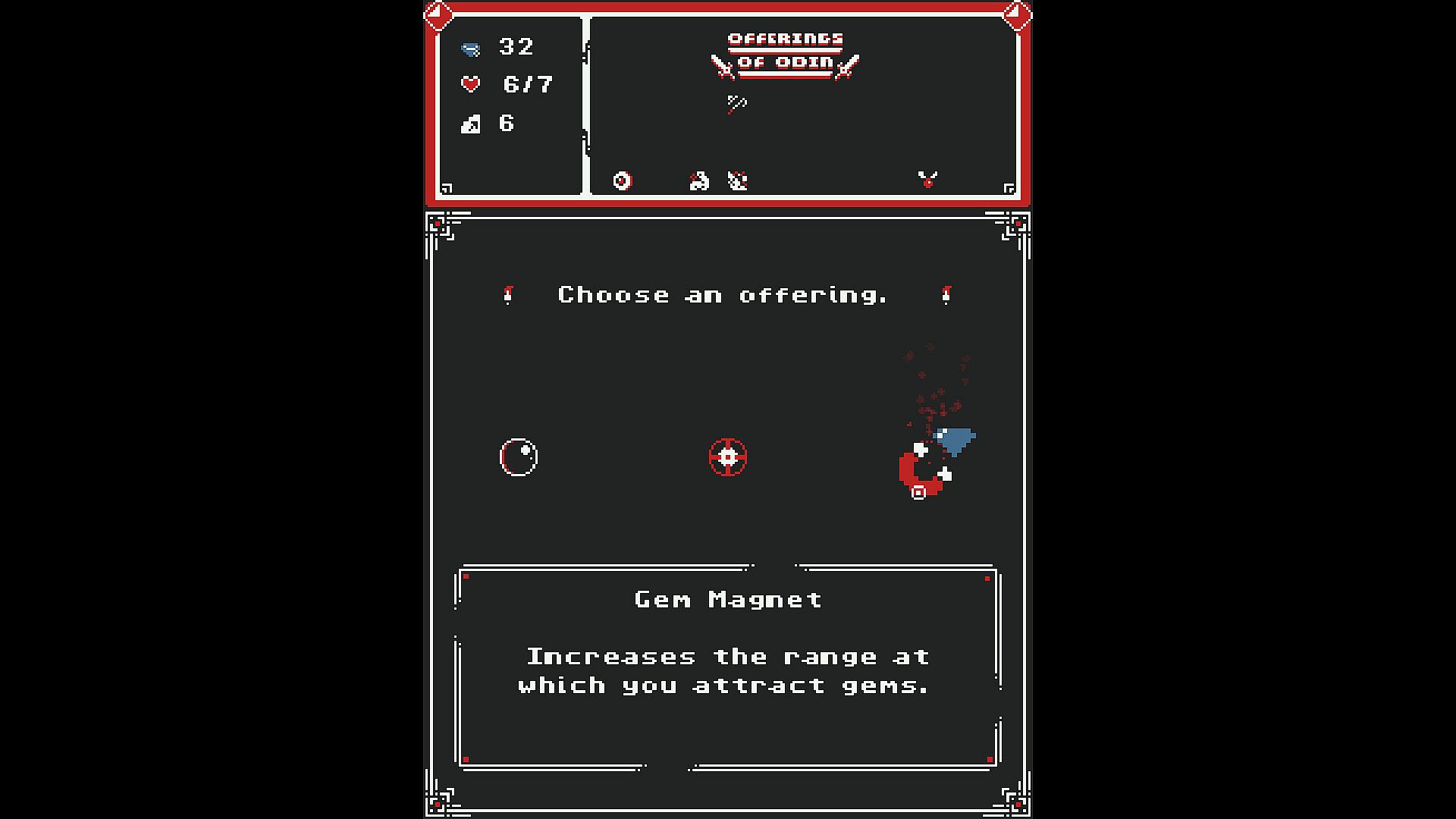
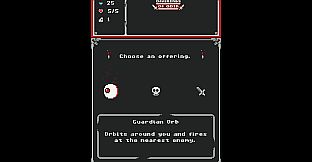
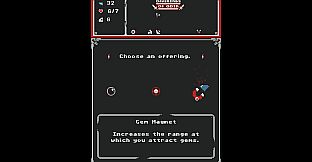
The core loop centers on surviving one floor at a time in a bullet-hell environment. Every 30-second survival period ends with the option to ascend, but failure means restarting the entire run from the bottom. Between floors players select from a growing pool of offerings that permanently alter their capabilities for that attempt. These power-ups stack and combine in ways that reward experimentation with different loadouts across multiple attempts.
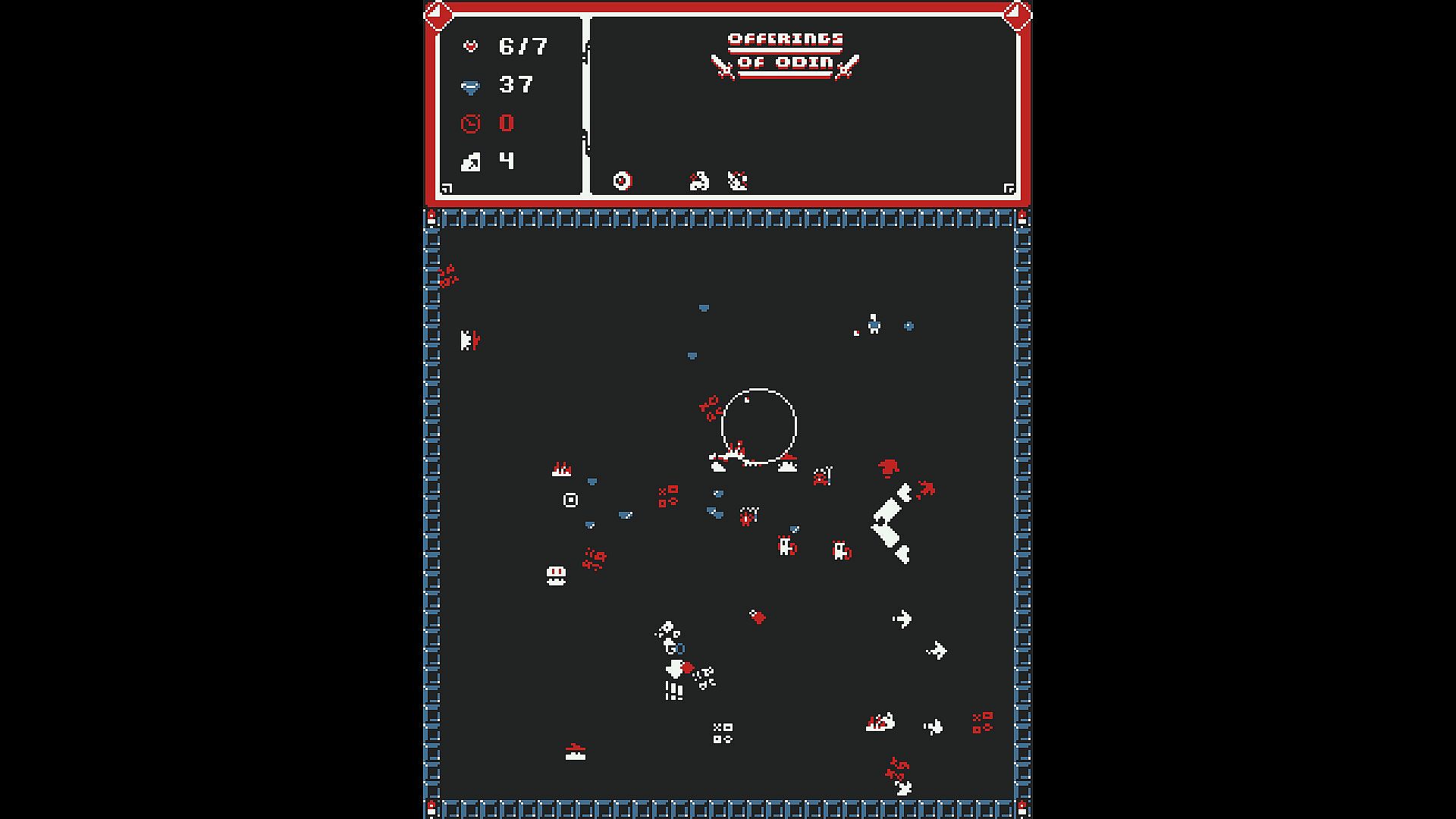
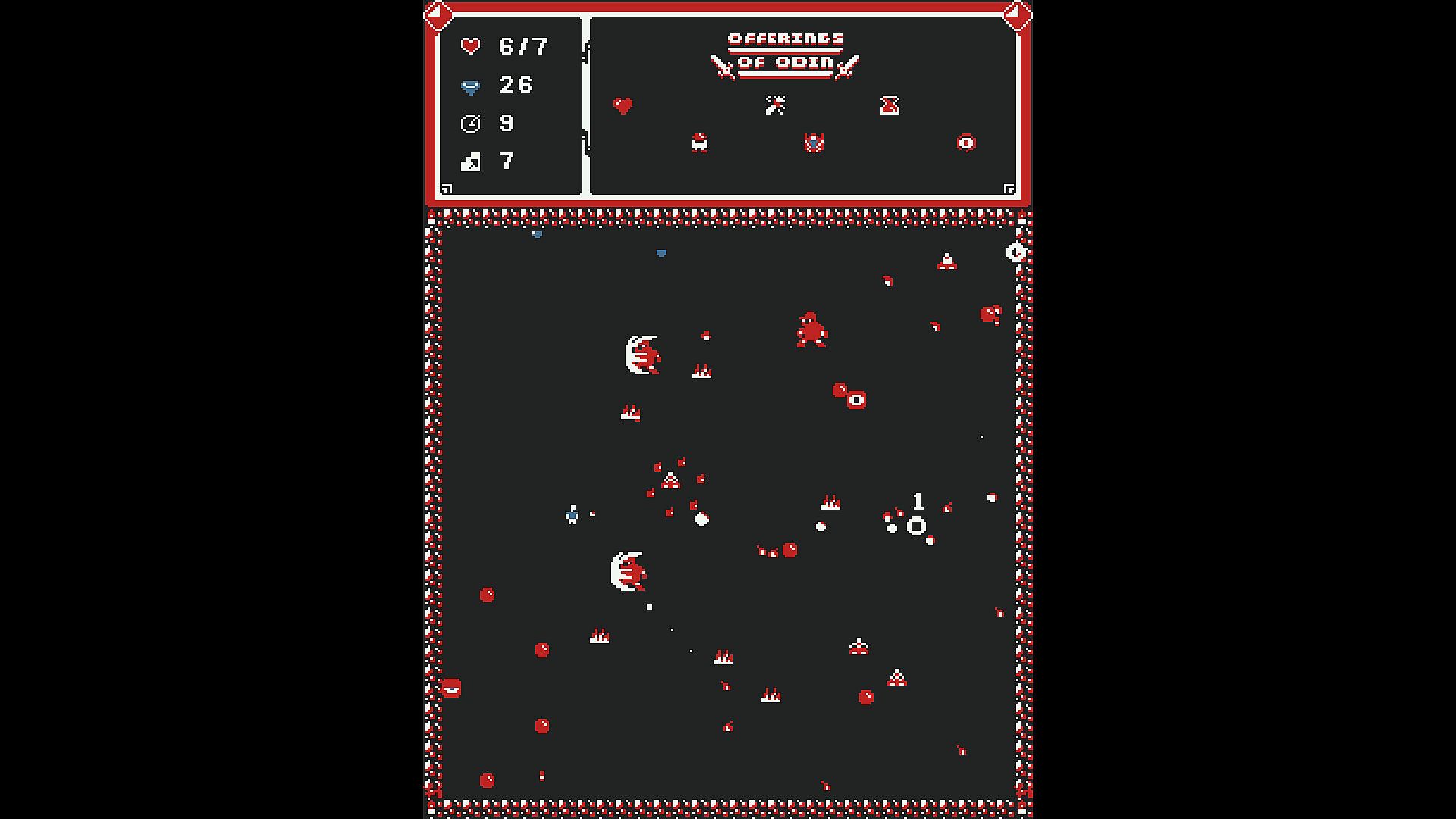
Combat revolves around twin-stick controls that separate movement from aiming, allowing constant repositioning while firing. Enemy types vary in behavior and projectile patterns, requiring players to adapt positioning and timing on the fly. The absence of meta-progression means every new run begins with the same starting conditions, placing the focus entirely on in-run decisions and build synergy rather than long-term unlocks.
Runs typically last around 20 minutes when successful, keeping sessions compact while still delivering escalating challenge as floors increase in density and complexity. Visual feedback highlights the chaotic nature of each floor through layered projectiles and enemy movements that demand precise dodging.
Game Modes
The game features a single primary mode centered on tower ascent. Players enter the structure and attempt to climb as high as possible by clearing successive 30-second survival challenges. Each floor presents a fresh wave composition drawn from the full roster of enemy types, with no branching paths or alternate objectives beyond continued survival and ascent.
Progression within a run comes solely from the offerings collected after each floor. These items provide immediate and lasting effects that compound, turning early modest gains into powerful combinations by the later stages. The mode supports repeated attempts as the main activity, with no separate campaign or side objectives confirmed in the current build.
Key Mechanics and Features
Thirty unique items form the backbone of build variety. Examples include time-slowing effects, undead summoning, and the ability to call forth a massive sentient sword that fights alongside the player. Combinations of these offerings create emergent strategies that change how each floor is approached.
Thirty distinct enemy types populate the tower floors. Their designs range across different movement speeds, attack ranges, and projectile behaviors, ensuring that no two floors feel identical even on repeated climbs. The lack of carryover between runs forces players to relearn adaptation with each new attempt.
Unlockable cosmetics provide visual customization without affecting gameplay balance. These elements sit alongside the core systems but do not alter the equal-footing start of every run.
Is It Worth Playing?
Offerings of Odin appeals most to players who enjoy roguelite structure combined with twin-stick shooter precision and bullet-hell tension. The short run length makes it suitable for quick sessions, while the offering system encourages multiple attempts to discover stronger synergies. Because every run resets completely, success depends on moment-to-moment skill and build choices rather than accumulated advantages from prior play.
The game remains in active development with periodic updates that introduce new enemies, refine balance, and adjust animations. Its current state supports focused playthroughs for those seeking a streamlined experience without extraneous systems. Players who prefer games where each attempt stands alone will find the equal-start design aligns well with that preference.
Overall the title suits fans of compact, high-intensity action where build experimentation happens within individual runs rather than across a larger campaign. Its indie scope keeps the focus narrow on the tower-climbing loop, delivering consistent challenge without additional layers that might dilute the central tension.