


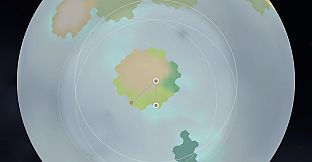
Ode to War is a strategy and simulation game with massively multiplayer elements, available on PC. It places players in the role of settlement administrators on a single shared planet where time advances once per hour. The experience centers on long-term planning rather than constant attention, with participants setting tasks for their towns and returning later to observe the results of collective actions.
Gameplay
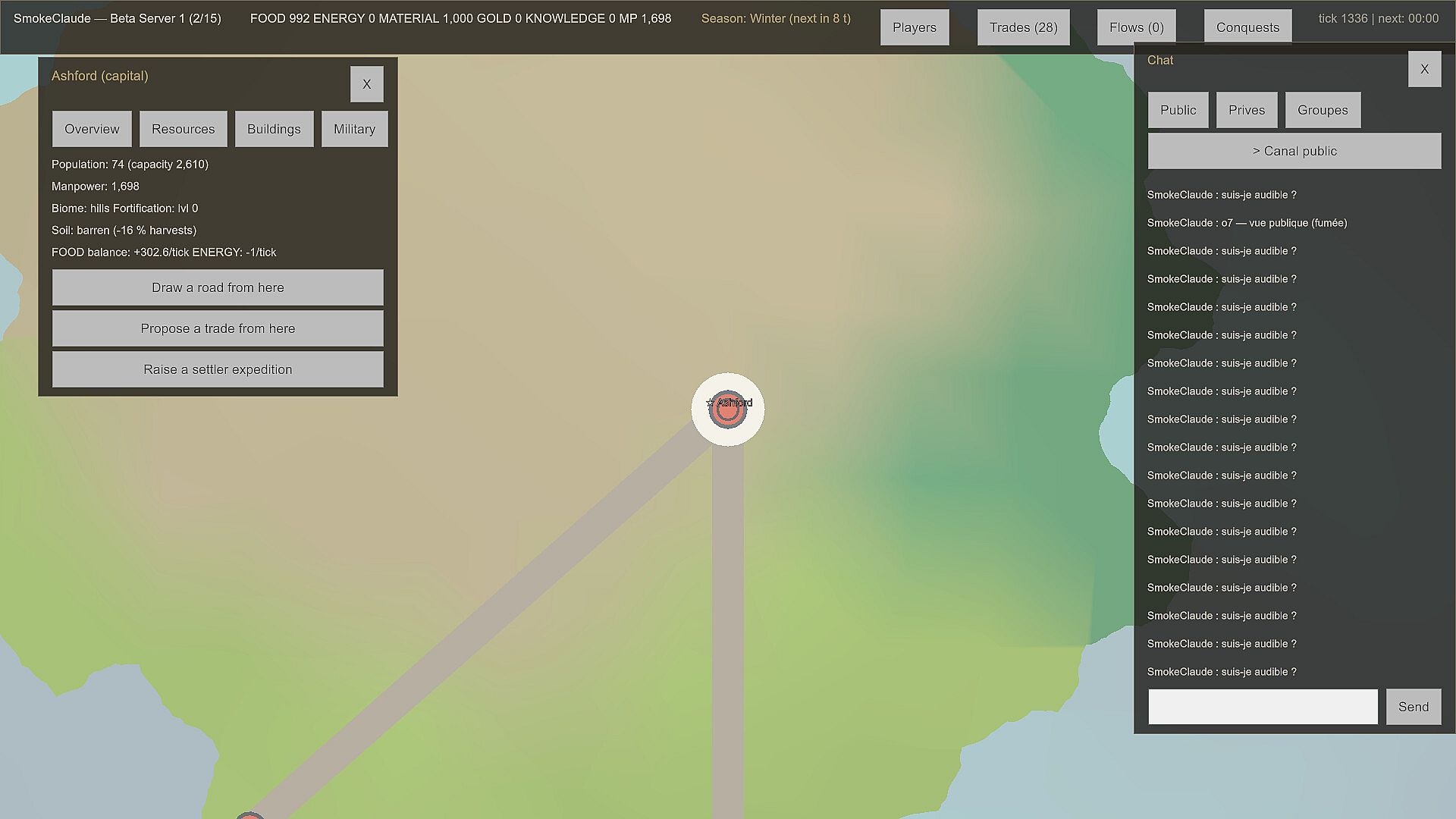
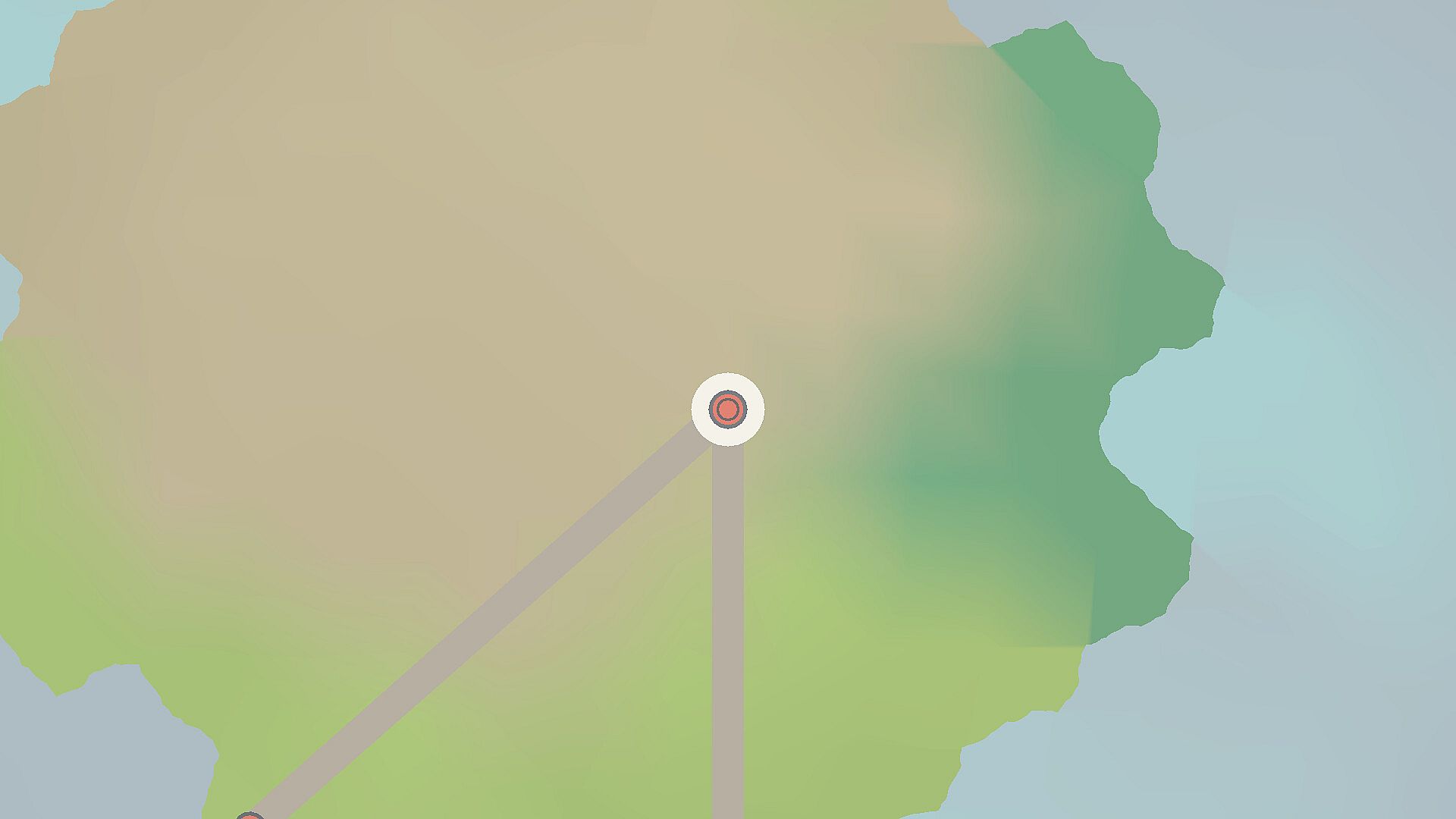
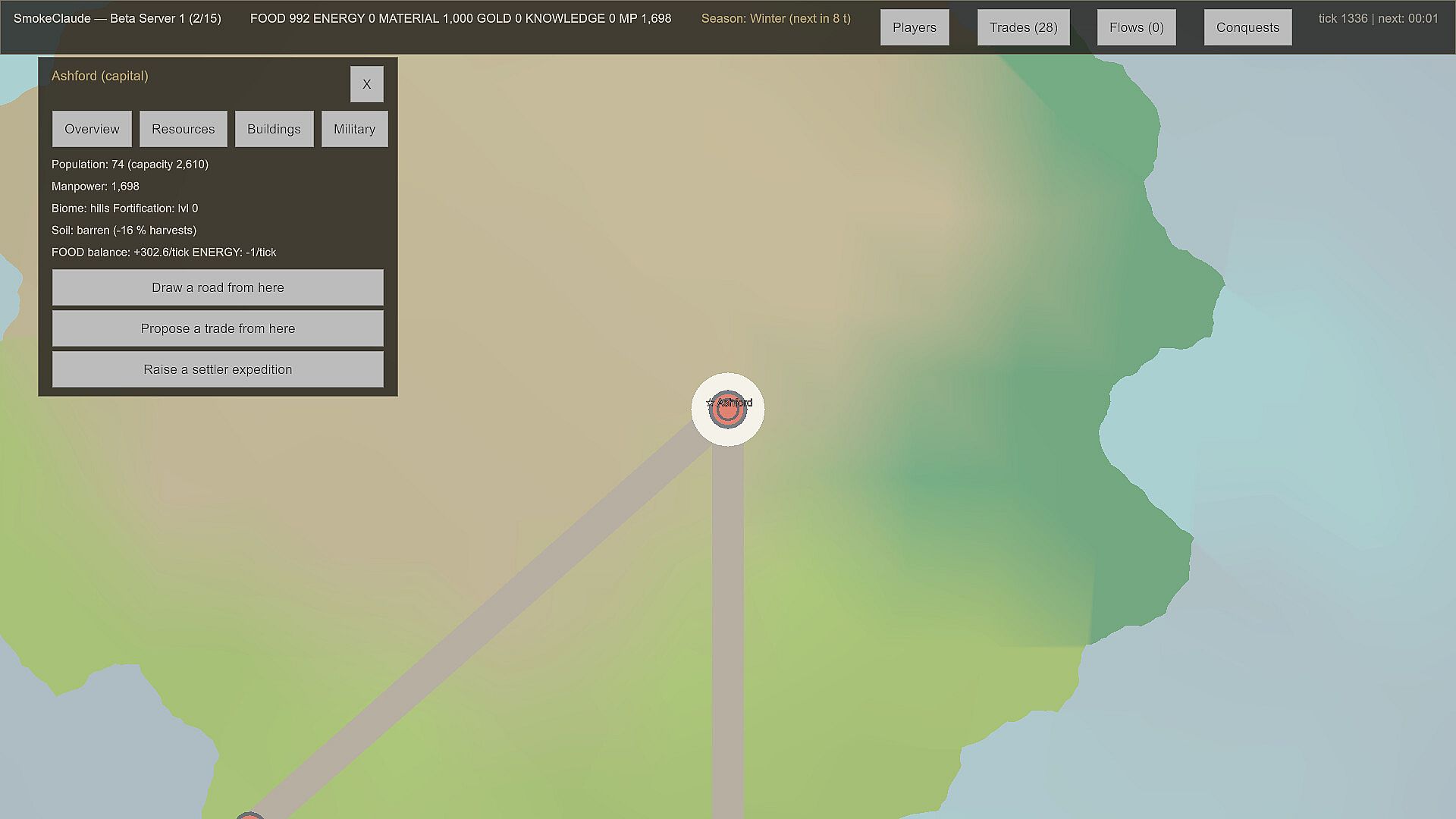
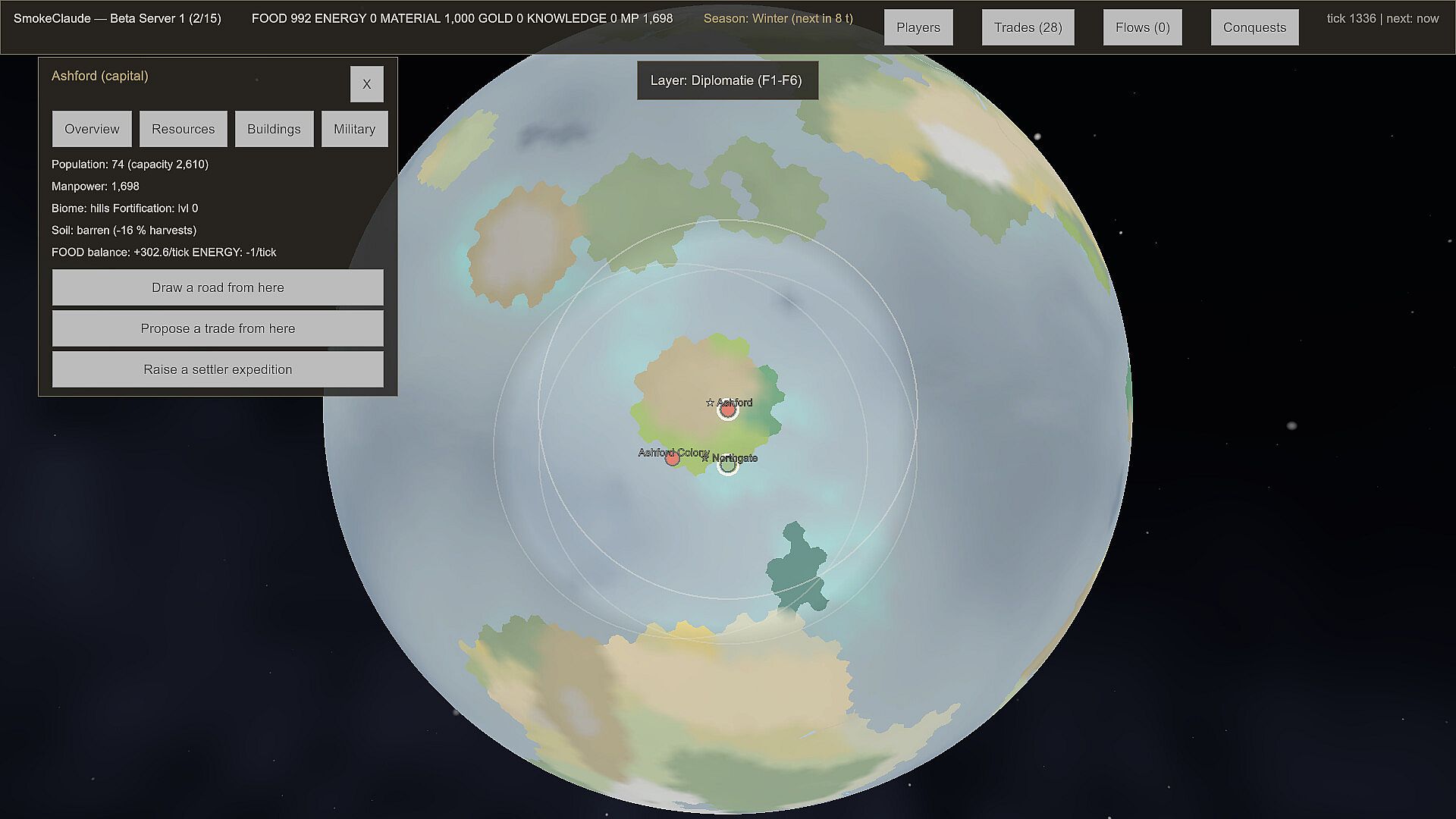
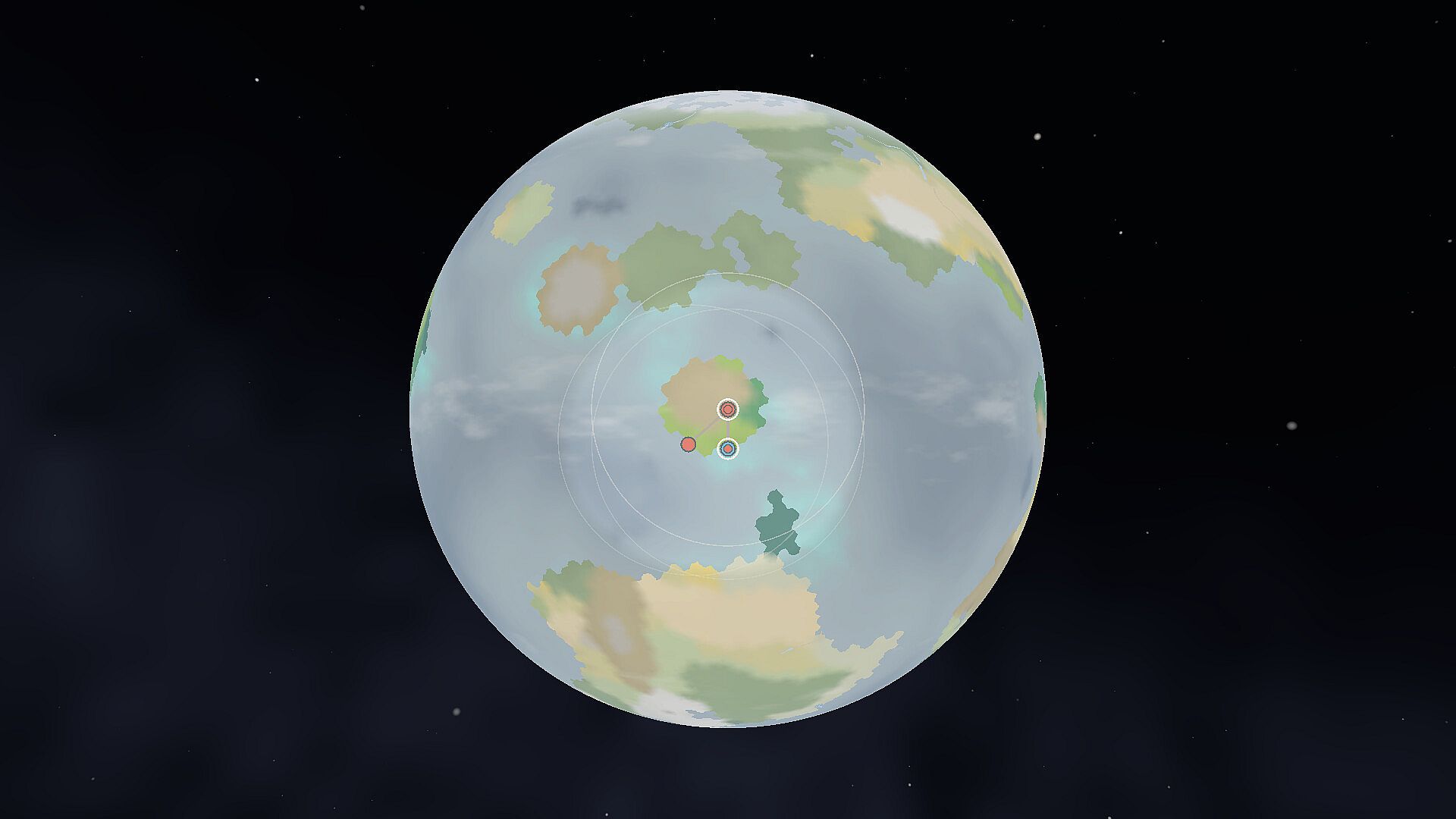
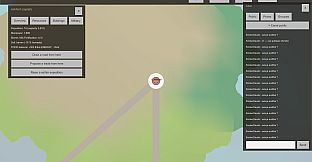
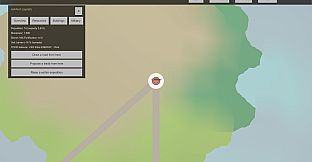
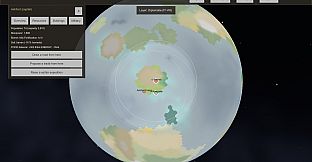
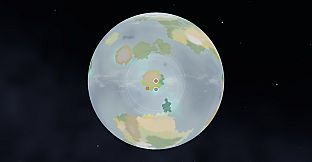
Each settlement operates independently with its own resources, including granaries, quarries, and workforces. There is no shared national pool, so shortages in one location require direct acquisition from others. The world itself forms through simulation on a spherical map. Plate tectonics create mountains and rifts, while wind patterns, ocean currents, and river systems determine local conditions such as forest growth on one side of a range and steppe on the other. These factors directly influence what crops can be grown, what materials extracted, and the costs of travel between locations.
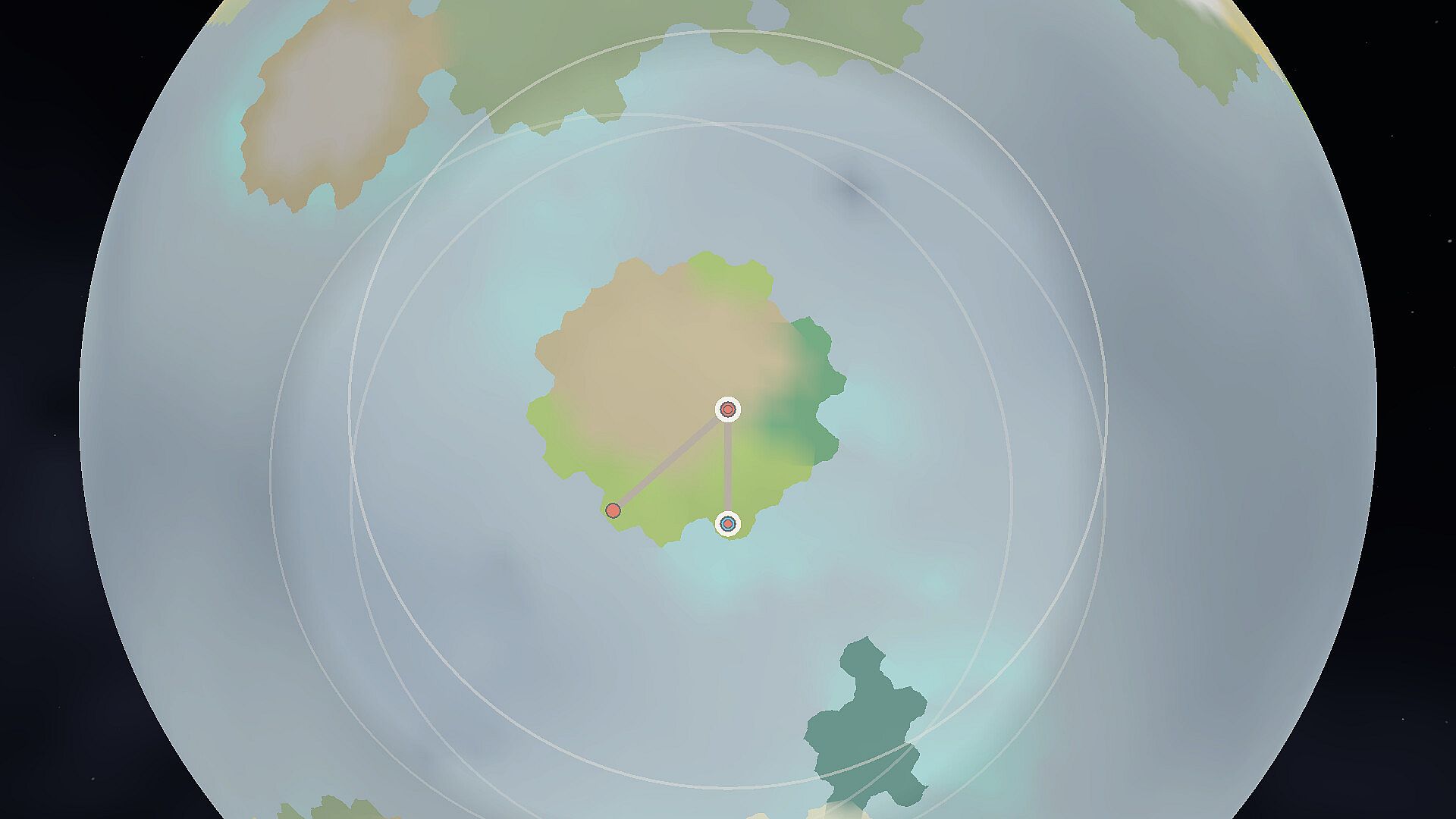
Seasons span a full real-world week, with opposing hemispheres creating opportunities for trade when harvests differ. Winter conditions freeze ports and impede movement. Trade occurs solely through proposed exchanges of goods, workers, or even entire settlements. Both parties review terms in advance, and distance affects efficiency based on roads, rivers, or sea lanes. Routes require manual construction with materials and labor, turning them into tangible investments.
Conflict arises through stances toward other players, weapon production, and army recruitment. Armies move across terrain and weather that impose real costs. Successful sieges offer choices: annex the settlement for ongoing administration, sack it for immediate gains, or raze it and displace survivors. All elements on the map originate from player actions, with no computer-controlled opponents present.
Game Modes
The core experience unfolds in a single persistent multiplayer world shared by all participants on a given server. Players found and manage multiple settlements, connect them through infrastructure, conduct research, engage in trade, expand to new areas, and resolve disputes through military means. This setup emphasizes indirect interaction, where one administrator's decisions affect distant others via resource flows and territorial control.
Interactions remain player-driven at every stage. Stances replace formal declarations, and exchanges require mutual agreement. The absence of automated opponents ensures every road, town, and force traces back to human choices. Servers remain intentionally small during the current phase to encourage direct encounters among participants.
World Simulation and Future Plans
The planet generates procedurally through layered environmental rules rather than manual design. Terrain dictates yields and accessibility in ways that will expand further, with distinctions between soil types already planned. Standing orders will allow towns to respond automatically to events such as border crossings or stockpile changes. Additional resource specializations, like salt formation in specific coastal conditions, aim to create natural interdependencies.
Development follows a tiered approach. The current stage focuses on refining one planet. Later stages will introduce climate shifts from industrial activity, expanded naval mechanics, and eventually connections between multiple planets in a shared universe. Orbital mechanics and inter-world travel will add distance as a meaningful factor, but these remain outside the playable scope for now.
Is It Worth Playing?
Ode to War suits players who prefer deliberate, low-frequency engagement over rapid sessions. An hour of planning per day aligns with the design, and the hourly server tick supports stepping away without missing critical moments. The playtest phase includes the complete loop of founding, building, trading, and fighting, though balance continues to adjust and server populations stay limited by intent.
Those drawn to player-driven economies, realistic geography effects, and persistent worlds without artificial opponents will find the systems rewarding. The emphasis on individual settlement management and negotiated exchanges creates a distinct rhythm compared to faster-paced strategy titles. Availability remains through the ongoing playtest on PC.