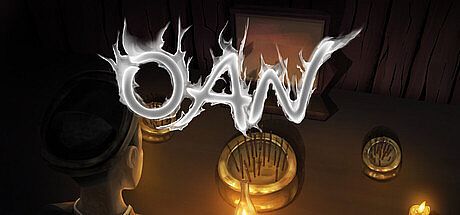


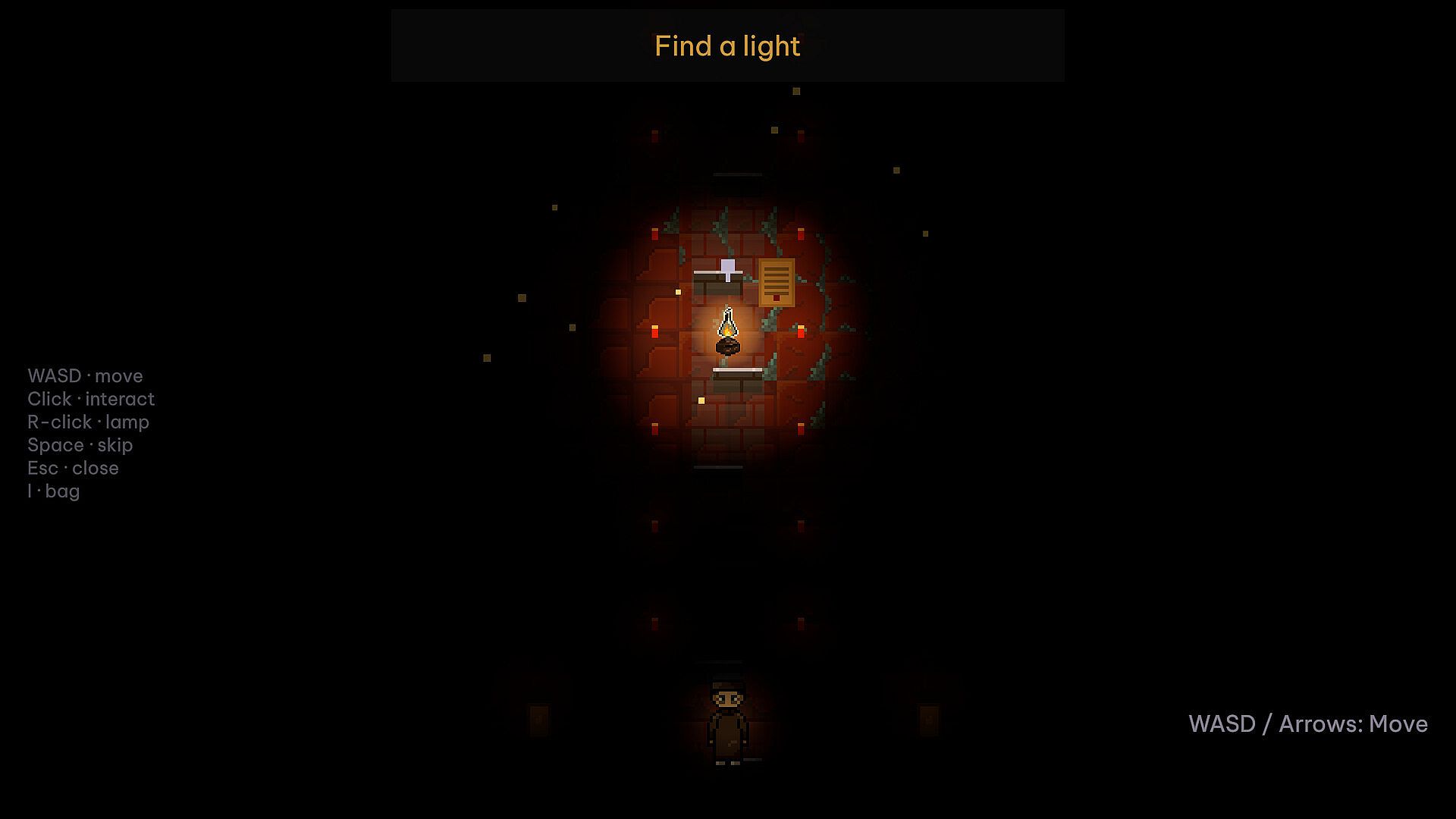
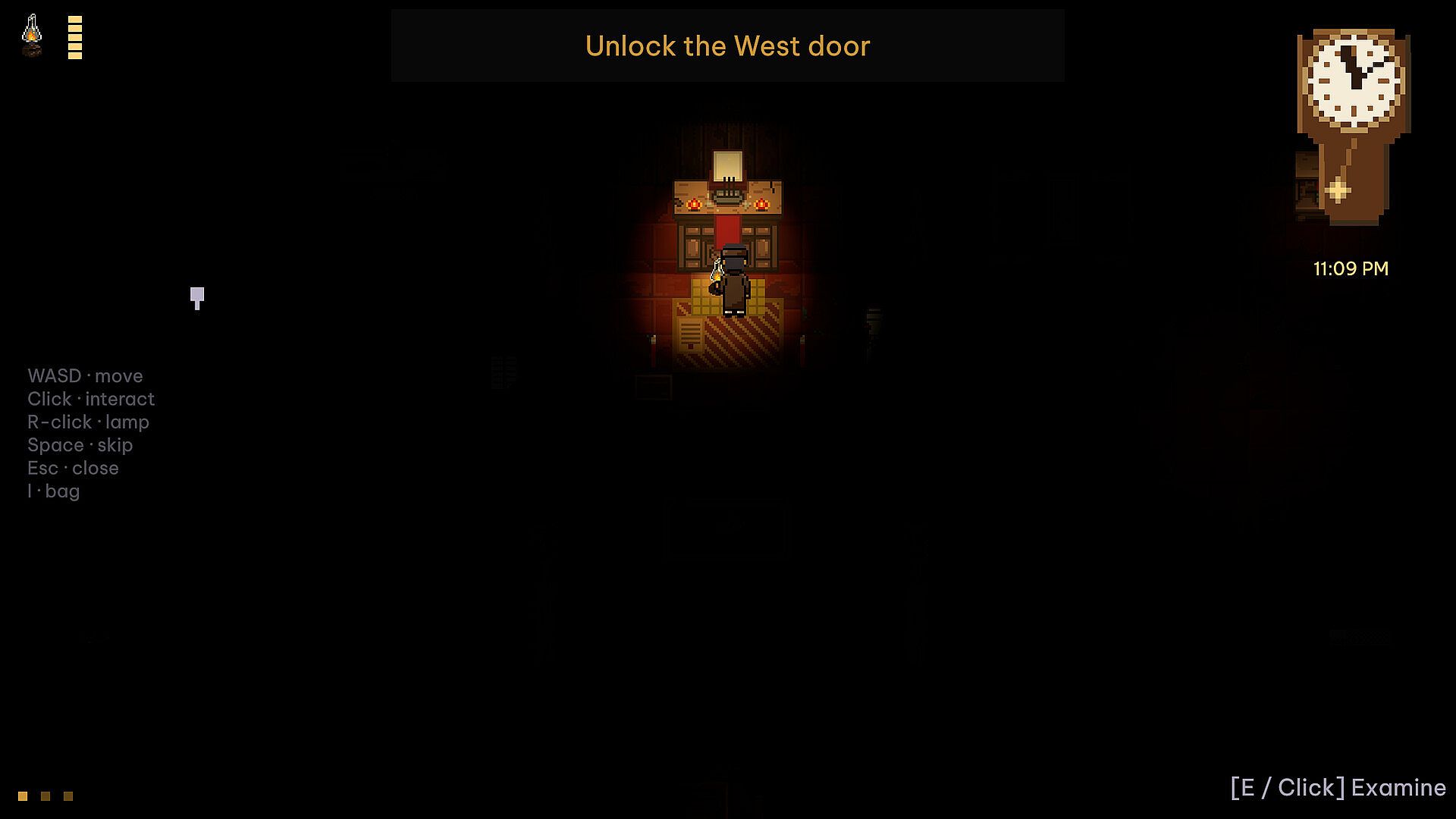
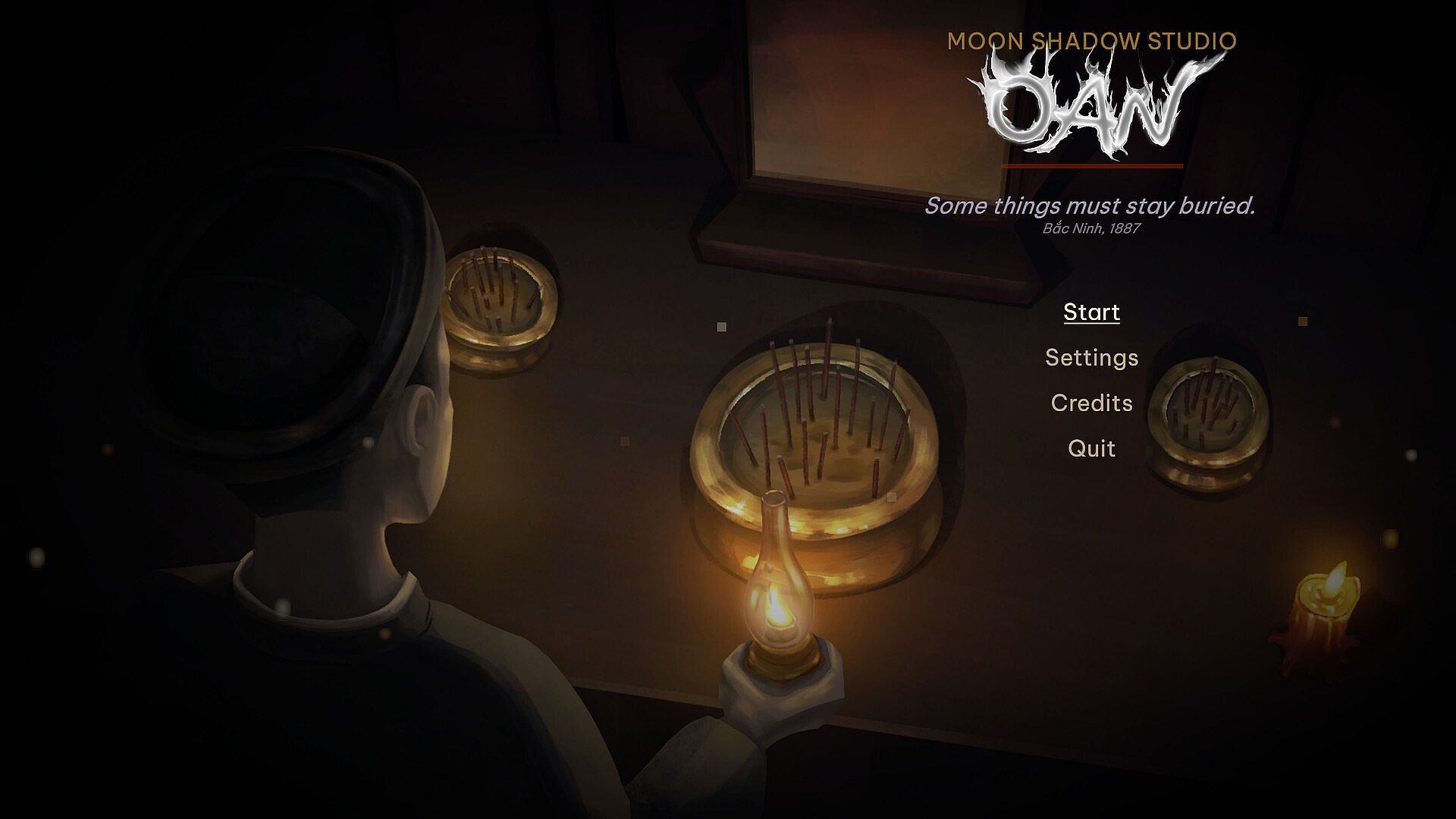
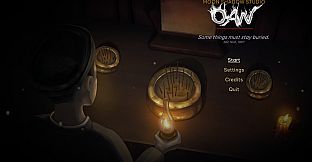
OAN is a single-player indie adventure horror game set in 19th-century Vietnam. Players take on the role of Binh, who returns to a family shrine house in Bac Ninh during a death anniversary in 1887. The core experience revolves around completing a vigil before dawn while navigating a darkened compound lit only by an oil lamp. The house holds sealed locks that conceal fragments of family history, and an unsettling presence moves through the rooms.
Gameplay
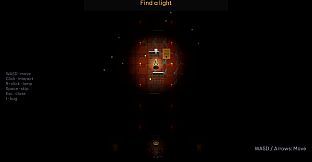
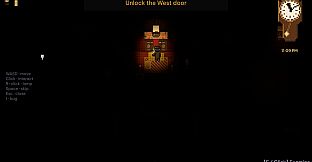
The oil lamp serves as both light source and limited resource. Its flame shrinks as oil burns, forcing careful management during exploration. Raising the lamp reveals details hidden in shadows, such as inscriptions on spirit tablets or clues tied to ancestral offerings. Lowering it reduces visibility and heightens tension as the environment closes in. Movement occurs in a top-down pixel-art view that emphasizes atmosphere over fast action.
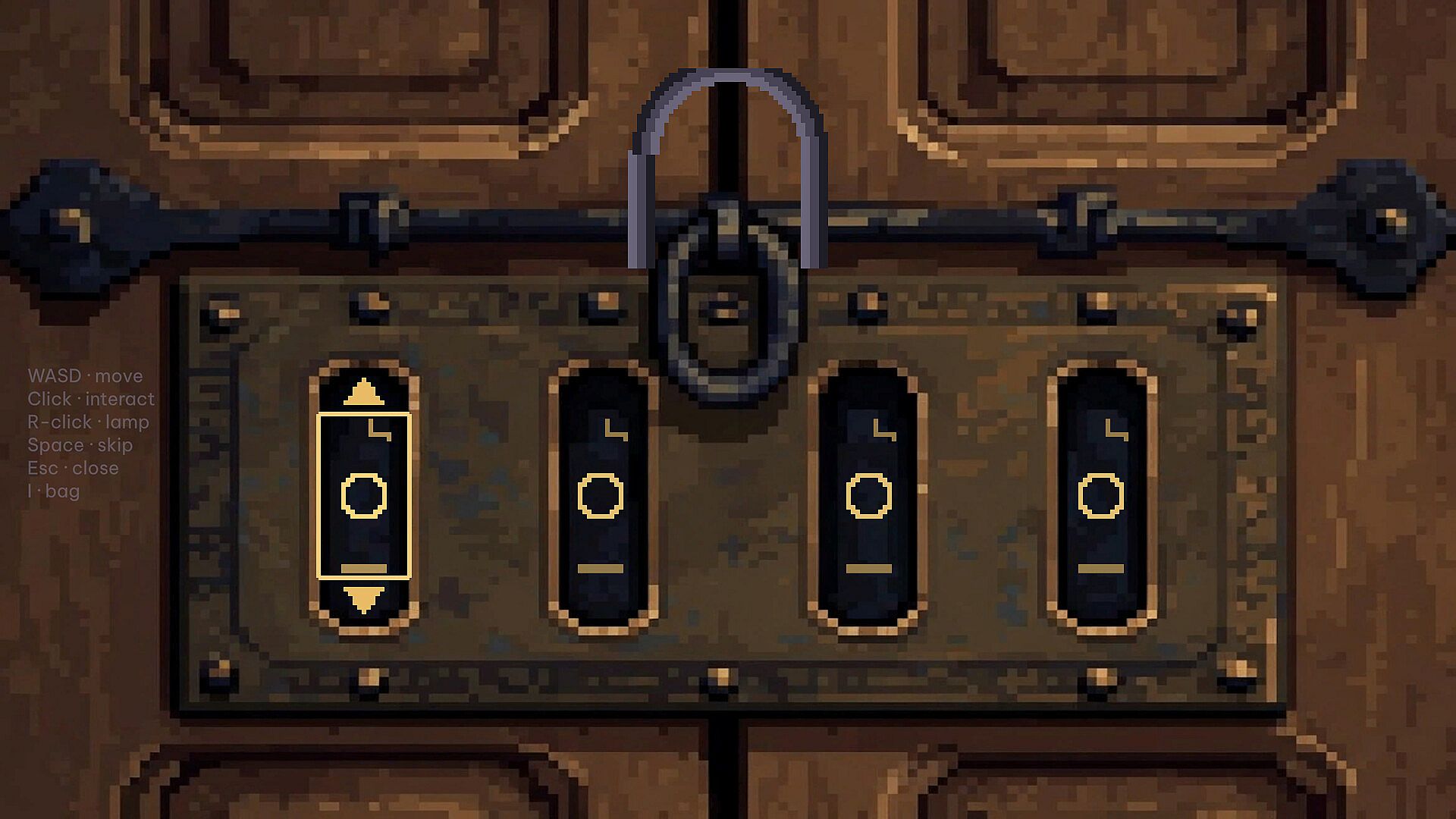
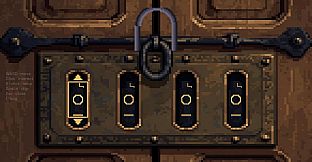
Puzzles draw directly from Vietnamese ritual practices, including references to the five elements, lunar dates, and traditional offerings. Each lock opens only after solving a logic-based challenge rooted in the story of hidden guilt. These sequences advance the narrative by revealing new pieces of the grandfather's past, while the presence in the house reacts to progress. The paper effigy enemy does not pursue openly at first. It blends with household objects, requiring players to watch for subtle shifts in the environment. Once active, it anticipates paths, waits in ambush, and forces players to break line of sight to escape. No two encounters follow identical patterns.
Game Modes
OAN focuses entirely on a single-player narrative campaign. There are no separate multiplayer options or competitive modes. The experience unfolds as one continuous story session centered on the vigil and the secrets uncovered room by room. Progress ties directly to completing ritual tasks and managing the lamp across the compound.
Story and Setting
The narrative centers on family debt and buried truths from the late 1800s. Binh must finish the anniversary vigil while confronting what his grandfather concealed. Vietnamese cultural elements shape every layer, from the layout of the shrine house to the logic behind each sealed lock. The paper effigy adds a layer of psychological pressure rather than direct confrontation, fitting the slow-burn horror tone.
Is It Worth Playing?
OAN suits players who enjoy deliberate, atmospheric horror with puzzle-solving and cultural authenticity. The lamp mechanic creates constant decision-making about light and risk, while the disguising enemy demands observation over reflexes. Those drawn to top-down pixel art and stories grounded in specific historical and spiritual traditions will find the approach distinctive. The game supports English, Vietnamese, Korean, and Japanese text. As an indie title built around ritual logic and a unique threat, it appeals most to fans of narrative-driven single-player experiences rather than action-heavy or multiplayer titles.