

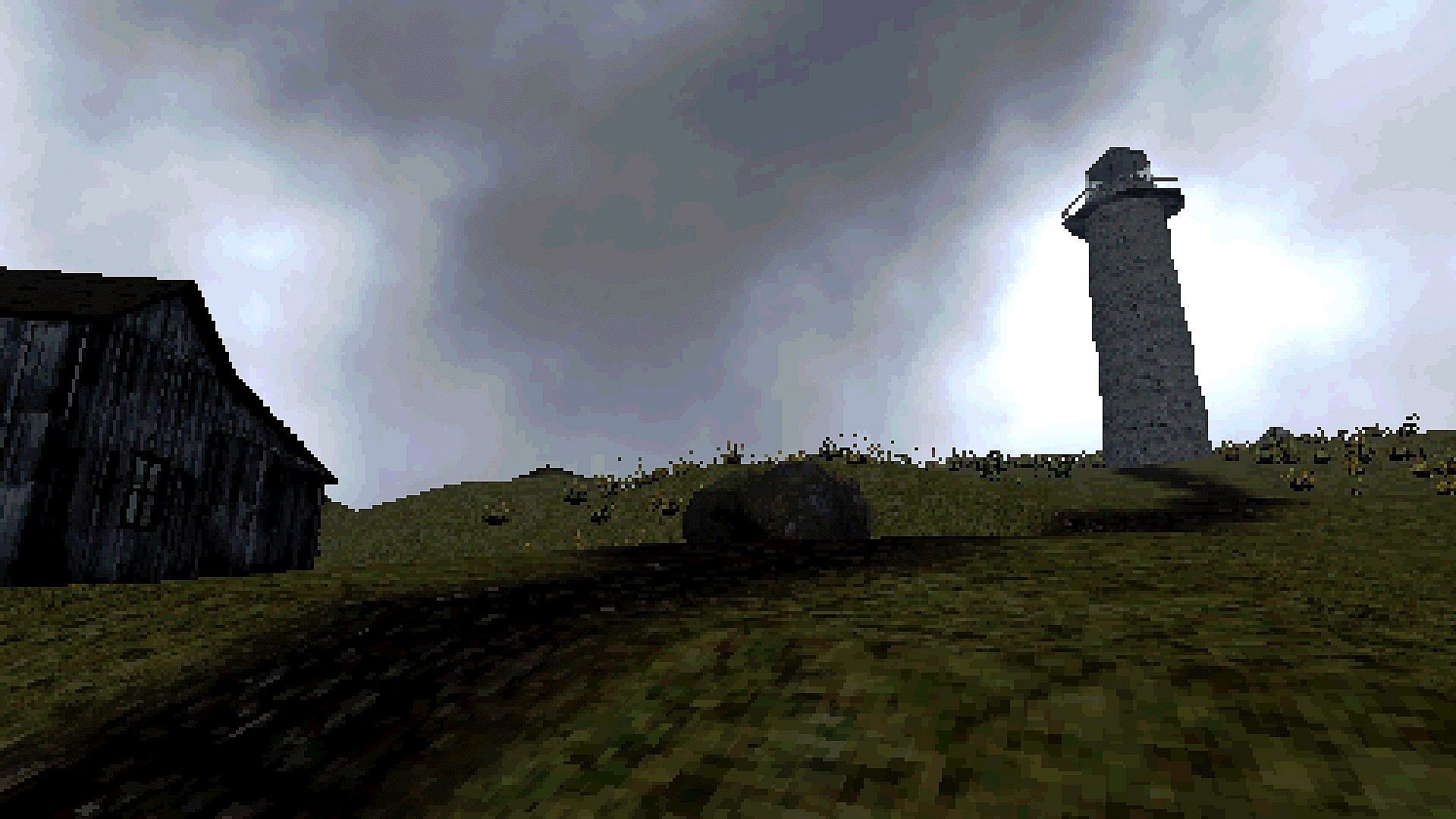
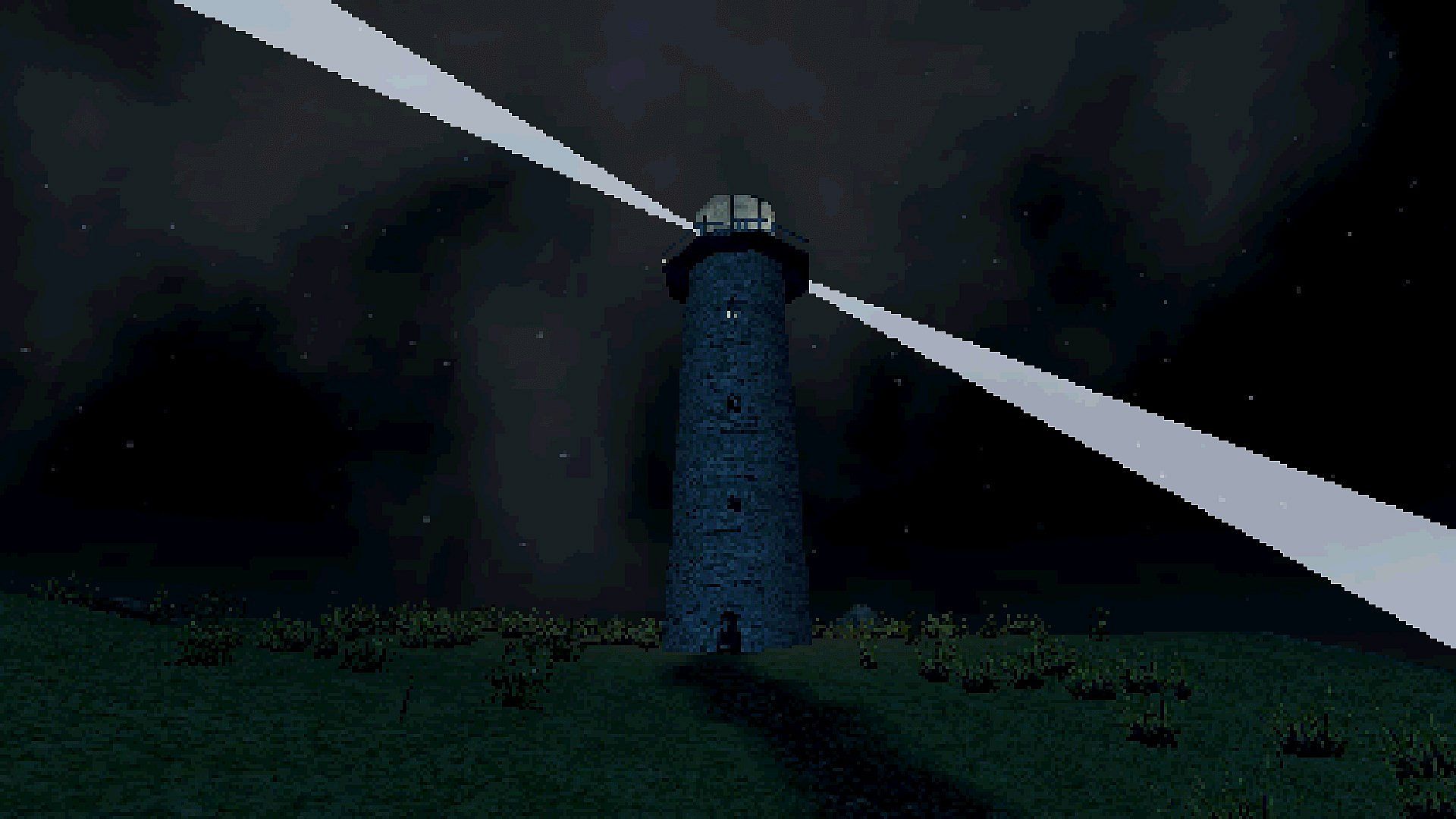
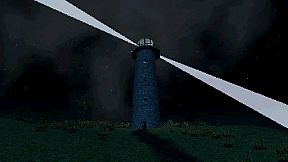
No One Lives Under the Lighthouse is a first-person horror adventure game set on a remote island where players assume the duties of a lighthouse keeper. The previous keeper has vanished, leaving the new arrival to handle the isolated post alone. Daily responsibilities center on keeping the beacon operational while strange occurrences begin to test the keeper's grip on reality.
Gameplay
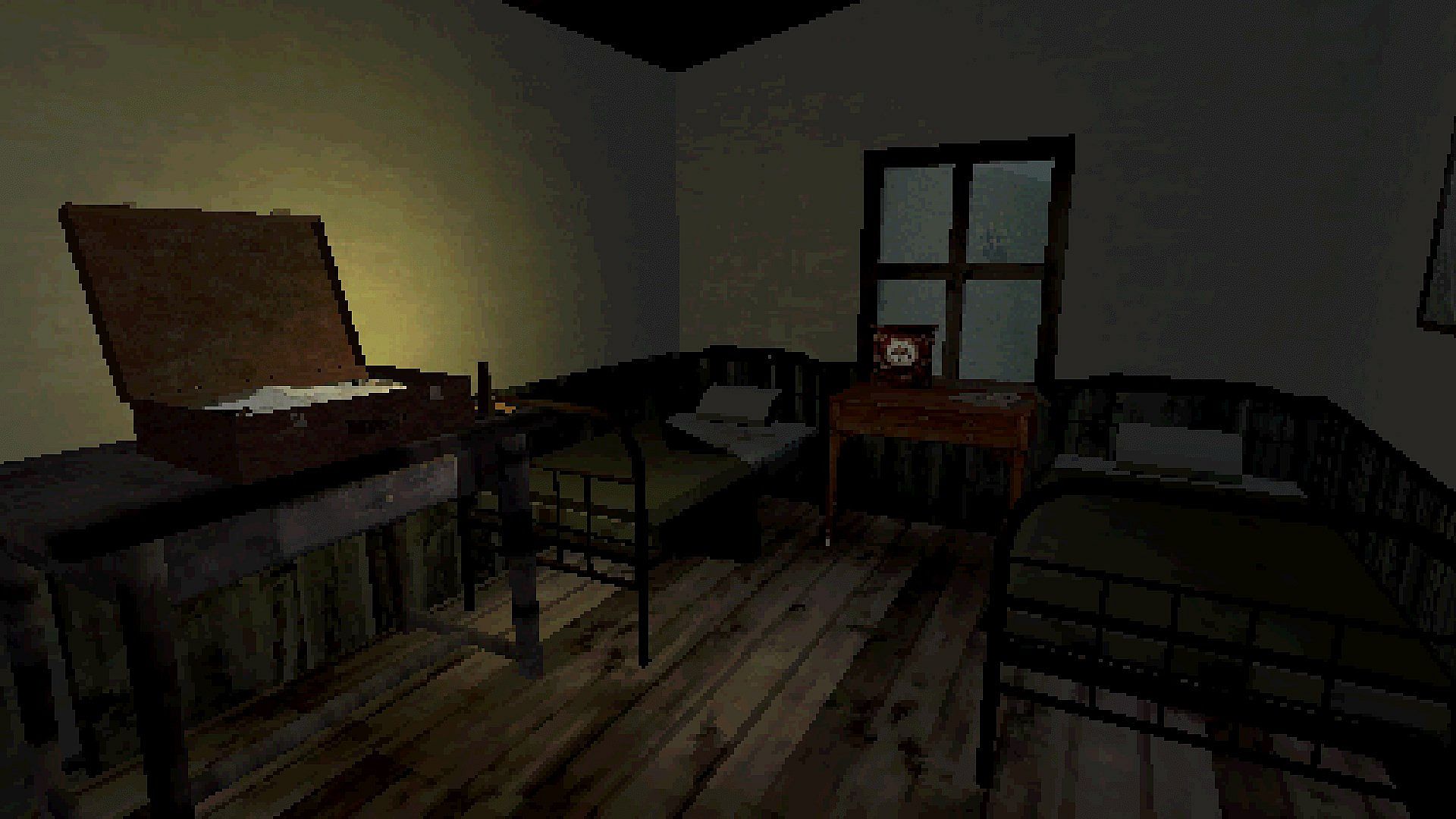
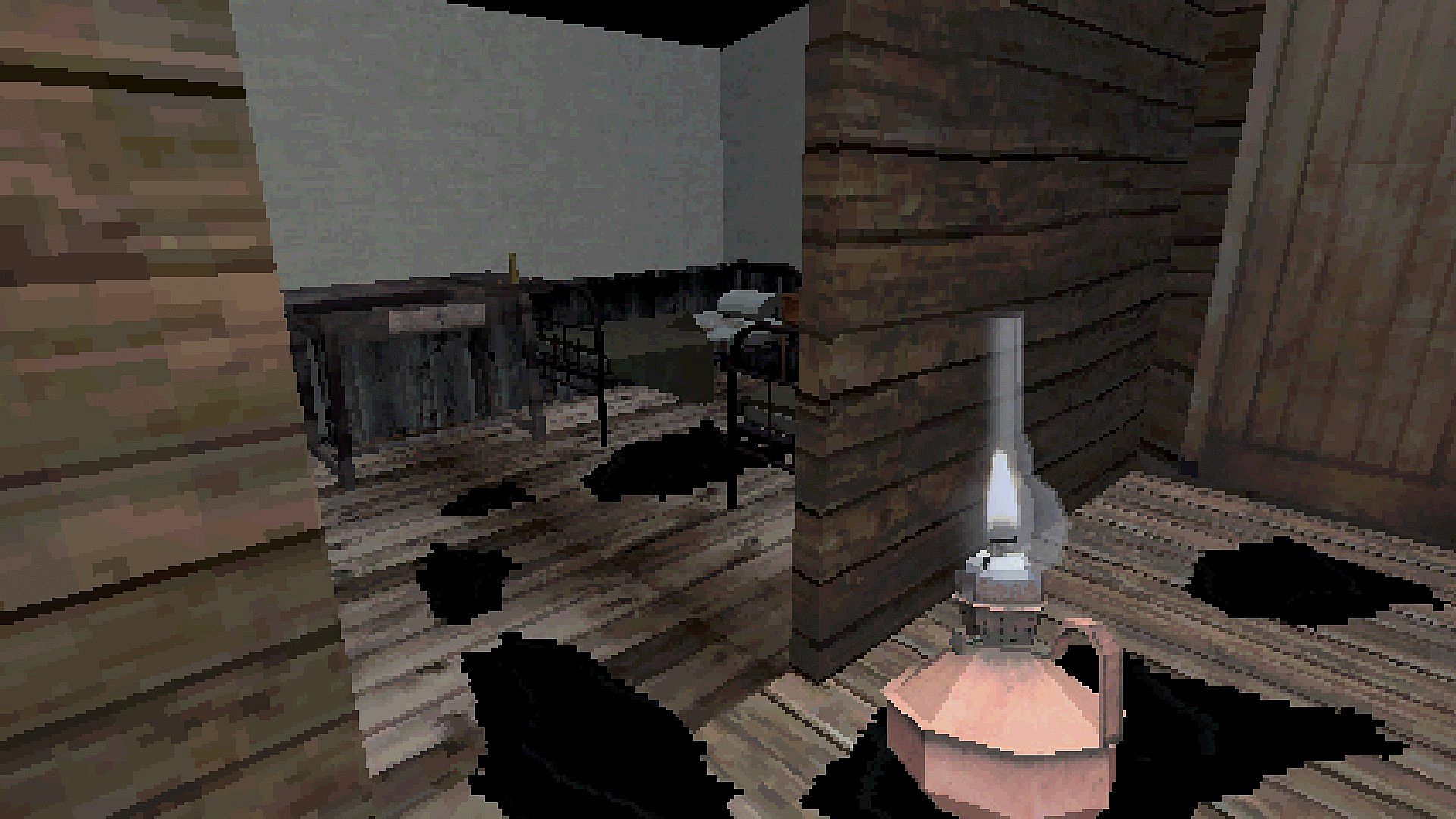
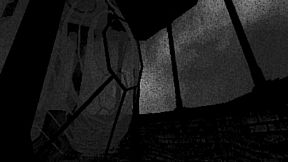
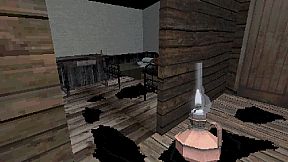
Core activities revolve around lighthouse maintenance on the small, windswept rock. Players collect oil to fuel the lamp, climb the tower stairs, and use a crank system with sandbags to rotate the light through the night. Additional chores include cleaning windows covered in black residue, repairing damage to structures, and locating tools or keys scattered across the island. Movement feels deliberate and limited, with a basic running mechanic that drains stamina quickly. Exploration involves searching the cabin, tool shed, and surrounding areas for items needed to progress tasks or unlock storage. Occasional sequences require quick reactions during encounters, though these remain brief and tied to the overall tension rather than frequent combat. The low-resolution visual style and minimal interface heighten the sense of isolation, forcing careful observation of the environment without on-screen prompts.
Game Modes
The experience is strictly single-player with no multiplayer options or separate modes. Progression follows a day-by-day structure focused on completing keeper duties while uncovering layers of the island's secrets. Replay value comes from multiple endings determined by the order of actions, items collected, and decisions made during exploration. Each playthrough typically lasts a few hours, encouraging additional runs to discover alternate outcomes without altering the fundamental loop of maintenance and investigation.
Atmosphere and Tension
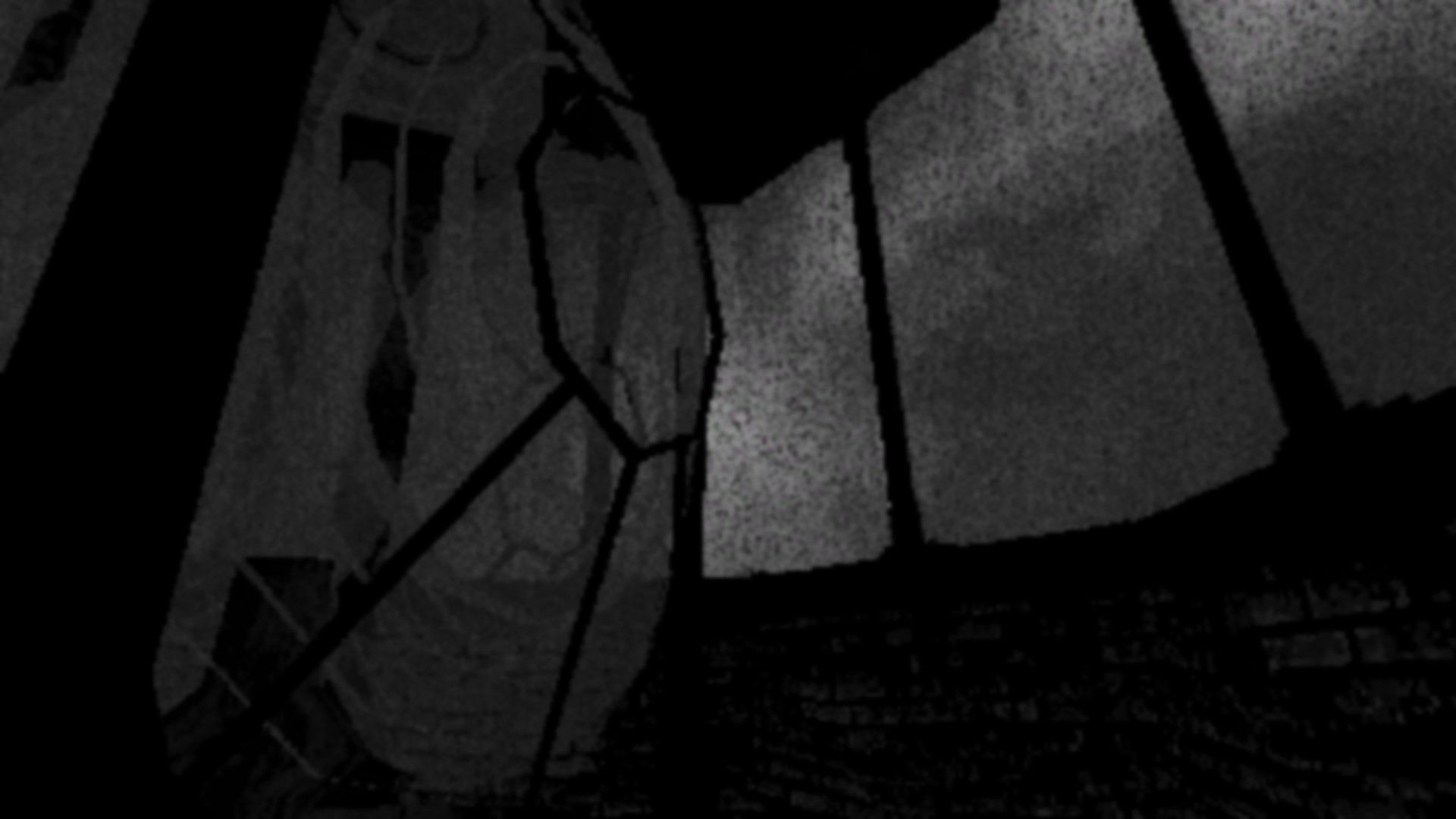
Sound design emphasizes environmental details such as wind, waves, and seagull calls to reinforce the desolate setting. Supernatural elements build gradually through visual distortions, unexplained sounds, and shifting perceptions that blur the line between routine work and emerging threats. Limited visibility in certain areas and abrupt perspective shifts during intense moments contribute to a growing unease. The retro-inspired presentation supports this slow accumulation of dread rather than relying on jump scares or constant action.
Is It Worth Playing?
This title suits players drawn to atmospheric horror adventures that prioritize mood and discovery over polished mechanics or extended campaigns. Its short length makes it accessible for those seeking a focused session or two, while the variety of endings supports repeat play for completionists. Reception highlights the effective isolation and narrative payoff for fans of the genre, though some note frustrations with movement speed and occasional control stiffness during rarer action segments. On Xbox consoles, the updated release preserves the original's distinctive style and delivers the core keeper experience without additional layers. Those who appreciate deliberate pacing and environmental storytelling will find it a worthwhile diversion, particularly at its modest price point.