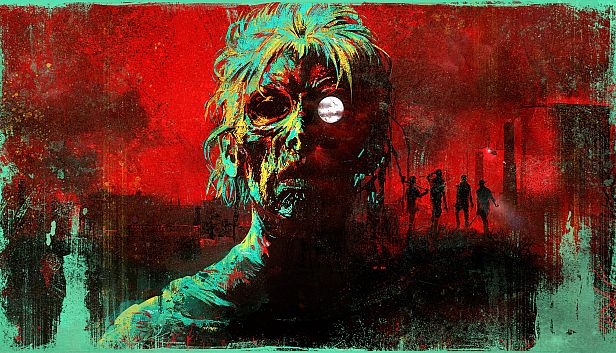


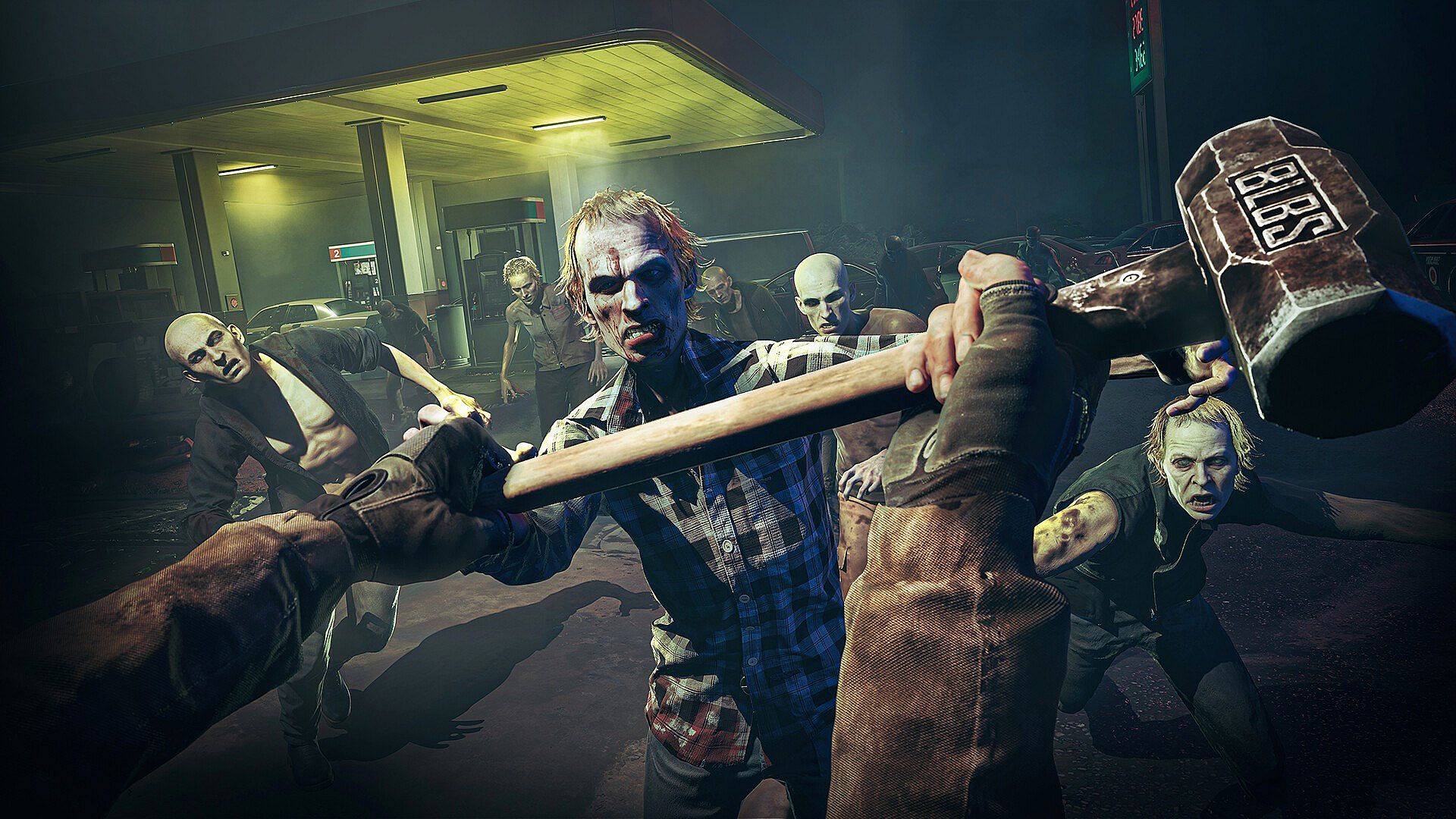

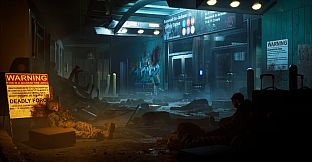


No More Room in Hell 2 is a co-op action horror game that places players in the role of emergency responders dropped into zombie-infested zones on Xbox Series X|S and PC. The core loop revolves around scavenging supplies, completing objectives, and extracting while managing permadeath and the constant risk of infection. Eight players begin scattered across large maps and must rely on proximity voice chat to locate one another, coordinate, and survive against hordes that react to sound and movement.
Gameplay
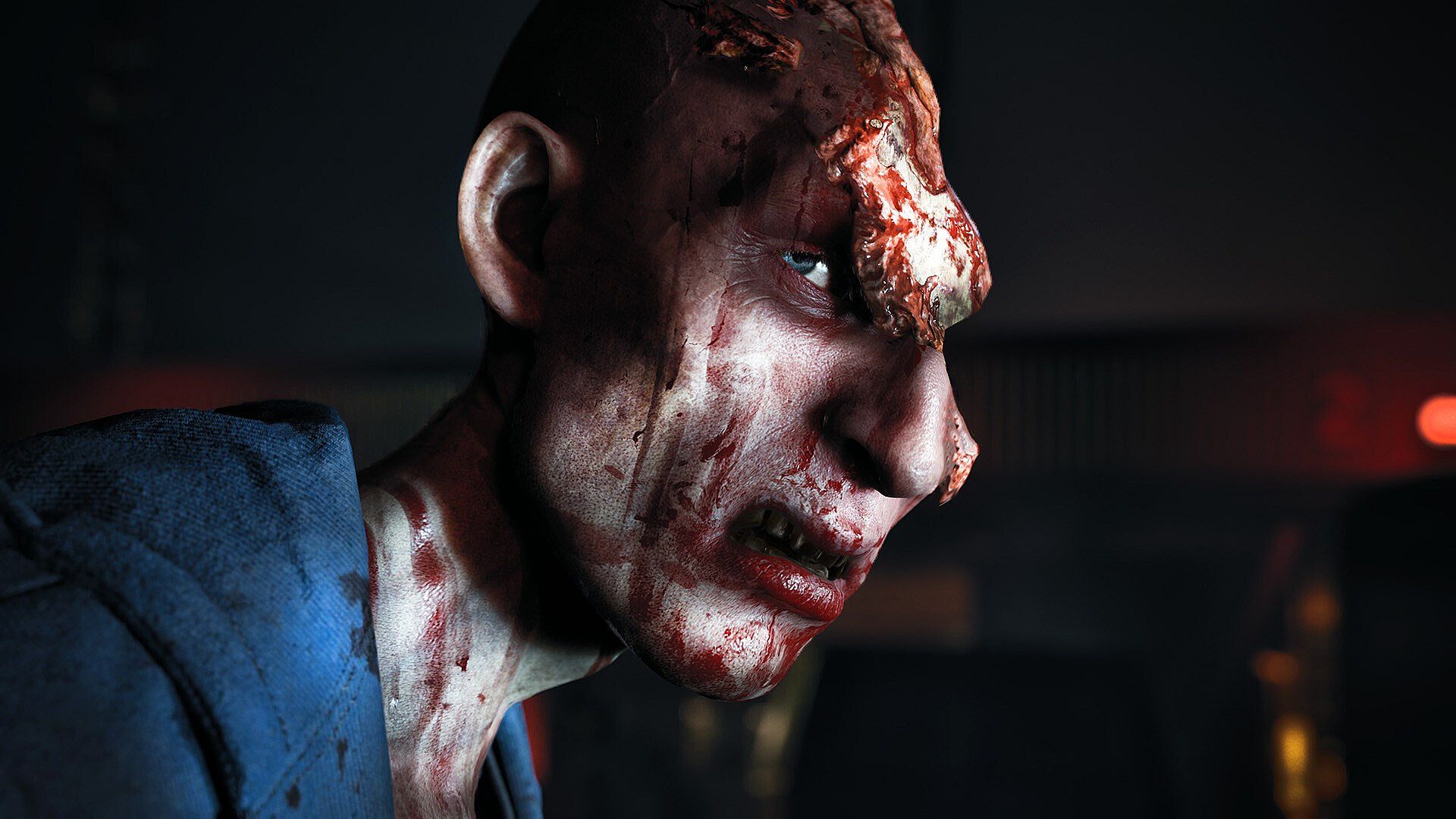
Matches emphasize tension through limited resources and fragile player characters. Ammo starts scarce, forcing early reliance on melee tools like crowbars or improvised weapons before better firearms become available through looting. Combat includes both close-quarters strikes and ranged options, with attachments such as sights and suppressors that players can equip over successive runs. A dynamic system handles gore and damage feedback on the undead, which include multiple types that vary in behavior and threat level.
Sound plays a major role, as zombies detect noise from footsteps, gunfire, or triggered alarms. Players can use distractions like car horns to manipulate enemy paths or set traps for more tactical approaches. Character progression ties directly to survival, with successful extractions unlocking better starting gear and access to equipment caches for future missions. Infection introduces a timer mechanic where bitten responders must locate cures or pills, or risk turning and becoming a threat to the group.
Game Modes
The primary experience centers on objective-driven scenarios across multiple maps. Players work through tasks at locations such as gas stations, checkpoints, and buildings to secure survivors, restore infrastructure, or gather resources before reaching an extraction point. Each map features distinct layouts and lighting conditions, from urban streets at sunset to rural facilities at midnight, with secondary goals that reward gear while increasing horde pressure.
Survival mode offers a separate wave-based challenge where teams defend positions using barriers and traps until extraction becomes possible. This mode expands replayability by shifting focus from navigation and objectives to sustained defense against escalating undead numbers. Additional solo options allow offline map practice without progression rewards.
Maps and Atmosphere
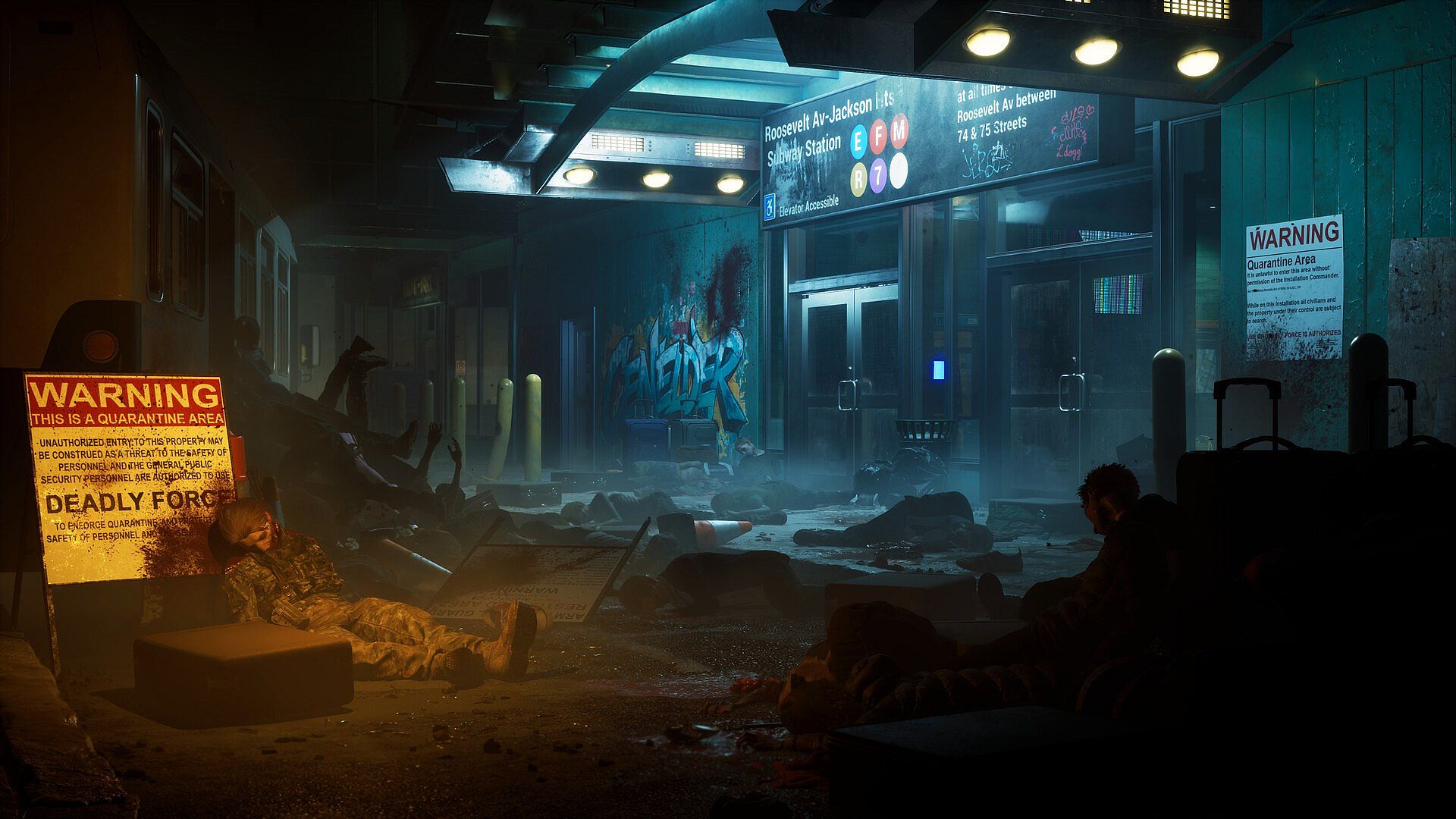
Six maps form the backbone of the experience, each designed with specific times of day and environmental details that heighten the horror. Lewiston presents a ravaged city environment at golden hour, while the Power Plant sprawls across rural Pennsylvania under midnight skies. Pottsville delivers claustrophobic suburban streets at dawn, Broadway plunges into the dense urban depths of Queens at night, and Beaulieu Hospital occupies a sprawling medical complex during daylight hours. These settings encourage careful movement through shadows and sound management to avoid detection.
The undead appear as former civilians, adding a layer of grim realism to encounters. Darkness and limited visibility keep players on edge, with one zombie posing a manageable threat but groups capable of overwhelming isolated responders.
Is It Worth Playing?
The game remains in Early Access on PC with a full 1.0 release scheduled for summer 2026 that will add console support on Xbox Series X|S and PlayStation 5 along with cross-play. Updates have addressed launch issues and introduced refinements to combat and features. Steam reviews sit in the mixed range overall, with recent feedback reflecting ongoing improvements alongside persistent concerns about polish and content volume.
It suits players who enjoy hardcore co-op zombie survival with meaningful consequences for decisions and strong emphasis on communication. Those seeking lighter or more forgiving experiences may find the permadeath and infection systems punishing. The current state offers a solid foundation for fans of the genre willing to engage during development, with the upcoming full launch expected to expand maps, modes, and stability.