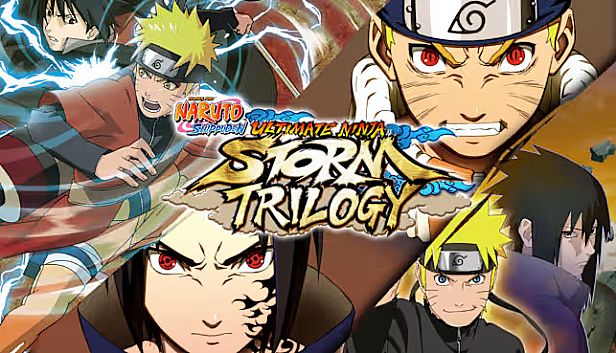


NARUTO SHIPPUDEN: Ultimate Ninja Storm Trilogy brings together three entries from the Naruto series as a 3D arena fighter on Nintendo Switch. The collection follows Naruto Uzumaki and his allies through key story arcs, blending combat with light exploration elements across its campaigns.
Gameplay
The core loop centers on arena-based battles where players control Naruto characters in one-on-one fights that incorporate melee combos, ninjutsu techniques, and support summons. Each fighter shares a basic framework of attacks, chakra management, substitutions for evasion, and projectile throws, allowing quick adaptation across the large roster. Battles unfold in 3D environments with emphasis on positioning and timing rather than complex combos. The story campaigns intersperse these fights with sections of exploration in village hubs or open areas, where players complete objectives, side tasks, and mini-games to progress. Controls feel responsive in both handheld and docked modes, with the Switch hardware handling the action without major issues in most sequences.
Game Modes
Free Battle serves as the primary versus option, letting players face the CPU or engage in local matches with up to three characters per team against opponents. This mode appears consistently across all three games and supports both single-player practice and couch co-op. Story progression varies slightly by entry. The first title uses Ultimate Mission Mode, which gates main story content behind points earned from hub exploration and side activities in a sandbox-style village. The second and third shift to a more linear Ultimate Adventure structure, guiding players through rendered zones toward objectives while still offering side content. Online battles appear in the later two games for ranked or casual matches against other players, though activity levels depend on the current player base.
Story and Progression
Each game covers a distinct portion of the Naruto timeline. The initial entry focuses on early events and character introductions. Subsequent titles advance into Shippuden arcs involving the Akatsuki organization and the start of larger conflicts. Progression unlocks additional fighters and abilities for use in versus modes, encouraging completion of campaign elements. Side quests and exploration add replay value within the story sections, though the first game's hub system requires more deliberate navigation compared to the streamlined paths in the sequels.
Multiplayer and Accessibility
Local multiplayer stands out as a reliable feature, working smoothly in both docked and tabletop setups for versus sessions. The battle system supports team compositions that reward strategic character selection based on support synergies. No major post-launch seasons or balance patches are tied to this Switch version, leaving the experience as a direct port of the original releases with their established mechanics intact.
Is It Worth Playing?
Fans of the Naruto series will find the story modes a solid way to experience key events through interactive fights and cutscenes. The combat delivers consistent enjoyment for those who prefer arena fighters with flashy special moves over deep simulation. Local play provides immediate value for groups, while single-player campaigns offer 10 to 15 hours per title depending on side content. Reception highlights the battle system and music as strengths, with some noting the first entry feels dated in its progression. The trilogy suits players seeking Naruto-themed action on Switch without needing online connectivity for core enjoyment. Those uninterested in the source material or preferring modern online-focused fighters may find the package less compelling due to limited ongoing support.