





















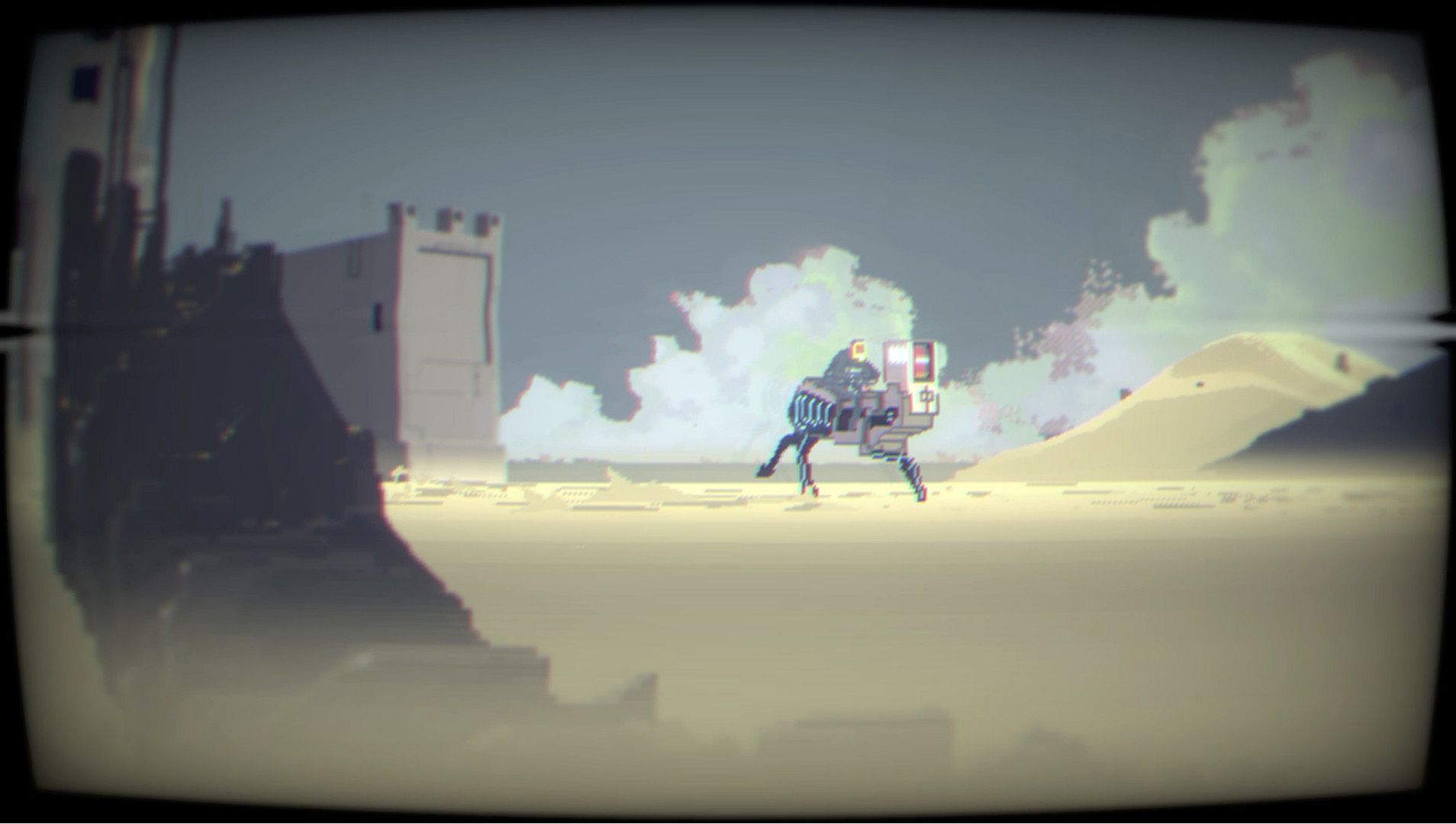
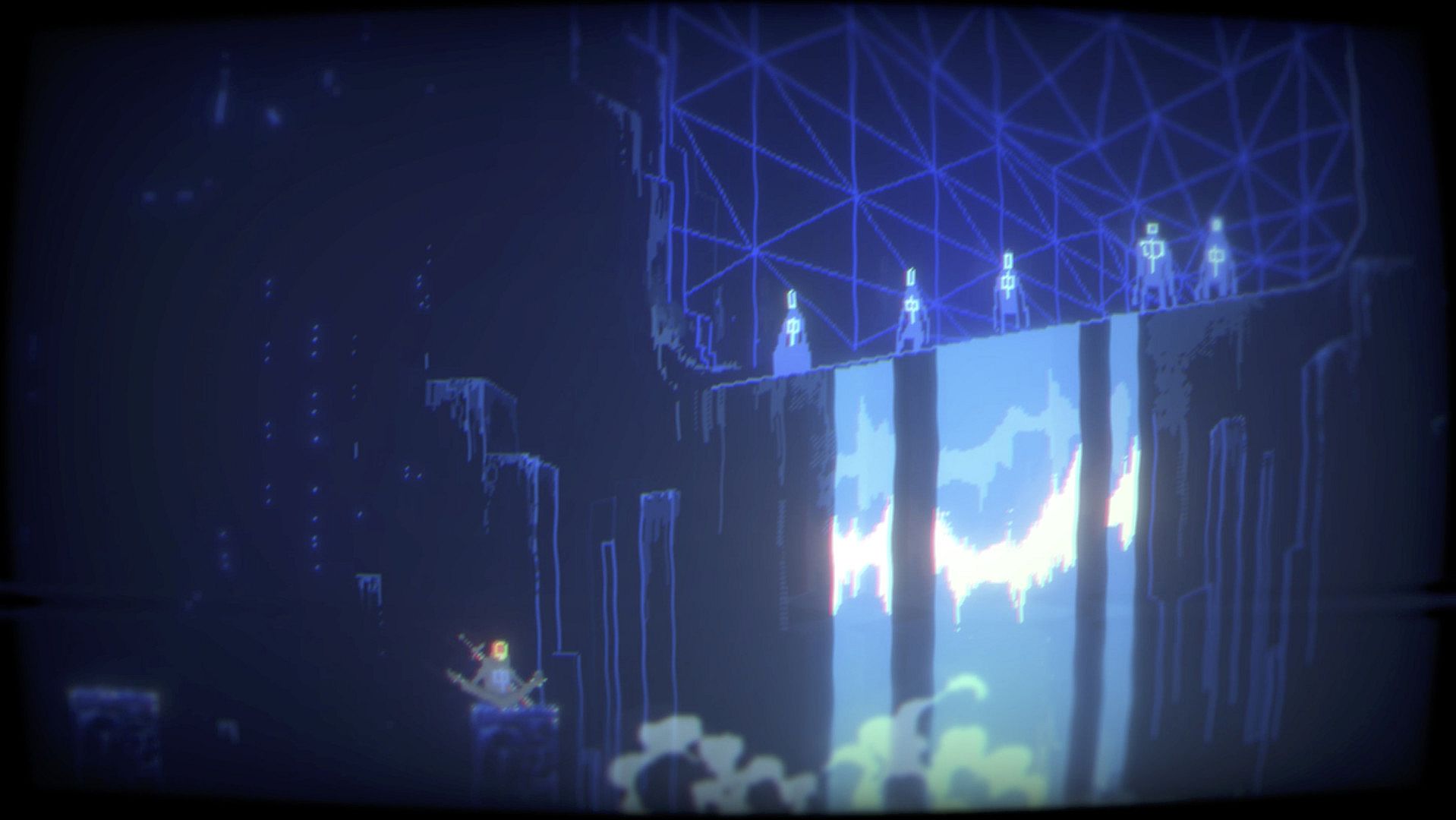
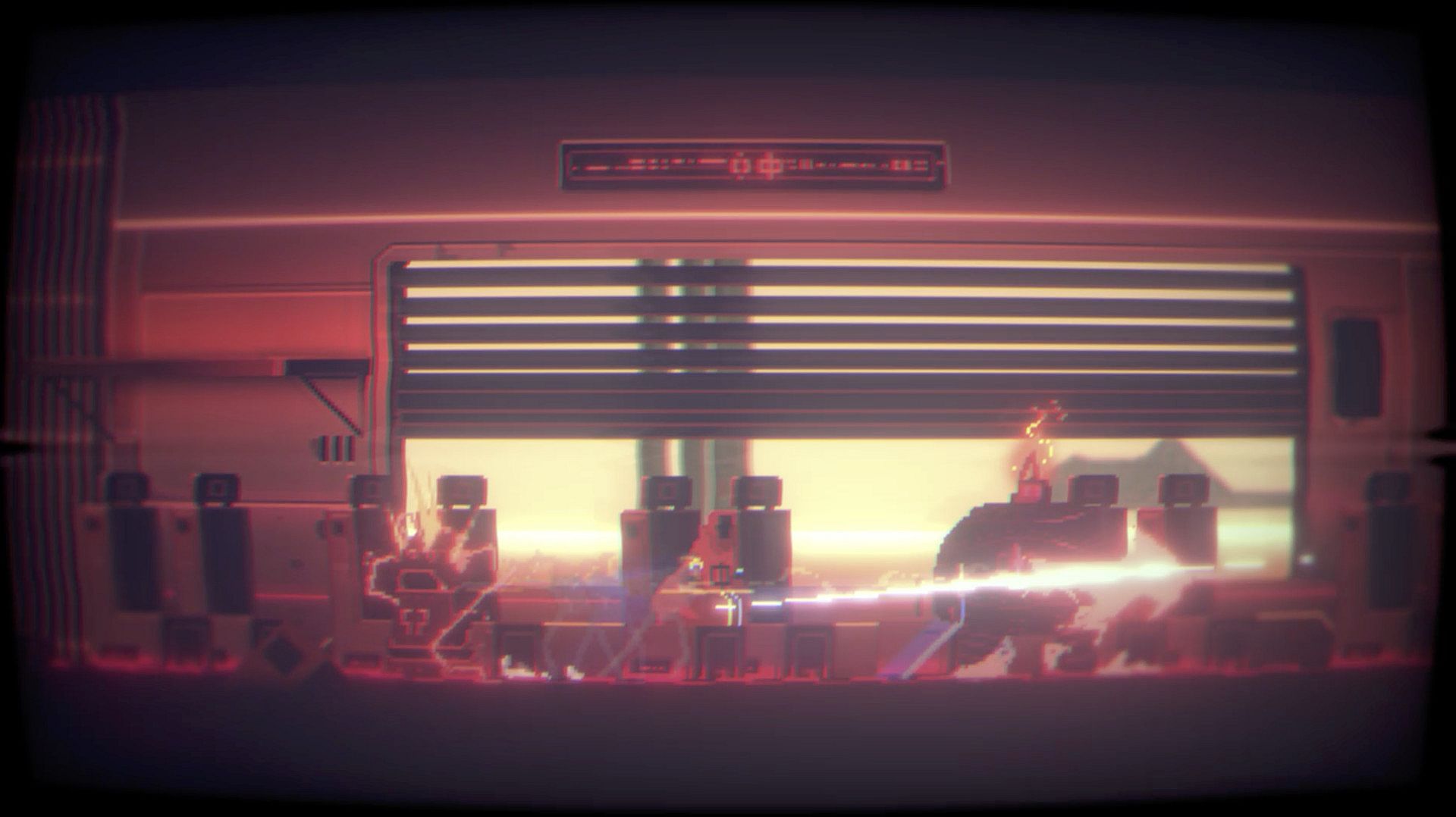
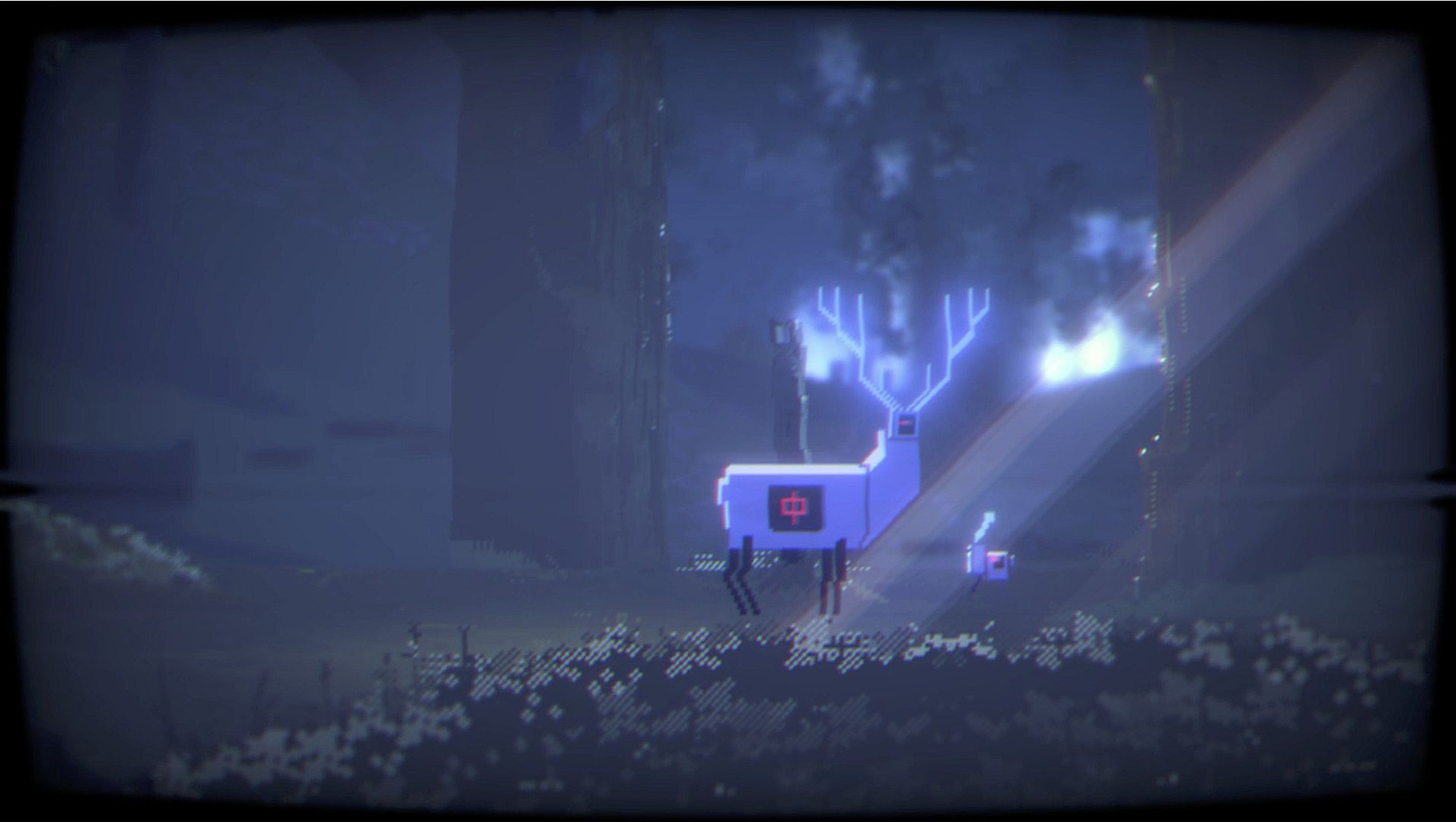
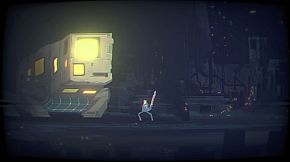
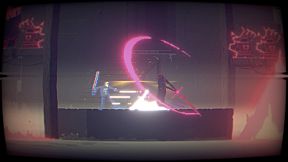
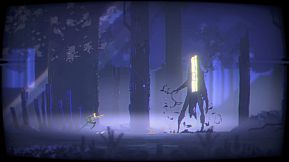
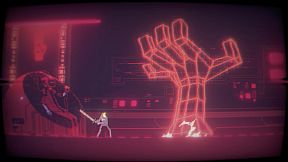
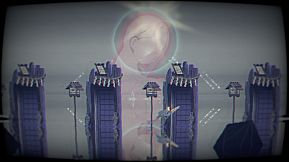
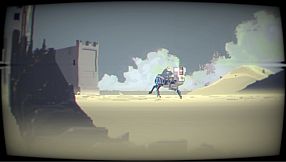
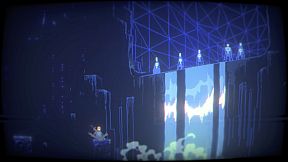
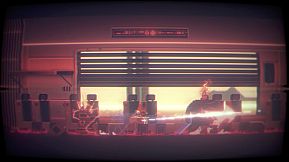
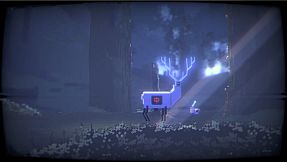
Narita Boy is a 2D action-adventure game that blends retro pixel aesthetics with hand-drawn animations and a synth-driven soundtrack. Players step into the role of a pixel hero summoned into a digital realm to confront threats that have disrupted its code and stolen key memories from its creator.
Gameplay
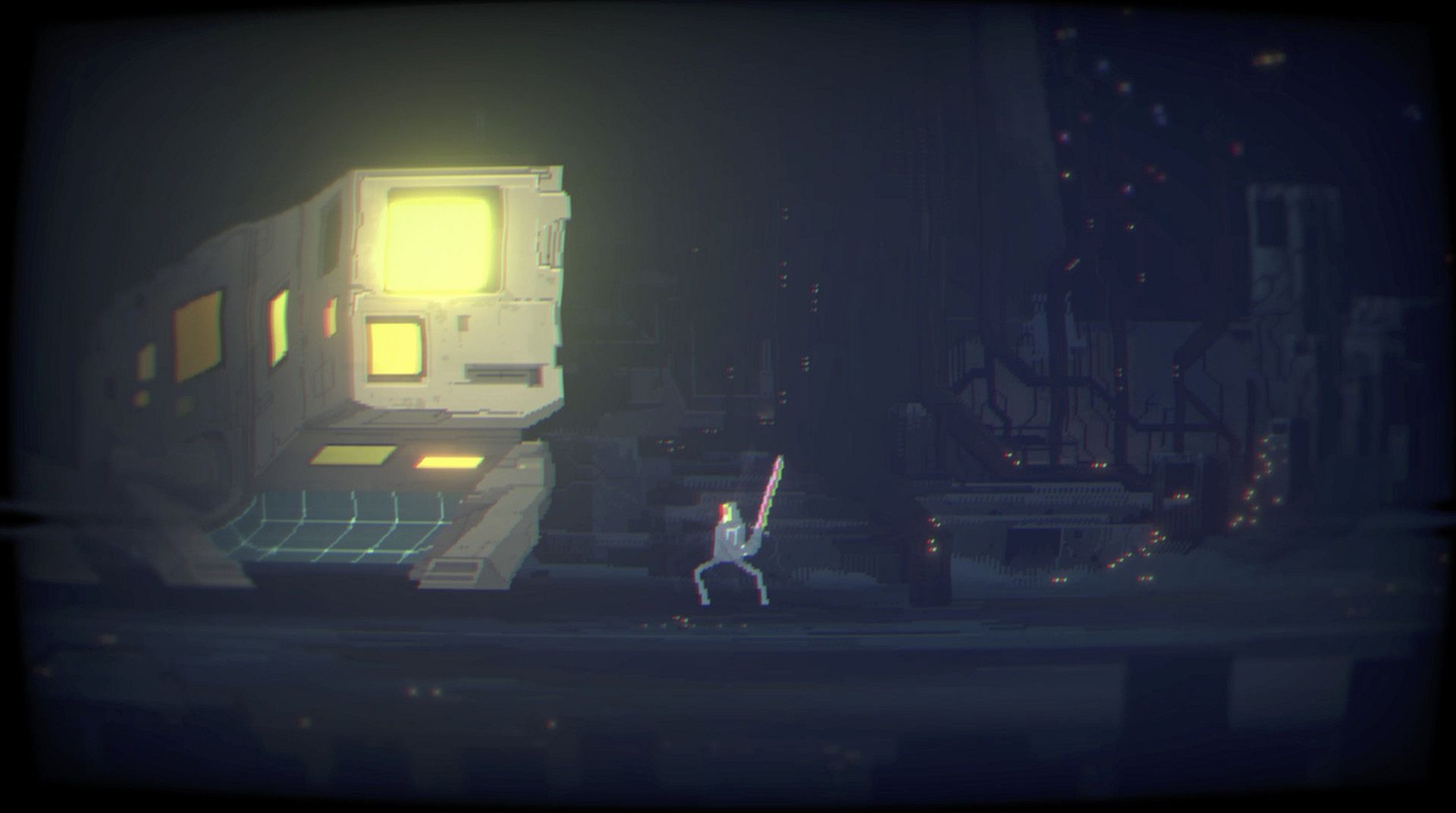
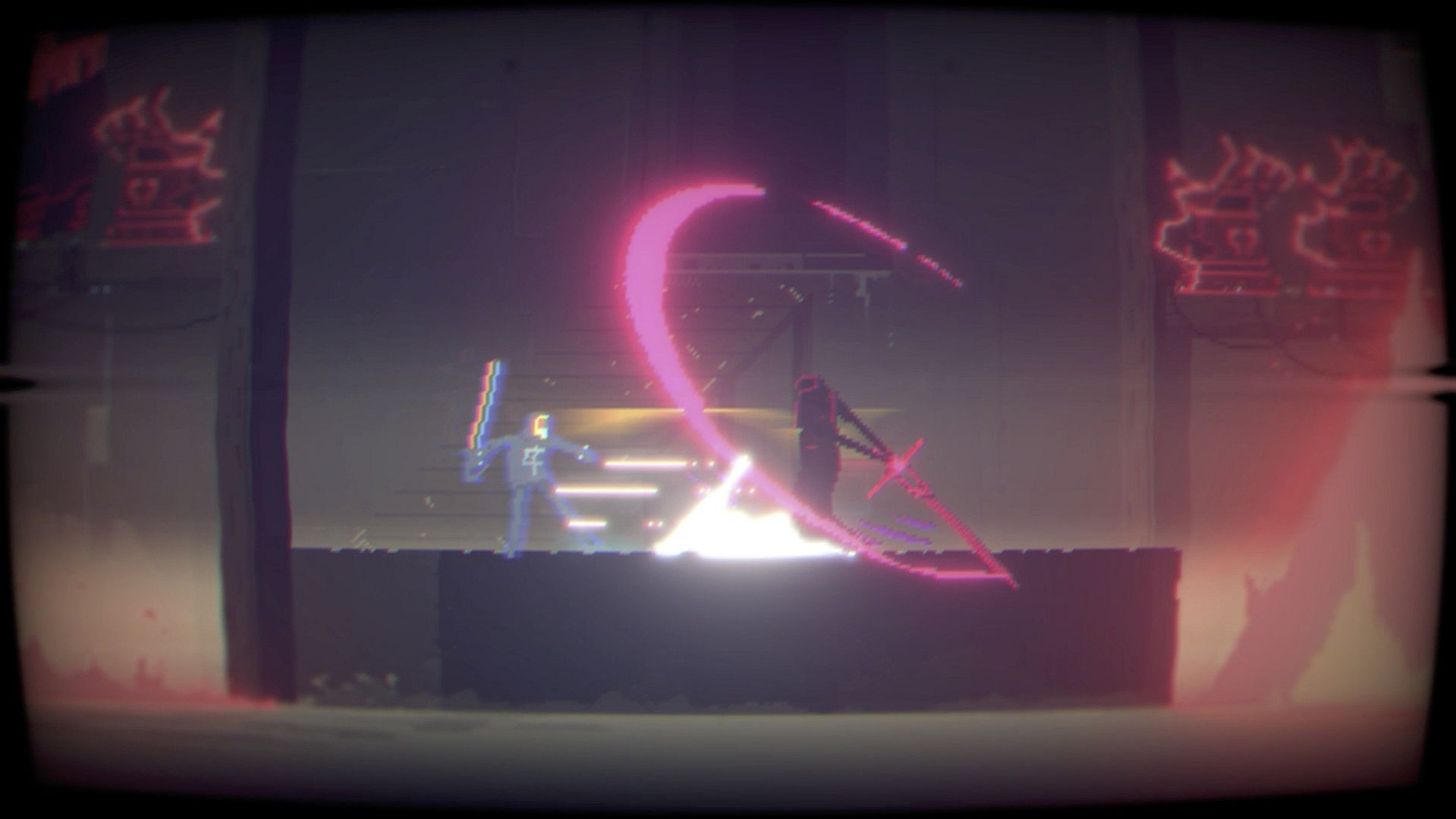
The core loop centers on exploration across interconnected areas of the Digital Kingdom, platforming through varied environments, and combat against corrupted entities. Movement involves navigating up, down, left, and right through binary-inspired landscapes filled with circuits and data streams. Players wield the Techno-sword as the primary tool for both offense and progression, executing a three-hit combo for close-range strikes, a shotgun blast for nearby threats, and a powerful beam for ranged or charged attacks. These abilities expand gradually as new options unlock to handle different enemy types and reach previously inaccessible zones.
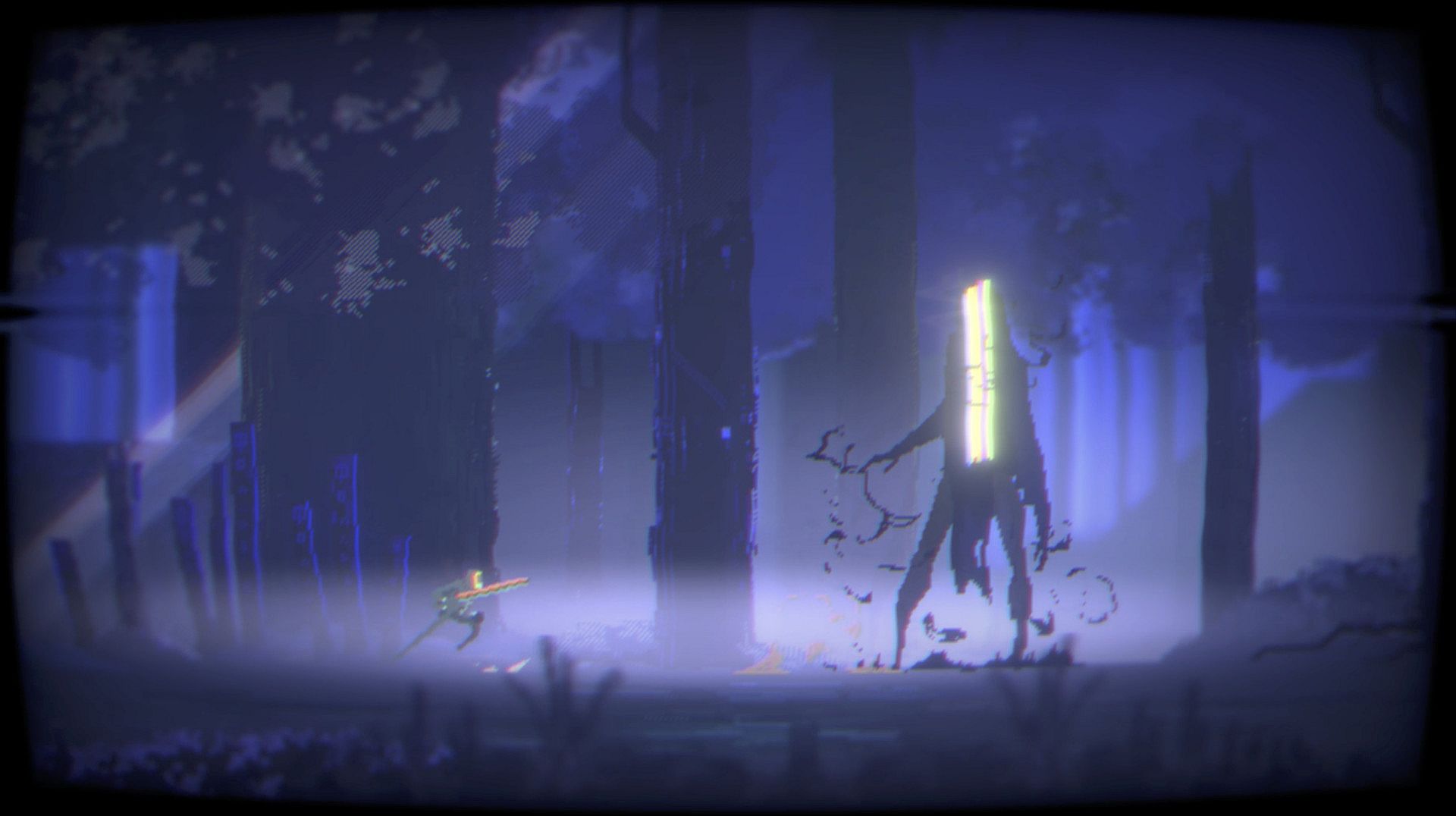
Combat emphasizes timing and positioning against a range of foes, from standard Stallions to more elaborate bosses. Encounters reward precise strikes that produce satisfying visual feedback when enemies are defeated. Platforming sections mix precise jumps with environmental hazards, while light puzzle elements often require locating glyphs or activating mechanisms to advance. Backtracking forms a key part of progression, as newly acquired sword functions open paths in earlier areas. The hand-drawn animations bring the retro style to life with fluid motion during attacks and traversals, and the soundtrack layers fresh synth waves that reinforce the 80s-inspired atmosphere without overpowering the action.
Game Modes
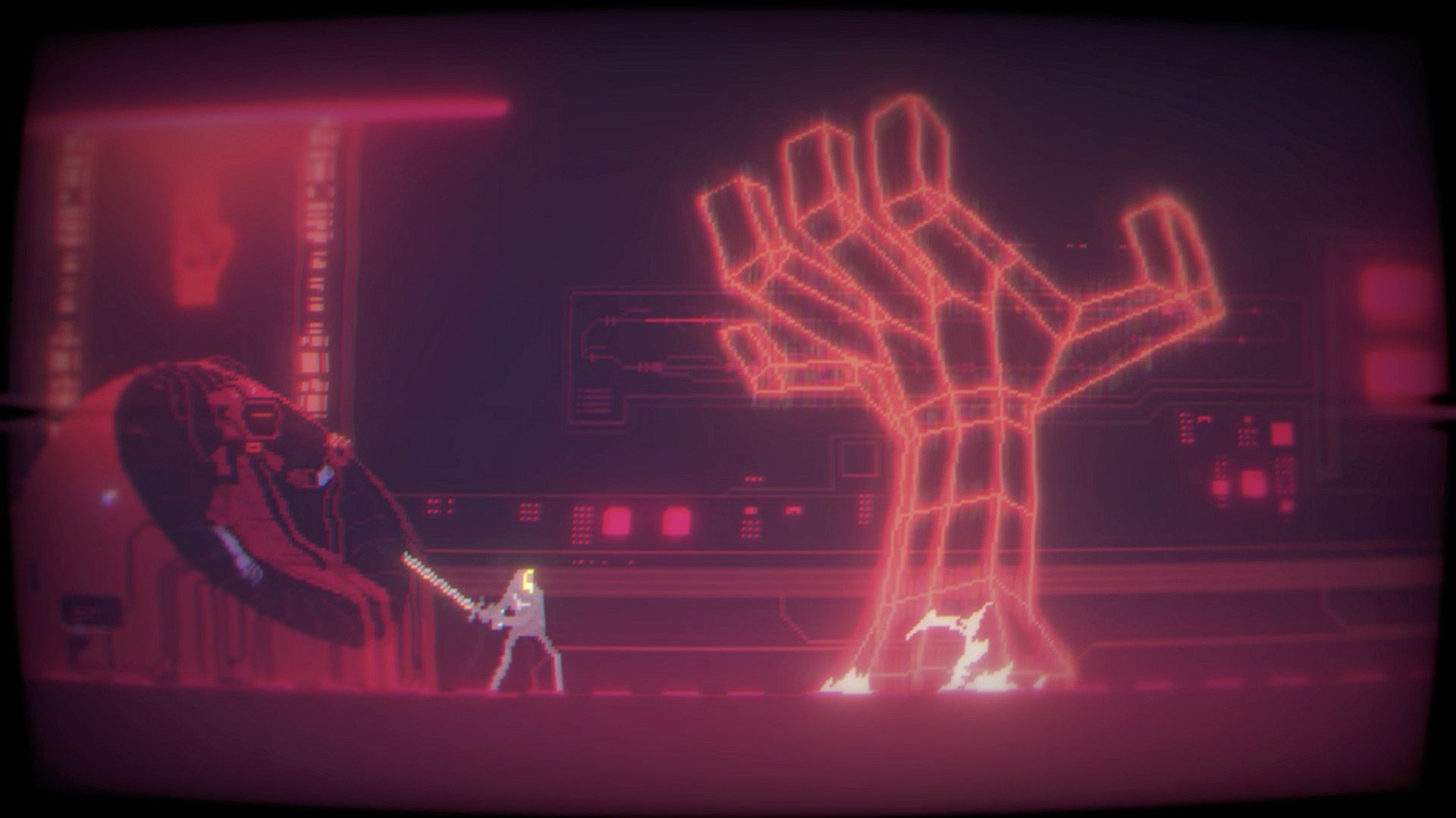
Narita Boy operates as a single-player experience focused on linear story progression mixed with open-ended exploration. There are no separate multiplayer or competitive modes. The main campaign guides players through the Digital Kingdom's depths, confronting the Stallion threat and uncovering the narrative involving the Creator, Motherboard, and the entity known as Him. Progression relies on defeating bosses such as the Crab, DragonBot, and Black Rainbow to restore balance and access new sections. Exploration encourages thorough searches for upgrades and secrets, but the structure remains centered on advancing the single narrative thread from start to finish.
Story and Setting
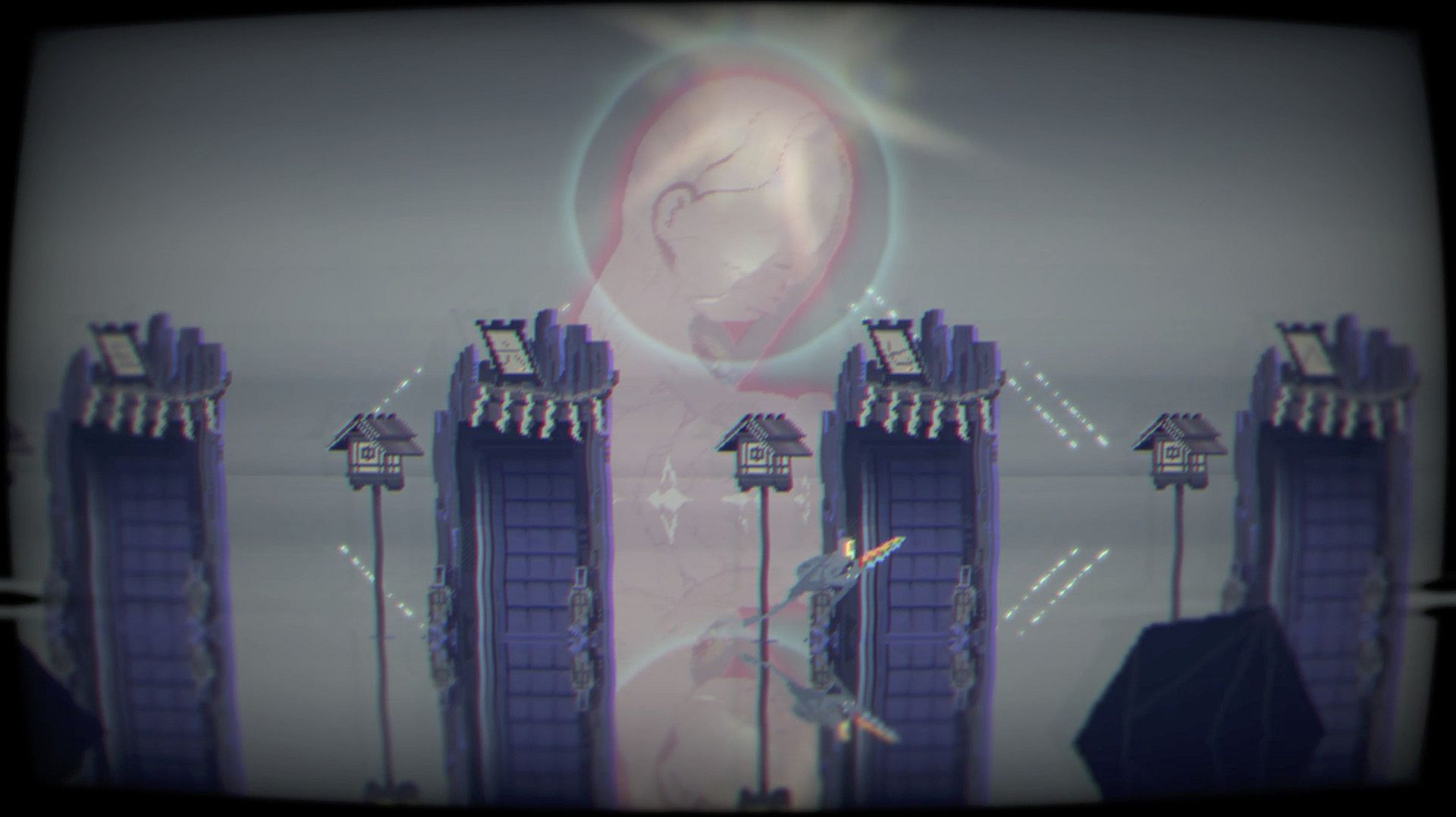
The narrative draws from an 80s video game console origin, where the Narita One hardware and its flagship title achieved massive success before a digital incursion altered events. Inside the game world, the hero operates as an echo of the original character, tasked with restoring the Creator's memories and purging the corruption spread by Him. Motherboard oversees the protocol that activates the Stallions as agents of disorder. The setting mixes pixel-perfect retro visuals with deeper layers of broken code, creating environments that feel both nostalgic and unsettling as players descend into darker binary regions.
Is It Worth Playing?
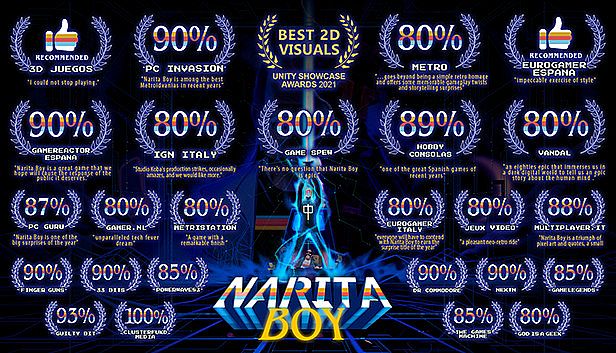
Narita Boy appeals to players who enjoy retro-styled action platformers with strong emphasis on visual presentation and audio design. The combat system delivers consistent engagement through its sword mechanics and enemy variety, while the exploration loop provides steady forward momentum despite occasional repetition in backtracking. Reception highlights the hand-drawn animations and synth soundtrack as standout elements that capture a distinct 80s digital fantasy feel. Some players note that puzzle and combat depth remain straightforward rather than evolving significantly over time. The game suits those seeking a complete single-player campaign with memorable boss encounters and atmospheric traversal rather than ongoing content updates or multiplayer features. Its focused scope makes it a solid choice for fans of Metroidvania-inspired adventures who prioritize style and tight core mechanics over expansive systems.