

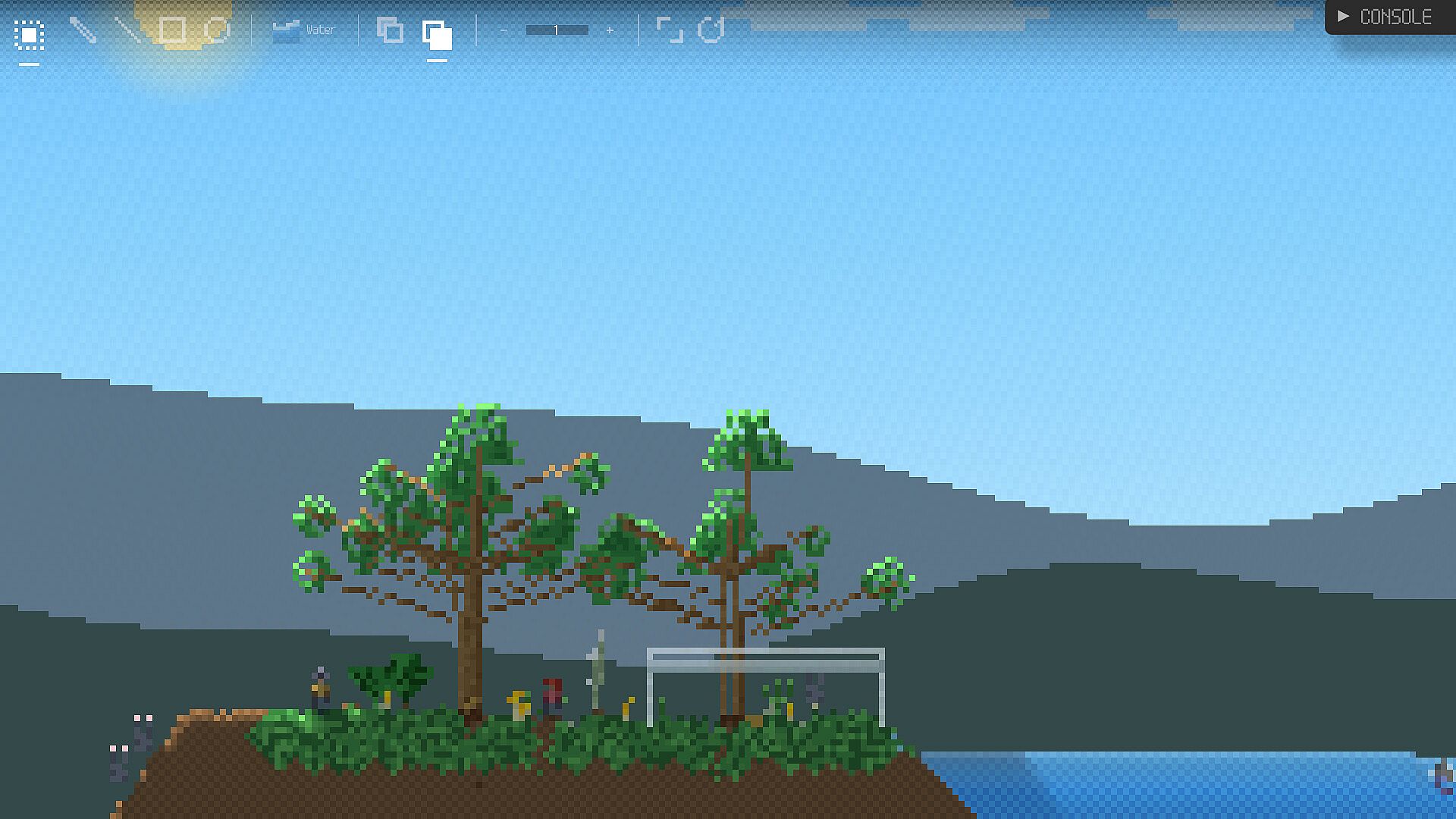
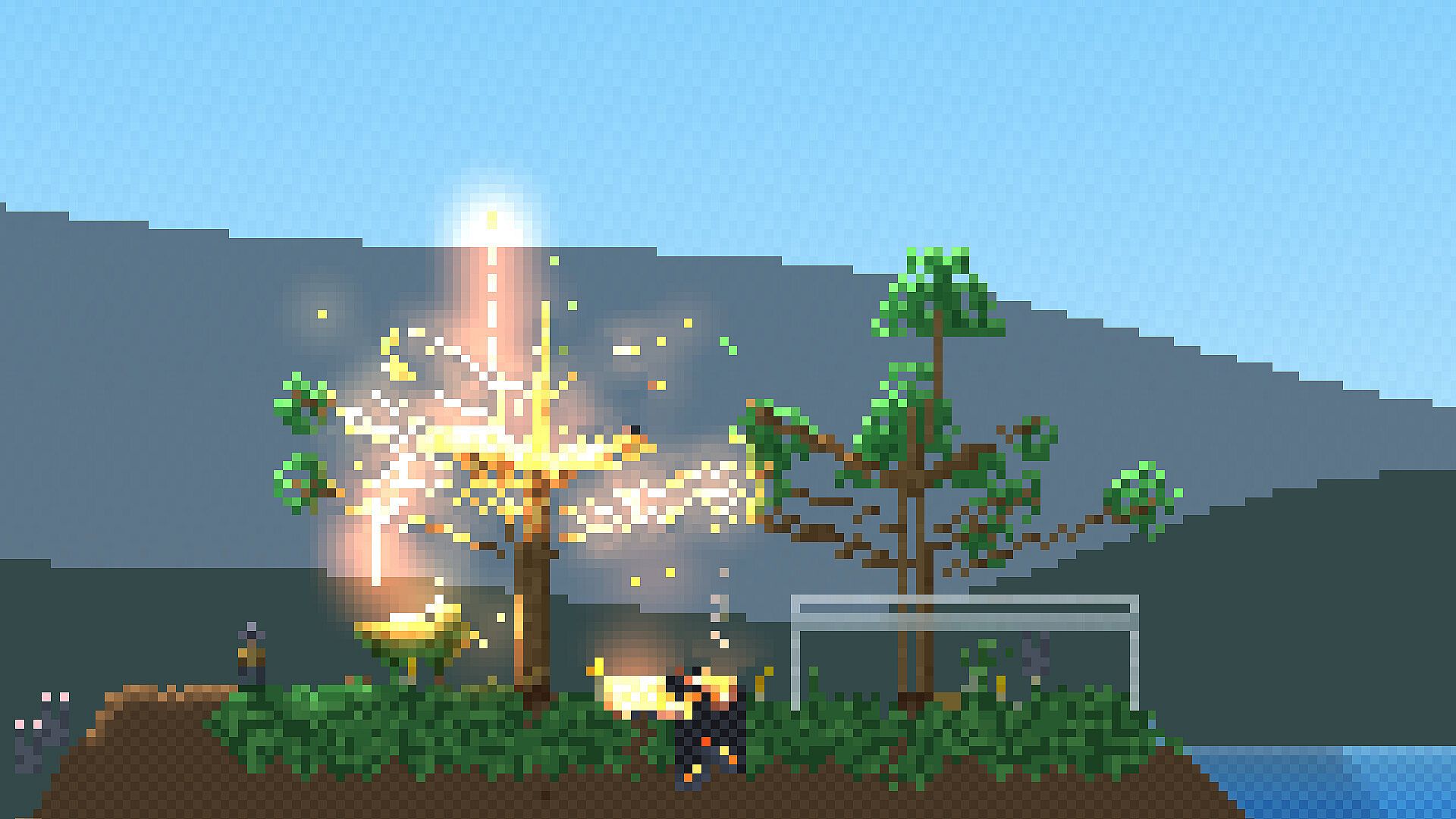

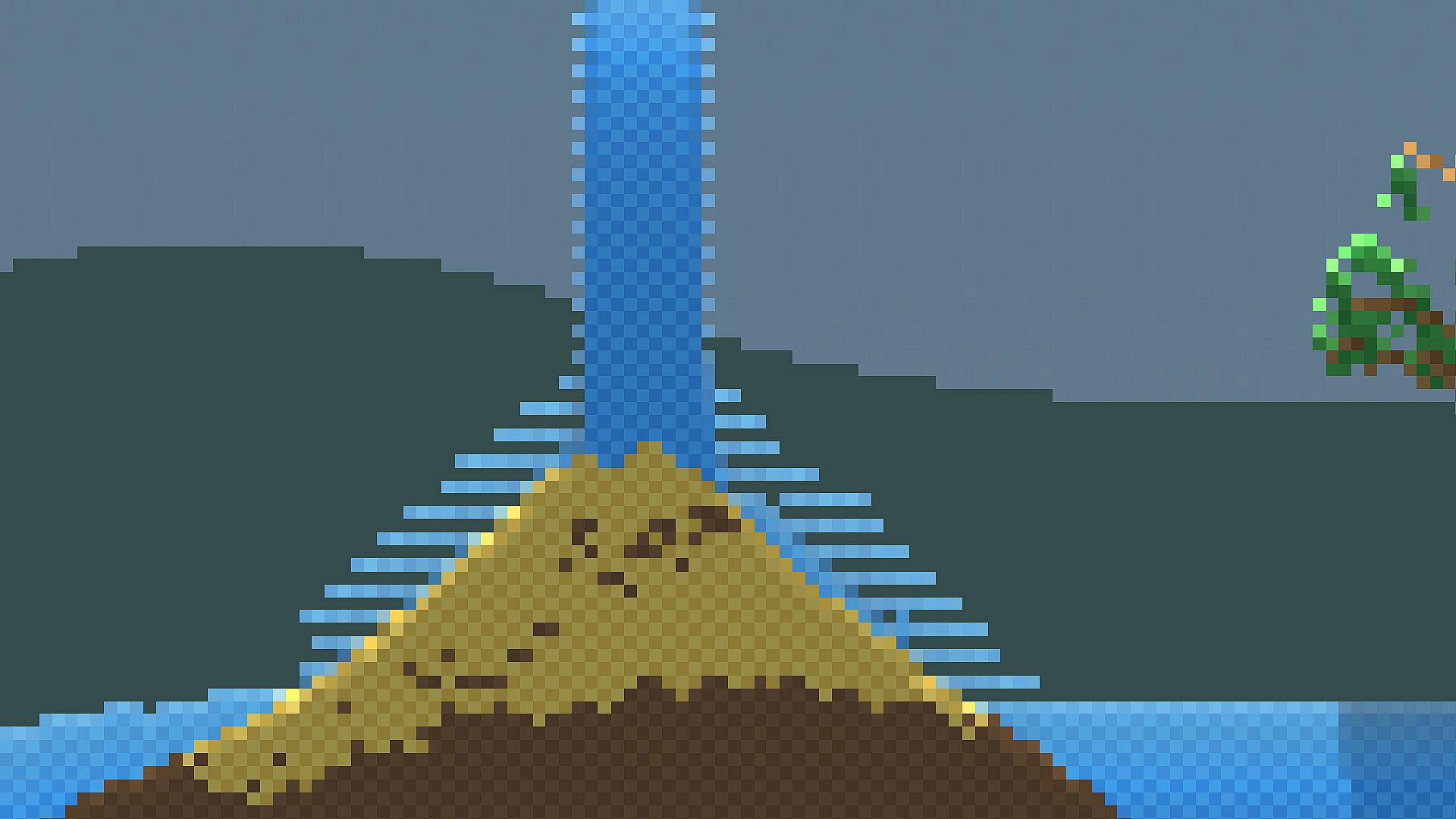
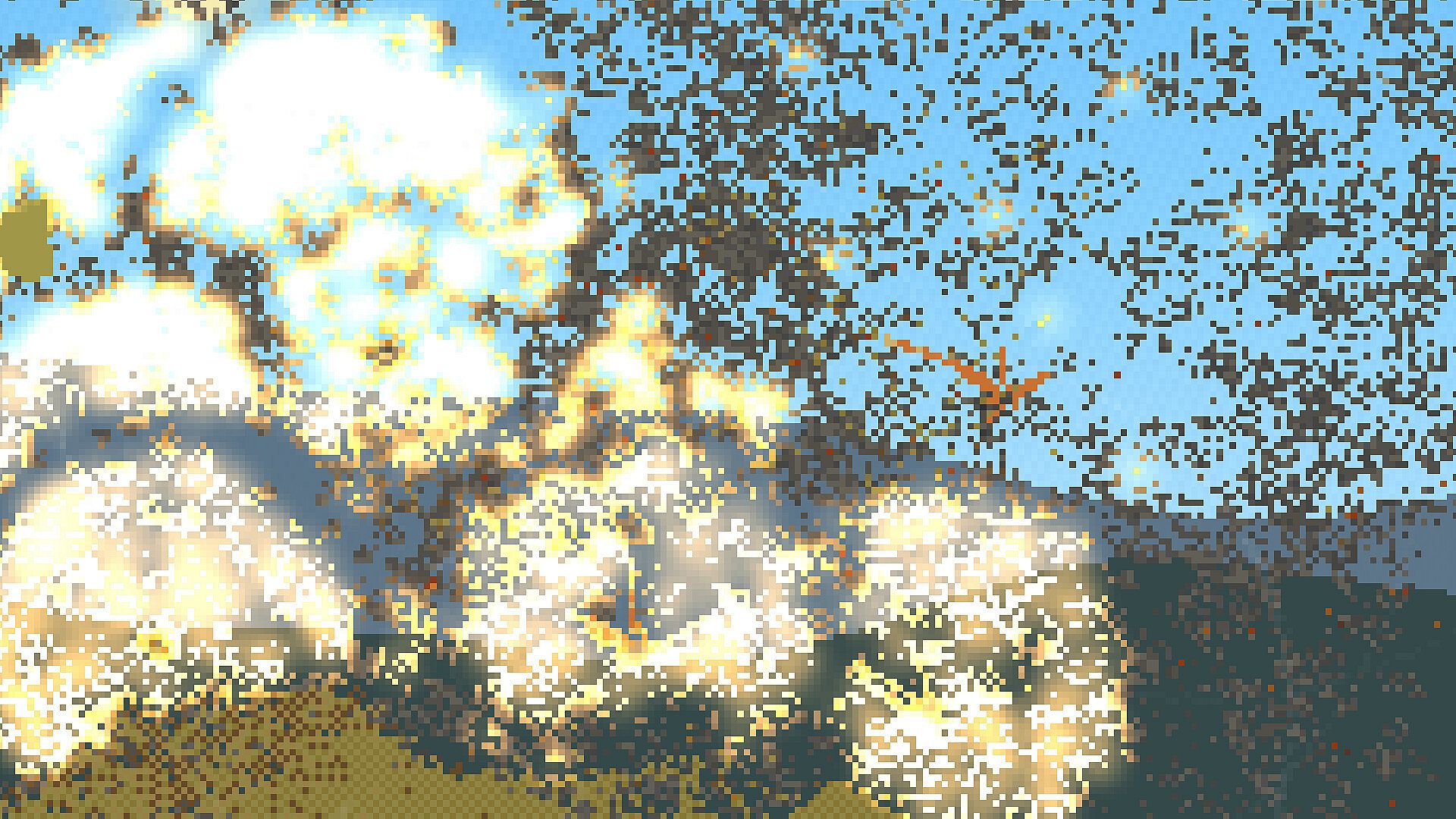
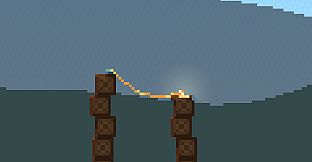
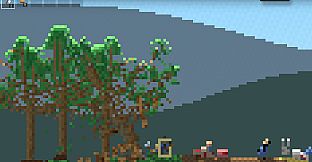
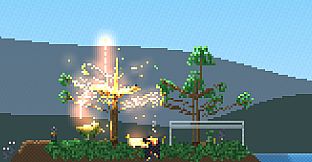

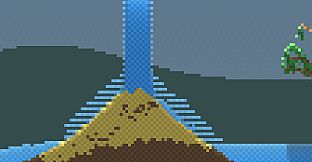
MudBox is a 2D sandbox simulation game built around pixel-based physics interactions on PC. Players manipulate elements like sand, water, lava, plants, and creatures in an open environment where gravity, fluid dynamics, combustion, explosions, and collisions determine outcomes. The core loop centers on placement, observation, and iterative modification of scenes, whether through simple setups or complex constructions.
Gameplay
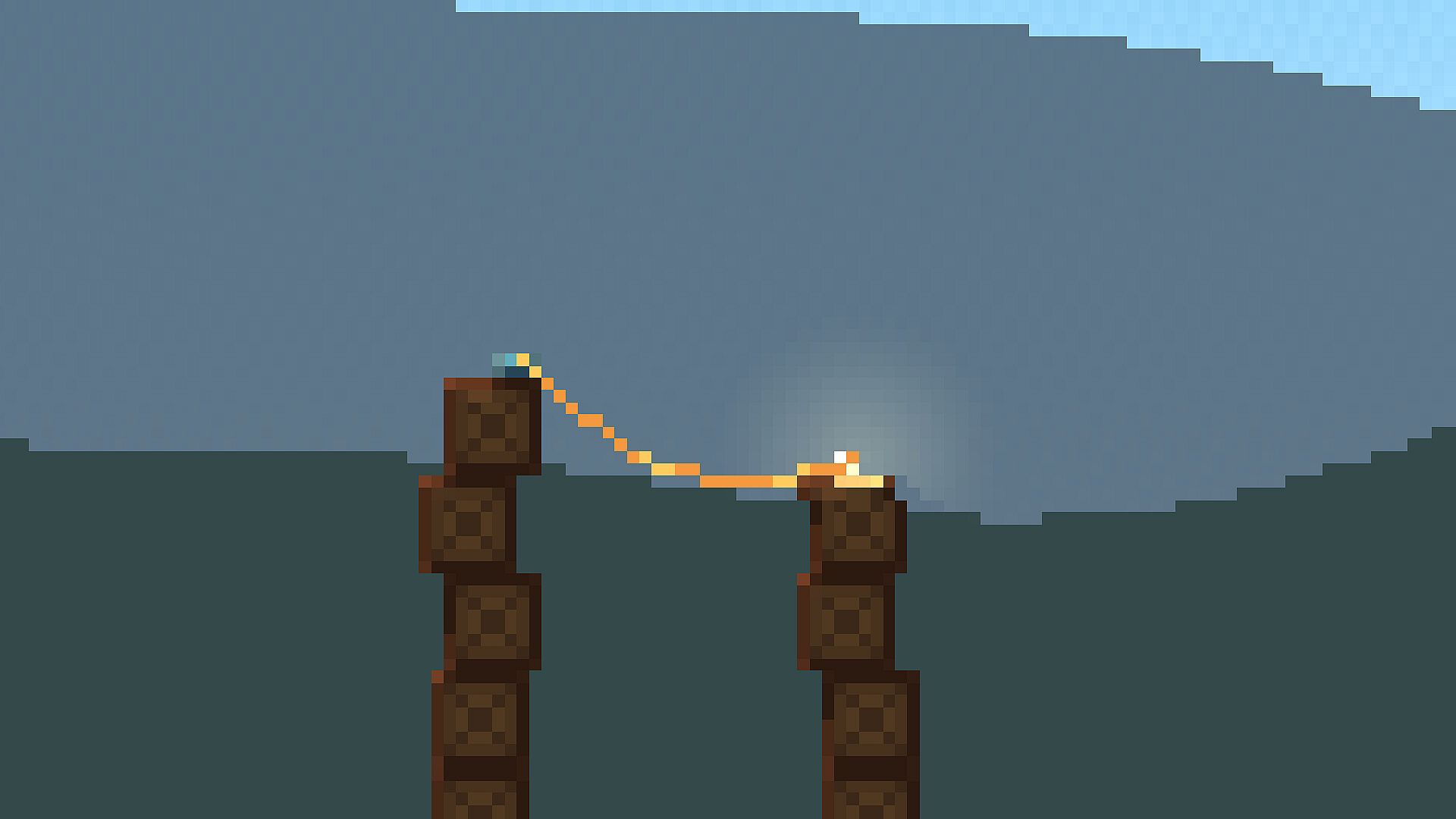
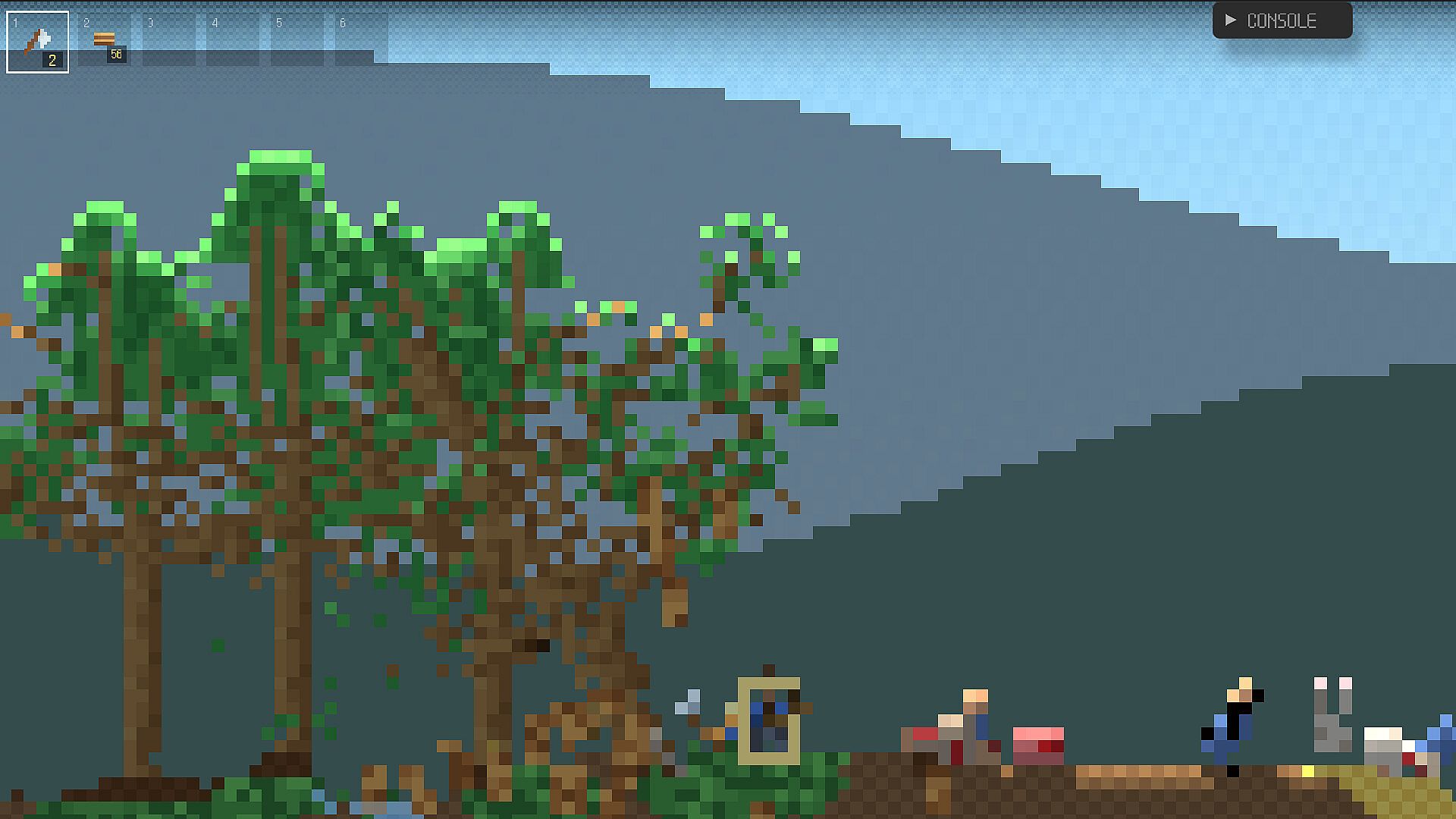
The simulation handles interactions between placed entities in real time. Sand settles under gravity while water flows and mixes with other liquids. Lava introduces heat that can ignite plants or trigger combustion chains. Creatures and plants respond to their surroundings, creating opportunities for basic ecosystems or rapid disruptions. Players use tools to chop trees, construct structures, or introduce destructive forces that propagate through collisions and chain reactions.
Physics parameters extend to programmable elements for circuits and automation, though these features remain in active development. An integrated console allows direct adjustments to time flow and simulation rules at any point. This flexibility supports experimentation with different scales of activity, from contained setups to sprawling arrangements that test stability across multiple systems.
Destruction and creation operate on equal footing. Scenes can evolve into self-sustaining loops where plants grow, creatures interact, and resources cycle, or they can be steered toward collapse through targeted interventions like explosions or environmental shifts. The pixel style keeps all processes visible and immediate, with effects such as burning, falling, and impact reactions rendered directly on screen.
Game Modes
Current play focuses on freeform sandbox sessions where users build and observe without imposed objectives. The emphasis stays on personal experimentation with physics rules and entity placement. No structured progression systems are active at this stage.
Future updates plan to introduce a survival mode that adds resource management and challenges to the existing physics foundation. An online multiplayer mode is also listed for later development, which would extend interaction beyond single-player sessions. These additions aim to layer new constraints onto the core simulation without altering its fundamental pixel-physics approach.
Development and Features
MudBox remains in active development with a planned release in 2026. The developer has outlined ongoing work on additional items, refined physics calculations, performance improvements, and expanded modes. The console tool for parameter tweaks is already functional and available from the start, providing immediate control over simulation variables.
Single-player support includes Steam Achievements and family sharing options. The game runs on Windows systems meeting standard hardware thresholds, with recommendations for dedicated graphics hardware when handling larger or more complex scenes involving fluids and multiple simultaneous reactions.
Is It Worth Playing?
MudBox suits players who enjoy open-ended physics sandboxes and iterative scene building. The pixel simulation delivers consistent, observable results across gravity, fluids, and reactions, making it suitable for casual experimentation or deliberate engineering of chains and ecosystems. Those interested in upcoming survival elements or multiplayer extensions may find value in following its progress through development.
With no user reviews available prior to release, reception will depend on how the planned features integrate with the existing mechanics. The current focus on free placement and parameter control offers a direct entry point for anyone drawn to simulation games centered on cause-and-effect systems rather than narrative or competitive structures.