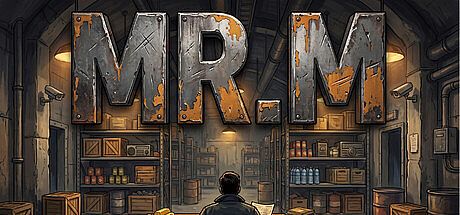


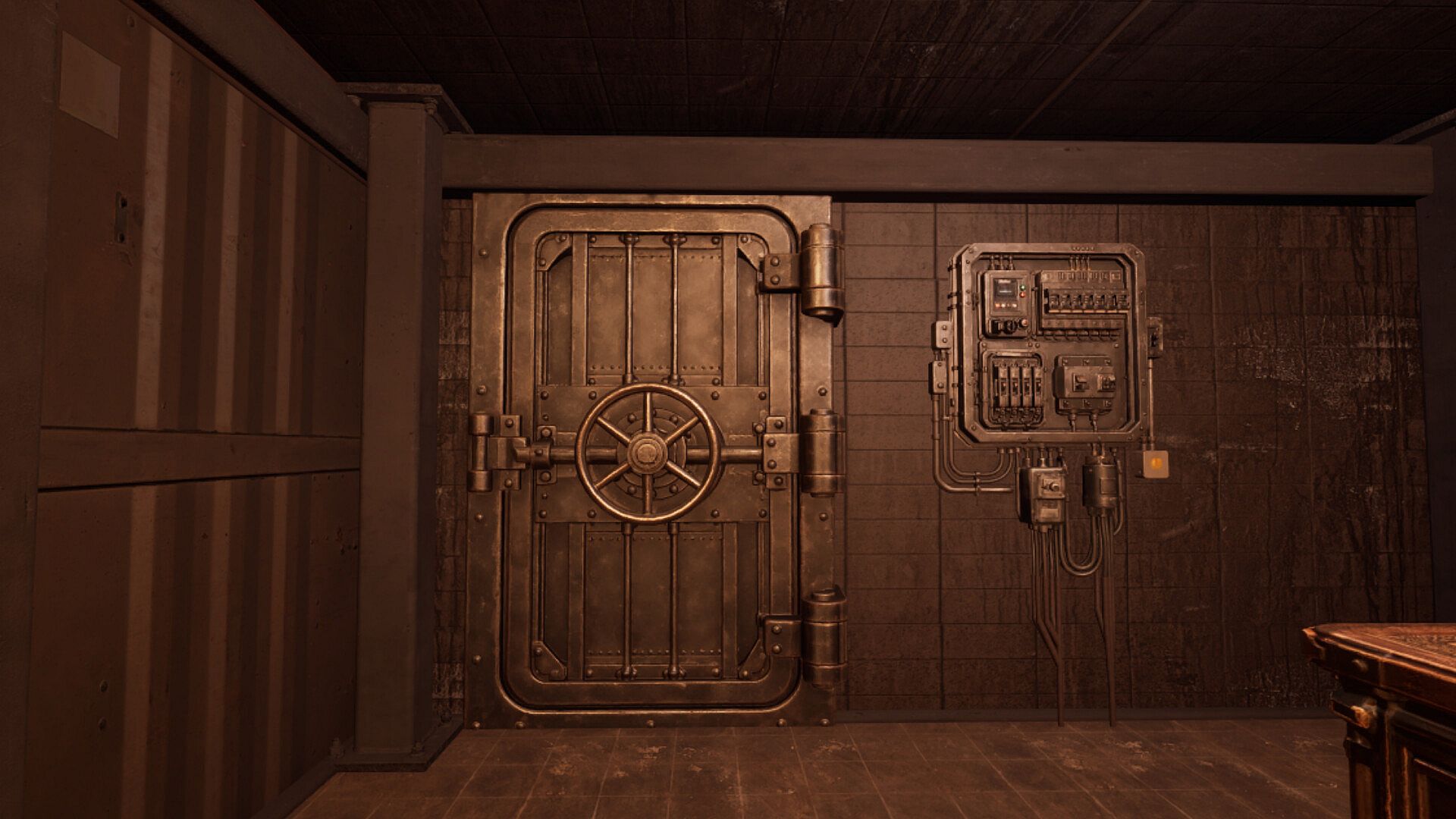
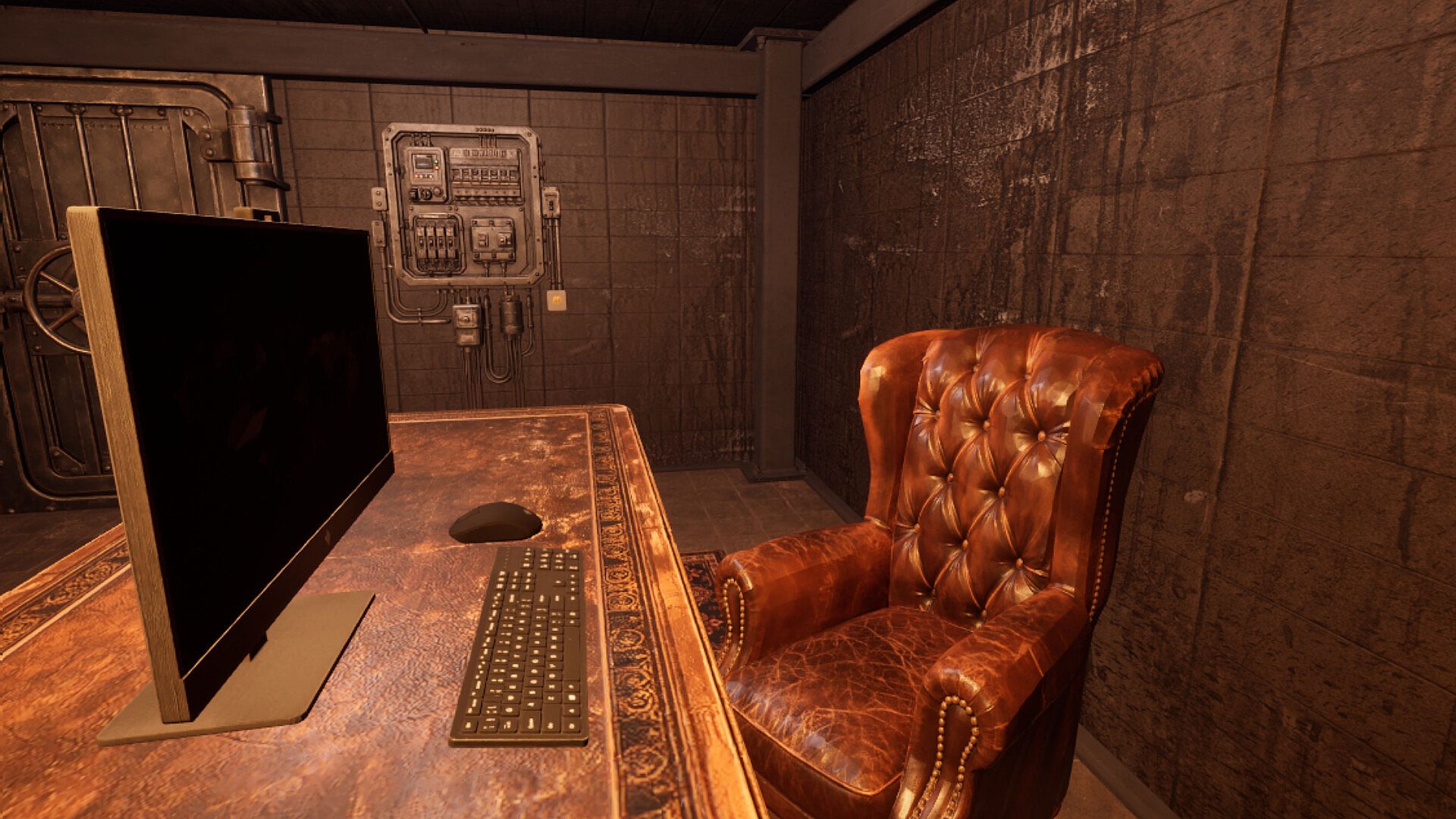
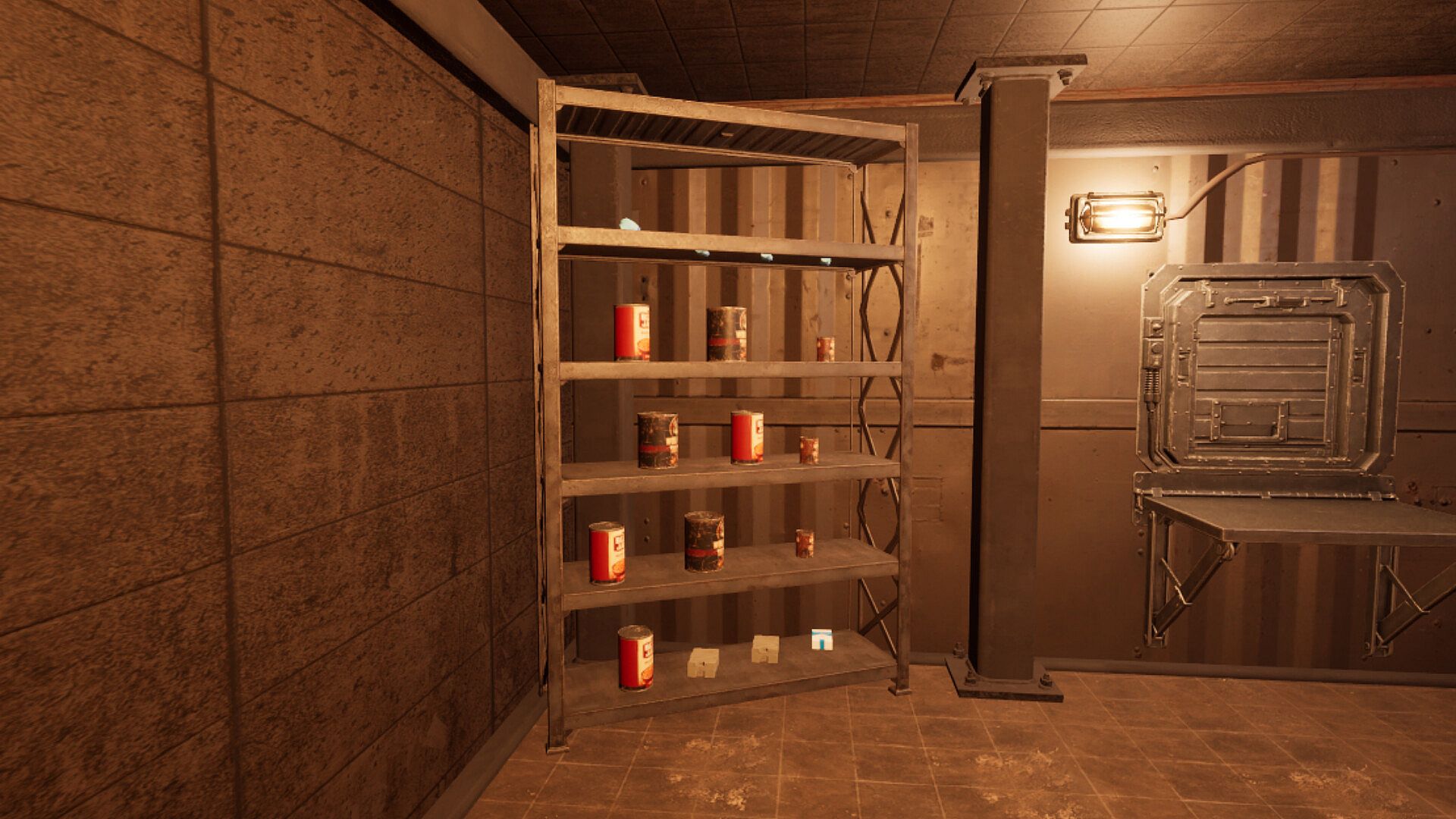
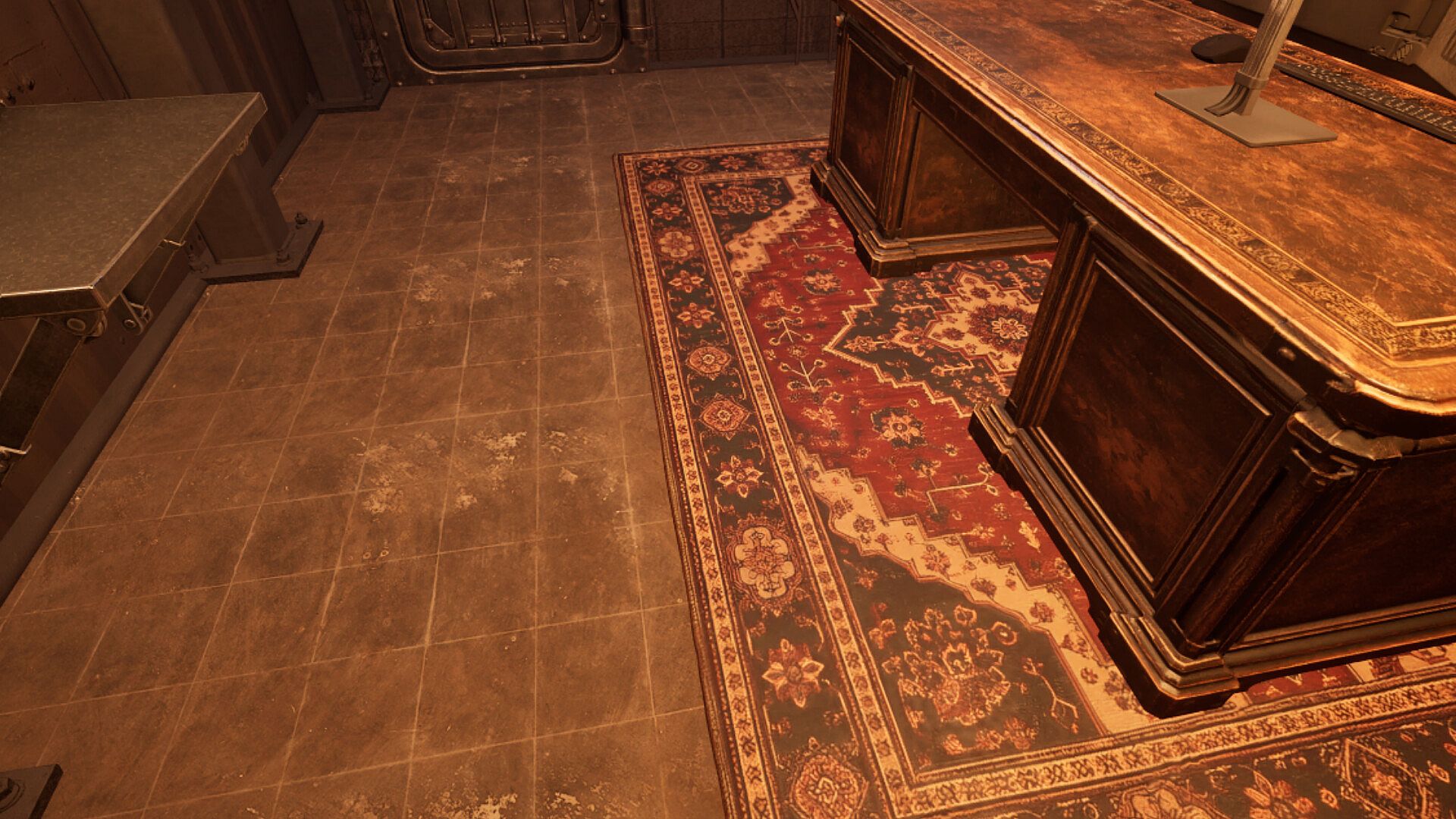
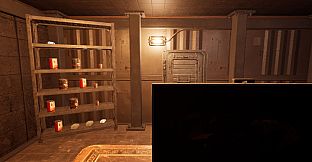
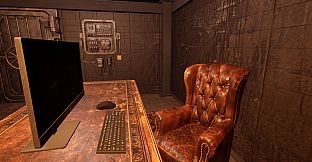
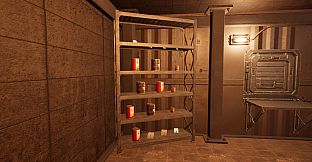
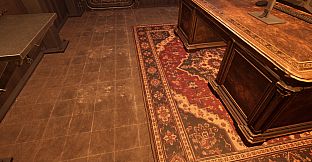
MR.M is a single-player narrative-driven survival trading game set in a post-apocalyptic world where traditional money has lost all value. Players take on the role of Marlo, a trader who operates from a heavily fortified shelter and interacts with survivors exclusively through a steel hatch. The core loop revolves around assessing the needs and intentions of visitors, negotiating trades for essential resources like food, clean water, medicine, fuel, and ammunition, and making decisions that shape long-term survival.
Gameplay
Each day brings new visitors to the hatch, ranging from desperate civilians seeking help for family members to potential threats scouting defenses. Clues come from voice, offered items, and behavioral details, forcing players to weigh trust against risk. No fixed prices exist, as world events dynamically alter item values, such as an outbreak elevating the worth of antibiotics or a harsh winter increasing demand for fuel.
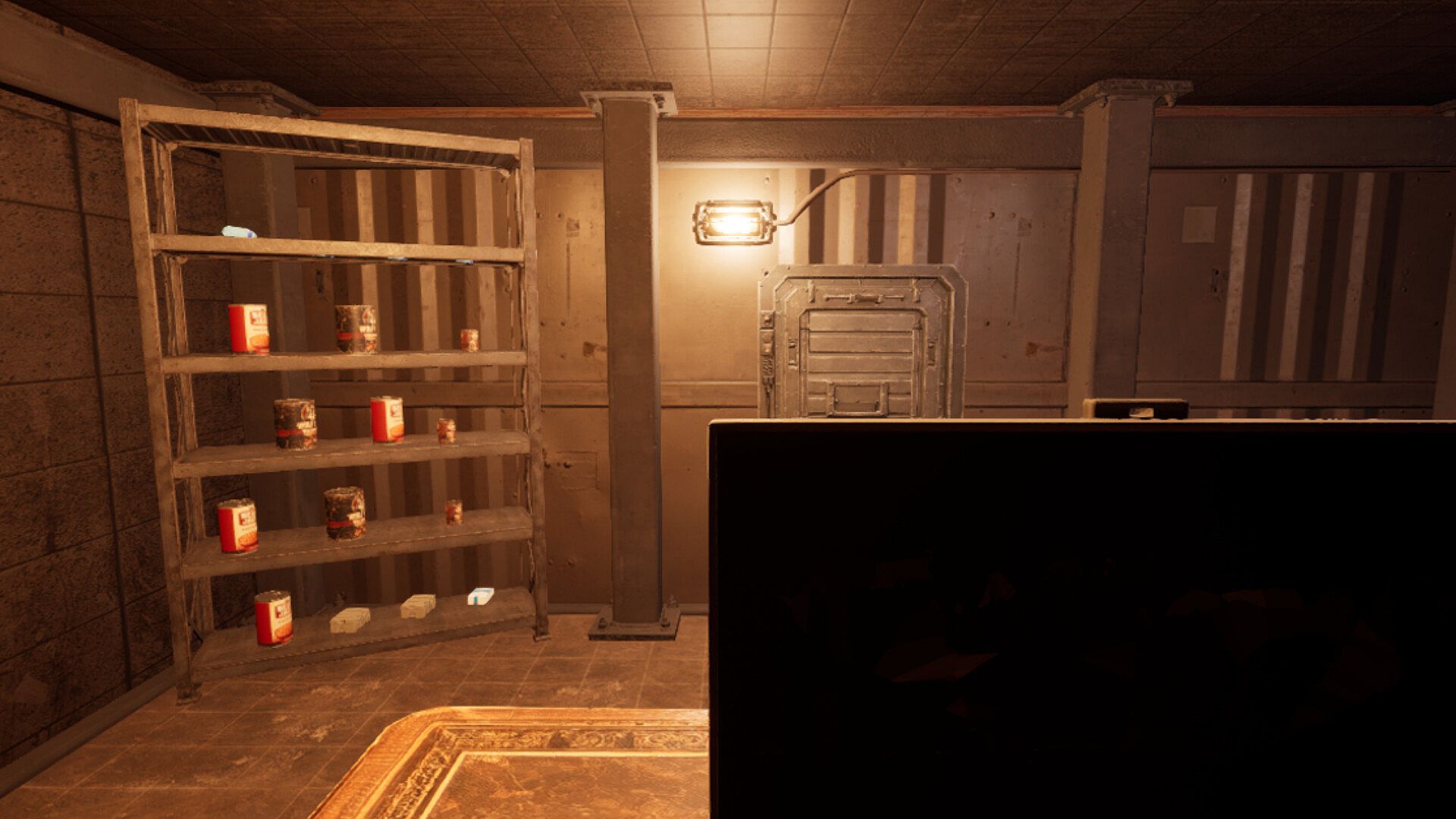
Resource management forms a central pillar. Players track and balance stockpiles of supplies while monitoring personal needs for food, water, and rest. Acquisitions add to inventory, while trades deplete it, requiring careful planning to avoid depletion. Security adds another layer, with camera checks and defense management to identify external threats before resting.
Moral choices influence relationships with survivor communities and factions. Assisting settlements can build trust and future trade opportunities, while exploitation may yield short-term gains but risk retaliation or lost access. Decisions carry lasting consequences, potentially turning former contacts into adversaries or allies.
Game Modes
MR.M operates as a single-player experience focused on narrative progression and personal decision-making. No separate multiplayer modes or competitive elements appear in the current design. The game emphasizes solitary management of the shelter and hatch interactions, with the world state evolving through player choices and external events rather than through distinct modes or seasons.
Progression ties directly to daily cycles of trading, inventory oversight, and security maintenance. Events outside the shelter influence internal economics, creating variability without requiring mode selection. The structure supports repeated playthroughs through branching outcomes based on trust, negotiation success, and resource allocation.
Key Mechanics
Barter economics drive the experience, with players determining true item worth amid scarcity. Psychological tension arises from incomplete information about visitors, encouraging careful observation and risk assessment. Moral choices extend beyond immediate trades to affect faction standing and long-term shelter security.
Inventory systems require ongoing attention to multiple resource types alongside personal status indicators. Defense management integrates with trading by prompting pre-sleep checks for threats. These elements combine to create a loop of assessment, negotiation, and consequence that unfolds over successive days in Early Access.
Is It Worth Playing?
MR.M suits players who enjoy deliberate resource management, narrative choices, and tension from incomplete information in a survival context. The Early Access status means the experience continues to develop, with core systems centered on trading, stockpile oversight, and decision consequences already in place. Those drawn to psychological elements in trading scenarios and the impact of moral decisions on relationships will find the described mechanics align closely with that interest. Availability on PC positions it for solo sessions focused on strategic survival rather than action or multiplayer competition.